

Advertisement
Latest Stories
- Lucy Lovell|May 14, 2026The best things to do in Spain with kids
- Ann Douglas Lott|Apr 20, 2026The people who made my trip to northern Spain unforgettable
- Ann Douglas Lott|Apr 20, 2026Northern Spain: an 11-day road trip with Lonely Planet Journeys
- John Noble|Mar 28, 20268 great walks to explore more of Andalucía
Book
Trip 

Trusted Partner
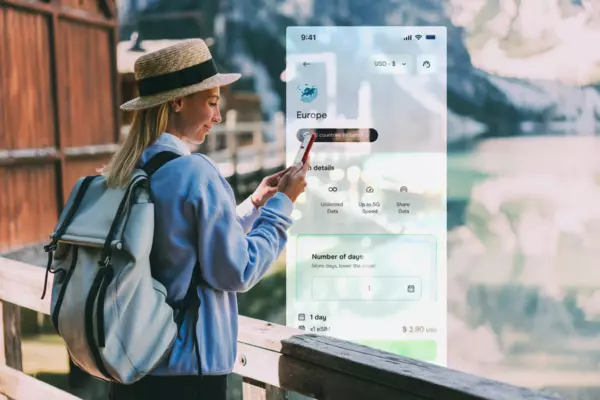
Stay connected in Spain
Holafly eSIM provides unlimited mobile data with no hidden fees, giving you peace of mind wherever you travel. Stay connected even after your plan ends with Always On. Use code LONELYPLANET for an exclusive discount.
Take your Spain trip with Lonely Planet Journeys
Pick one of our ready-to-book trips or fully customize your own with help from our local experts.
bookable trip
8 Days in Mallorca: Balearic Bliss
8 days / 7 nights
highlights
- 1 Tasting the flavors of Palma during a thorough and delicious food crawl
- 2 Visiting a local olive estate to try the best olive oil you’ve ever tasted
- 3 Hopping between local vineyards and sampling Mallorca's varietals with a guided wine tasting
from $2,900
per person


Explore more trips
Explore more trips
-
 Spain
Spain8 days / 7 nights
8 Days in Basque Country: Bilbao, San Sebastián and La Rioja
See Trip DetailsFROM $2,900
per person
-
 Spain
Spain12 days / 11 nights
The Spanish Classics: Barcelona, Madrid, Seville, Granada in 12 days
See Trip DetailsFROM $4,700
per person
-
 Spain
Spain11 days / 10 nights
Málaga, Seville, and the Costa de la Luz: 11 Days in Southern Spain's Andalusia
See Trip DetailsFROM $3,850
per person
-
 Spain
Spain11 days / 10 nights
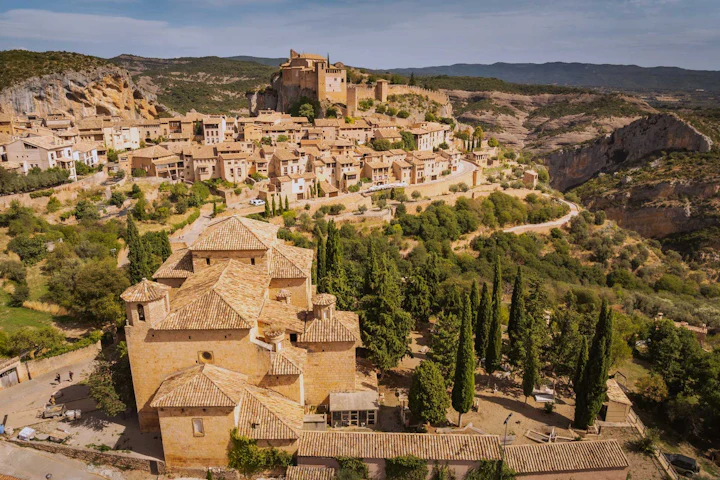
Spain: Spotlights of Northern Spain: Catalonia to Basque Country in 11 Days
See Trip DetailsFROM $5,900
per person
Spain
8 days / 7 nights
8 Days in Basque Country: Bilbao, San Sebastián and La Rioja
FROM $2,900
per person
Spain
12 days / 11 nights
The Spanish Classics: Barcelona, Madrid, Seville, Granada in 12 days
FROM $4,700
per person
Spain
11 days / 10 nights
Málaga, Seville, and the Costa de la Luz: 11 Days in Southern Spain's Andalusia
FROM $3,850
per person
Spain
11 days / 10 nights
Spain: Spotlights of Northern Spain: Catalonia to Basque Country in 11 Days
FROM $5,900
per person
Top places to visit in Spain
Discover the best attractions in Spain from must-see sights to unexpected hidden gems.
-
 Attraction in Ibiza TownCasa Broner
 -
 Attraction in GranadaSala de Dos Hermanas
 -
-
 Attraction in BilbaoMuseo Guggenheim Bilbao
 -
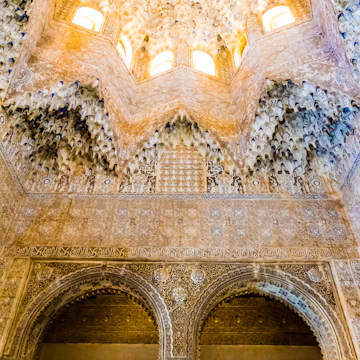 Attraction in GranadaSala de los Abencerrajes
 -
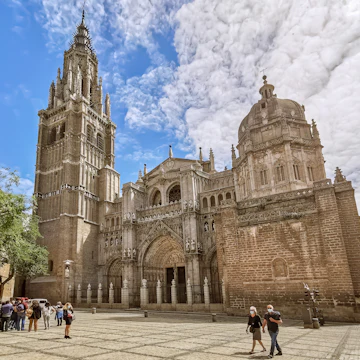 Attraction in ToledoCatedral de Toledo
 -
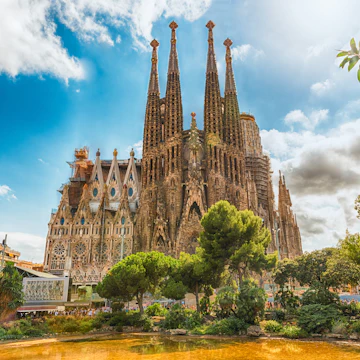 Attraction in L'EixampleLa Sagrada Família
 -

Advertisement
Travel Guides
Spain travel tips from Lonely Planet experts
Find practical guidance from our team of contributors around the world who bring their decades of first-hand travel experience to your next trip.
Best Things to Do
Anyone who loves the Canaries knows that it’s hard where to start. Here are 20 ideas.
Read full article
Best Time to Visit
From the liveliest events in a fun-filled calendar to the best times to come for beach weather, here's are the best times to visit Spain.
Read full article
Things to Know
From speaking Spanish to avoiding common tourist mistakes, this guide full of top tips can get you ready for a trip to Spain.
Read full article
Transportation
Traveling around Spain is convenient, efficient and manageable – thanks to its advanced and accessible public transport infrastructure.
Read full article
Visa Requirements
With Spain introducing a new digital-nomad visa, here are six of the most incredible places in the country for remote workers.
Read full article
Best Road Trips
Set out for history, natural beauty and delicious flavors on these seven road-trip itineraries, which will show you the best of Spain.
Read full article
Money and Costs
Save these tips on how to explore this stunning Spanish archipelago, with its beaches, volcanic landscapes and vibrant local culture, on a budget.
Read full article
Traveling with Kids
Traveling with children in Spain is a delight. Here’s what to do and what to know about visiting the country with kids of all ages.
Read full article
Best Places to Visit
With stunning beaches, top-notch art museums and unmatched cuisine, Spain regularly steals hearts. Add these top 14 places to your shortlist for 2025 travel.
Read full article
Get Connected
Stay connected when on vacation in Spain with this guide to cell service, roaming charges and data.
Read full article
Advertisement
Get a book. Get inspired. Get exploring.


in partnership with getyourguide
Book popular activities in Spain
Spain and beyond
-
 destinationAndalucía
 -
 destinationCanary Islands
 -
 destinationMallorca
 -
 destinationBarcelona
 -
 destinationMadrid
 -
 destinationIbiza
 -
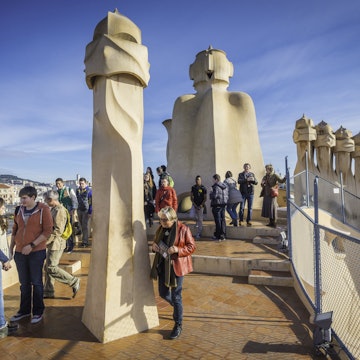 destinationL'Eixample
 -
 destinationBilbao
Advertisement