Orkney
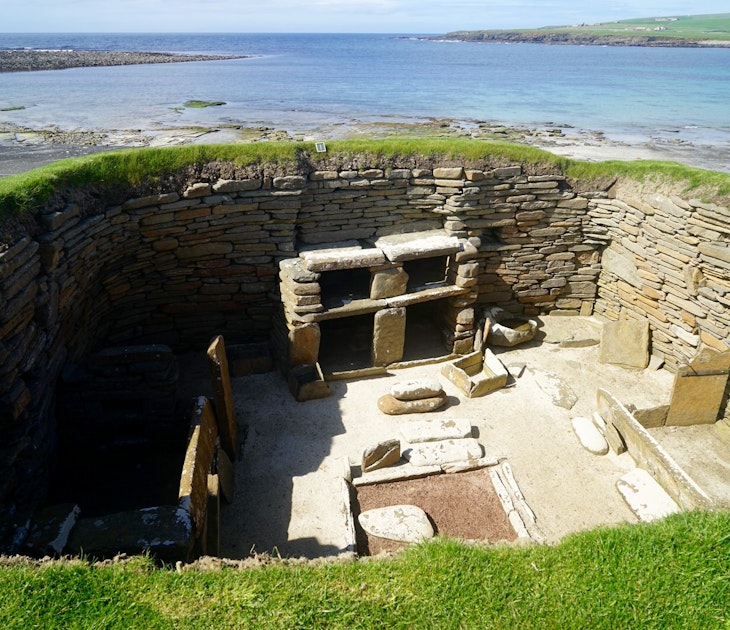
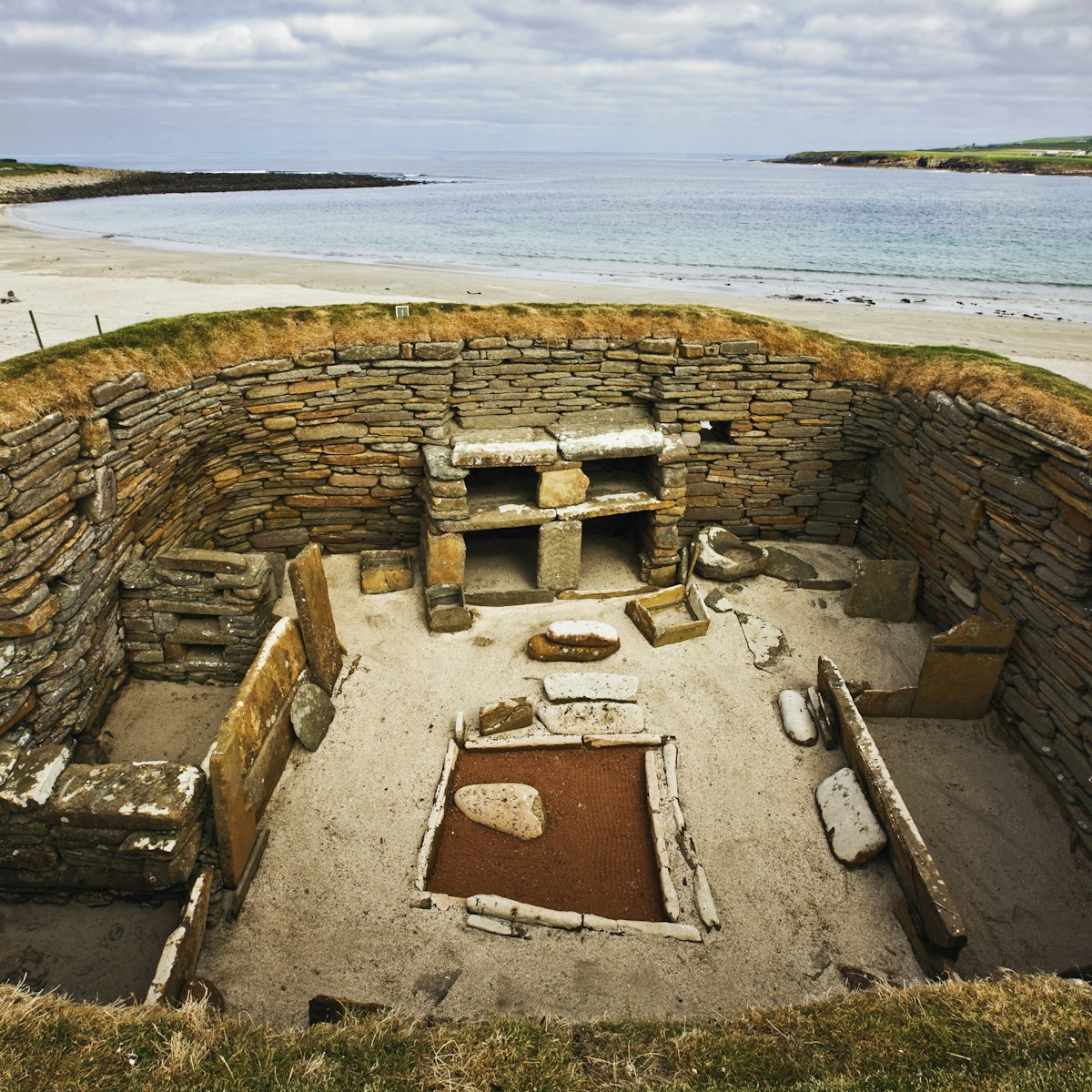
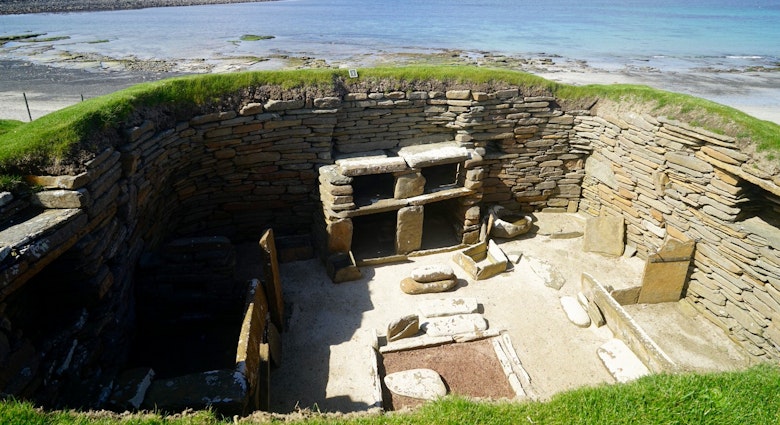
Predating Stonehenge and the pyramids of Giza, extraordinary Skara Brae is one of the world's most evocative prehistoric sites, and northern Europe’s best…
Justin Foulkes
There’s a magic to Orkney that you begin to feel as soon as the Scottish mainland slips astern. Only a few short miles of ocean separate the chain of islands from Scotland's north coast, but the Pentland Firth is one of Europe’s most dangerous waterways, a graveyard of ships that adds an extra mystique to these islands shimmering in the sea mists.
Experience the real Orkney. Let a local expert handle the planning for you.
Get startedOrkney
Predating Stonehenge and the pyramids of Giza, extraordinary Skara Brae is one of the world's most evocative prehistoric sites, and northern Europe’s best…
Orkney
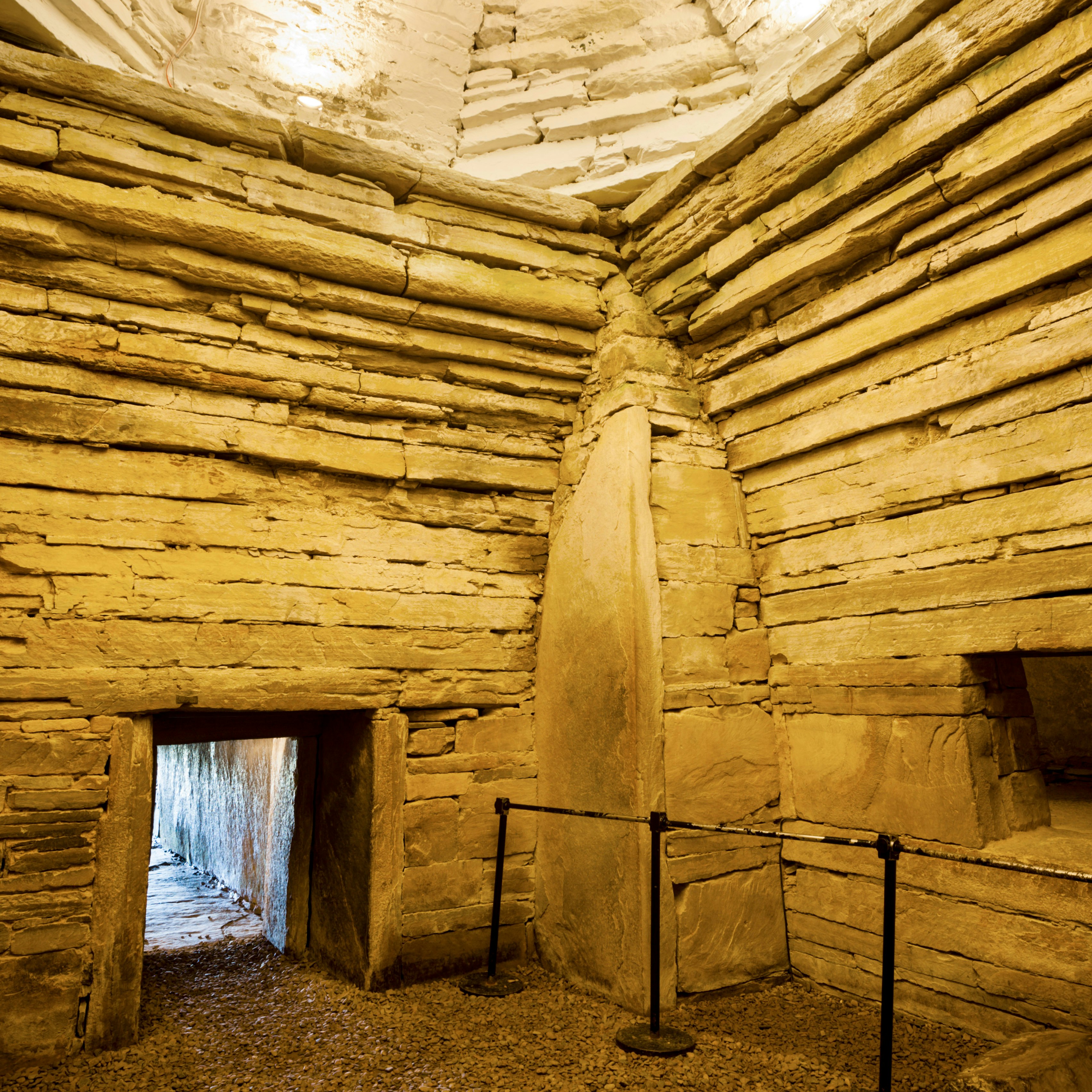
Constructed about 5000 years ago, Maeshowe is an extraordinary place, a Stone Age tomb built from enormous sandstone blocks, some of which weighed many…

Orkney
Two significant archaeological sites were found here by a farmer on his land. The first is a Bronze Age stone building with a firepit, indoor well and…
Kirkwall
Constructed from local red sandstone, Kirkwall's centrepiece, dating from the early 12th century, is among Scotland's most interesting cathedrals. The…
Orkney
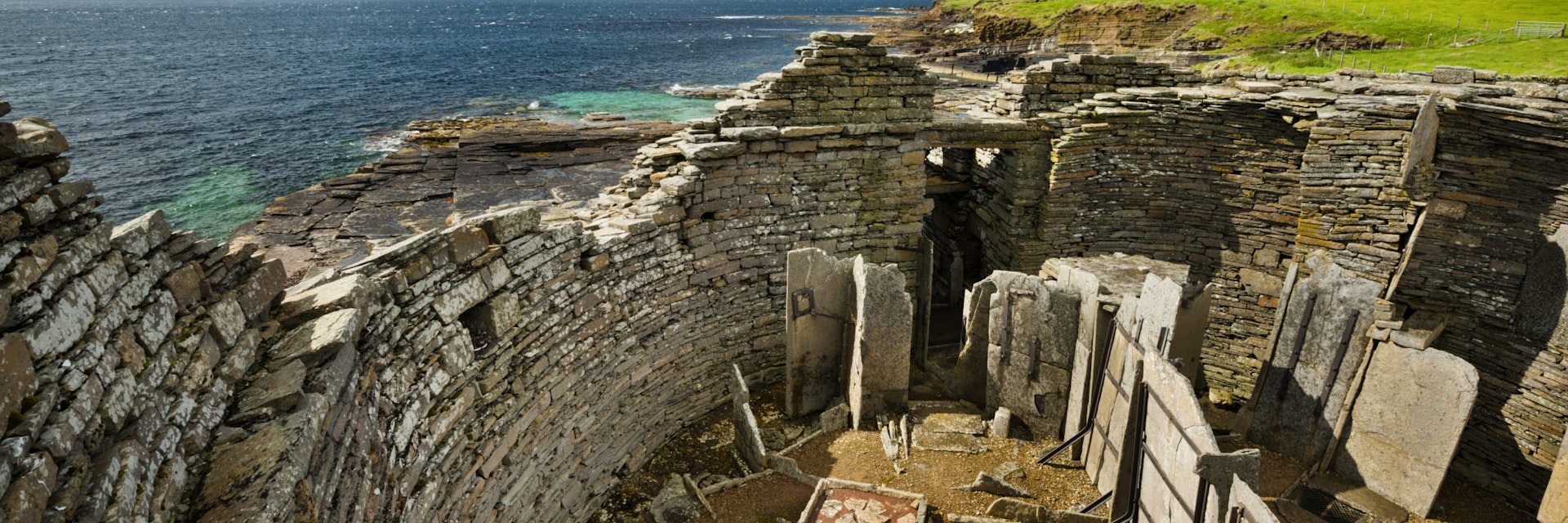
Six miles from the ferry on Rousay, mighty Midhowe Cairn has been dubbed the 'Great Ship of Death'. Built around 3500 BC and enormous, it's divided into…
Orkney
By the seashore, this sturdy stone-built farmhouse and storeroom are solidly built testimony to crofting life on Papa Westray island…5500 years ago. An…
Kirkwall
This distillery, South of Kirkwall's centre, is great to visit. Despite a dodgy Viking rebrand, it's a serious distillery that malts its own barley; see…
Orkney
This superb museum, run with great passion, is full of knick-knacks from maritime and natural-history exhibitions covering whaling, the Hudson's Bay…
Filter by interest:
Nov 6, 2015 • 5 min read
Get to the heart of Orkney with one of our in-depth, award-winning guidebooks, covering maps, itineraries, and expert guidance.