Waikato & the Coromandel Peninsula
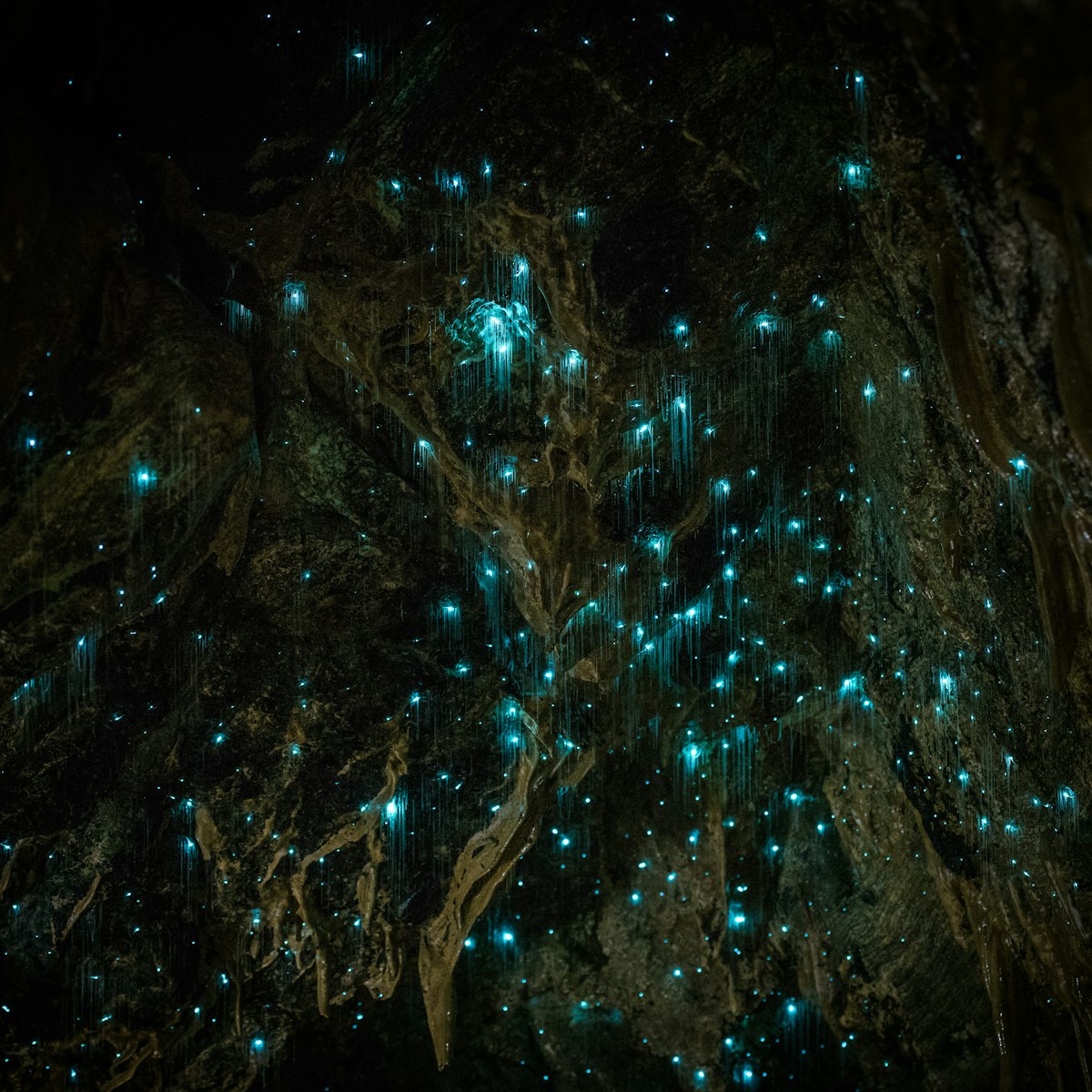
The guided tour of the Glowworm Cave, which is behind the visitor centre, leads past impressive stalactites and stalagmites into a large cavern known as…
Matt Munro
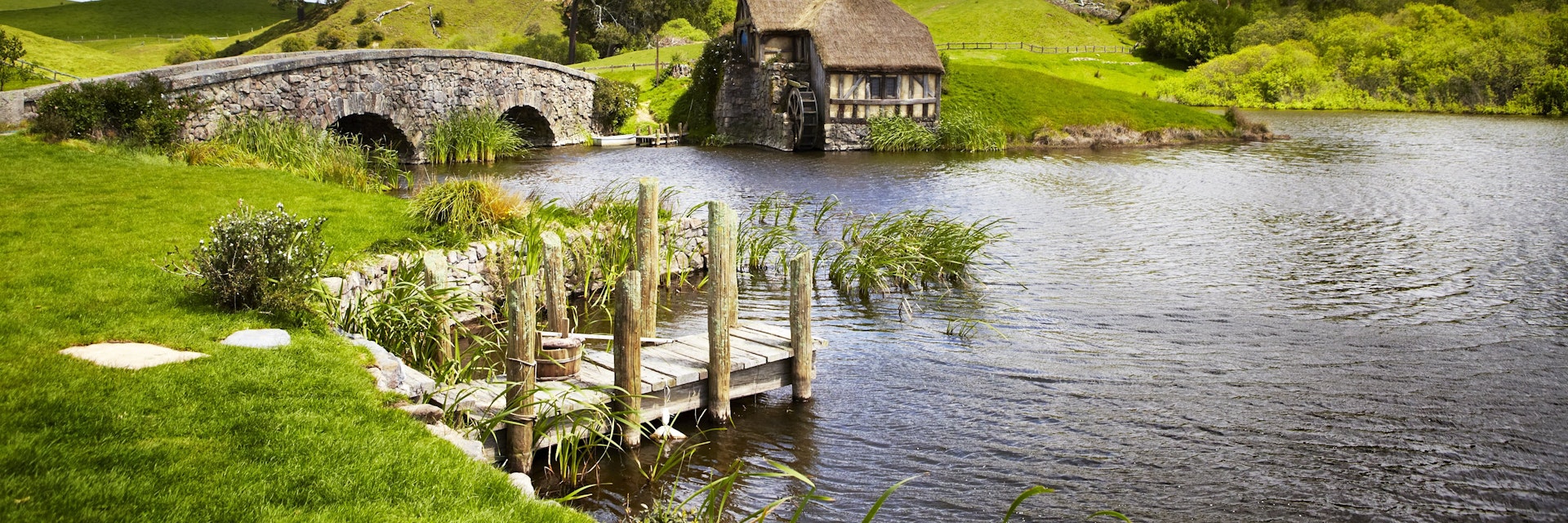
Verdant rolling hills line New Zealand’s mighty Waikato River, and adrenaline junkies can surf at Raglan, or undertake extreme underground pursuits in the extraordinary Waitomo Caves.
Waikato & the Coromandel Peninsula
The guided tour of the Glowworm Cave, which is behind the visitor centre, leads past impressive stalactites and stalagmites into a large cavern known as…
Hamilton
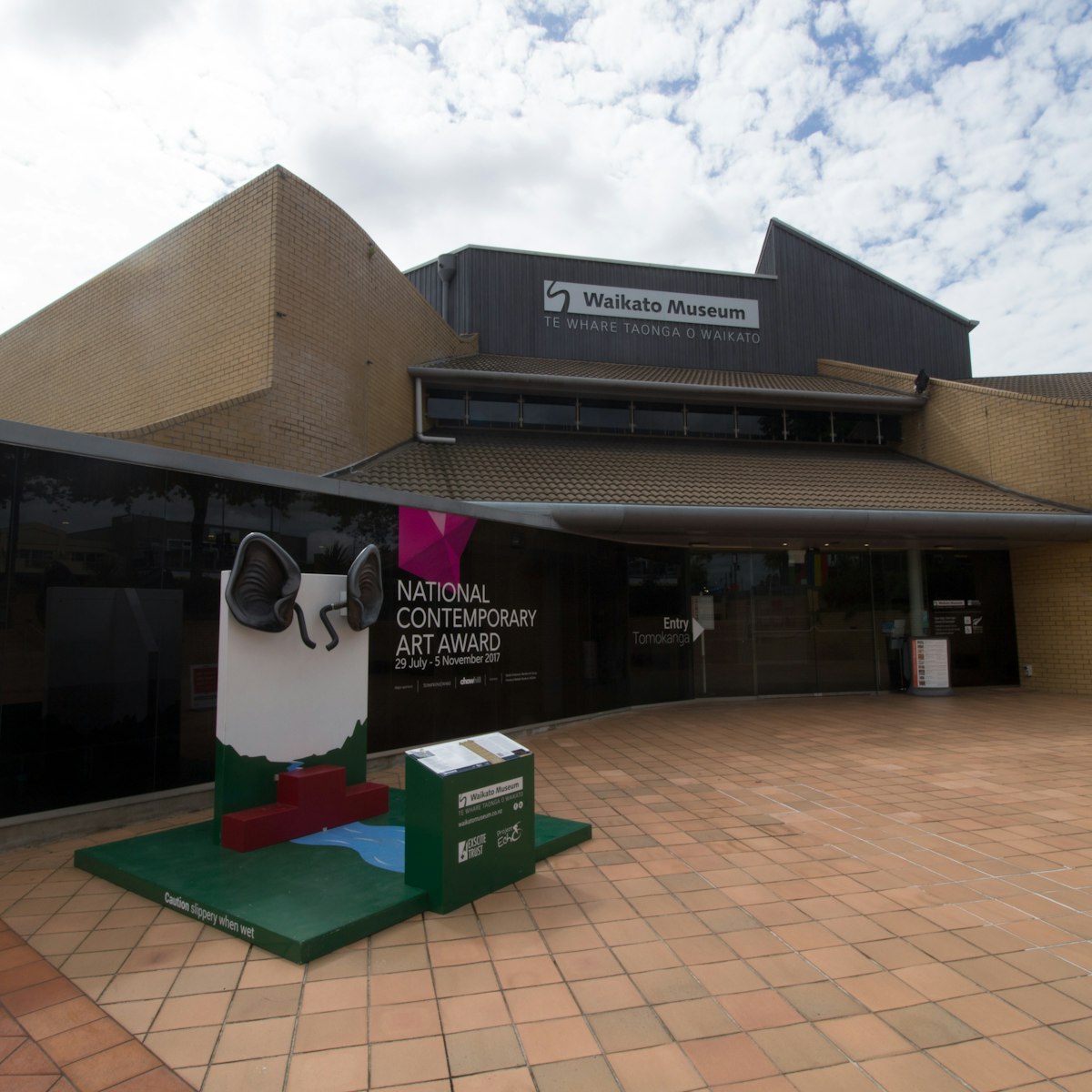
The excellent Waikato Museum has several main areas: an art gallery; interactive science galleries; a Waikato River exhibition; and Tainui galleries…
Coromandel Peninsula
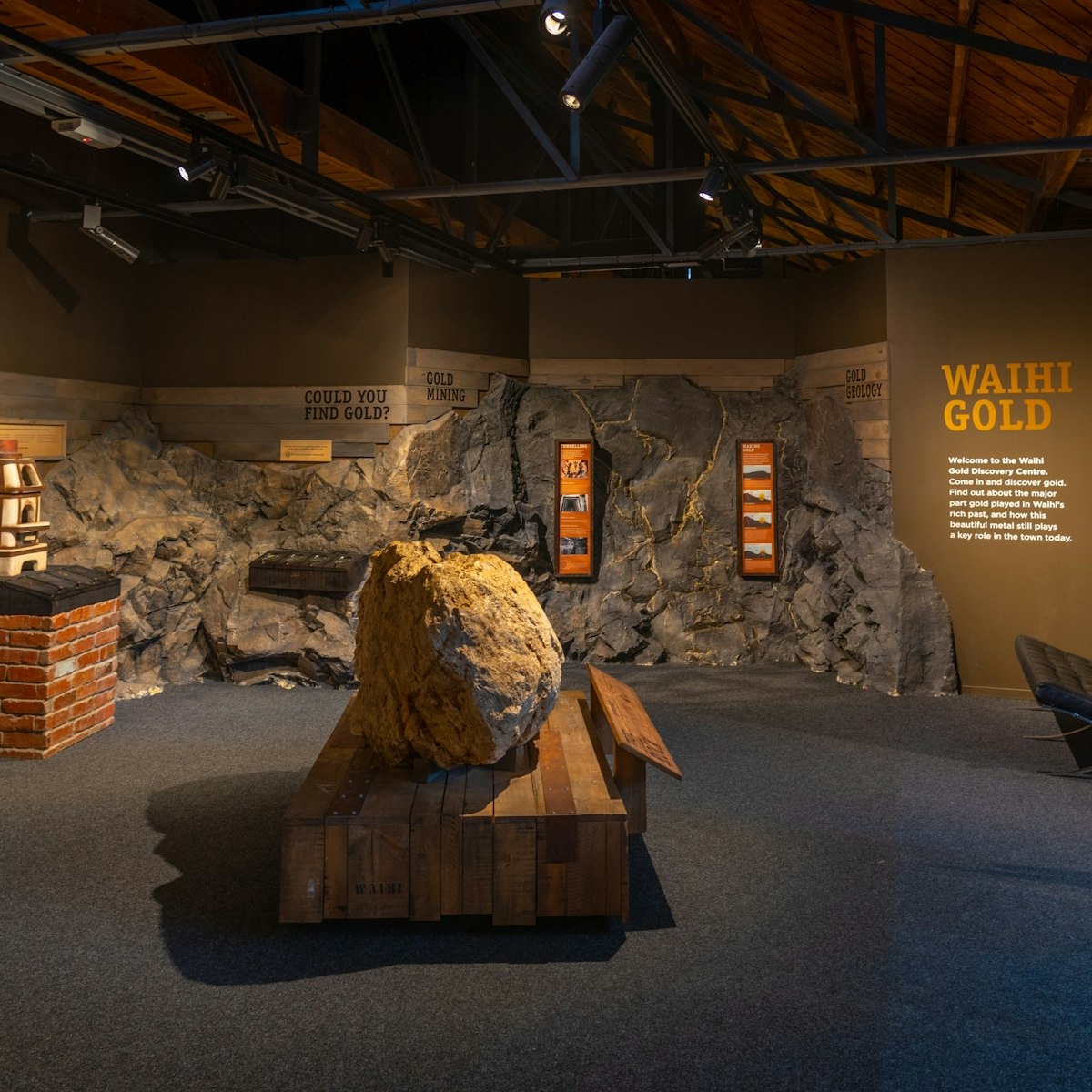
Waihi’s superb Gold Discovery Centre tells of the area’s gold-mining past, present and future through interactive displays, focusing on personal and…
Hamilton
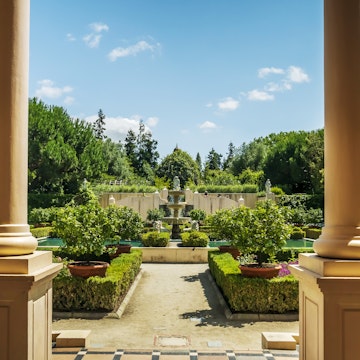
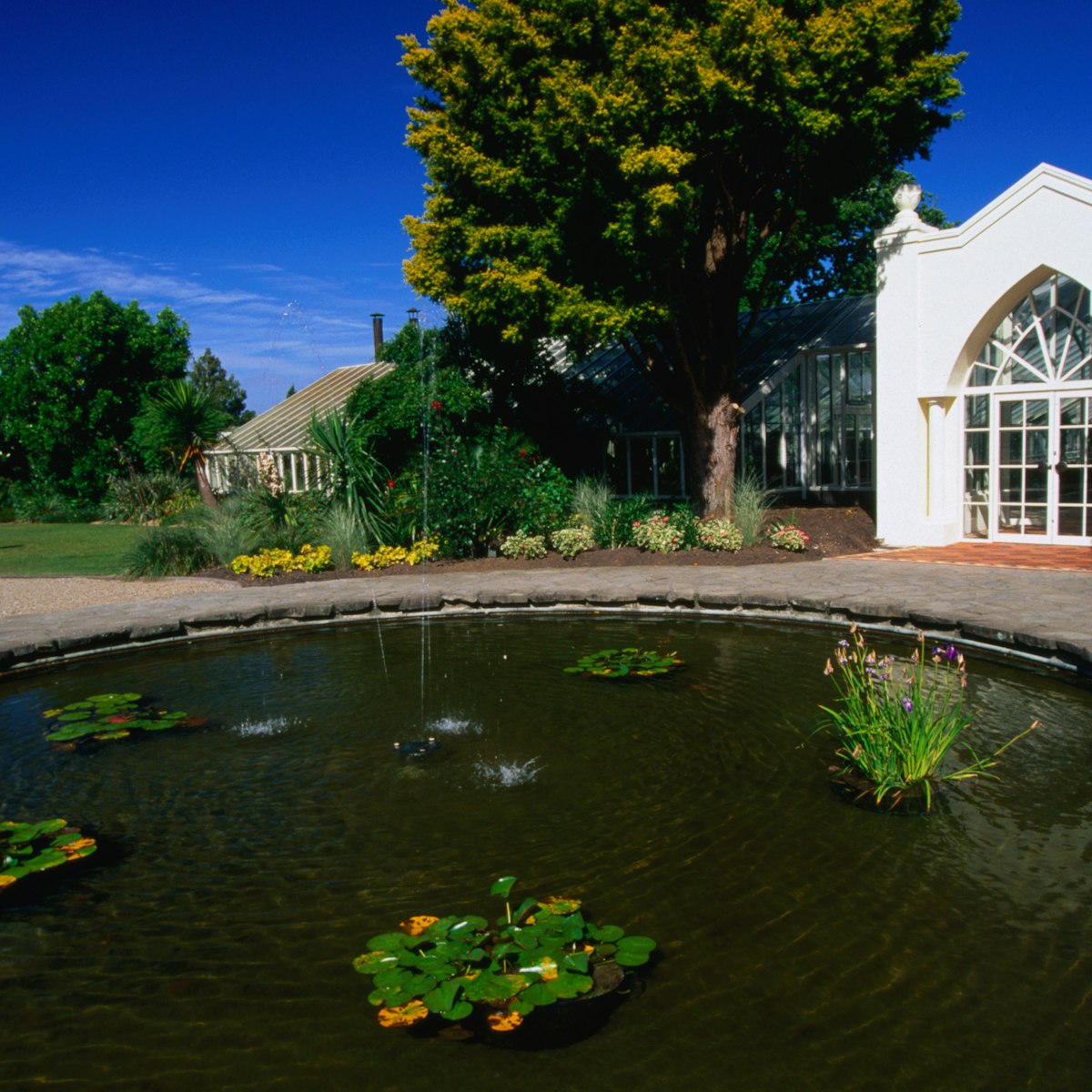
Spread over 50 hectares southeast of the city centre, Hamilton Gardens incorporates a large park, a cafe, a restaurant, and extravagant themed and…

Waikato & the Coromandel Peninsula
Te Awamutu Museum has a superb collection of Māori taonga (treasures) and an excellent display on the Waikato War. The highlight is the revered Te Uenuku …
Coromandel Peninsula
Walk through a mine tunnel, watch a stamper battery crush rock, learn about the history of the Cornish miners and try your hand at panning for gold…
Coromandel Peninsula
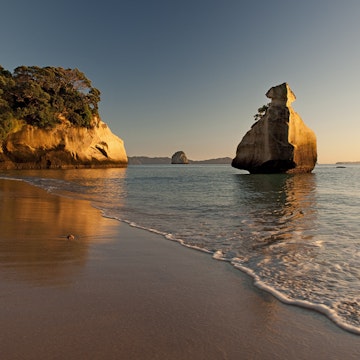
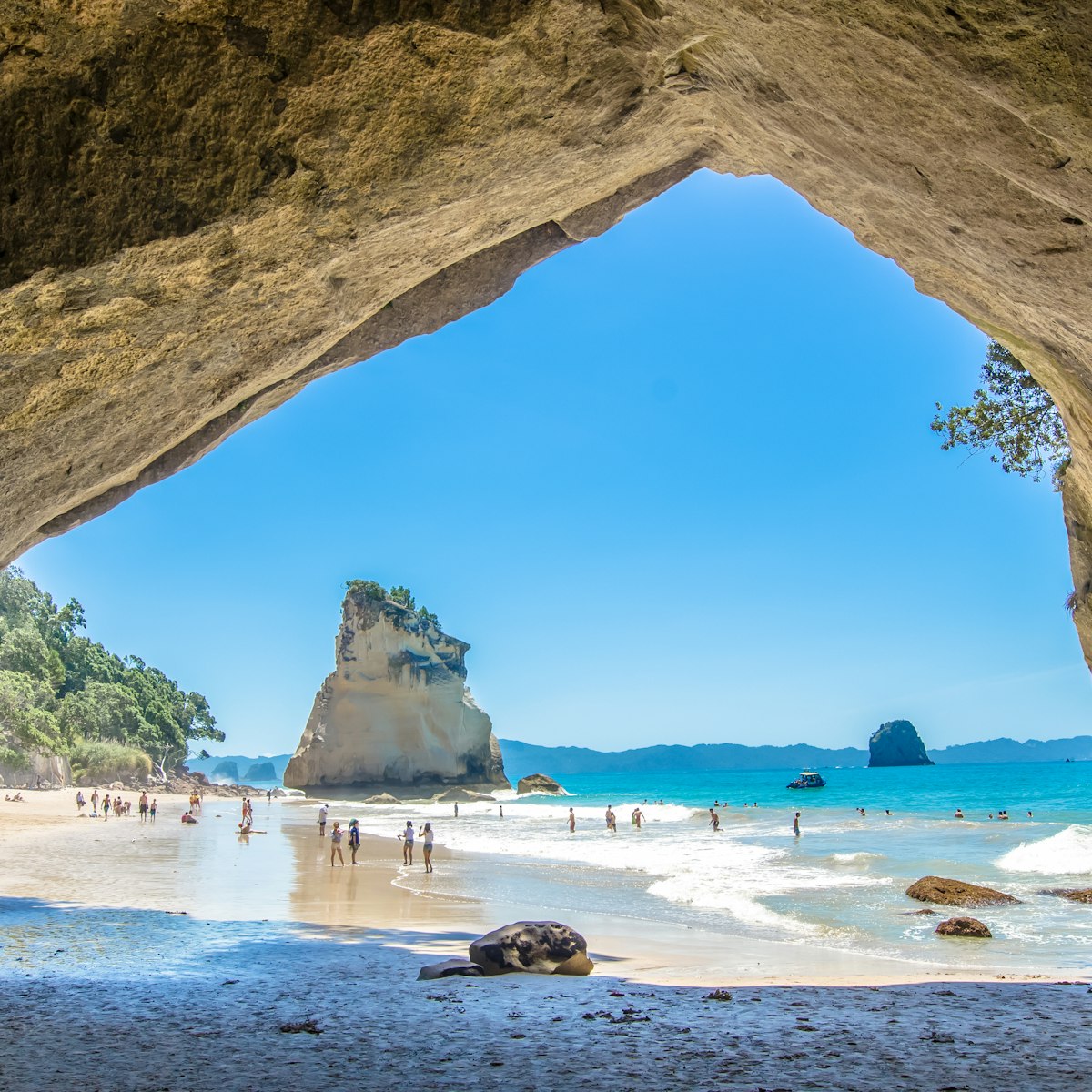
Beautiful Cathedral Cove, with its famous gigantic stone arch and natural waterfall shower, is best enjoyed early or late in the day – avoiding the worst…
Coromandel Peninsula
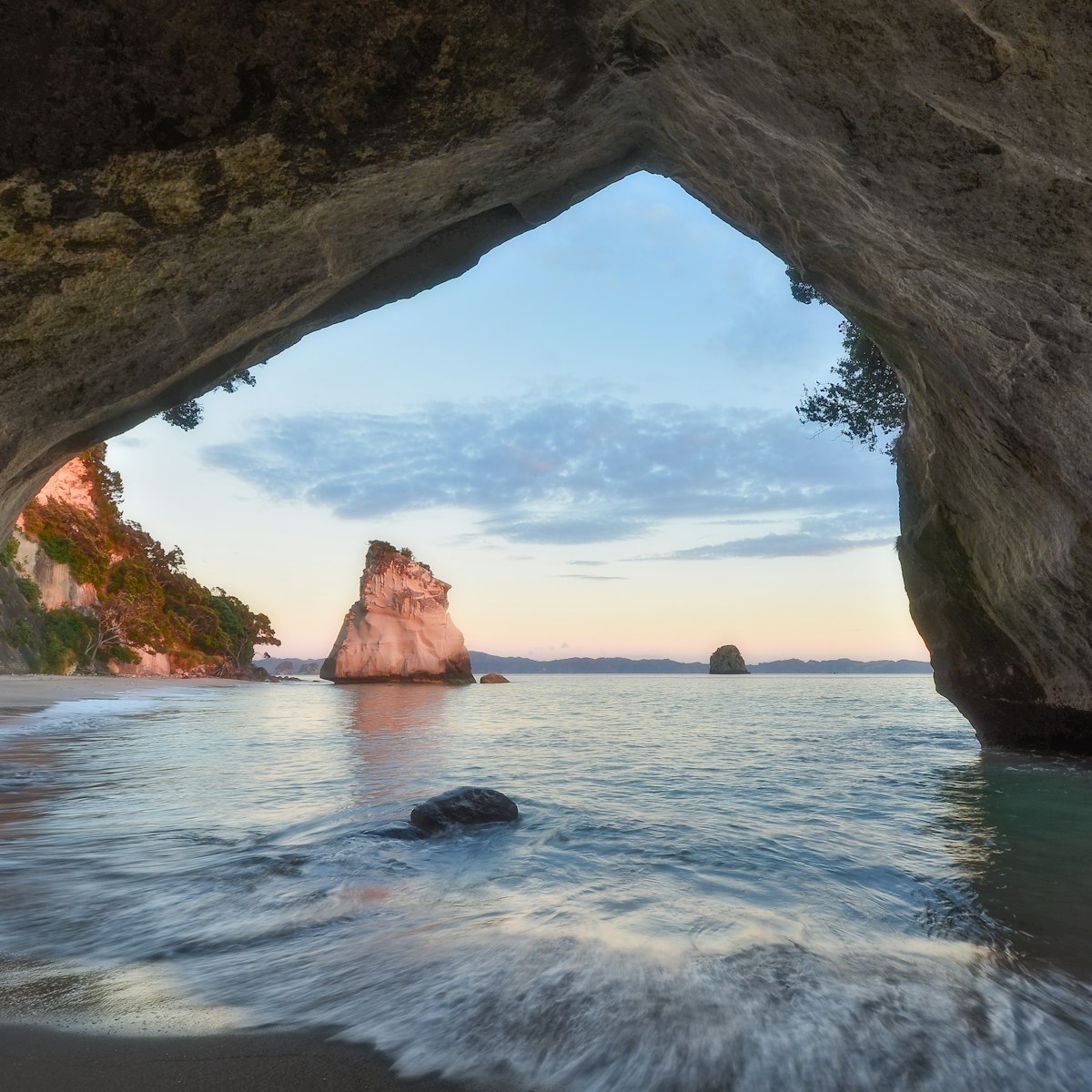
Long, lovely Hahei Beach is made more magical by the view to the craggy islands in the distance. From the southern end of Hahei Beach, it’s a 15-minute…
Filter by interest:
Get to the heart of Waikato & the Coromandel Peninsula with one of our in-depth, award-winning guidebooks, covering maps, itineraries, and expert guidance.