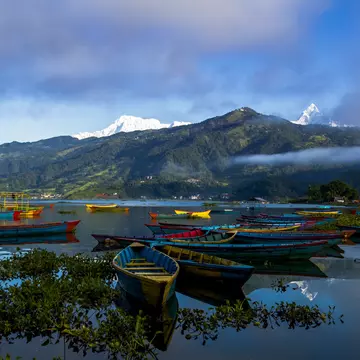
Nepal
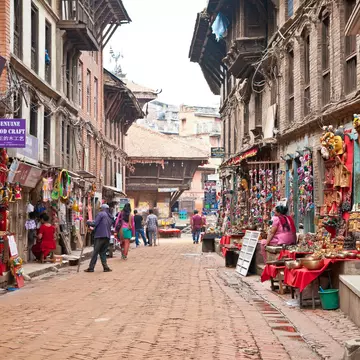
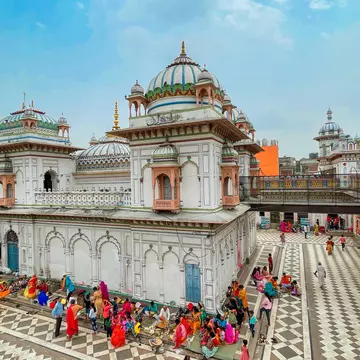
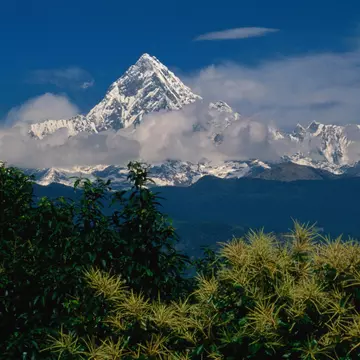
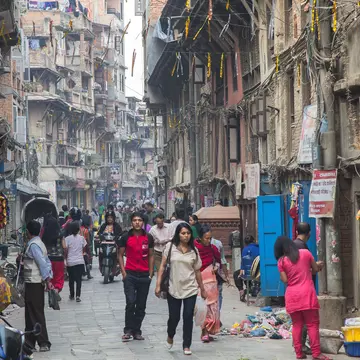
A trekkers' paradise, Nepal combines Himalayan views, golden temples, charming hill villages and jungle wildlife watching to offer one of the world's great travel destinations.
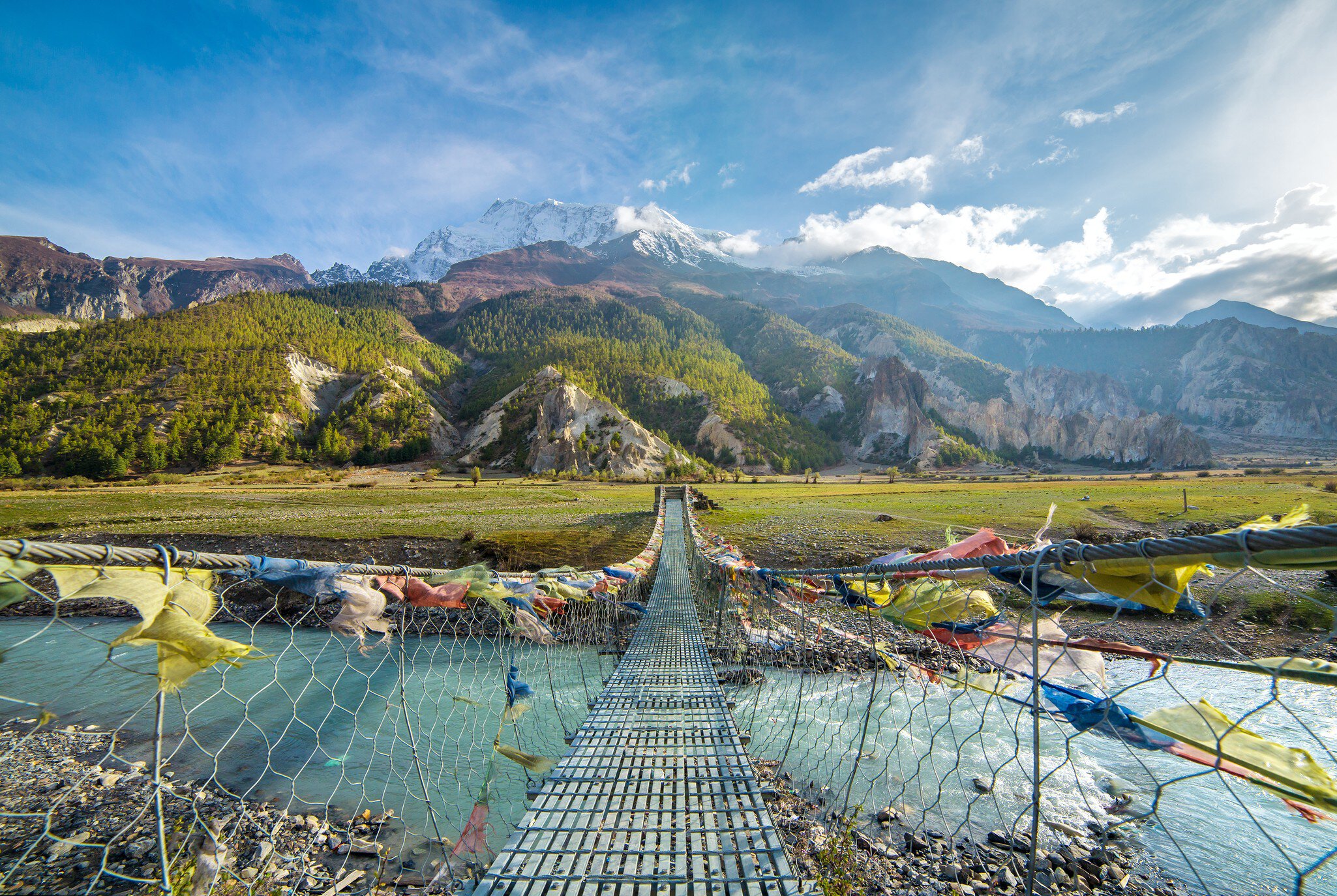
©Mazur Travel/Shutterstock
Latest Stories
- Joe Bindloss | Aug 21, 2026The 10 Best Trails for Trekking in Nepal
- Elen Turner | Nov 24, 20258 of the Best Places to Visit in Nepal
- Shafik Meghji | Nov 24, 2025The 8 Top National Parks in Nepal
- Shafik Meghji | Nov 24, 20255 of the Best Road Trips in Nepal
Book
Trip 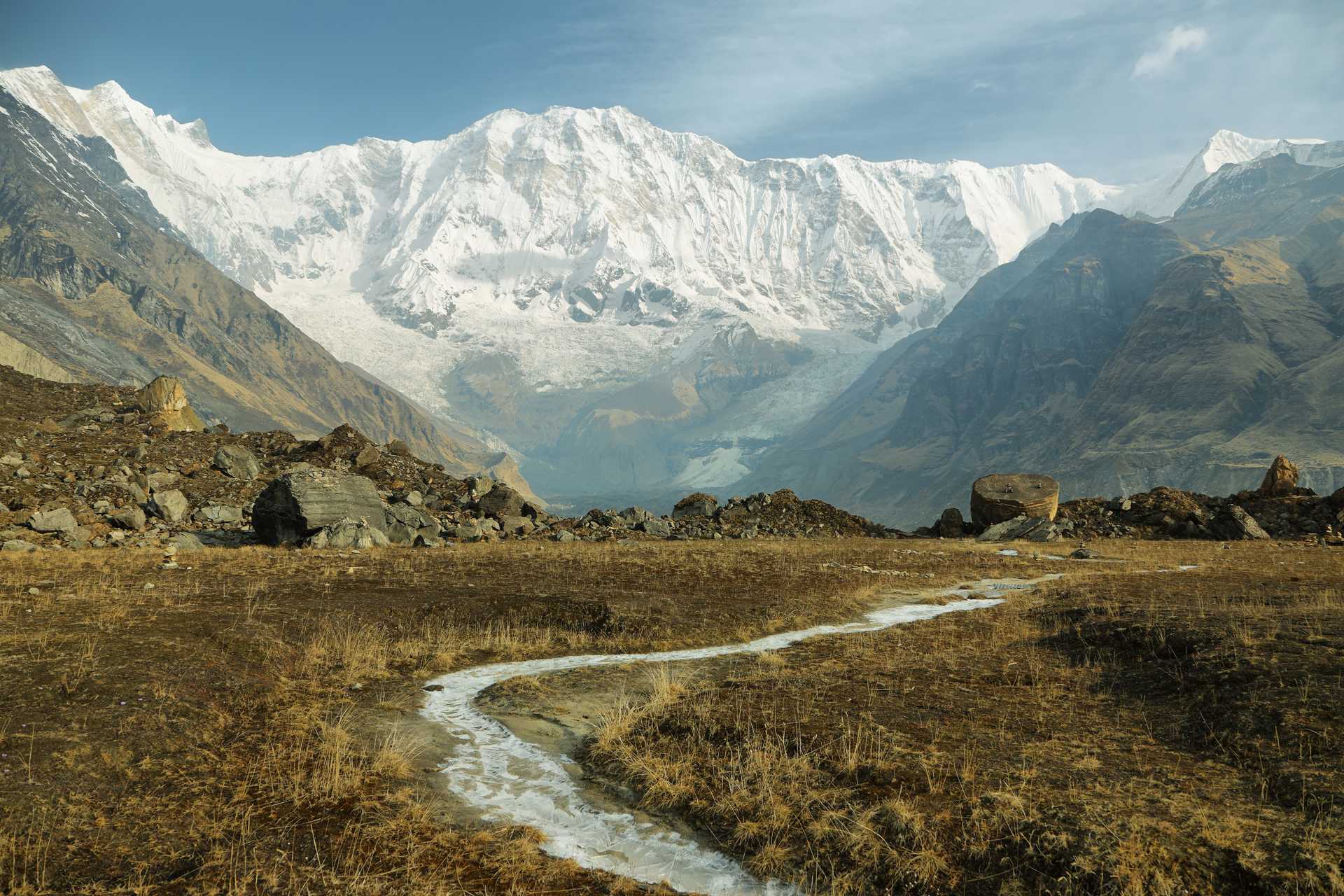
12 days / 11 nights
Searching for the Sacred: A 12-Day Journey Through Nepal's Mountains, Villages, and Traditions

Trusted Partner
Dreaming of Nepal? Protect your trip
Travel with confidence. Protect your trip and your wallet.
We don’t represent World Nomads, we receive a fee from quotes using this link. This is not a recommendation to buy travel insurance.
Book your Nepal trip with Lonely Planet Journeys
See Nepal how it's meant to be seen
Planned by local experts and tailored to you, Lonely Planet Journeys handles the logistics so you can just enjoy the trip. Tell us what you want and we'll build your Nepal itinerary from scratch, or browse our bookable trips to get inspired.

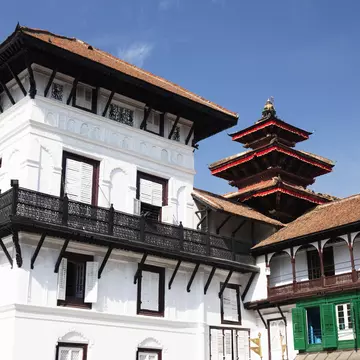
Top places to visit in Nepal
Discover the best attractions in Nepal from must-see sights to unexpected hidden gems.
- Attraction in KathmanduHanuman Dhoka
-
 Attraction in PatanDurbar Square (Patan)
 - Attraction in KathmanduGaddhi Baithak
- Attraction in KathmanduMohan Chowk
- Attraction in KathmanduNasal Chowk
- Attraction in KathmanduSundari Chowk
- Attraction in KathmanduTribhuvan Museum
- Attraction in KathmanduBasantapur Tower
Travel Guides
Nepal travel tips from Lonely Planet experts
Find practical guidance from our team of contributors around the world who bring their decades of first-hand travel experience to your next trip.
Best Things to Do
Discover Nepal’s top things to do in 2025: trek the Himalayas, explore cultural heritage, enjoy wildlife safaris and experience thrilling adventures.
Read full article
Best Time to Visit
Whether you're after mountain adventures or dynamic festivals, timing is a key part of a trip to Nepal. Here's how to choose the best month for your needs.
Read full article
Transportation
Exploring Nepal is tempting - but not always easy. Here’s all you need to know about buses, private cars, flights and more within the Himalayan country.
Read full article
Best Road Trips
Nepal is famous for its trekking trails, but the roads offer plenty of adventures at less dizzying altitudes. Here's a guide to Nepal's best road trips.
Read full article
Best Places to Visit
Don't miss the best of Nepal with our guide to the top places to visit.
Read full article
Get a book. Get inspired. Get exploring.
in partnership with getyourguide
Book popular activities in Nepal
Lonely Planet may earn a commission from affiliate links on our site. All recommendations and reviews reflect our own independent opinions.
Nepal and beyond
- destinationAround the Kathmandu Valley
- destinationThe Terai & Mahabharat Range
- destinationHimalayan Region
- destinationKathmandu
- destinationPokhara
-
 destinationPatan
 - destinationChitwan National Park
- destinationBhaktapur