Patan
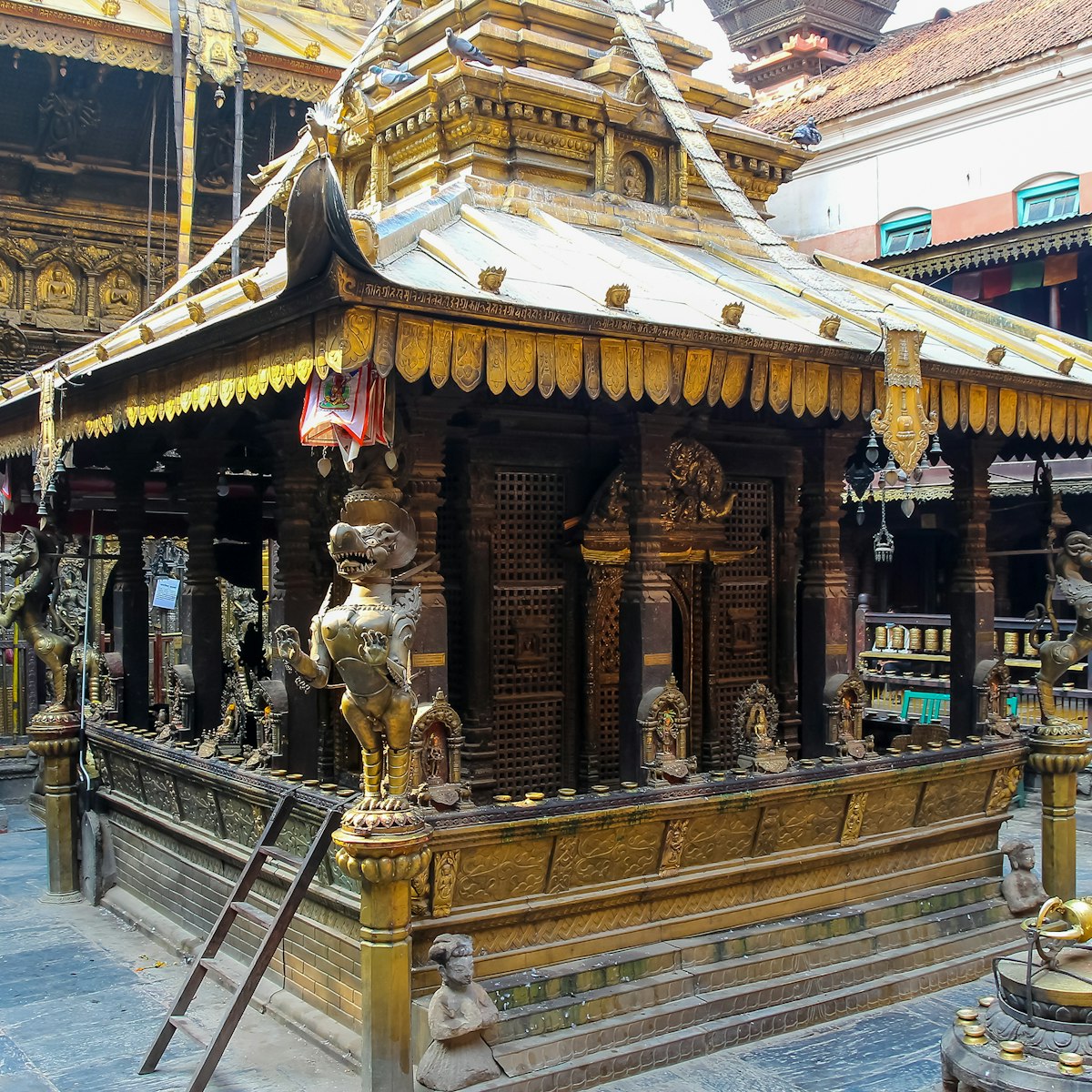
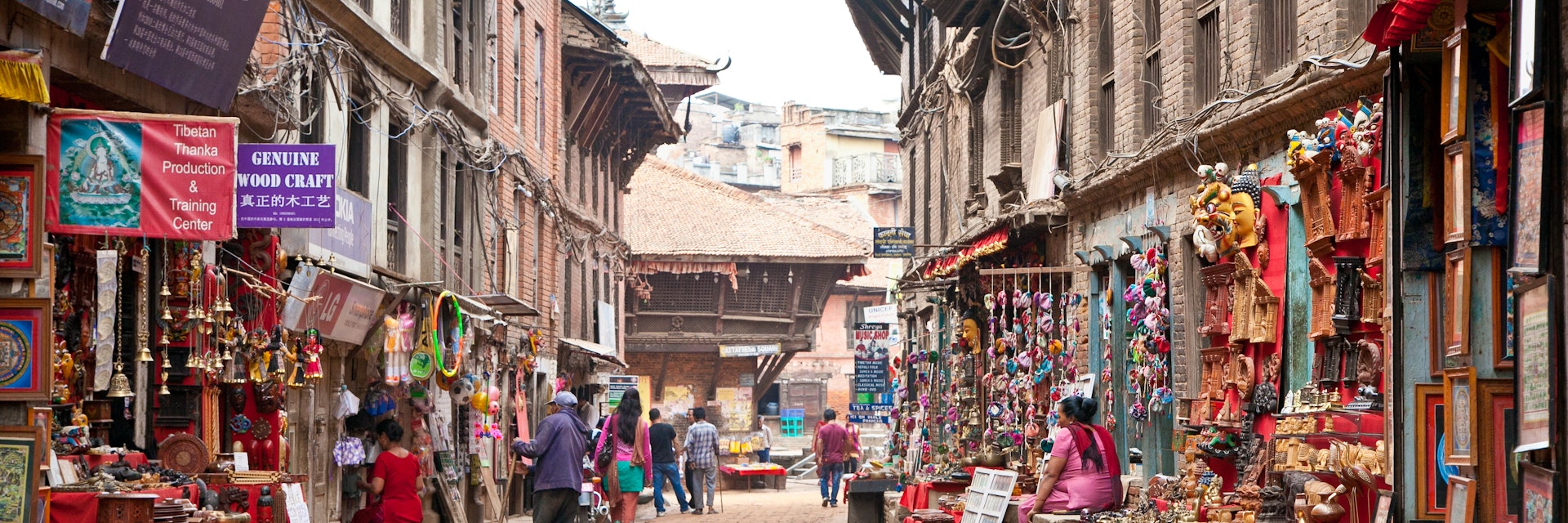
This unique Buddhist monastery is just north of Durbar Sq. It was allegedly founded in the 12th century, and it has existed in its current form since 1409…
Shutterstock / Aleksandar Todorovic
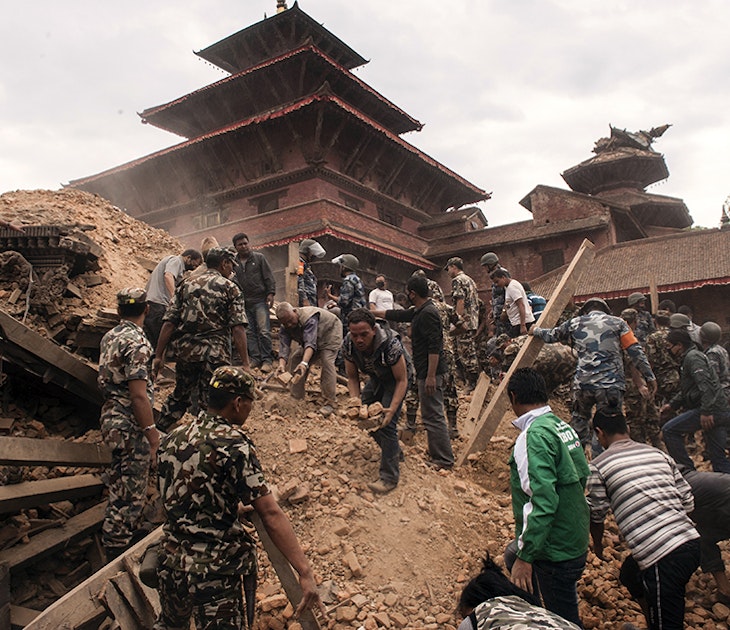
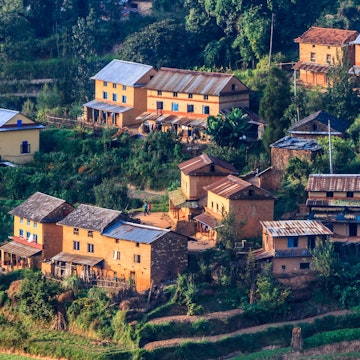
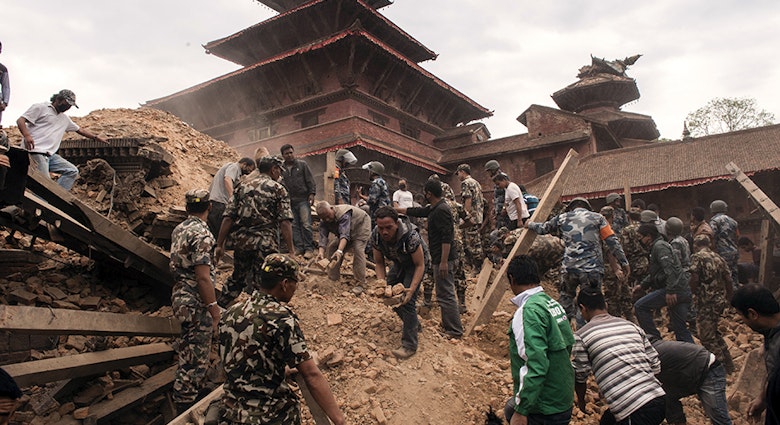
In many ways the Kathmandu Valley is Nepal. Created from the bed of a sacred lake by the deity Manjushri, according to Buddhist legend, the basin is a patchwork of terraced fields and sacred temple towns that showcase the glory of the architects and artisans of Nepal. Sadly, the area also bore the brunt of the 2015 earthquake. This has taken its toll on the valley's medieval villages, but there is still much to see, from centuries-old temples to Himalayan viewpoints and an adventurous road to Tibet.
Experience the real Around the Kathmandu Valley. Let a local expert handle the planning for you.
Get startedPatan
This unique Buddhist monastery is just north of Durbar Sq. It was allegedly founded in the 12th century, and it has existed in its current form since 1409…
Bhaktapur
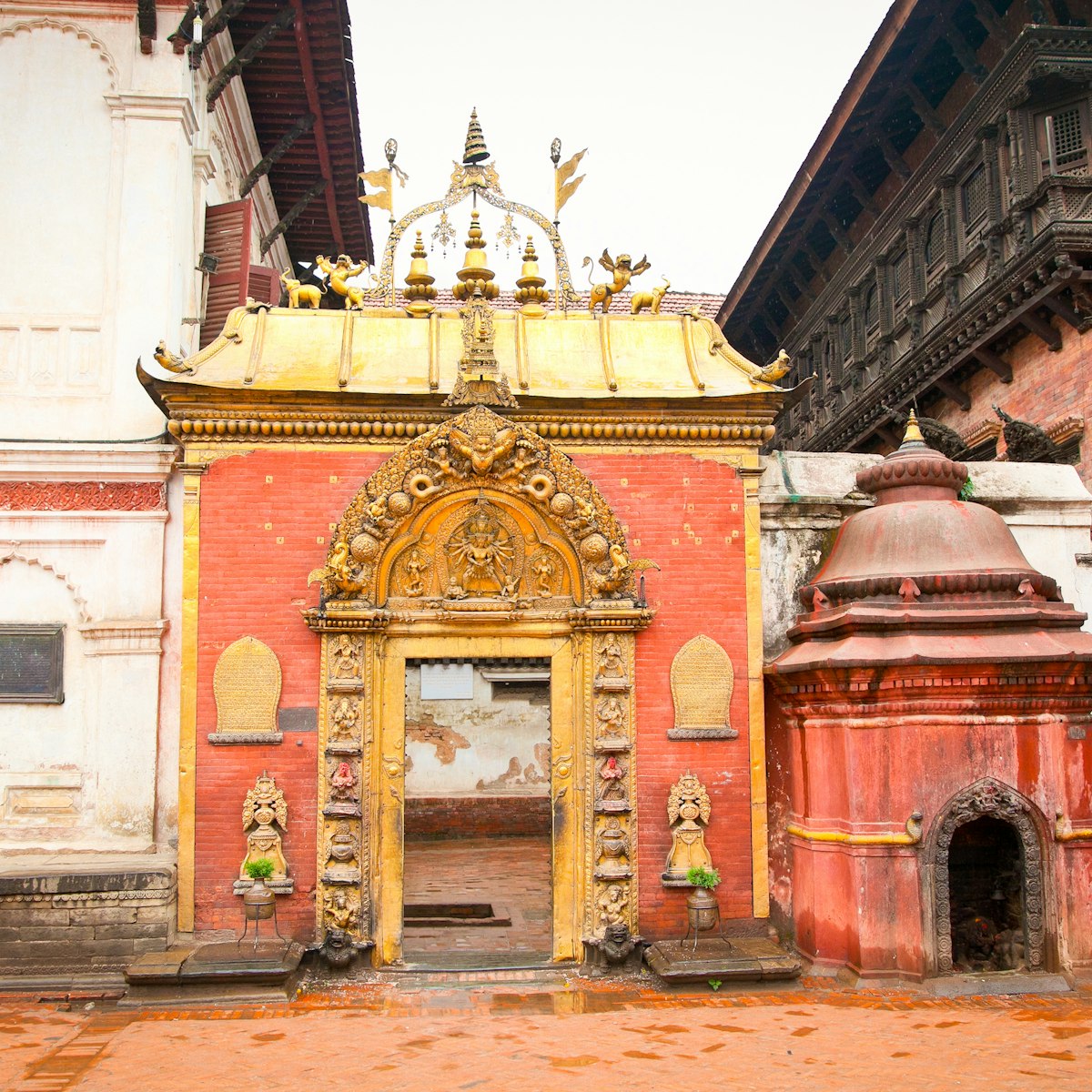
The magnificent Golden Gate is a visual highlight of Durbar Sq. Set into a bright red gatehouse surrounded by white palace walls, the fabulous golden…
Bhaktapur
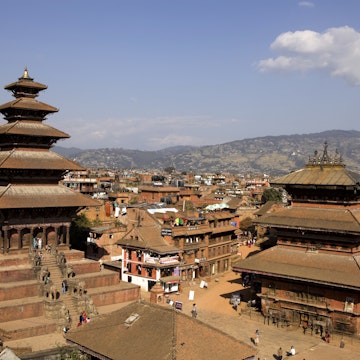
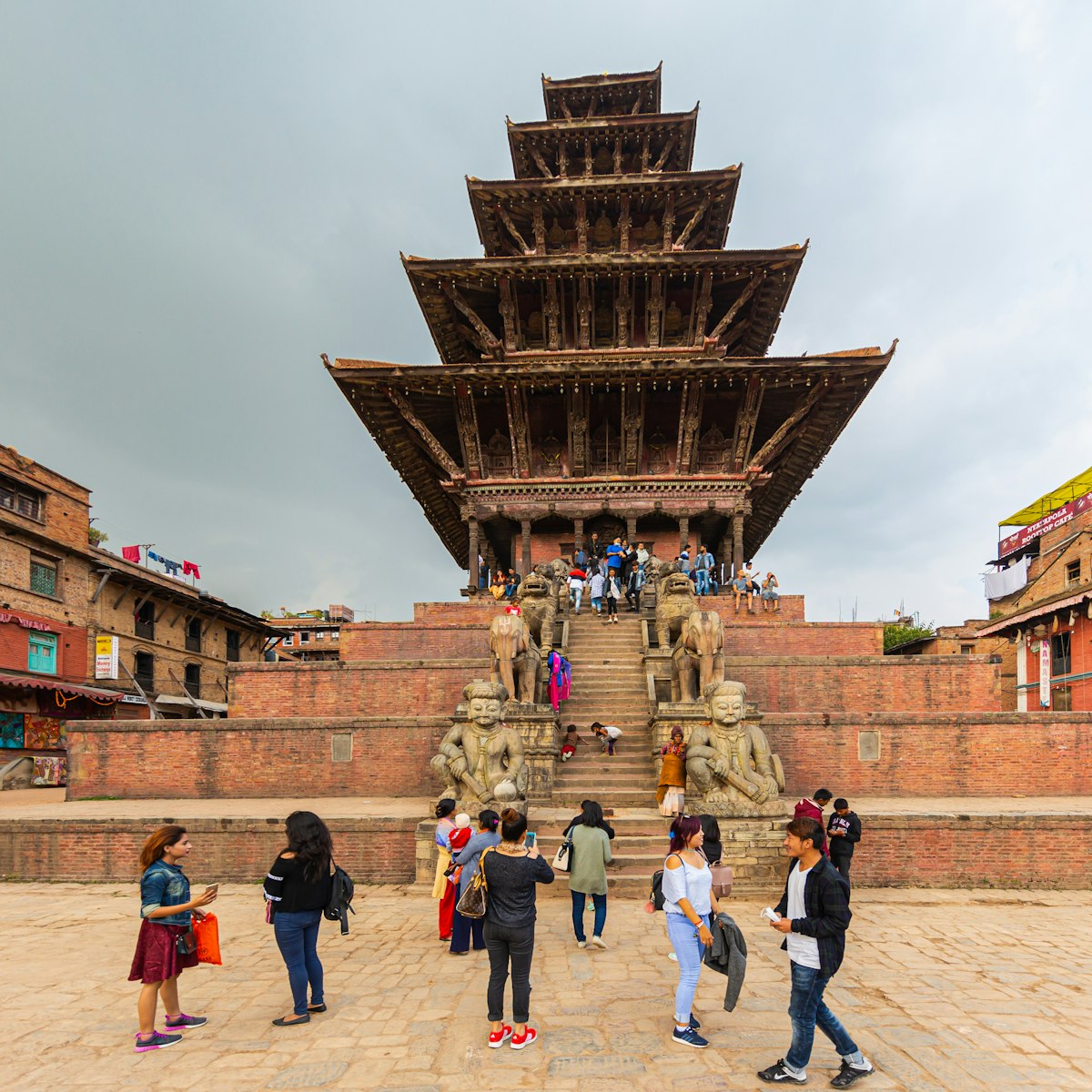
You should be able to see the sky-high rooftop of the Nyatapola Temple long before you reach Taumadhi Tole. With five storeys towering 30m above the…
Patan
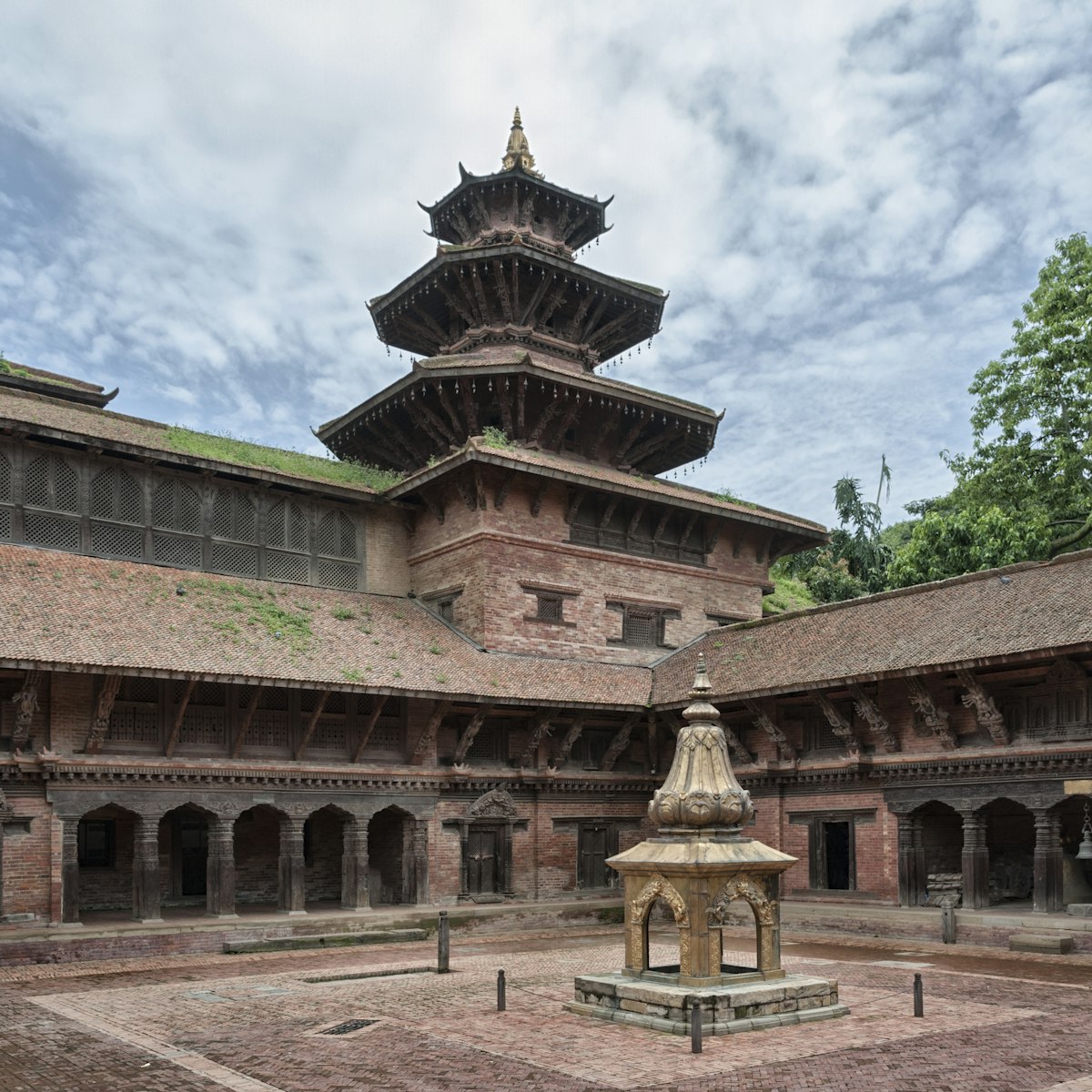
South of the Patan Museum, a gateway opens onto the stately Mul Chowk, the largest and oldest of the Royal Palace’s three main chowk (squares). The…
Patan
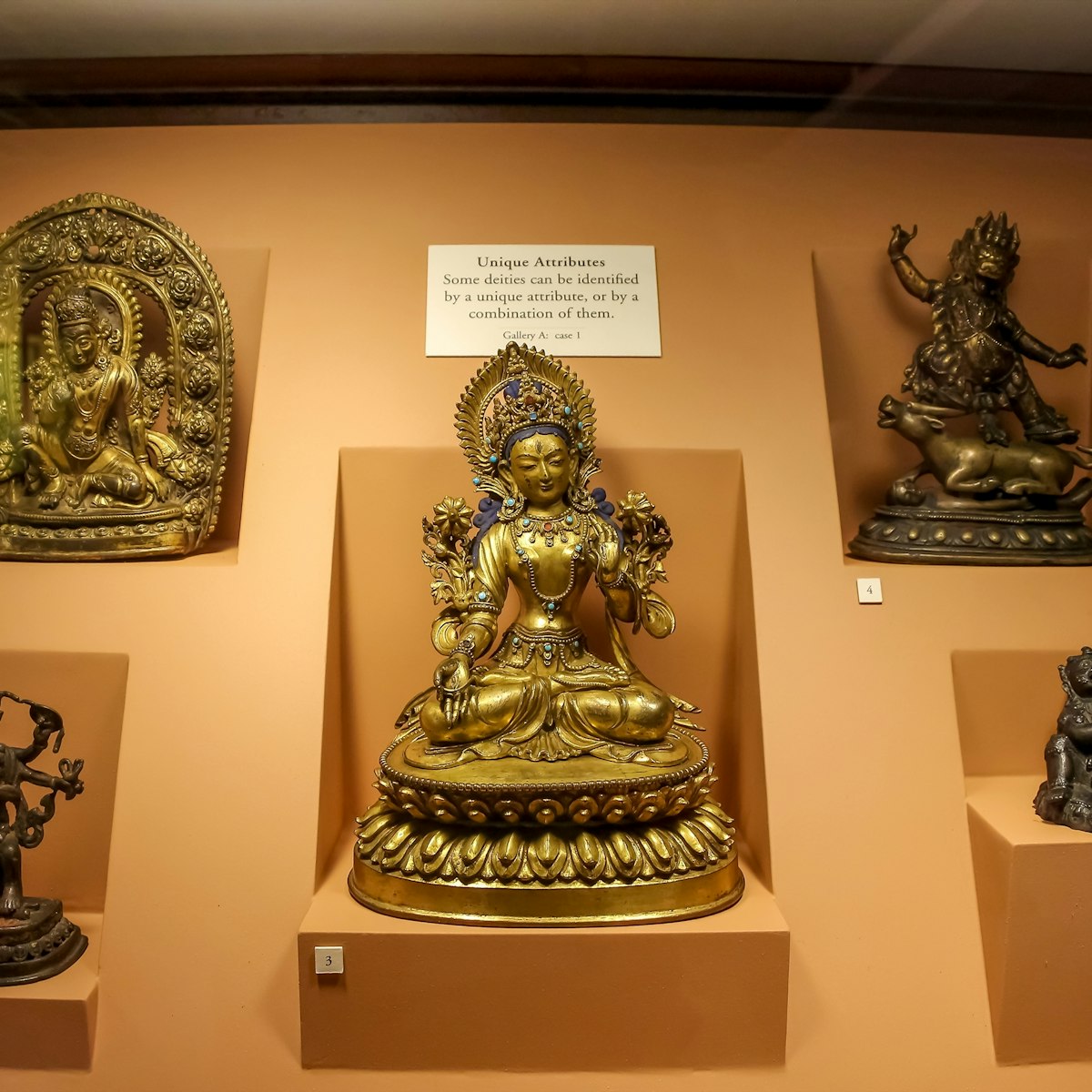
Formerly the residence of the Malla kings, the section of the Royal Palace surrounding Keshav Narayan Chowk now houses one of the finest collections of…
Patan
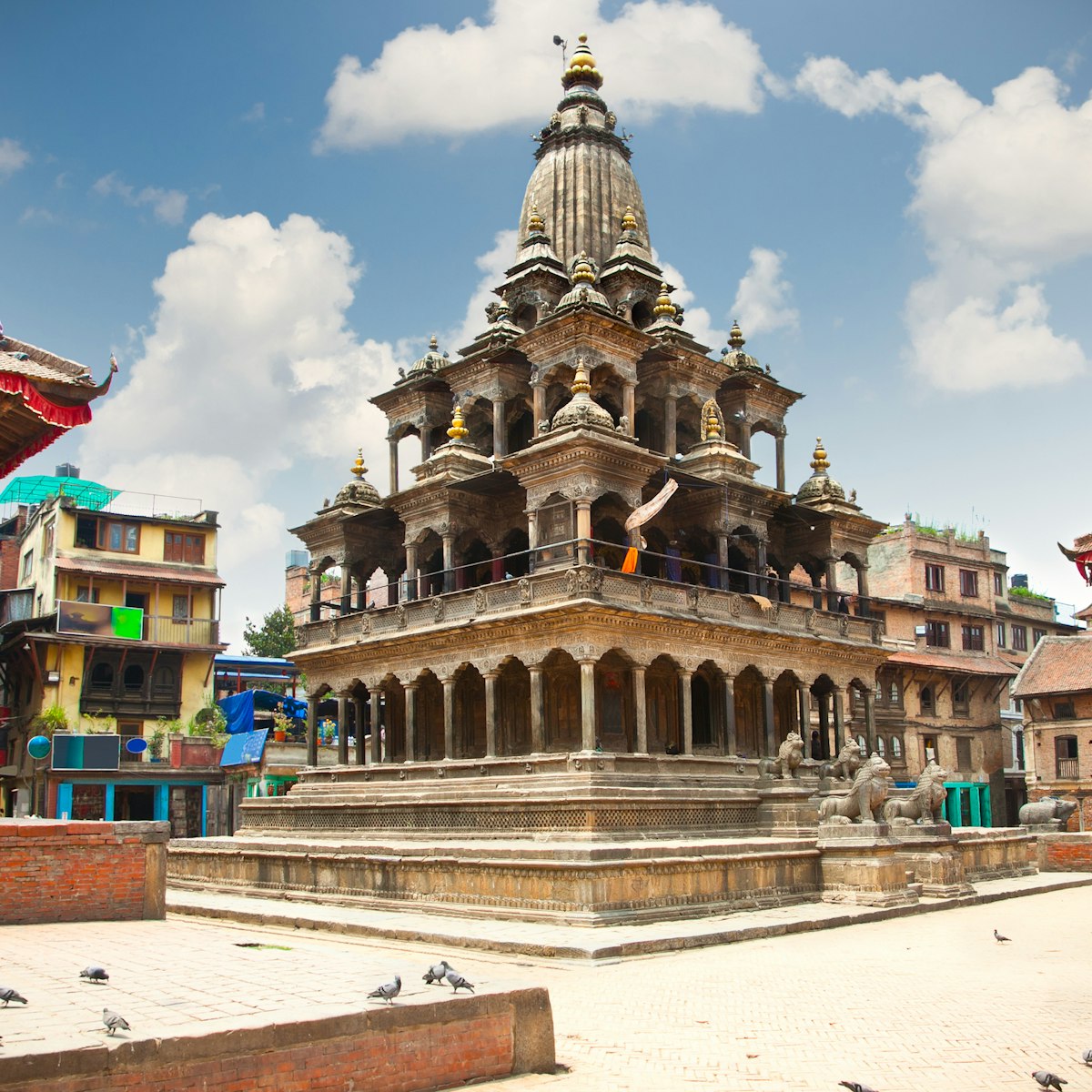
Heading into Durbar Sq, you can’t miss the splendid Krishna Mandir built by King Siddhinarsingh Malla in 1637. Constructed from carved stone – in…
Patan
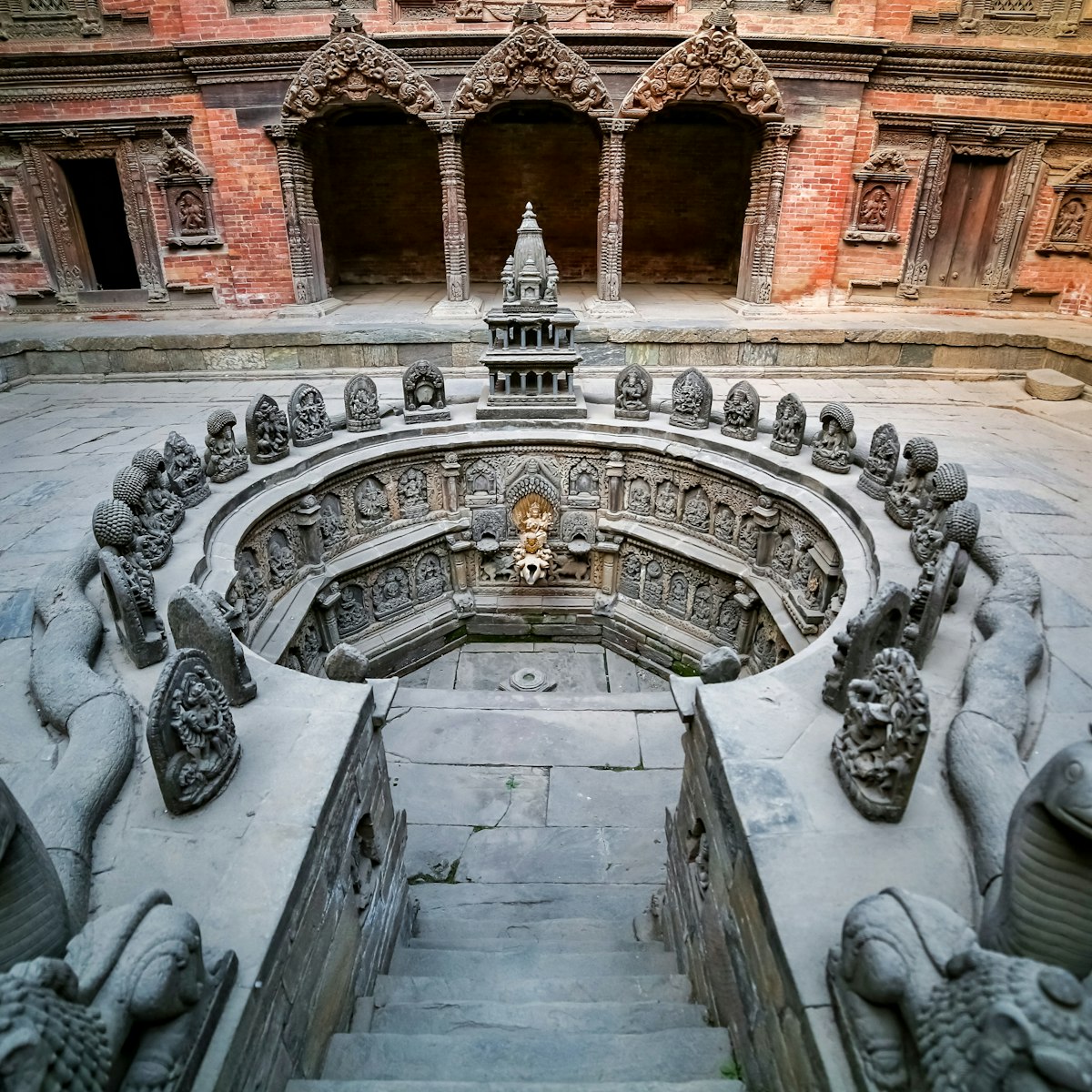
South of Mul Chowk is the smaller Sundari Chowk, arranged around a superbly carved sunken water tank known as the Tusha Hiti. The chowk was restored in…
Patan
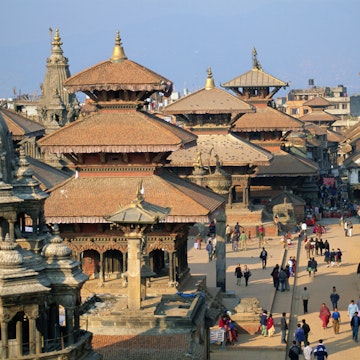
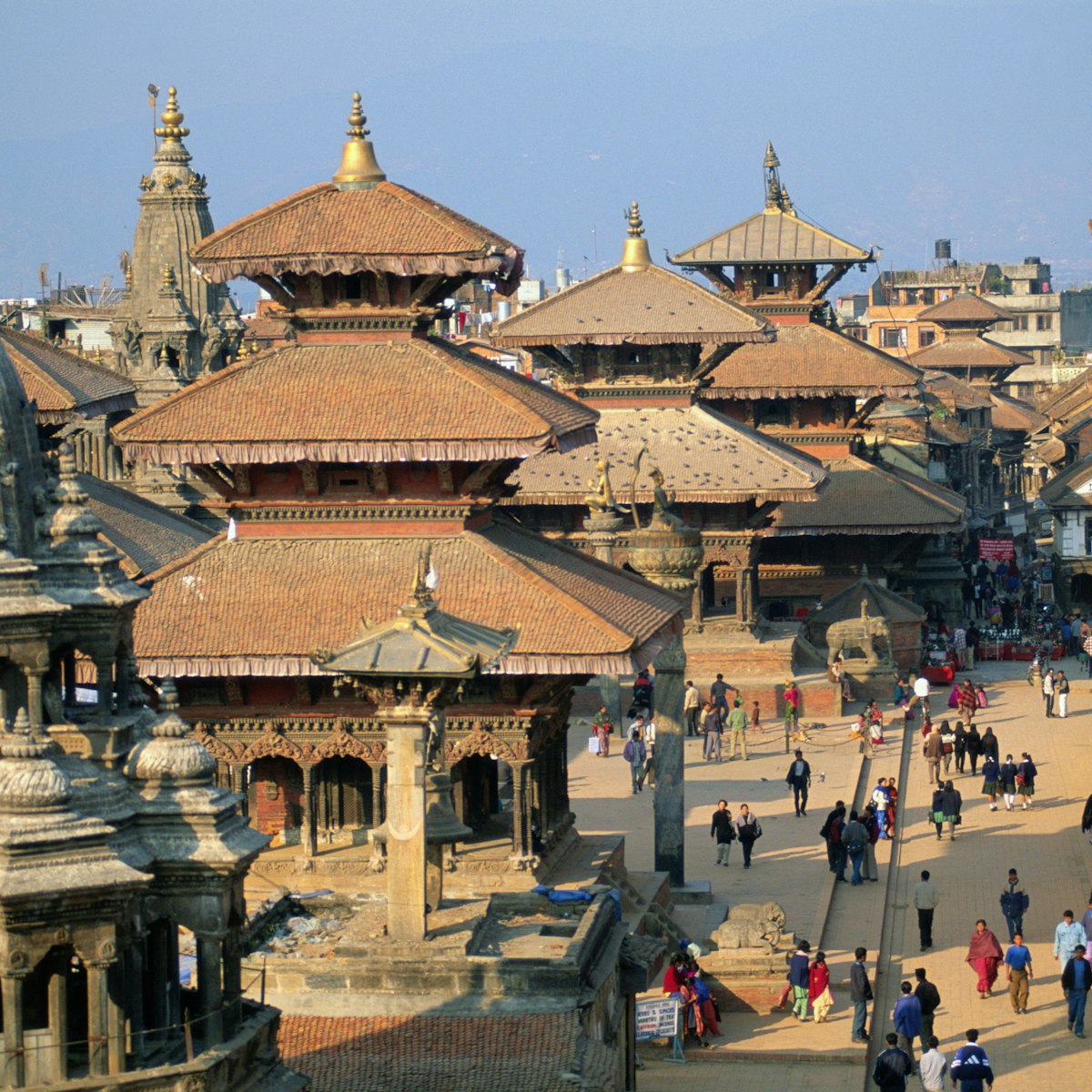
The ancient royal palace of Patan faces on to magnificent Durbar Sq. This concentrated mass of temples is perhaps the most visually stunning display of…
Filter by interest:
Get to the heart of Around the Kathmandu Valley with one of our in-depth, award-winning guidebooks, covering maps, itineraries, and expert guidance.