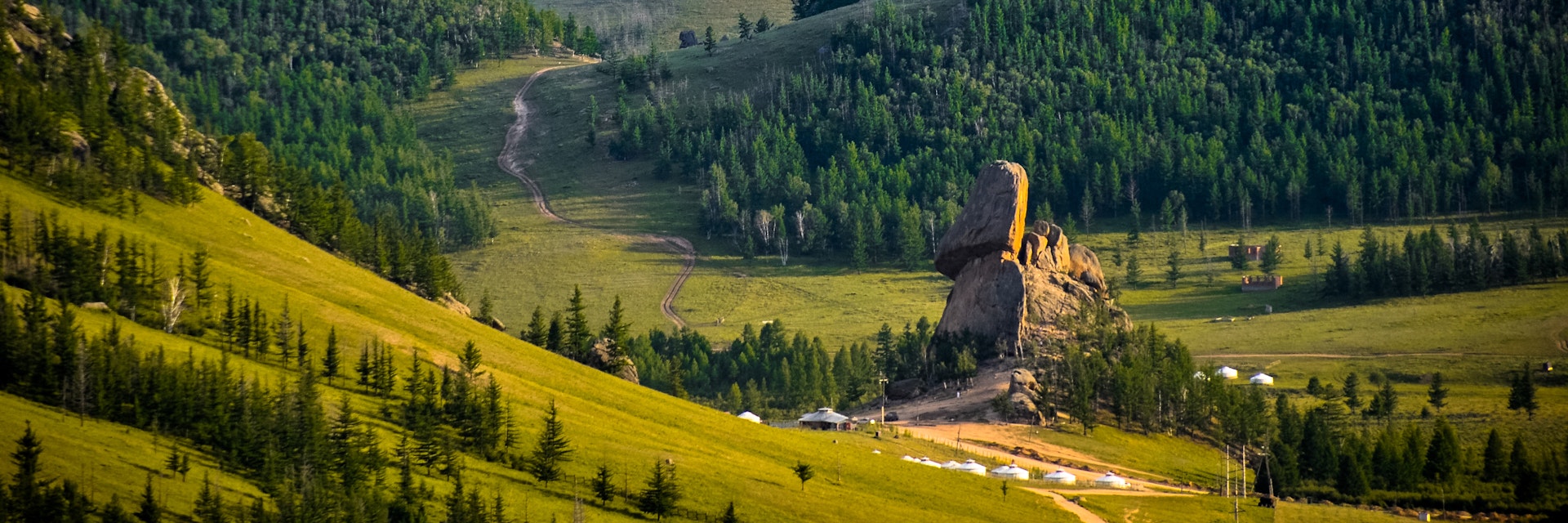
©GML/Getty Images
Mongolia

Check out this year's Best in Travel winners
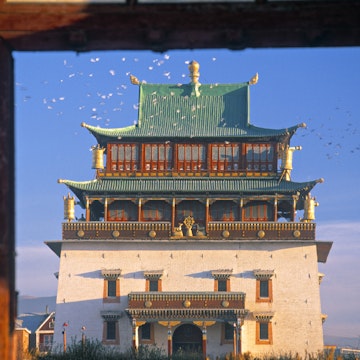
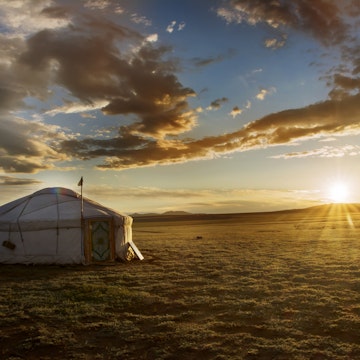
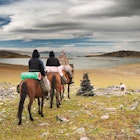
Rugged Mongolia is an adventure destination where travelers can experience vast, untouched landscapes and learn about nomadic culture.
Leave the planning to a local expert
Experience the real Mongolia. Let a local expert handle the planning for you.
Get startedAttractions
Must-see attractions
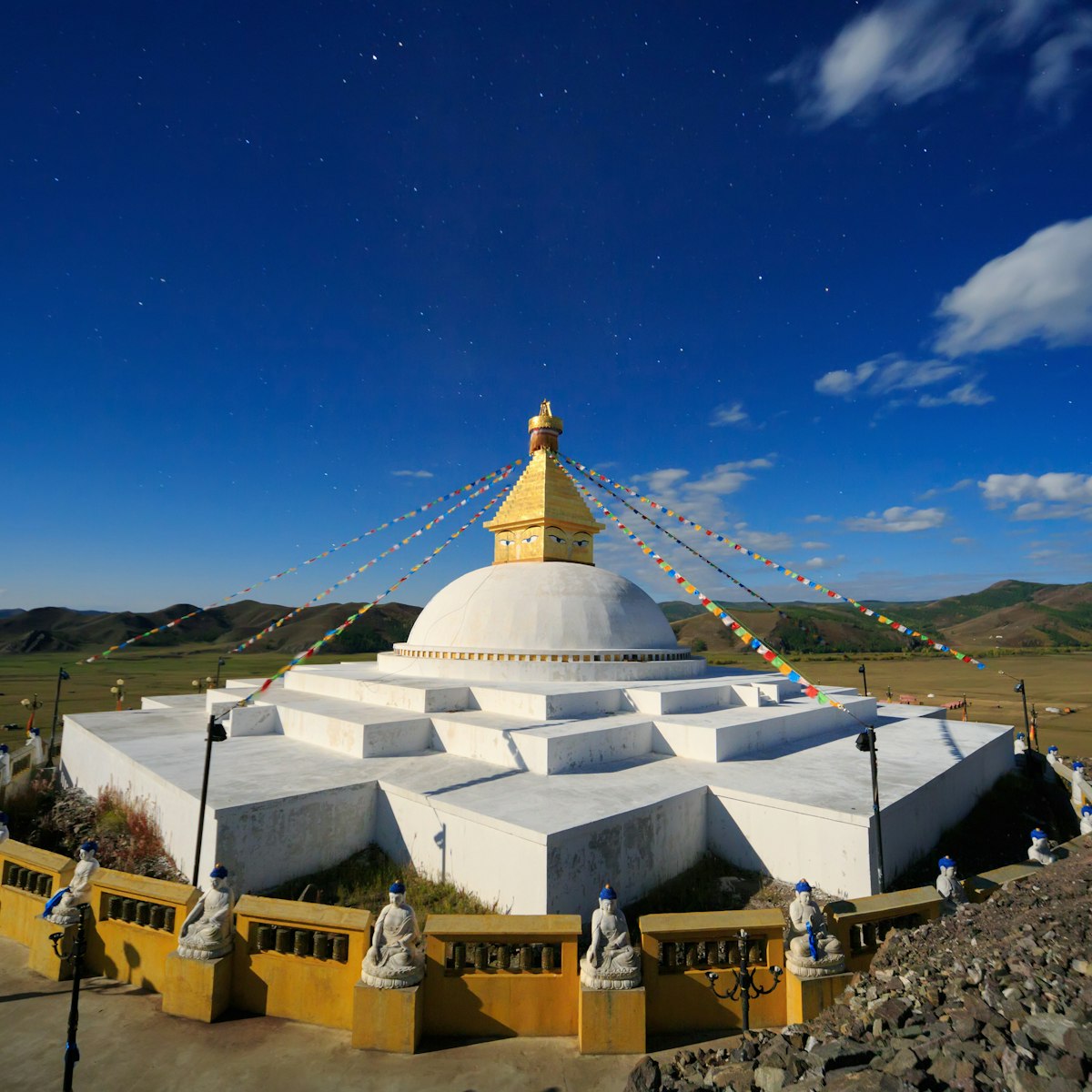
Mongolia
Amarbayasgalant Khiid was built between 1727 and 1737 by the Manchu emperor Yongzheng, and dedicated to the great Mongolian Buddhist and sculptor…
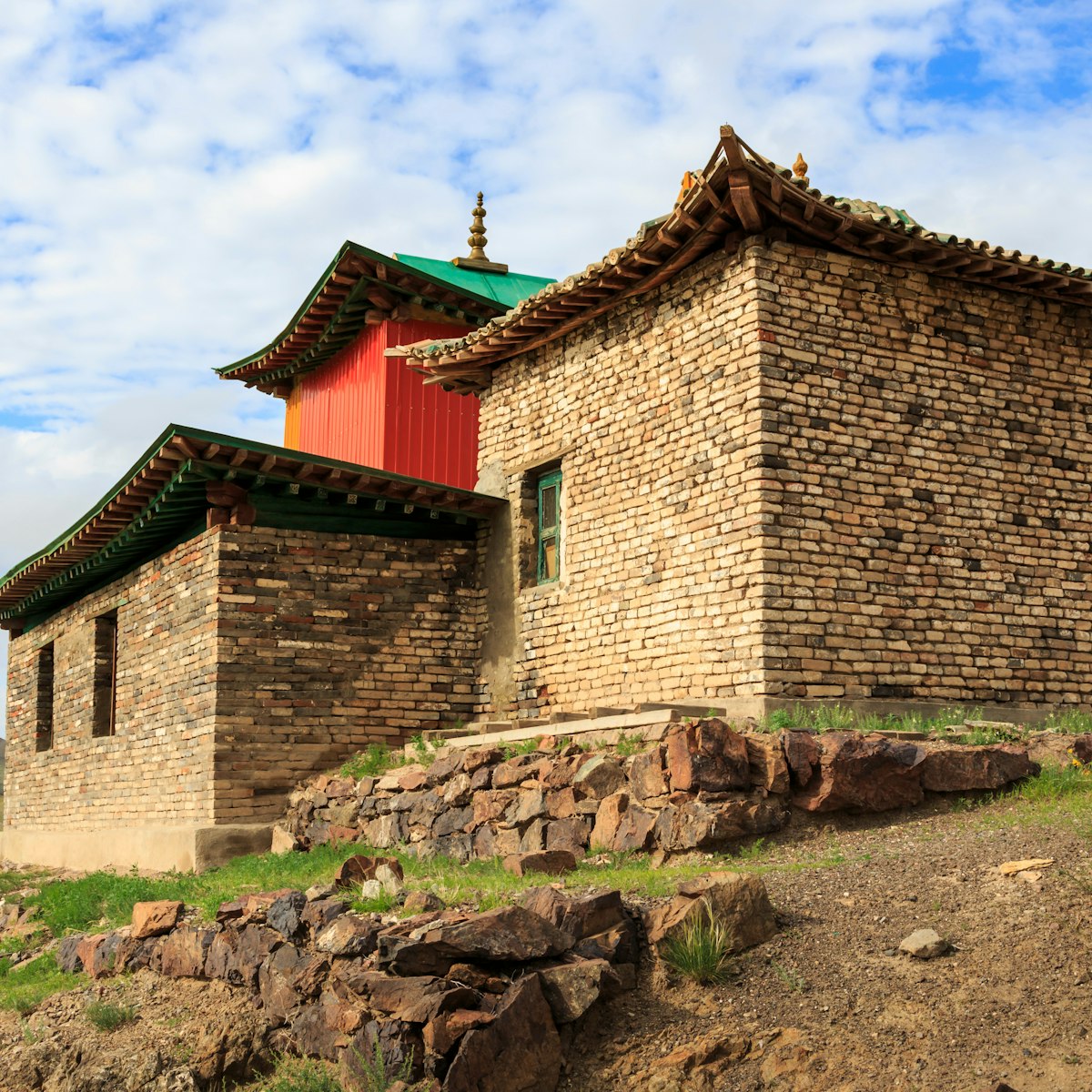
The Gobi
The bend in the river here marks the remains of two ruined monasteries which are today considered one vast complex known as Ongiin Khiid. Bari Lam Khiid…
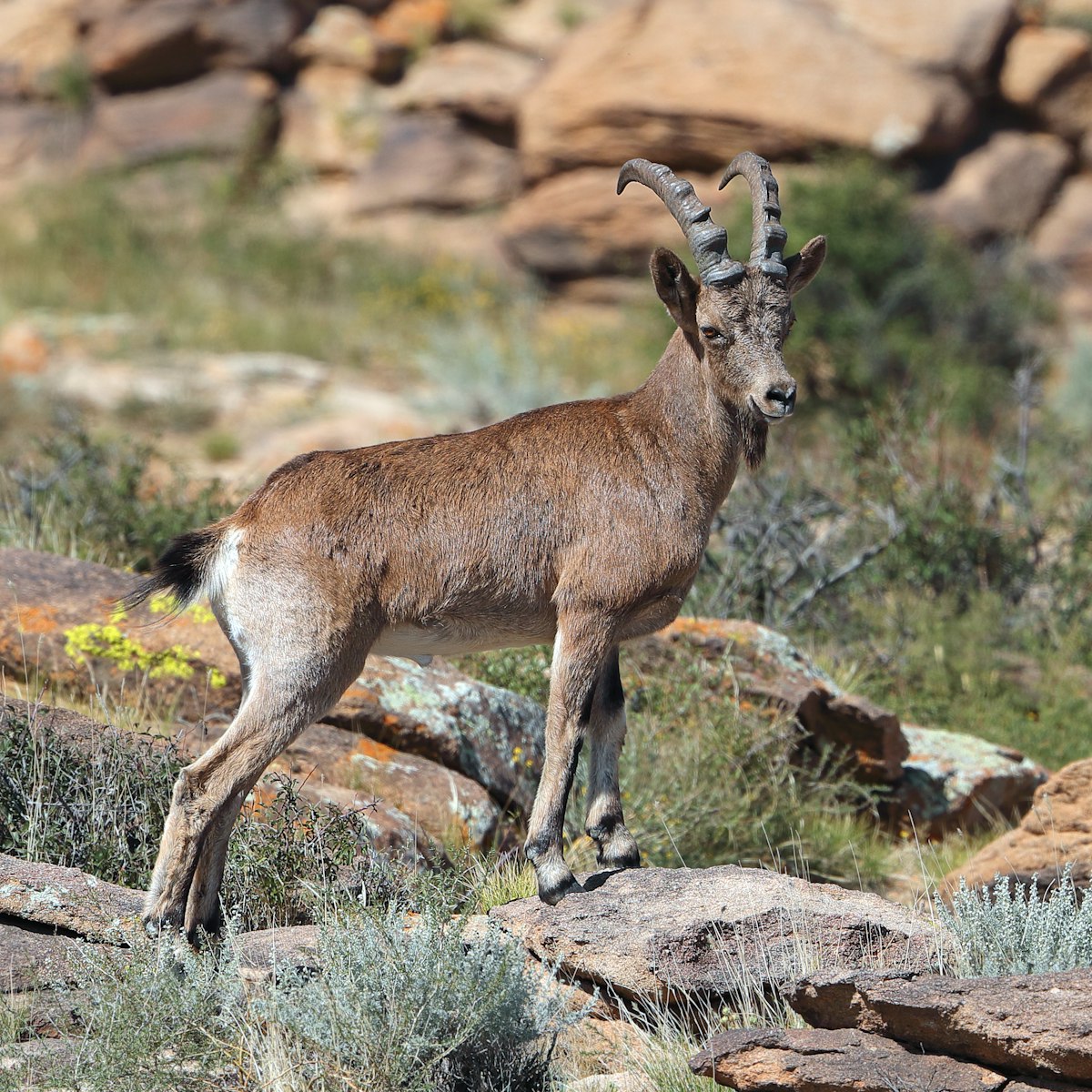
Ikh Nartiin Chuluu Nature Reserve
The Gobi
This 670-sq-km nature reserve, only a four-hour drive from Ulaanbaatar, at an elevation of 2200m, is home to hundreds of ibexes (mountain goats), argali …
The Gobi
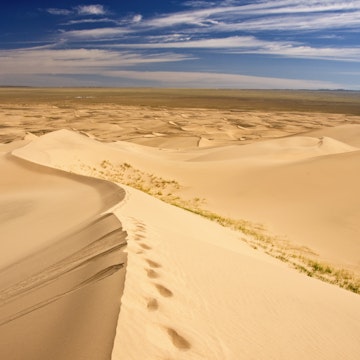
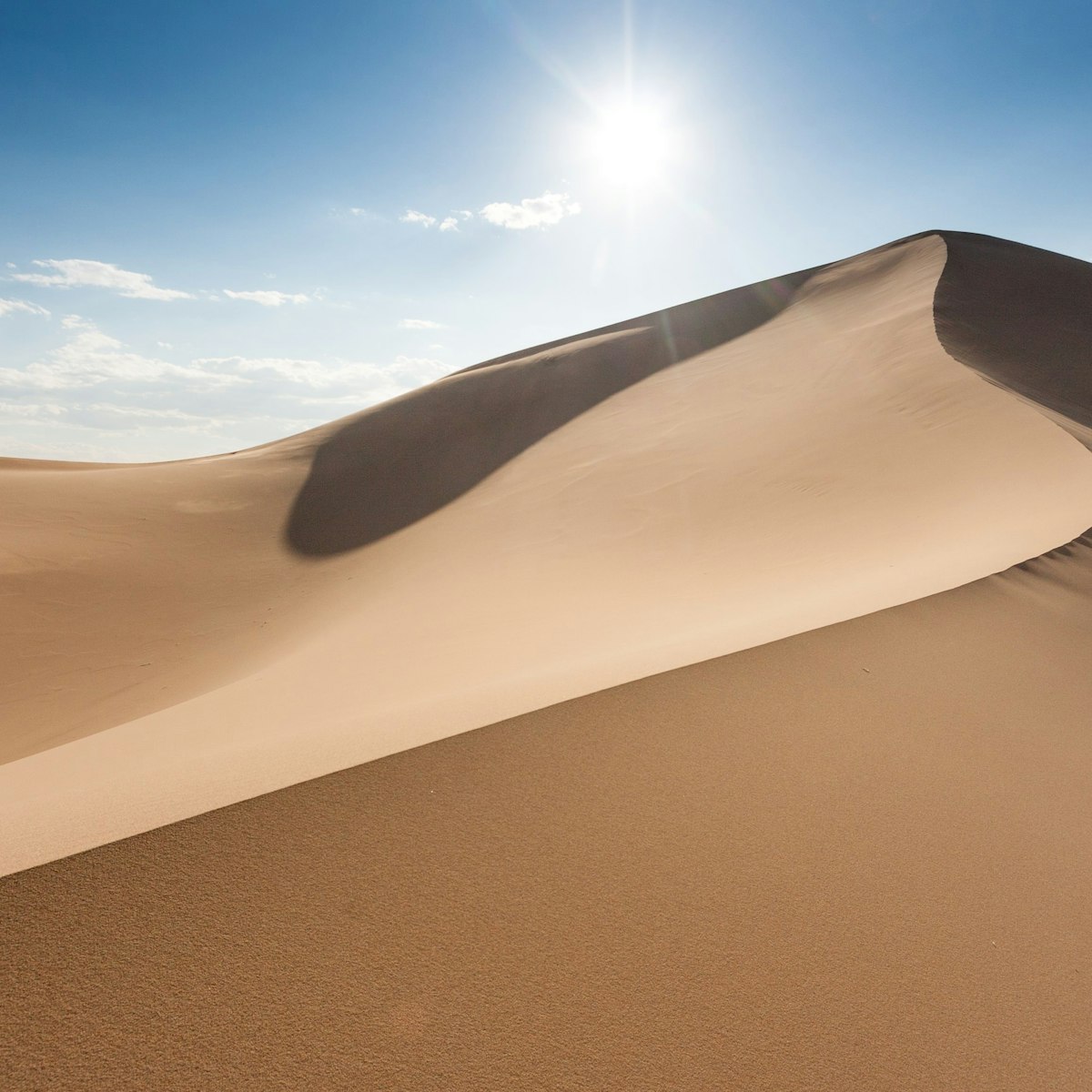
Khongoryn Els are some of the largest and most spectacular sand dunes in Mongolia. Also known as the Duut Mankhan (Singing Dunes – from the sound they…
The Gobi
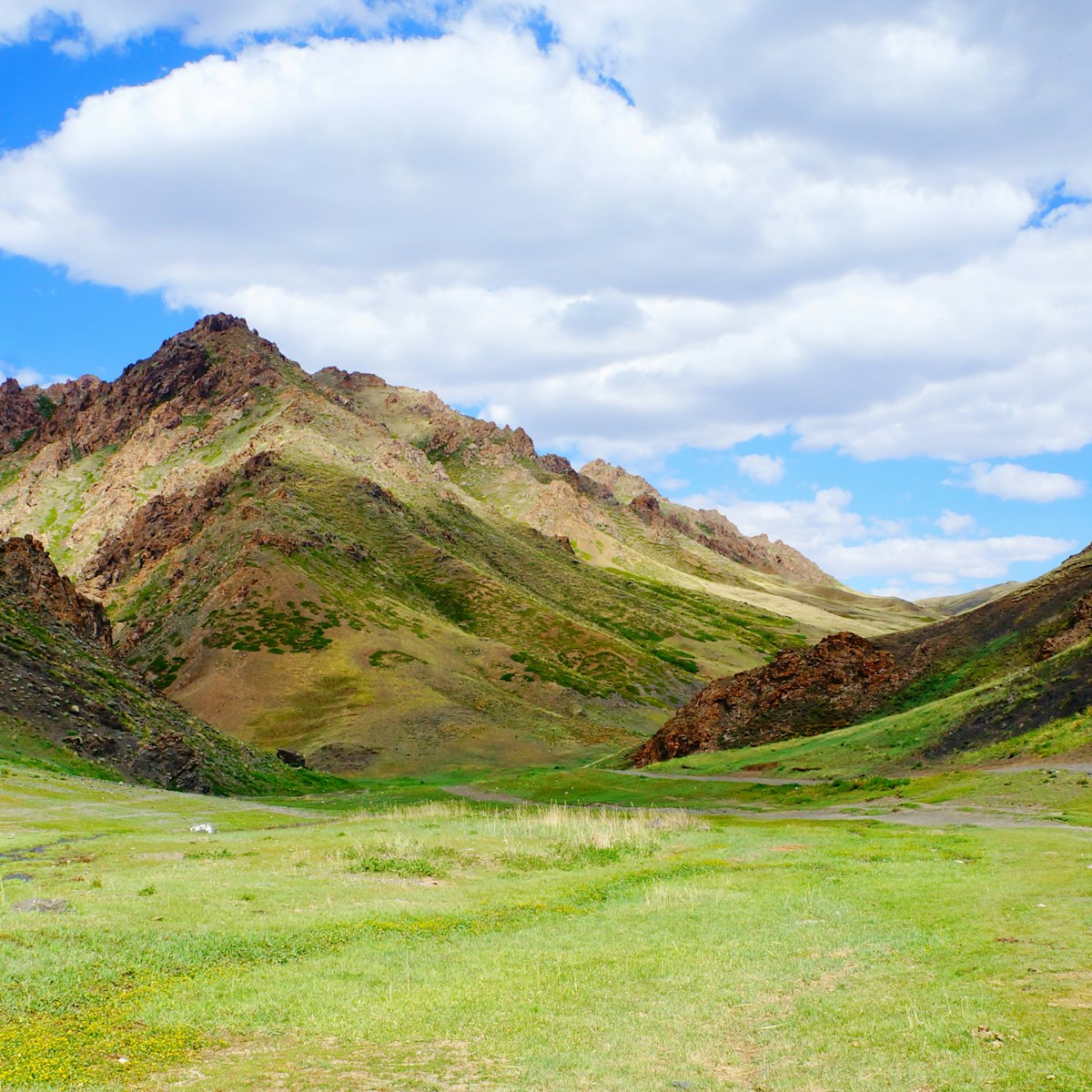
A pleasant 2km path leads from the parking area to this gorge filled with blue ice, one of the park's can't-miss sights. You can hike, bike or hire a…
The Gobi
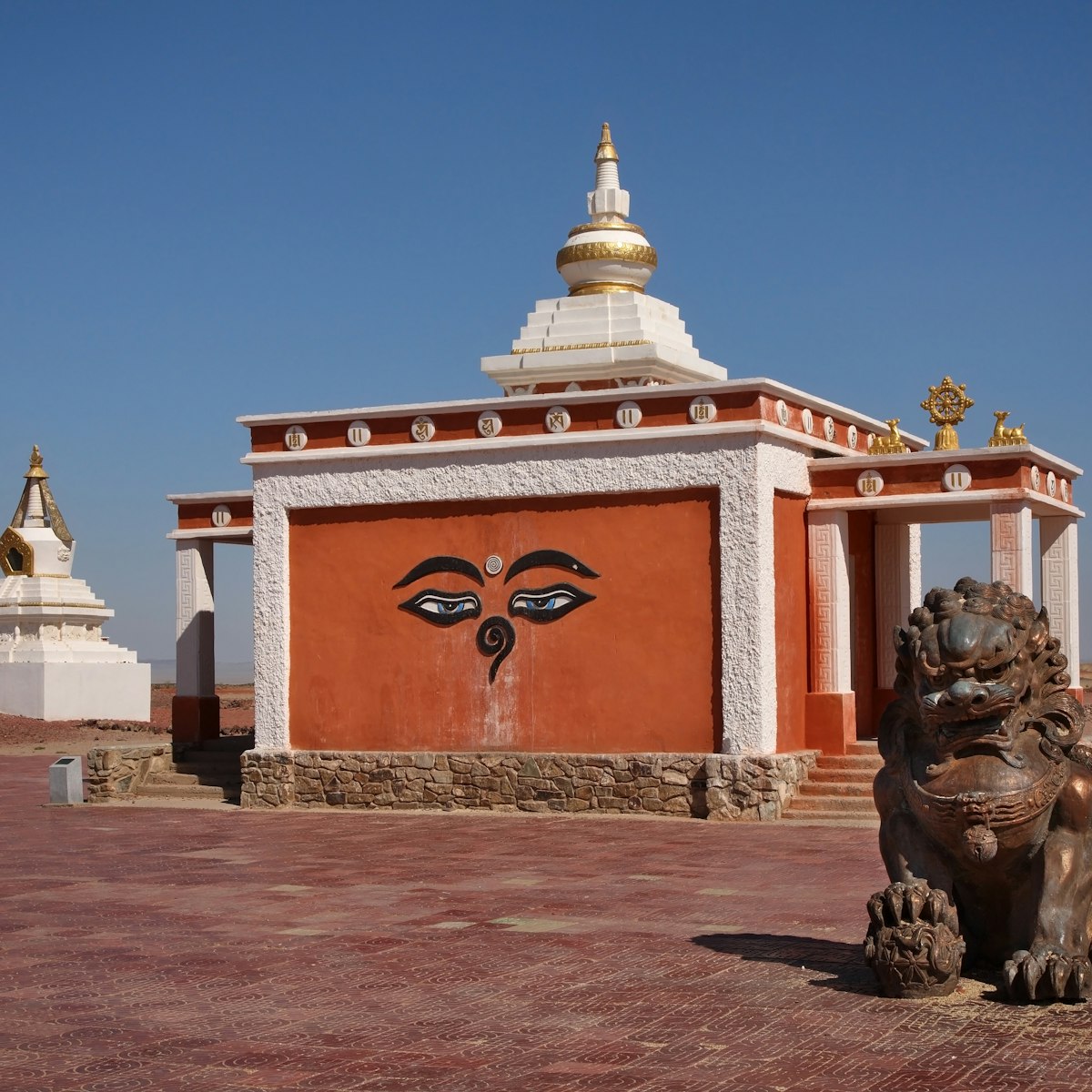
In 1853 Danzan Ravjaa told the local people that he would die in three years but that they could forever come to this place and speak to his spirit…
The Gobi
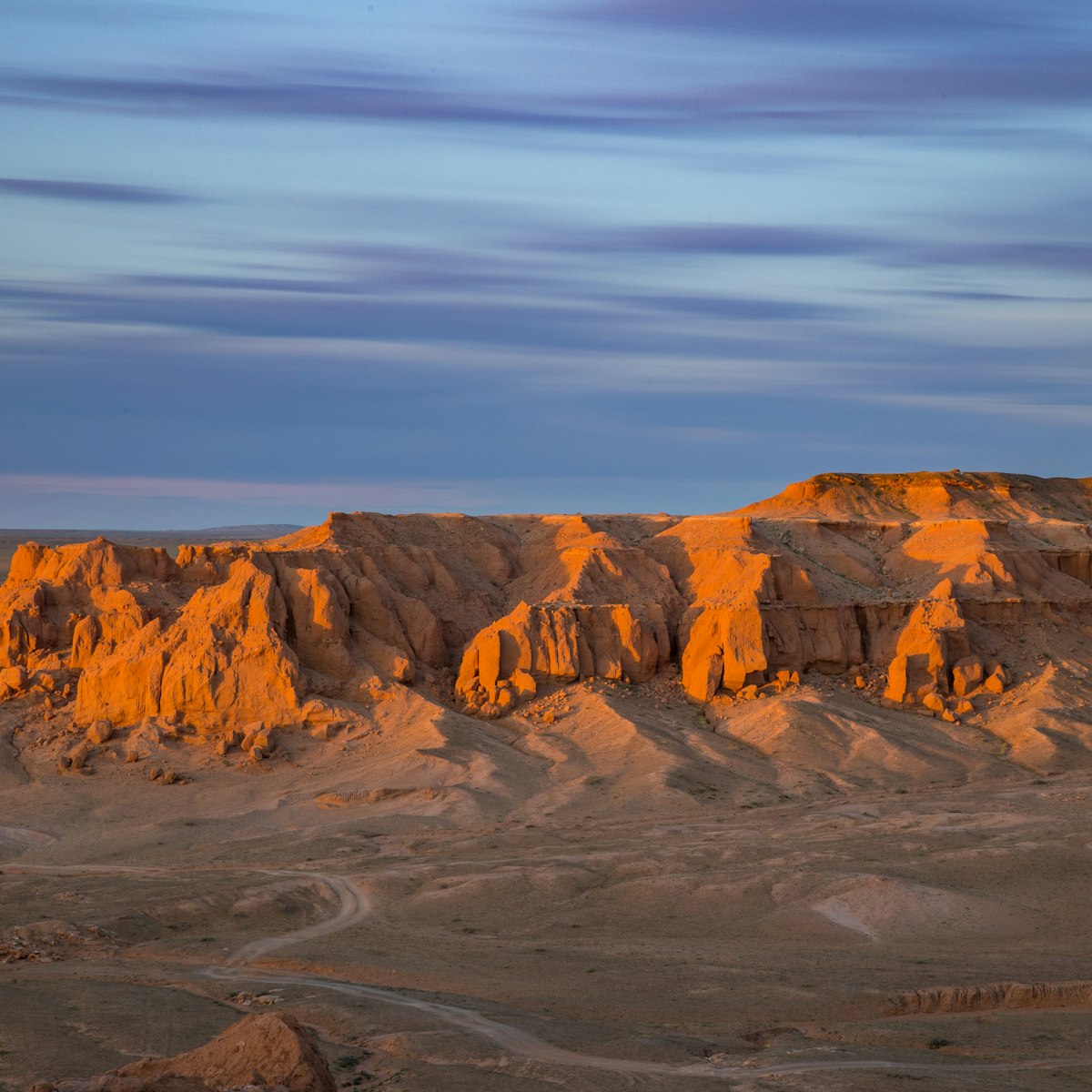
The so-called Flaming Cliffs are a Gobi highlight and an important palaeontology site first excavated by Roy Chapman Andrews in 1922. Even if you are not…
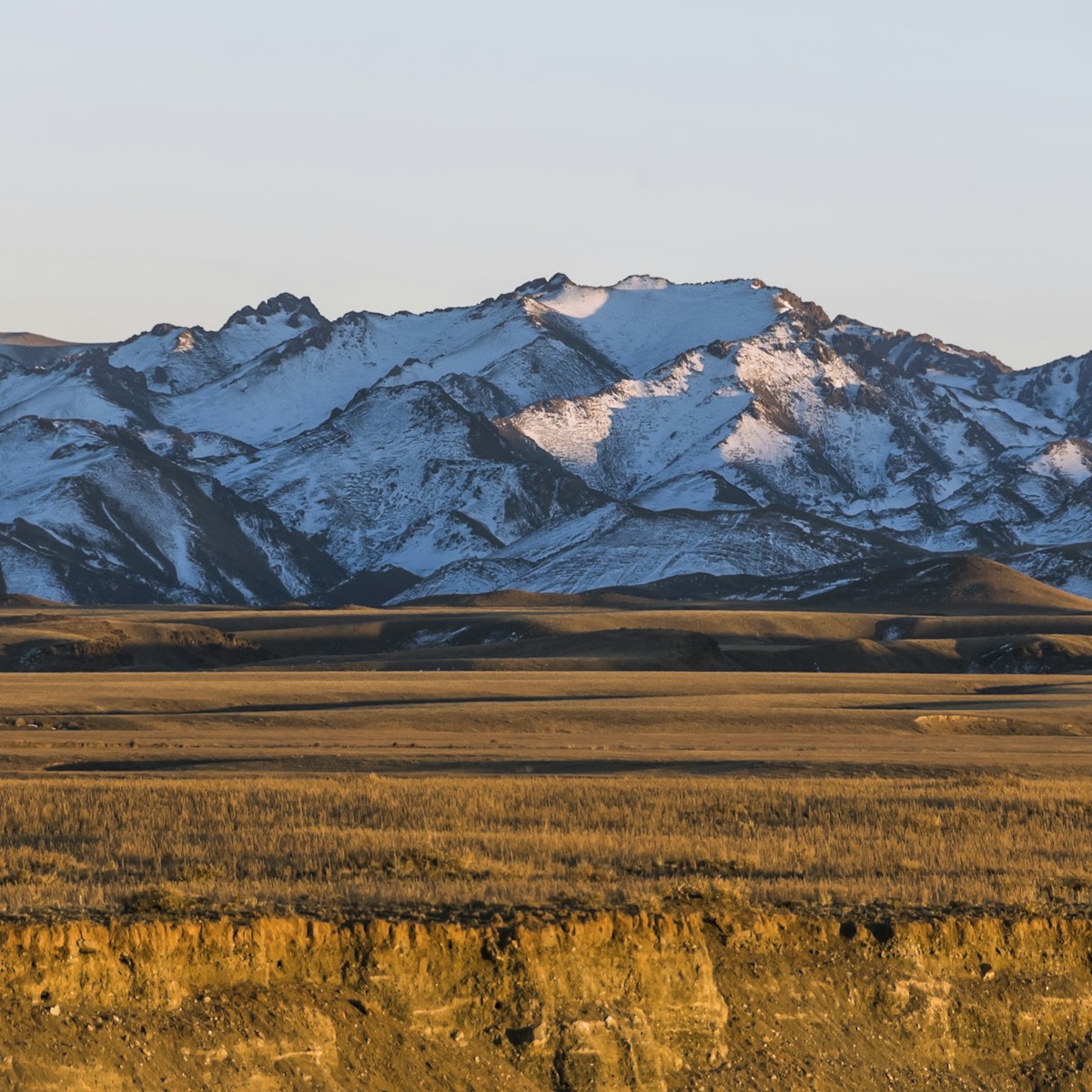
The Gobi
Yolyn Am was originally established to conserve the region's bird life, but it’s now more famous for its dramatic rocky cliffs and narrow, heavily shaded…
Attractions
Top picks from our travel experts
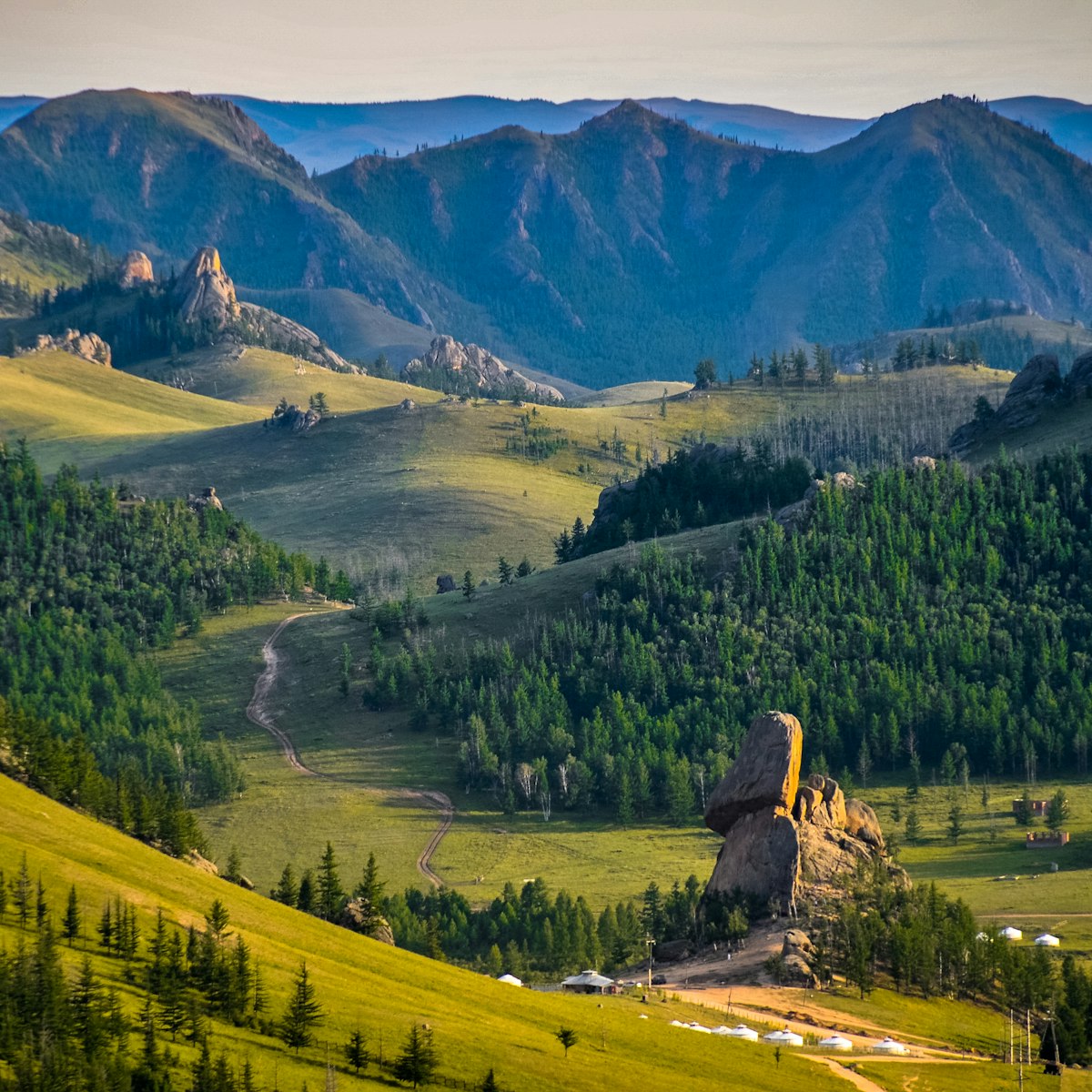
Mongolia
Located 55km northeast of Ulaanbaatar, this popular national park is characterised by picturesque alpine scenery. It offers great opportunities for hiking…
The Gobi
Way off the beaten track; you are likely to have this complex of canyons all to yourself. Some say they are even more spectacular than Bayanzag. Be sure…
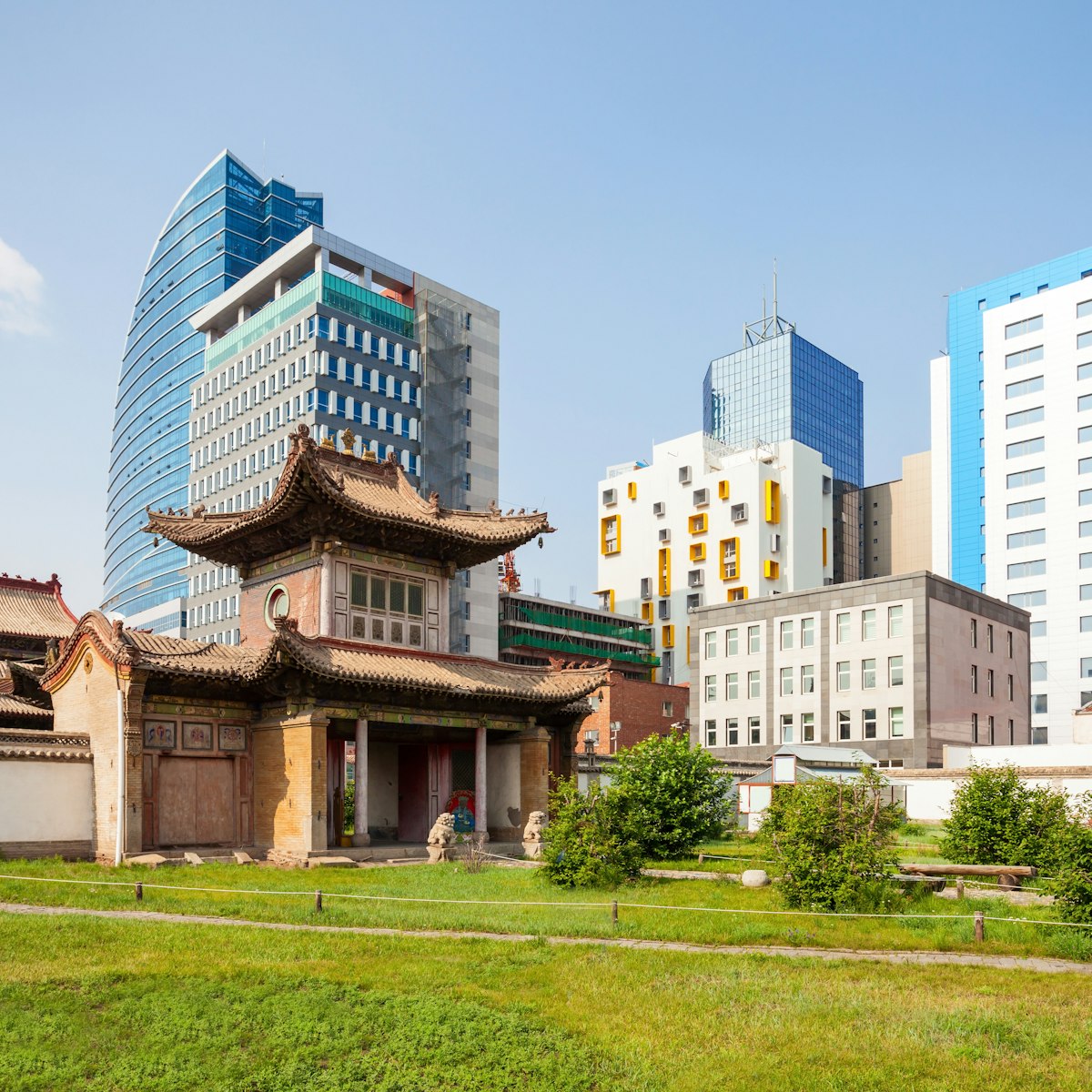
Ulaanbaatar
This temple museum smack in the middle of downtown Ulaanbaatar was the home of Luvsan Haidav Choijin Lama (‘Choijin’ is an honorary title given to some…
Khuisiin Naiman Nuur Nature Reserve
Mongolia
The area of Naiman Nuur, which was created by volcanic eruptions centuries ago, is now part of the 115-sq-km Khuisiin Naiman Nuur Nature Reserve. Despite…
The Gobi
If you take the main route from Dalanzadgad to Khongoryn Els, keeping the mountains to your left as you go, you can stop and hunt the hills for this…
The Gobi
Khongoryn Els are some of the largest and most spectacular sand dunes in Mongolia. Also known as the Duut Mankhan (Singing Dunes – from the sound they…
Mongolian National Modern Art Gallery
Ulaanbaatar
Sometimes called the Fine Art Gallery, this place contains a large and impressive display of modern and uniquely Mongolian paintings and sculptures, with…
The Gobi
Yolyn Am was originally established to conserve the region's bird life, but it’s now more famous for its dramatic rocky cliffs and narrow, heavily shaded…
Ulaanbaatar
This fine-arts museum has a superb collection of paintings, carvings and sculptures, including many by the revered sculptor and artist Zanabazar. It also…
Mongolia
Amarbayasgalant Khiid was built between 1727 and 1737 by the Manchu emperor Yongzheng, and dedicated to the great Mongolian Buddhist and sculptor…
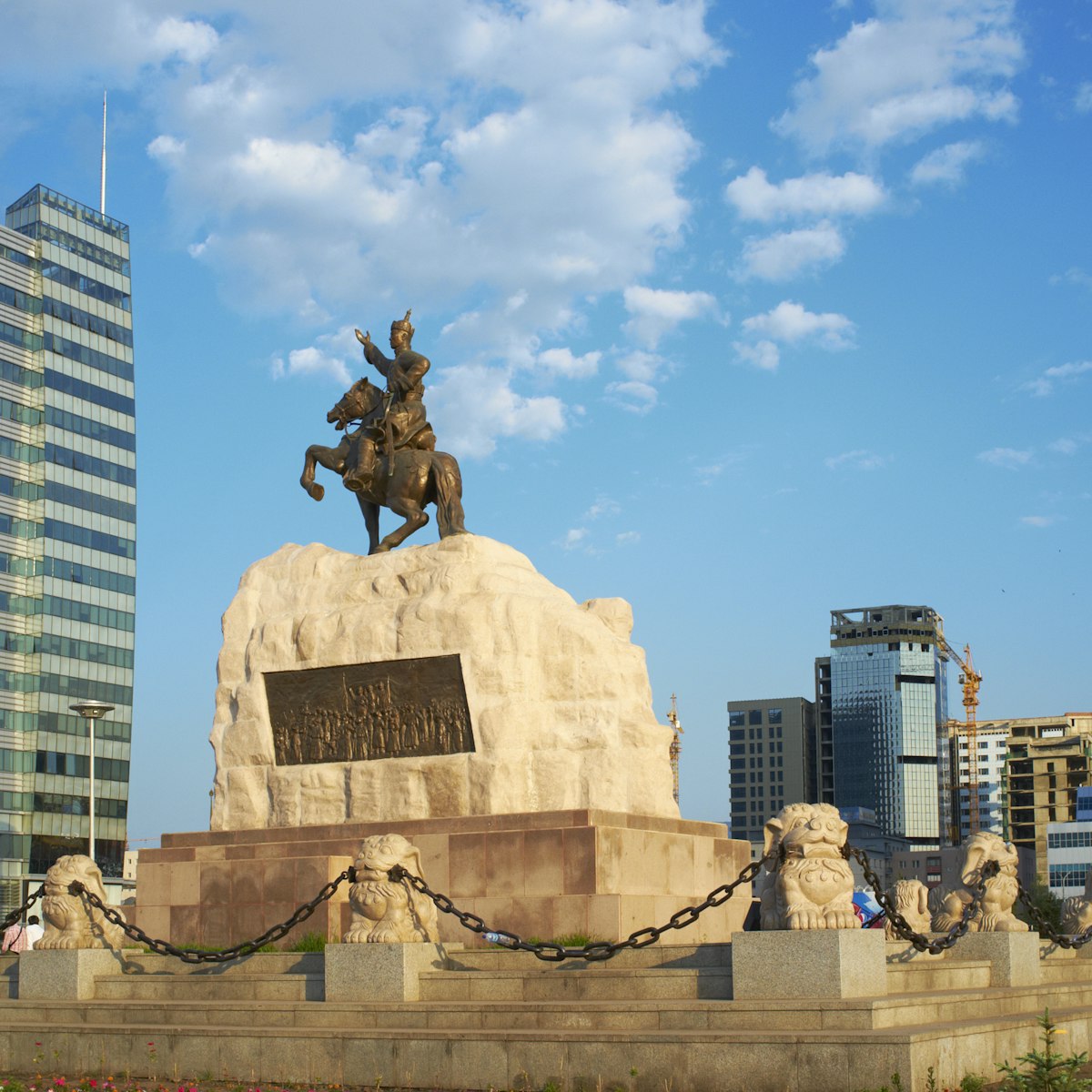
Ulaanbaatar
In July 1921 in the centre of Ulaanbaatar, Damdin Sükhbaatar (the ‘hero of the revolution’) declared Mongolia’s final independence from China. A square…
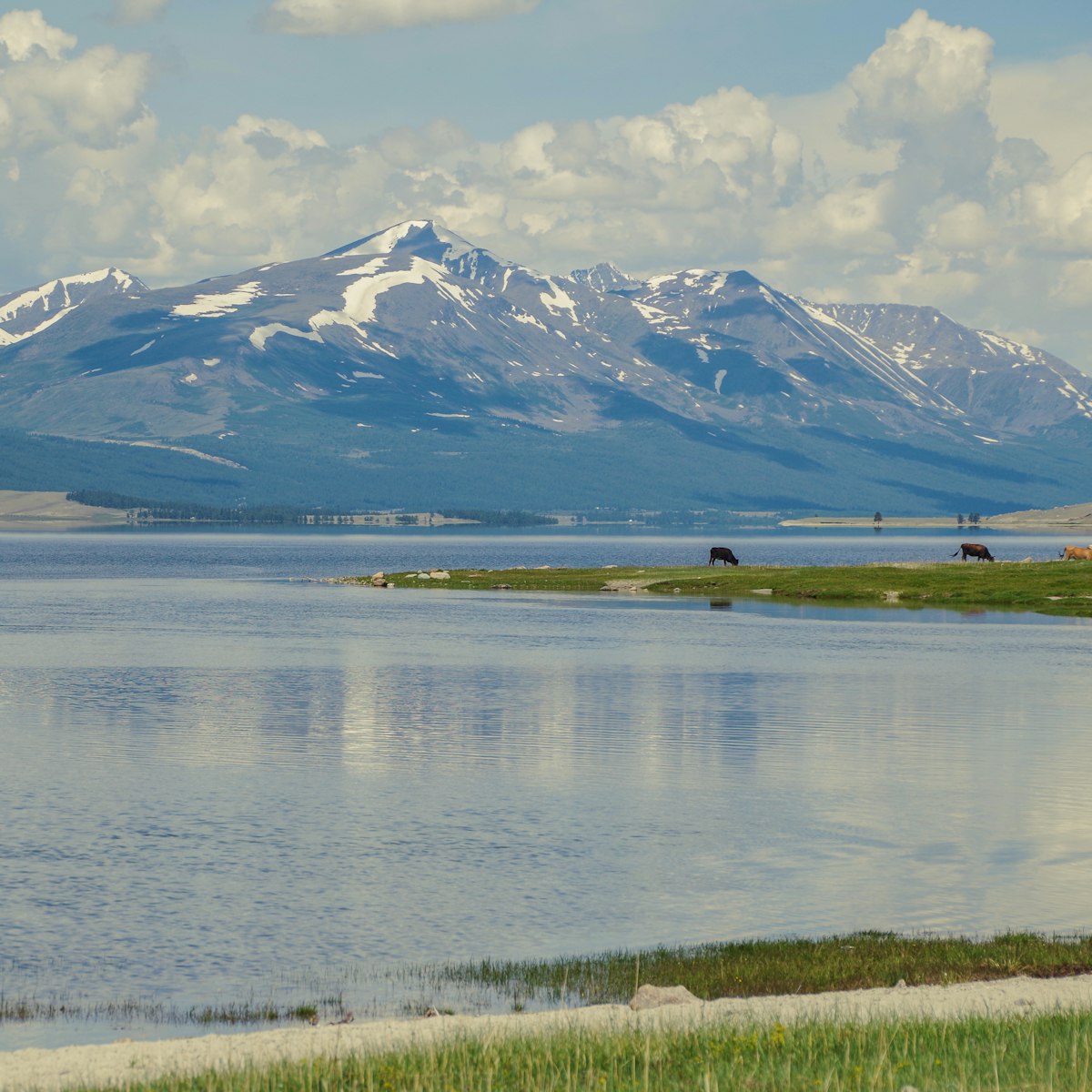
Altai Tavan Bogd National Park
Western Mongolia
Covering 6362 sq km, Altai Tavan Bogd National Park takes in the Tavan Bogd massif – which includes Khuiten Uul (4374m), Mongolia's highest mountain…
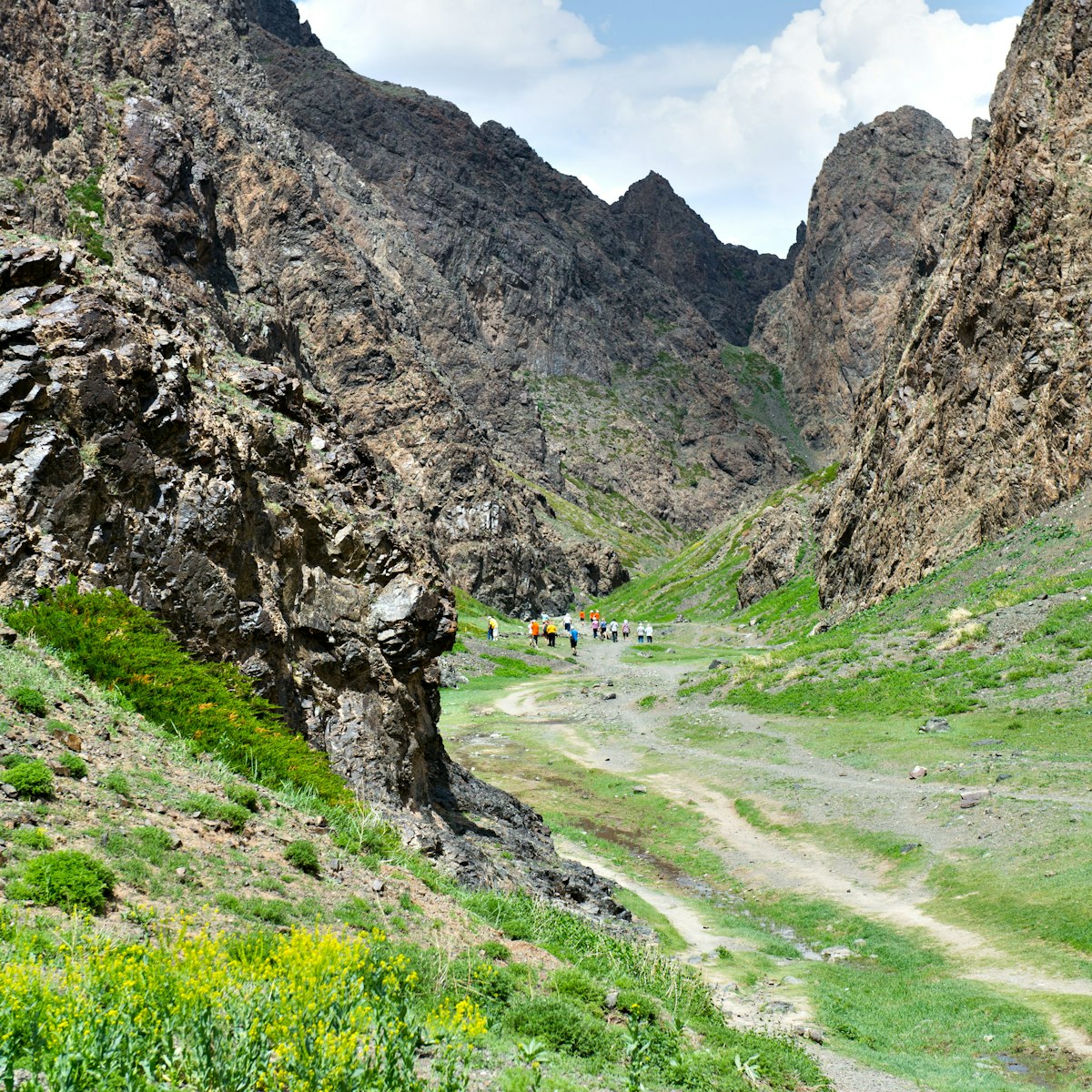
The Gobi
Gurvan Saikhan National Park (20,000 sq km) offers a wealth of sand dunes, canyons, dinosaur fossils and mountainous terrain. Desert wildlife includes…
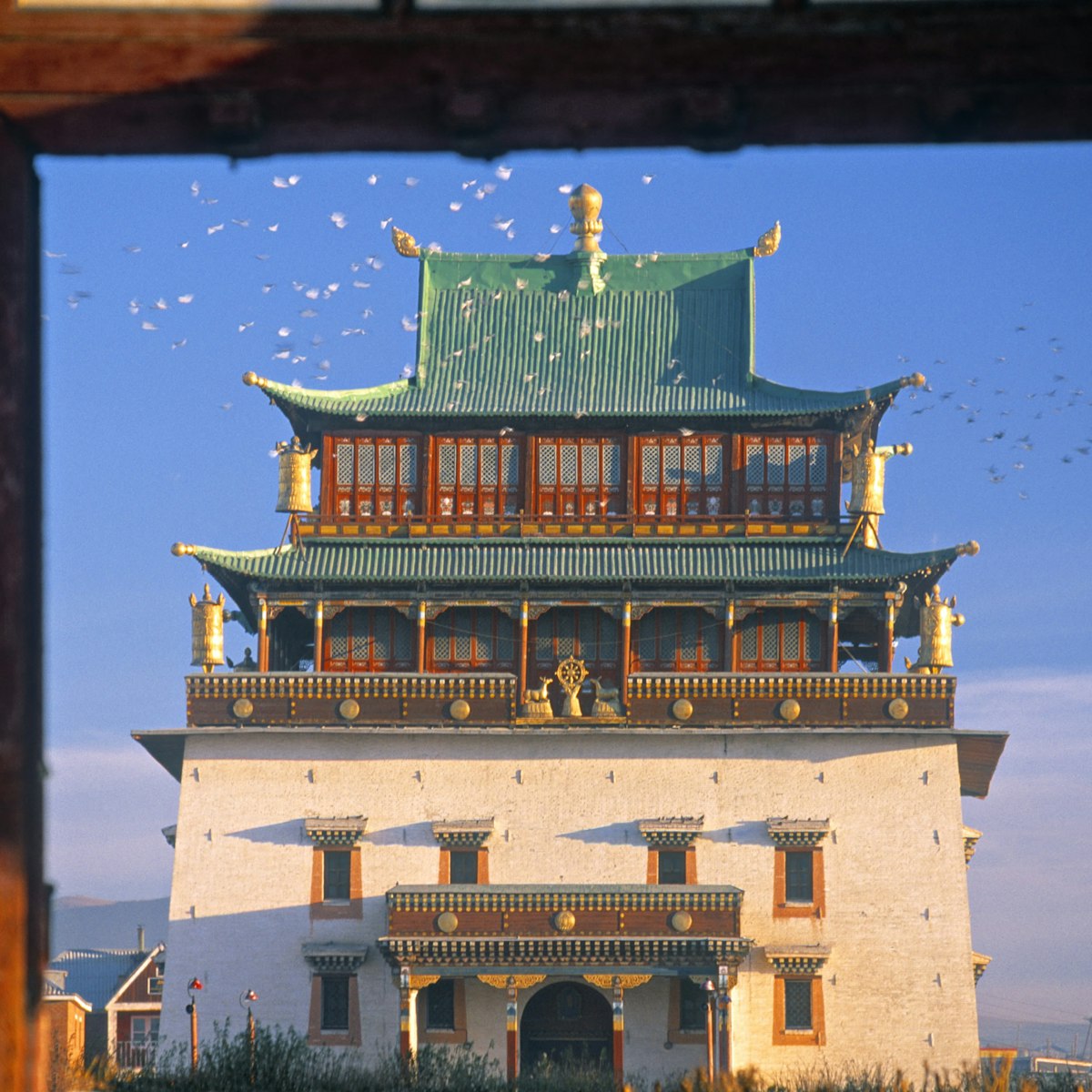
Ulaanbaatar
Around the start of the 19th century more than 100 süm (temples) and khiid (monasteries) served a population of about 50,000 in Urga (the former name of…
Mongolia
Stretching out for about 1km east of town is the site of ancient Karakorum. The foundations of Karakorum’s buildings are all underground and little has…
Bogdkhan Uul Strictly Protected Area
Mongolia
The Bogdkhan Uul is said to be the world’s oldest nature reserve. Established in 1778, the park was guarded by 2000 club-wielding lamas. Animal poachers…
Ikh Nartiin Chuluu Nature Reserve
The Gobi
This 670-sq-km nature reserve, only a four-hour drive from Ulaanbaatar, at an elevation of 2200m, is home to hundreds of ibexes (mountain goats), argali …
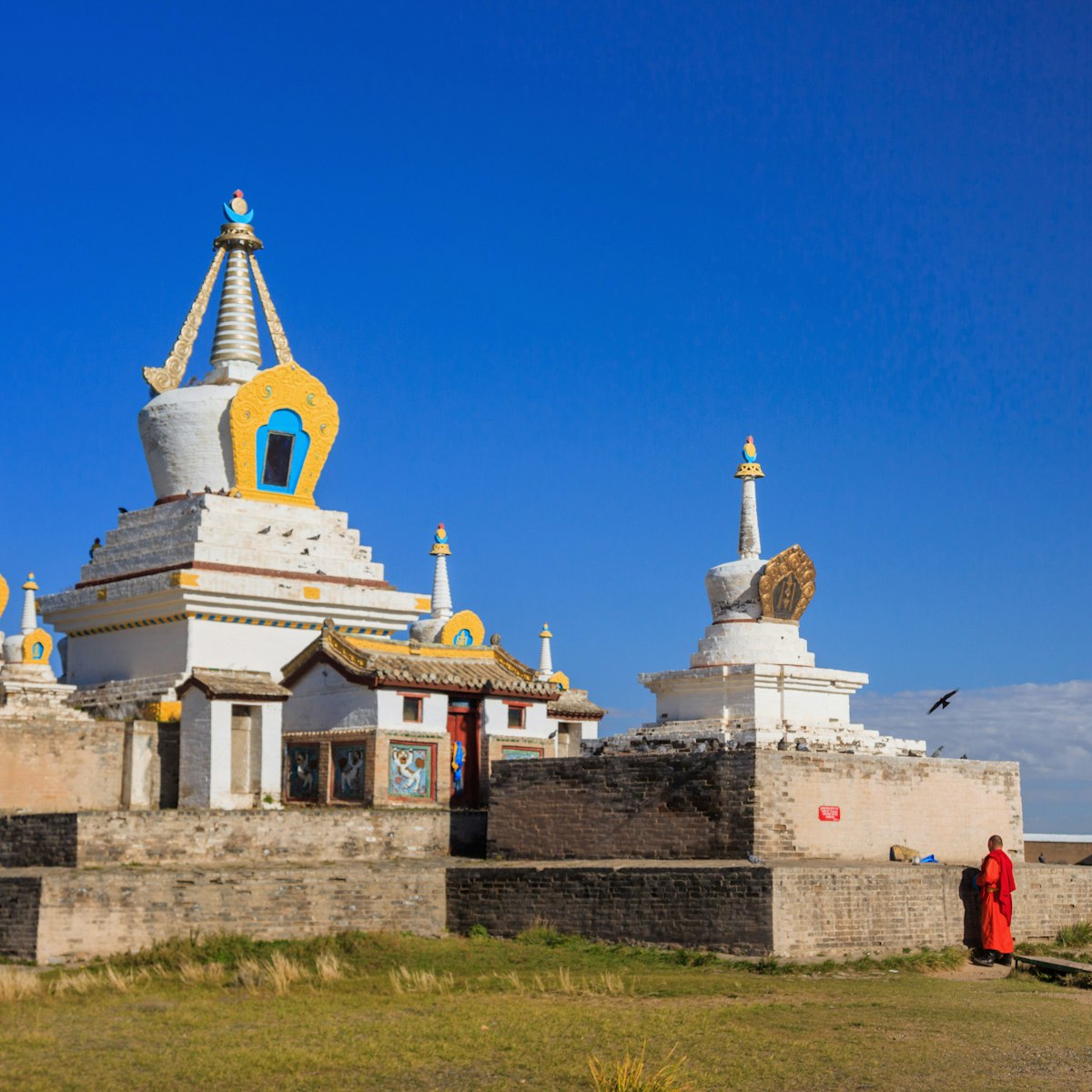
Mongolia
Founded in 1586 by Altai Khaan, Erdene Zuu (Hundred Treasures) was the first Buddhist monastery in Mongolia. The monastery went through periods of neglect…
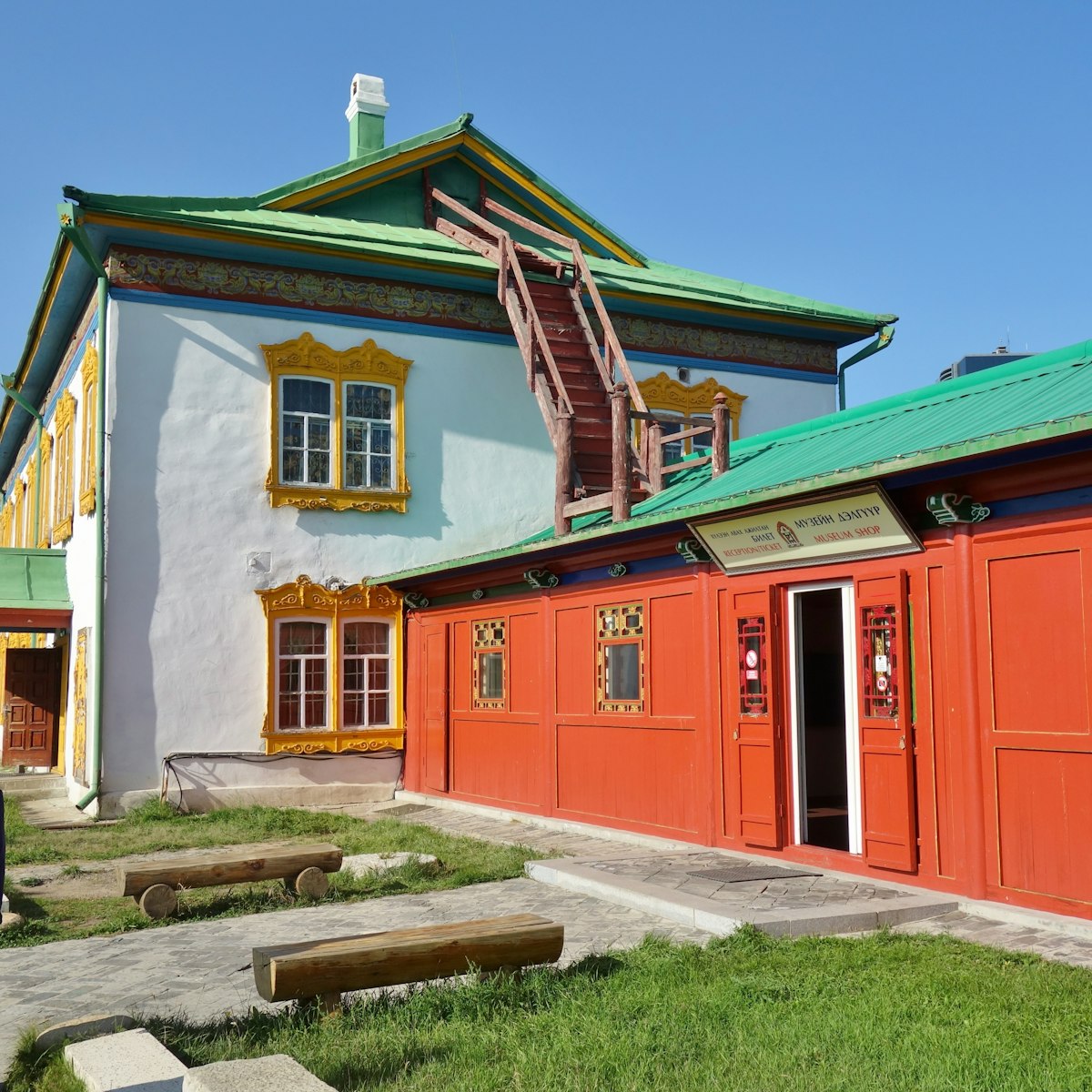
Winter Palace of the Bogd Khan
Ulaanbaatar
Built between 1893 and 1903, this palace is where Mongolia’s eighth Living Buddha, and last king, Jebtzun Damba Hutagt VIII (often called the Bogd Khan),…
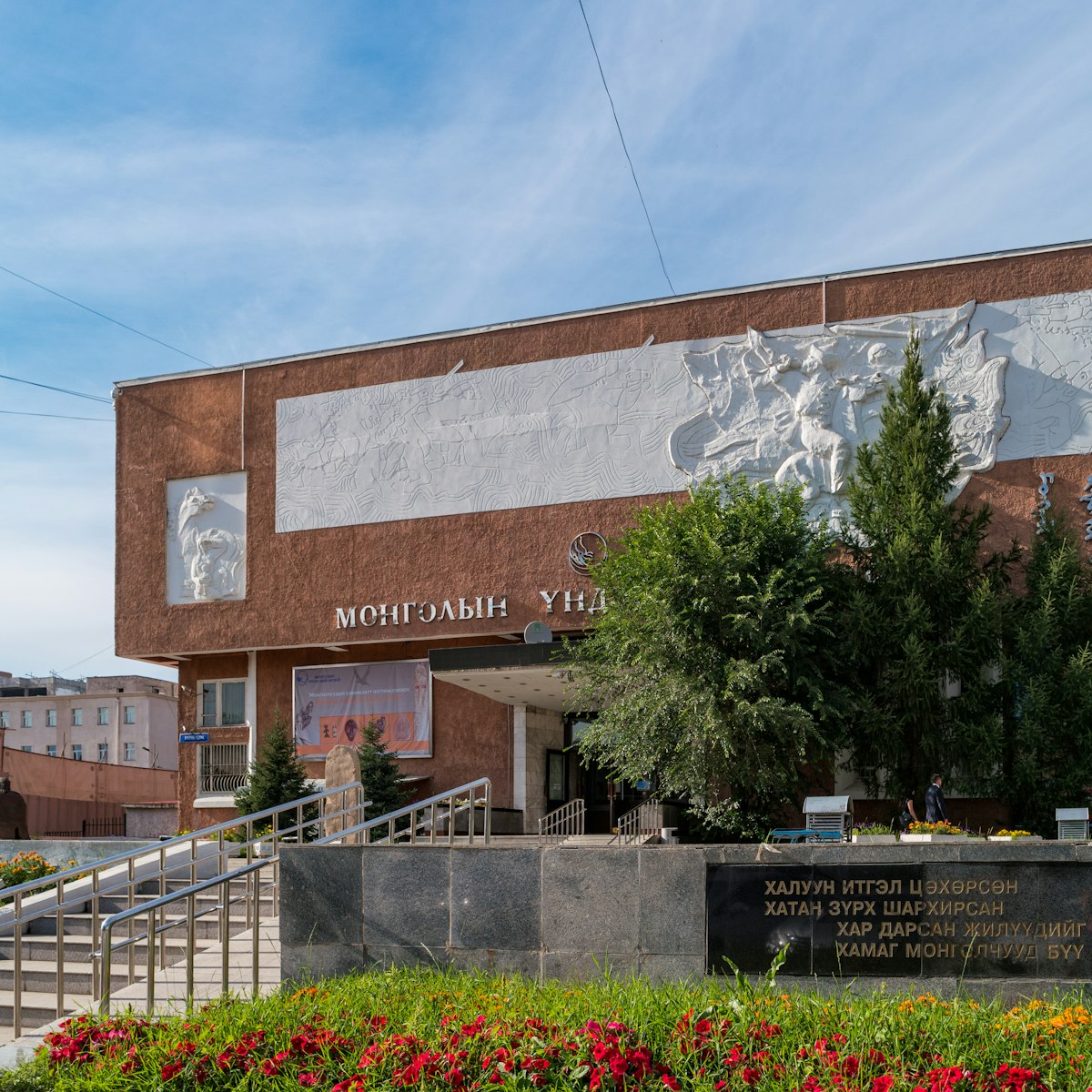
Ulaanbaatar
Mongolia’s wonderful National Museum sweeps visitors from the Neolithic era right to the present day. It’s UB's only genuine blockbuster sight, offering…
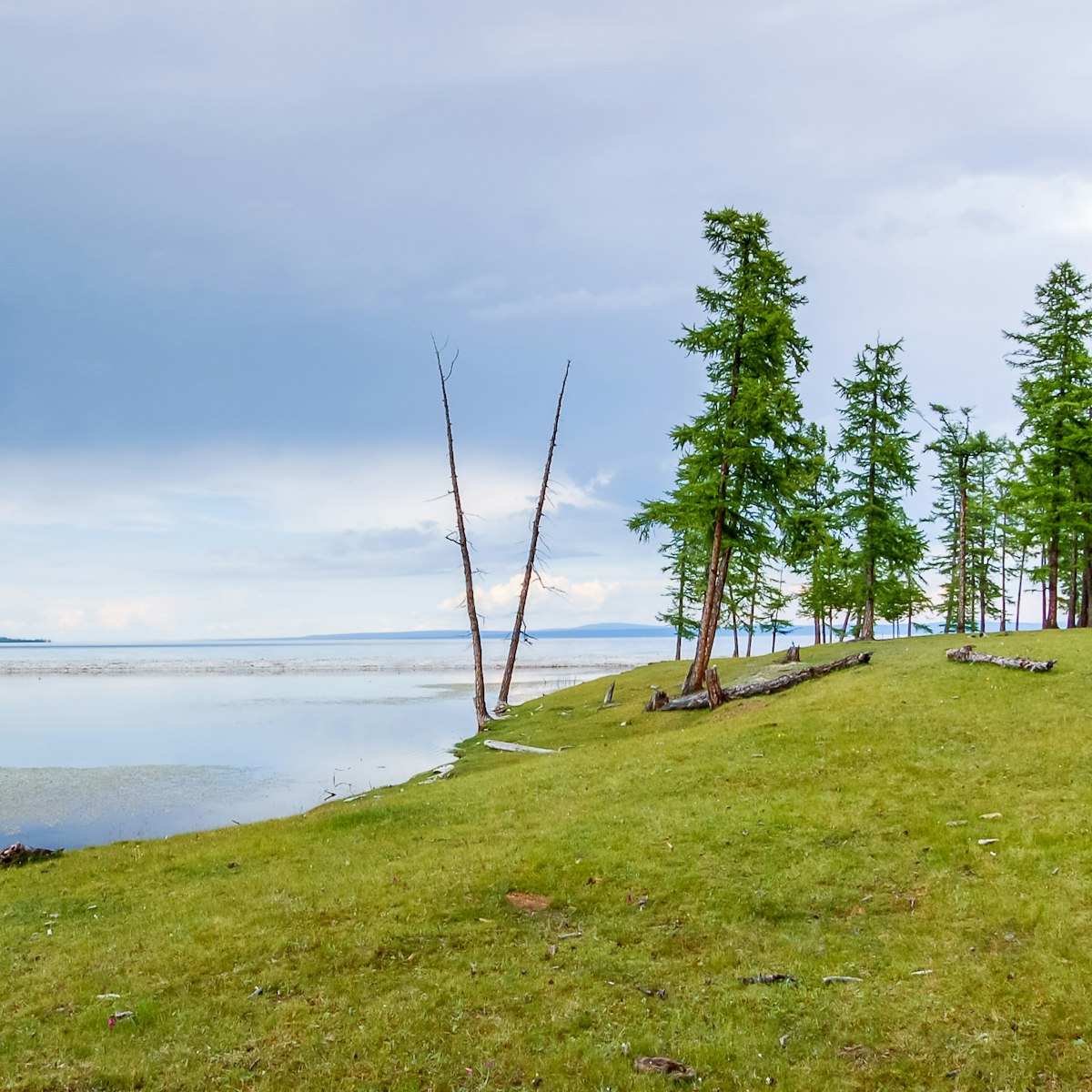
Mongolia
Cupped in the snowcapped fist of the Sayan and Khoridol Saridag mountains, this national park is anchored by the shimmering blue sweep of the ice-cold,…
Planning Tools
Expert guidance to help you plan your trip
Best Things to Do
Mongolia is an adventure like no other. Experience the very best of the country with these top activities.
Read articleThings to Know
With planning and booking tips along with info on health, safety and etiquette, here's what first-time visitors should know before traveling to Mongolia.
Read articleTransportation
Getting around in Mongolia is a proper adventure. Here’s how to go about it.
Read articleVisa Requirements
Been dreaming of Mongolia's vast unspoiled landscapes? We've got good news – getting a visa is now even easier. Here's everything you need to know.
Read articleMoney and Costs
Some things are expensive in Mongolia, but there are still ways to experience this fascinating country on a budget. Here’s how.
Read articleTraveling with Kids
Mongolia is a very special place for a family adventure. Explore nomadic lifestyles, see pristine nature, and create unforgettable memories.
Read articleBest Road Trips
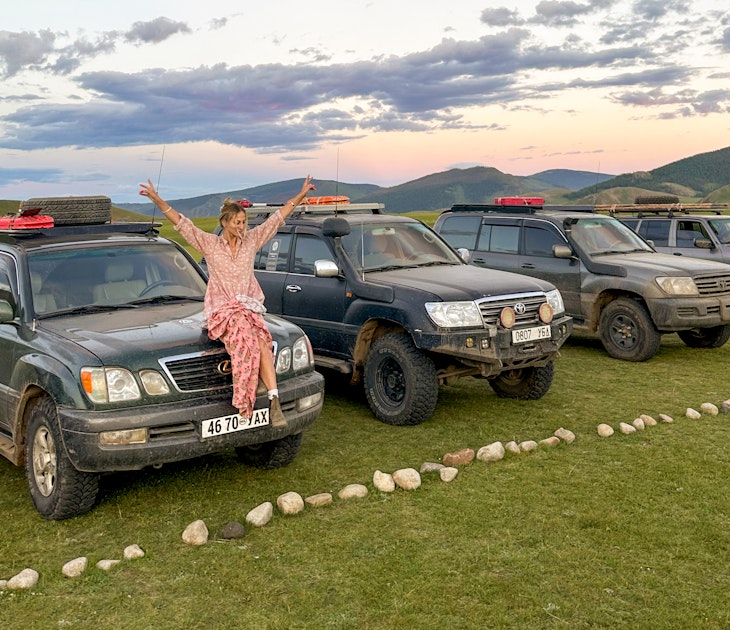
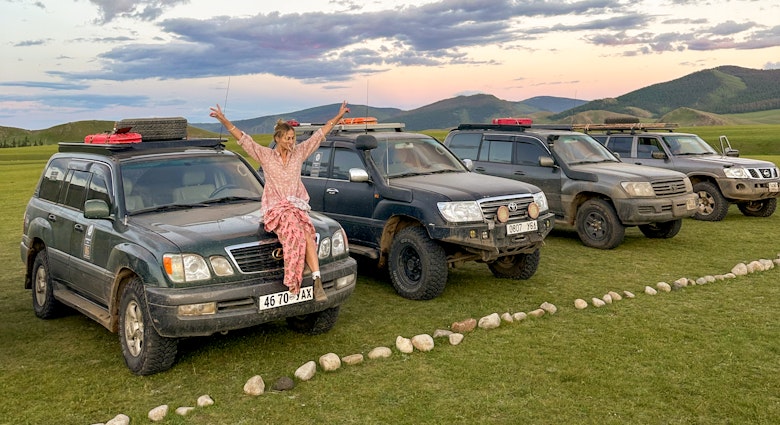
Imagine bouncing over rolling grasslands in a 4WD, with nothing but rolling green steppe extending in every direction. This is road-tripping, Mongolian style!
Read articlePlan with a local

Articles
Latest stories from Mongolia
Filter by interest:


in partnership with getyourguide
Book popular activities in Mongolia
Guidebooks
Purchase our award-winning guidebooks
Get to the heart of Mongolia with one of our in-depth, award-winning guidebooks, covering maps, itineraries, and expert guidance.