Guadalajara
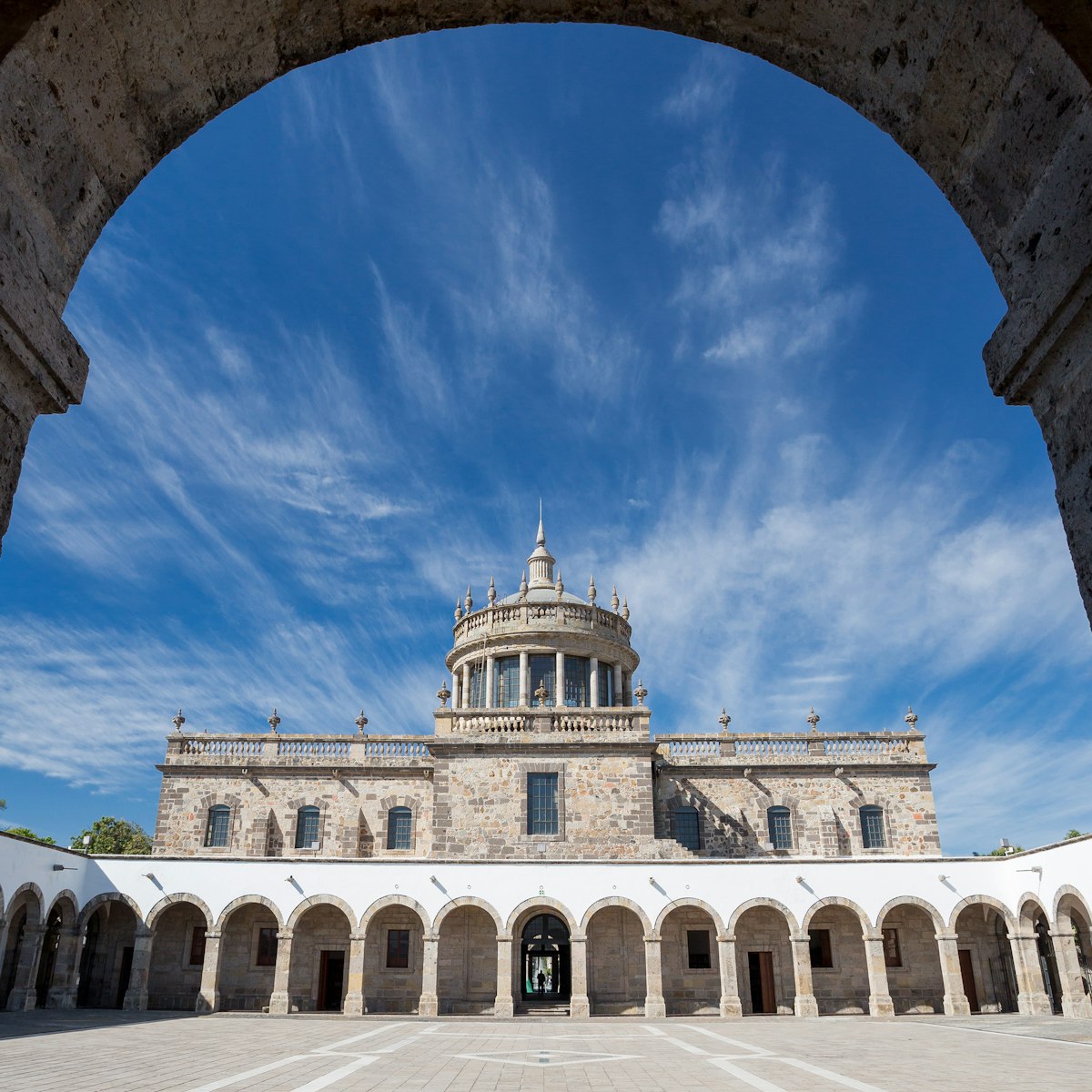
Standing proudly at the eastern end of dramatic Plaza Tapatía is one of Guadalajara’s architectural landmarks, and a Unesco World Heritage site since 1997…
Shutterstock
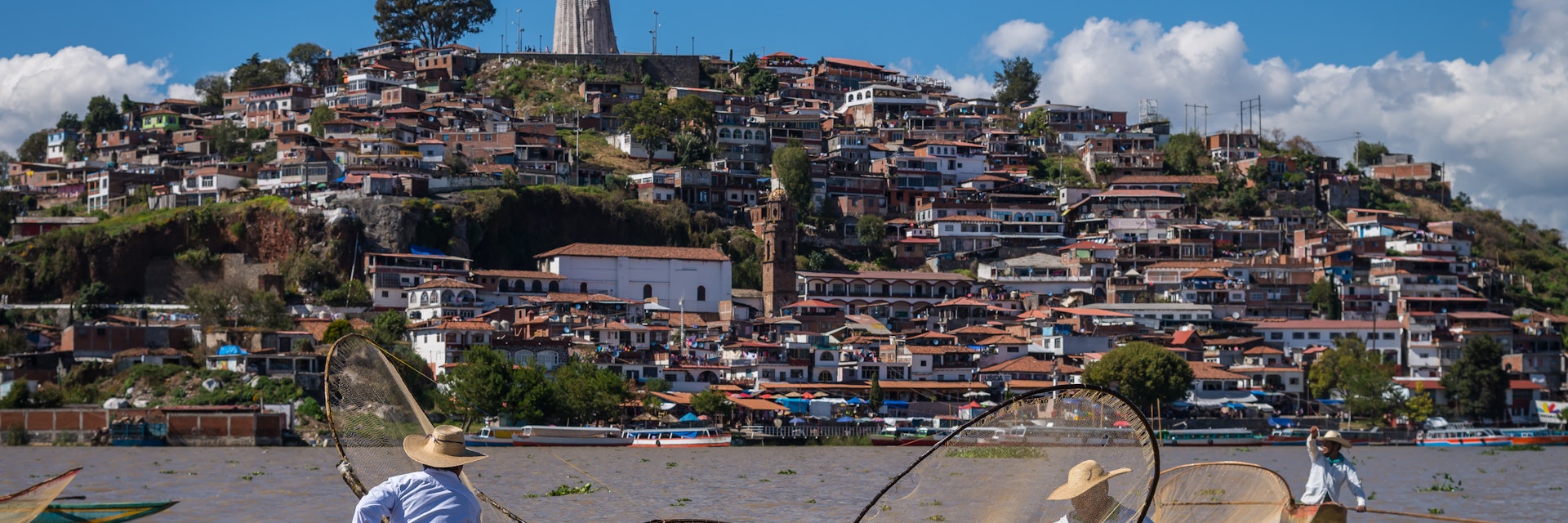
Welcome to the Mexico of your imagination! Many of the elements that define the image of Mexico worldwide originated in the western central highlands amid slumbering volcanoes, sun-drenched avocado plantations and some of the country’s finest 'undiscovered’ pre-Hispanic ruins. Those looking for a bit of local flavor can sip the world’s best tequila in a sea of blue agave, listen to mariachi music in the region of its birth or be awed by the twin-towered magnificence of Morelia’s cathedral.
Experience the real Western Central Highlands. Let a local expert handle the planning for you.
Get startedGuadalajara
Standing proudly at the eastern end of dramatic Plaza Tapatía is one of Guadalajara’s architectural landmarks, and a Unesco World Heritage site since 1997…
Reserva de la Biósfera Santuario Mariposa Monarca
Inland Michoacán
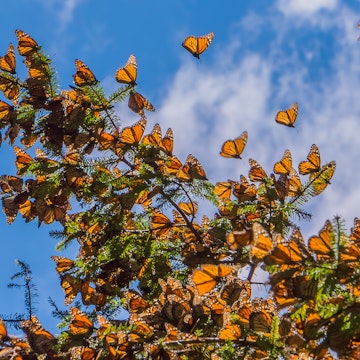
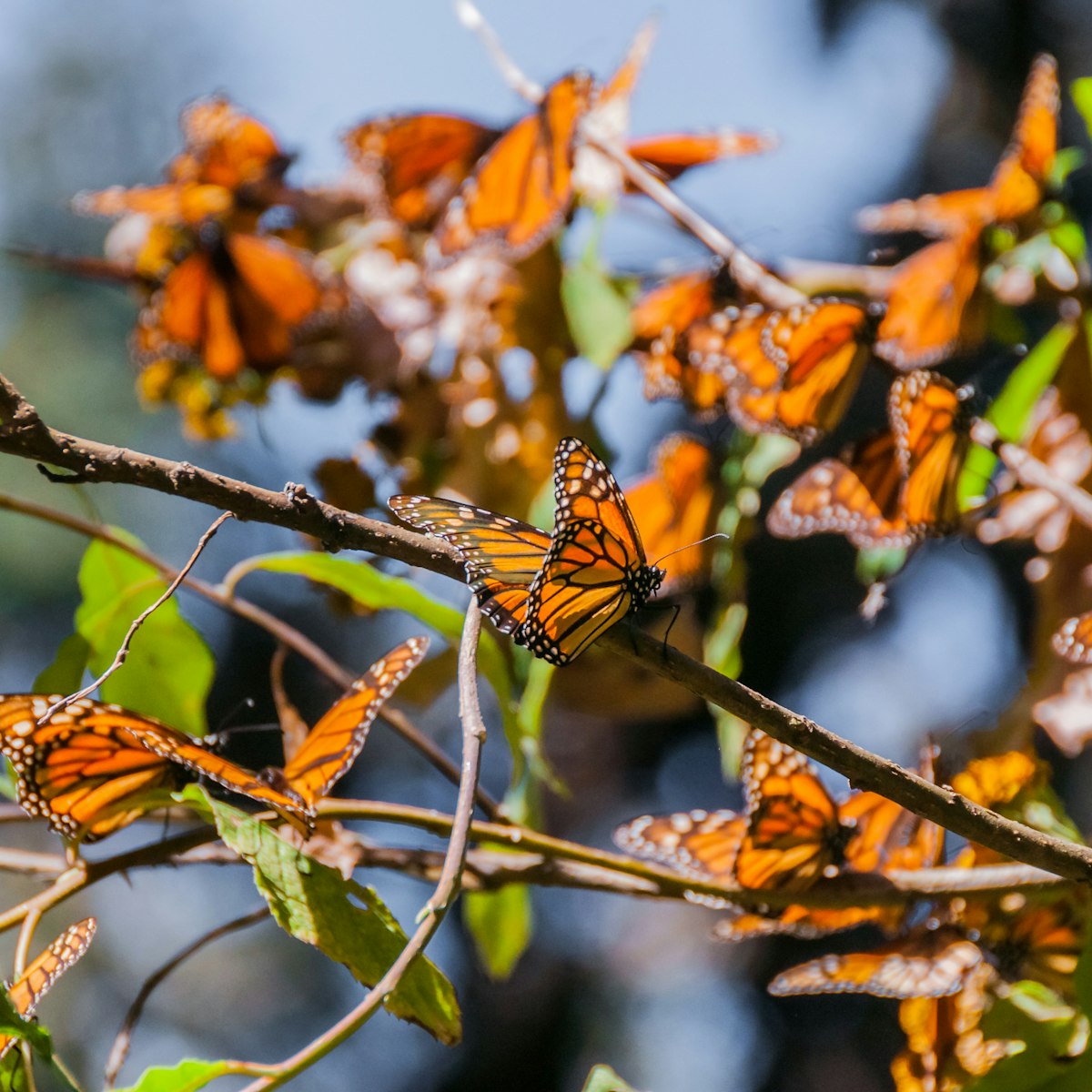
In the eastern-most corner of Michoacán, straddling the border of México state, lies the incredible 563-sq-km Monarch Butterfly Biosphere Reserve, a…
Inland Michoacán
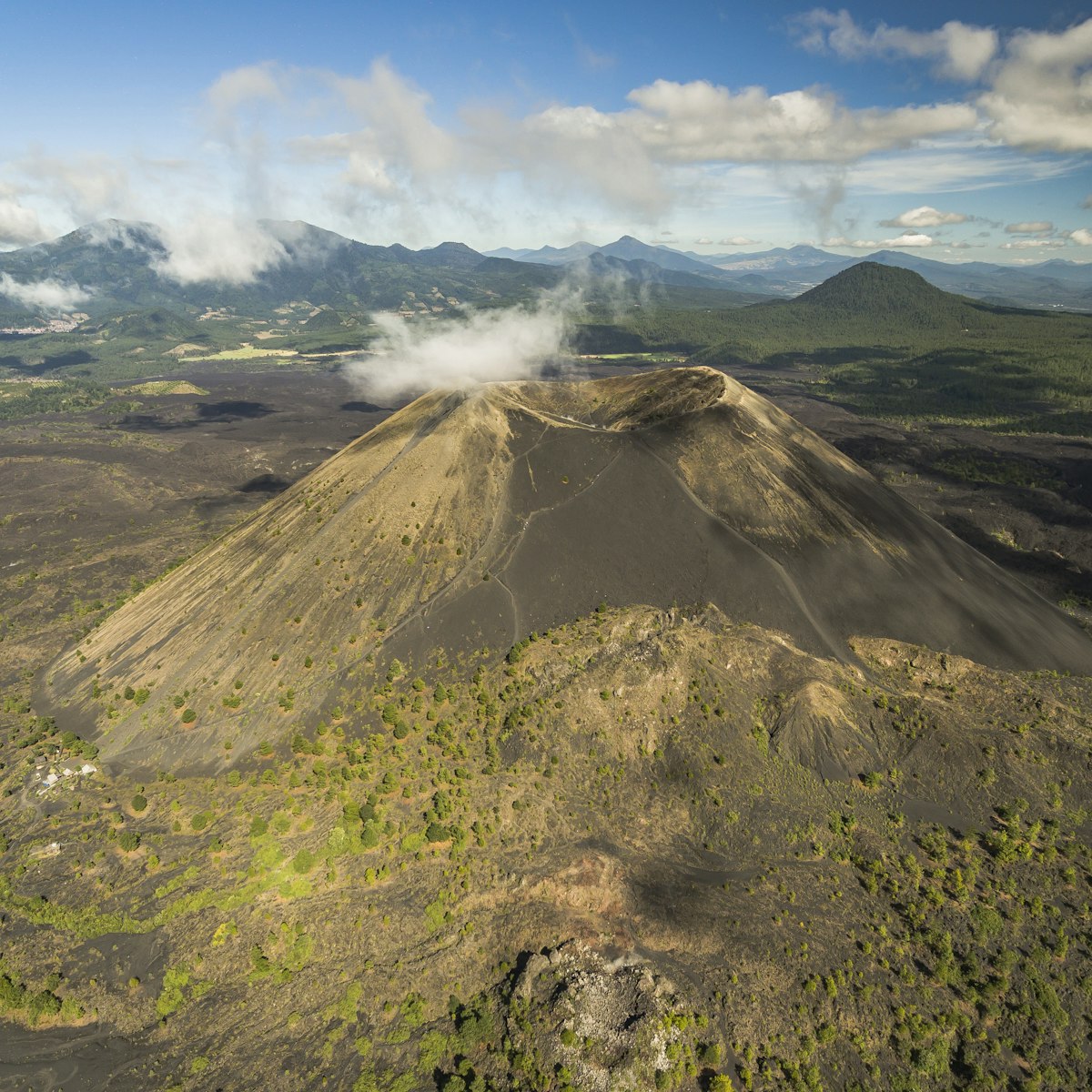
The upstart Volcán Paricutín (2800m) might be less than 80 years old, but clambering up the volcanic scree slopes to its summit and looking out across…
Western Central Highlands
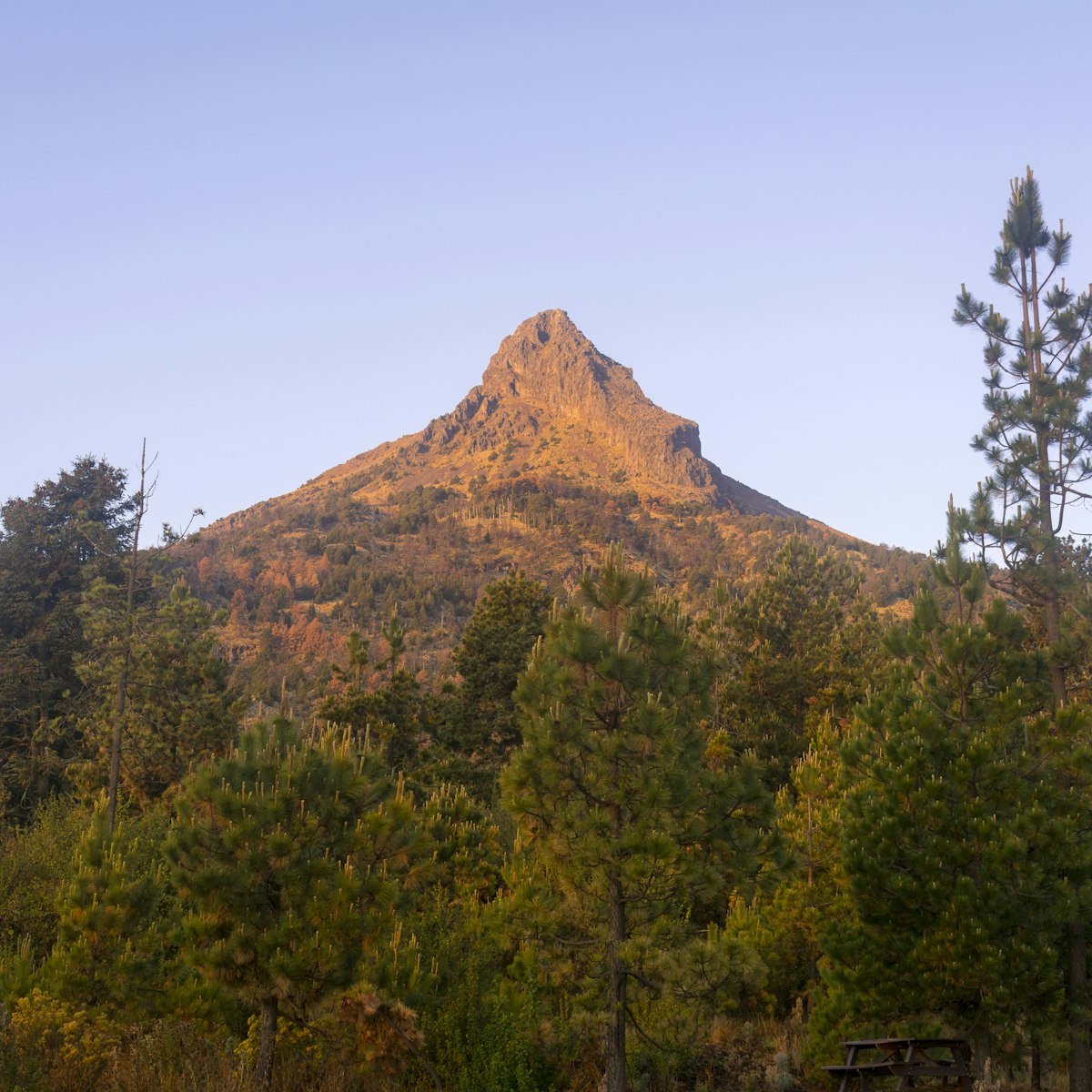
Volcán Nevado de Colima (4260m) is accessible on foot from the last week of October till the first week of June. Patches of pine forest cover Nevado’s…
Guadalajara
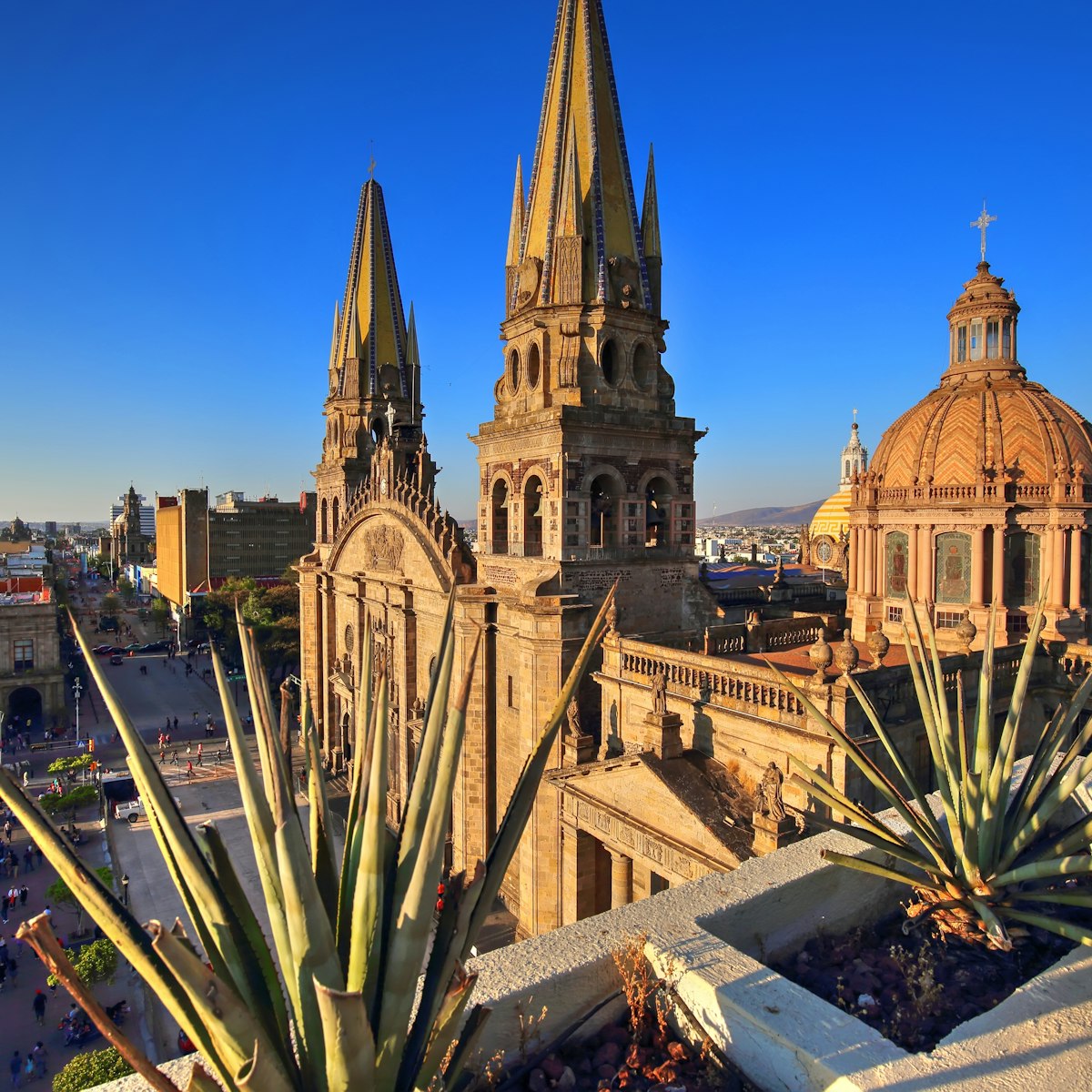
Guadalajara’s cathedral is the city’s most conspicuous landmark with distinctive neo-Gothic towers built after an earthquake toppled the originals in…

Guachimontones Archaeological Site
Guadalajara
Just 40km west of Guadalajara is the fascinating and distinctive archaeological site known as Guachimontones – one of the only ancient ruins in the world…
Morelia
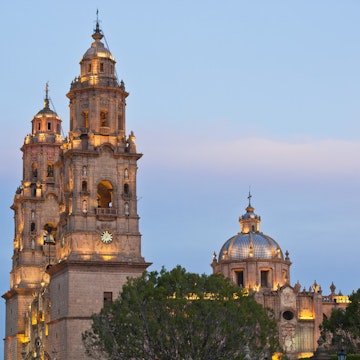
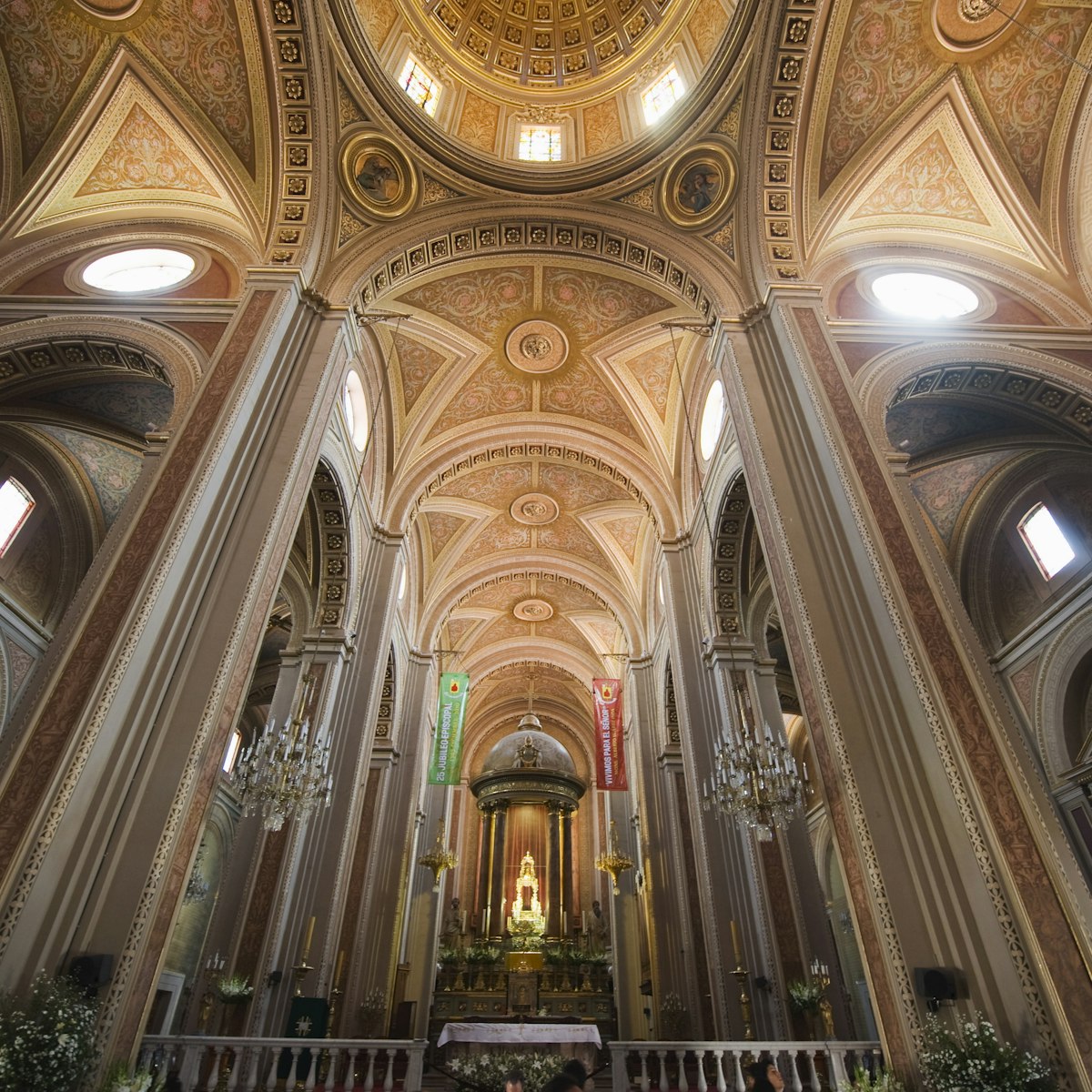
Morelia’s cathedral, considered by many to be the country's most beautiful, dominates the city center, where it flanks rather than faces the central plaza…
Antiguo Convento Franciscano de Santa Ana
Inland Michoacán
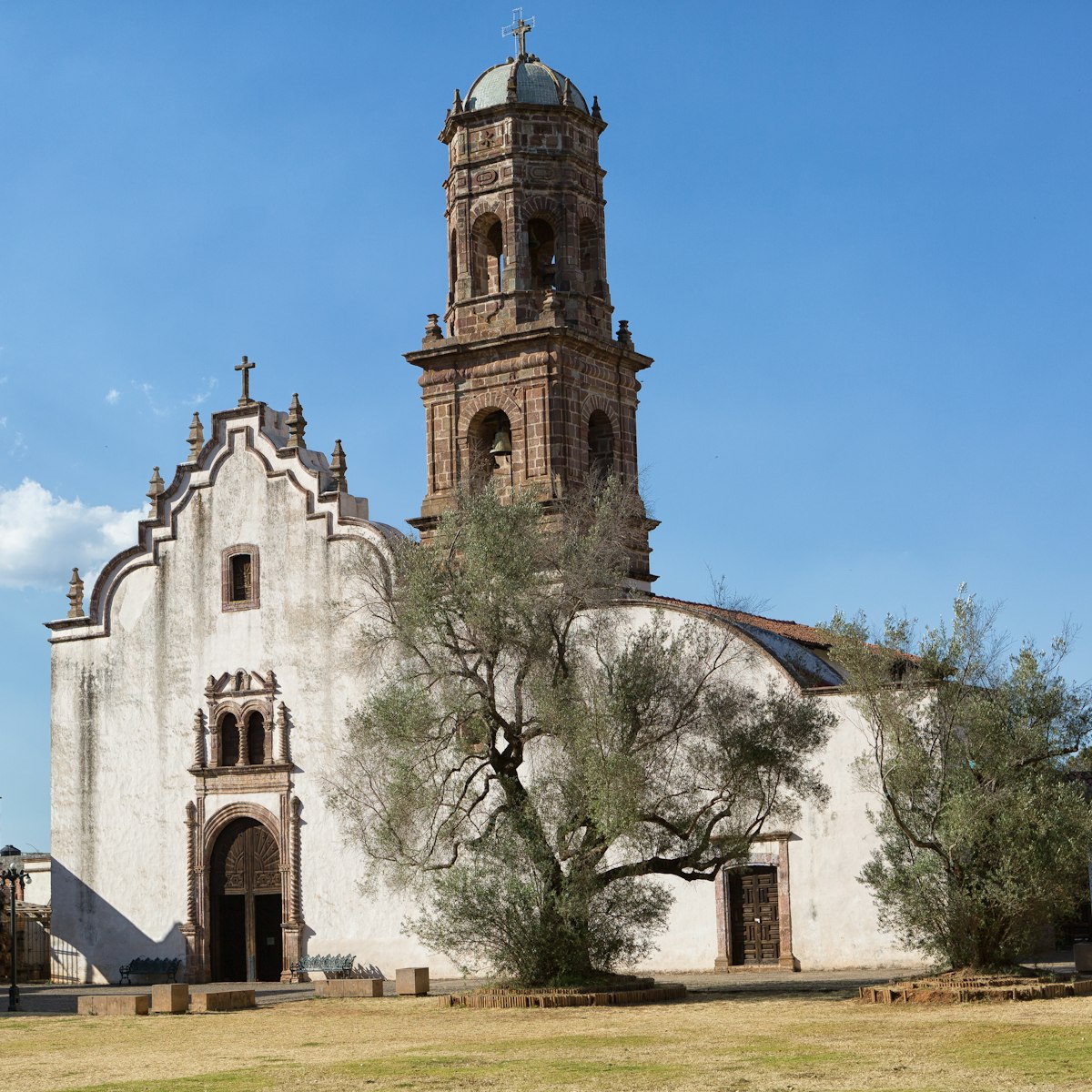
South of the lake and just west of Hwy 120 lies this enormous religious compound built partly with stones from the Purépecha yácatas (temples) taken from…
Get to the heart of Western Central Highlands with one of our in-depth, award-winning guidebooks, covering maps, itineraries, and expert guidance.