Reserva de la Biosfera El Pinacate y Gran Desierto de Altar
Sonora
About 30km from Puerto Peñasco are the lunar landscapes of El Pinacate, one of the driest places on earth. This remote, spectacular 7145-sq-km reserve is…
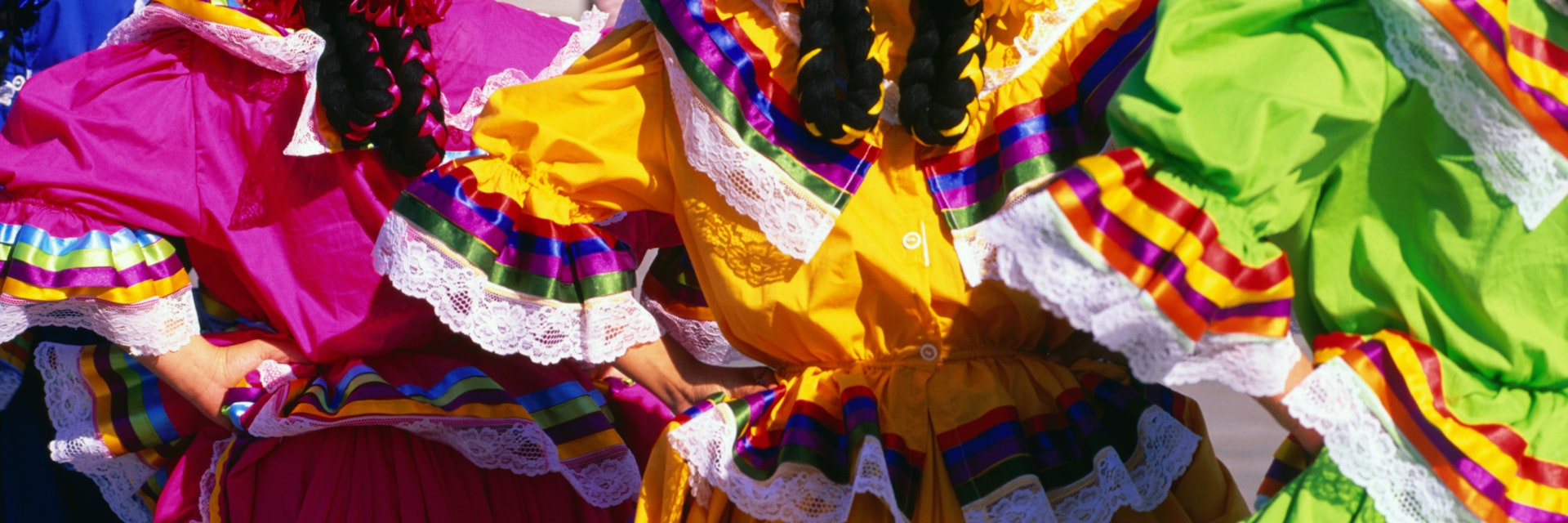
Getty Images/Lonely Planet Images
Mexico’s second-largest state (neighboring Chihuahua is first) has remarkable cultural and ecological diversity within its 180,000 sq km. It boasts miles and miles of gorgeous beaches, desert moonscapes in El Pinacate Reserve, near Puerto Peñasco, and everything in between. It's still undiscovered by mass tourism, but the word is definitely getting out for Mexican travelers – beach towns like San Carlos and Bahía de Kino get packed with weekend warriors from Hermosillo and beyond – and those near the US border get a steady stream of American 'snowbirds' (retired North American citizens who head south for winter). Even so, Sonora sees far fewer travelers, especially foreigners, than its myriad attractions and drop-dead beauty would suggest. But hey, who’s complaining?
Experience the real Sonora. Let a local expert handle the planning for you.
Get startedReserva de la Biosfera El Pinacate y Gran Desierto de Altar
Sonora
About 30km from Puerto Peñasco are the lunar landscapes of El Pinacate, one of the driest places on earth. This remote, spectacular 7145-sq-km reserve is…
Sonora
Also known as Bird Island, Isla San Jorge is one of the best boat excursions in northern Mexico. This rocky island 40km southeast of Peñasco is home to…
Sonora
Named for the cotton-ball-like dunes on the south end of the beach, Playa Los Algodones is arguably the most beautiful beach in northern Mexico. The sand…
Sonora
Created by an eco-minded group of residents back in 2014, this lush reserve encompasses some 112 hectares of pristine tropical deciduous forest. Well…
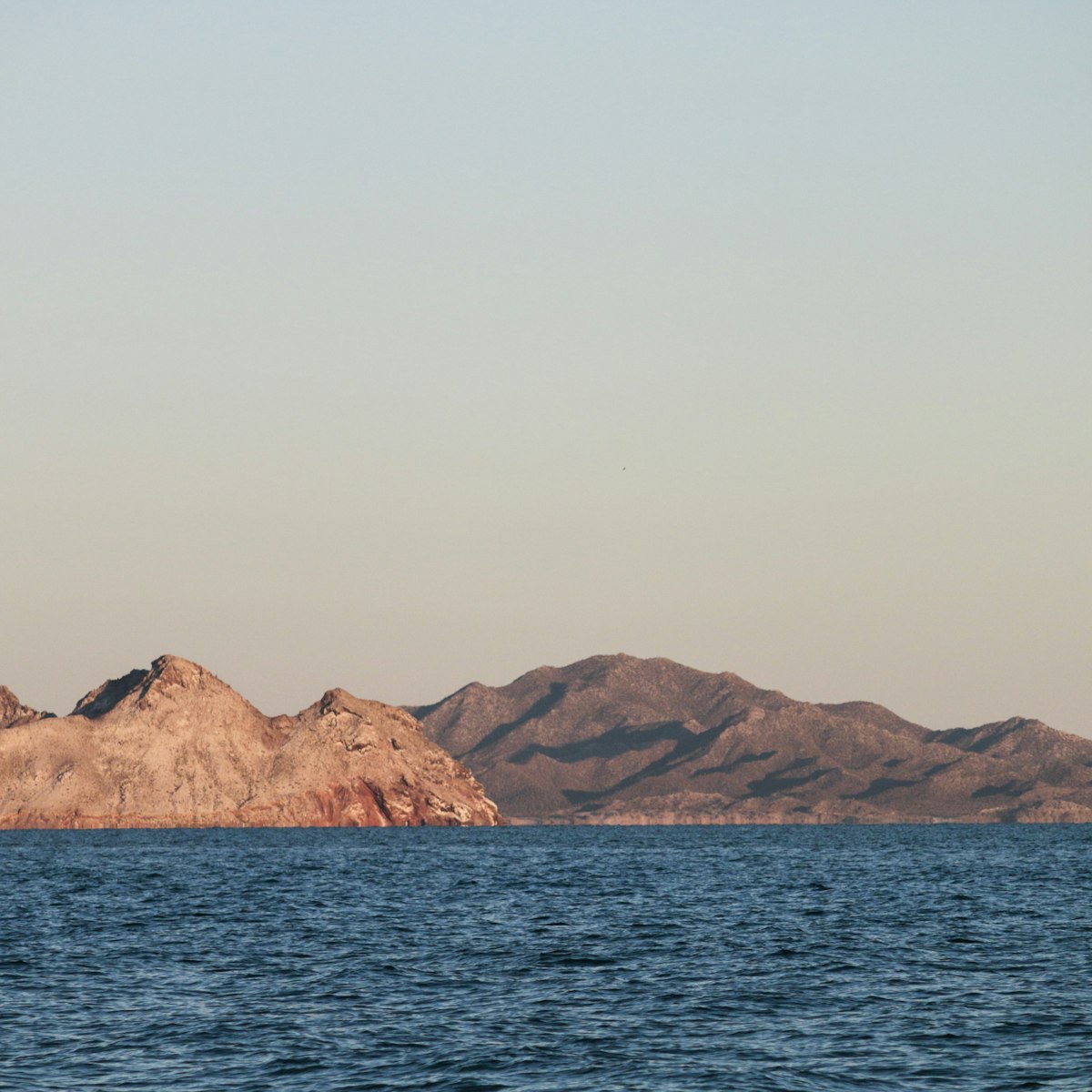
Bahía de Kino
This mountainous island, Mexico's largest, lies 3km off the coast from Punta Chueca. It was once a Seri homeland, but was depopulated when the island was…
Sonora
CEDO is a wonderful place to learn about Rocky Point’s fascinating desert-meets-sea ecosystem. Dedicated to the conservation of the upper Gulf of…
Sonora
The magnificent views from this overlook shouldn't be missed on a visit to San Carlos. From a lofty perch 200m over the crashing waves, you can take in…
Sonora
A popular spot for snorkeling and dive excursions 28km west of San Carlos, Isla San Pedro Nolasco is a rocky island nature reserve that's home to a large…
Get to the heart of Sonora with one of our in-depth, award-winning guidebooks, covering maps, itineraries, and expert guidance.