Kazakhstan
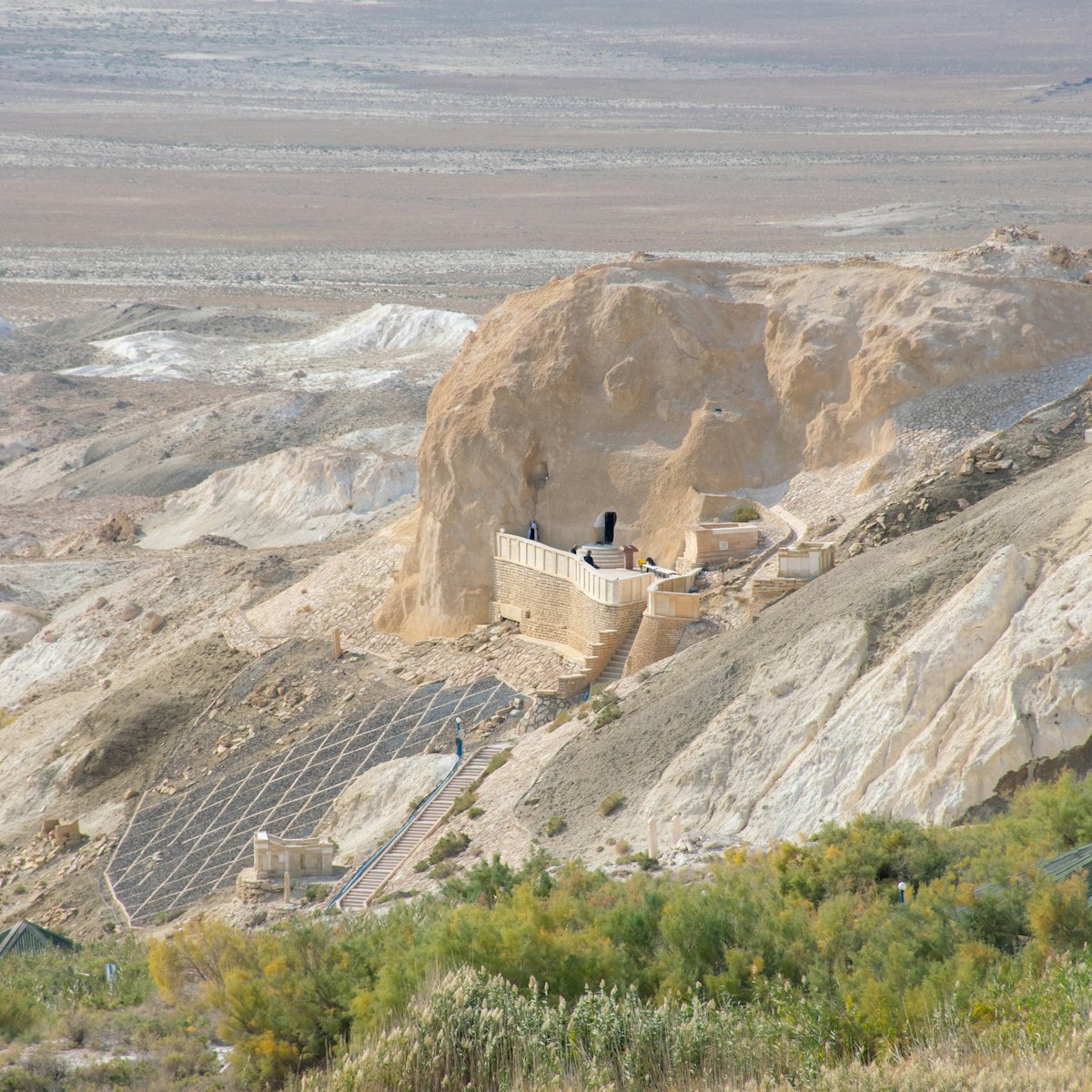
Some 285km east of Aktau, Beket-Ata is an important and extremely popular place of pilgrimage for those wishing to visit the underground mosque and final…
Getty Images/Cavan Images RF
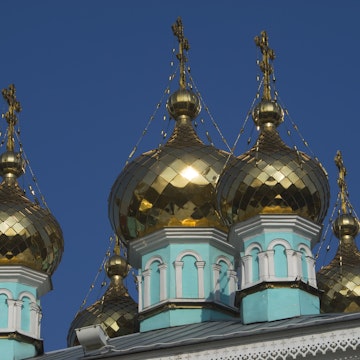
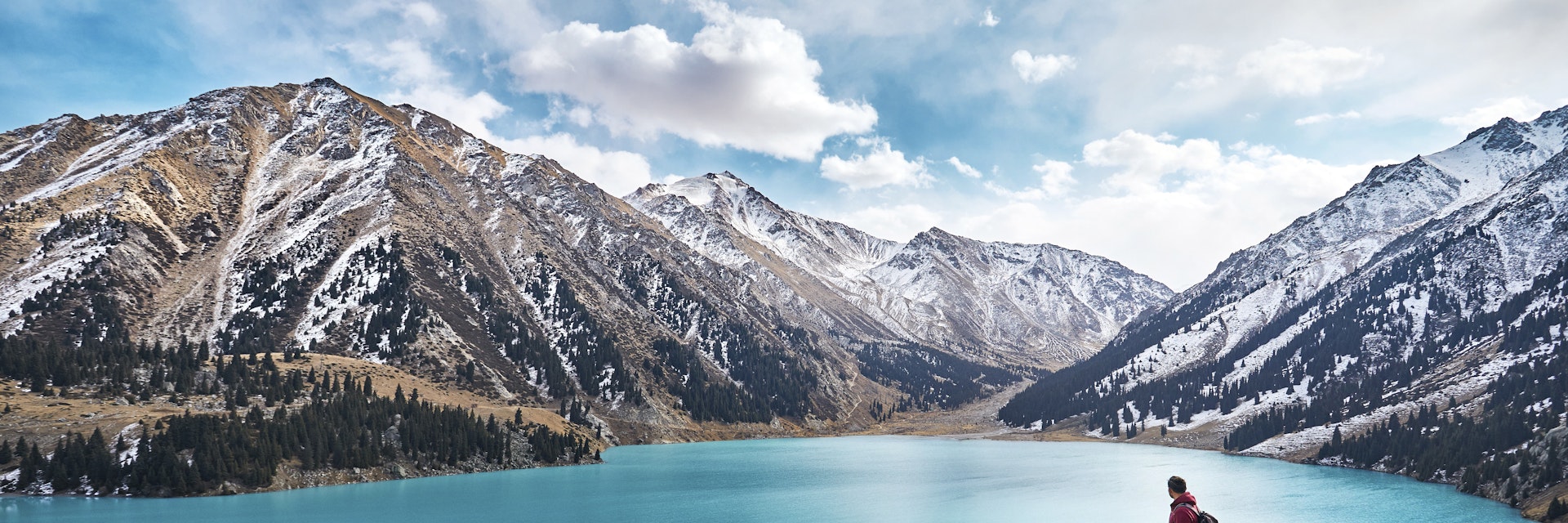
The world’s ninth-biggest country is the most economically advanced of the ‘stans’, thanks to its abundant reserves of oil and most other valuable minerals. That money has transformed the capital Nur-Sultan, on the windswept northern steppe, into a 21st-century showpiece with a profusion of bold futuristic architecture. Travelers will find some fantastic restaurants and accommodation amongst the leafy avenues of Almaty too; its biggest city also boasts the chic ALZhiR Museum-Memorial Complex, glossy shopping centres and hedonistic nightlife. But it's beyond the cities that you'll find the greatest travel adventures, whether hiking in the high mountains and green valleys of the Tian Shan, searching for wildlife on the lake-dotted steppe, enjoying homespun hospitality in village guesthouses, or jolting across the western deserts to remote underground mosques.
Kazakhstan
Some 285km east of Aktau, Beket-Ata is an important and extremely popular place of pilgrimage for those wishing to visit the underground mosque and final…
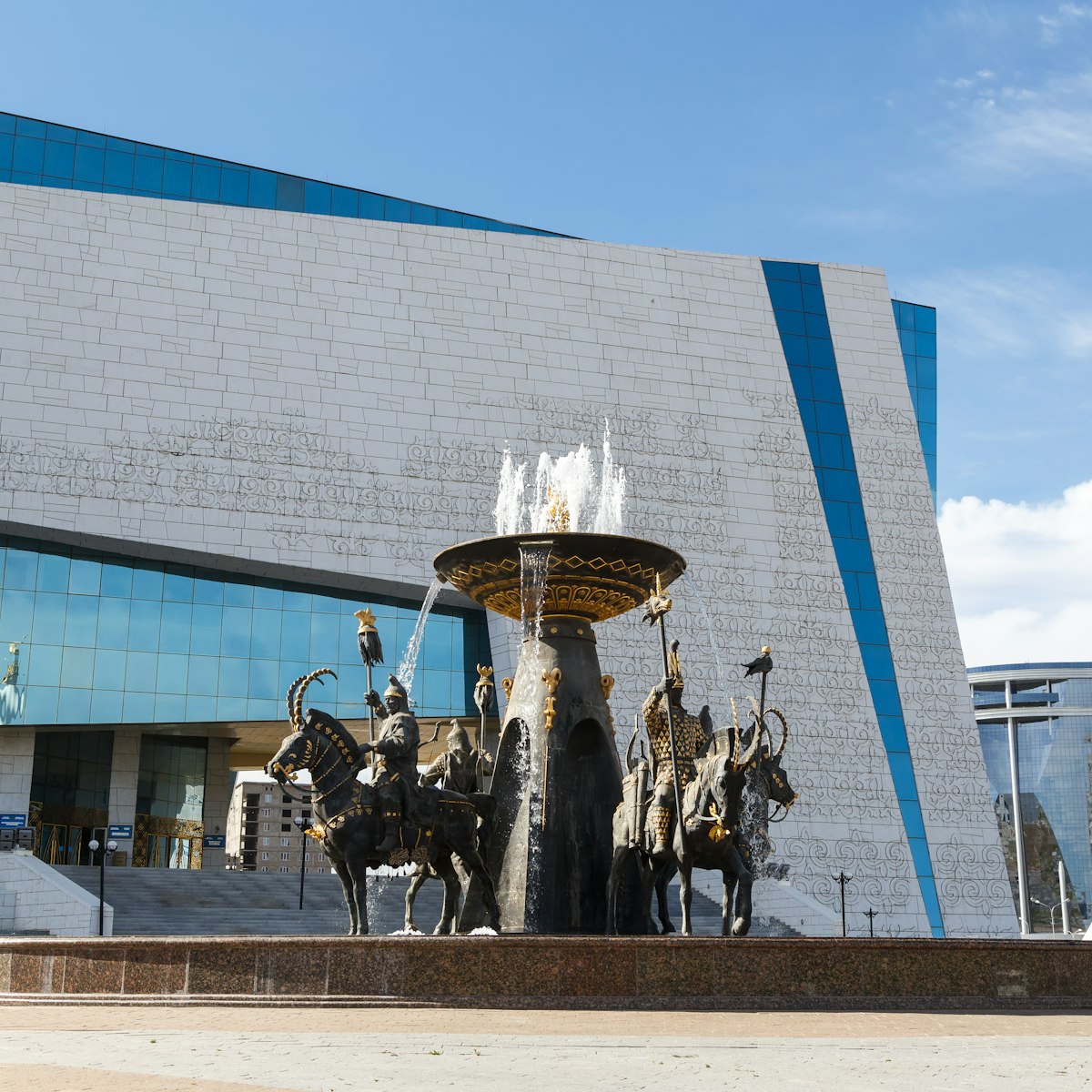
National Museum of the Republic of Kazakhstan
Nur-Sultan (Astana)
This huge blue-glass-and-white-marble museum covers the history and culture of Kazakhstan from ancient to modern times. Themed halls comprise interactive…
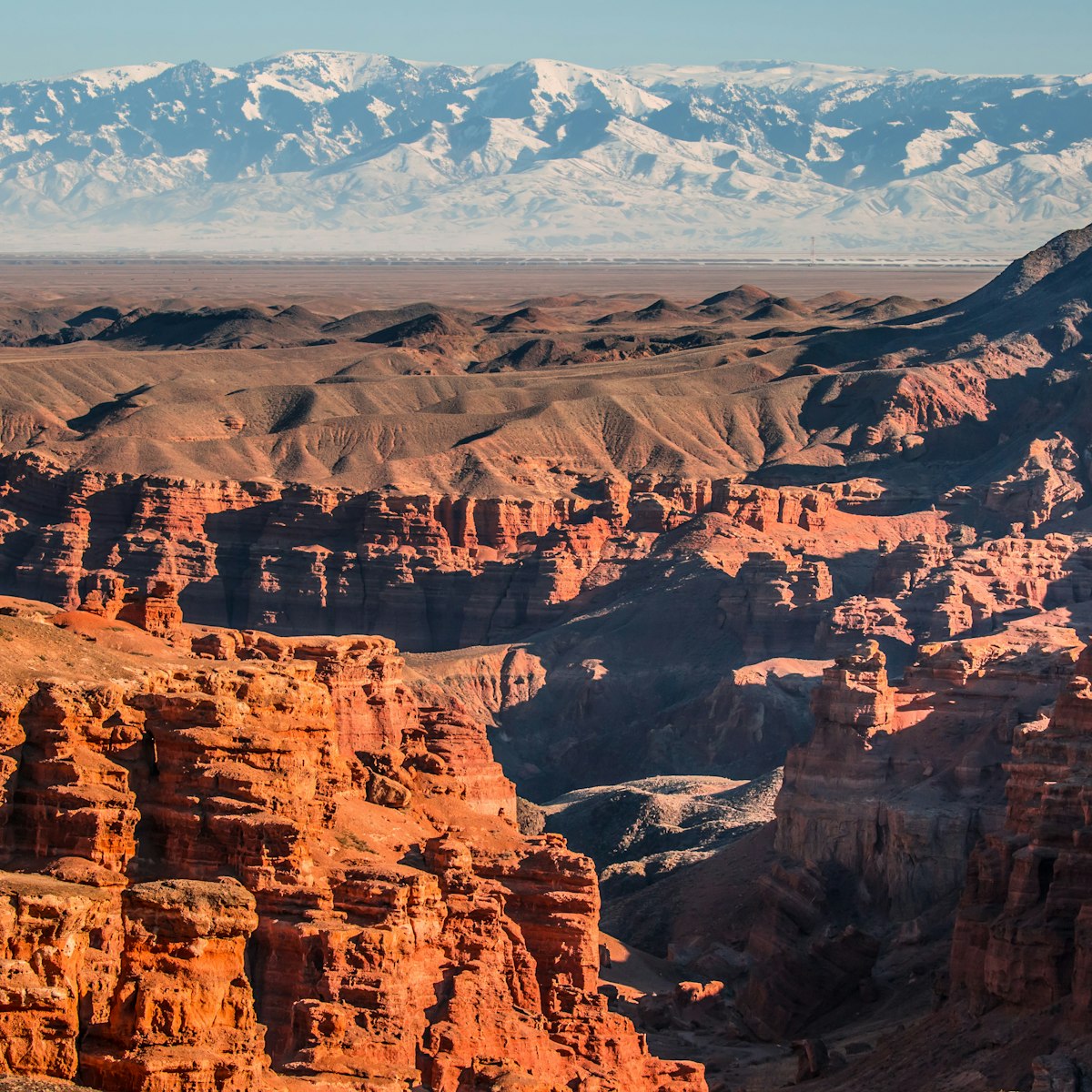
Kazakhstan
Over millions of years, the swift Charyn (Sharyn) River has carved a truly spectacular 150m- to 300m-deep canyon into the otherwise flat steppe some 200km…
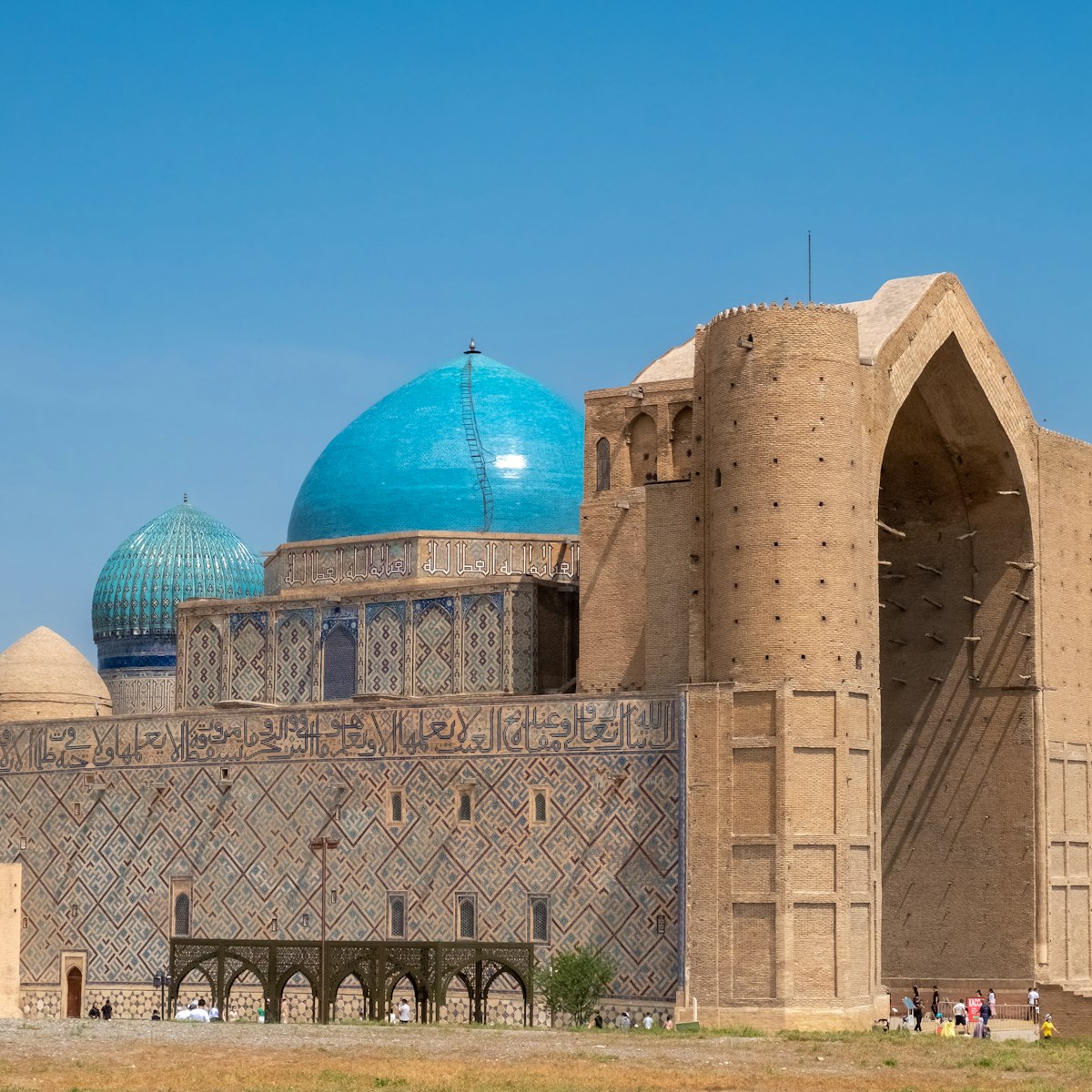
Turkestan
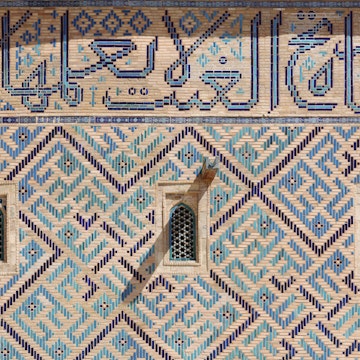
This astoundingly beautiful, tiled mausoleum with a turquoise dome is home to Kozha Akhmed Yasaui. The main chamber is capped with an 18m-wide dome, above…
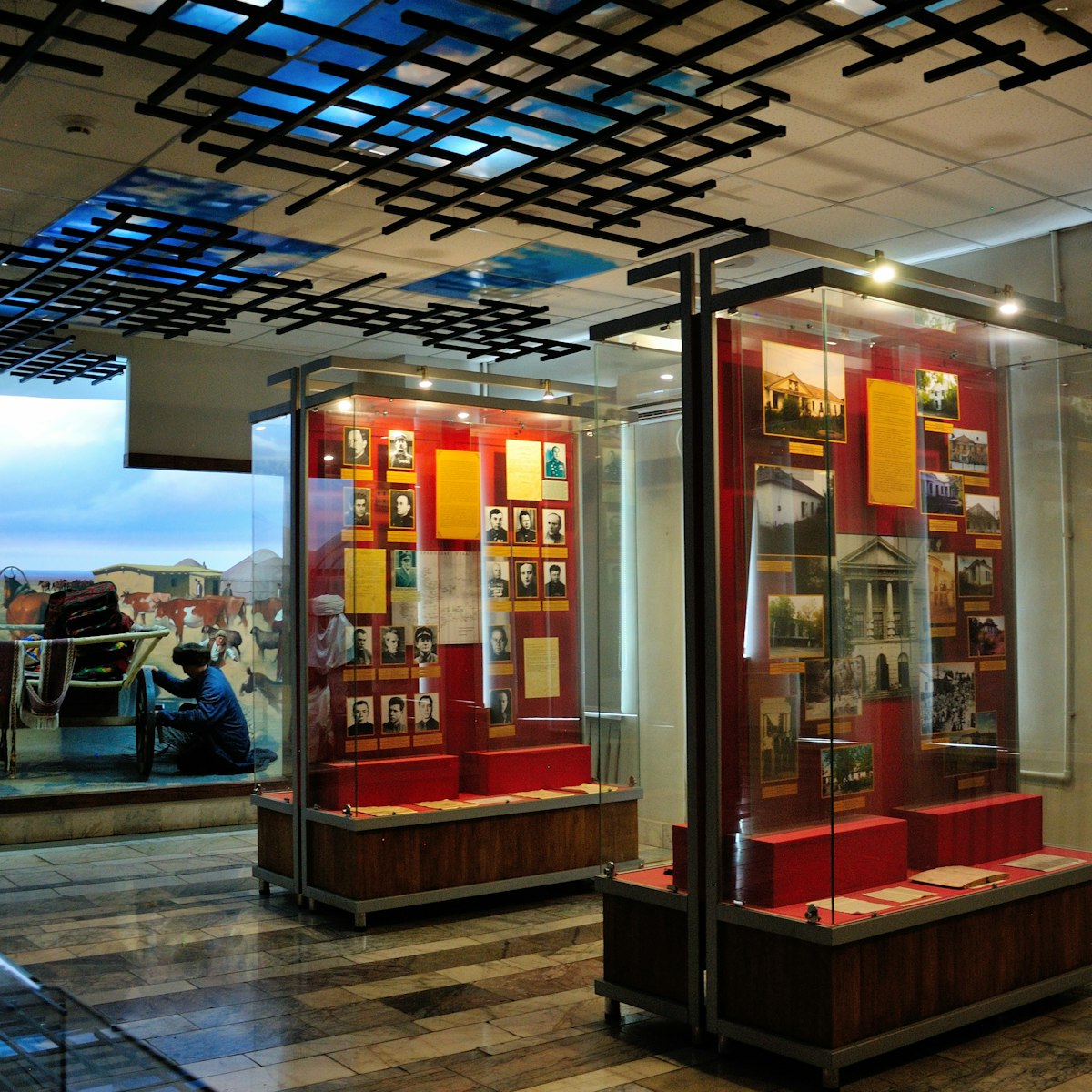
Kazakhstan
Housed in the old KarLag headquarters building, this poignant museum walks you through KarLag's role in the Soviet Gulag Archipelago. The repression of…
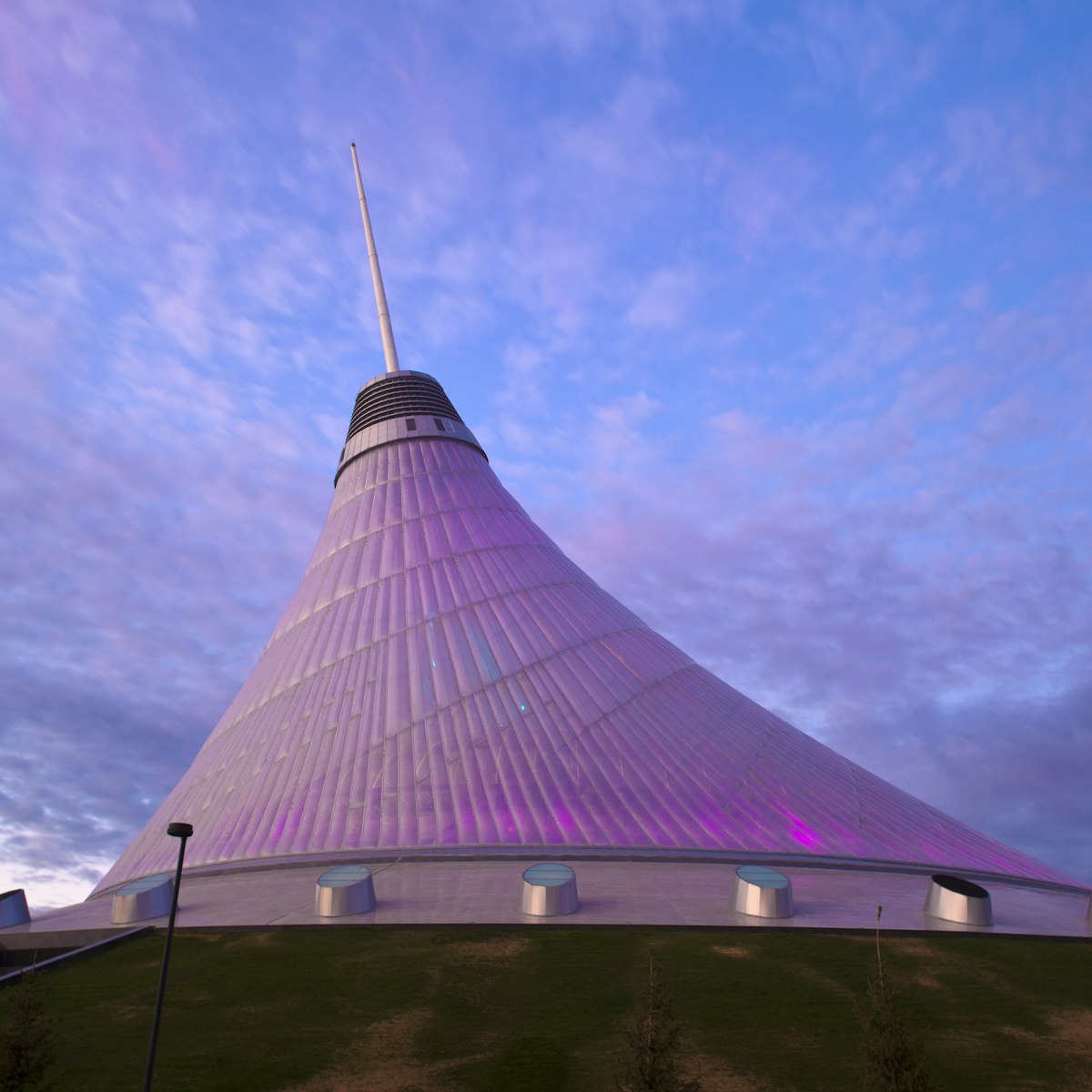
Nur-Sultan (Astana)
Nur-Sultan's most extraordinary building (so far), the Khan Shatyr is a 150m-high, translucent, tentlike structure made of ethylene tetrafluoroethylene …
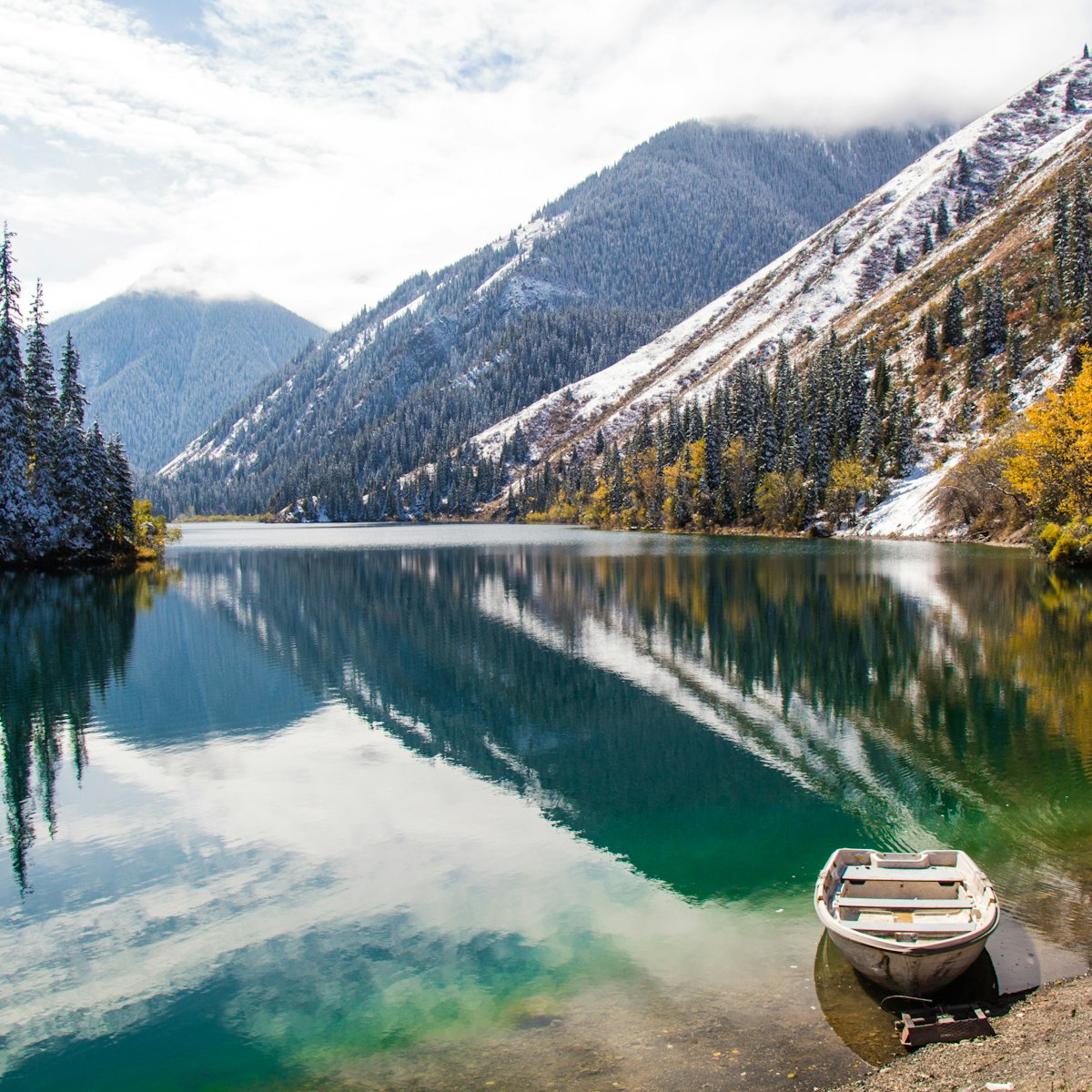
Kazakhstan
Located around 12km by paved (from 2018) road from Saty village, these three spruce-and-mountain-hemmed lakes are Alpine-esque beauty at its best and a…
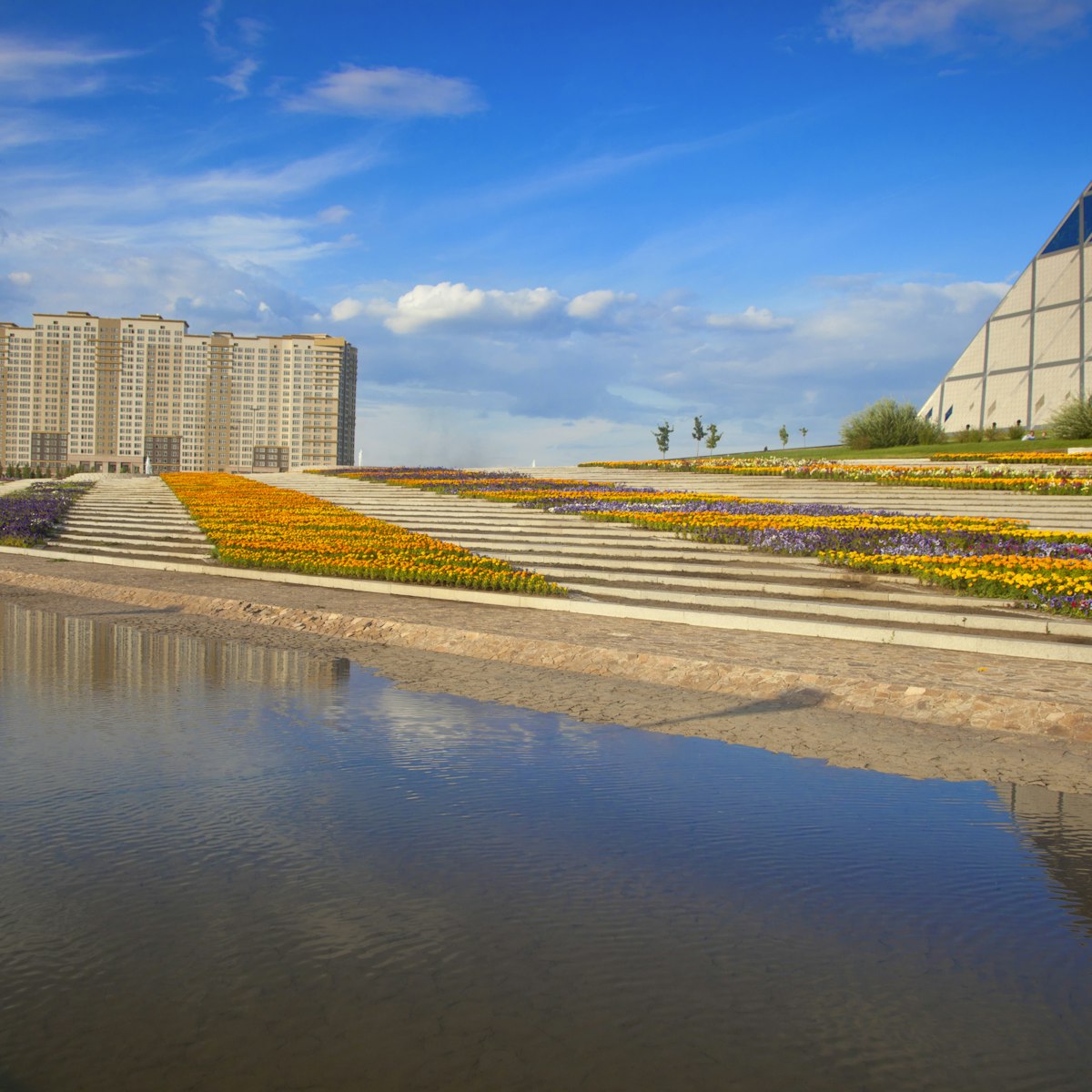
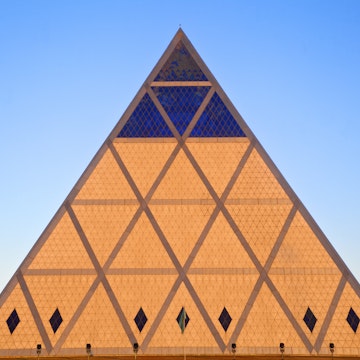
Palace of Peace & Reconciliation
Nur-Sultan (Astana)
This beautiful glass-and-steel pyramid was opened in 2006 as the home for the triennial Congress of World and Traditional Religions, hosted by Kazakhstan…
Filter by interest:
Sustainable Travel
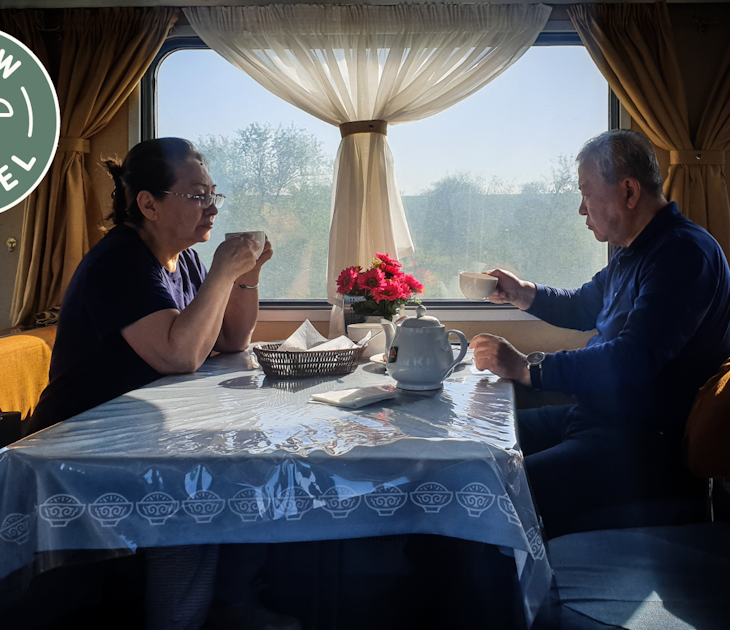
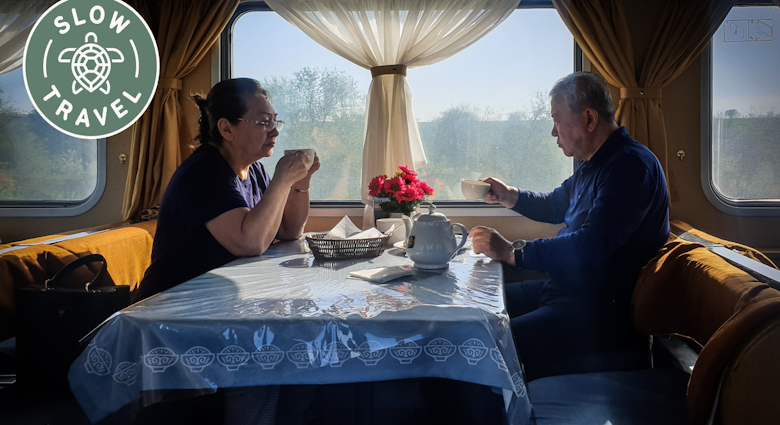
Crossing Kazakhstan by train - a two week journey through a bygone eraJun 21, 2023 • 7 min read
Feb 25, 2020 • 6 min read
Jul 7, 2019 • 8 min read

Nov 23, 2017 • 1 min read
Feb 22, 2017 • 5 min read
in partnership with getyourguide
Get to the heart of Kazakhstan with one of our in-depth, award-winning guidebooks, covering maps, itineraries, and expert guidance.