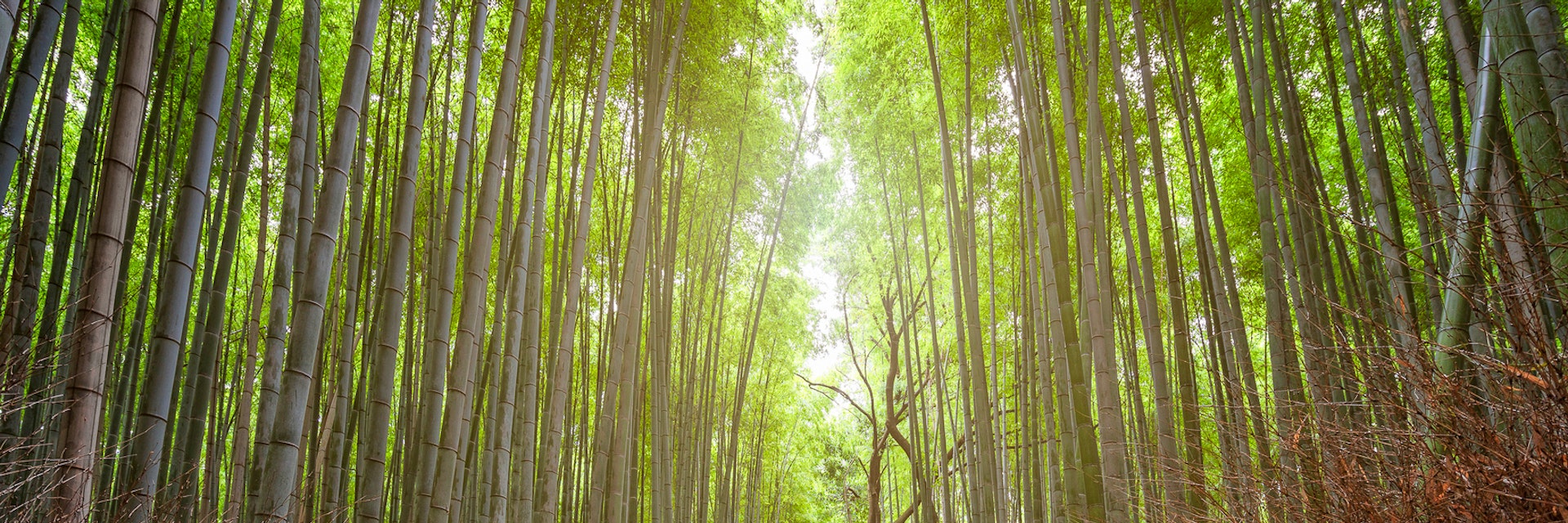
INIGO CIA DA RIVA / Stocksy United
Japan
Japan is truly timeless, a place where ancient traditions fuse with modern life, as if it were the most natural thing in the world.
Leave the planning to a local expert
Experience the real Japan. Let a local expert handle the planning for you.
Get startedAttractions
Must-see attractions
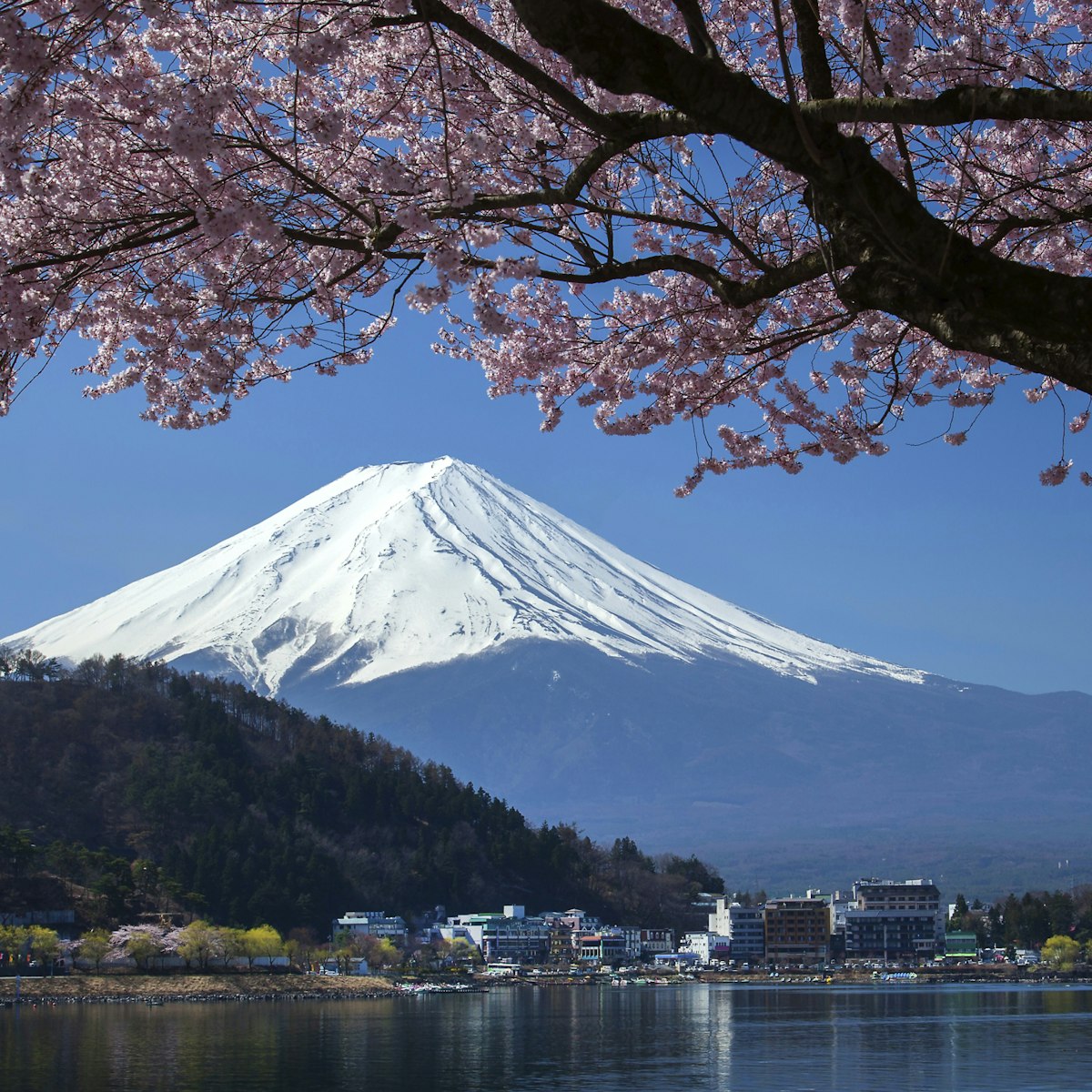
Fuji Five Lakes
Fuji-san is among Japan's most revered and timeless attractions, the inspiration for generations of poets and the focus of countless artworks. Hundreds of…
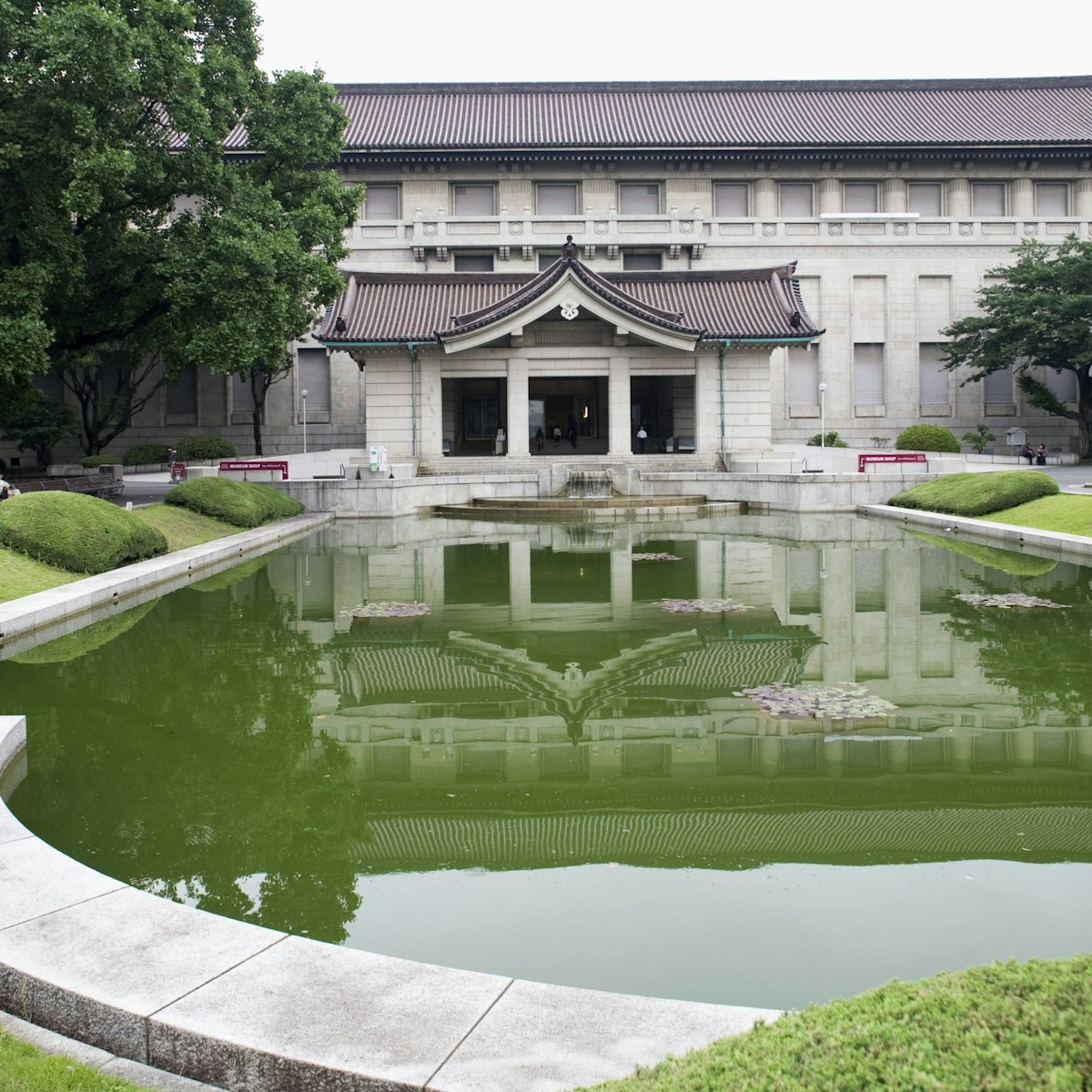
Ueno & Yanesen
If you visit only one museum in Tokyo, make it the Tokyo National Museum. Here you'll find the world's largest collection of Japanese art, including…
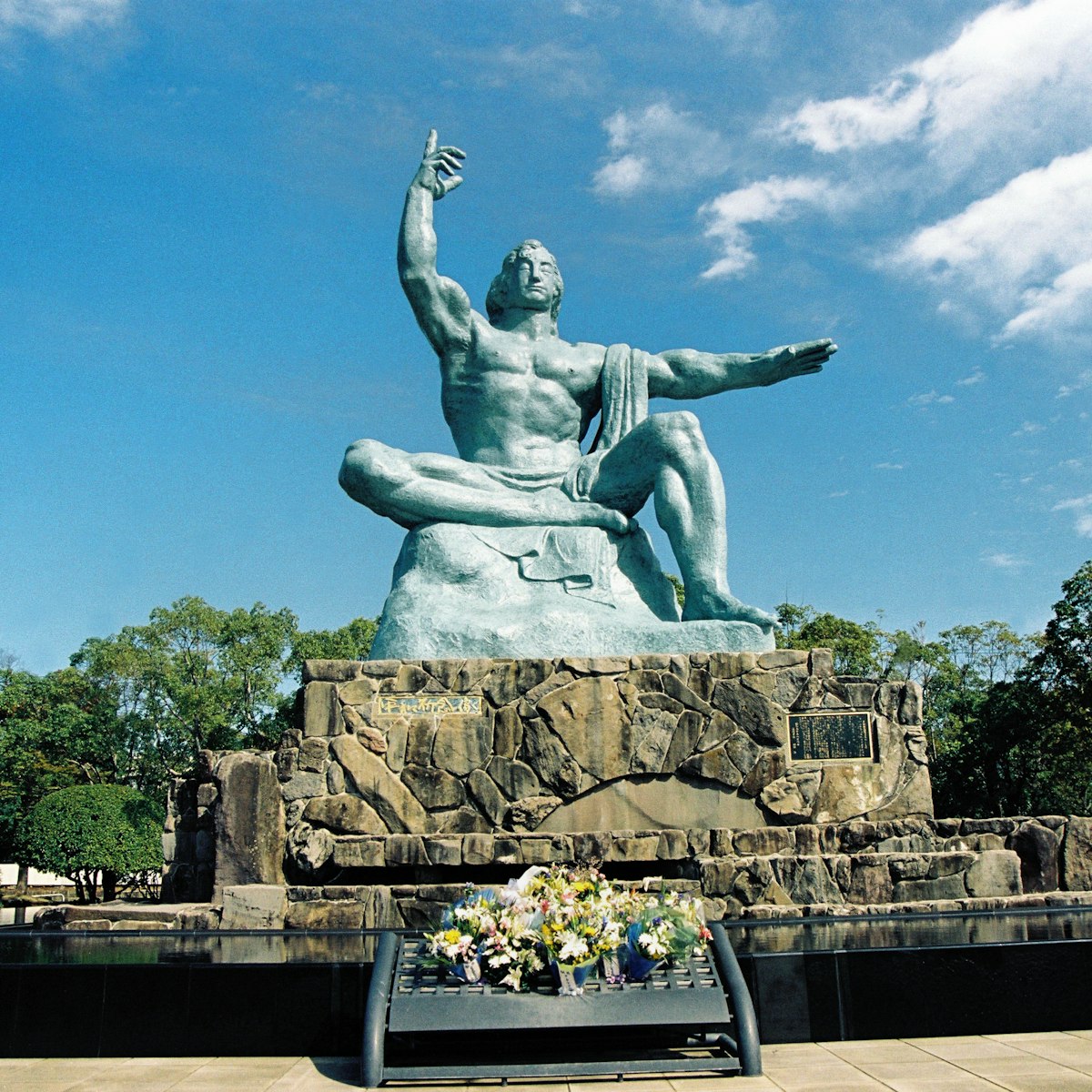
Nagasaki
A still, serene and deeply moving place, Nagasaki's Peace Park commemorates the atomic bombing of the city on August 9, 1945, which reduced the…
Downtown Kyoto
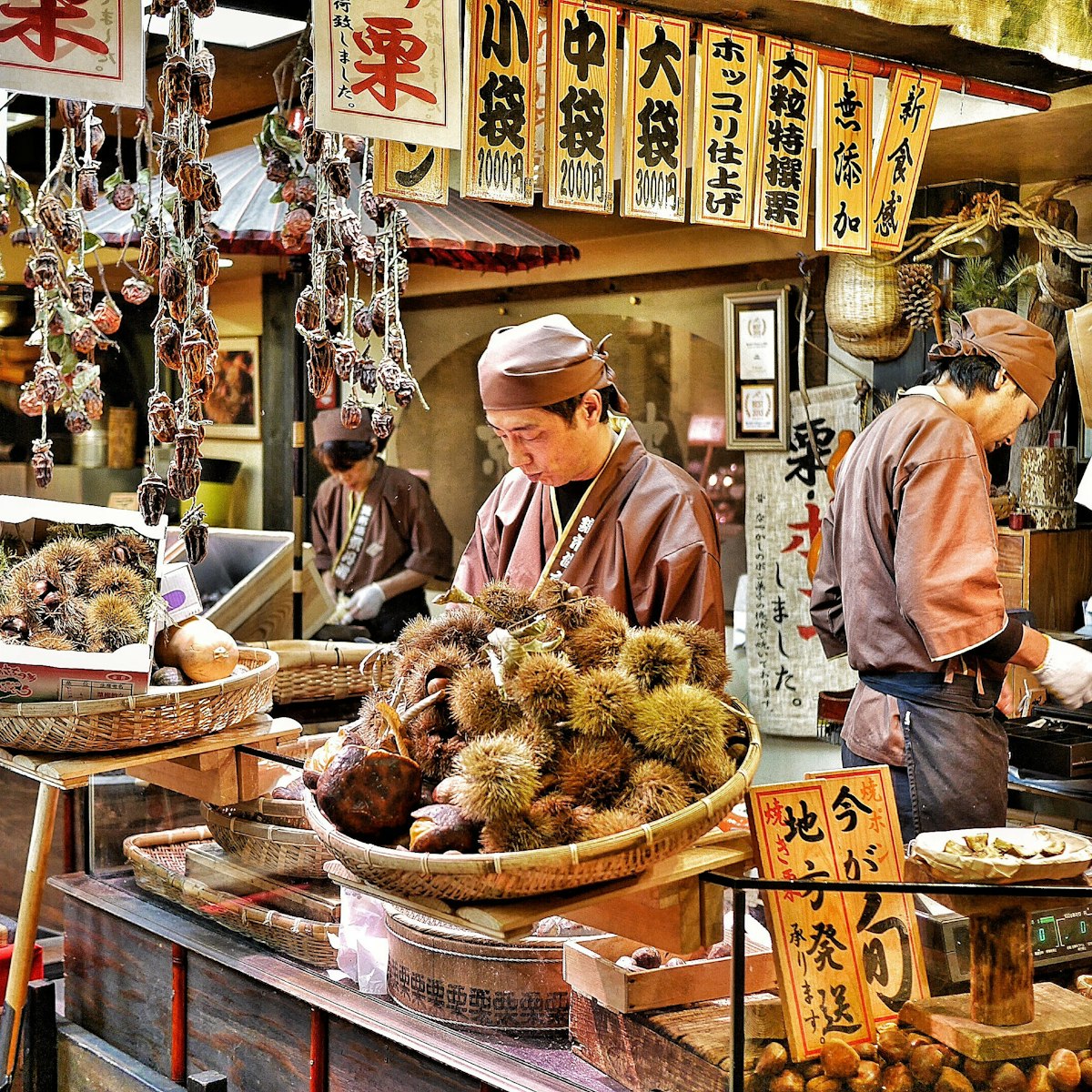
The covered Nishiki Market (Nishiki-kōji Ichiba) is one of Kyoto’s real highlights, especially if you have an interest in cooking and dining. Commonly…
Tokyo
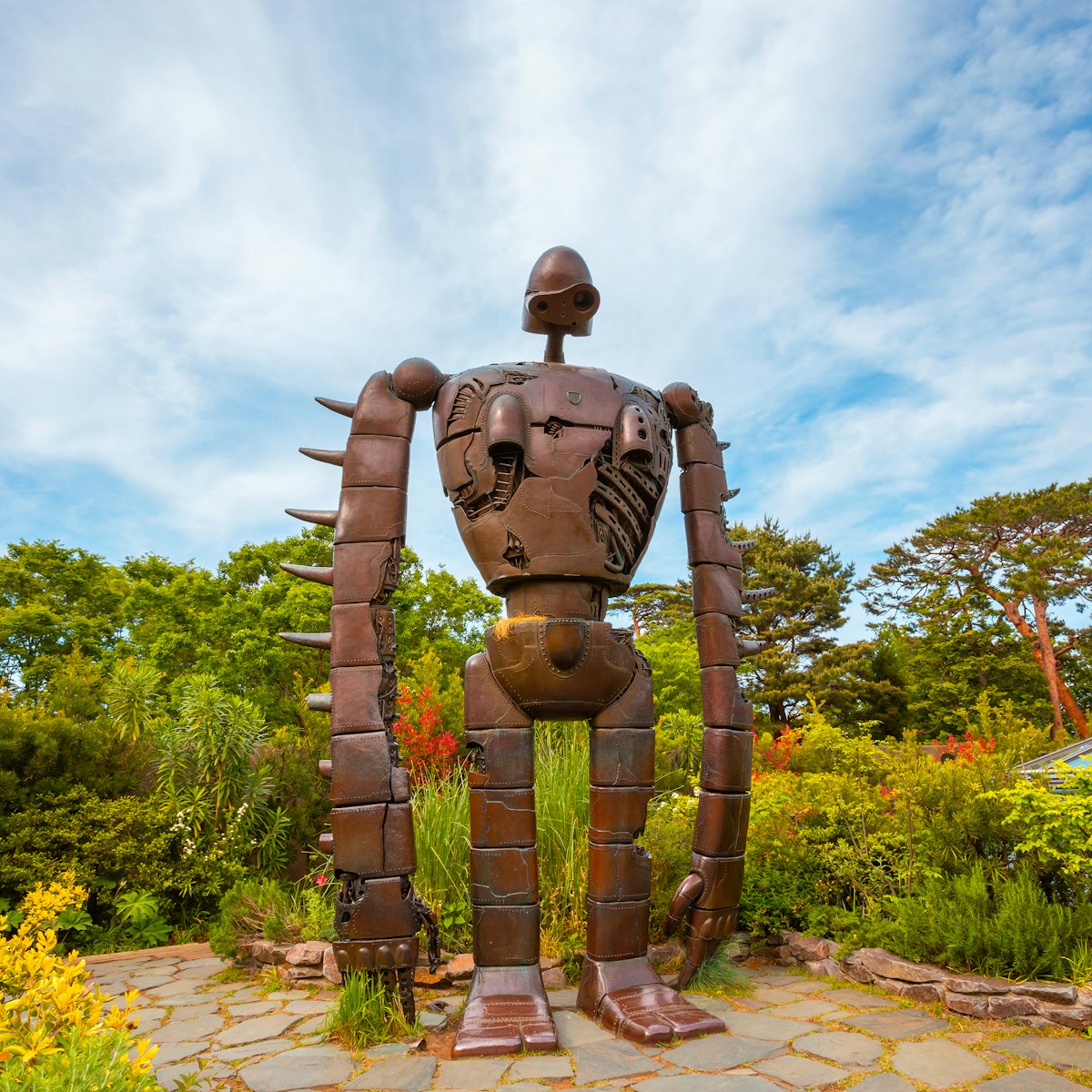
This museum is the heart of the Studio Ghibli world, a beloved (even 'adored') film studio responsible for classic, critically-acclaimed animated titles…
Shinjuku & Northwest Tokyo
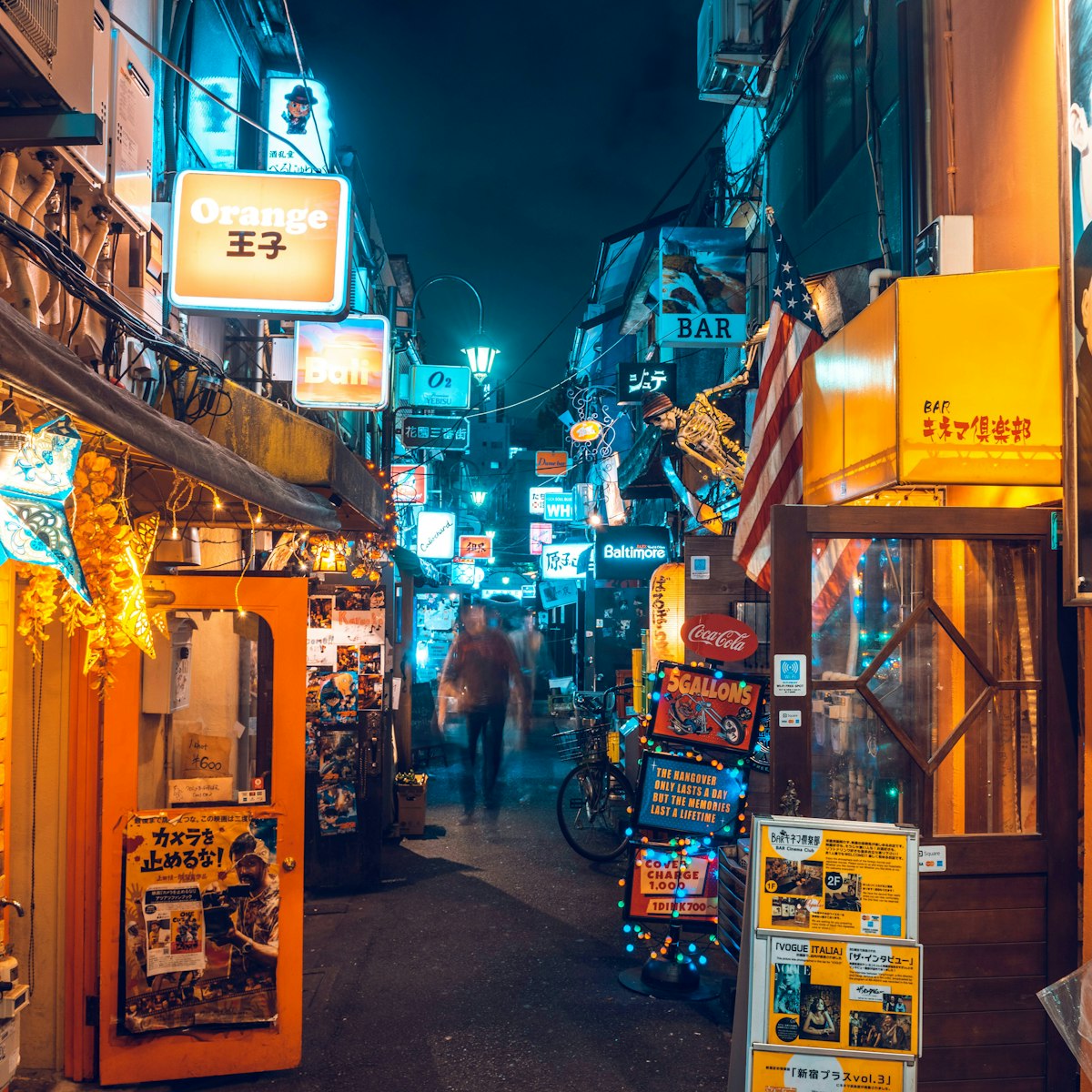
Golden Gai – a Shinjuku institution for over half a century – is a collection of tiny bars, often literally no bigger than a closet and seating maybe a…
Shibuya & Shimo-Kitazawa
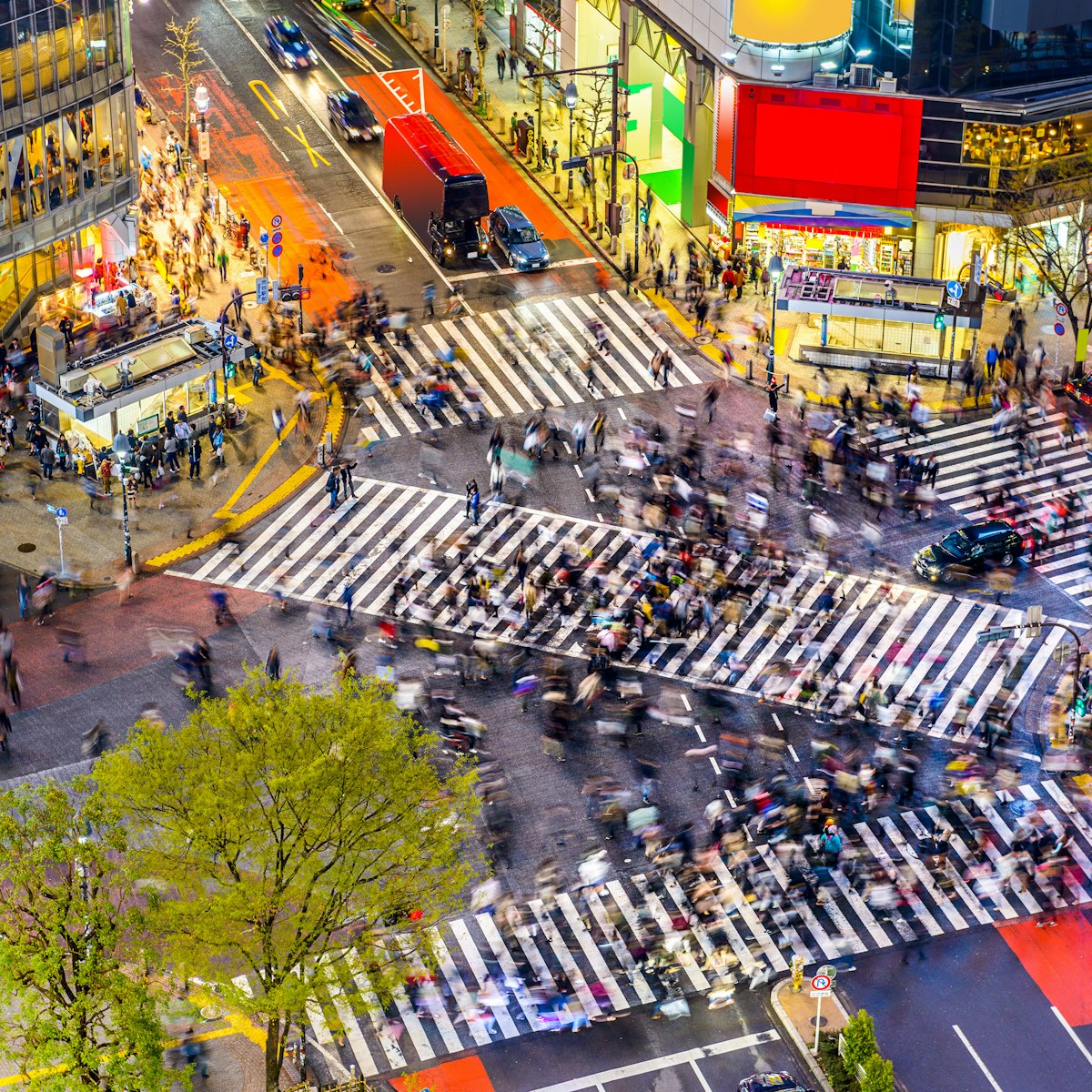
Rumoured to be the busiest intersection in the world (and definitely in Japan), Shibuya Crossing is like a giant beating heart, sending people in all…
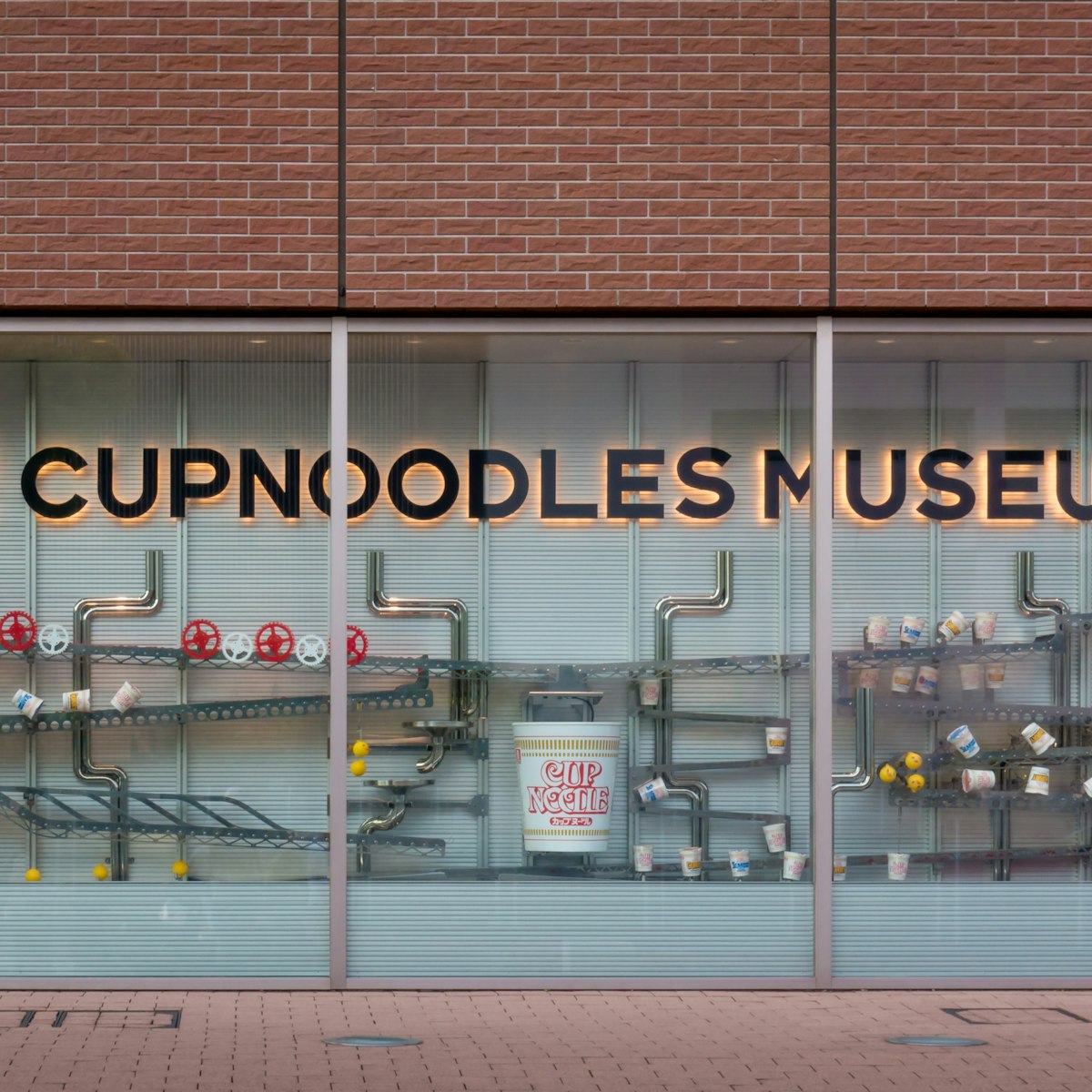
Yokohama
This impressively slick attraction is dedicated to, you guessed it, cup noodles. But in reality, its focus is more broad, with numerous exhibitions…
Attractions
Top picks from our travel experts
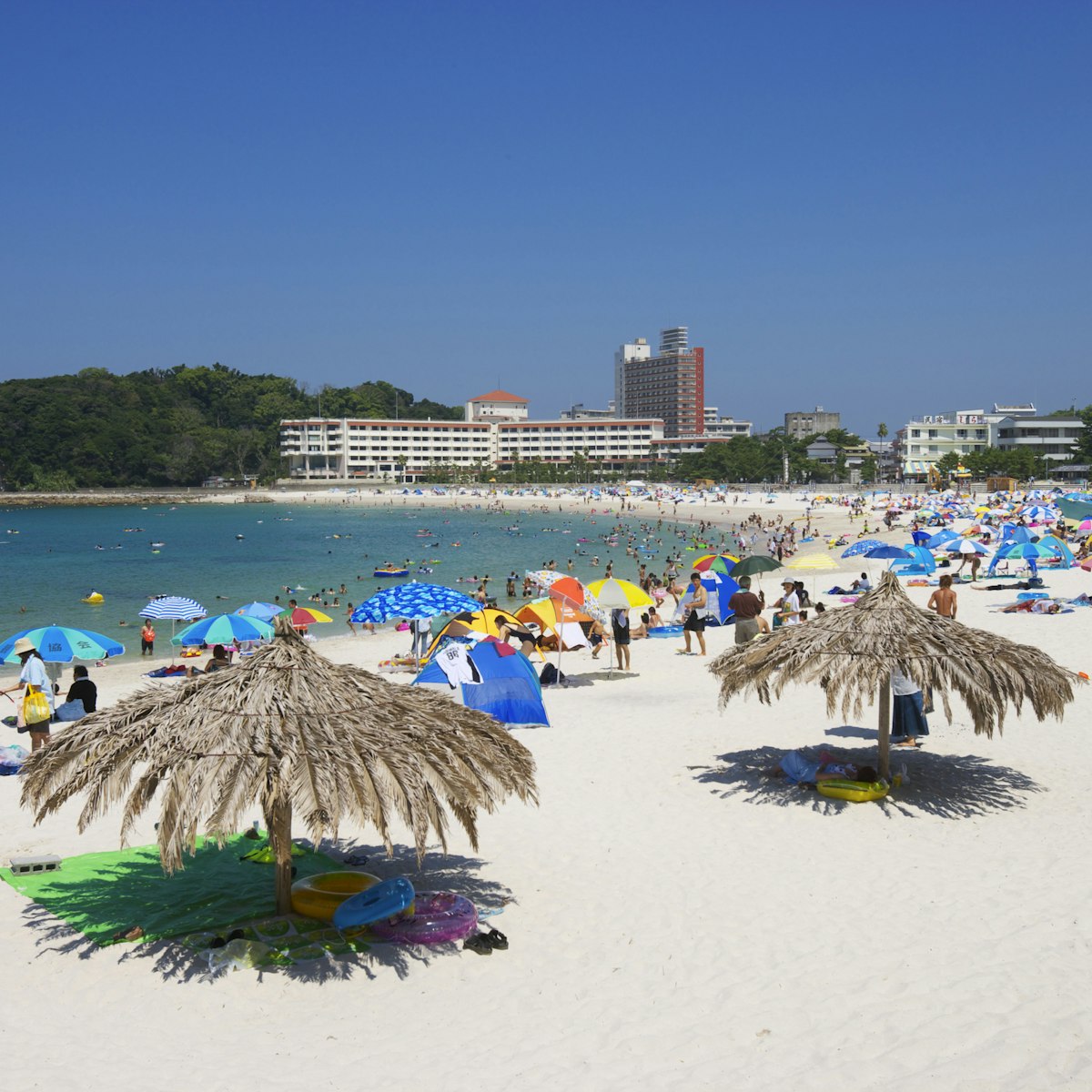
Kii Peninsula
Shirahama's main beach is famous for its white sand – though what's there now was imported from Perth in the '90s, as the original sand was lost to…
Southern Higashiyama
Michelin-starred chef Murata serves some of the finest kaiseki in the city. Located in a hidden nook near Maruyama-kōen, this restaurant has everything…
Shinjuku & Northwest Tokyo
This is one of Tokyo's better kaiten-sushi (conveyor-belt sushi restaurants), with fish sourced daily from the fish market in Numazu (south of Tokyo on…
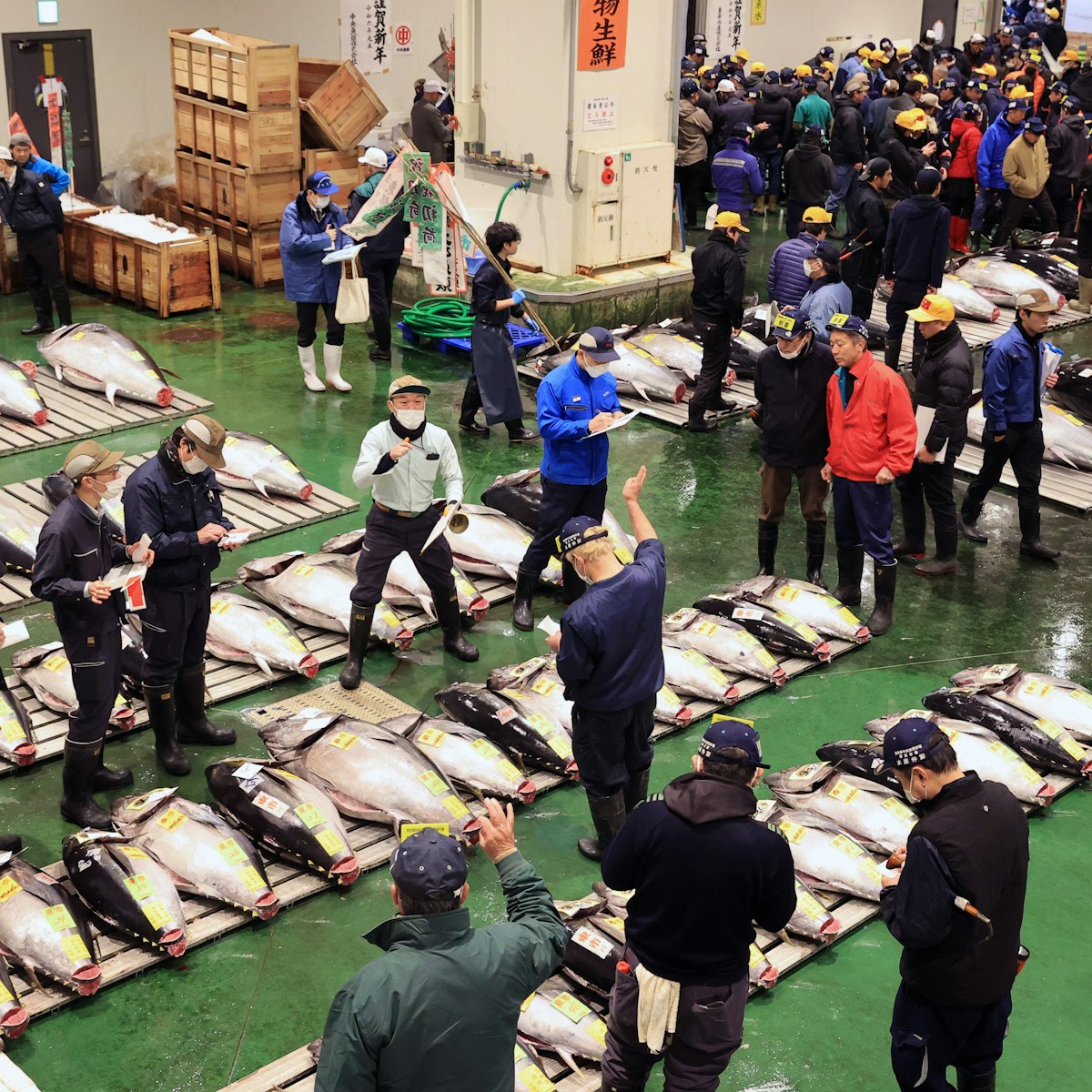
Odaiba & Tokyo Bay
In 2018, Tokyo's central wholesale market moved from its iconic Tsukiji location to this new facility in Toyosu, a structure clearly dreamed up by…

Hiroshima Region
A Shintō shrine dedicated to the god of sake. Sake is brewed here every year in the lead-up to Saijō Sake Matsuri. It's a five-minute walk north of Saijo…
Ginza & Tsukiji
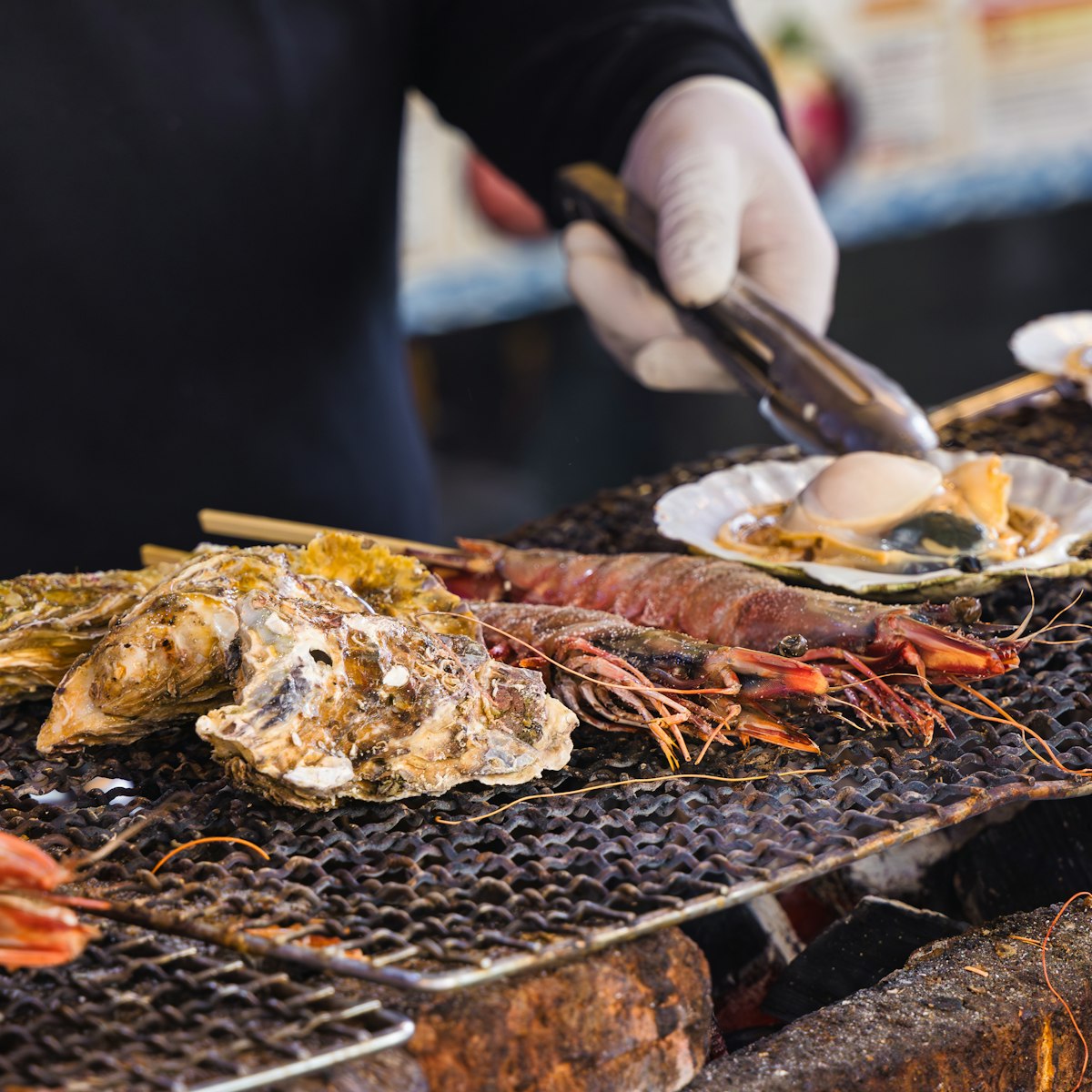
Tokyo's main wholesale market may have moved to Toyosu, but there are many reasons to visit its old home. The tightly packed rows of vendors (which once…
Western Honshū
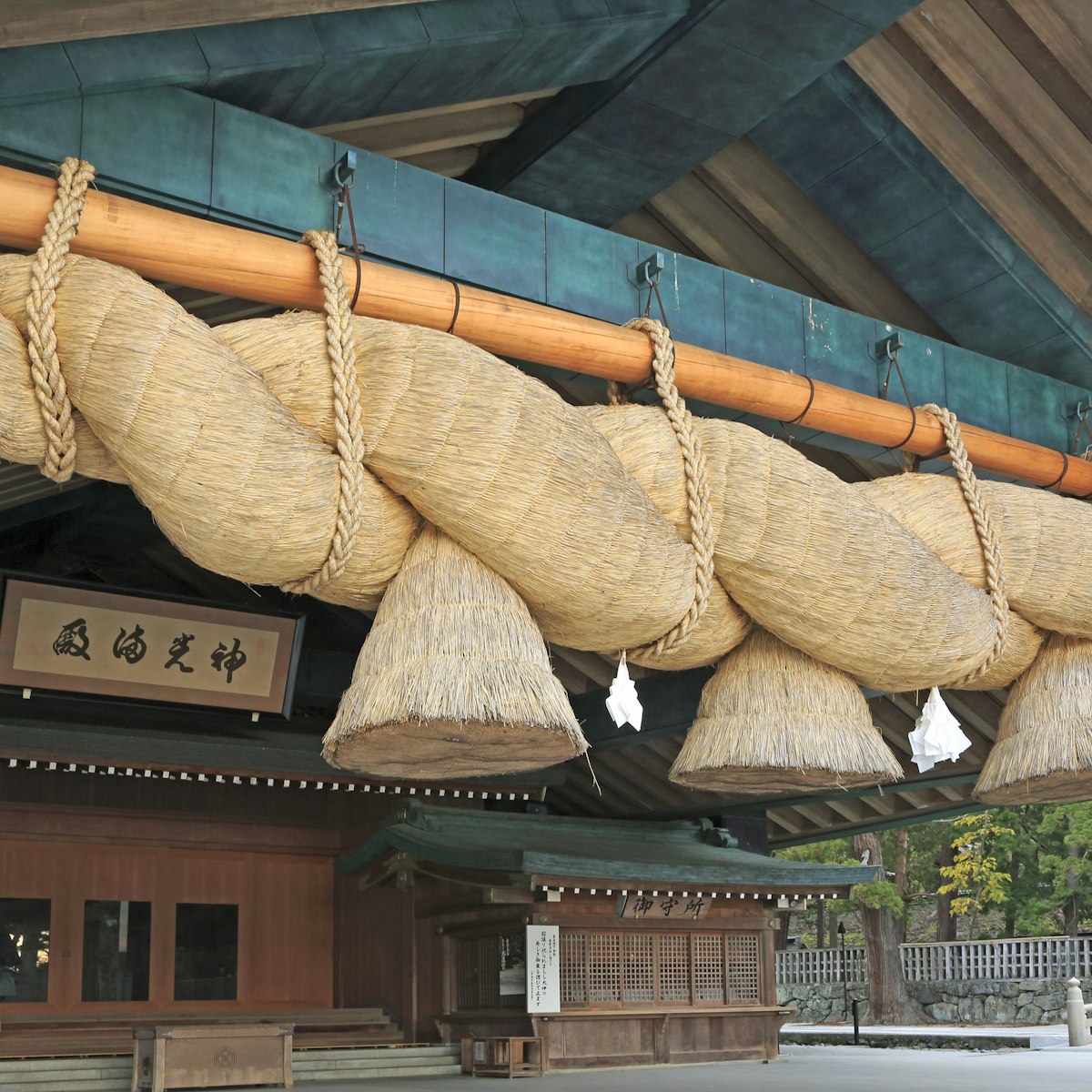
Izumo Taisha, also known as Izumo Ōyashiro, is perhaps the oldest Shintō shrine in Japan. This shrine, dedicated to Ōkuninushi, god of marriage and…
Kyoto Station & South Kyoto
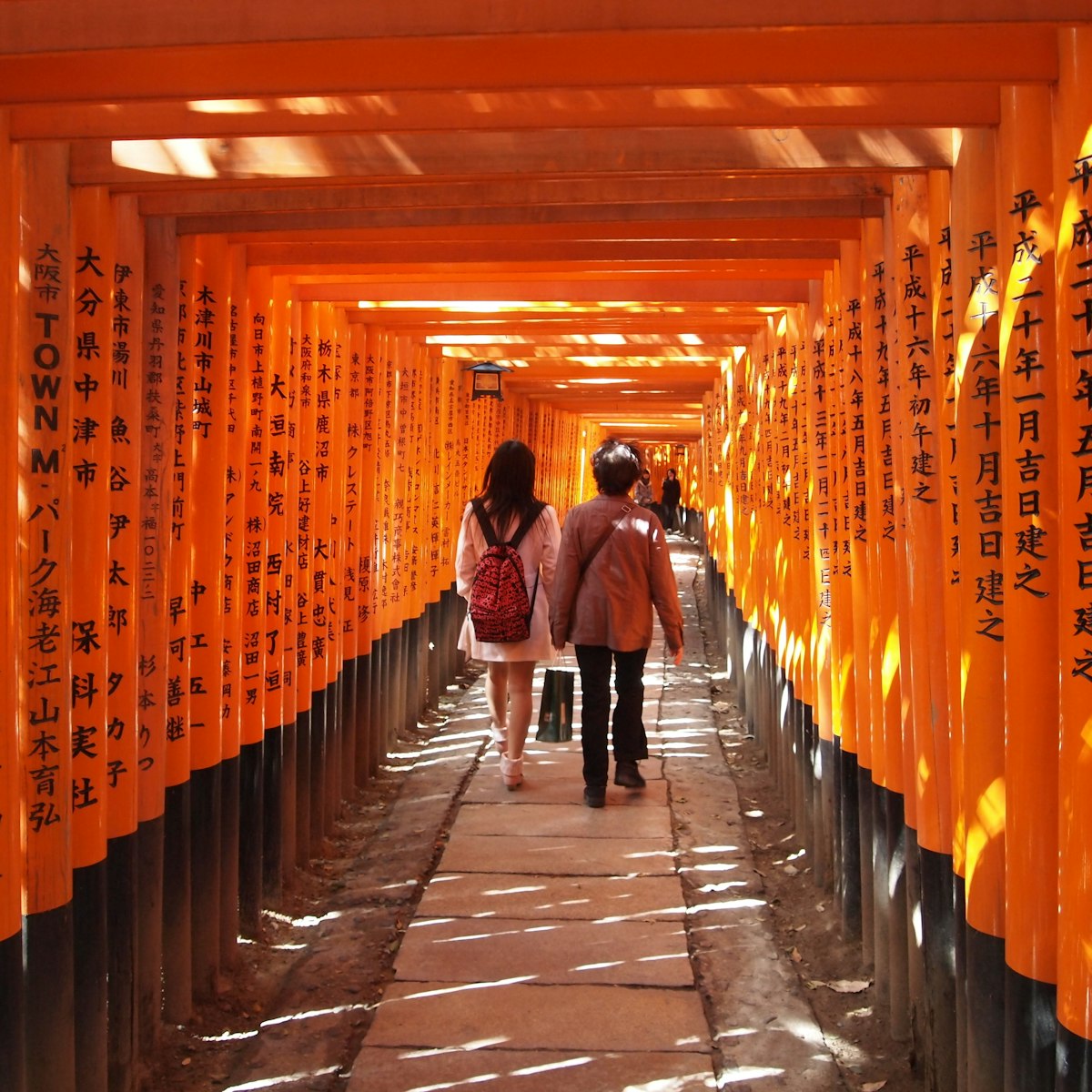
With seemingly endless arcades of vermilion torii (shrine gates) spread across a thickly wooded mountain, this vast shrine complex is a world unto its own…
Nagano Region
Pleasant in winter when shrouded in snow but less appealing when seasonally bare, Jigokudani Monkey Park is wildly popular. Made famous by the 1992 film…
Naoshima
In Honmura, half a dozen traditional buildings have been turned over to contemporary artists to use as the setting for creative installations, often…

Tokyo
From Doraemon to Hello Kitty and Pikachu, Japan knows kawaii (cute) and how to merchandise it. In the basement on the Yaesu side of Tokyo Station, some 15…
Northwest Kyoto
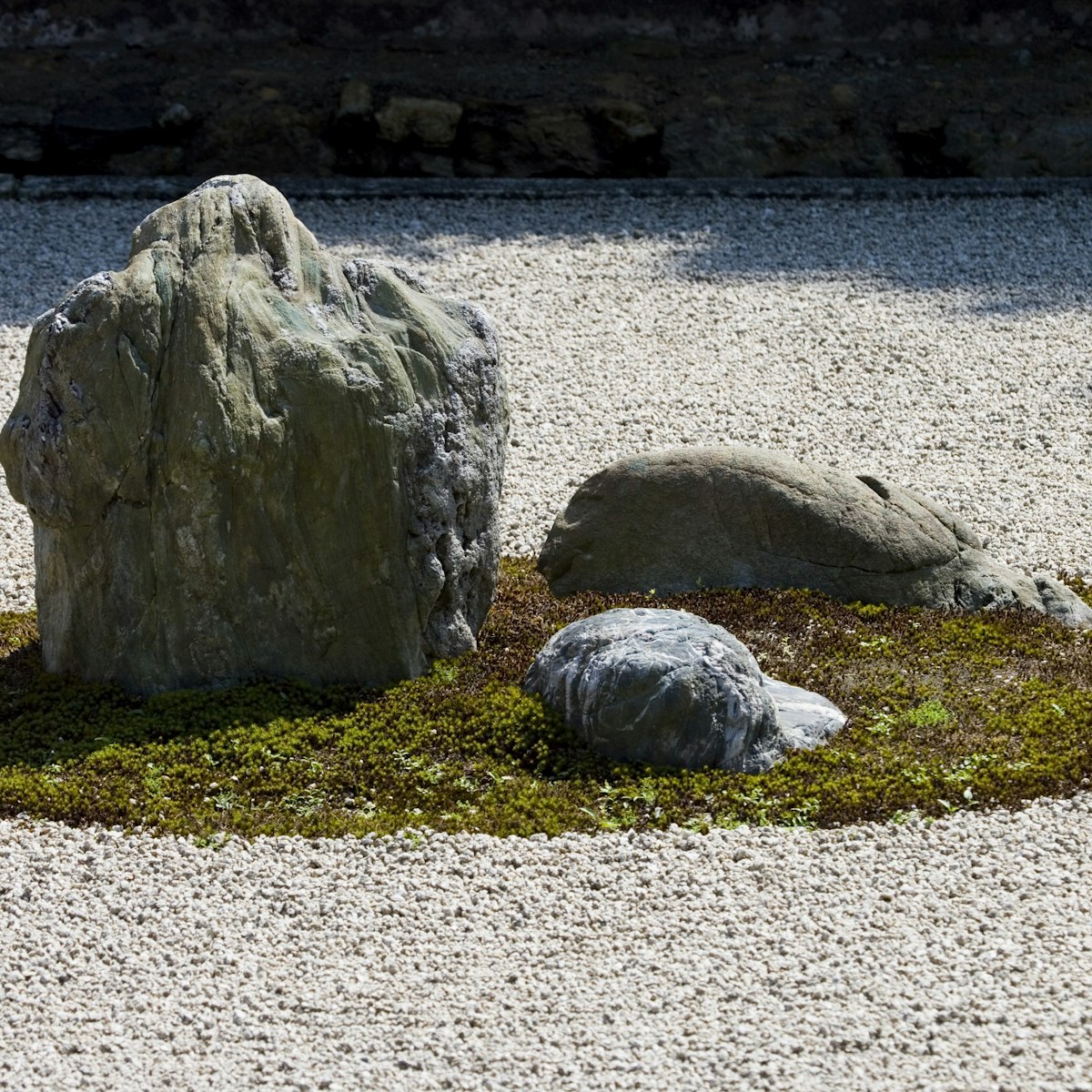
You’ve probably seen a picture of the rock garden here – it’s one of the symbols of Kyoto and one of Japan’s better-known sights. Ryōan-ji belongs to the…
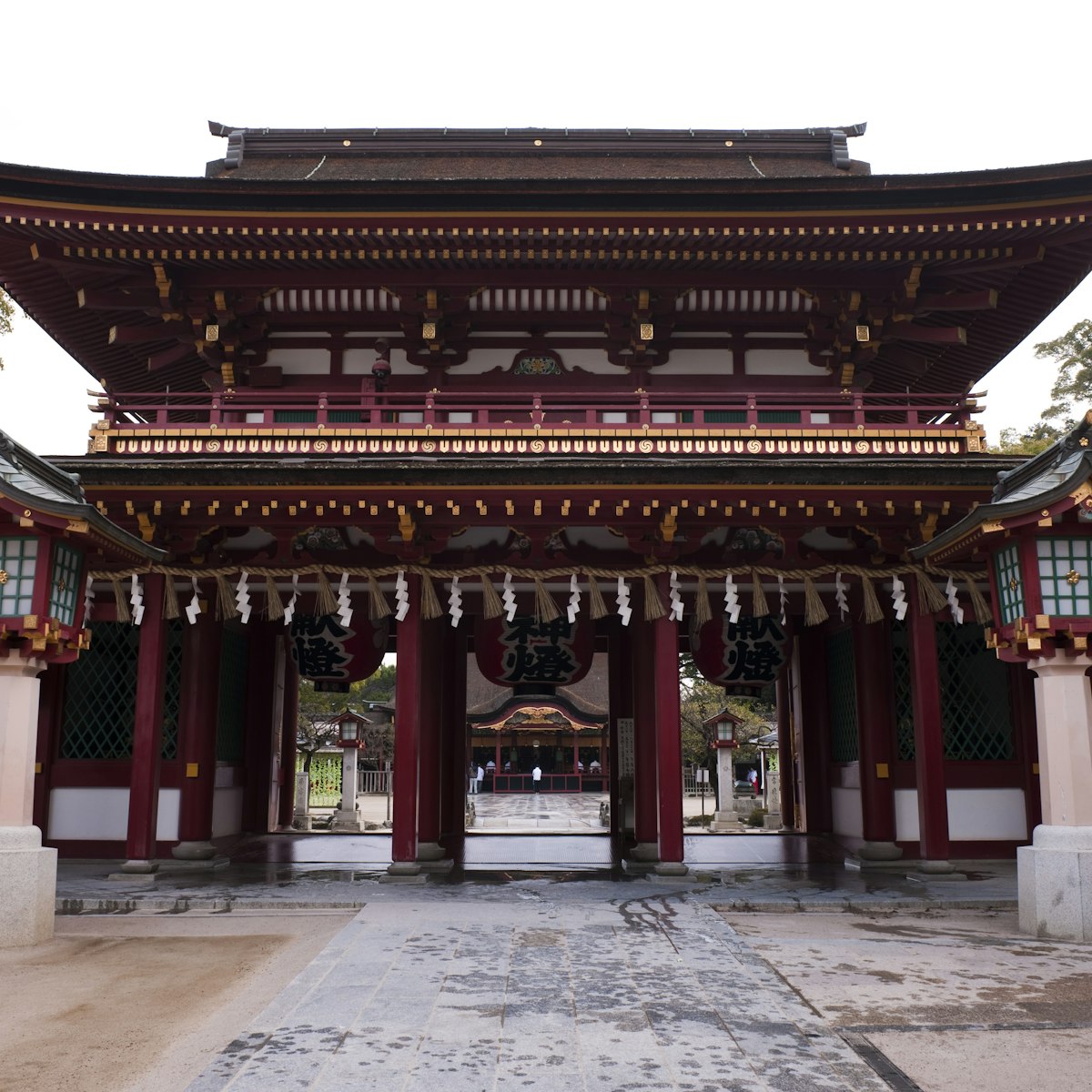
Kyūshū
Among the countless visitors to the grand, sprawling Tenman-gū – shrine and burial place of poet-scholar Tenman Tenjin – are students making offerings and…
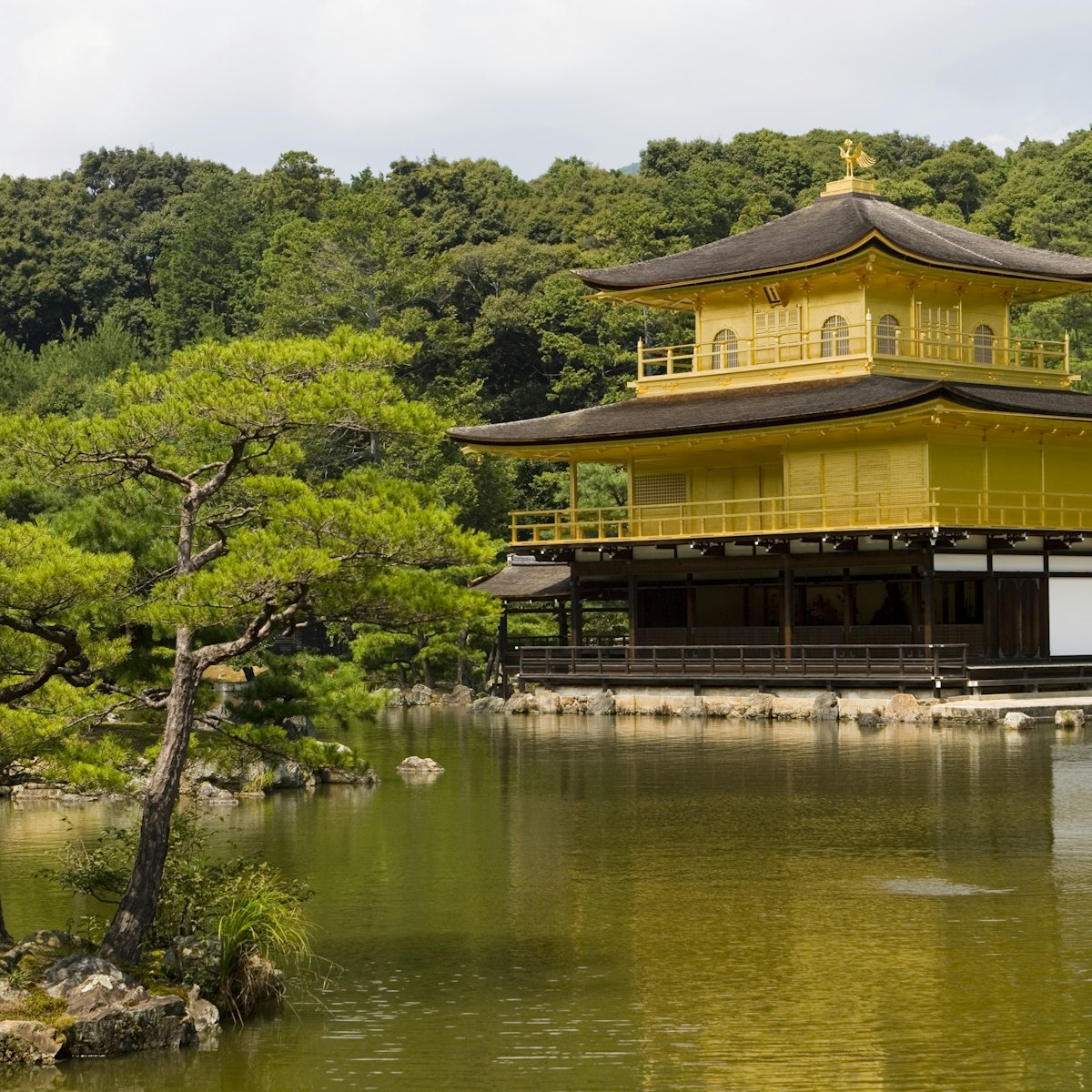
Northwest Kyoto
Kyoto's famed 'Golden Pavilion', Kinkaku-ji is one of Japan's best-known sights. The main hall, covered in brilliant gold leaf, shining above its…
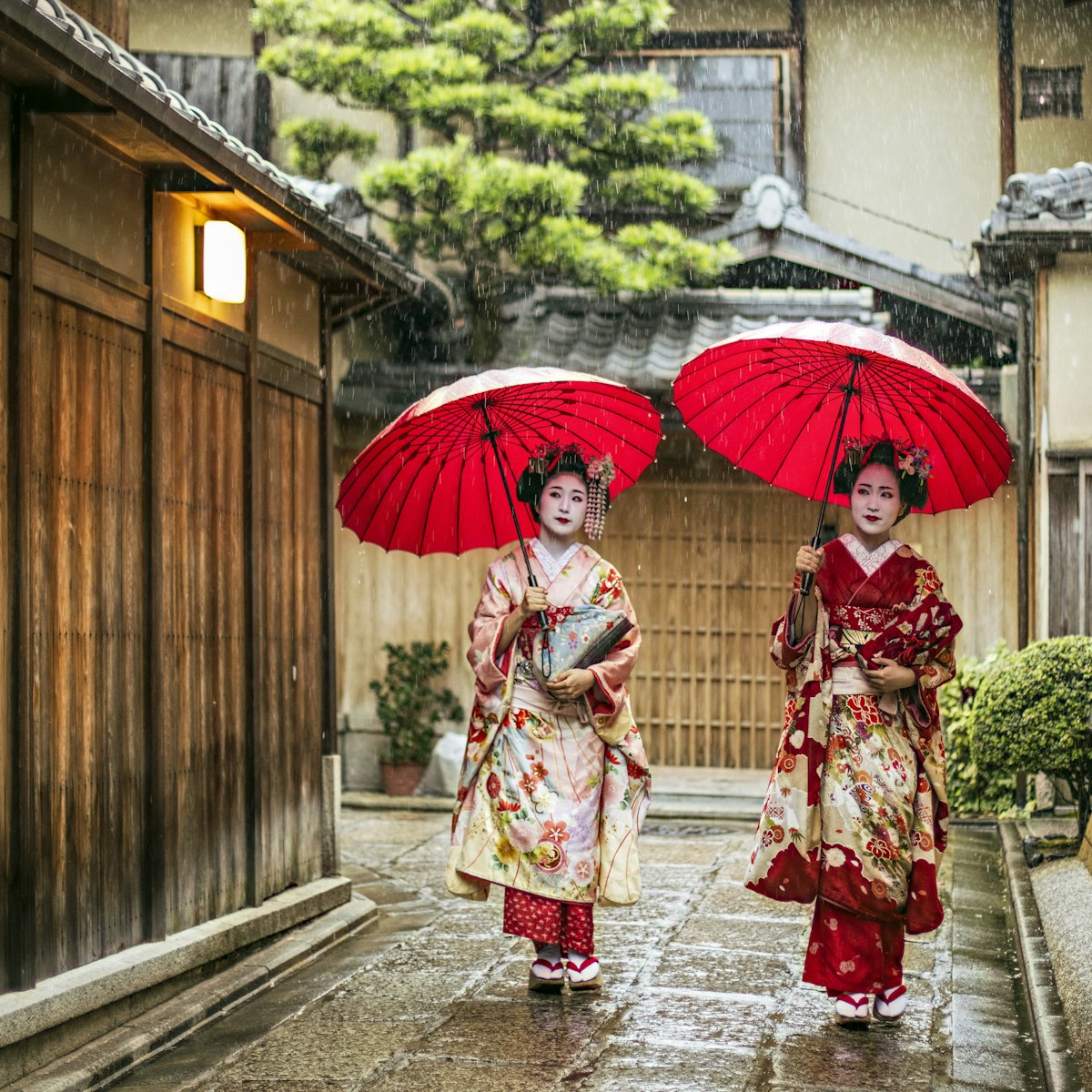
Southern Higashiyama
Gion is the famous entertainment and geisha quarter on the eastern bank of the Kamo-gawa. While Gion’s true origins were in teahouses catering to weary…
Tokyo
This museum is the heart of the Studio Ghibli world, a beloved (even 'adored') film studio responsible for classic, critically-acclaimed animated titles…
Hiroshima Peace Memorial Museum
Hiroshima
The main building of Hiroshima's premier museum houses a collection of items salvaged from the aftermath of the atomic bomb. The displays are confronting…

Shibuya & Shimo-Kitazawa
A long-time (in club years, at least) club-scene fixture, Womb is a reliable good night out on a Friday or Saturday if you want to lose yourself in the…
Tokyo
Pokémon fans will find it hard to pass on this chance to sample Pikachu-themed food and drink, made with classic kyara-ben (character bentō) techniques …
Naoshima
This yellow pumpkin sculpture, by Japanese artist Yayoi Kusama, has become a symbol of Naoshima. It's perched on the end of a small jetty. Pumpkins are…
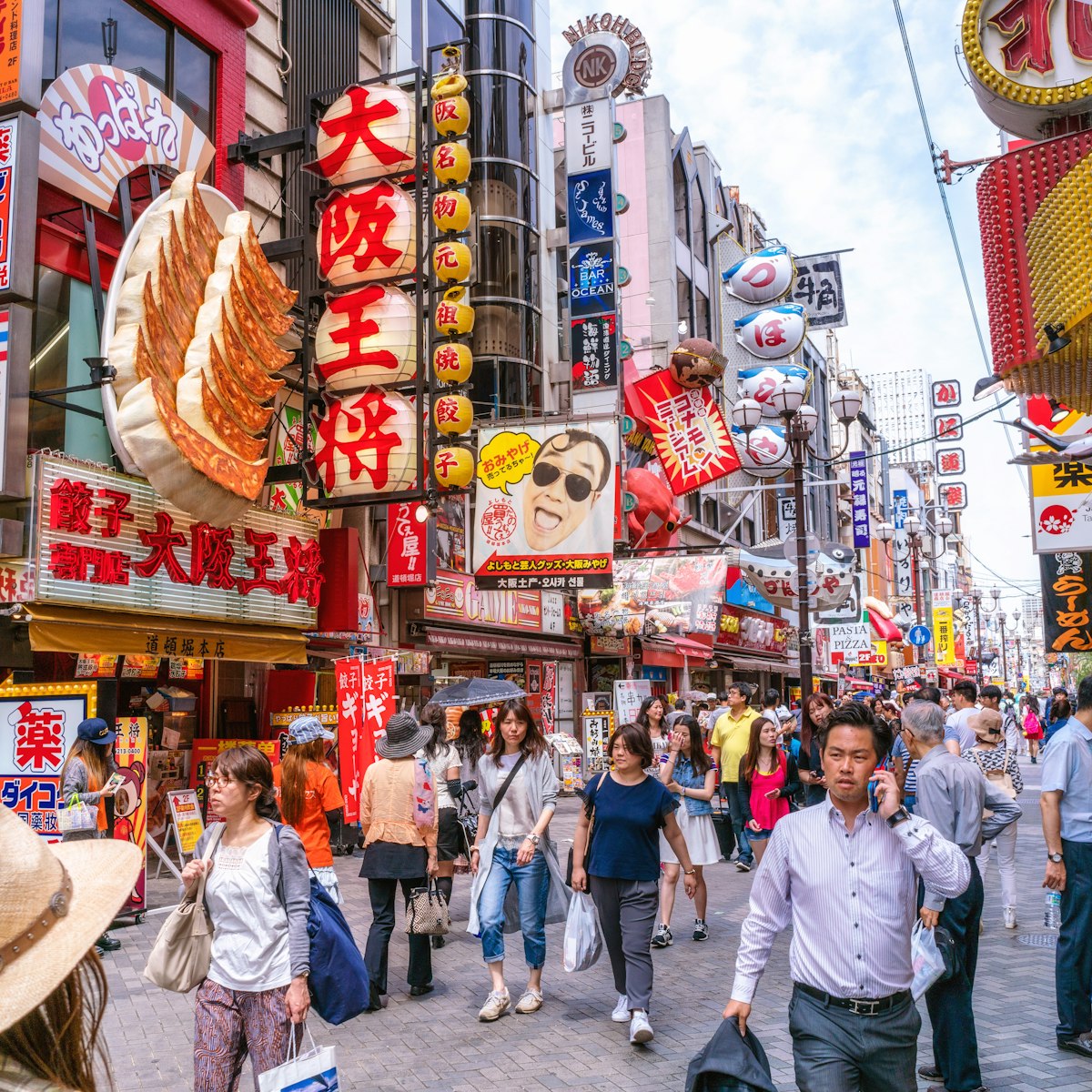
Osaka
Highly photogenic Dōtombori is the city's liveliest night spot and the centre of the southern part of town. Its name comes from the 400-year-old canal,…
Aomori Prefecture
At the heart of Hirosaki-kōen lie the ancient remains of this castle, originally constructed in 1611. Rather tragically, only 16 years after it was built…
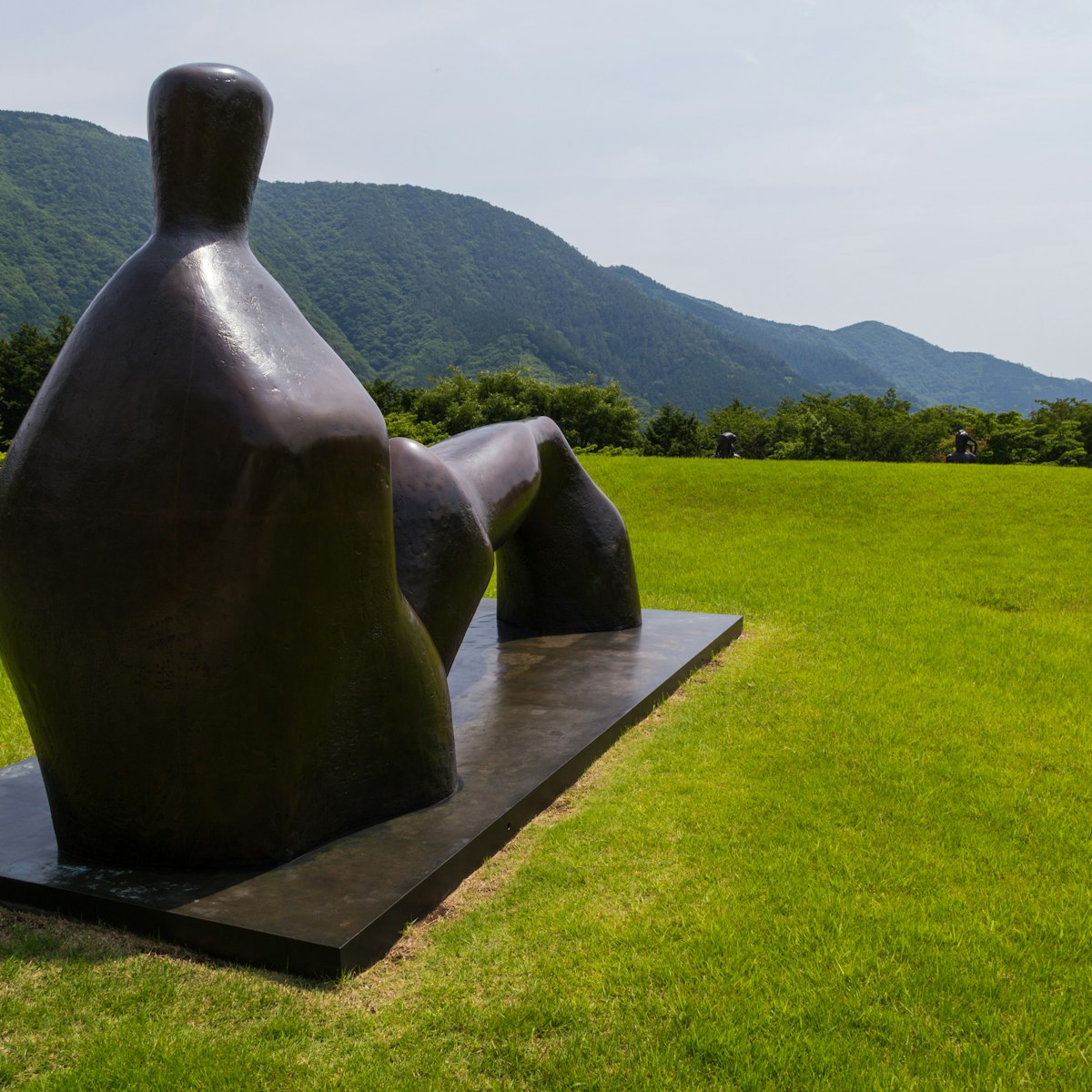
Hakone
Occupying a verdant swath of Hakone hillside is this unmissable art safari, leading visitors past a rich array of 19th- and 20th-century sculptures and…
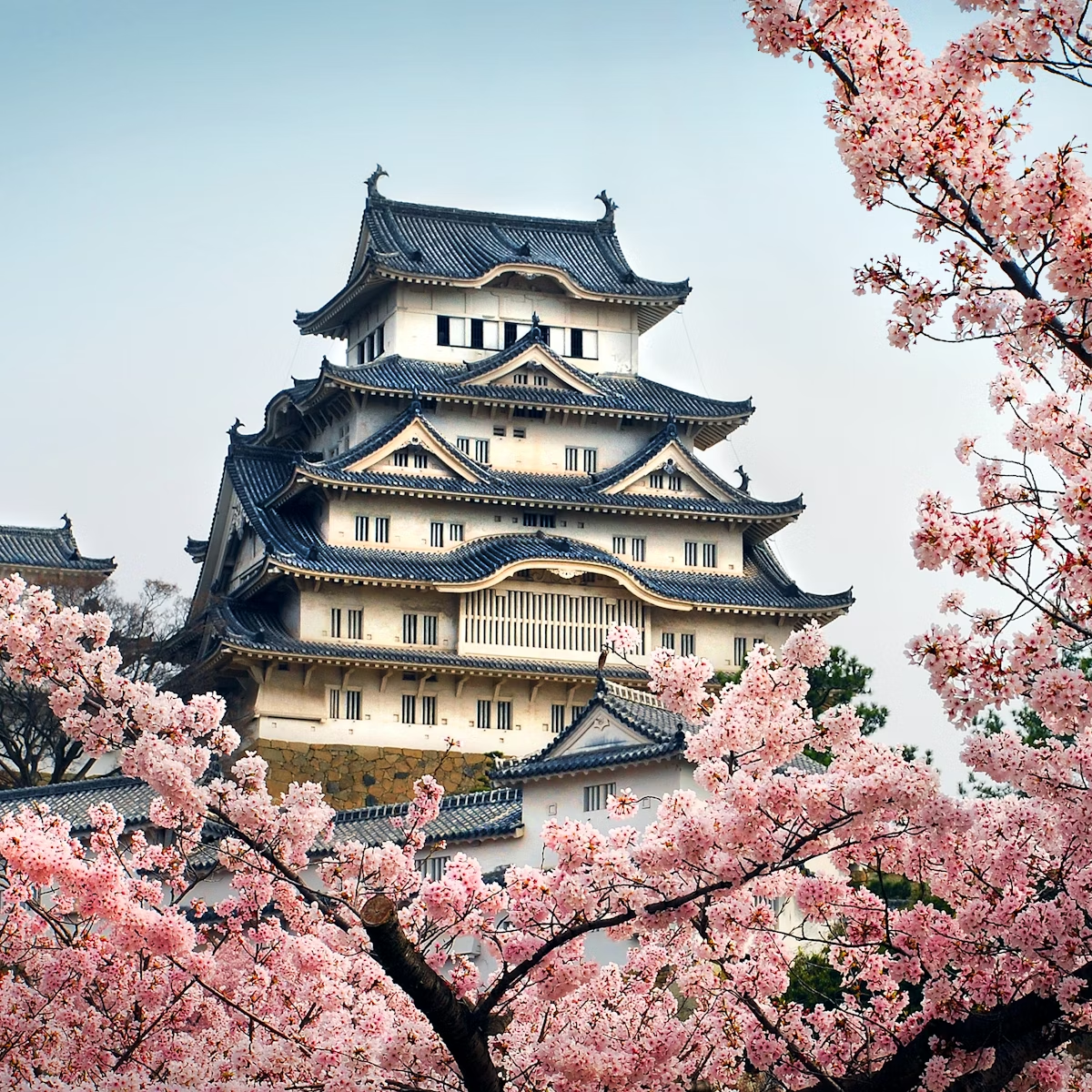
Himeji
Himeji-jō is Japan's most magnificent castle, built in 1580 by general Toyotomi Hideyoshi and one of only a few original castles from that era (most are…
Western Honshū
A highlight of a trip to Shimonoseki is an early-morning visit to the Karato fish market. It's a great opportunity to try sashimi for breakfast or lunch,…
Fuji Five Lakes
One of the classic Fuji postcard views has this five-tiered red pagoda in the foreground surrounded by cherry blossoms. It's actually a war memorial,…
Western Honshū
Within walking distance of town, this thriving shrine, built in 1773 by the seventh lord Kamei Norisada, is one of the five major Inari shrines in Japan…
Fuji Five Lakes
Fuji-san is among Japan's most revered and timeless attractions, the inspiration for generations of poets and the focus of countless artworks. Hundreds of…
Planning Tools
Expert guidance to help you plan your trip
Best Things to Do
From classic Japanese food and sights to local favorites and under-the-radar trends, these are 24 of the most inspiring experiences in Japan.
Read articleThings to Know
Be ready for a visit to Japan with these tips on health, safety and etiquette.
Read articleTransportation
With its myriad islands, towering mountains and megacities, Japan can be a daunting destination to get around. We've got everything you need to know.
Read articleVisa Requirements
From mystic mountains to mighty megacities, Japan is awash with iconic travel experiences. Here's what you need to know about visa requirements.
Read articleTraveling with Kids
No matter where you go in Japan, you’ll find it’s an easy, fun and safe place to travel with kids.
Read articleBest Road Trips
Japan has excellent roads, dramatic landscapes and exciting regions to discover. Here are the best 10 road trips for getting to know the country better.
Read articlePlan with a local
Articles
Latest stories from Japan
Filter by interest:

 Sustainable TravelJapan tackles overtourism with restrictions for some iconic sites
Mar 27, 2024 • 5 min read
in partnership with getyourguide
Book popular activities in Japan
Guidebooks
Purchase our award-winning guidebooks
Get to the heart of Japan with one of our in-depth, award-winning guidebooks, covering maps, itineraries, and expert guidance.