
Advertisement
Verona
Best known for its Shakespeare associations, Verona attracts a multinational gaggle of tourists to its pretty piazzas and knot of lanes, most in search of Romeo, Juliet and all that. But beyond the heart-shaped kitsch and Renaissance romance, Verona is a bustling centre, its heart dominated by a mammoth, remarkably well-preserved 1st-century amphitheatre, the venue for the city's annual summer opera festival. Add to that countless churches, a couple of architecturally fascinating bridges over the Adige, regional wine and food from the Veneto hinterland and some impressive art, and Verona shapes up as one of northern Italy's most attractive cities. And all this just a short hop from the shores of stunning Lake Garda.

The 2000 year old Arena di Verona.
Latest Stories
- Lonely Planet Editors|Aug 1, 2025The 15 best things to do in Verona, Italy
Book


Trusted Partner
Stay connected in Verona
Holafly eSIM provides unlimited mobile data with no hidden fees, giving you peace of mind wherever you travel. Stay connected even after your plan ends with Always On. Use code LONELYPLANET for an exclusive discount.
Take your Italy trip with Lonely Planet Journeys
Time to book that trip to Italy
Lonely Planet Journeys takes you there with fully customizable trips to top destinations – all crafted by our local experts.


Top places to visit in Verona
Discover the best attractions in Verona from must-see sights to unexpected hidden gems.
-
 Attraction in VeronaRoman Arena
 -
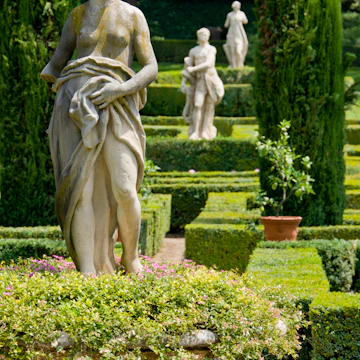 Attraction in VeronaGiardino Giusti
 -
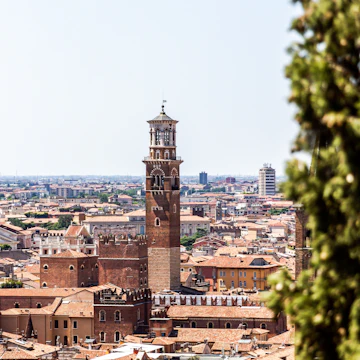 Attraction in VeronaTorre dei Lamberti
 -
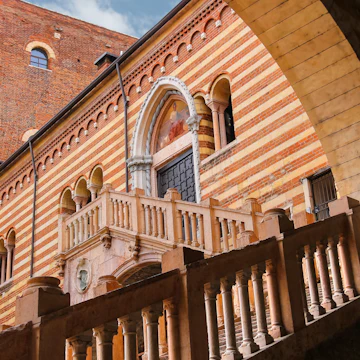 Attraction in VeronaGalleria d'Arte Moderna Achille Forti
 - Attraction in VeronaPonte Pietra
-
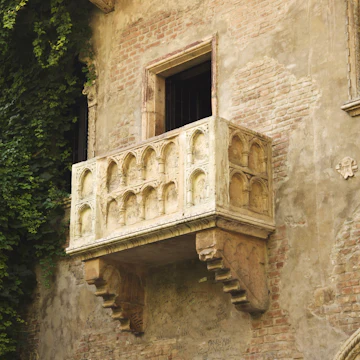 Attraction in VeronaCasa di Giulietta
 -
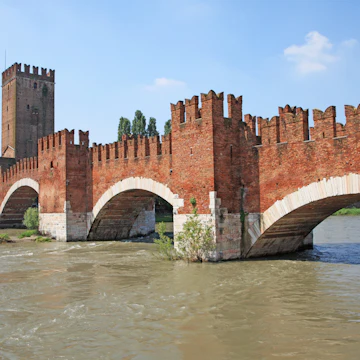 Attraction in VeronaMuseo di Castelvecchio
 - Attraction in VeronaChiesa di San Fermo
Advertisement
Travel Guides
Verona travel tips from Lonely Planet experts
Find practical guidance from our team of contributors around the world who bring their decades of first-hand travel experience to your next trip.
Best Things to Do
There is so much more to Verona than star-crossed lovers. Find out why Verona is becoming one of Italy's must-visit cities with these top things to do.
Read full article
Advertisement
Get a book. Get inspired. Get exploring.


in partnership with getyourguide
Book popular activities in Verona
Advertisement