
Ravenna
For mosaic lovers, Ravenna is an earthly paradise. Spread out over several churches and baptisteries around town is one of the world's most dazzling collections of early Christian mosaic artwork, enshrined since 1996 on Unesco's World Heritage list. Wandering through the unassuming town centre today, you'd never imagine that for a three-century span beginning in AD 402, Ravenna served as capital of the Western Roman Empire, chief city of the Ostrogoth Kingdom of Italy and nexus of a powerful Byzantine exarchate. During this prolonged golden age, while the rest of the Italian peninsula flailed in the wake of Barbarian invasions, Ravenna became a fertile art studio for skilled craftsmen, who covered the city's terracotta brick churches in heart-rendingly beautiful mosaics.
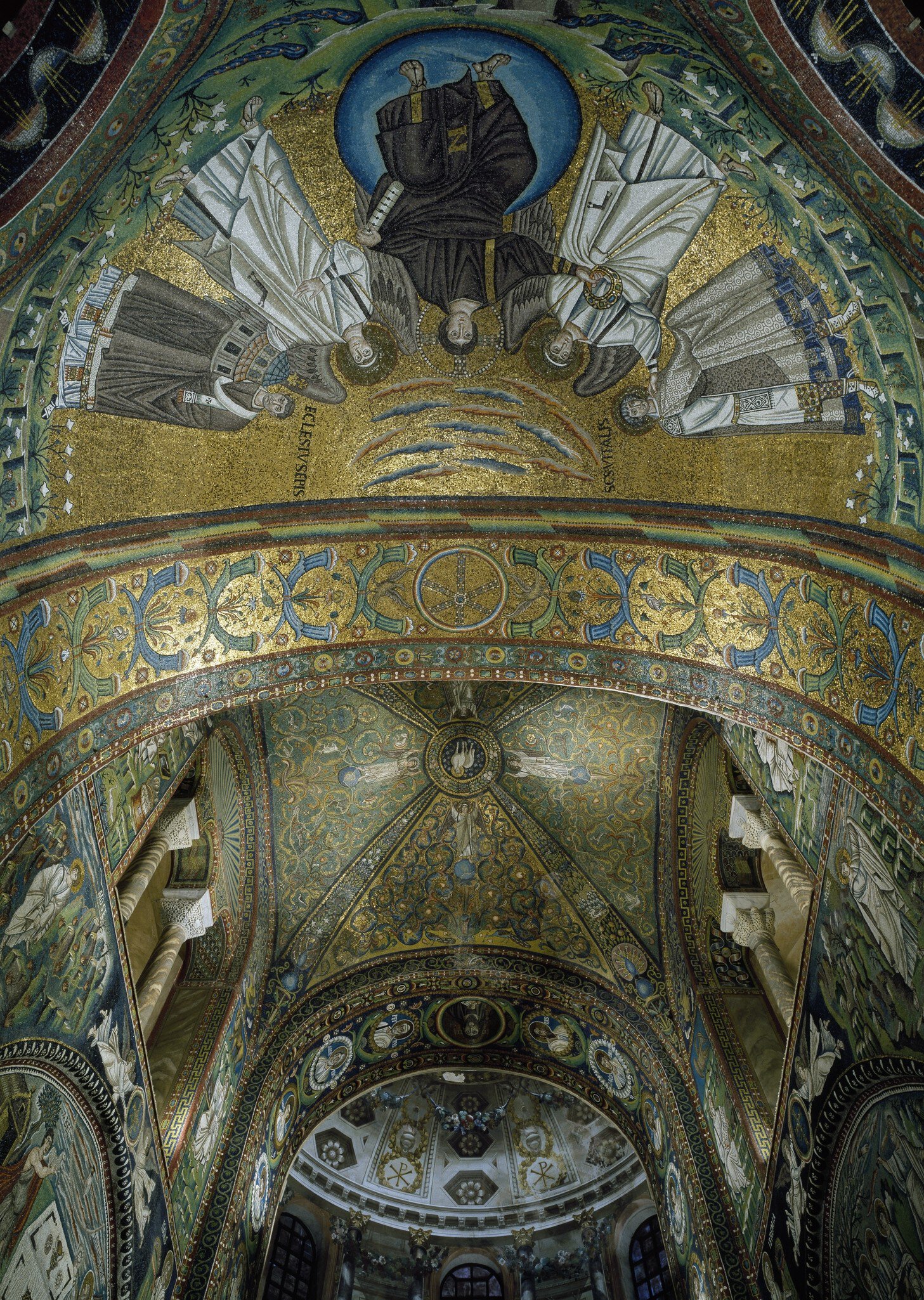
De Agostini/Getty Images
Latest Stories
- Matt Dennis | Jul 12, 2026The ultimate weekend in Ravenna, Italy
Book

Trusted Partner
Stay connected in Ravenna
Holafly eSIM provides unlimited mobile data with no hidden fees, giving you peace of mind wherever you travel. Stay connected even after your plan ends with Always On. Use code LONELYPLANET for an exclusive discount.
Lonely Planet may earn a commission from affiliate links on our site. All recommendations and reviews reflect our own independent opinions.
Take your Italy trip with Lonely Planet Journeys
Time to book that trip to Italy
Lonely Planet Journeys takes you there with fully customizable trips to top destinations – all crafted by our local experts.


Get a book. Get inspired. Get exploring.


in partnership with getyourguide
Book popular activities in Ravenna
Lonely Planet may earn a commission from affiliate links on our site. All recommendations and reviews reflect our own independent opinions.