May 26, 20267 min read
What to eat and drink in IrelandNov 30, 2025
8 MIN READ

Writer
Writer
For a small island, Ireland punches well above its weight. From dramatic coastal vistas to bucket list swims, it provides a thrilling adventure for lovers of the outdoors. Famous for its welcome, the island is also brimming with cultural activities influenced by its storied past: think charming castles, lighthouses shrouded in mist and a pint of Guinness in a pub with traditional music playing after a day’s hiking.
There are endless options for curious travelers but it's best to start with this list of the top things to do in Ireland.
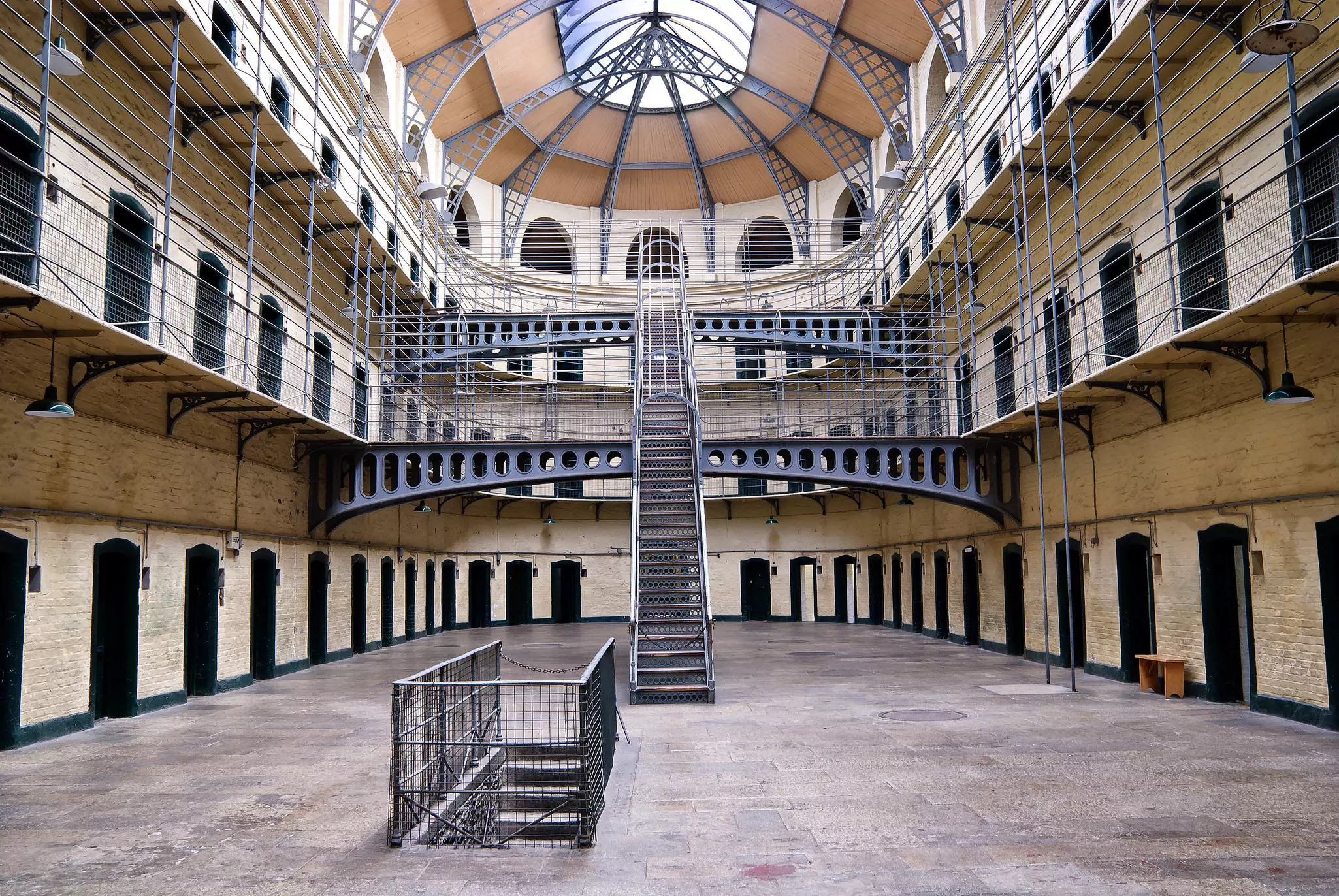
In Dublin’s Kilmainham Gaol, history comes to life through the telling of some of the most heartbreaking stories of Ireland’s fight for independence against British colonial rule. Famous Irish revolutionary Countess Markievicz and the leaders of the 1916 Easter Rising – when Irish nationalists rose up against Britain – were all held at Kilmainham. While Markievicz escaped her death sentence, 14 leaders of the Rising were executed by firing squad in the Stonebreakers' Yard. The yard is the last stop on a poignant tour of the jail, which must be pre-booked in advance.
Detour: The capital city is a culture seeker’s paradise with its rich history of literature, culture and stories. To experience the city like a local, try a walking tour. Dublin historian Pat Liddy’s tours are legendary for their wit and humor, and his Best of Dublin tour takes in Dublin Castle grounds and Christchurch Cathedral finishing outside Trinity College.
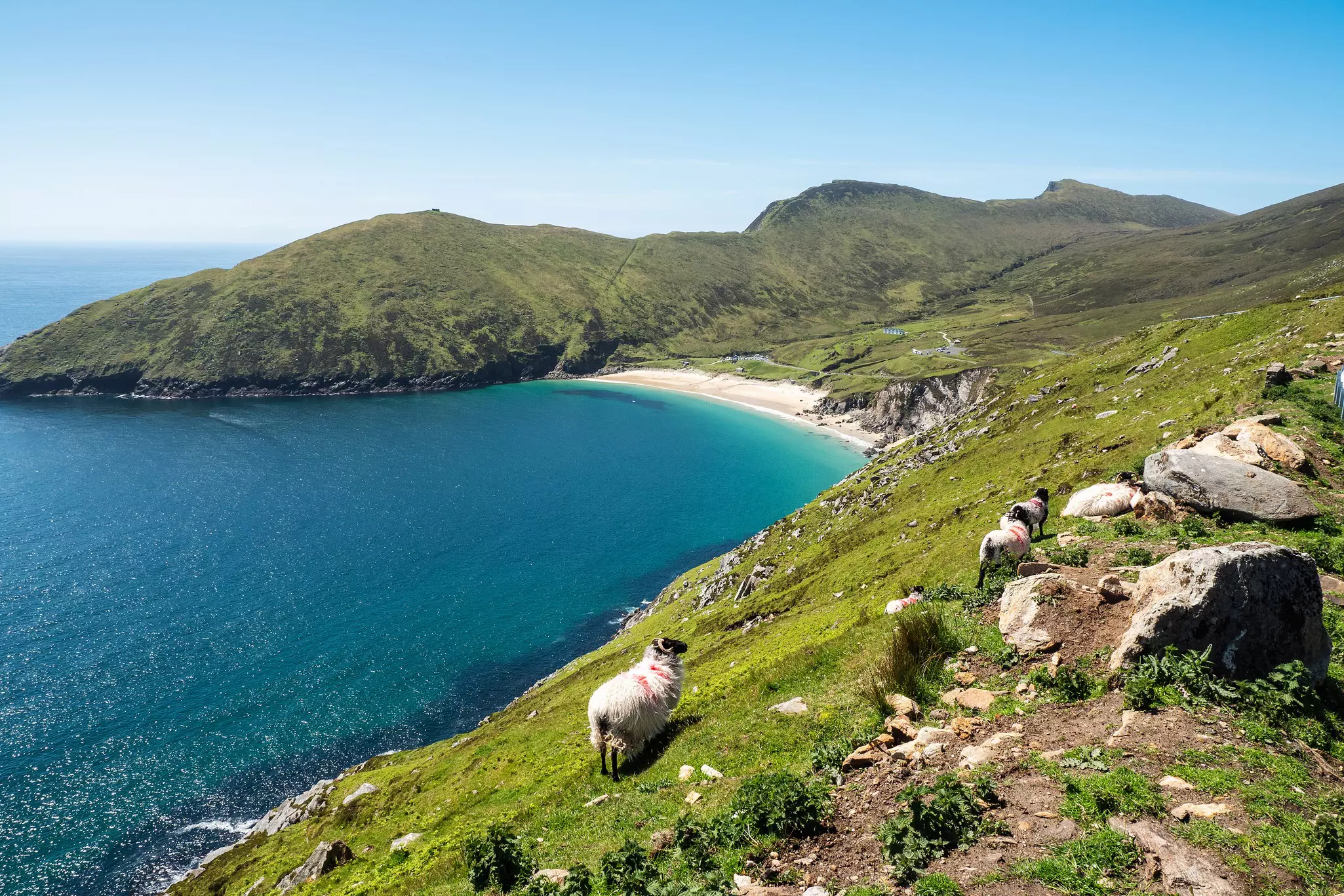
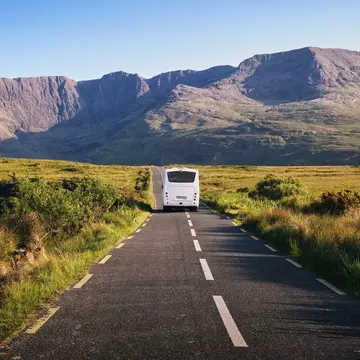
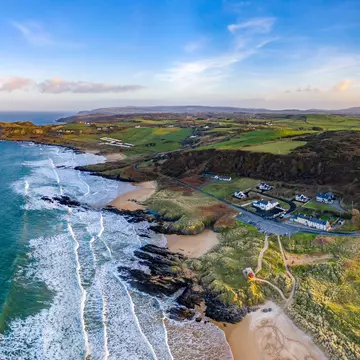
The Wild Atlantic Way, a 2500km (1550 miles) stretch of coastline from Counties Donegal to Cork, has become Ireland’s most famous road trip route. A drive along this long and rugged route offers abundant opportunities for epic sea swims, a treasured local pastime.
While there are countless places to stop for a bracing dip, it’s worth seeking out the island’s most stunning spots. Starting in the far north of County Donegal, descend the 170 steps to the beach at Malinbeg to enjoy a bucket-list swim in the horseshoe-shaped bay. The seemingly endless pale-gold sand at Narin Strand in County Donegal attracts swimmers year-round and is accessible to all; motorized beach wheelchairs can be booked (call 083 1800253 or 086 0744489). The flat, even sands of Enniscrone Beach in County Sligo, which stretch for 5km (3 miles), are also an amazing swim spot.
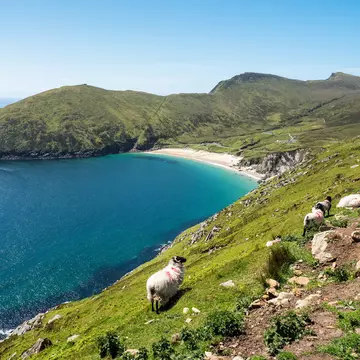
Keem Bay in County Mayo is one of those places you won’t want to leave – and is arguably one of the world’s best beaches. To dip at this secluded strand, where the lush greens of the hillside sweeps down to the sea, is like being in a magical aquamarine kingdom.
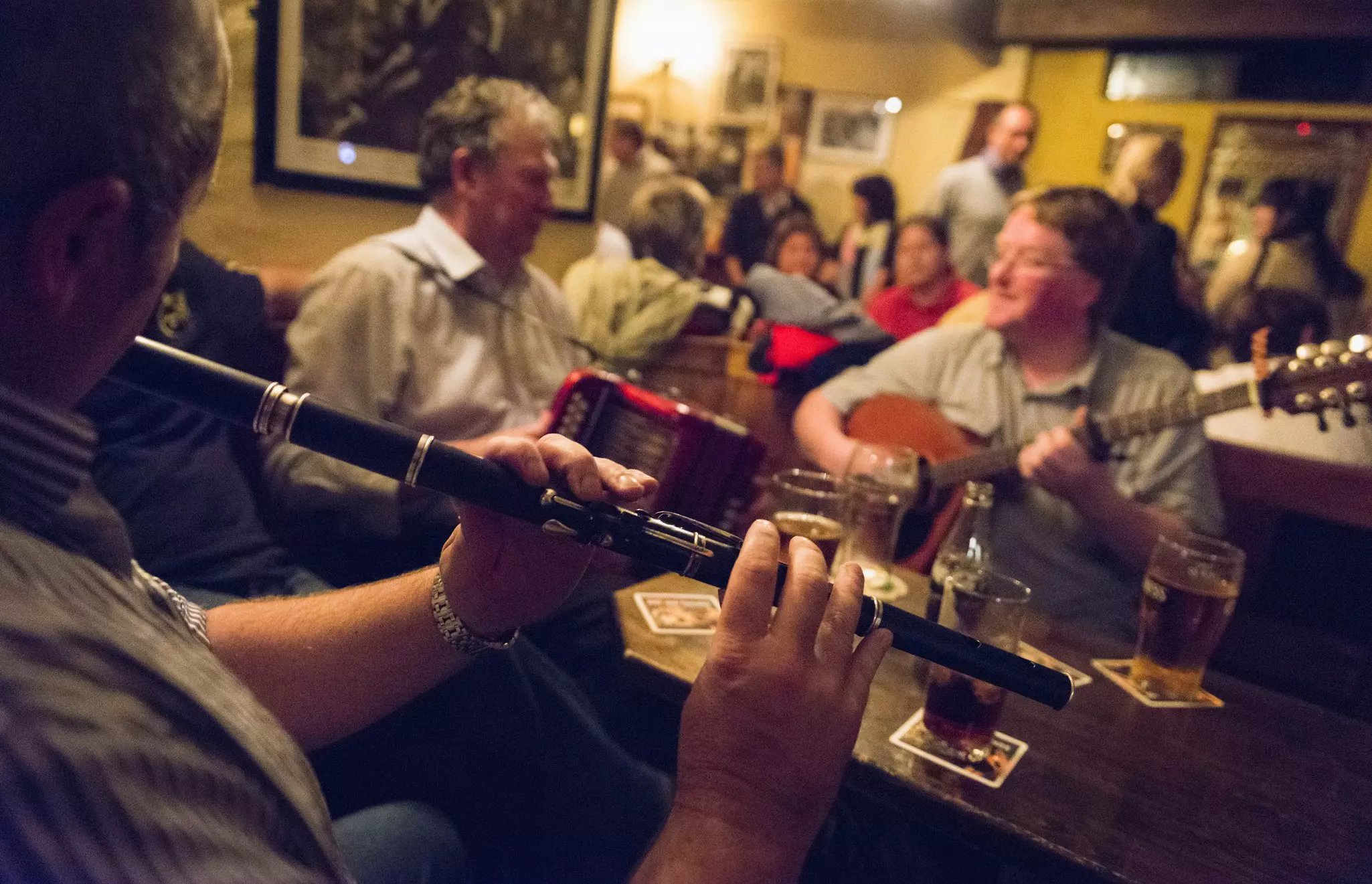
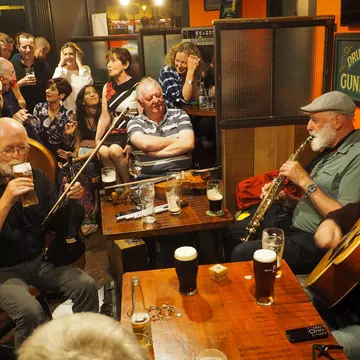
A little village with a big heart, the small coastal town of Doolin in County Clare proudly calls itself the home of traditional Irish music. Whether it’s lively jigs or insightful songs, trad sessions take place nightly across all of the town’s bars including McGanns, McDermotts and Doolin Music House. Most sessions take place after 8pm but some have earlier afternoon and evening sessions. Check out Hotel Doolin, which has music in the bar every night of the week. The Wild Atlantic Sessions on a Monday night with band The Fiddle Case are always popular.
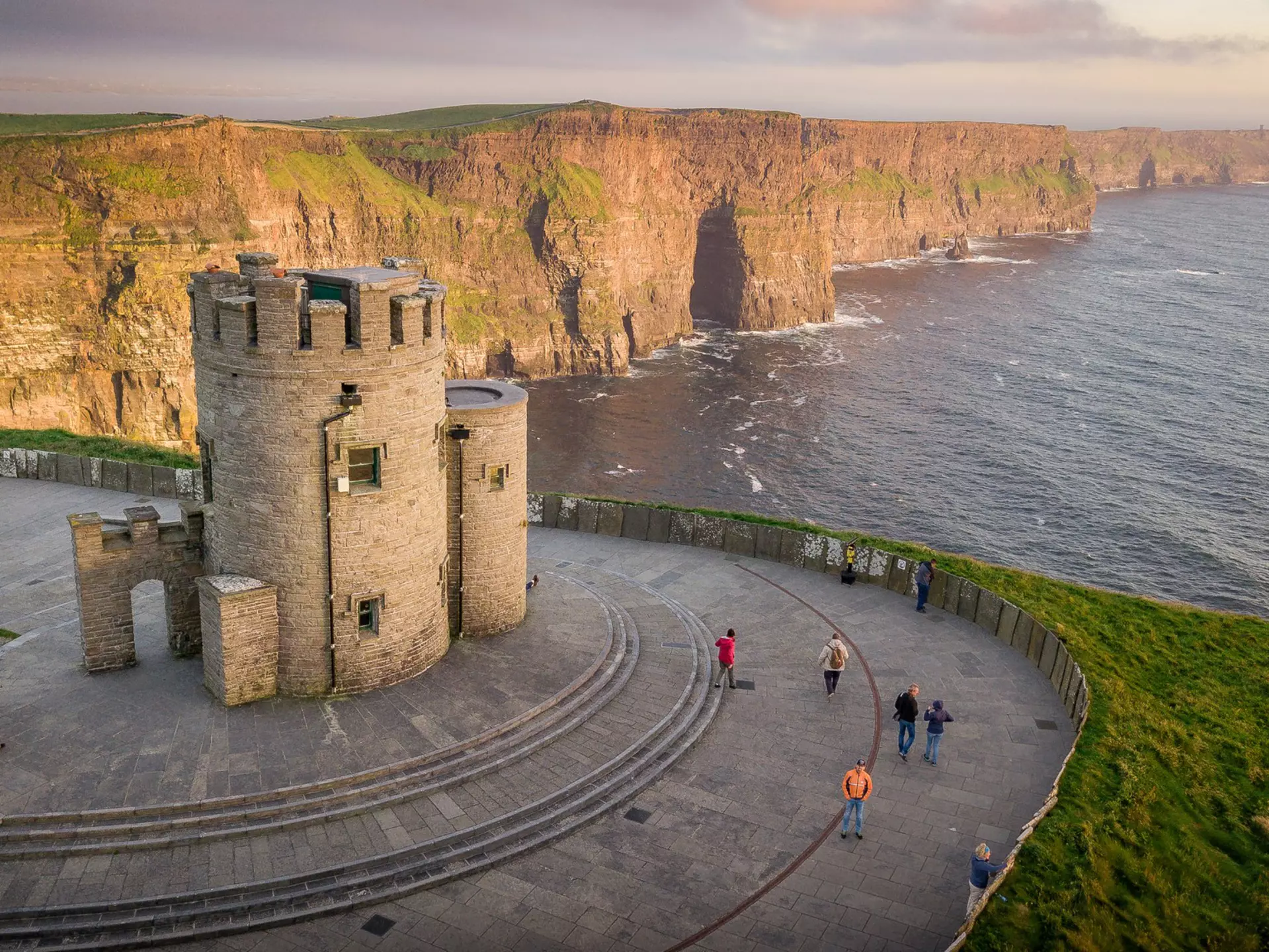
Planning tip: Located on the edge of the historic Burren in northwest Clare, Doolin is also a good jumping-off point to explore the majestic Cliffs of Moher and the Aran Islands. The Wild Atlantic Seaweed Baths on Doolin Pier are a great way to ease aching muscles after a day of brisk hiking. At the pier, you can plunge into whisky barrel hot tubs and soak alfresco.
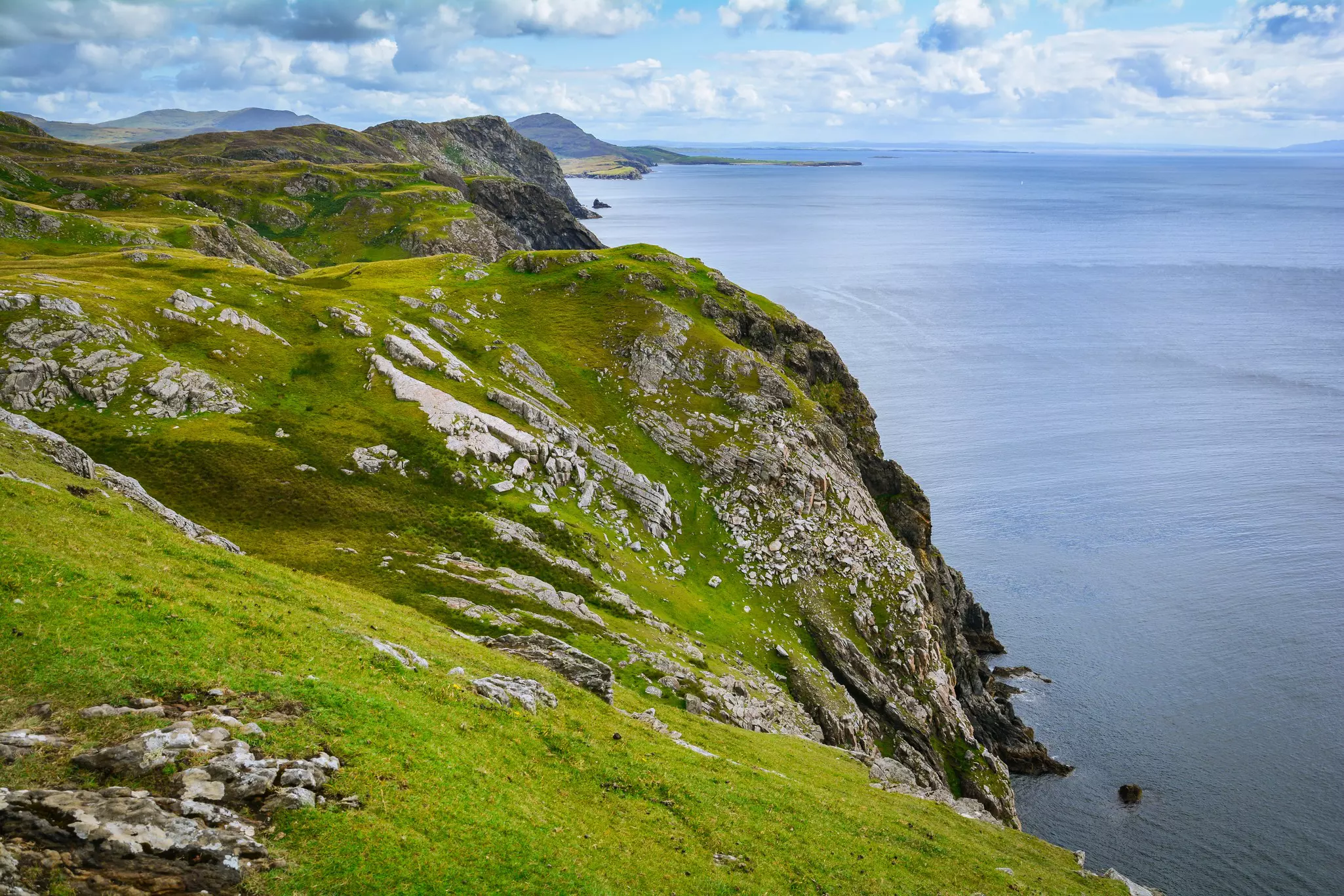
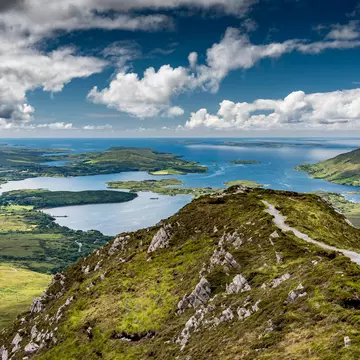
Few coastal paths are more impressive than Sliabh Liag, which means “the Gray Mountain” or “Mountain of Flagstones." Rising to over 600m (1968ft) above the ocean, the sea cliffs at Sliabh Liag offer an opportunity to experience Ireland at its most elemental (and are higher than the much busier Cliffs of Moher). Only experienced walkers should venture beyond the viewing point onto One Man's Pass, which loops around the Pilgrim's Path.
Detour: There’s been a huge uptick in interest in learning the Irish language from locals and visitors alike. Oideas Gael in the Gaeltacht village of Glencolmcille, not far from Sliabh Liag, caters to beginners and more advanced with immersive adult classes. Whether it’s mastering the cúpla focail (a few words) of Irish or holding down conversations as gaeilge (in Irish) this place is a favorite of everyone from presidents to poets alike.
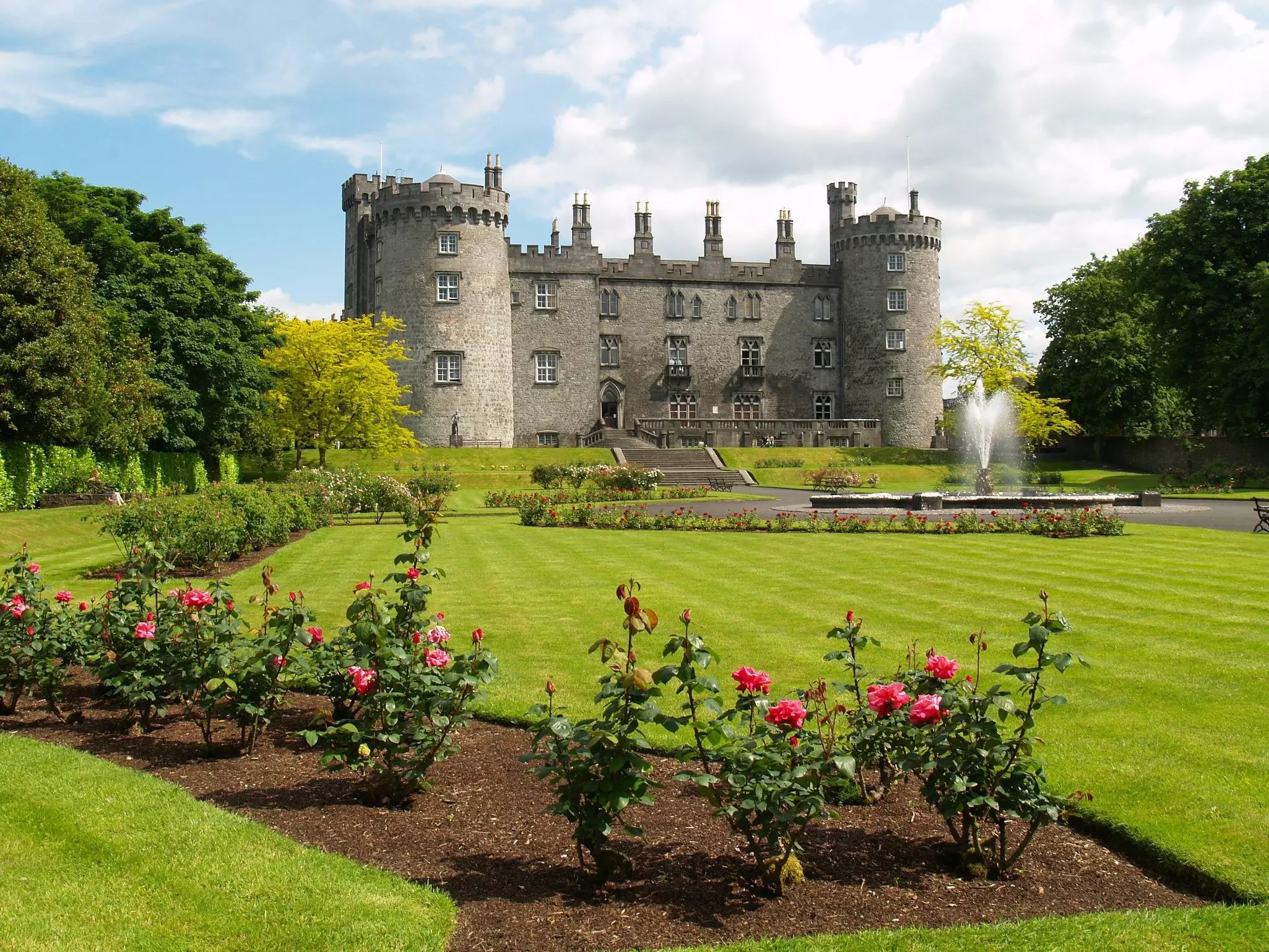
Kilkenny Castle is one of the country’s most-visited attractions and for good reason: it is the jewel in the crown of an enchanting medieval city. You can opt for a guided or self-guided tour and take in the Butler family’s impressive fine collection of art in the magnificent picture gallery with its hand-painted hammer beam roof. The charming nursery room provides a fascinating glimpse into 19th-century childhood with its cradle, highchair and children’s piano.
Planning tip: Bring a picnic – barbecues are strictly prohibited – and enjoy it in the lush gardens. Little ones will love the all-action playgrounds too. There’s no admission fee to walk and explore the parklands.
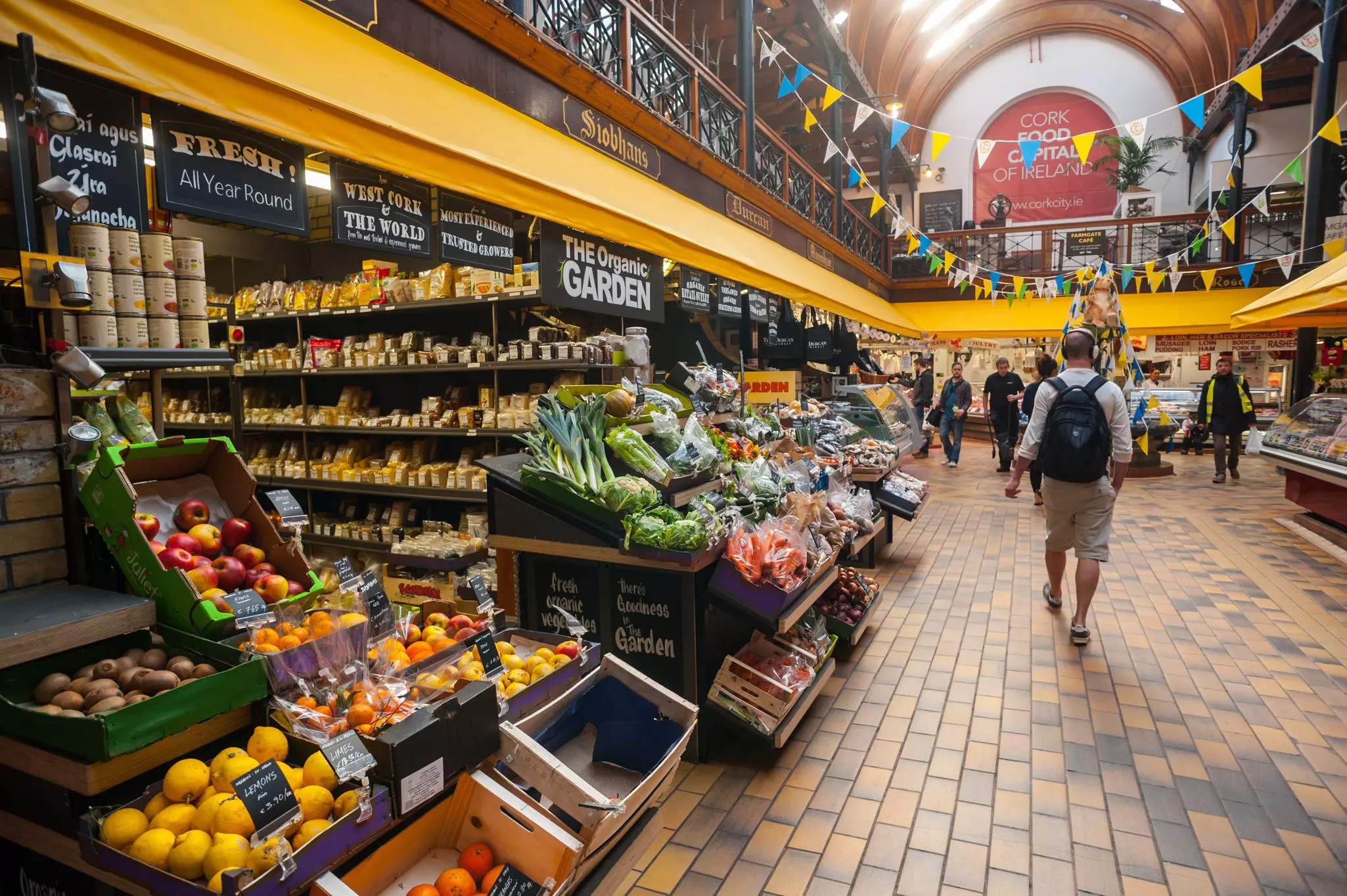
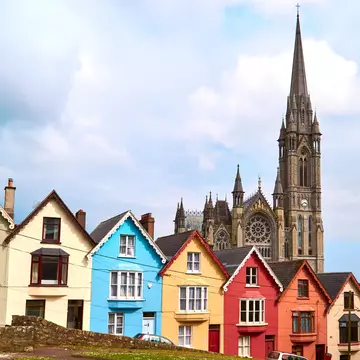
Cork City’s reputation as Ireland’s foodie capital has grown in recent years, but nowhere epitomizes the flavors on offer better than the English Market, which has been operating since 1788. Stop at the Farmgate Café upstairs to sample its legendary traditional Irish lamb stew. The tripe and onions with drisheen, a type of blood pudding, has to be tried. For fine dining, try Isaac’s Restaurant on McCurtain St, while across the road, the MacCurtain Wine Cellar serves a short sharing menu of plates in the evening with a glass of your favorite wine. Paradiso is an icon of the Irish dining world with its innovative vegetable cuisine operating in the high-end fine-dining sector. For those on a budget, try a pint and a toasted sandwich at the Long Valley Bar on Winthrop St or the Hibernian Bar – better known to Corkonians as the Hi-B – on Oliver Plunkett St.
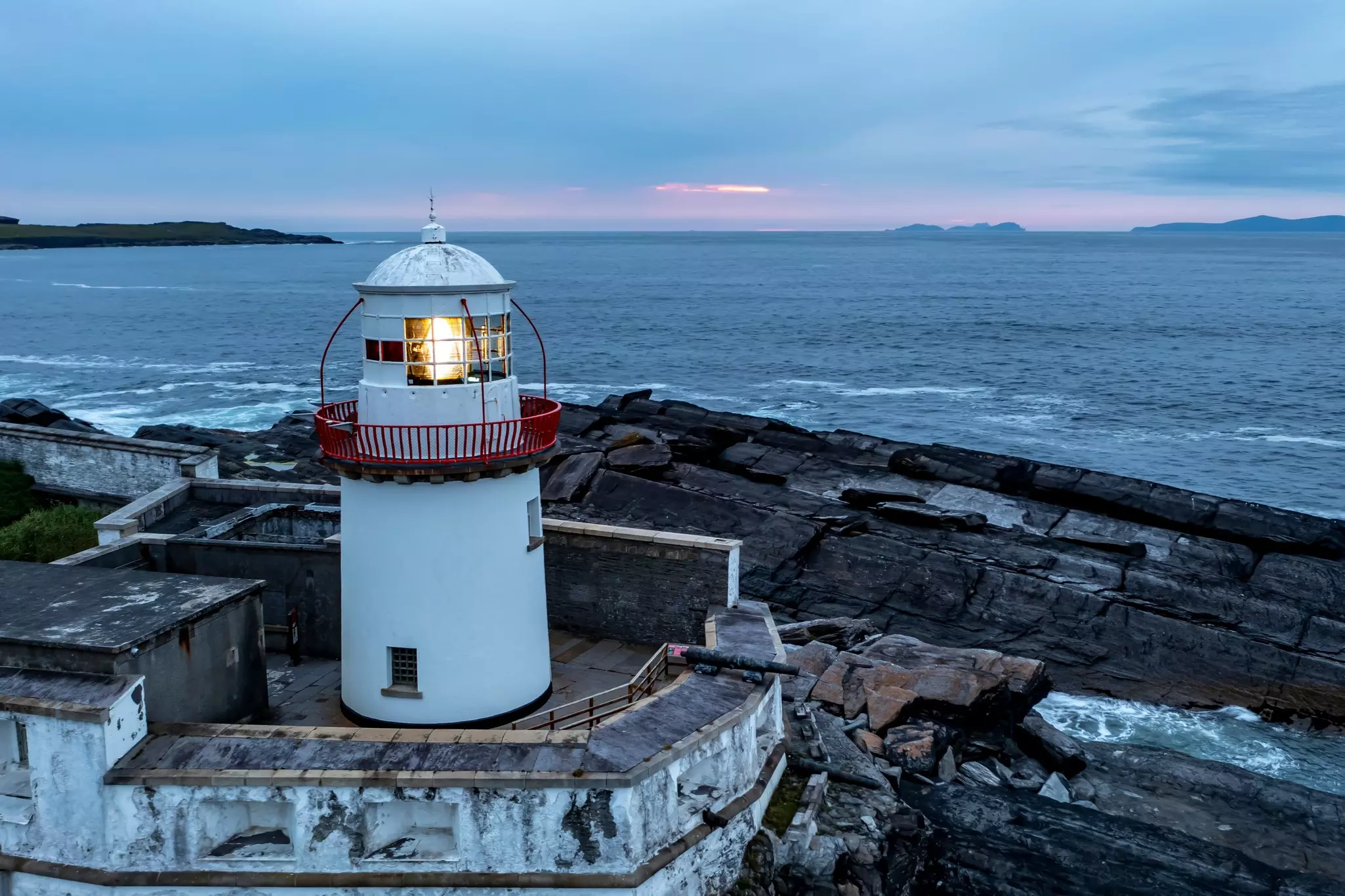
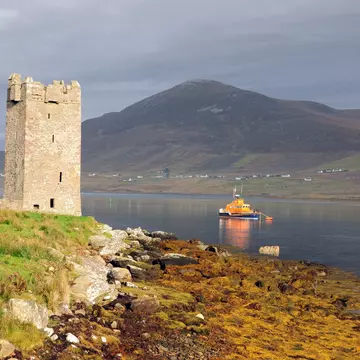
Soak up the stories and the science as you learn about the people and technology that have guided ships safely over the years with a visit to Valentia Island Lighthouse in County Kerry. Here, you can take a peek into what life was like for the lightkeepers and their families as they kept watch over the North Atlantic.
Detour: This lighthouse is one of 65 lighthouses operated by the Commissioners of Irish Lights around the coast of Ireland and continues to provide a vital role in maritime safety today. Fanad Head Lighthouse in Donegal has been voted one of the most beautiful and visitors can stay at the lightkeeper’s cottage, but be prepared to book well in advance as vacancies are snapped up quickly.
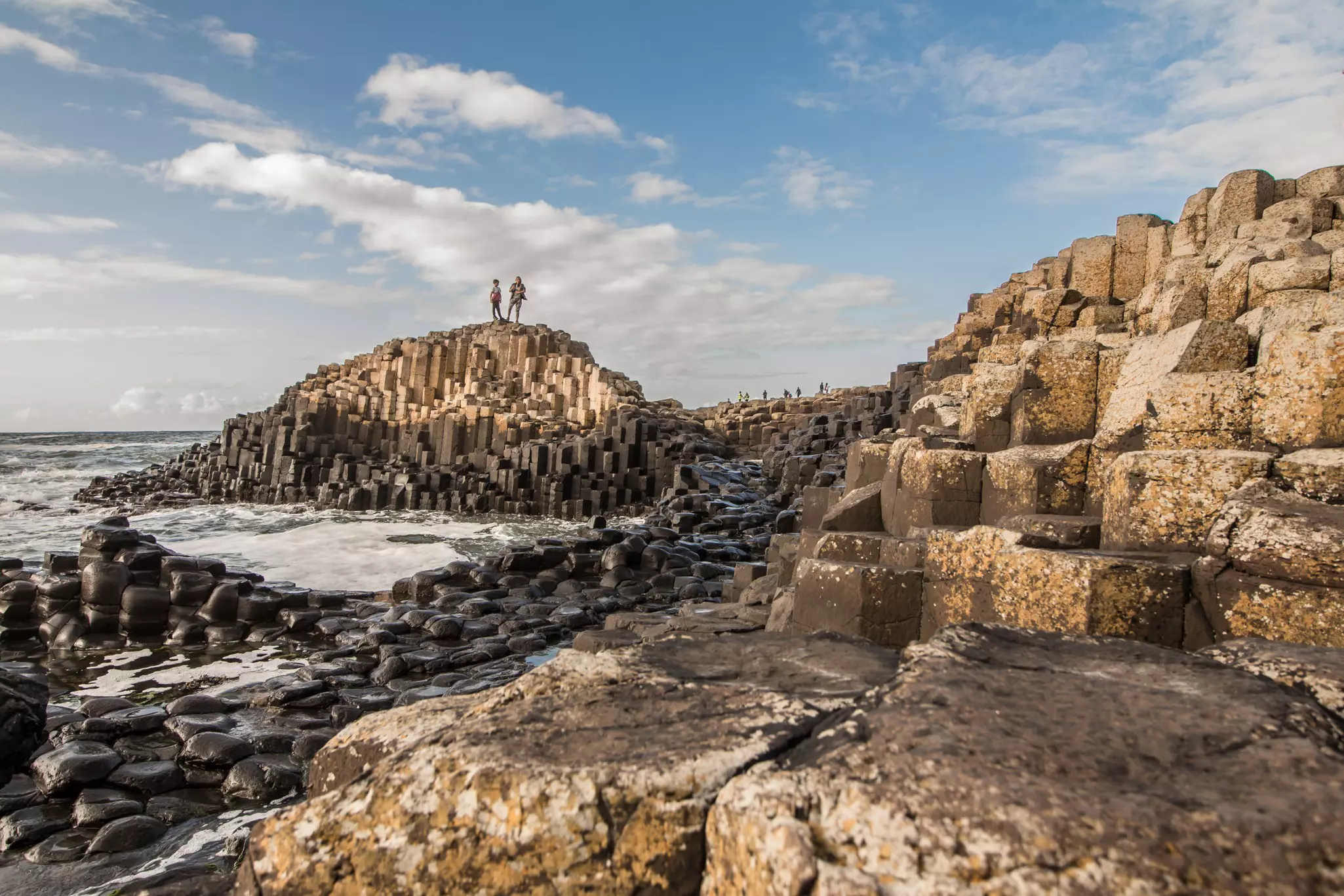
Northern Ireland’s iconic UNESCO World Heritage site the Giant's Causeway is a must-see: the sight of thousands of hexagonal-shaped stones flanked by the Atlantic Ocean is mind-boggling. Almost 60 million years in the making, the County Antrim site is a portal into Earth’s ancient past. Here, the stories of the legendary Irish warrior Fionn MacCumhaill (Finn McCool) come to life and storytelling is very much part of the visitor experience. You can walk to the stones for free, but the on-site car park is reserved for those buying tickets for our Visitor Experience, which includes guided tours, use of the audio guides, and access to the shop, cafe and exhibition.
Planning tip: Take an epic road trip along the Causeway Coastal Route, stopping off at the magnificent Dunluce Castle perched on a craggy headland. You may need to hold your nerve to cross the 200-year-old Carrick-a-Rede rope bridge.
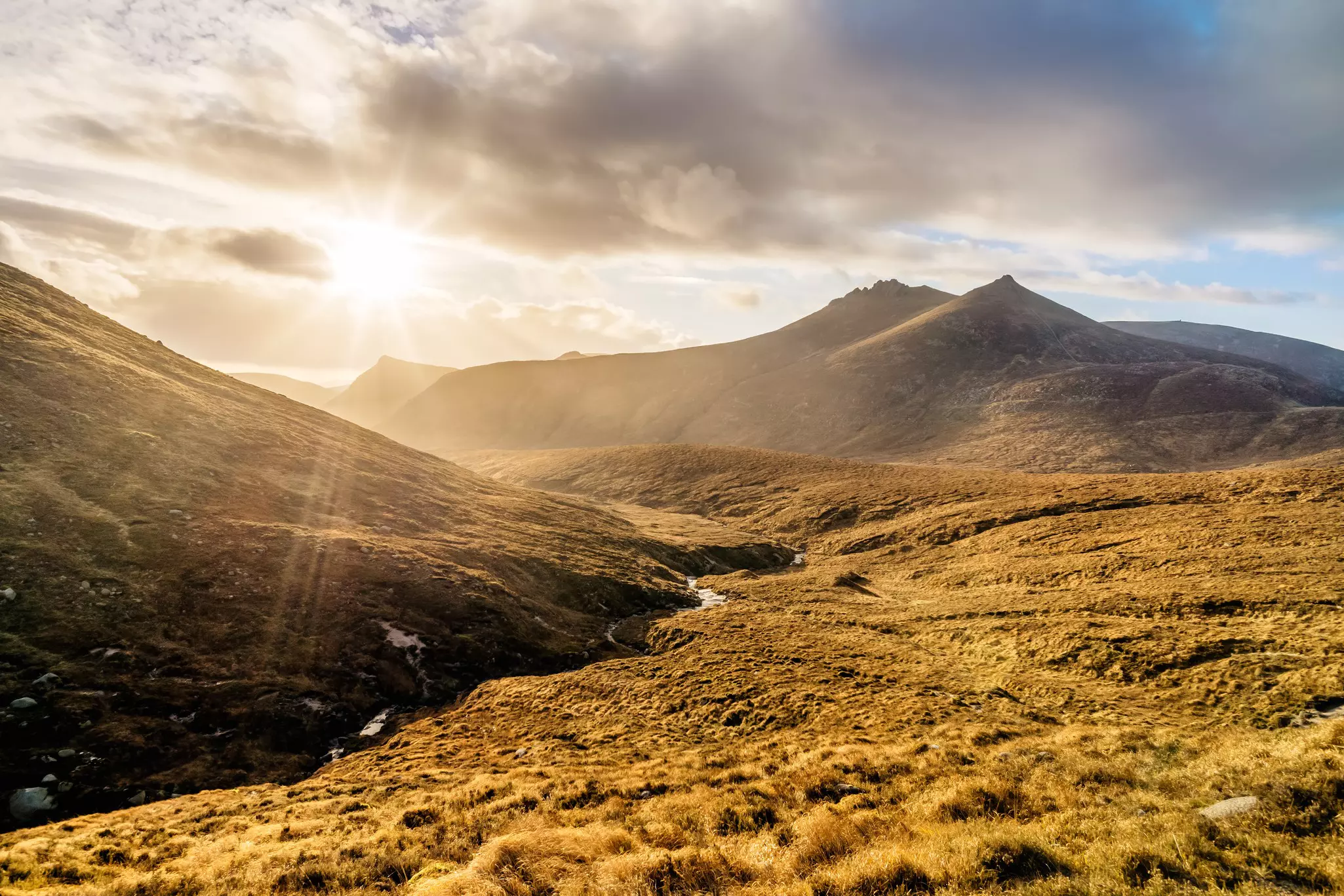
The vast wilderness of the Mourne Mountains in County Down was the inspiration for C.S. Lewis in his Narnia series. Unlike Kerry’s famous jagged peaks, the Mournes undulate towards the sky and seem to call out to you to get lost among them. The trek to the top of Slieve Donard – the highest peak in the range – not far from the town of Newcastle, is sublime. You can’t get lost – you begin at the Bloody Bridge River and follow a marked trail that will direct you to the Mourne Wall.
Planning tip: If the weather is too severe, you could explore Tollymore Forest Park nearby. Trekking along the Shimna River, you’ll find ivy-strewn bridges and quirky grottos hidden along the way. The nearby town of Newcastle is famous for its ice cream parlors with lots of good options to refuel after an action-packed day outdoors.
Take your Ireland trip with Lonely Planet Journeys
Time to book that trip to Ireland
Lonely Planet Journeys takes you there with fully customizable trips to top destinations – all crafted by our local experts.


Explore related stories