
Dingle Peninsula
One of the highlights of the Wild Atlantic Way, the Dingle Peninsula (Corca Dhuibhne) culminates in the Irish mainland's westernmost point. In the shadow of sacred Mt Brandon, a maze of fuchsia-fringed boreens (country lanes) weaves together an ancient landscape of prehistoric ring forts and beehive huts, early Christian chapels, crosses and holy wells, picturesque hamlets and abandoned villages.
Latest Stories
- Sasha Brady | Oct 22, 2020Ireland Mourns Missing Dolphin That Called Kerry Home for Decades
Book
App


Trusted Partner
Dreaming of Dingle Peninsula? Protect your trip
Travel with confidence. Protect your trip and your wallet.
We don’t represent World Nomads, we receive a fee from quotes using this link. This is not a recommendation to buy travel insurance.
Book your Ireland trip with Lonely Planet Journeys
See Ireland how it's meant to be seen
Planned by local experts and tailored to you, Lonely Planet Journeys handles the logistics so you can just enjoy the trip. Tell us what you want and we'll build your Ireland itinerary from scratch, or browse our bookable trips to get inspired.


Top places to visit in Dingle Peninsula
Discover the best attractions in Dingle Peninsula from must-see sights to unexpected hidden gems.
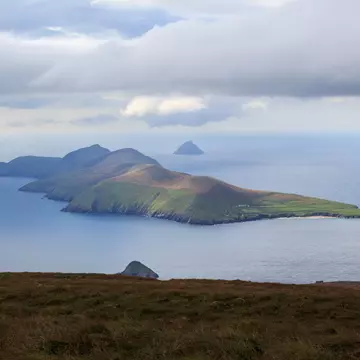
- Attraction in County KerryBlasket Islands
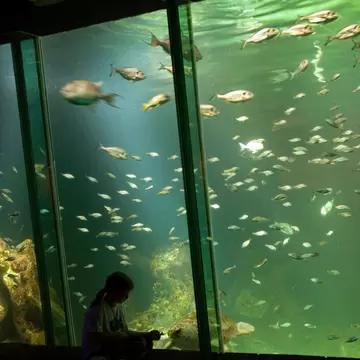
- Attraction in County KerryDingle Oceanworld
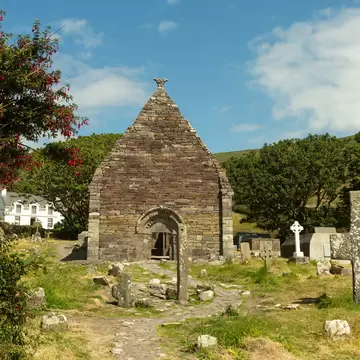
- Attraction in County KerryKilmalkedar Church
-
 Attraction in County KerryGallarus Oratory
 - Attraction in County KerryDingle Peninsula Museum
- Attraction in County KerryFahan Beehive Huts
- Attraction in County KerryFamine Cottages
- Attraction in County KerryGlanteenassig Forest Recreation Area
Get a book. Get inspired. Get exploring.
in partnership with getyourguide
Book popular activities in Dingle Peninsula
Lonely Planet may earn a commission from affiliate links on our site. All recommendations and reviews reflect our own independent opinions.