© Alex Walker/Getty Images
Iceland
Hitting headlines, topping bucket lists, wooing nature lovers and dazzling increasing numbers of visitors – the talents of this breathtaking northern destination are seemingly endless.
Leave the planning to a local expert
Experience the real Iceland. Let a local expert handle the planning for you.
Get startedAttractions
Must-see attractions
Iceland
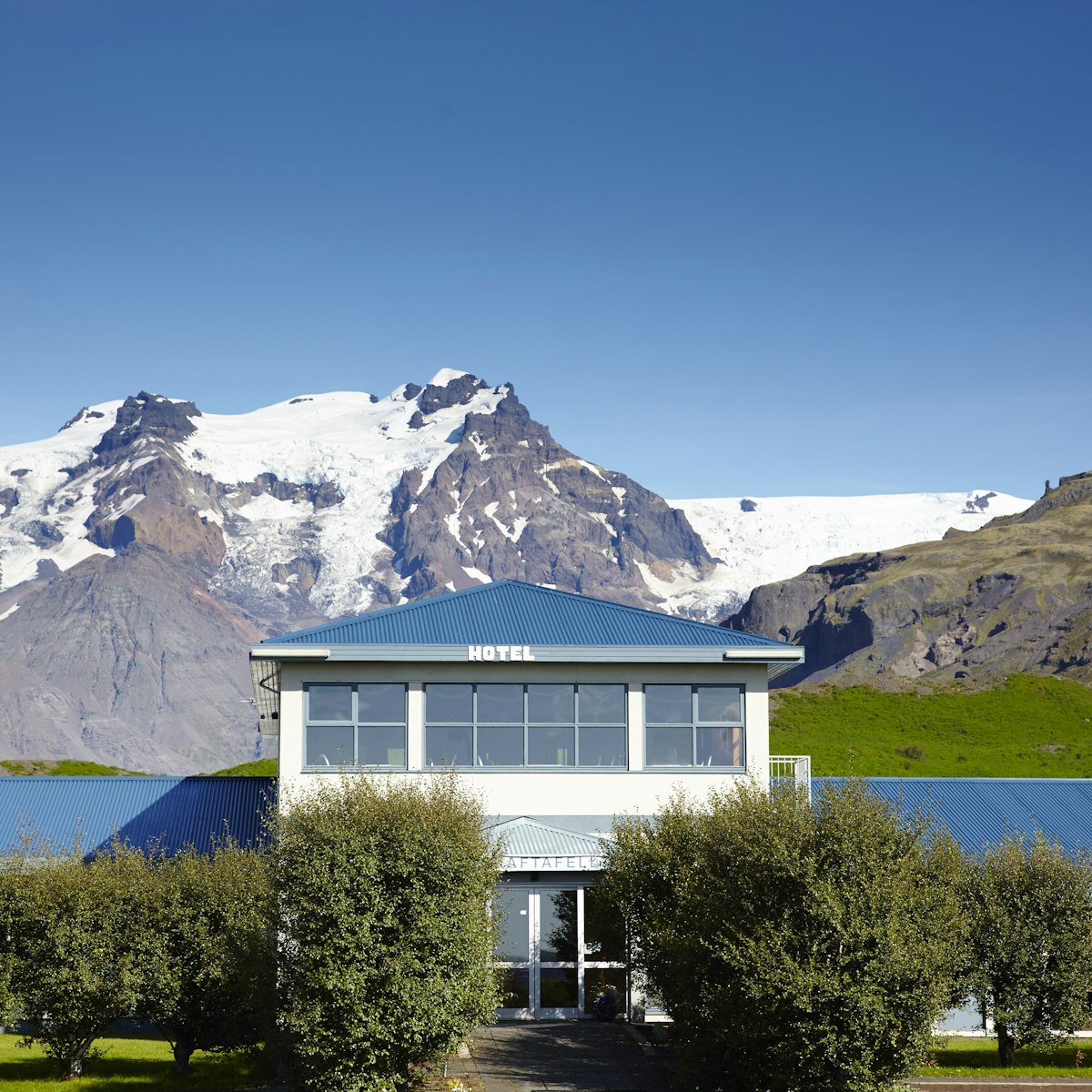
Vast, varied and spectacular, Vatnajökull National Park was founded in 2008, when authorities created a megapark by joining the 8300-sq-km Vatnajökull ice…
Snæfellsnes Peninsula
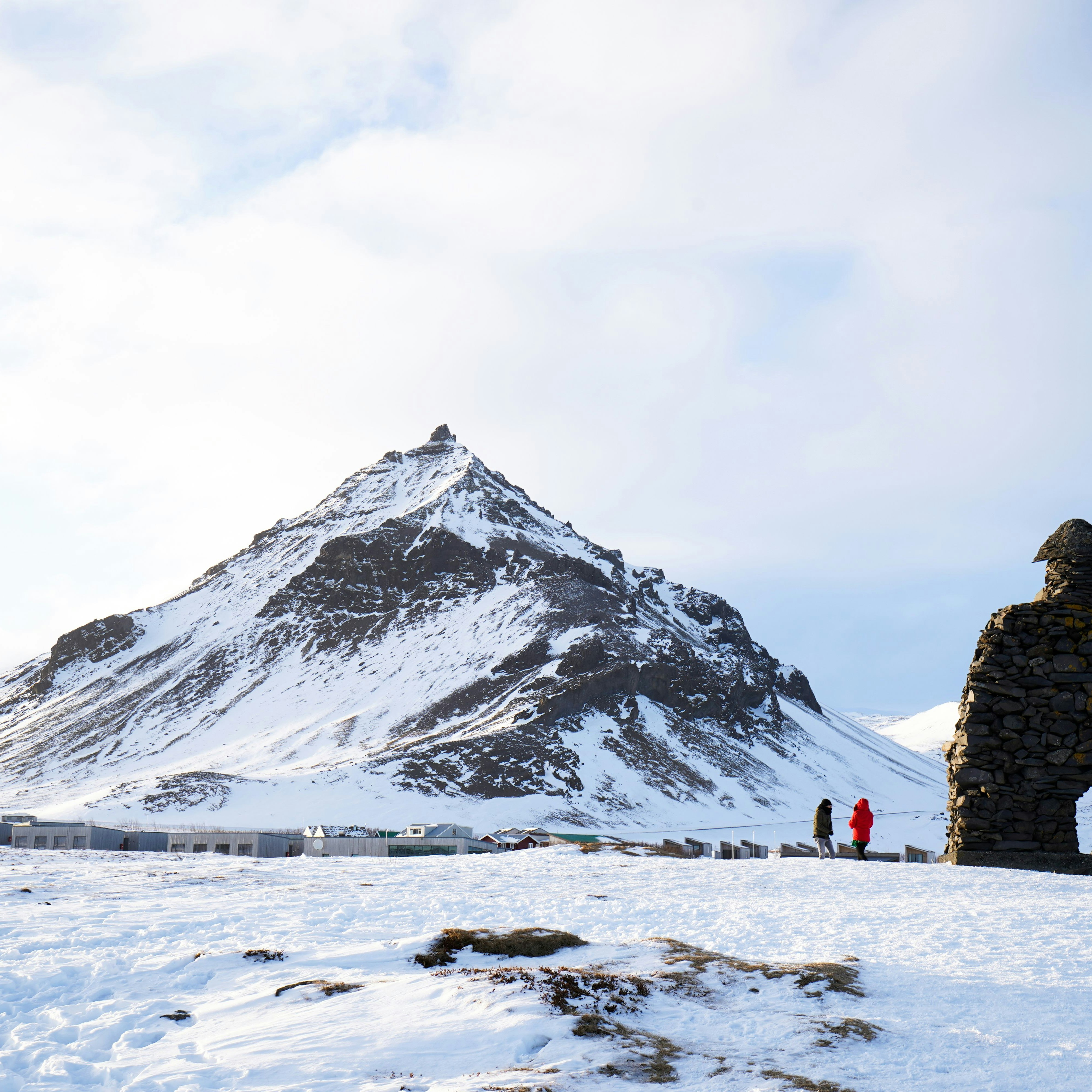
Snæfellsjökull National Park encompasses much of the western tip of Snæfellsnes Peninsula, and wraps around the rugged slopes of the glacier…
The Westfjords
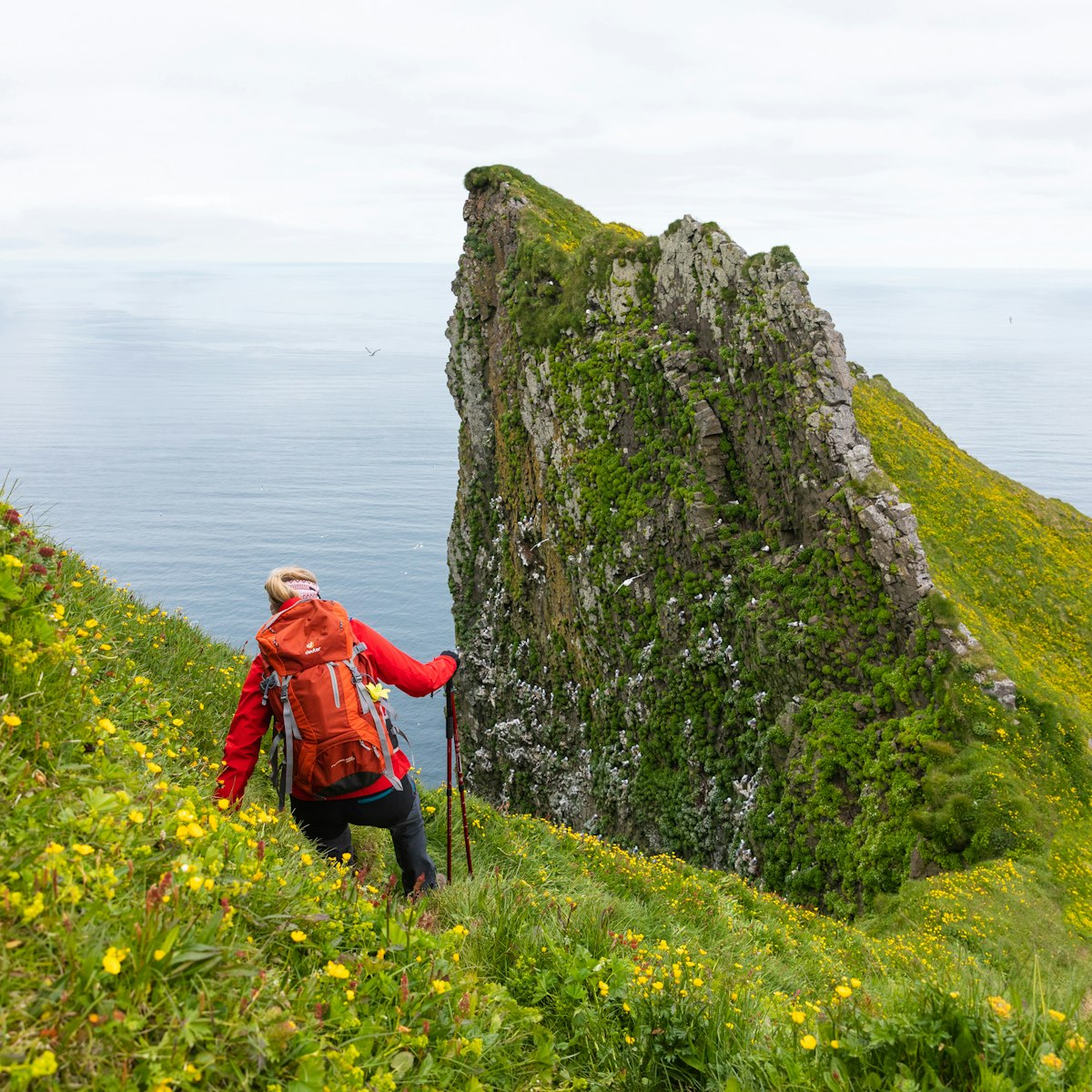
Craggy mountains, precarious sea cliffs and plunging waterfalls make up Hornstrandir, one of Europe’s last true wilderness areas, covering some of the…
The Westfjords
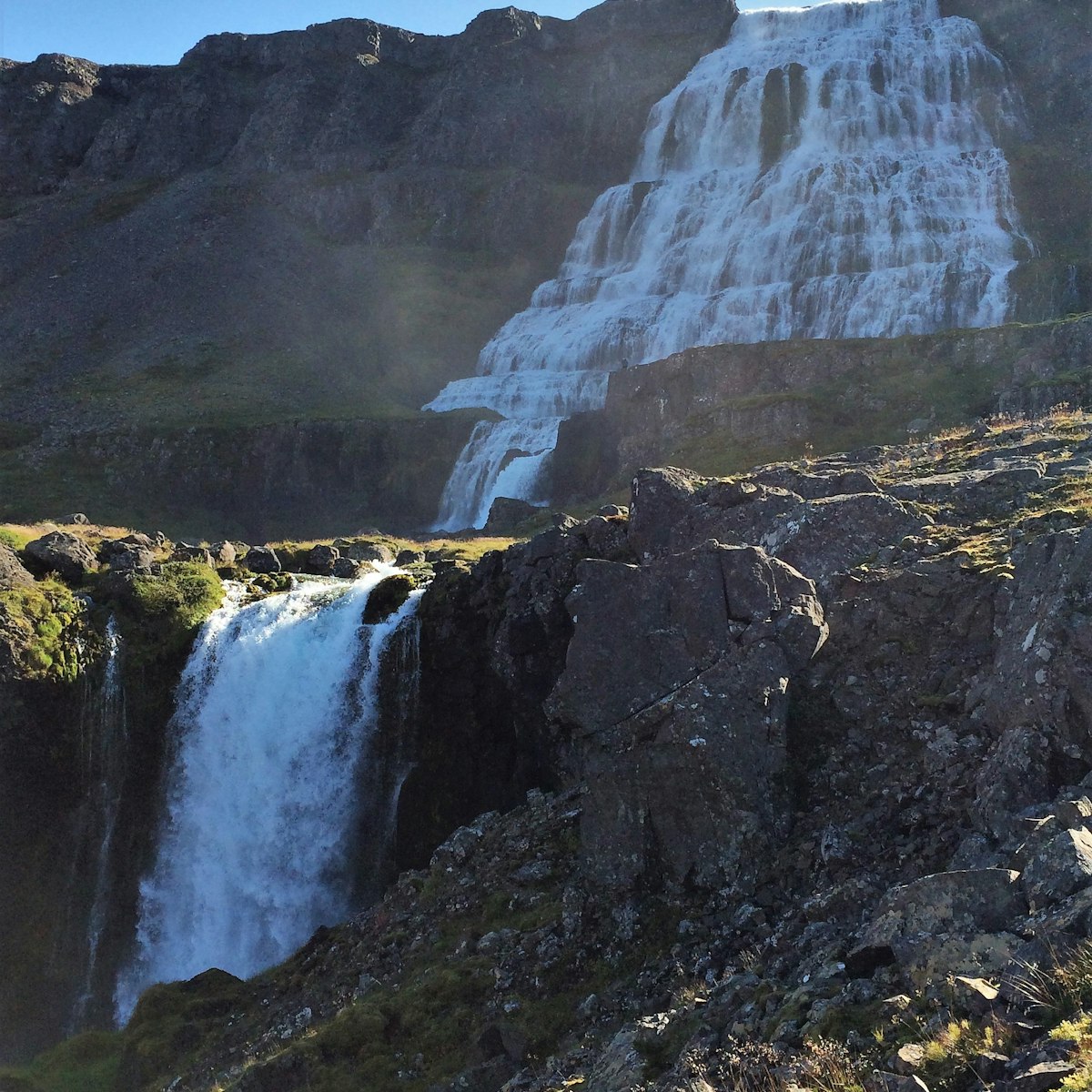
Tumbling in a broad sweep over a 100m-rocky scarp at the head of Dynjandivogur bay, Dynjandi is the most dramatic waterfall in the Westfjords. The bumpy…
The Golden Circle
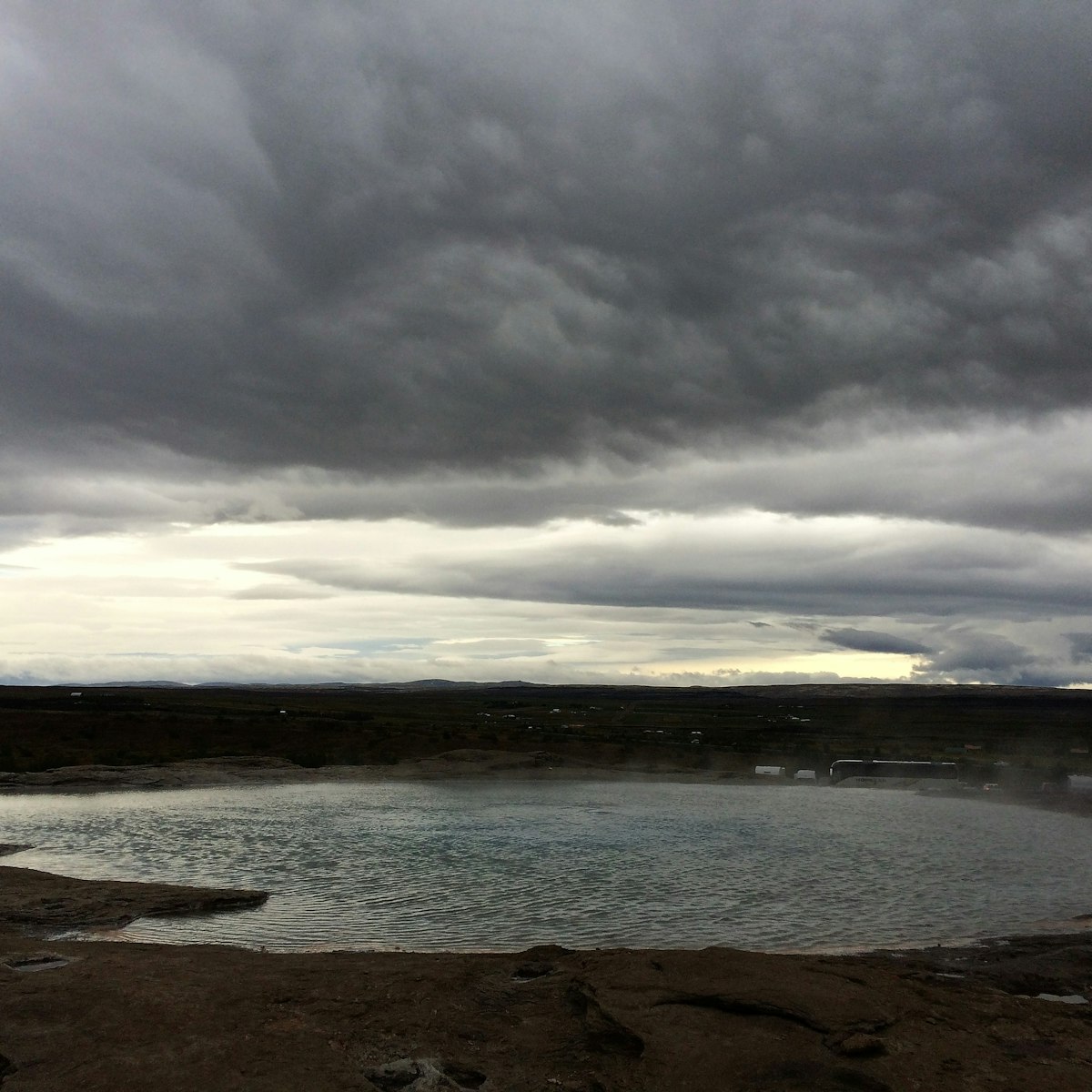
One of Iceland’s most famous tourist attractions, Geysir (gay-zeer; literally ‘gusher’) is the original hot-water spout after which all other geysers are…
The Golden Circle
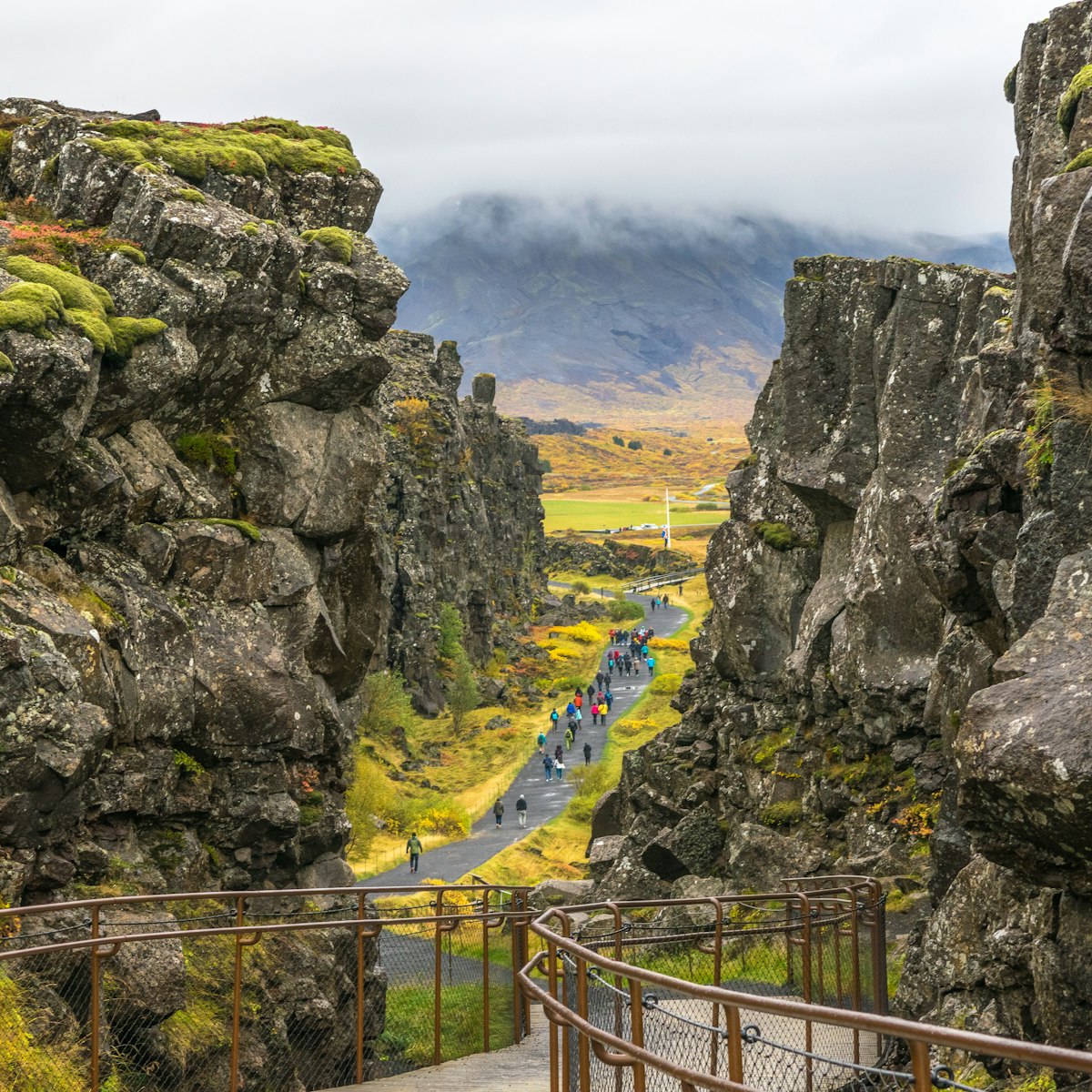
The world’s oldest parliament, Althingi (pronounced ál-thingk-ee; also called Alþing) was uniquely situated at this monumental site where two tectonic…
The Golden Circle
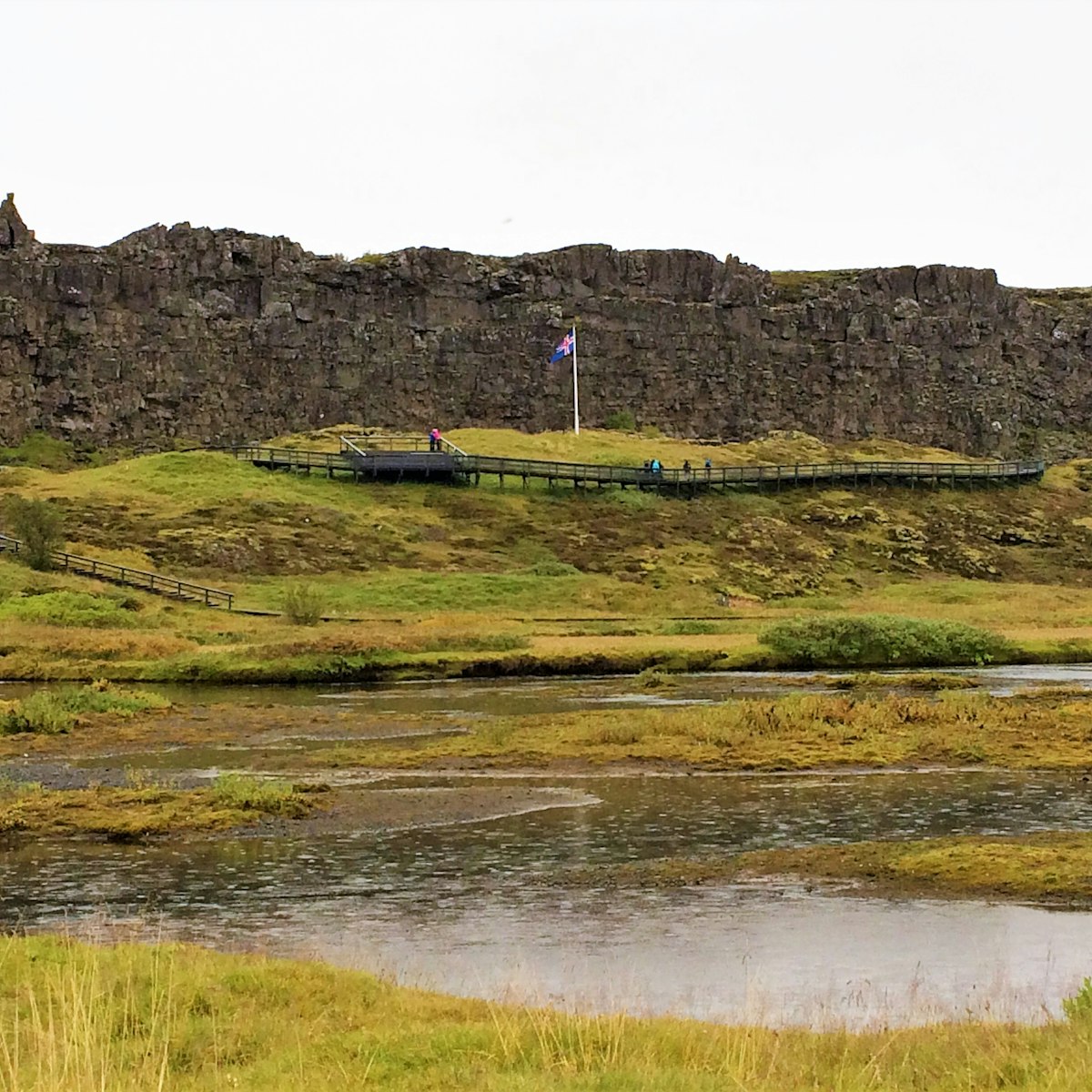
Near the dramatic Almannagjá fault and fronted by a boardwalk is the Lögberg (Law Rock), where the Alþingi (Parliament) convened annually. This was where…
The Golden Circle
The Þingvellir plain is situated on a tectonic-plate boundary where North America and Europe are tearing away from each other at a rate of 1mm to 18mm per…
Attractions
Top picks from our travel experts
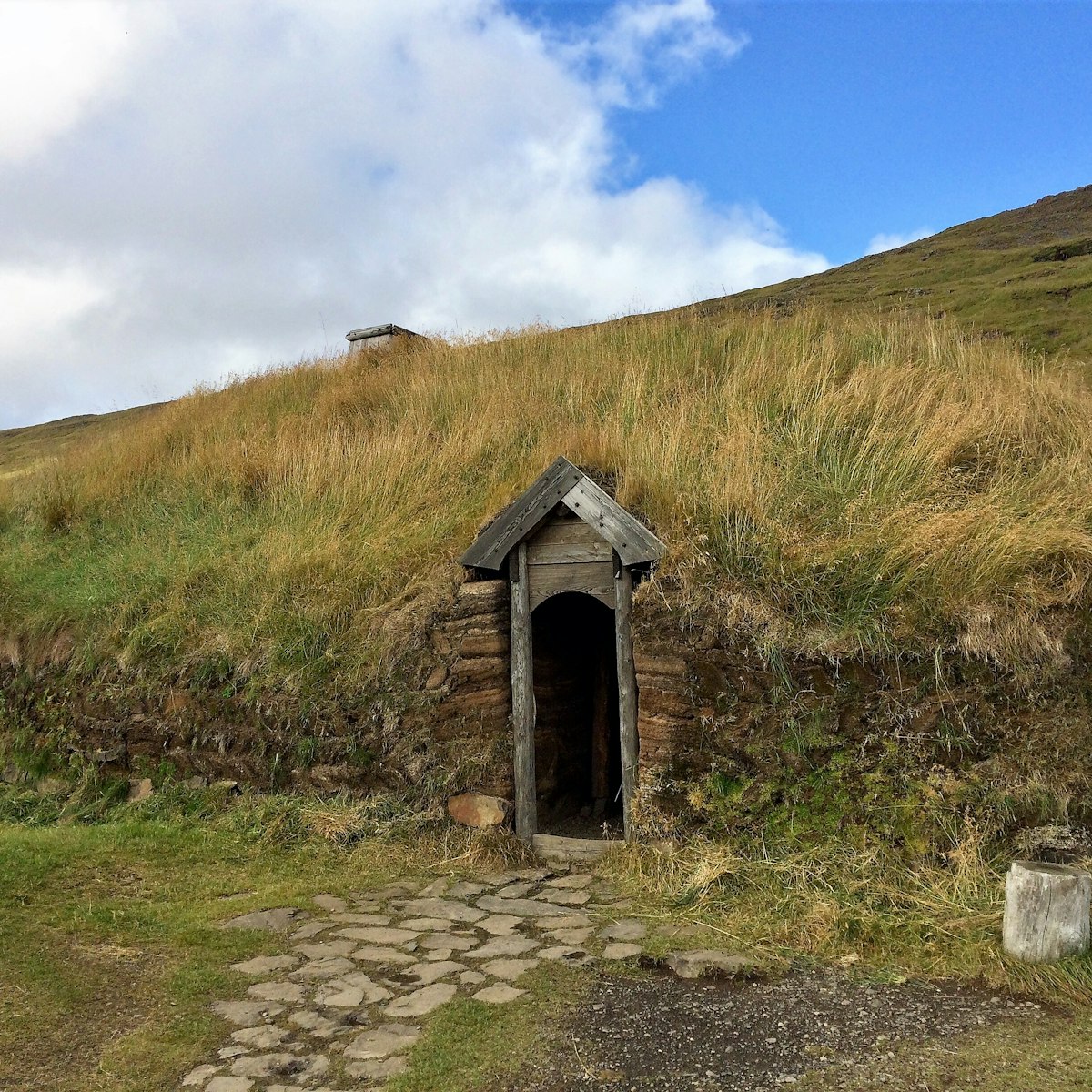
West Iceland
The farm Eiríksstaðir was home to Eiríkur Rauðe (Erik the Red), father of Leifur Eiríksson, the first European to visit America. Although only a faint…
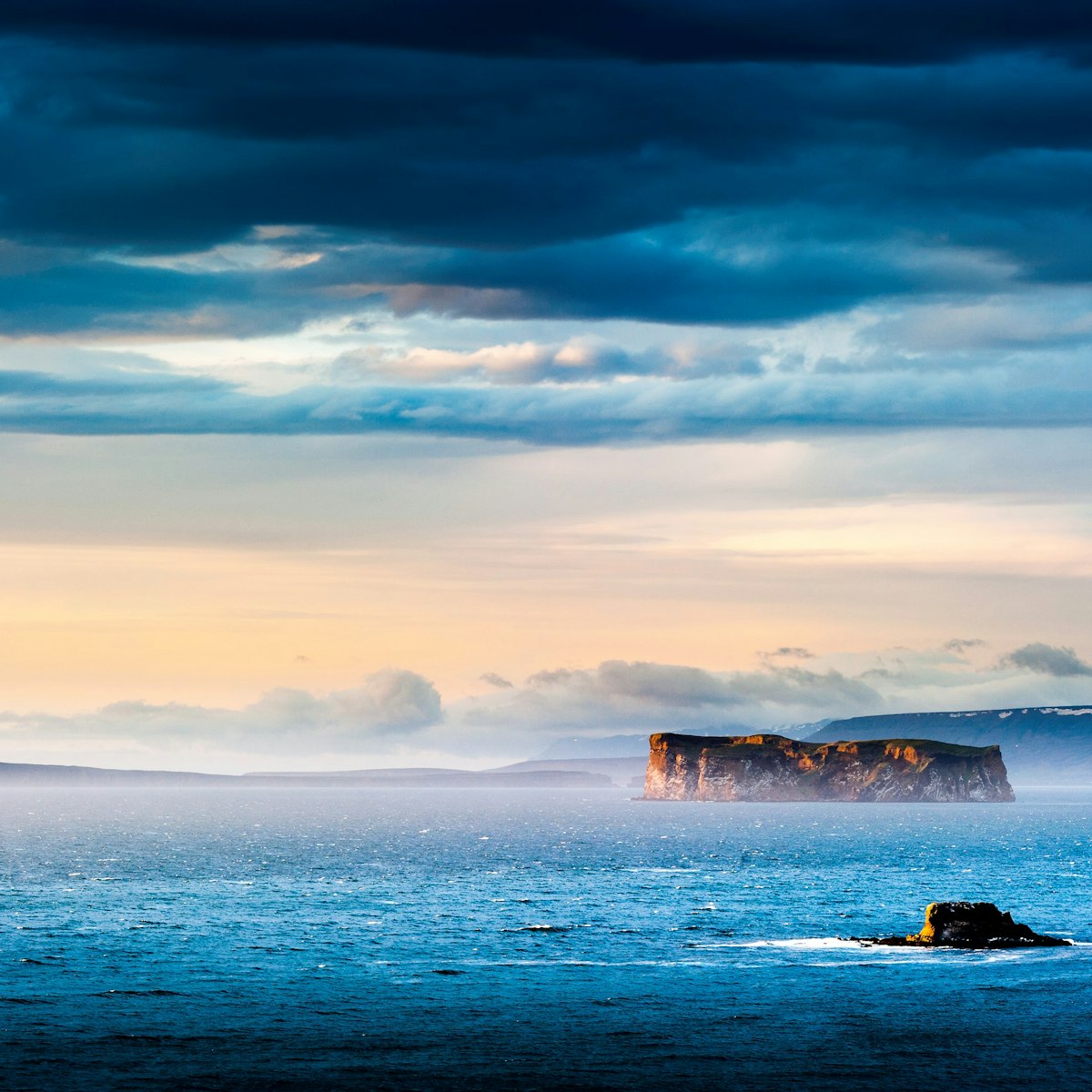
North Iceland
The tiny rocky islet of Drangey (drown-gay), in the middle of Skagafjörður, is a dramatic flat-topped mass of volcanic tuff with 180m-high sheer…
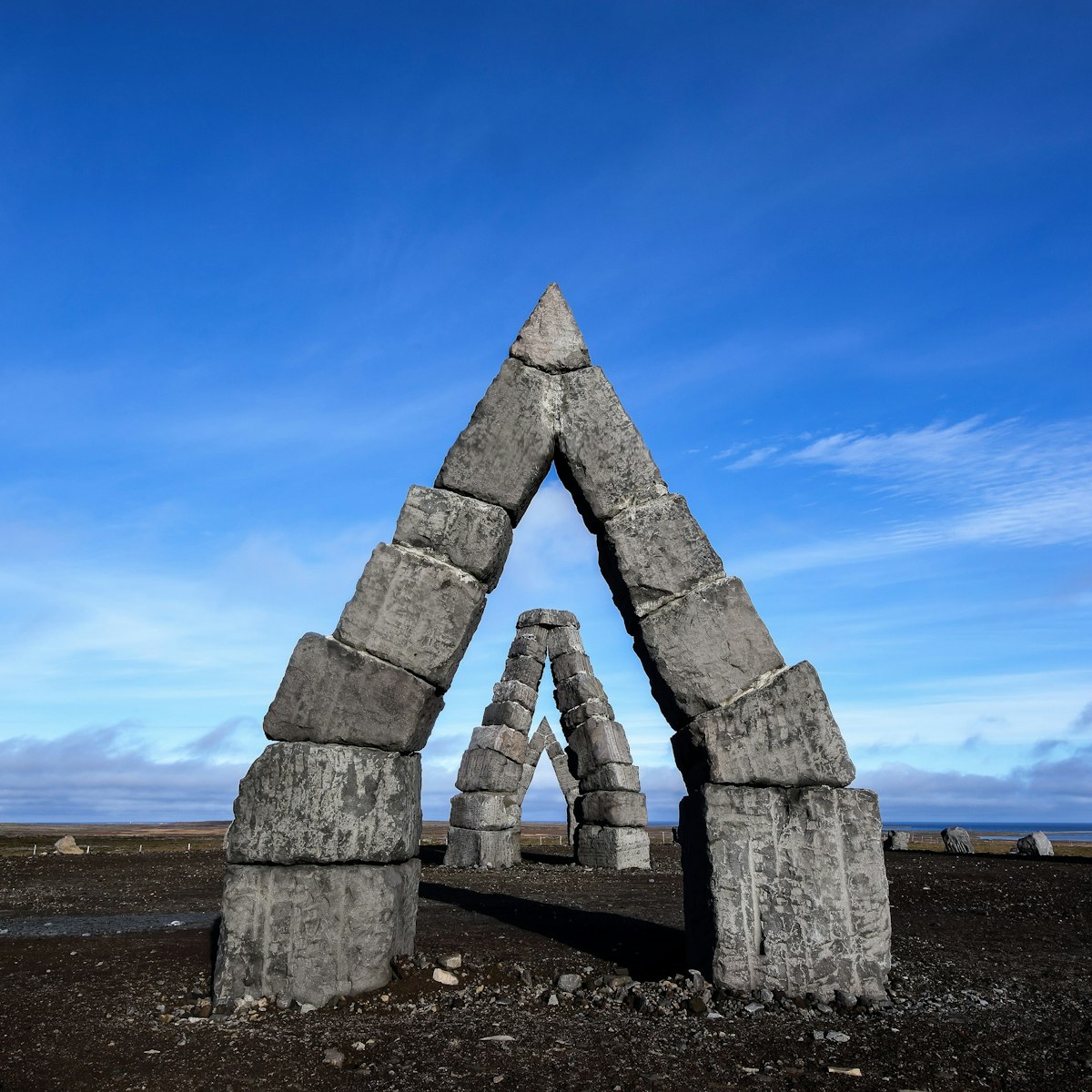
North Iceland
The striking stone arches of Arctic Henge are the darling of many a brochure, and in real life they live up to the exalted mood. The massive stone circle…
Borgarbyggð
The Langjökull ice cap is the second largest glacier in Iceland, and the closest major glacier to Reykjavík. It's accessed from the 4WD Kaldidalur or…
Heimaey
More than 400 buildings lie buried under lava from the 1973 eruption, and on the edge of the flow ‘Pompeii of the North’ is a museum revolving around one…
Iceland
Vast, varied and spectacular, Vatnajökull National Park was founded in 2008, when authorities created a megapark by joining the 8300-sq-km Vatnajökull ice…
The South
One of Iceland's most active volcanoes, Hekla stands at 1491m, and has erupted 20 times since 874, most recently in the year 2000. In a 4x4, it's possible…
Reykjavík
Learn about the classical tales explaining the Northern Lights, and the scientific explanation, then watch a 35-minute surround-sound panoramic high…
Mývatn Region
The giant jagged lava field at Dimmuborgir (literally ‘Dark Castles’) is one of the most fascinating flows in the country. A series of nontaxing, colour…
Reykjavík
Perlan's mirrored dome, designed by Ingimundur Sveinsson, covers huge geothermal-water tanks some 2km from the city centre. Inside, the Wonders of Iceland…
The Westfjords
Craggy mountains, precarious sea cliffs and plunging waterfalls make up Hornstrandir, one of Europe’s last true wilderness areas, covering some of the…

The South
Just south of the Ring Road, 8km east of Hella, Hótel Rangá, with its stuffed polar bear in the lobby, looks like a log cabin but caters to Iceland’s high…
Planning Tools
Expert guidance to help you plan your trip
Best Things to Do
When traveling in Iceland, pay attention to its place names, you may even recognise one from the Icelandic sagas. Read on to find out how to learn more.
Read articleThings to Know
Plan the perfect visit to Iceland with these top tips on packing, the environment and local etiquette.
Read articleTransportation
It may be small but Iceland can be mightily difficult to get around. The scale and savagery of the landscape make traveling tricky – here's how to do it.
Read articleVisa Requirements
It depends on your citizenship. Read on to find out if you need a visa to visit Iceland, and more information if you do (and even if you don’t).
Read articleTraveling with Kids
Don't let Iceland's wild terrain fool you – there are lots of amazing attractions here for kids of all ages. Here's how to plan a family trip to Iceland.
Read articleBest Road Trips
Experience Iceland's incredible landscape and stunning small towns on one of our favorite Icelandic road trips.
Read articlePlan with a local
Articles
Latest stories from Iceland
Filter by interest:
 ActivitiesGet away from the crowds in Iceland with these 10 alternative experiences
Mar 31, 2024 • 6 min read

 Destination PracticalitiesHow to get around Iceland, from the highest peaks to the deepest fjords
Mar 6, 2024 • 9 min read
in partnership with getyourguide
Book popular activities in Iceland
Guidebooks
Purchase our award-winning guidebooks
Get to the heart of Iceland with one of our in-depth, award-winning guidebooks, covering maps, itineraries, and expert guidance.