
Advertisement
Arles
Roman treasures, shady squares and plenty of Camarguais culture make Arles a seductive stepping stone into the Camargue. And if its colourful sun-baked houses evoke a sense of déjà vu, it’s because you’ve seen them already on a Van Gogh canvas – the artist painted 200-odd works around town, though sadly his famous little ‘yellow house’ at 2 place Lamartine, which he painted in 1888, was destroyed during WWII.

Getty Images
Latest Stories
- Lonely Planet Editors|May 21, 202619 of the best things to do in Arles, France
Book


Trusted Partner
Stay connected in Arles
Holafly eSIM provides unlimited mobile data with no hidden fees, giving you peace of mind wherever you travel. Stay connected even after your plan ends with Always On. Use code LONELYPLANET for an exclusive discount.
Take your France trip with Lonely Planet Journeys
Time to book that trip to France
Lonely Planet Journeys takes you there with fully customizable trips to top destinations – all crafted by our local experts.


Top places to visit in Arles
Discover the best attractions in Arles from must-see sights to unexpected hidden gems.
-
 Attraction in ArlesCryptoportiques
 - Attraction in ArlesMusée Départemental Arles Antique
- Attraction in ArlesThéâtre Antique
- Attraction in ArlesFondation Luma
-
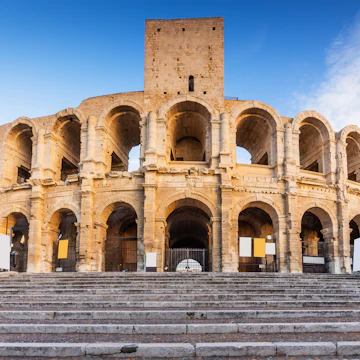 Attraction in ArlesLes Arènes
 -
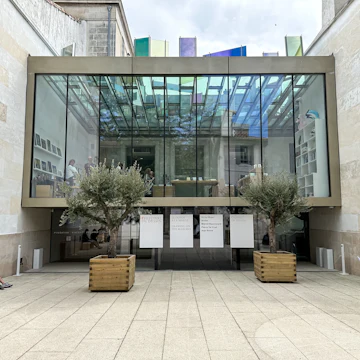 Attraction in ArlesFondation Vincent Van Gogh
 - Attraction in ArlesLes Alyscamps
- Attraction in ArlesMusée Réattu
Advertisement
Travel Guides
Arles travel tips from Lonely Planet experts
Find practical guidance from our team of contributors around the world who bring their decades of first-hand travel experience to your next trip.
Best Things to Do
From touring Roman sites to bird-watching in the nearby Camargue wetlands, here are the best things to do in and around Arles.
Read full article
Advertisement
Get a book. Get inspired. Get exploring.


in partnership with getyourguide
Book popular activities in Arles
Advertisement