Dunkirk
Dunkirk's landmark 58m-high belfry – the bell tower of the original Église St-Éloi before it burnt to the ground in 1558 – was erected in 1440 and has…
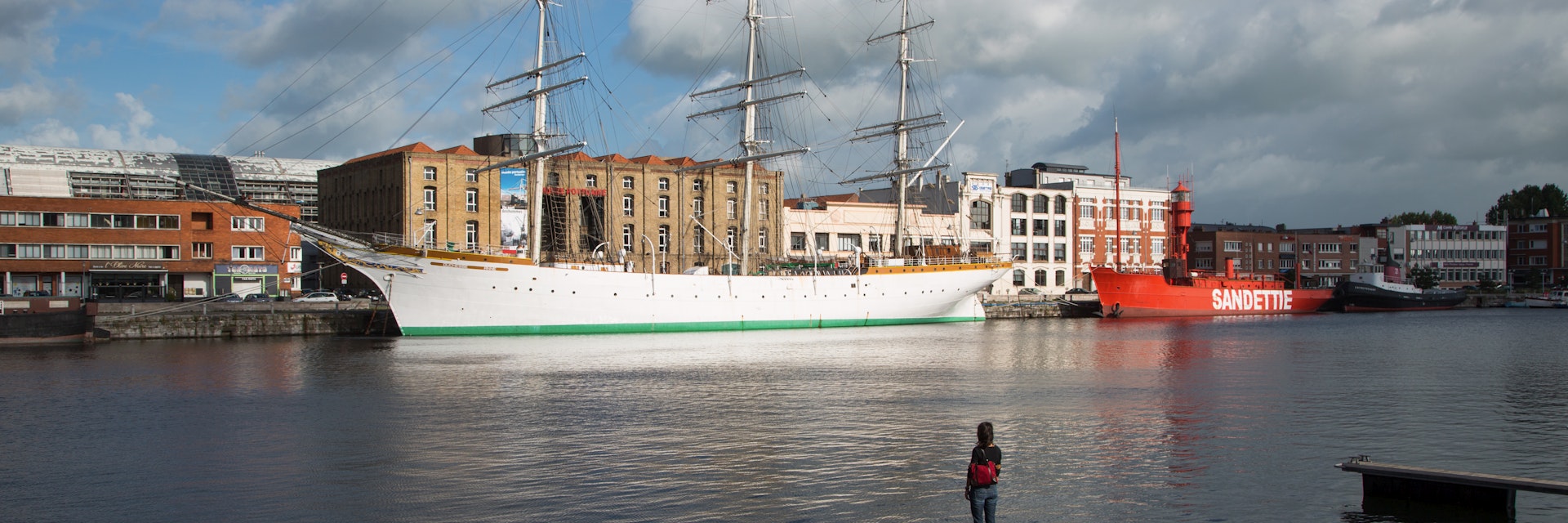
Getty Images/Lonely Planet Images
In 1940, Dunkirk (French: Dunkerque; French Flemish: Duunkerke, meaning 'church of the dunes') became world famous thanks to the heroic evacuation of Allied troops. Destroyed by German attacks, it was rebuilt after the war – though, alas, during one of the most uninspired periods in the history of Western architecture. While the modern city has precious little charm, it does offer visitors worthwhile museums, a family-friendly beach and colourful pre-Lent carnivals.
Experience the real Dunkirk. Let a local expert handle the planning for you.
Get startedDunkirk
Dunkirk's landmark 58m-high belfry – the bell tower of the original Église St-Éloi before it burnt to the ground in 1558 – was erected in 1440 and has…
Dunkirk
Constructed in 1560, the Église St-Éloi was refaced with a neo-Gothic façade completed in 1889. It's dubbed la cathédrale des sables (cathedral of the…
Dunkirk
To learn about the 1940 evacuation of Dunkirk, stop by this non-profit museum. In addition to a 15-minute film, there are scale models, and evocative…
Dunkirk
Set inside a 19th-century tobacco warehouse, this museum will delight fans of maritime history and, especially, model ships. During school holidays you…
Dunkirk
Rising 63m high, this automated, first order port lighthouse is the highest of its kind in France (its beam can be seen from 60km away). The lighthouse…
Dunkirk
Honouring over 4500 British and Commonwealth soldiers ‘with no known grave’, this memorial is next to the British War Graves Section of Dunkirk's town…

in partnership with getyourguide
Get to the heart of Dunkirk with one of our in-depth, award-winning guidebooks, covering maps, itineraries, and expert guidance.