Getty Images/Moment RF
Finland
Finland's fusion of wild beauty, contemporary design and culinary excellence is a beguiling mix. Throw in winter magic and irresistible summers, and you've one cool country.
Leave the planning to a local expert
Experience the real Finland. Let a local expert handle the planning for you.
Get startedAttractions
Must-see attractions
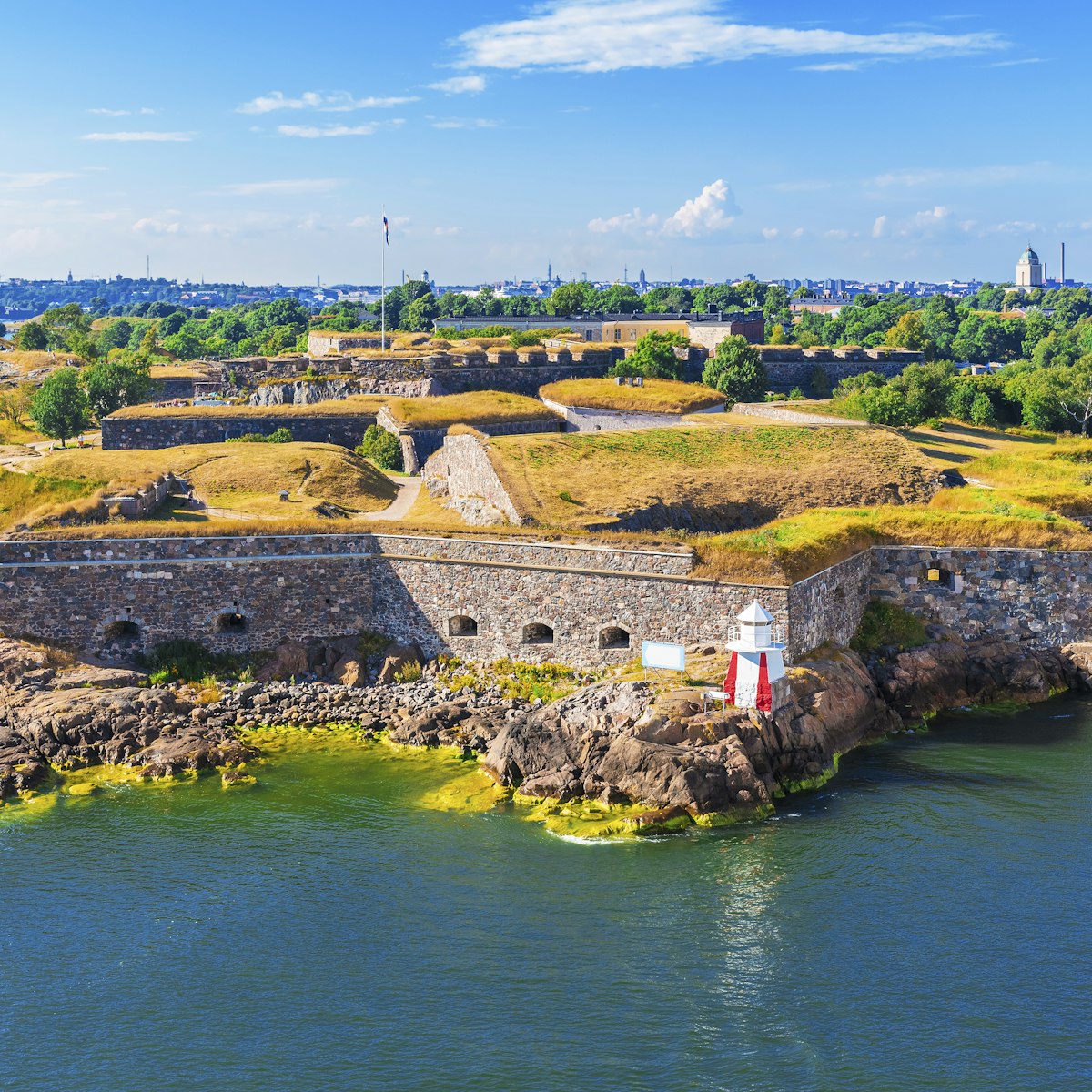
Helsinki
Suomenlinna, the ‘fortress of Finland’, straddles a cluster of car-free islands connected by bridges. This Unesco World Heritage site was originally built…
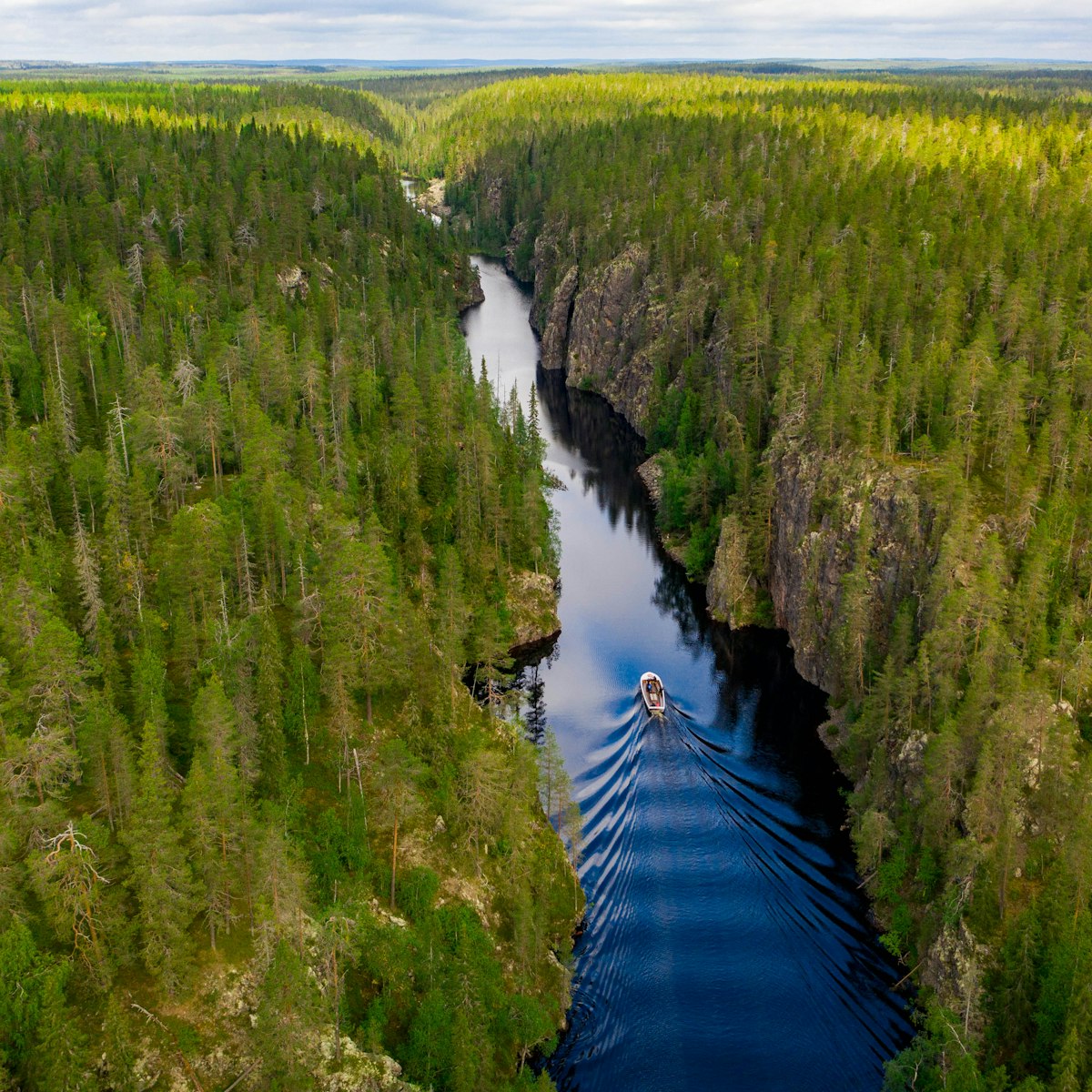
Central Finland
Founded in 2017 to commemorate Finland's centenary of independence, the country's 40th national park stretches over 11,000 hectares of glittering lakes…
Finland
Once the private home of Gösta Serlachius, this world-class art gallery is one of Finland's premier cultural attractions. Situated 2km east of Mänttä's…
Finland's West Coast
This fantastic villa is considered one of the 20th century's architectural masterpieces and the pinnacle of Alvar Aalto's career. It is the former home of…
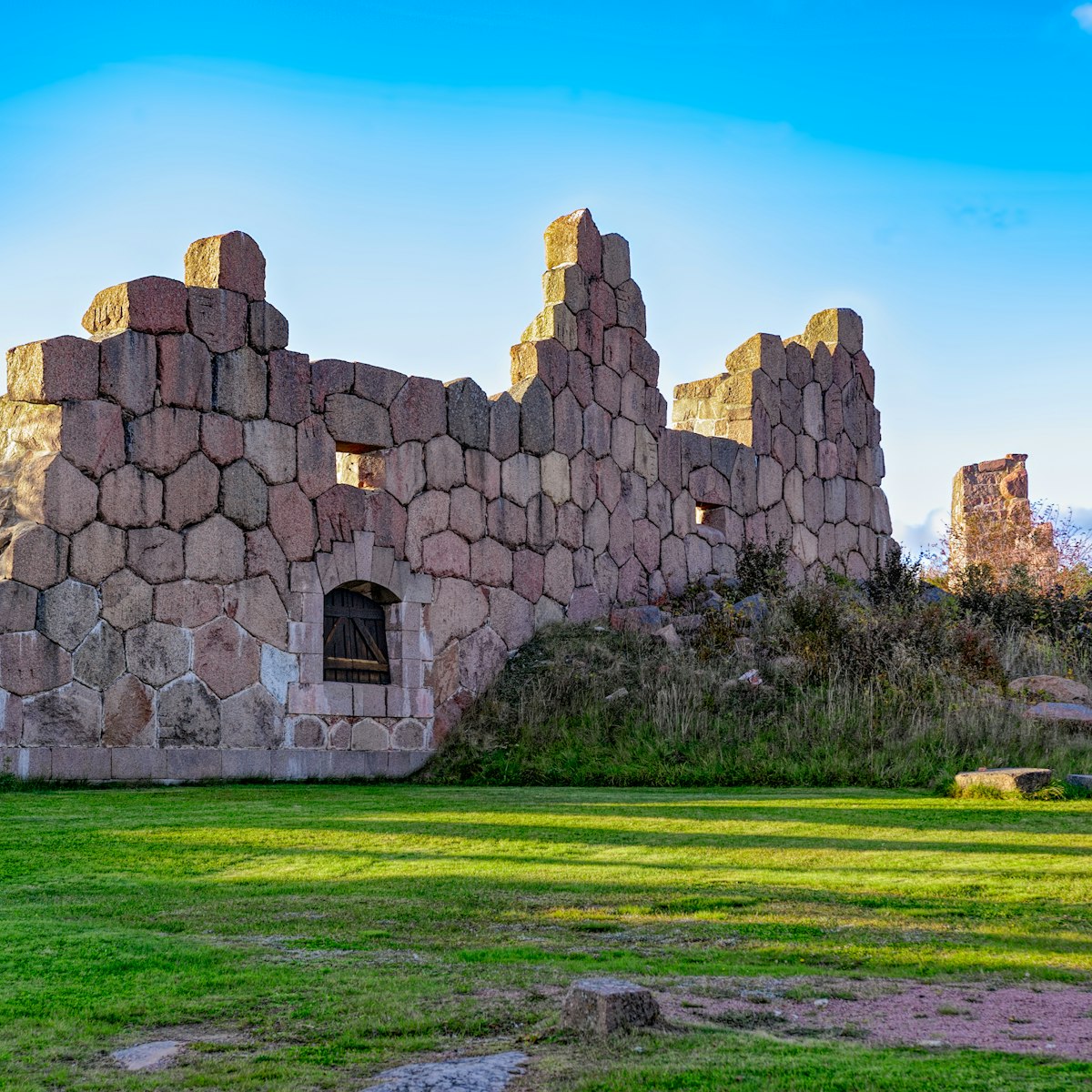
Åland Archipelago
Following the war of 1808–09, Russia began building this major military structure as its westernmost defence against the Swedes. The fortress was still…
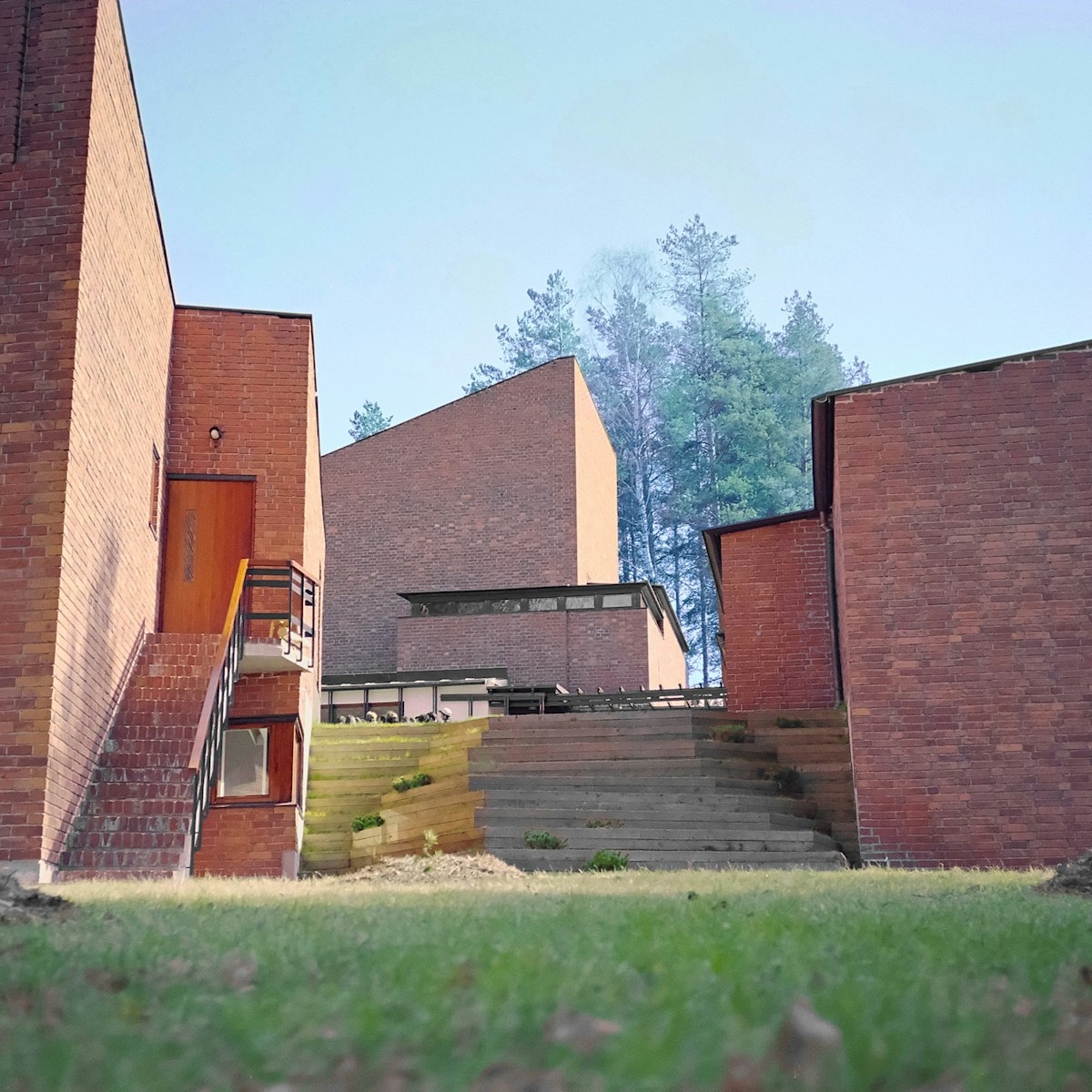
The Finnish Lakeland
One of Aalto's most admired works, this town hall was conceived as a 'fortress of democracy' and constructed between 1949 and 1952. Its sturdy brick tower…
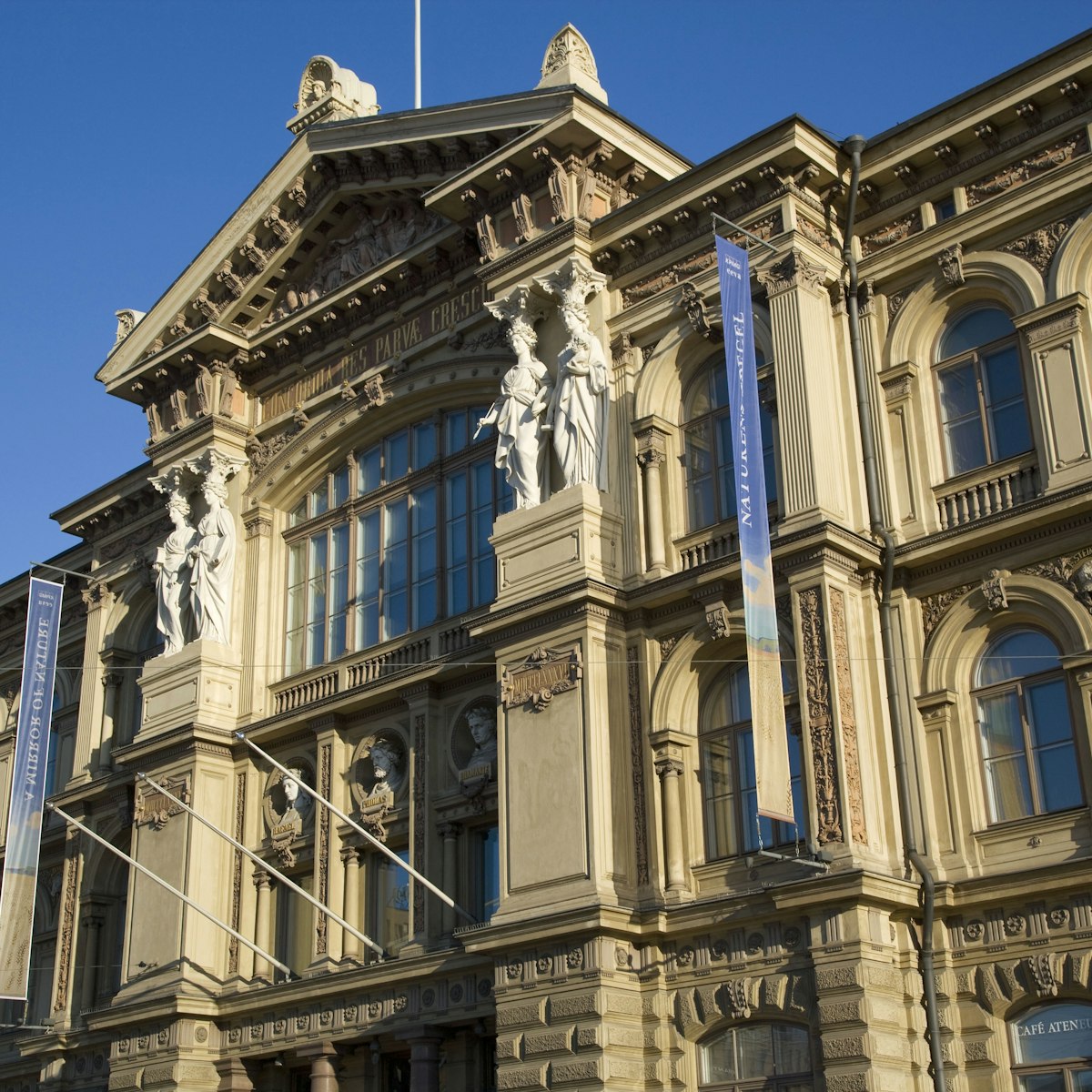
Helsinki
Occupying a palatial 1887 neo-Renaissance building, Finland’s premier art gallery offers a crash course in the nation’s art. It houses Finnish paintings…
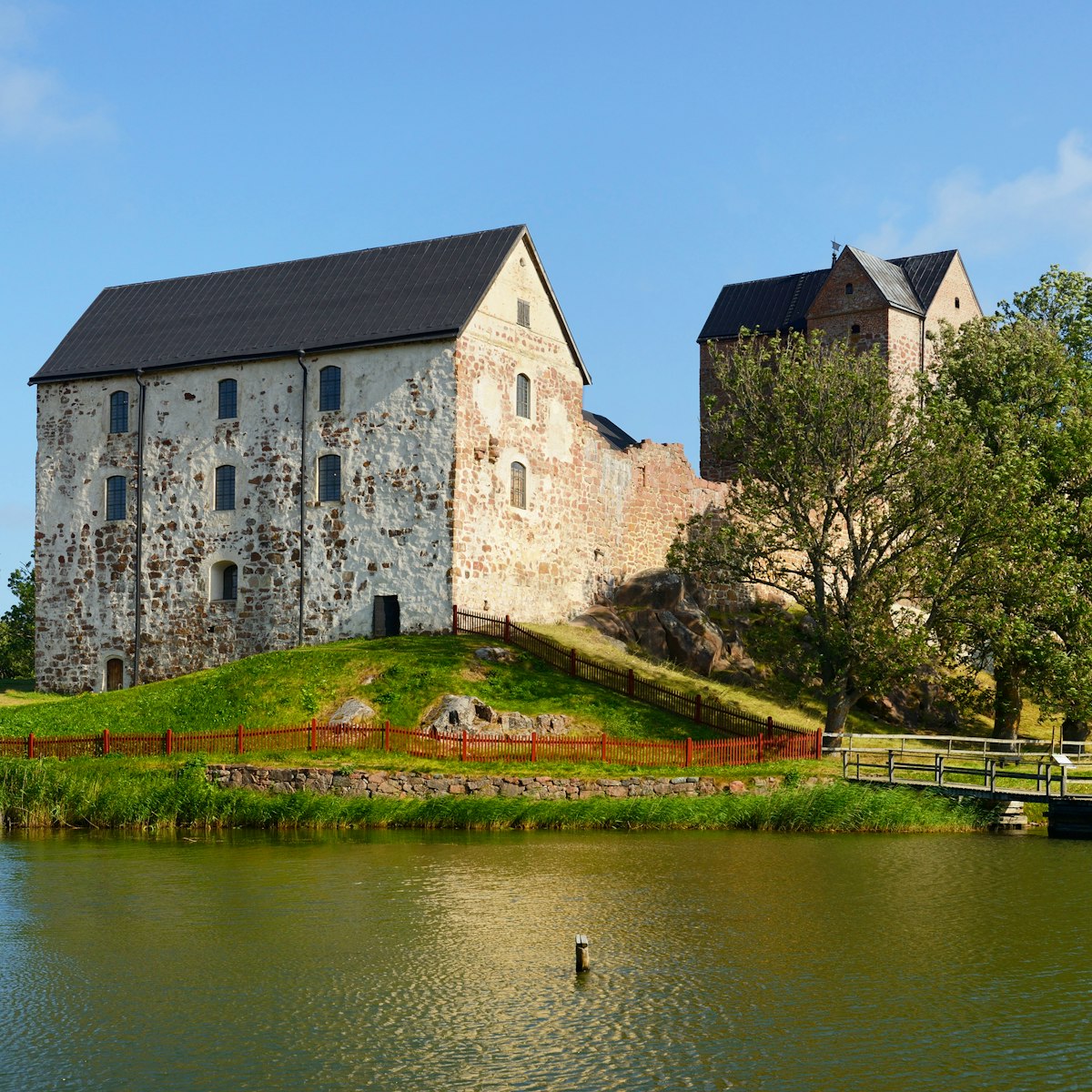
Åland Archipelago
One of Åland’s premier sights is this striking 14th-century castle on a picturesque inlet (signposted off Rd 2). The keep towers are 15m high in parts,…
Attractions
Top picks from our travel experts

Finland's West Coast
Once a warehouse in the old fish market, this is now the only hotel in the Old Town proper. Its 20 rooms embrace modern Scandinavian design, with lino…
Turku
Filled with speciality products, this historic covered market also contains the ininen Juna Aschan Café, in a converted-train carriage, run by top-quality…
Inari
Just outside town, this terrific lakeside place has a cosy feel in its tastefully decorated rooms and cabins, with some igloos as well. The decor features…
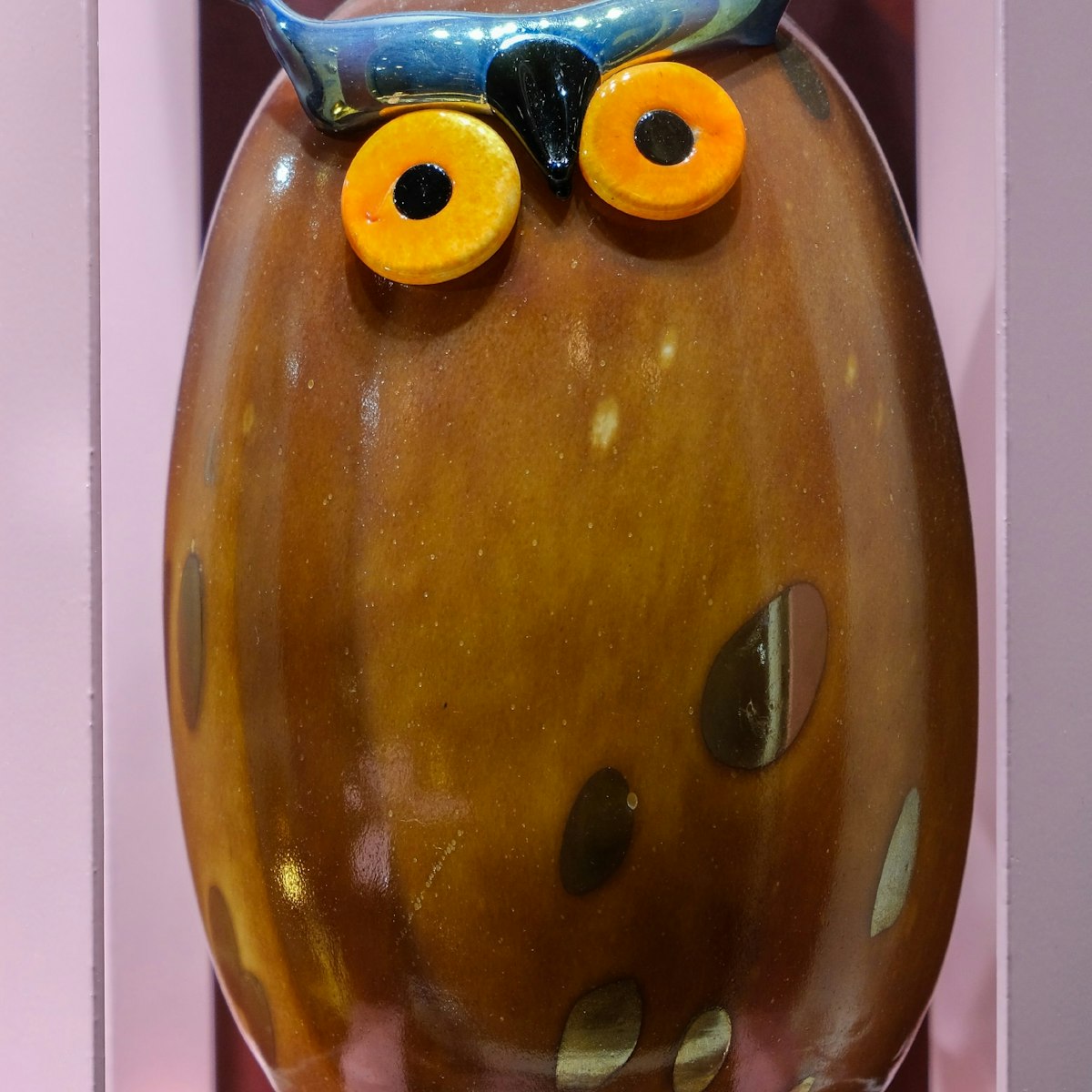
Helsinki
Finland's famous glass manufacturer – established in 1881 in the southern Finnish town of the same name and later shaped by Alvar Aalto – has a central…
Finland's West Coast
Rauma Museum encompasses four sites, the most interesting of which is Marela, the period-furnished home of a wealthy 19th-century merchant family. The…
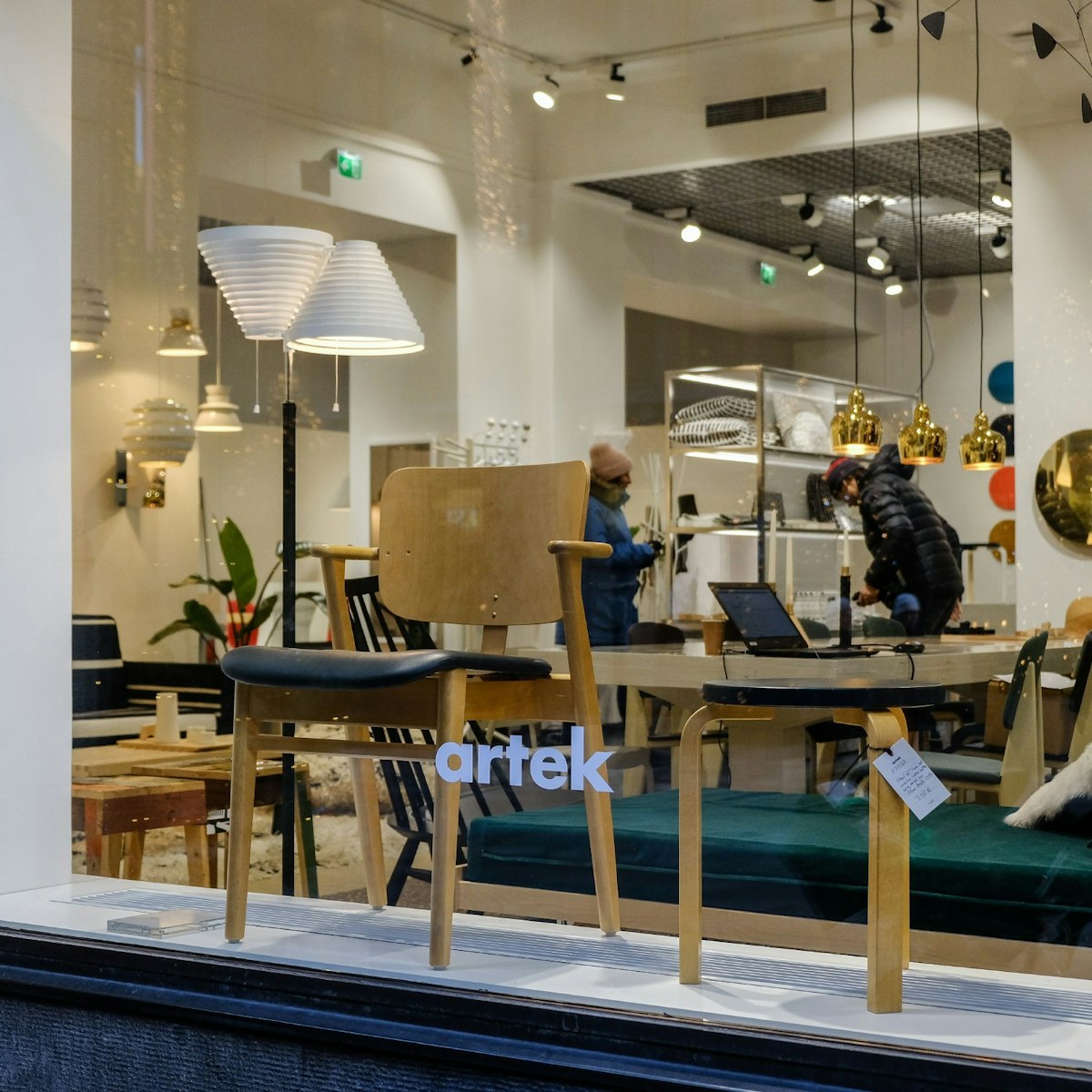
Helsinki
Originally founded by architects and designers Alvar Aalto and his wife Aino Aalto in 1935, this iconic Finnish company maintains the simple design…
Rovaniemi
Santa sees visitors year-round in this impressive grotto, with a huge clock mechanism (it slows the earth’s rotation so that Santa can visit the whole…
Inari
One of Finland's most absorbing museums, state-of-the-art Siida offers a comprehensive overview of the Sámi and their environment. The main exhibition…
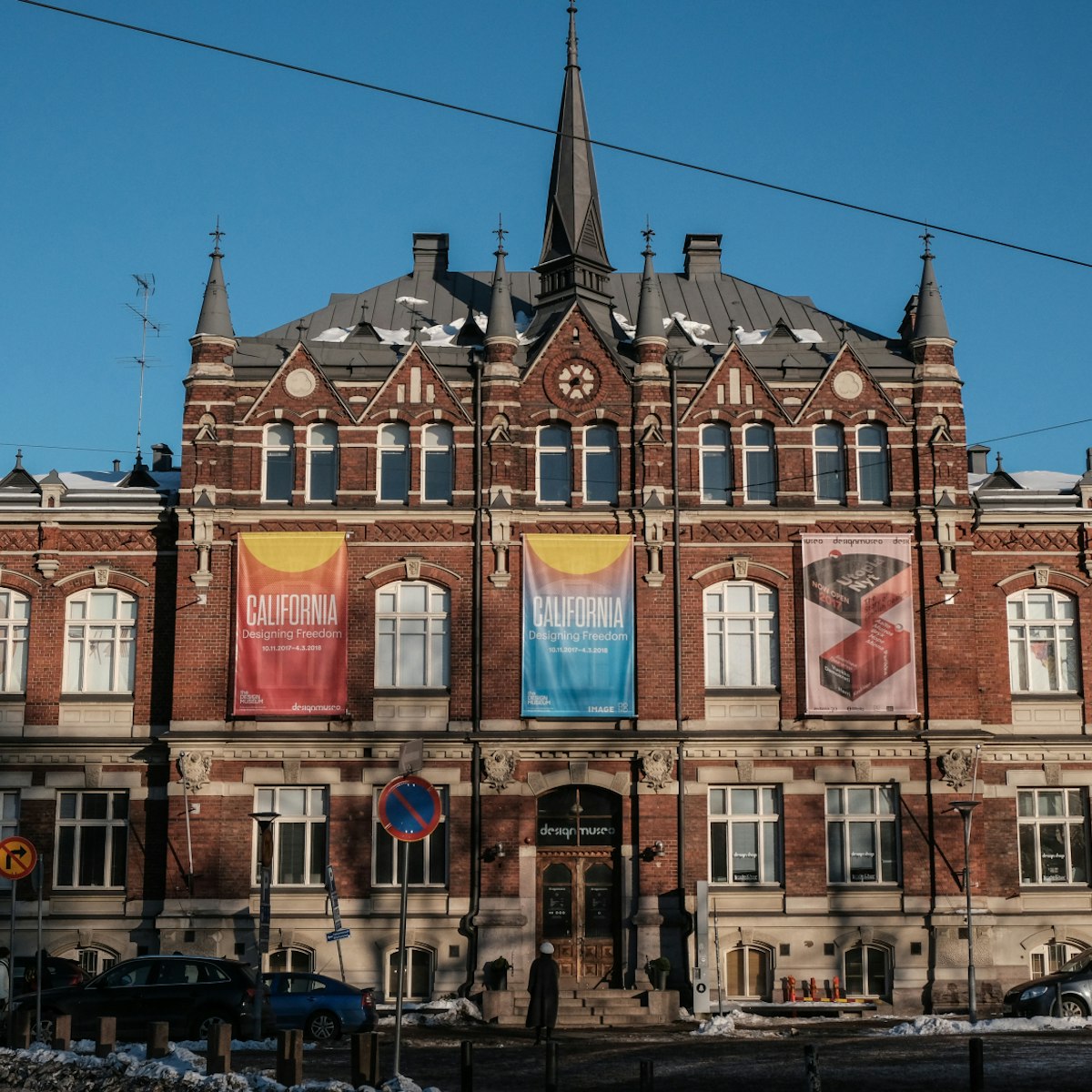
Punavuori & Ullanlinna
An unmissable stop for Finnish design aficionados, Helsinki's Design Museum has a permanent collection that looks at the roots of Finnish design in the…
Rovaniemi
Built inside a cavern in the mountain, this Christmas-themed amusement park features an army of elves baking gingerbread, a magic sleigh ride, a carousel,…
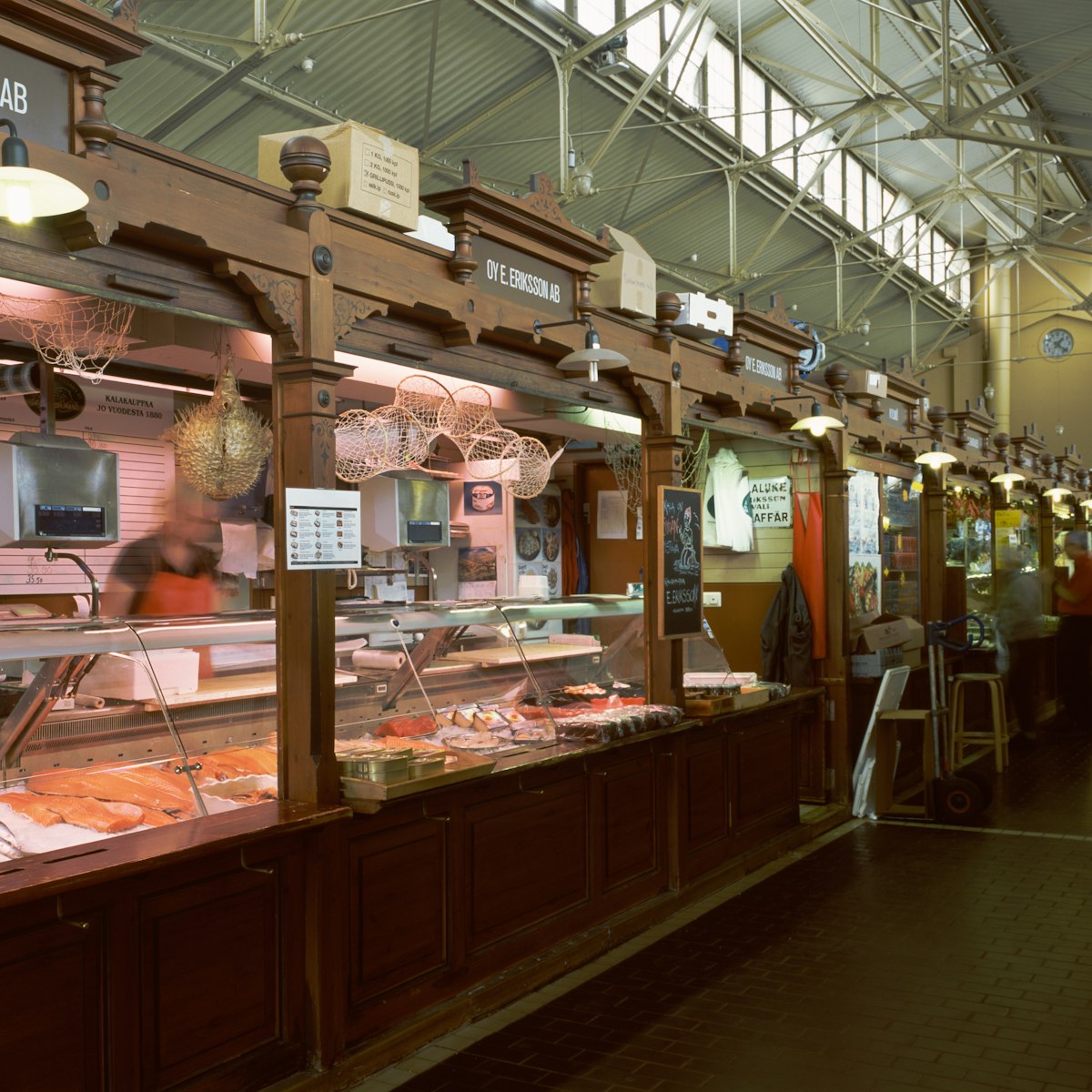
Punavuori & Ullanlinna
Alongside the harbour, this is Helsinki's iconic market hall. Built in 1888, it’s still a traditional Finnish market, with wooden stalls selling local…

Helsinki
Bright pinks, yellows and ubiquitous black and white form the basis for the prints by this iconic Finnish designer that has infiltrated the world of…
Lapland
The snow hotel's interior temperature is -5°C (23°F) – somewhat temperate when the outside temperate is closer to -30°C (-22°F) – but a woolly sheepskin…
Northern Lapland
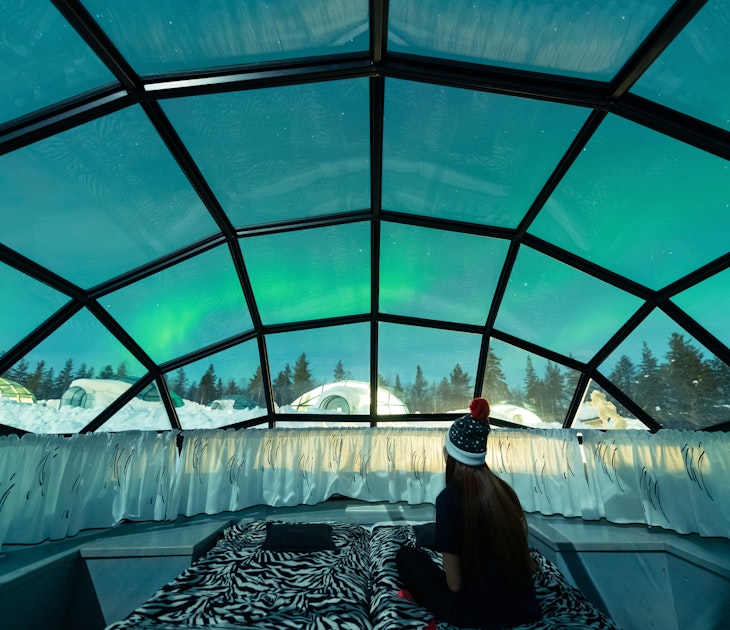
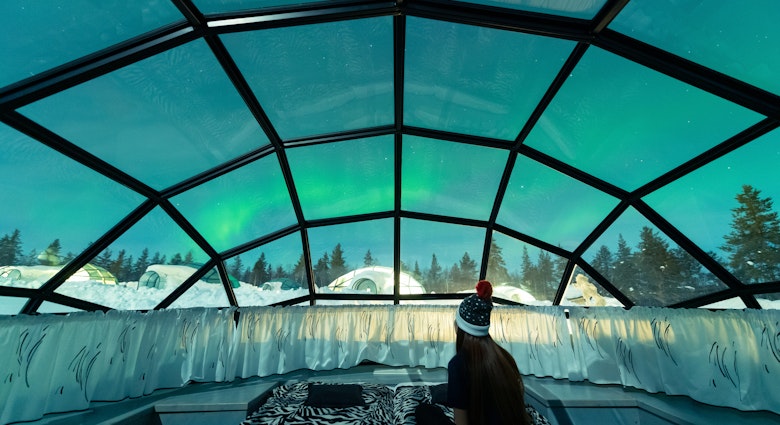
At this wonderfully remote lakeside property, the pick of the options are the 'aurora bubbles': perspex-domed cabins where you can watch the spectacle of…
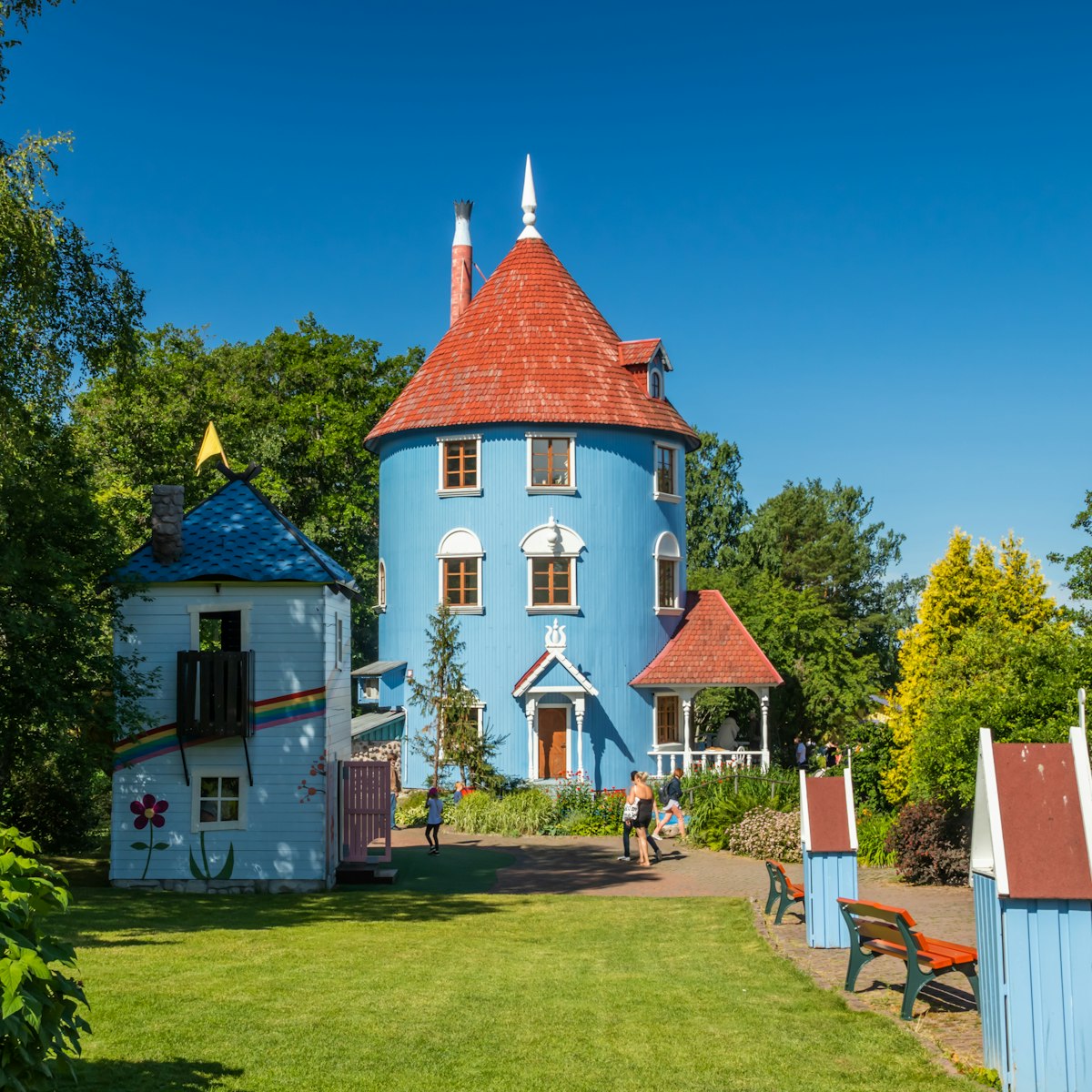
Turku & Finland's South Coast
Crossing the bridge from the Old Town to Kailo island takes you into the delightful world of the Moomins. The focus is on hands-on activities and…
Rovaniemi
The ‘official’ Santa Claus Village is built atop the Arctic Circle marker, denoted by a line painted on the pavement (Arctic Circle certificates cost €4…
Tampere
Enter the world of Tove Jansson’s enduringly popular Moomins at this impressive museum in Tampere-talo. It contains original drawings and beautiful…
Punavuori & Ullanlinna
At the heart of Helsinki's historic harbourside market hall Vanha Kauppahalli, this sparkling cafe sources its produce from the surrounding stalls…
Planning Tools
Expert guidance to help you plan your trip
Best Things to Do
From sauna culture to meeting Santa, this is everything you don't want to miss in Finland.
Read articleTransportation
From design-savvy cities to endless forests, Finland is easy to explore by public transport. Here’s our guide to the best ways to get around in Finland.
Read articleVisa Requirements
Do you need to arrange a visa before your trip to Finland? Read our guide to find out.
Read articleMoney and Costs
From Lapland snow fun to Helsinki’s trophy sights, get the lowdown on how to see Finland on a budget and make your euro stretch that bit further.
Read articleBest Road Trips
Drive along seas and lakes – and even see Santa at work – on these fabulous Finland road trips.
Read articlePlan with a local
Articles
Latest stories from Finland
Filter by interest:
 Wildlife & NatureHow can I increase my chances of seeing the northern lights on an Arctic trip?
Oct 27, 2023 • 5 min read

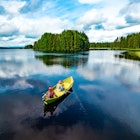 Tips & Advice10 of the best places to visit in Finland: from Helsinki cool to the frozen wilds of Lapland
Jun 1, 2022 • 10 min read
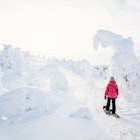
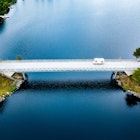 Wildlife & NatureFinland’s best road trips: lakes, Lapland and local delicacies (think reindeer)
May 22, 2022 • 6 min read
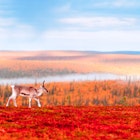 Destination PracticalitiesThe best times to visit Finland: from the northern lights to the midnight sun
May 16, 2022 • 10 min read
 Destination PracticalitiesVisa requirements for Finland: everything you need to know
May 14, 2022 • 4 min read
 National ParksFinland's best national parks for hikers, paddlers, foragers and nature lovers
May 10, 2022 • 10 min read
in partnership with getyourguide
Book popular activities in Finland
Guidebooks
Purchase our award-winning guidebooks
Get to the heart of Finland with one of our in-depth, award-winning guidebooks, covering maps, itineraries, and expert guidance.