
Western Estonia & the Islands
Majestic Kuressaare Castle stands facing the sea at the southern end of the town, on an artificial island defended by stone-faced earth bastions and…
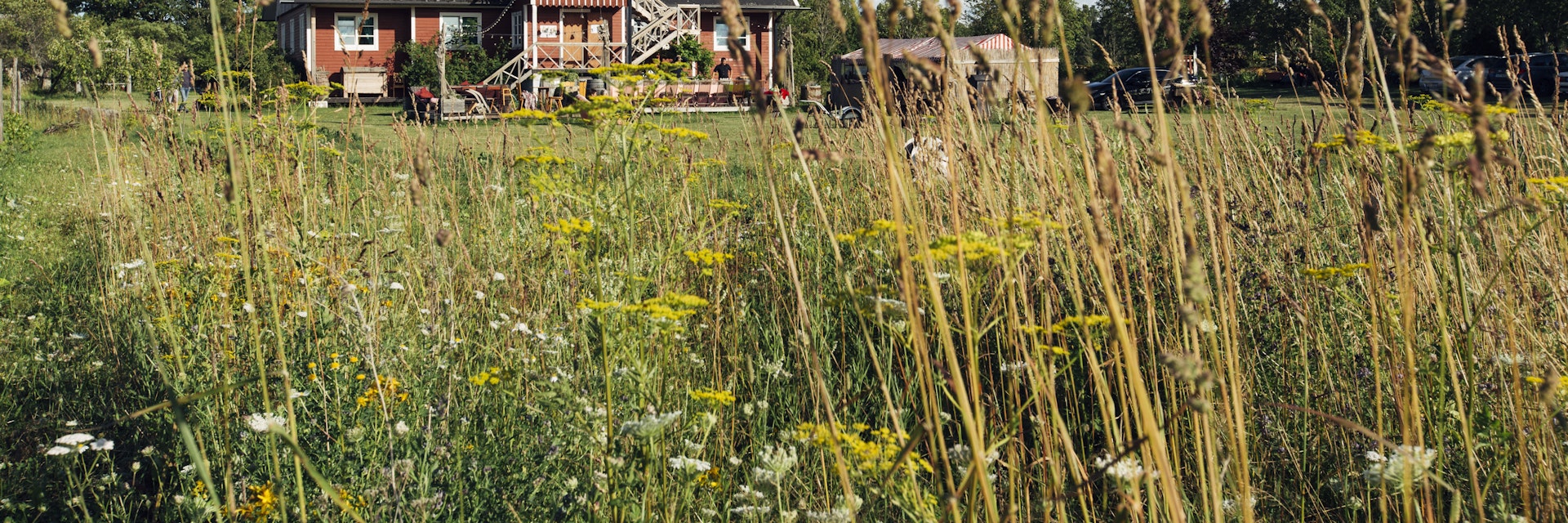
©Adrienne Pitts/Lonely Planet
One of the Baltic’s most alluring regions, the west coast of Estonia encompasses forest-covered islands, verdant countryside and seaside villages slumbering beneath the shadows of picturesque medieval castles.
Experience the real Western Estonia & the Islands. Let a local expert handle the planning for you.
Get startedWestern Estonia & the Islands
Majestic Kuressaare Castle stands facing the sea at the southern end of the town, on an artificial island defended by stone-faced earth bastions and…
Western Estonia & the Islands
Koguva is an exceptionally well preserved, traditional Muhu village, now protected as an open-air museum. One ticket allows you to wander through an old…
Western Estonia & the Islands
Pärnu’s long, broad, sandy beach – sprinkled with volleyball courts, pop-up bars, cafes and changing cubicles – is the city’s main draw in summer. A…
Western Estonia & the Islands
Pärnu's former Communist Party headquarters now houses one of Estonia's edgiest cultural spaces, established in 1992 as the country's first museum of…
Western Estonia & the Islands
A twitcher’s paradise, Matsalu is a prime migration and breeding ground for the Baltic and Europe generally: some 282 bird species have been counted here…
Western Estonia & the Islands
Haapsalu’s crumbling heart is its bishop’s castle, which was western Estonia’s centre of command from the 13th to the 16th centuries but now stands in…
Western Estonia & the Islands
Southern Kassari narrows to a promontory with some unusual vegetation and ends in the thin, 3km spit of land known as Sääre Tirp. An end-of-the-world kind…
Western Estonia & the Islands
Much of the beautiful and rarely visited western coast of the Tagamõisa Peninsula is protected as part of Vilsandi National Park, including the Harilaid…

Get to the heart of Western Estonia & the Islands with one of our in-depth, award-winning guidebooks, covering maps, itineraries, and expert guidance.