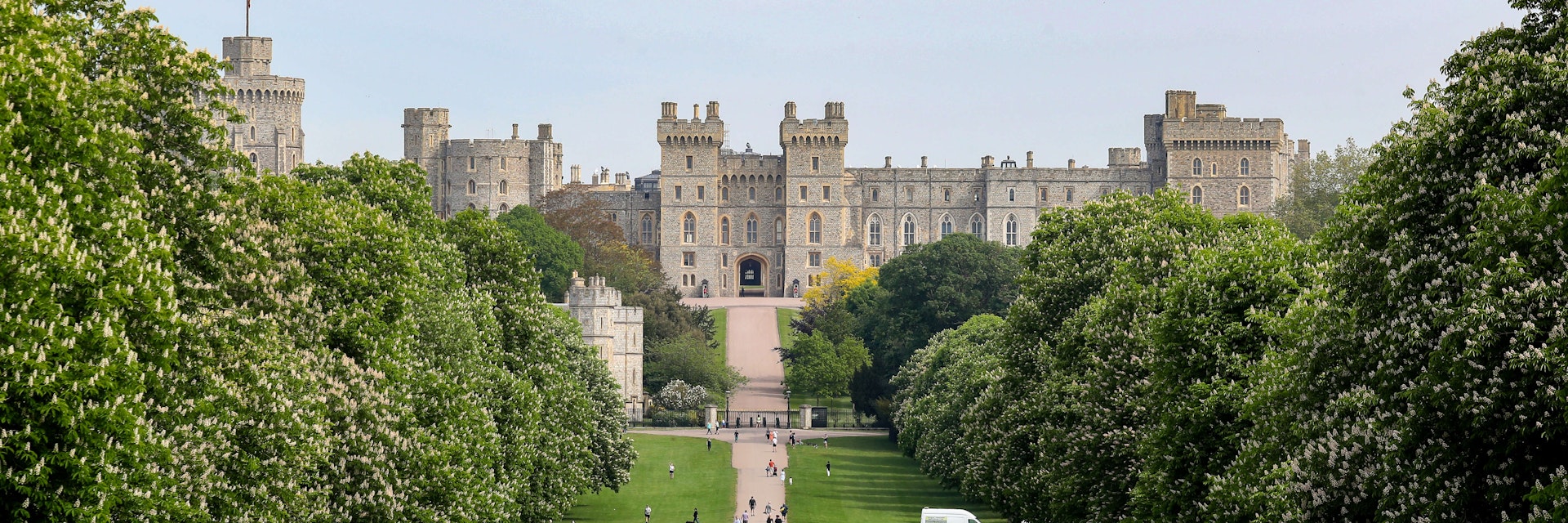
© Chris Jackson/Getty Images
England
This green and pleasant land, this sceptred isle, this crucible of empire and pioneer of parliamentary democracy: England is eccentric and endlessly intriguing.
Leave the planning to a local expert
Experience the real England. Let a local expert handle the planning for you.
Get startedAttractions
Must-see attractions
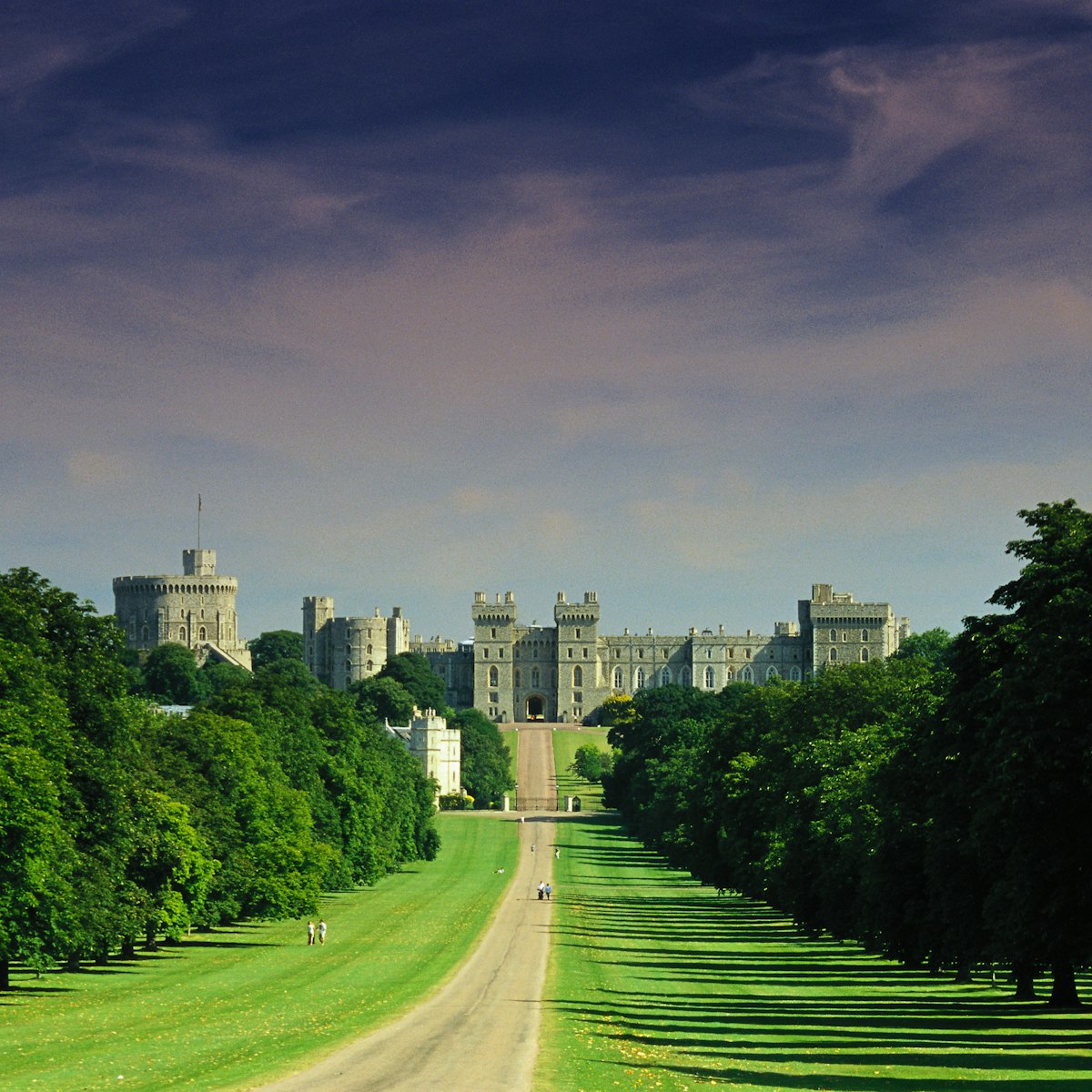
Windsor & Eton
The world’s largest and oldest continuously occupied fortress, Windsor Castle is a majestic vision of battlements and towers. Used for state occasions, it…
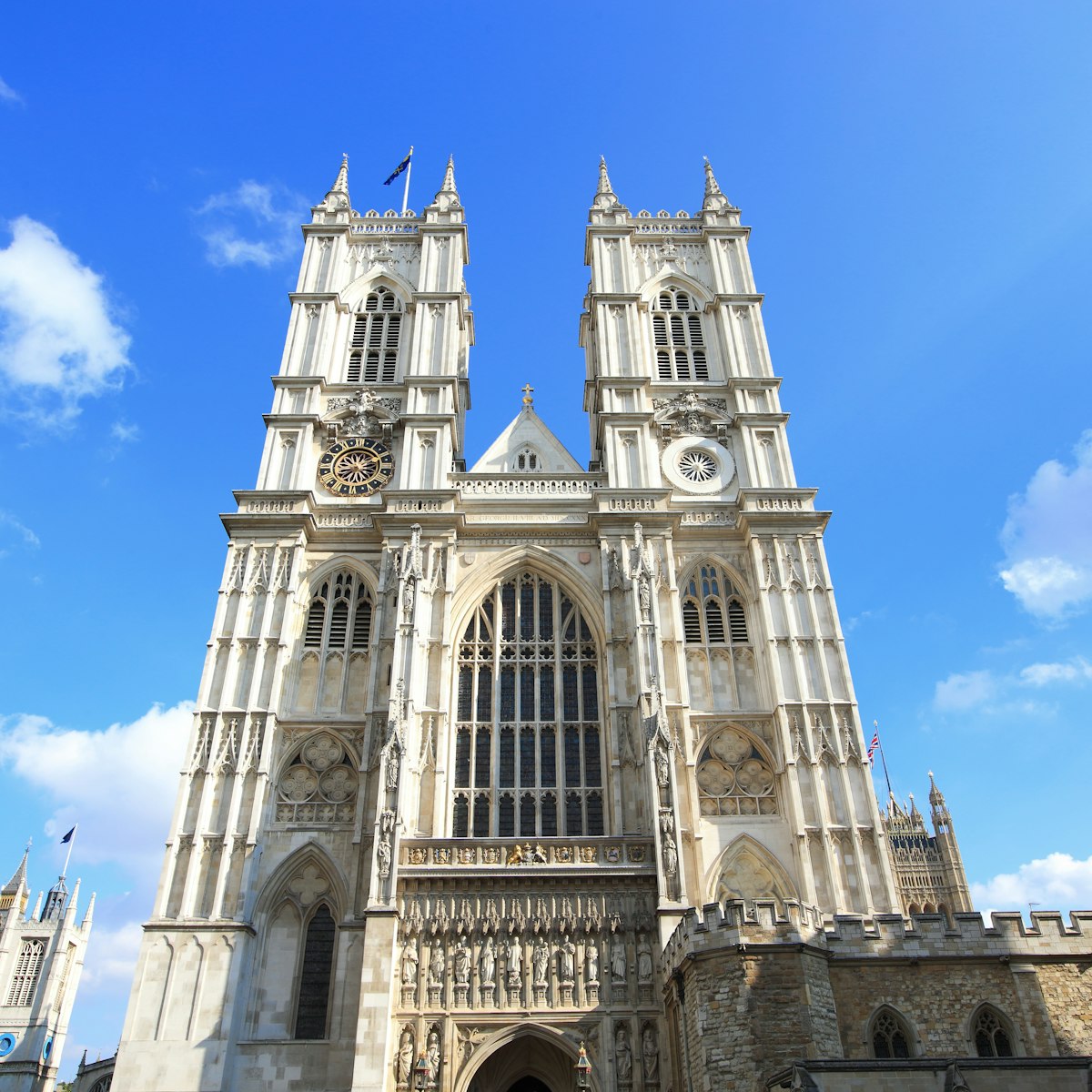
The West End
A splendid mixture of architectural styles, Westminster Abbey is considered the finest example of Early English Gothic. It's not merely a beautiful place…
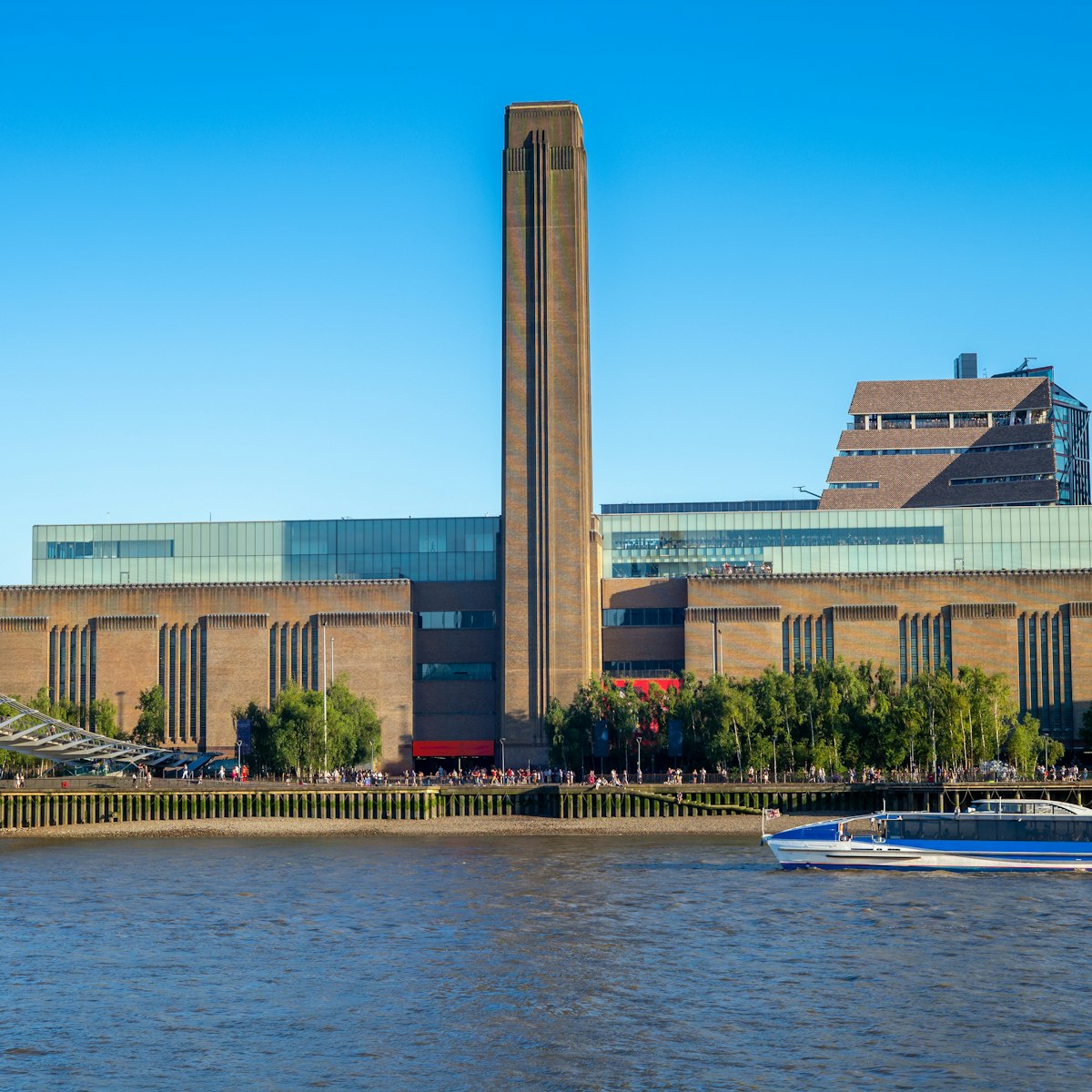
South Bank
One of London's most amazing attractions, Tate Modern is an outstanding modern- and contemporary-art gallery housed in the creatively revamped Bankside…

Bath
Welcome to one of Northern Europe's most significant Roman sites. Today more than a million visitors a year come to see its historic finds, atmospheric…
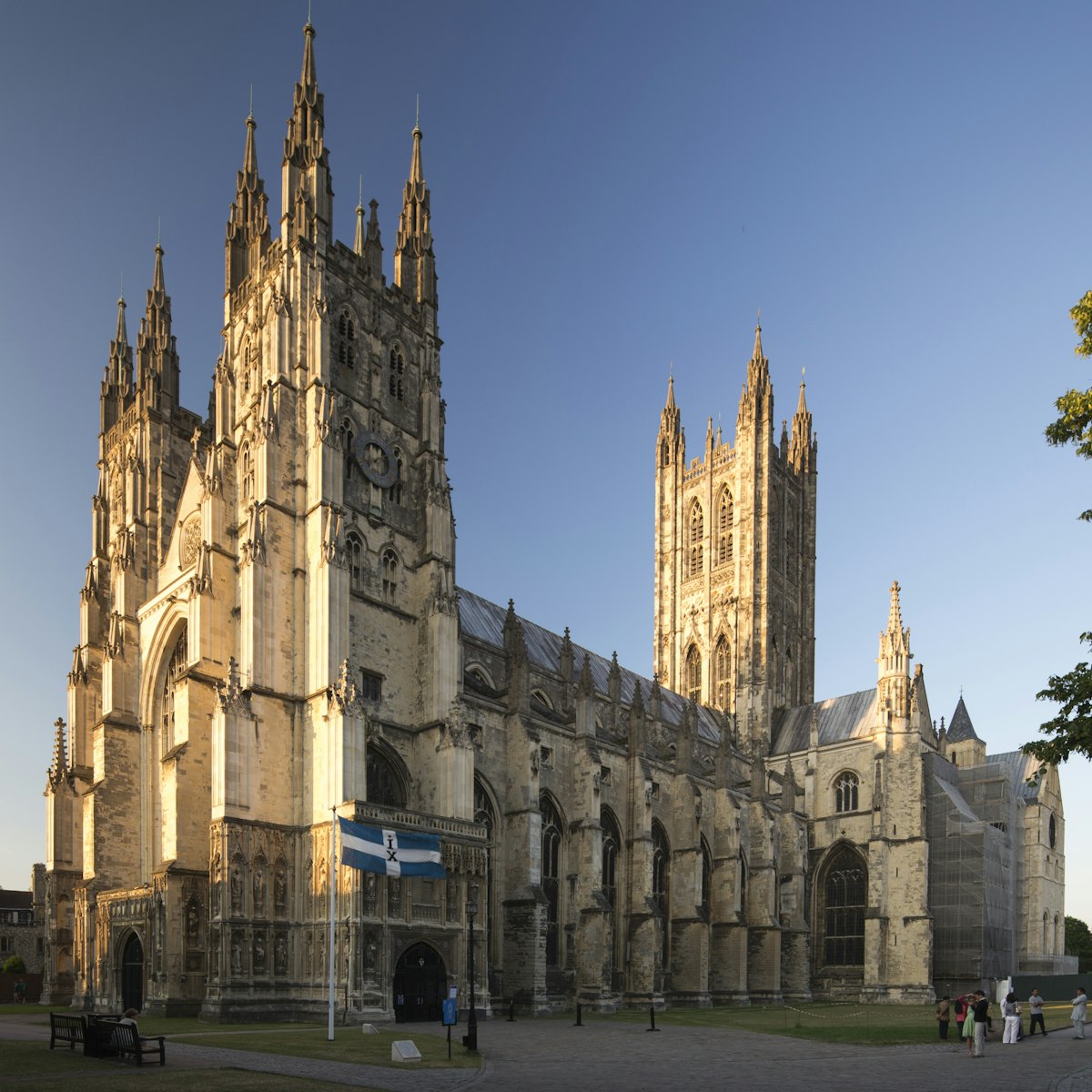
Canterbury
A rich repository of more than 1400 years of Christian history, Canterbury Cathedral is the Church of England’s mother ship, and a truly extraordinary…
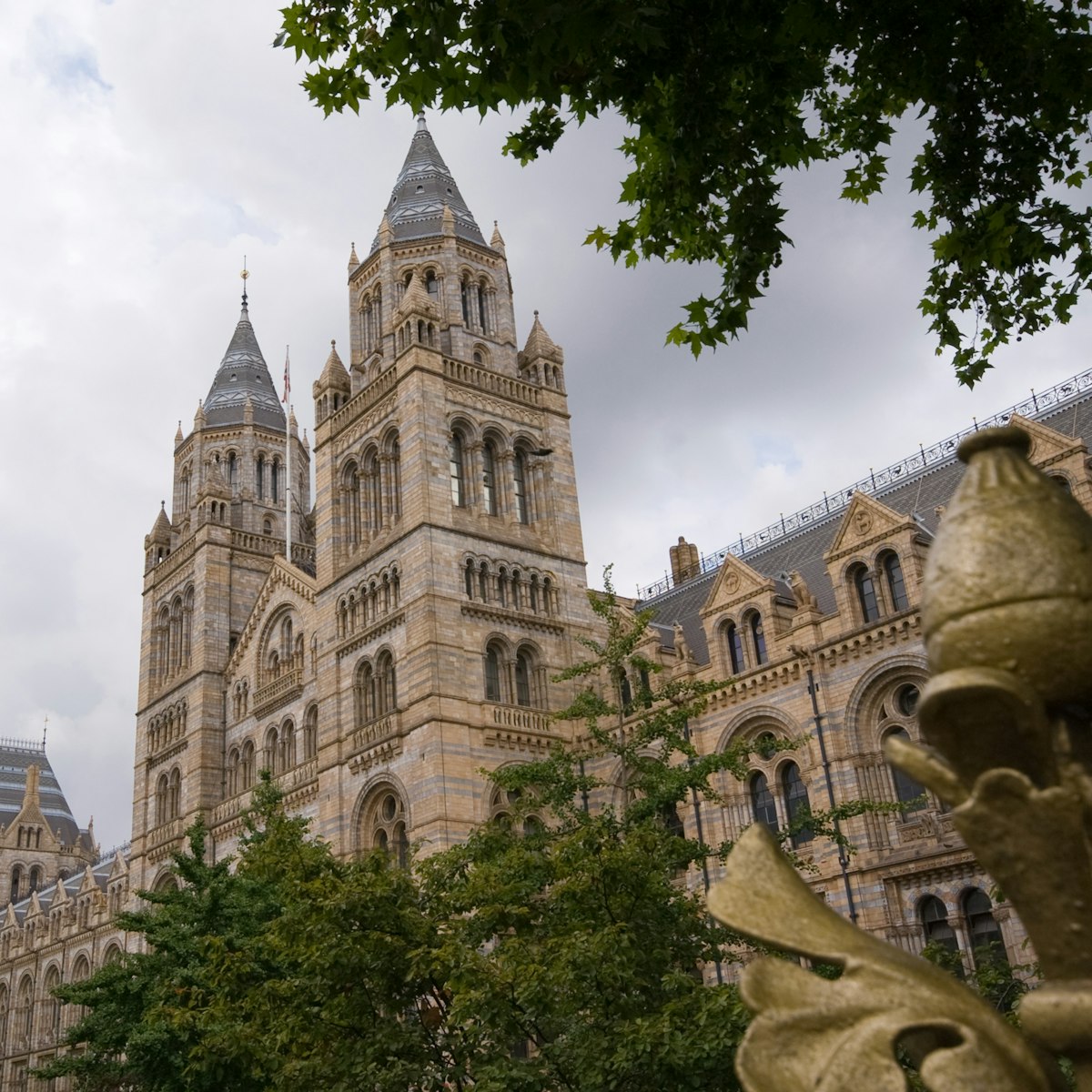
Kensington & Hyde Park
With its thunderous, animatronic dinosaur, riveting displays about planet earth, outstanding Darwin Centre and architecture straight from a Gothic fairy…
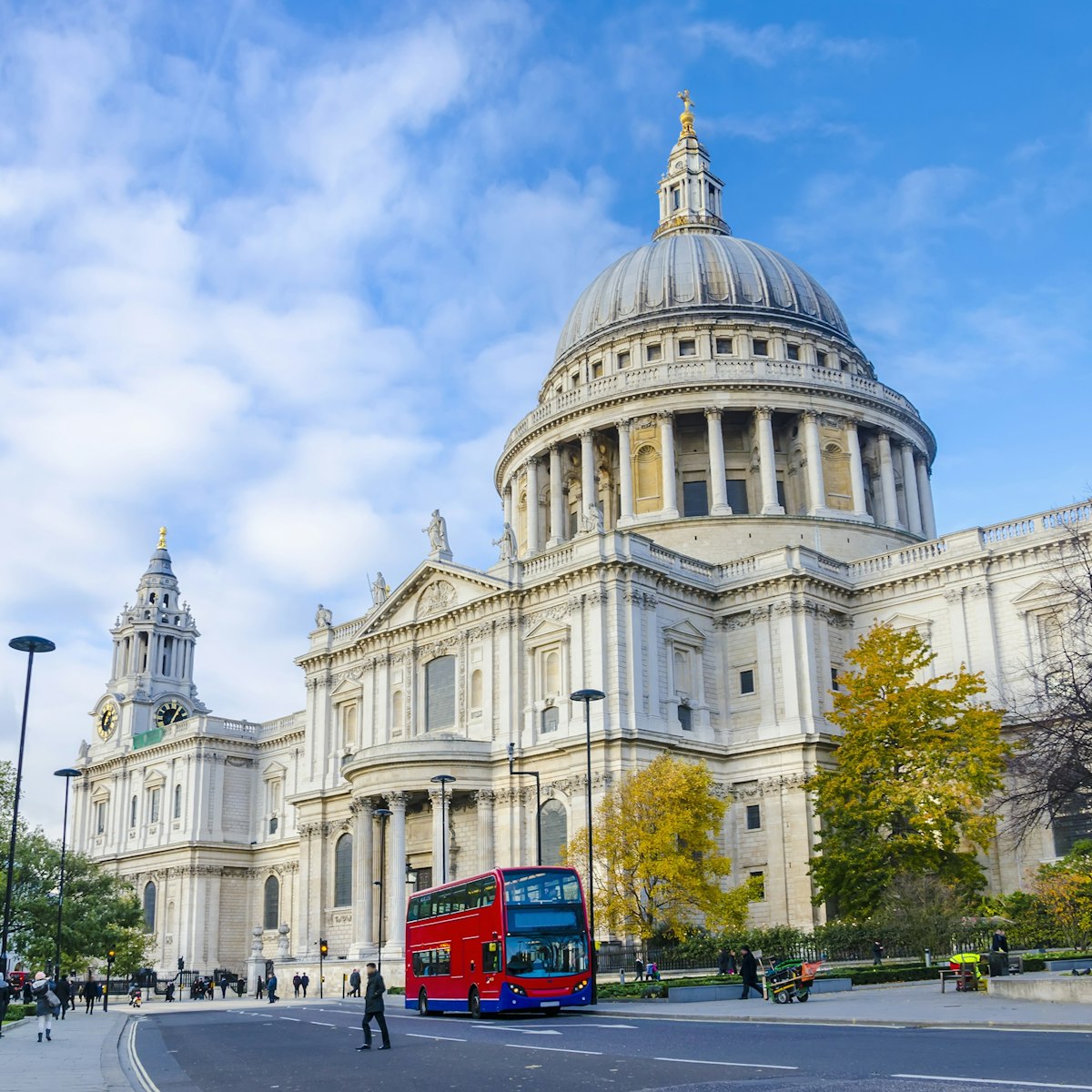
London
Sir Christopher Wren’s 300-year-old architectural masterpiece is a London icon. Towering over diminutive Ludgate Hill in a superb position that's been a…
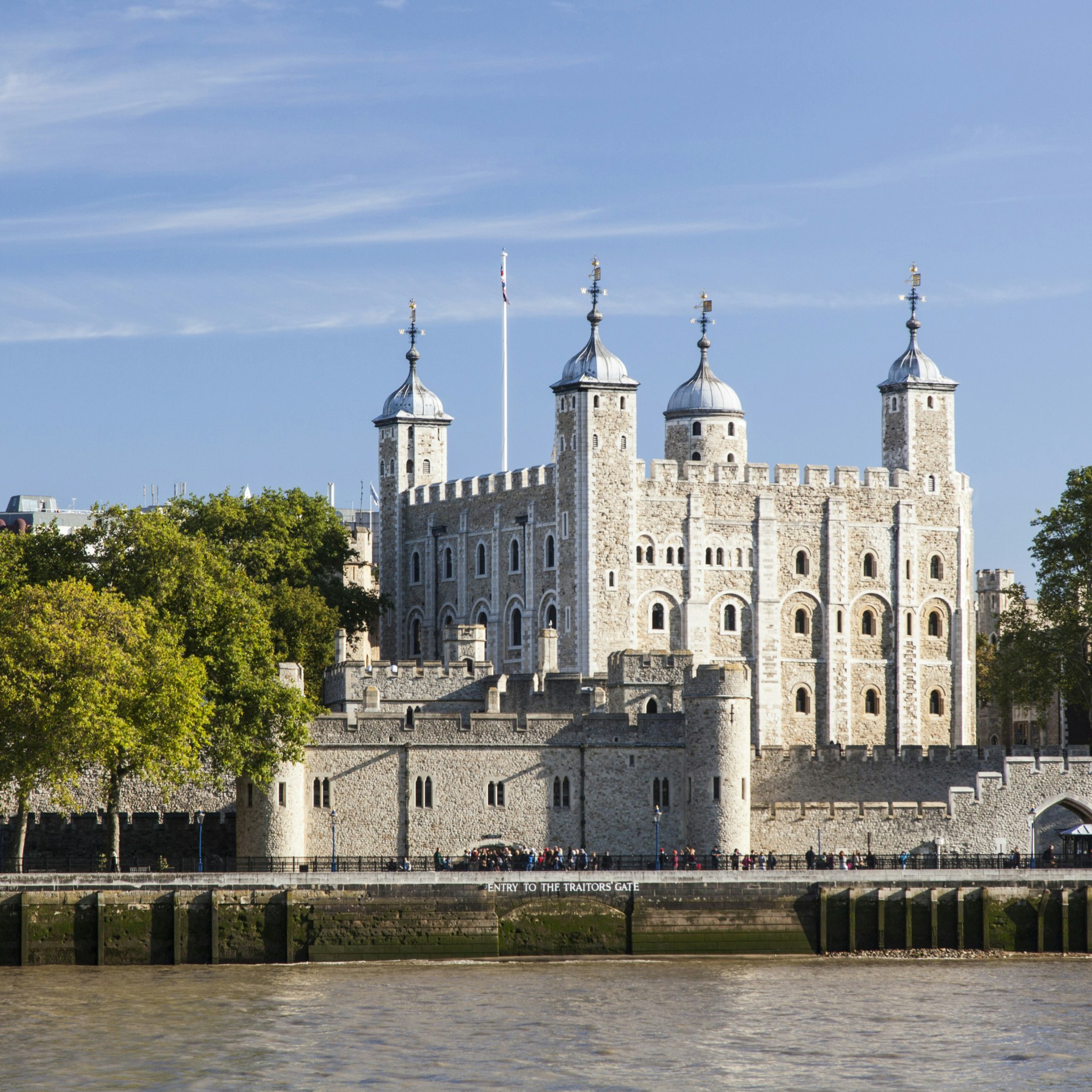
London
Few parts of the UK are as steeped in history or as impregnated with legend and superstition as the titanic stonework of the Tower of London. Not only is…
Attractions
Top picks from our travel experts

Whitby
The Magpie flaunts its reputation for serving the 'World's Best Fish and Chips'. Damn fine they are too, but the world and his dog knows about it and…
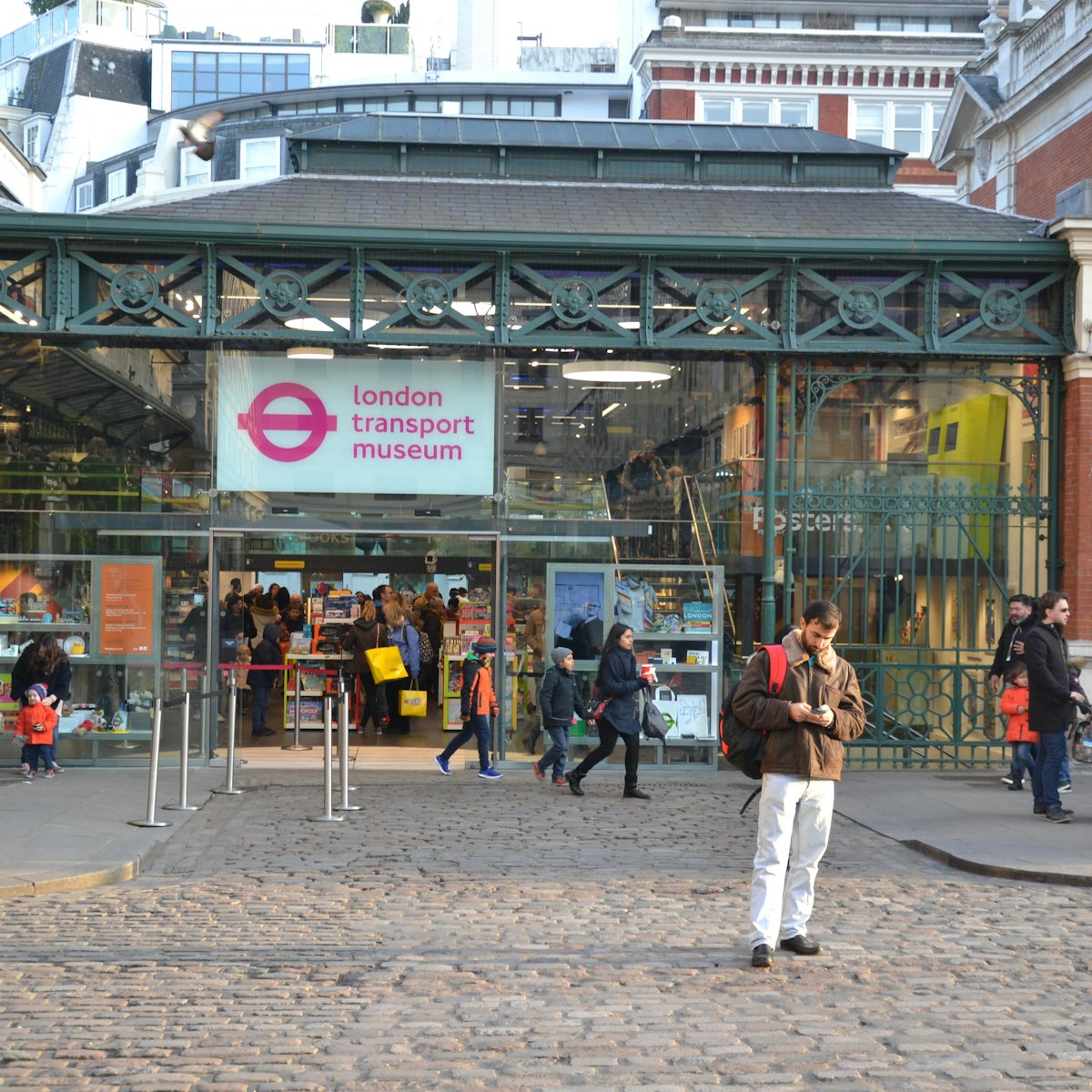
The West End
Housed in Covent Garden's former flower-market building, this captivating museum looks at how London developed as a result of better transport. It's…
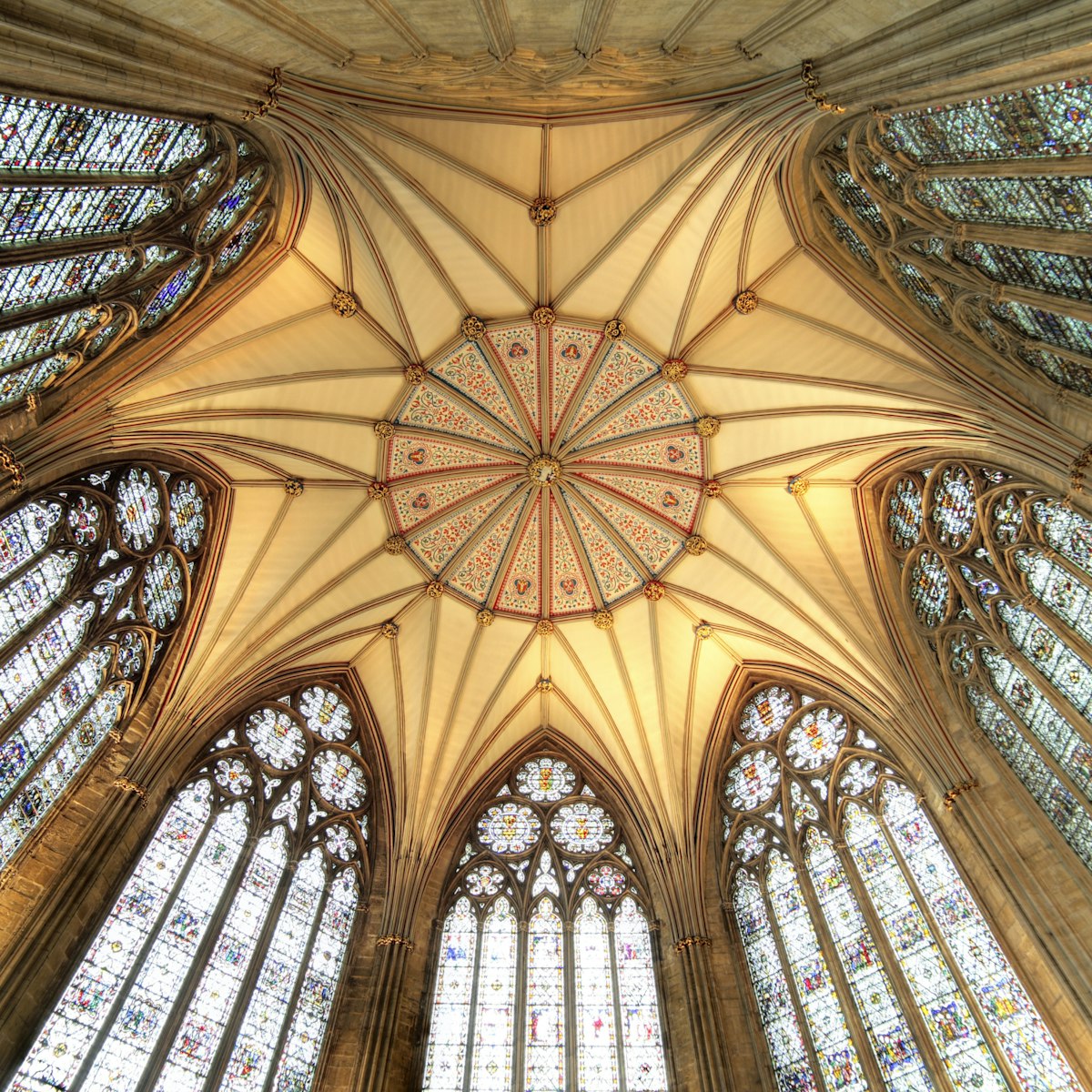
York
York Minster is the largest medieval cathedral in northern Europe, and one of the world's most beautiful Gothic buildings. Seat of the archbishop of York,…

North Cornwall
Probably the most famous stretch of sand in Cornwall, and definitely Newquay's best-known beach, Fistral has become synonymous with Cornish surfing thanks…
Kensington & Hyde Park
With its thunderous, animatronic dinosaur, riveting displays about planet earth, outstanding Darwin Centre and architecture straight from a Gothic fairy…
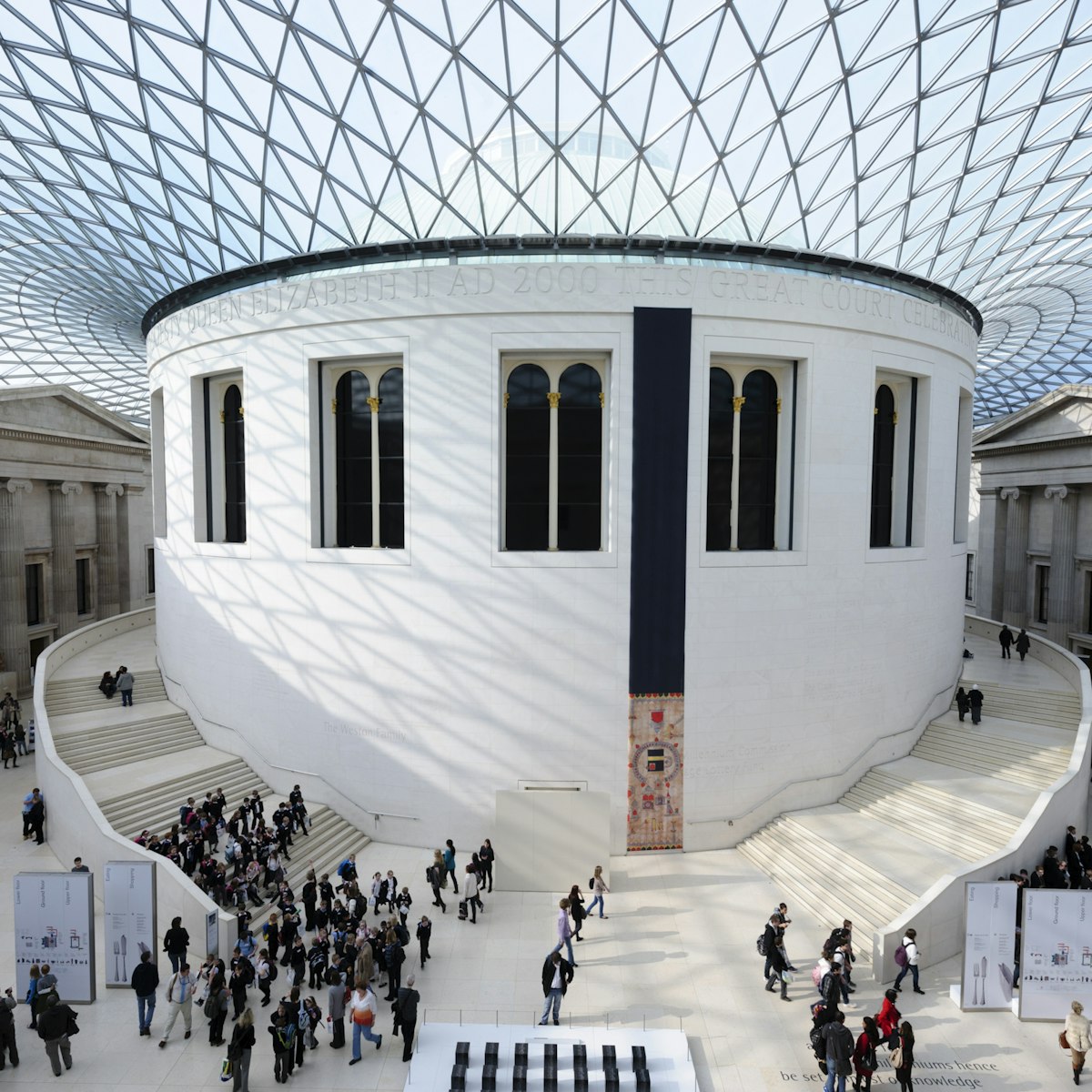
The West End
With almost six million visitors trooping through its doors annually, the British Museum in Bloomsbury, one of the oldest and finest museums in the world,…
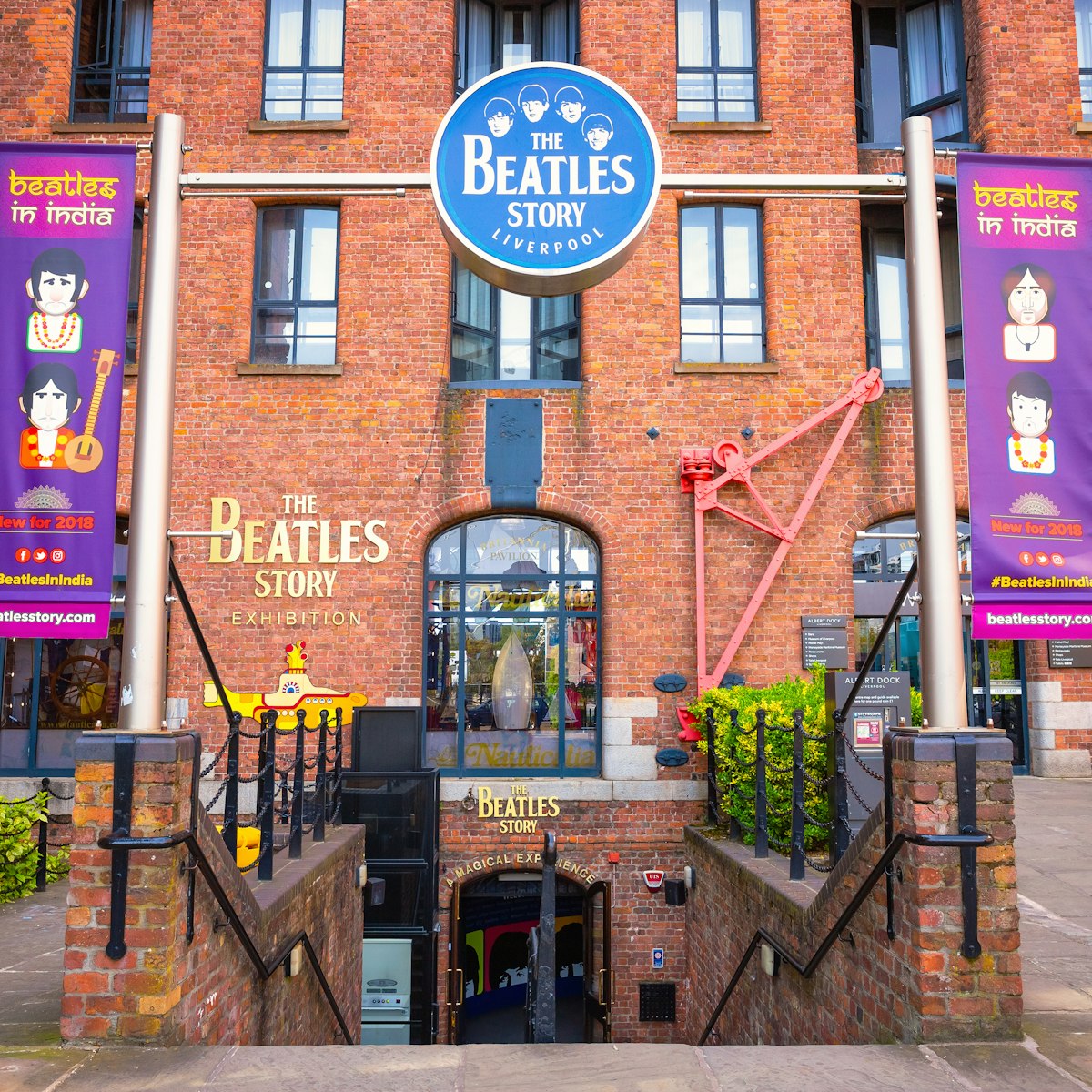
Liverpool
Liverpool's most popular museum won't illuminate any dark, juicy corners in the turbulent history of the world's most famous foursome – there's ne'er a…

Stratford-upon-Avon
Stratford has two grand stages run by the world-renowned Royal Shakespeare Company – the Royal Shakespeare Theatre and the Swan Theatre on Waterside – as…
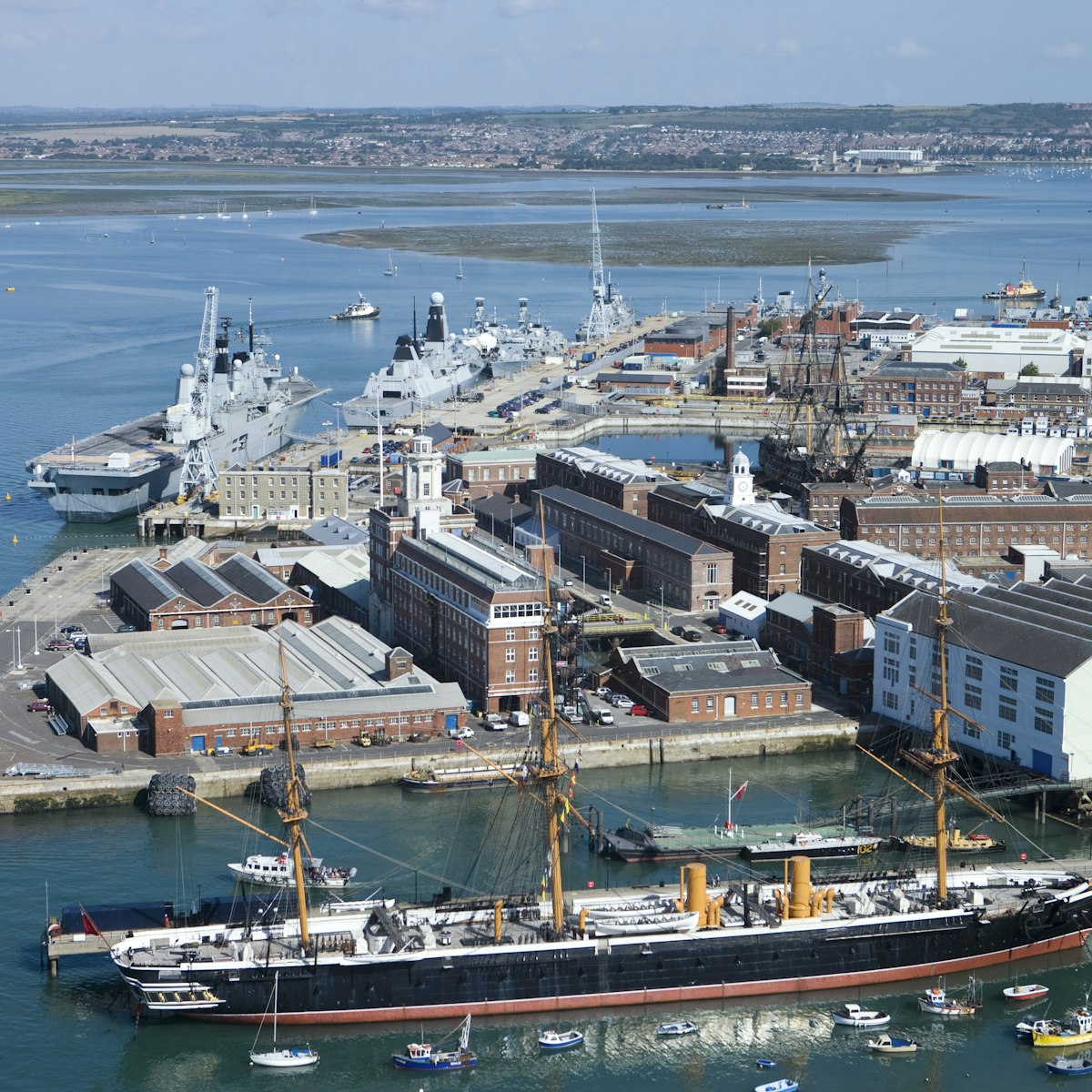
Hampshire
Portsmouth's blockbuster draw sees you gazing at the evocative hulk of Henry VIII's flagship, the Mary Rose, and jumping aboard Nelson's Battle of…
Hampshire
As resplendent as she is venerable, HMS Victory was Lord Nelson's flagship at the Battle of Trafalgar (1805) and the site of his famous dying words 'Kiss…
Bristol
This wry piece of graffiti art was painted by local lad Banksy. It features a Molotov cocktail–wielding teddy bear who's facing three riot police. It's…
Whitby
Top-notch fish and chips minus the 'world's best' tag line used by nearby competitor the Magpie Cafe – this place is your best bet if you want to avoid…
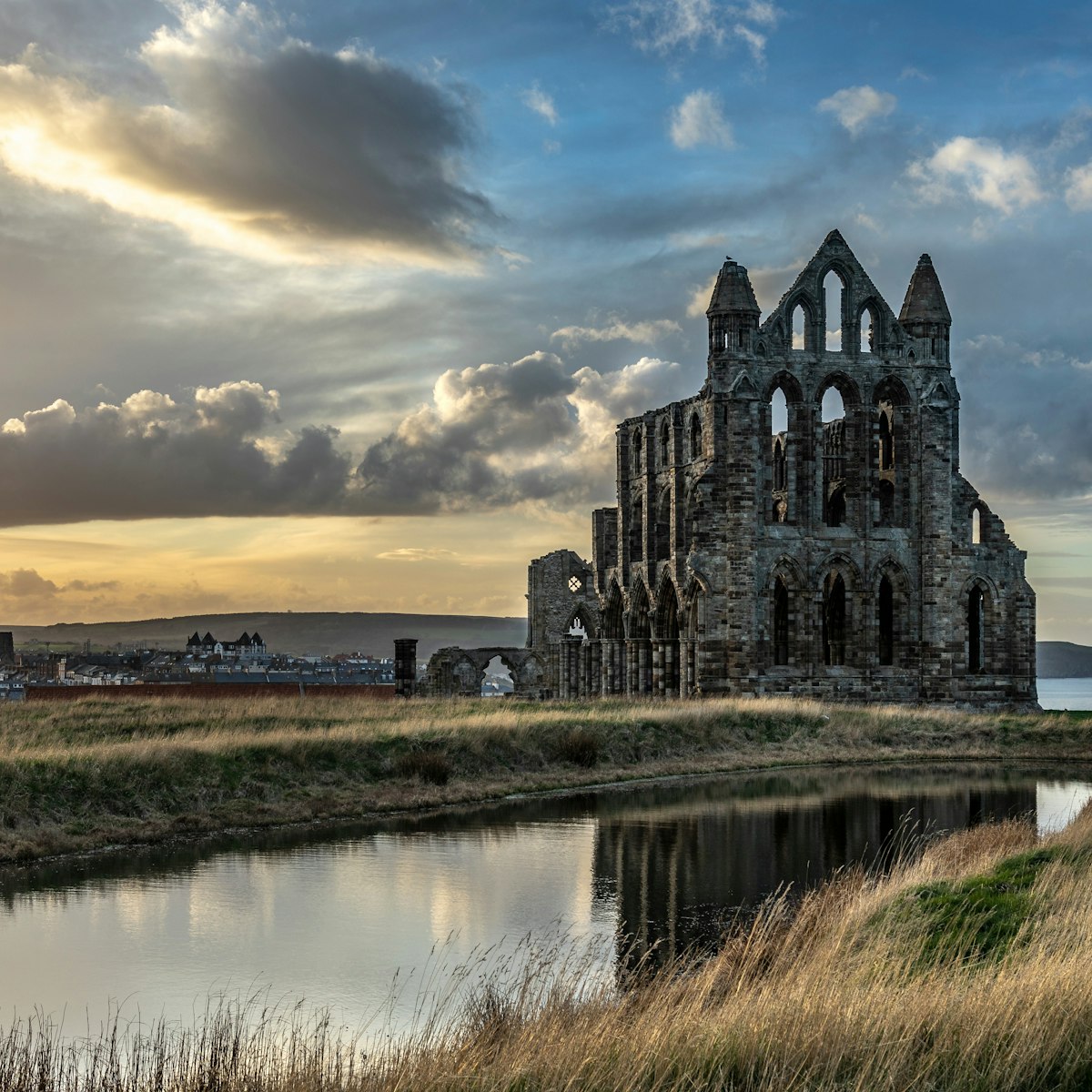
Whitby
There are ruined abbeys, and there are picturesque ruined abbeys. And then there's Whitby Abbey, dominating the skyline above the East Cliff like a great…
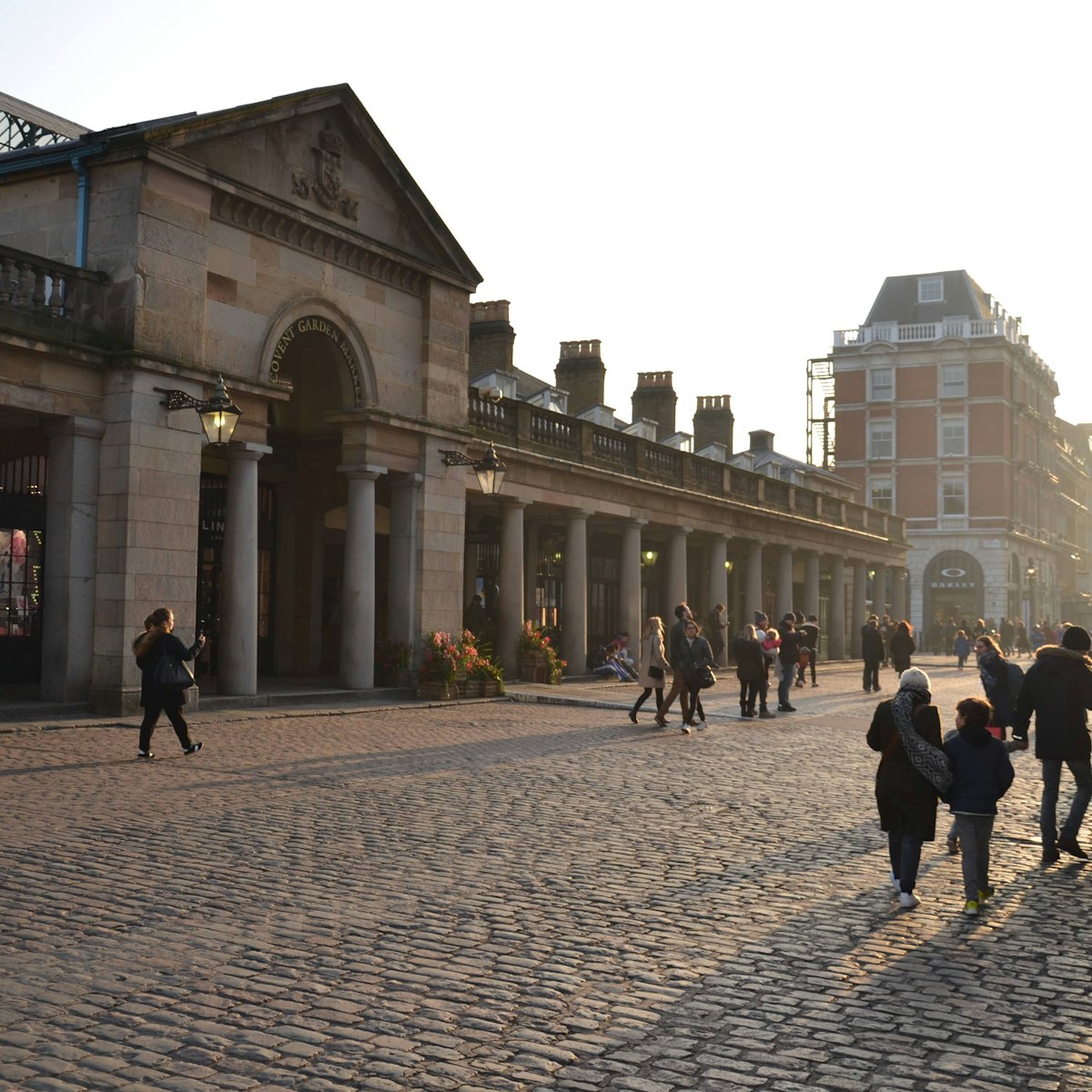
The West End
London’s wholesale fruit-and-vegetable market until 1974 is now mostly the preserve of visitors, who flock here to shop among the quaint Italian-style…
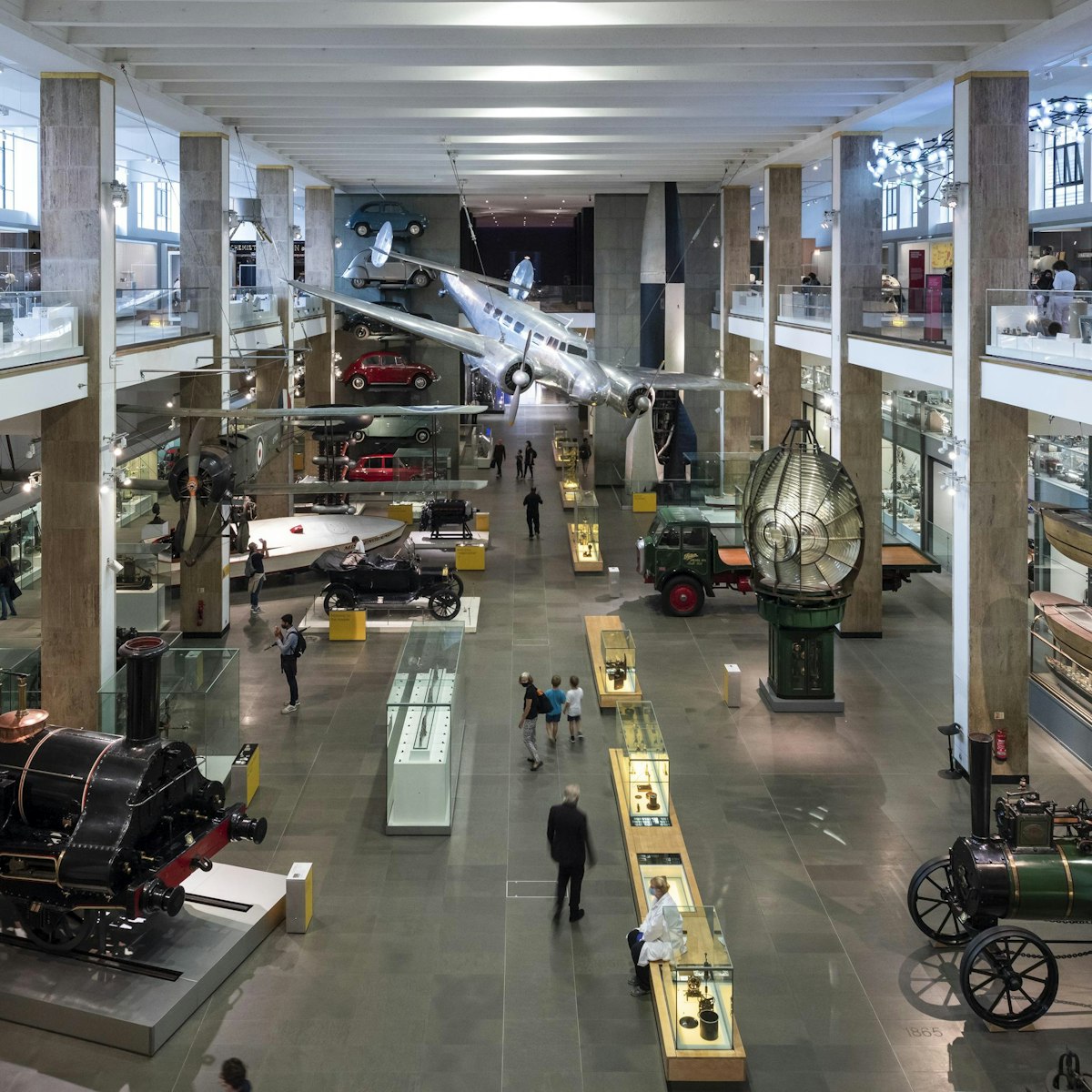
Kensington & Hyde Park
The Science Museum will mesmerize with its interactive and educational exhibits covering everything from early technology to space travel. Take the family…
Planning Tools
Expert guidance to help you plan your trip
Best Things to Do
Experience the best of England with these top things to do, from city museums to seaside escapes.
Read articleThings to Know
From getting the best transportation prices to following local rules for queueing, you need to know these key practicalities before you visit England.
Read articleTransportation
With info on everything from car hire to train tickets, ferries to coach services, here's what you need to know to travel around in England.
Read articleMoney and Costs
Is it possible to explore England on a budget? It is with these top money-saving tips.
Read articleTraveling with Kids
From visiting zoos and theme parks to exploring the countryside and coastline, here are the best things to do with babies, toddlers, tweens or teens.
Read articleBest Road Trips
Be inspired by these road trips across England to take a multiday drive through gorgeous landscapes, quaint villages and along epic coastlines.
Read articlePlan with a local

Articles
Latest stories from England
Filter by interest:
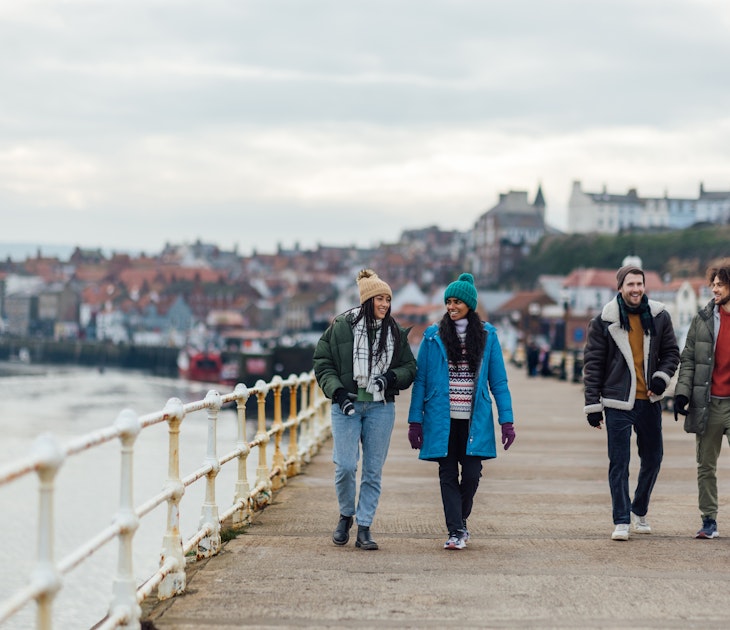
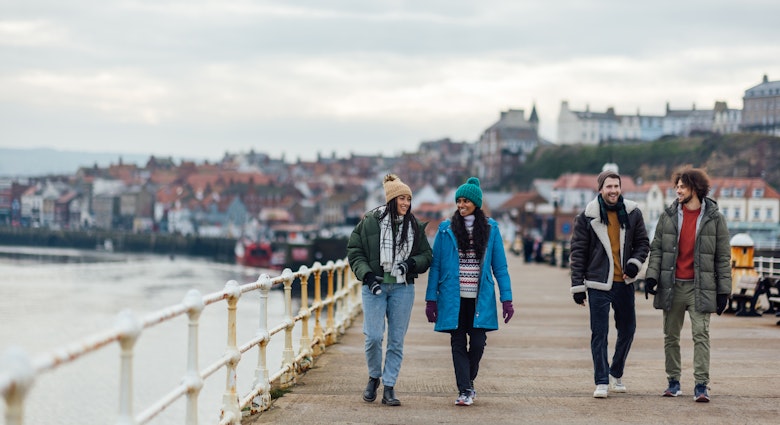
 ActivitiesPlanning an England trip in 2024? Consider these 16 top places to visit
Feb 26, 2024 • 10 min read


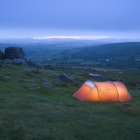 CampingEngland’s last wild-camping refuge saved as campaigners win legal battle against landowners
Aug 8, 2023 • 5 min read


in partnership with getyourguide
Book popular activities in England
Guidebooks
Purchase our award-winning guidebooks
Get to the heart of England with one of our in-depth, award-winning guidebooks, covering maps, itineraries, and expert guidance.