South Cornwall
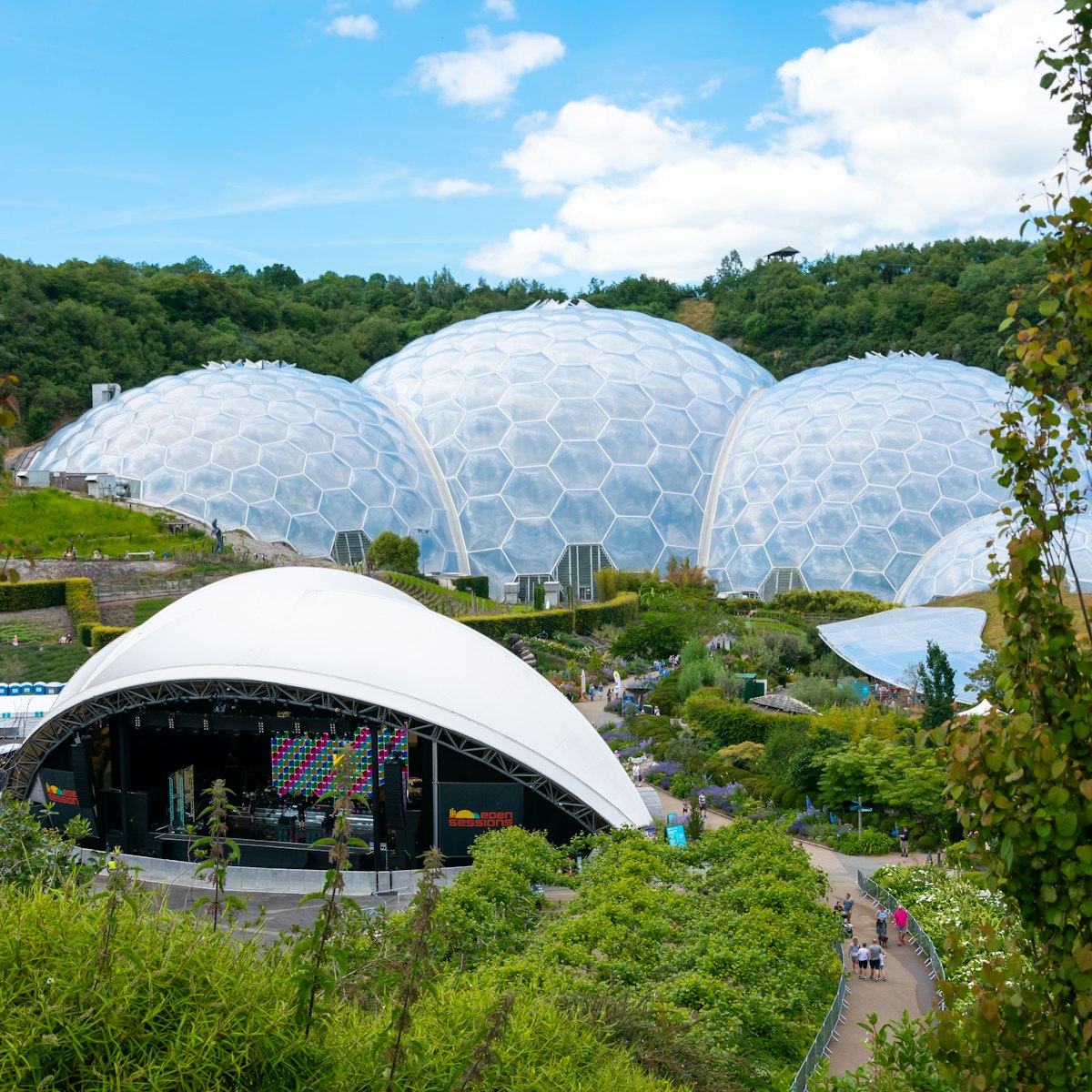
Looking like a cross between a lunar landing station and a James Bond villain's lair, the gigantic hemispherical greenhouses of the Eden Project have…
It might lack the rugged granite cliffs and seablown grandeur of the north coast, but Cornwall’s southern side has ample charms of its own: gentle creeks, green meadows, quaint harbours and world-renowned gardens such as Trebah, Trelissick, Heligan and Glendurgan, as well as the futuristic biomes of the Eden Project. It feels more pastoral than the craggy beauty of Penwith or the wild emptiness of Bodmin Moor: this is a place for quiet adventures, whether that’s touring the back lanes and beaches of the Roseland, mooching around Mevagissey Harbour or kayaking on the Fal and Fowey Rivers.
Experience the real South Cornwall. Let a local expert handle the planning for you.
Get startedSouth Cornwall
Looking like a cross between a lunar landing station and a James Bond villain's lair, the gigantic hemispherical greenhouses of the Eden Project have…
South Cornwall
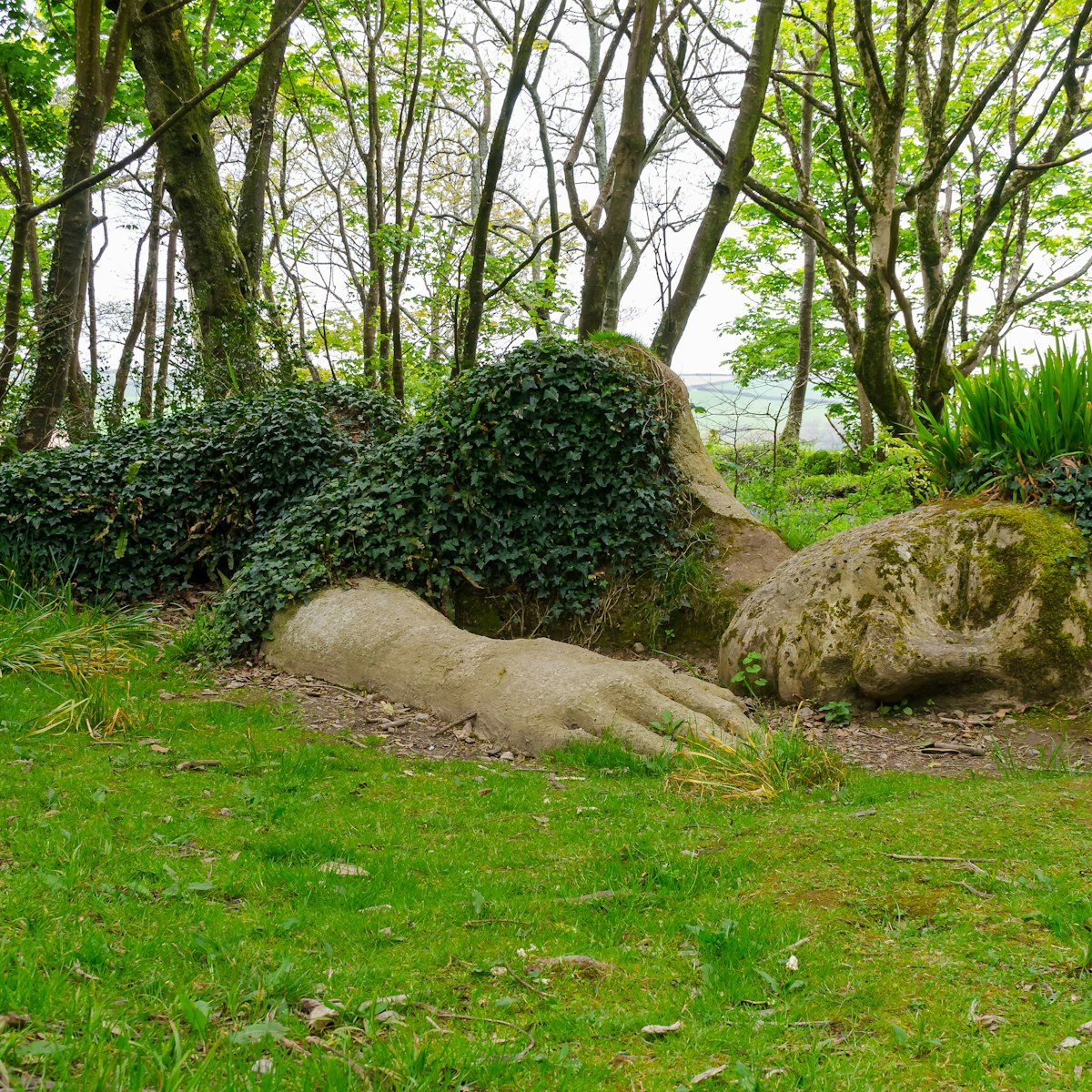
This is Cornwall's real-life secret garden. Formerly the family estate of the Tremaynes, Heligan's magnificent 19th-century gardens fell into disrepair…

South Cornwall
Grandly located at the head of the Fal estuary, 4 miles south of Truro, Trelissick is one of Cornwall's most beautiful aristocratic estates, with a formal…
South Cornwall
A great bulk of rock topped by a picturesque clifftop chapel, Rame Head is another of Cornwall's most majestic coastal viewpoints, with a jaw-dropping 360…
South Cornwall
Strategically sited to command an uninterrupted field of fire over the entrance to Falmouth Bay in tandem with Pendennis Castle, on the opposite side of…
South Cornwall
Small coves dot the coastline of the Rame Peninsula, but for a proper stretch of sand, this huge – and undervisited – bay is the place. Pronounced…
South Cornwall
It's a bit of a drive from Falmouth but this gorgeous kitchen garden near Constantine is well worth the detour. Rescued from dilapidation by its current…
Charlestown Shipwreck & Heritage Centre
South Cornwall
Charlestown's seagoing heritage is explored at this fascinating museum, which houses a massive collection of objects and ephemera recovered from more than…

Filter by interest:
Hotels
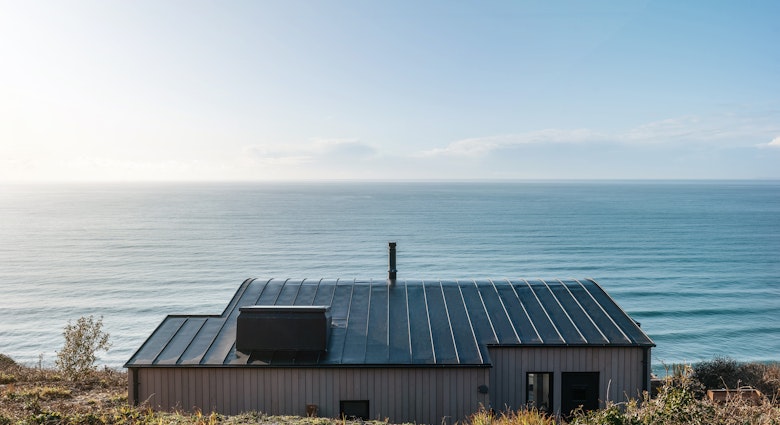
Check out this stunning clifftop cabin that's been completely renovated by its ownersFeb 3, 2020 • 2 min read
Get to the heart of South Cornwall with one of our in-depth, award-winning guidebooks, covering maps, itineraries, and expert guidance.