The West End
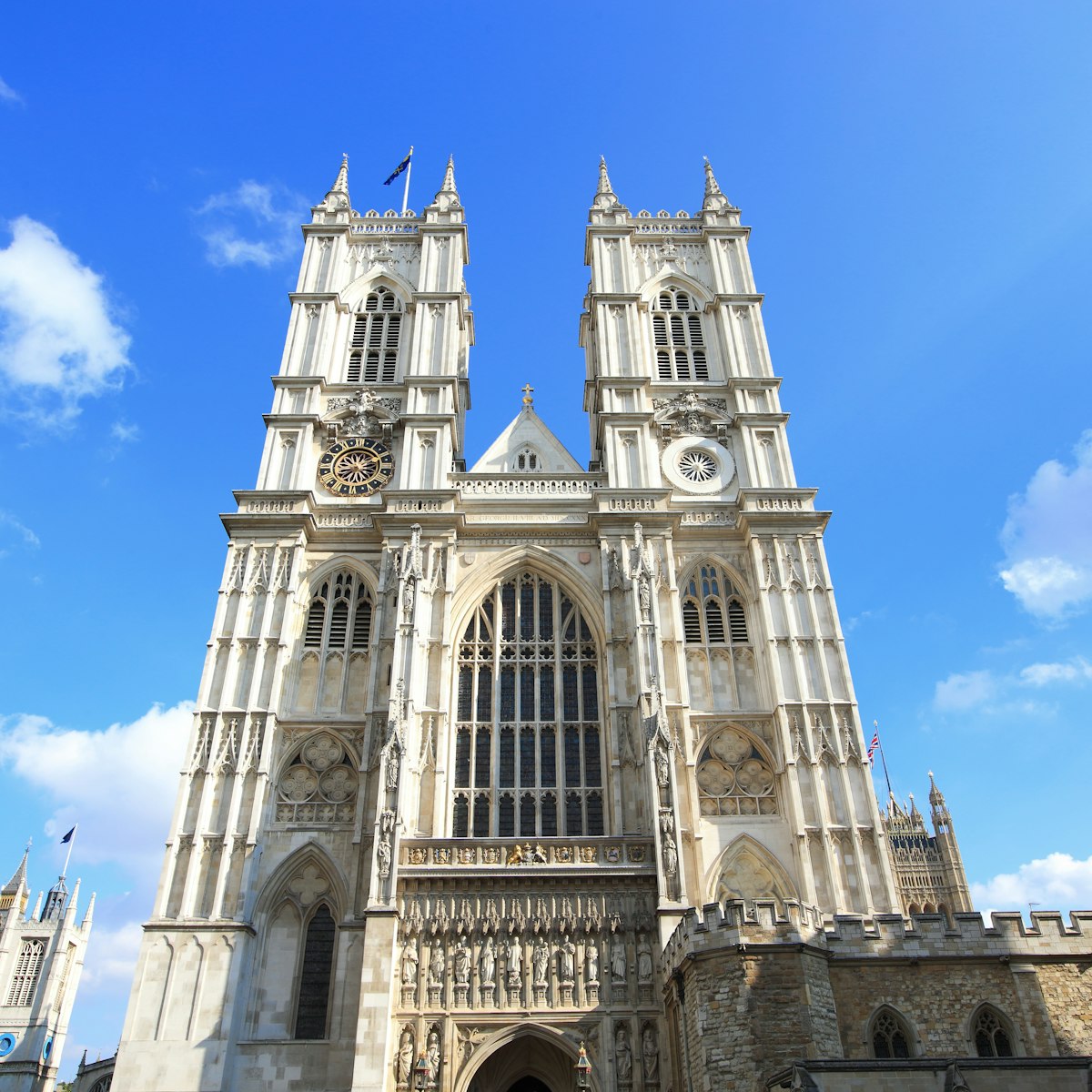
A splendid mixture of architectural styles, Westminster Abbey is considered the finest example of Early English Gothic. It's not merely a beautiful place…
The West End
A splendid mixture of architectural styles, Westminster Abbey is considered the finest example of Early English Gothic. It's not merely a beautiful place…
South Bank
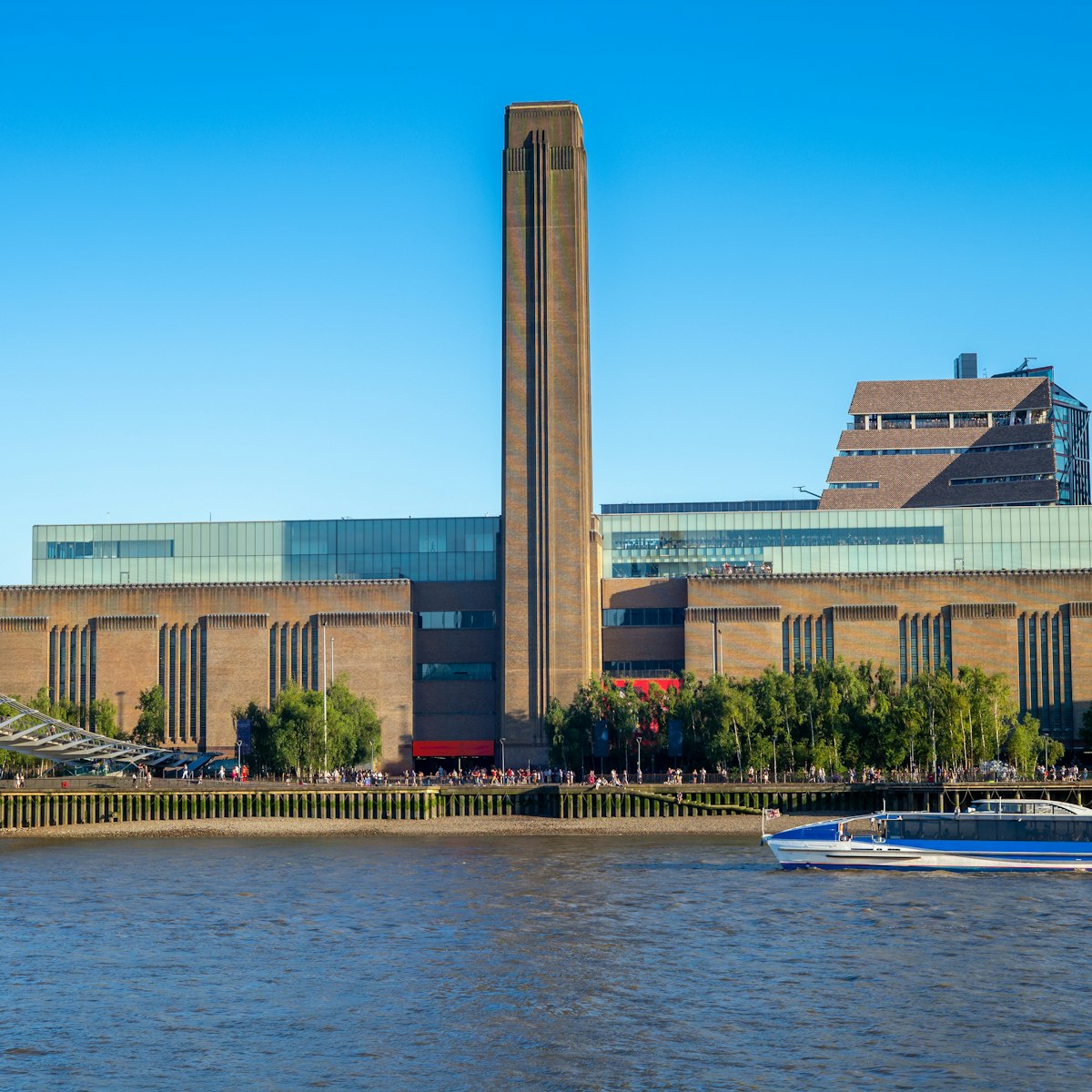
One of London's most amazing attractions, Tate Modern is an outstanding modern- and contemporary-art gallery housed in the creatively revamped Bankside…
Kensington & Hyde Park
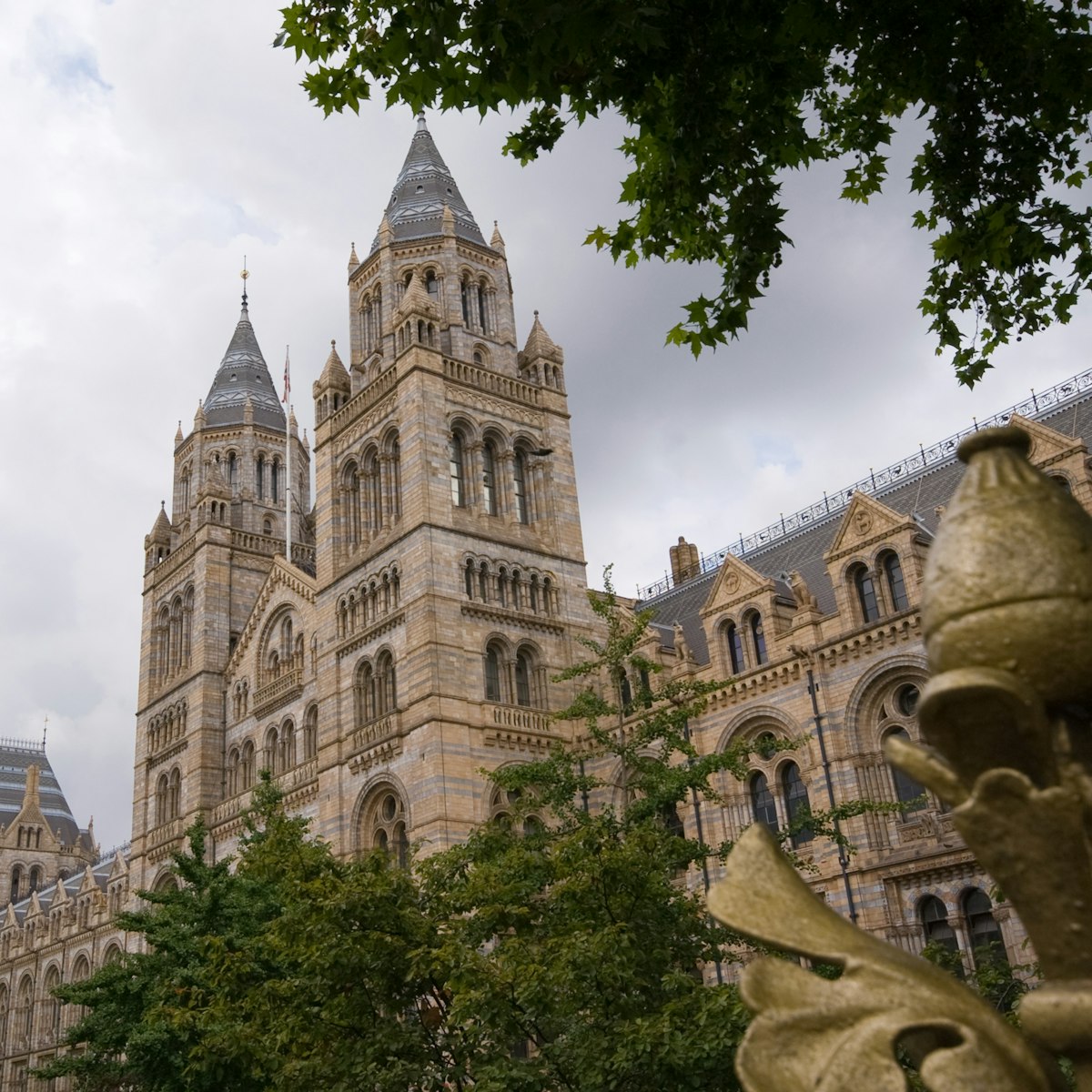
With its thunderous, animatronic dinosaur, riveting displays about planet earth, outstanding Darwin Centre and architecture straight from a Gothic fairy…
London
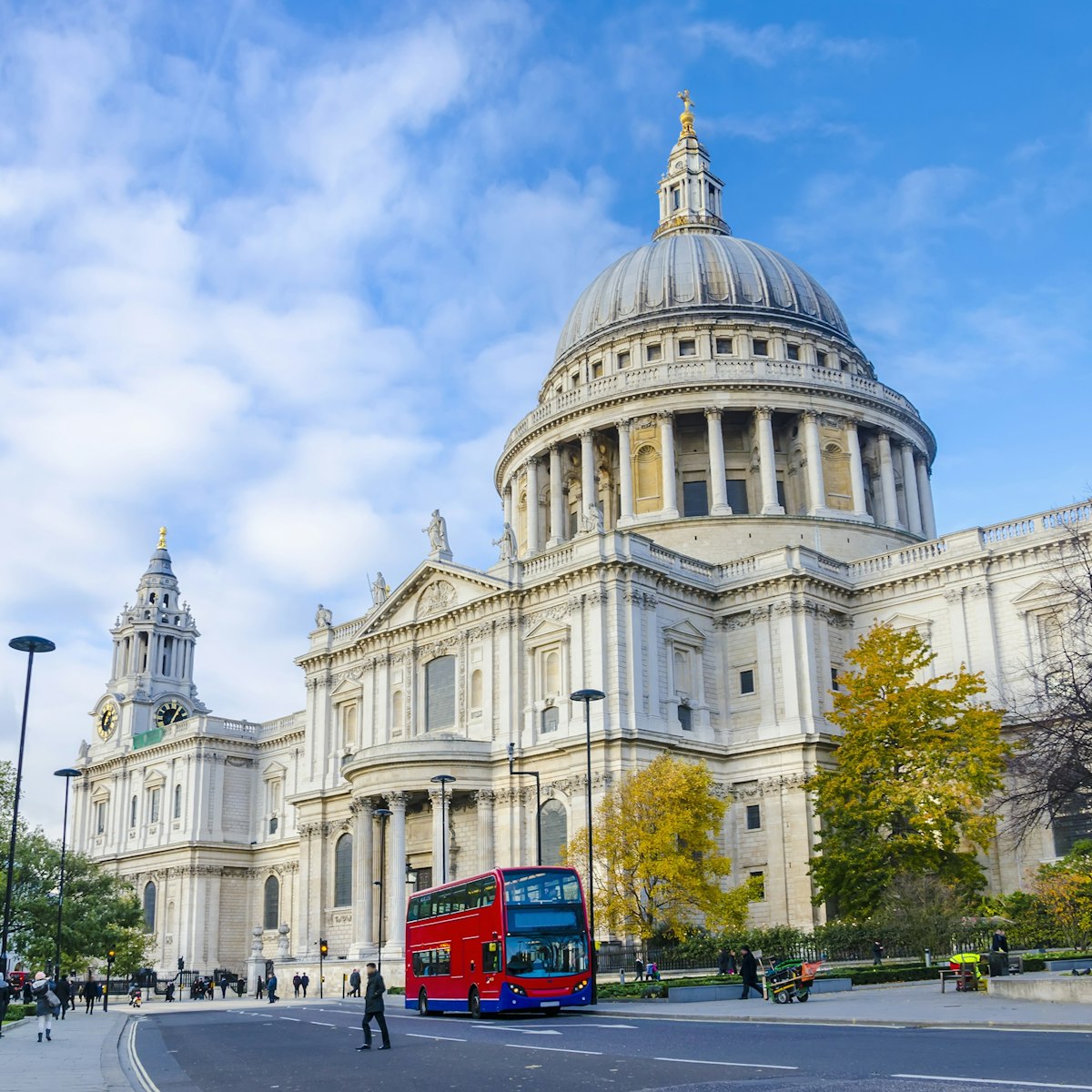
Sir Christopher Wren’s 300-year-old architectural masterpiece is a London icon. Towering over diminutive Ludgate Hill in a superb position that's been a…
London
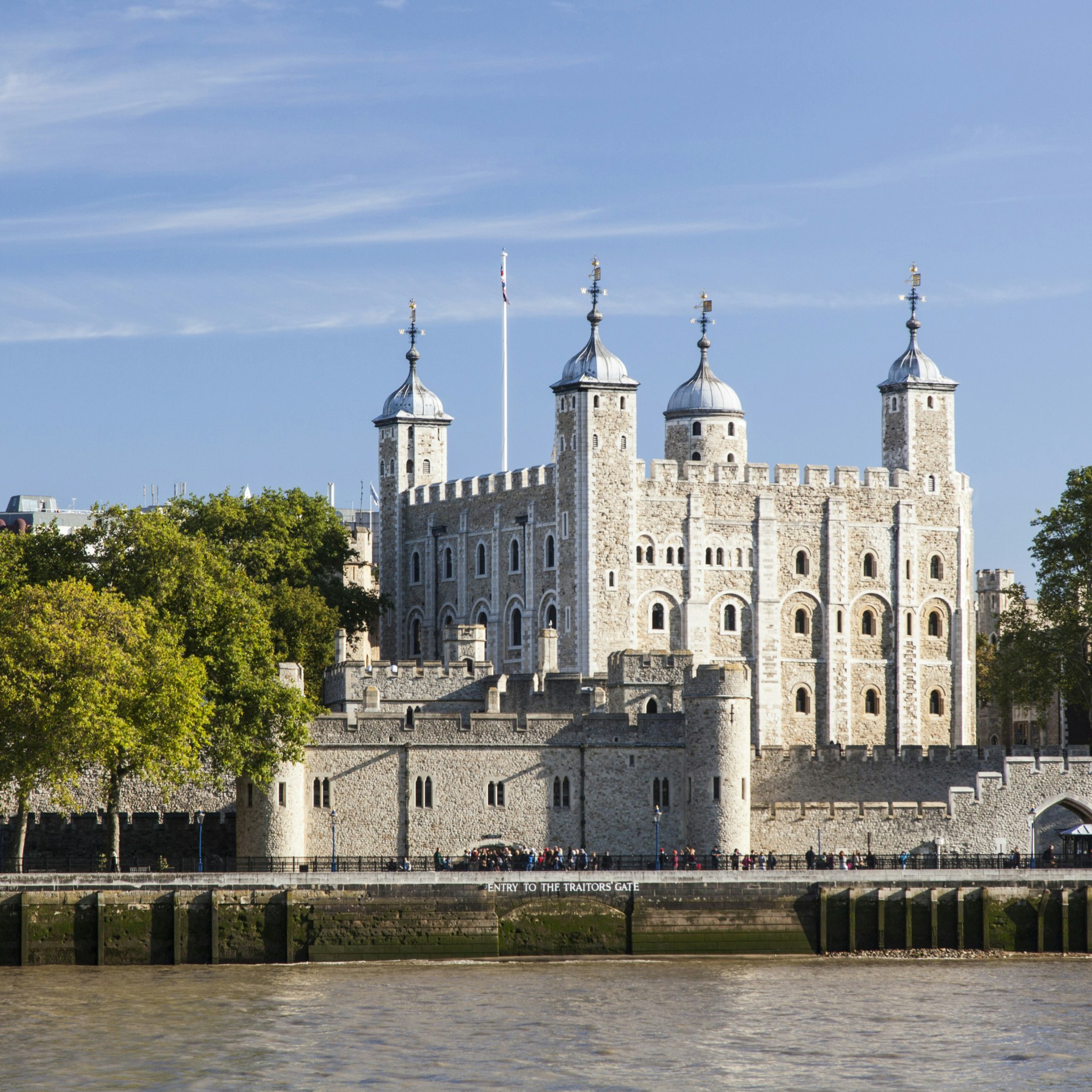
Few parts of the UK are as steeped in history or as impregnated with legend and superstition as the titanic stonework of the Tower of London. Not only is…
South Bank
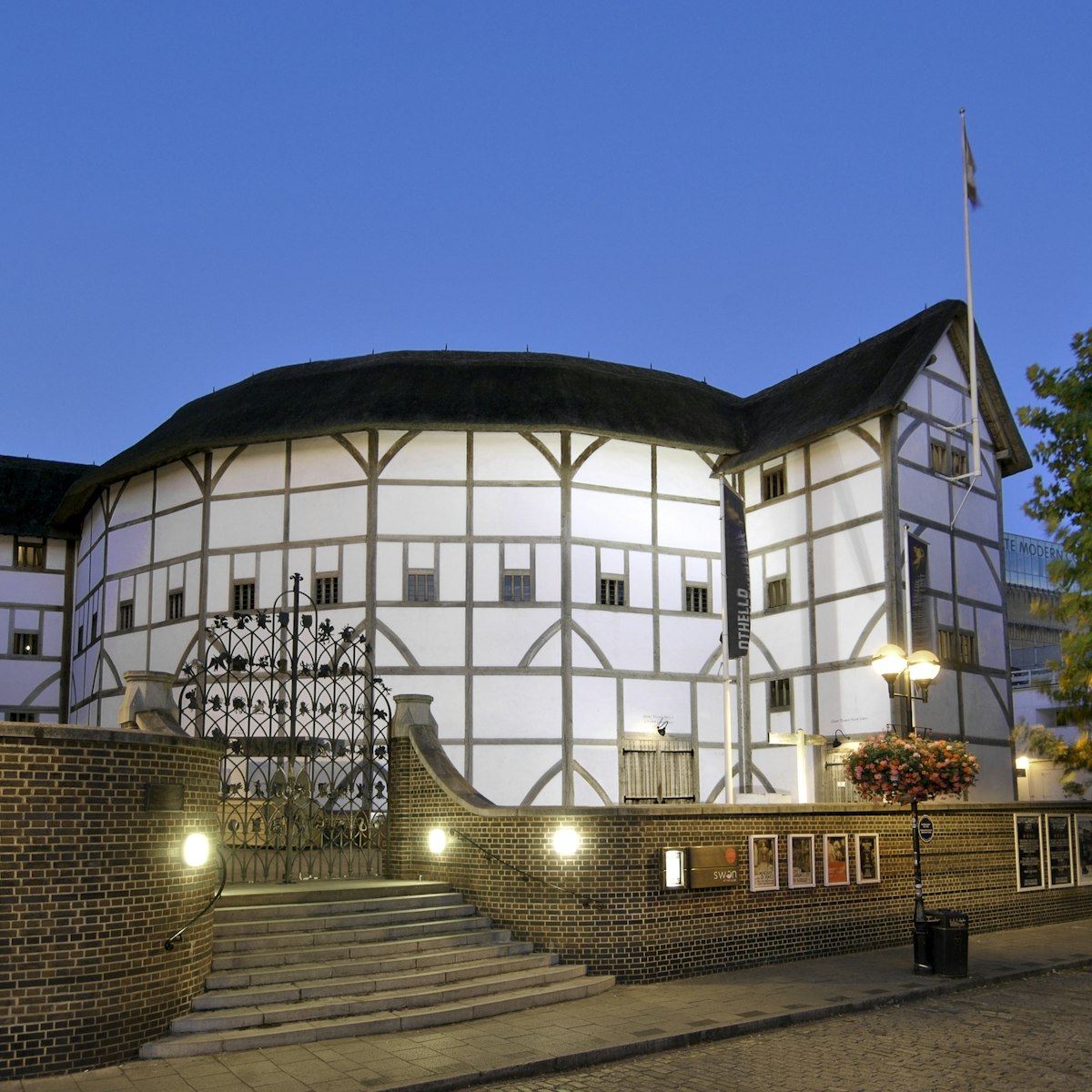
Seeing a play at Shakespeare's Globe – ideally standing under the open-air "wooden O" – is experiencing the playwright's work at its best and most…
The West End
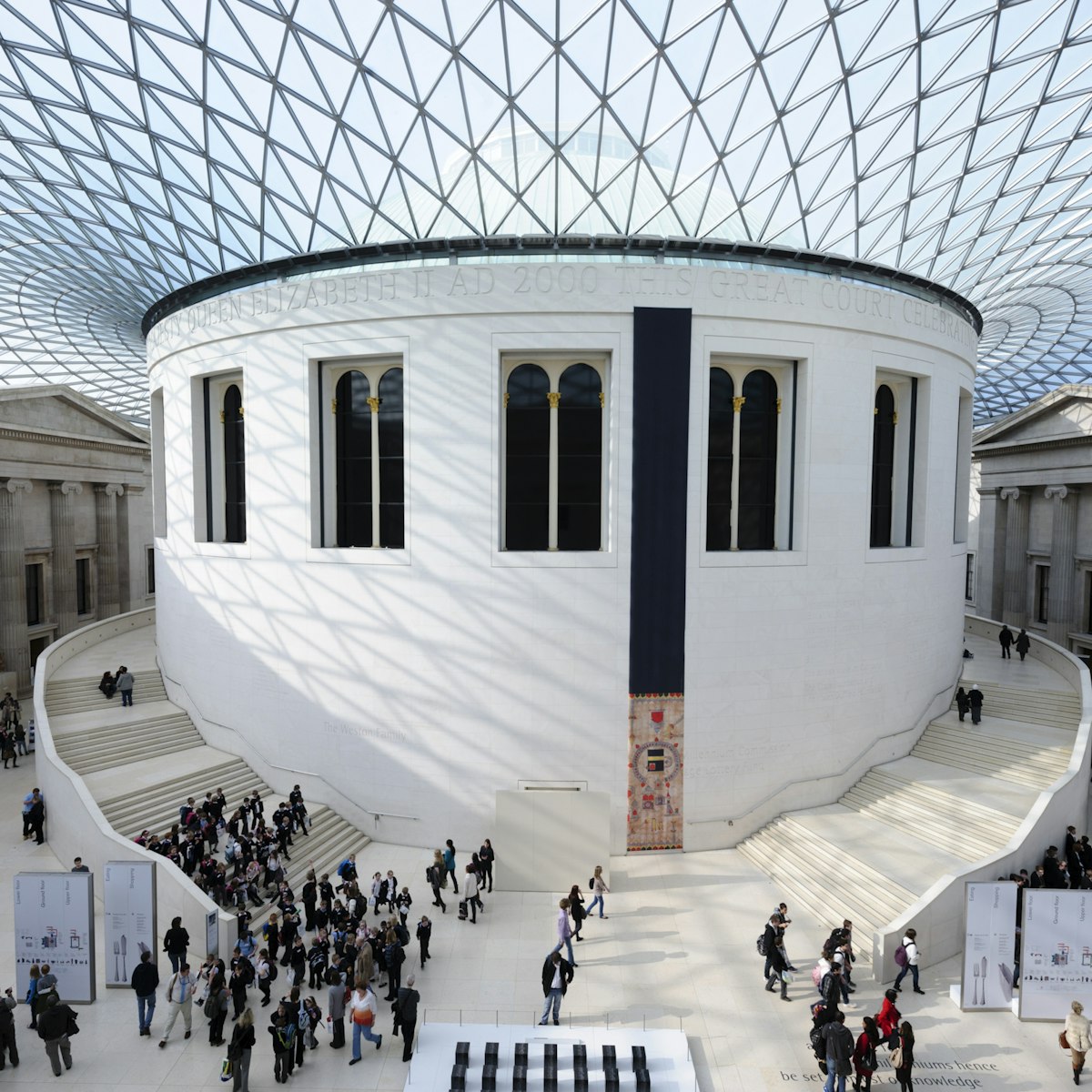
With almost six million visitors trooping through its doors annually, the British Museum in Bloomsbury, one of the oldest and finest museums in the world,…
Kensington & Hyde Park
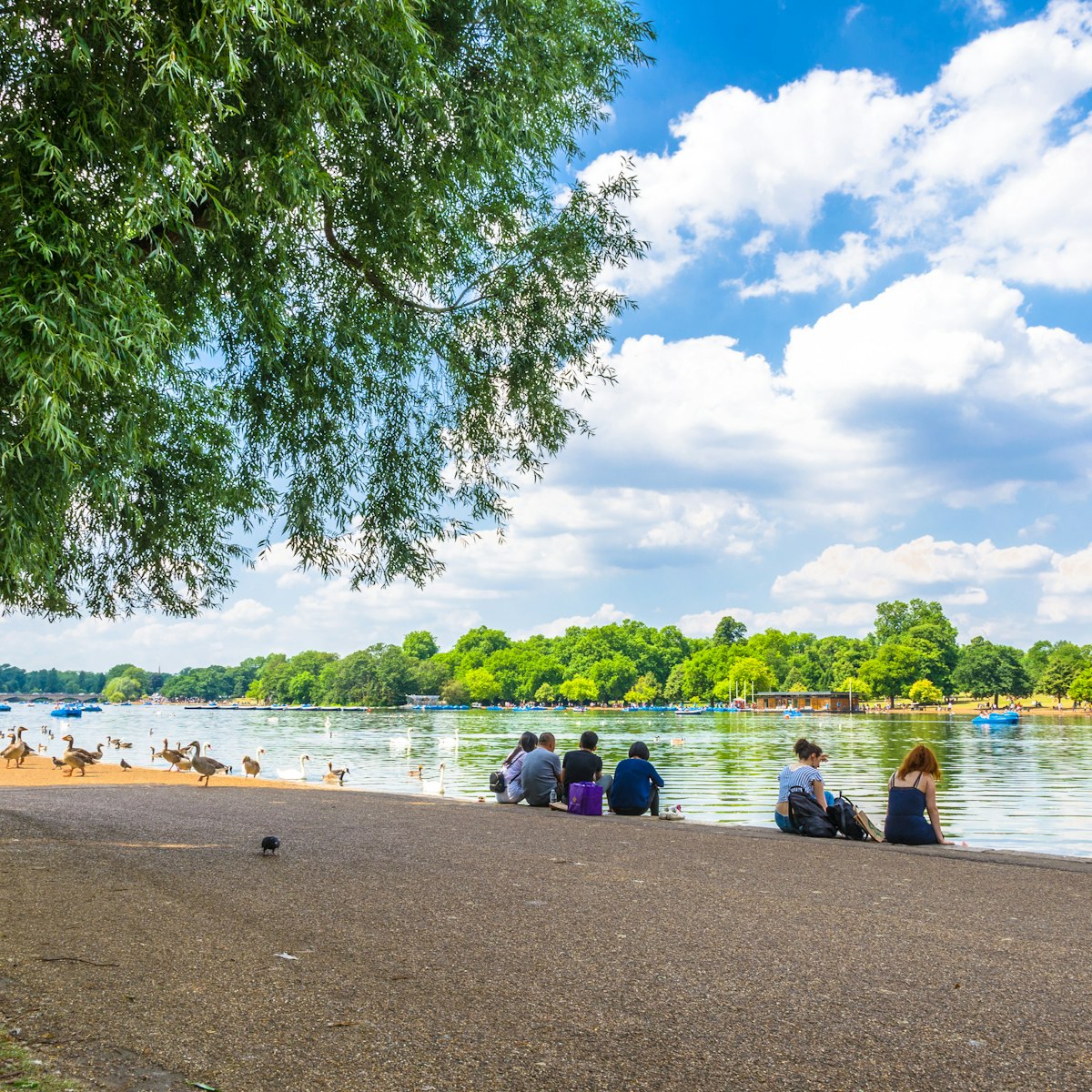
One of London’s best parks, Hyde Park spreads itself over 142 hectares of neat gardens, wild expanses of overgrown grass and glorious trees. As well as…
Kensington & Hyde Park
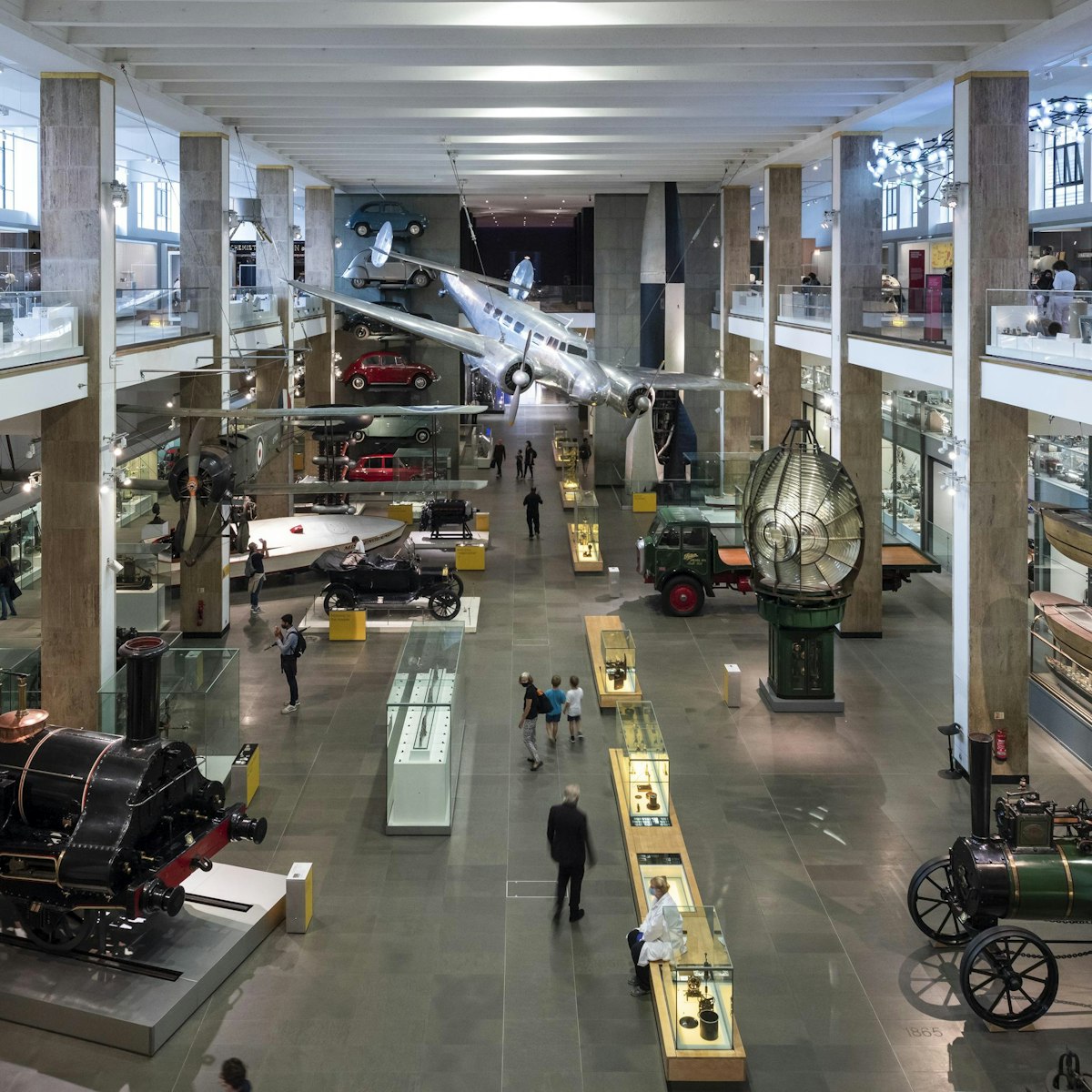
The Science Museum will mesmerize with its interactive and educational exhibits covering everything from early technology to space travel. Take the family…
The West End
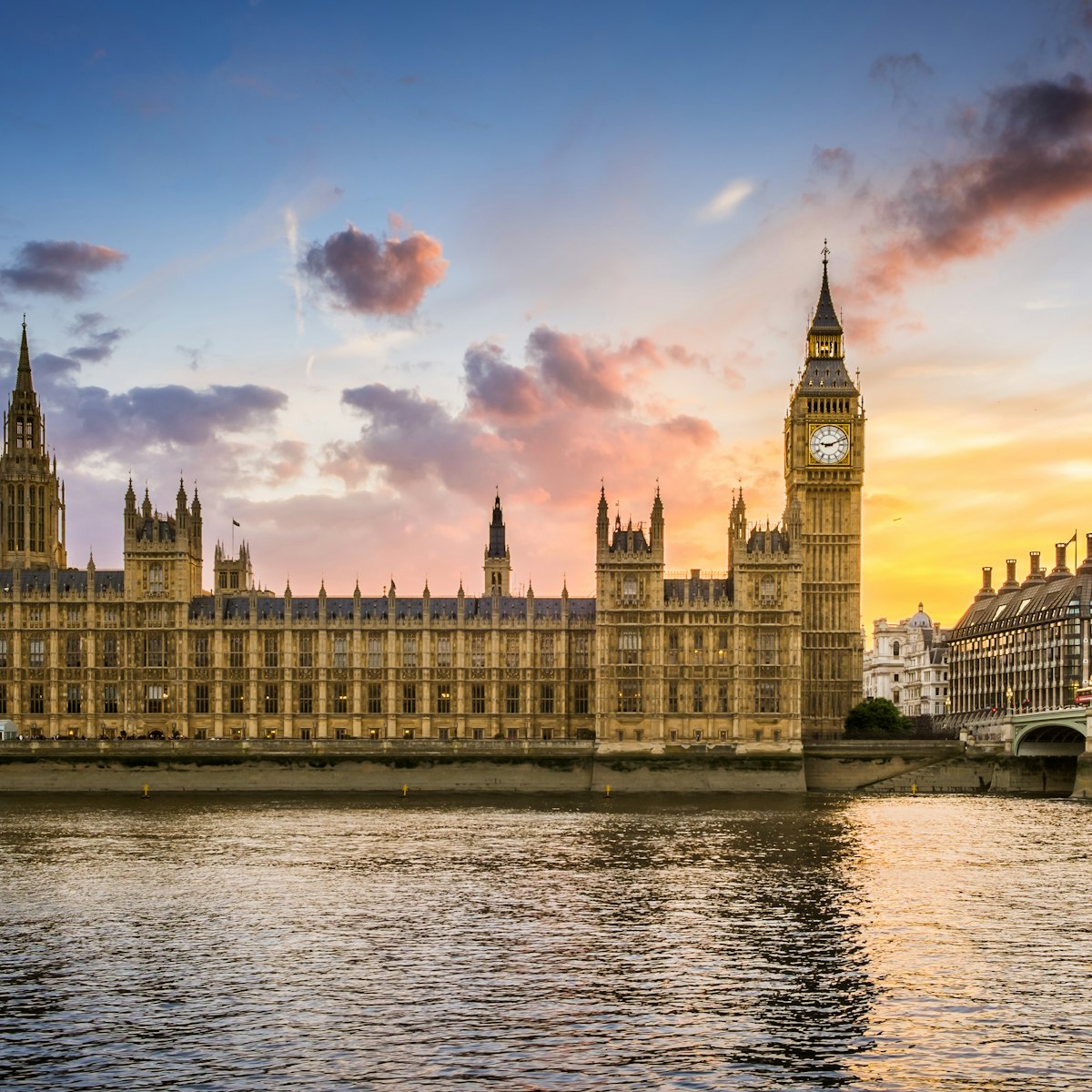
Both the elected House of Commons and the House of Lords, who are appointed or hereditary, sit in the sumptuous Houses of Parliament, officially called…
The West End
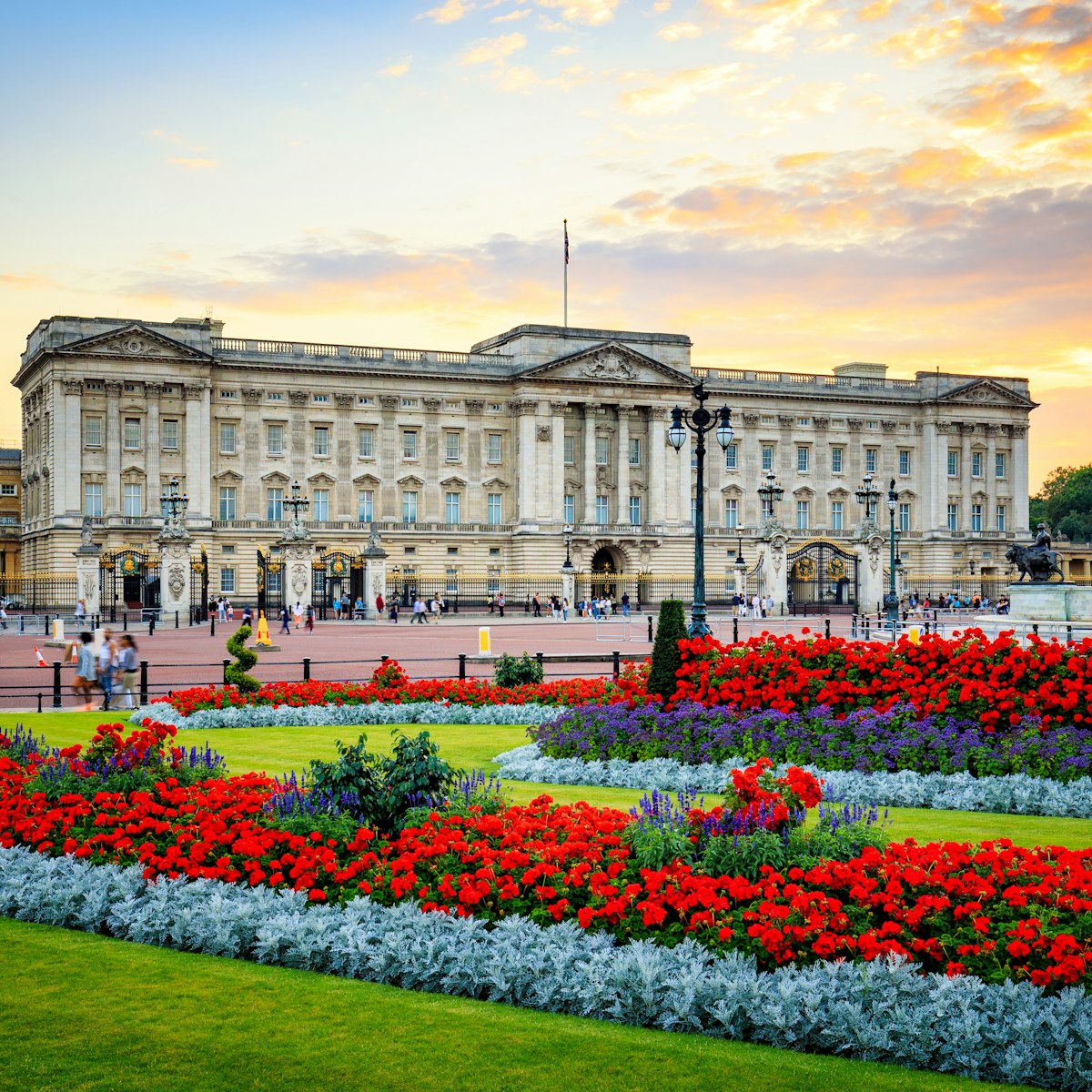
Built in 1703 for the Duke of Buckingham, Buckingham Palace replaced St James's Palace as the monarch's official London residence in 1837. Queen Elizabeth…
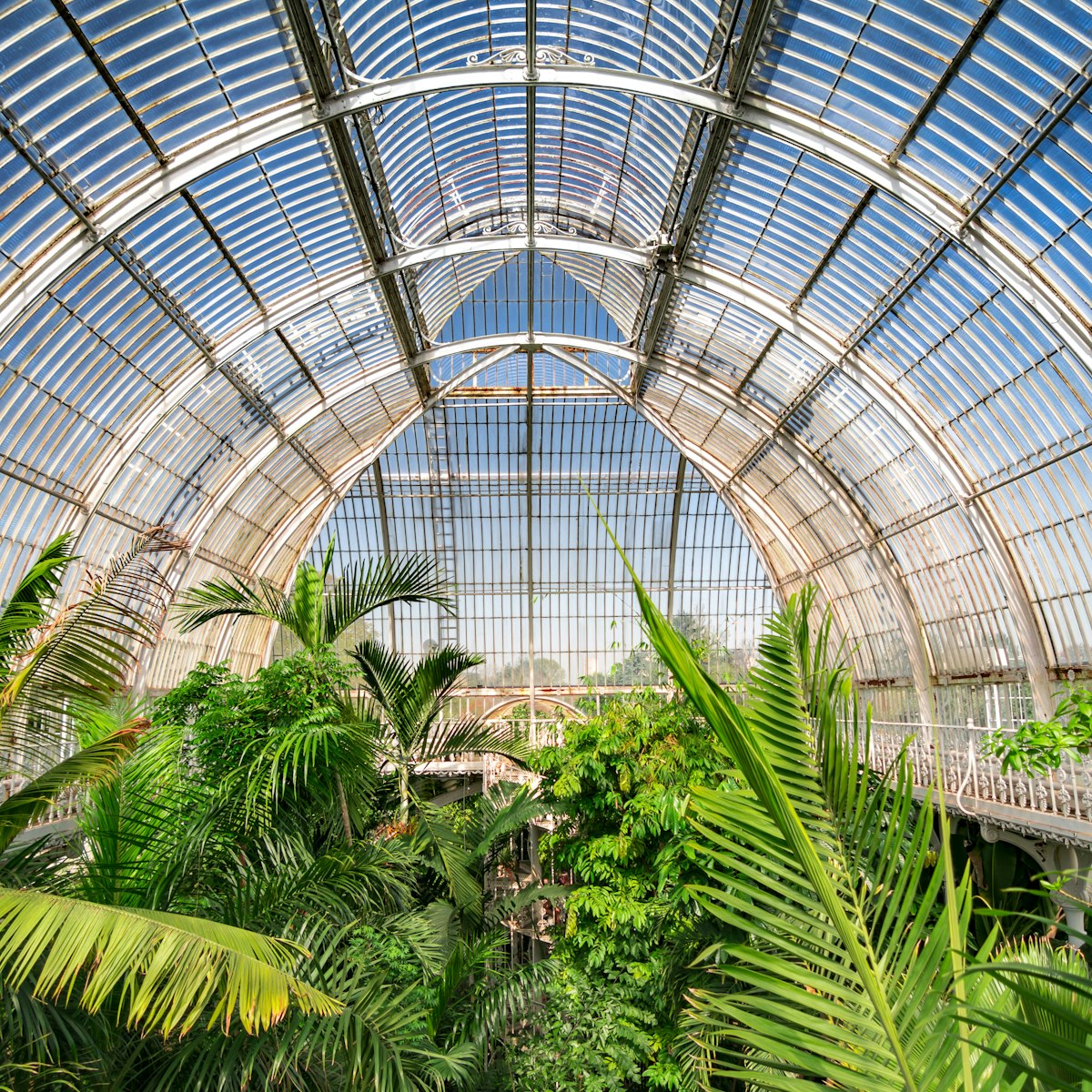
Richmond, Kew & Hampton Court
Where else in London can you size up an 18th-century 10-storey Chinese pagoda and a Japanese gateway while finding yourself among one of the world’s most…
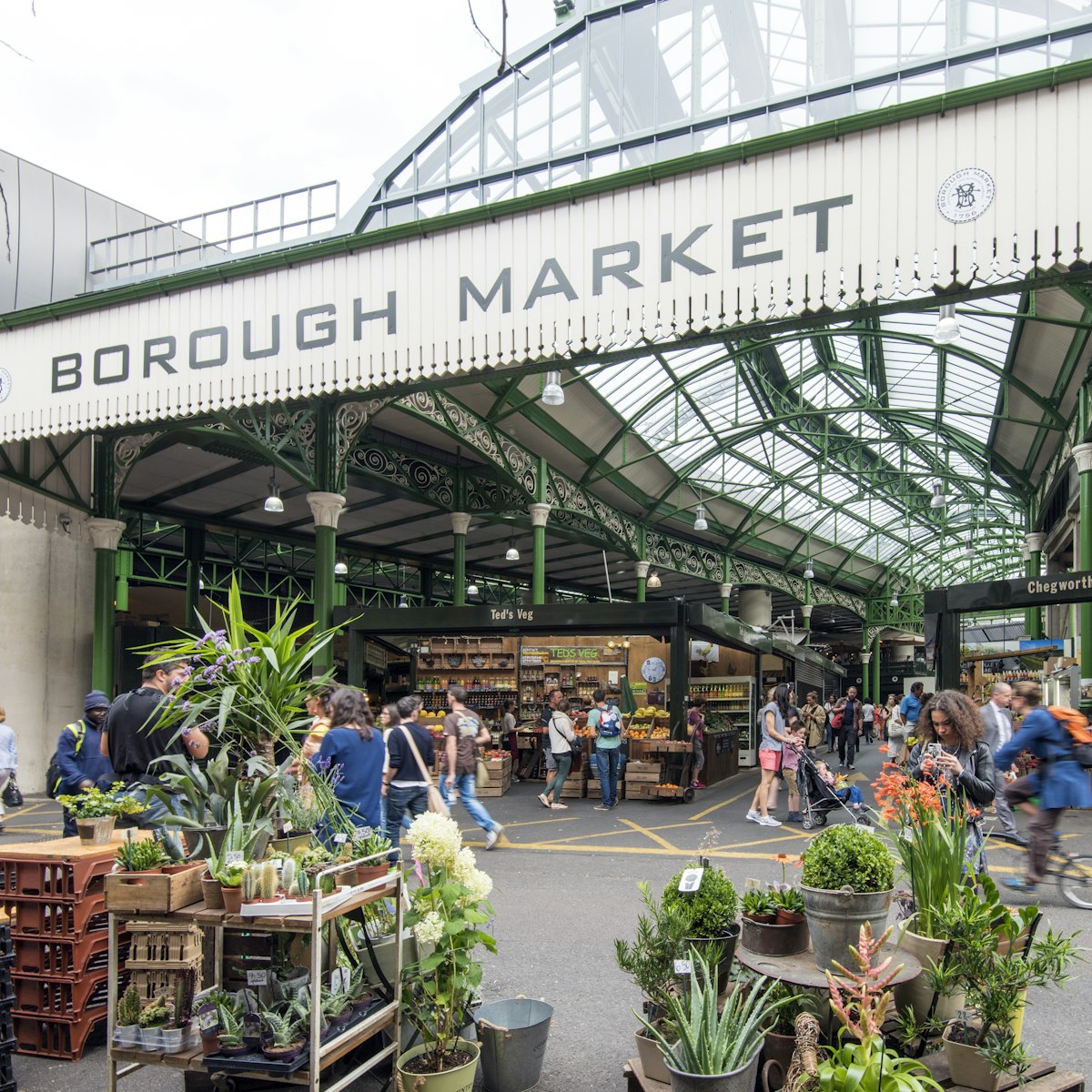
South Bank
For a thousand years, a market has existed at the southern end of London Bridge, making this still-busy ancient gathering point a superb spectacle…
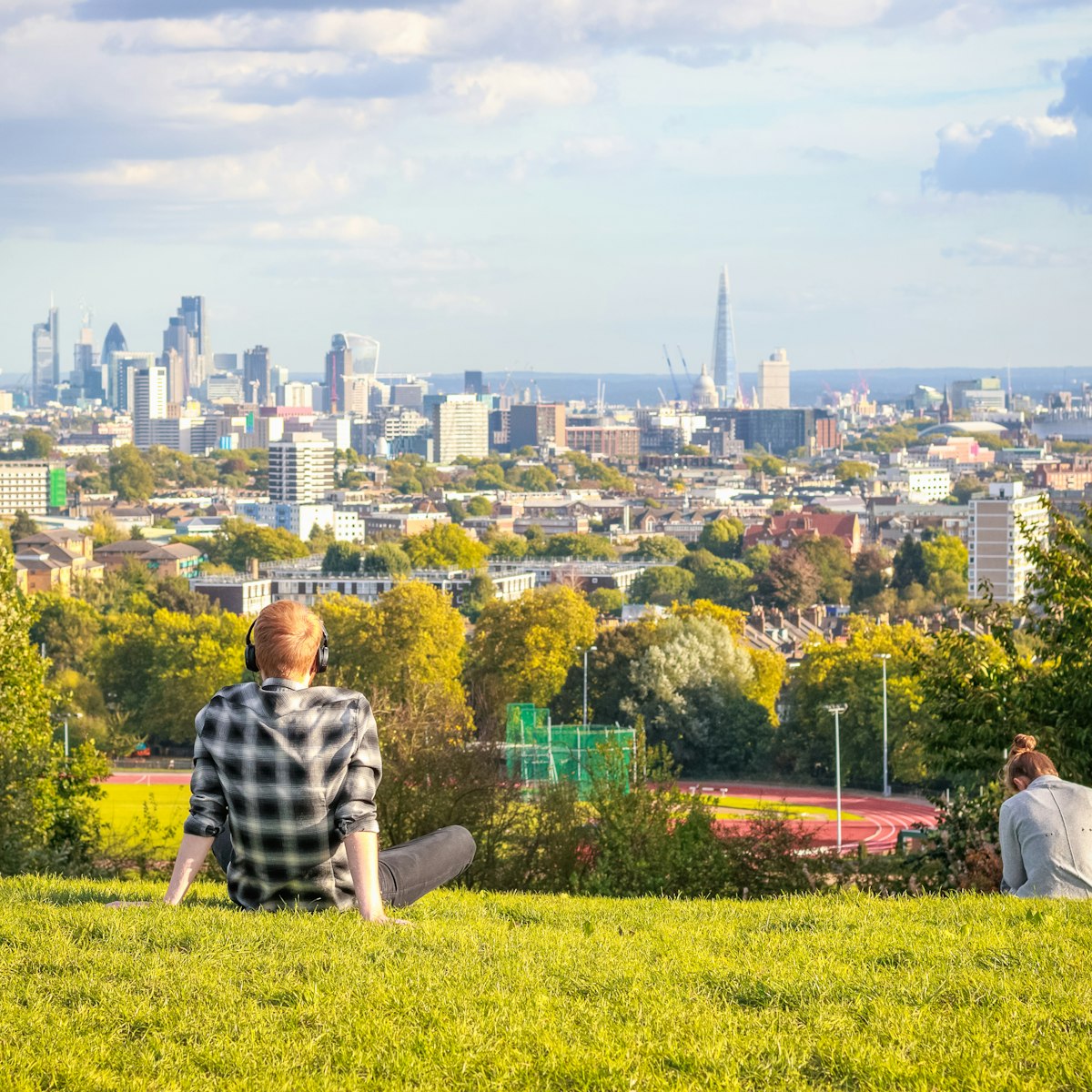
North London
Sprawling Hampstead Heath, with its rolling woodlands and meadows, feels a million miles away from the city – despite being about 3.5 miles from Trafalgar…
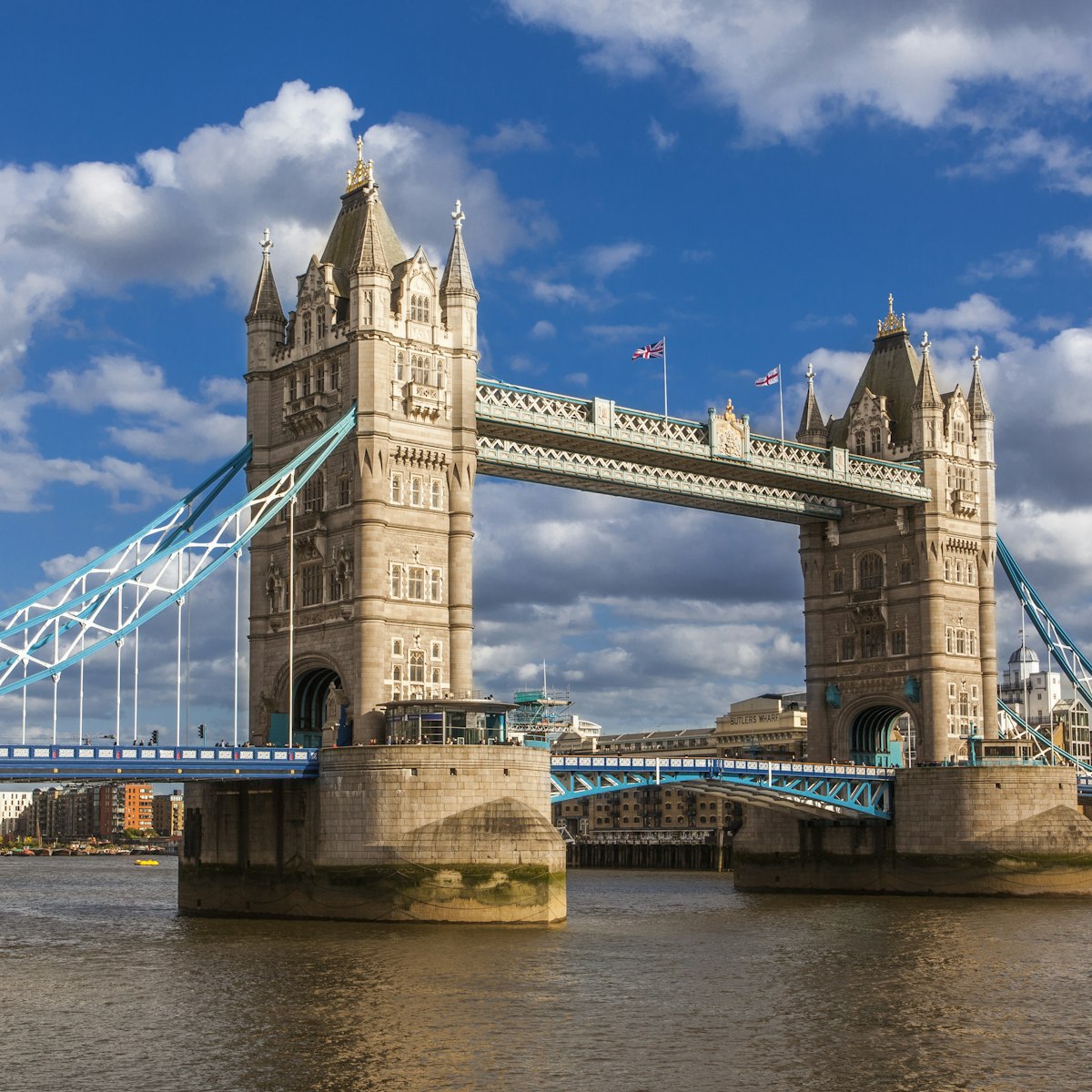
London
It doesn't matter from where you first glimpse Tower Bridge, with two neo-Gothic towers rising gracefully from either side of the Thames: London's…
London
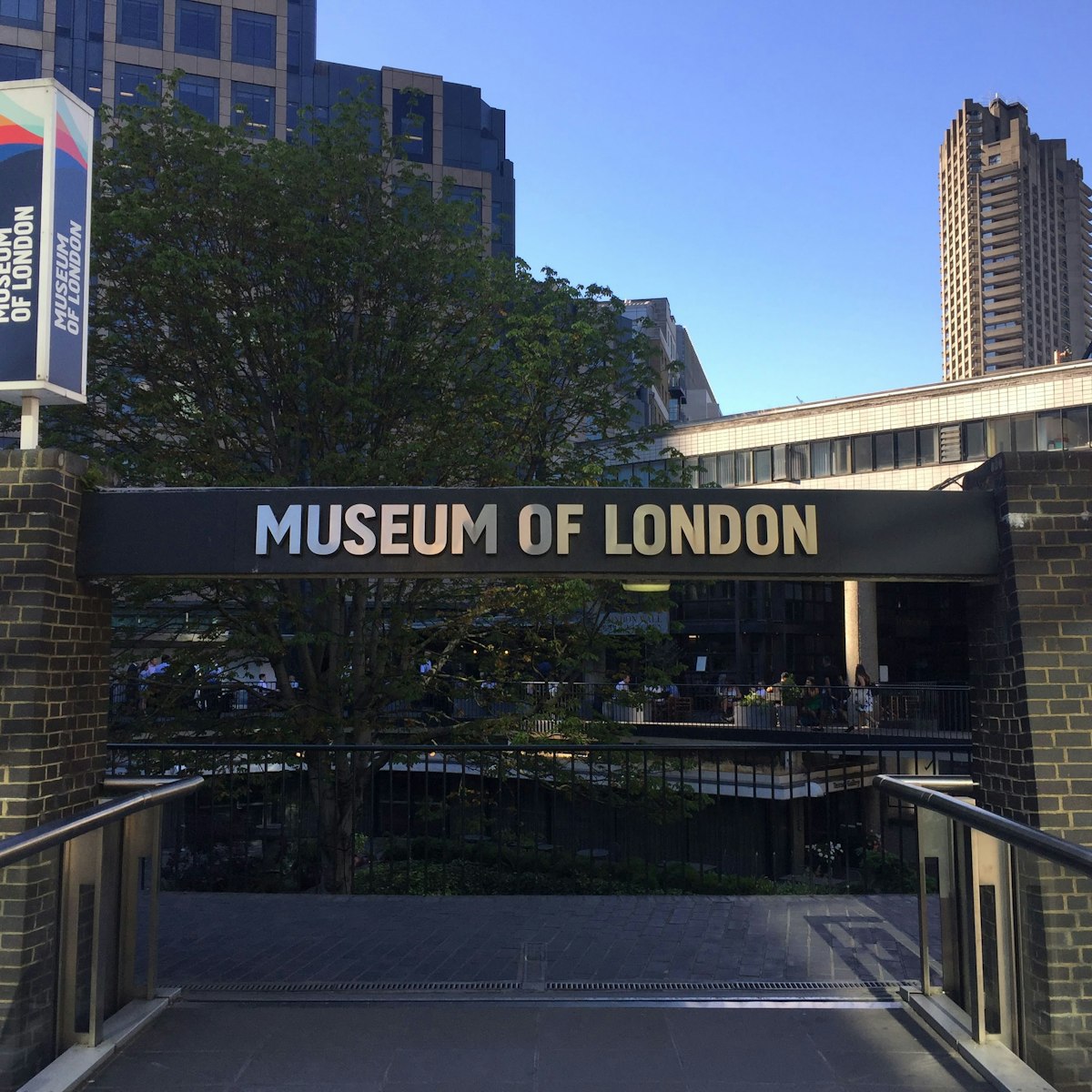
Romp through 450,000 years of London history at this entertaining and educational museum, one of the capital's finest. Exhibiting everything from a…
North London
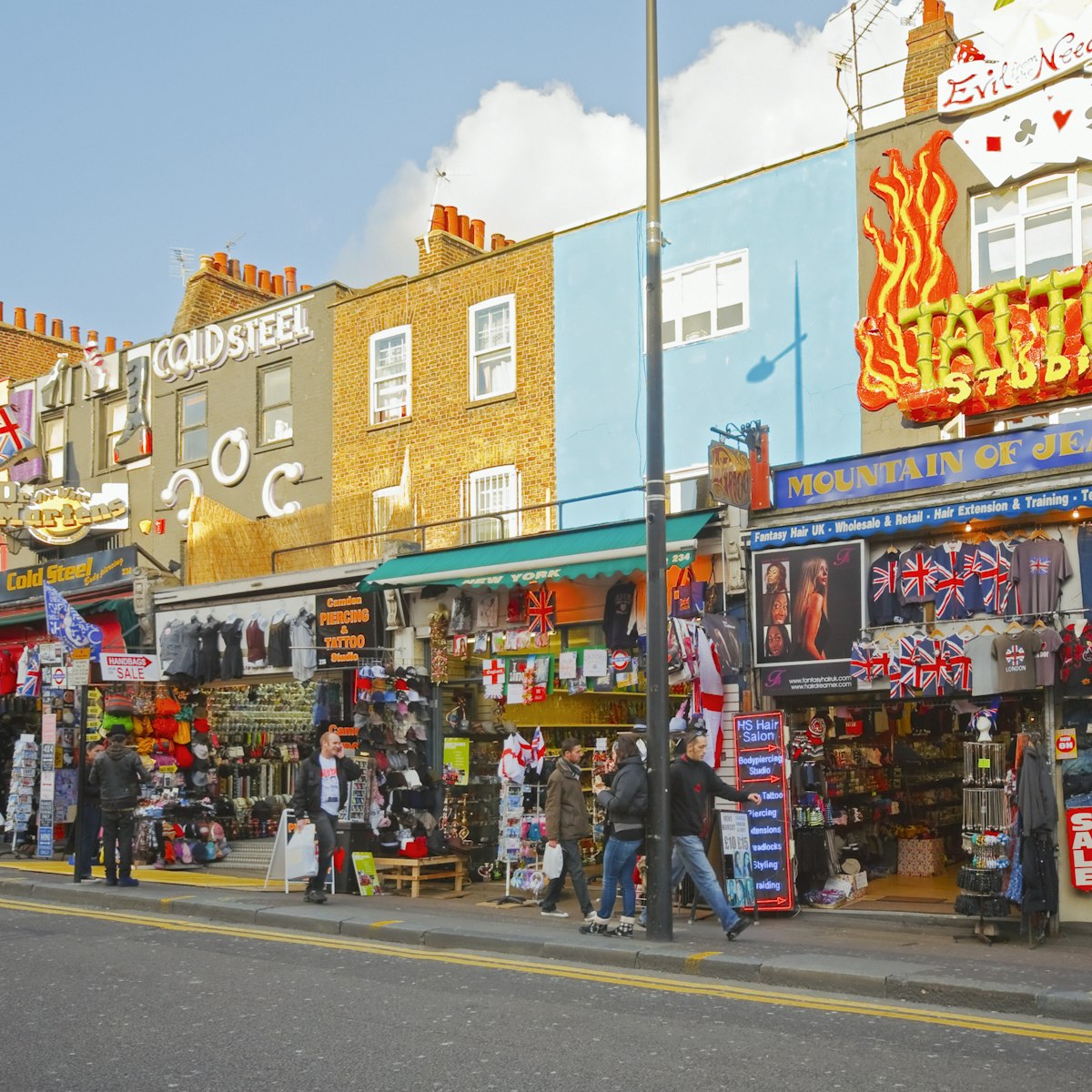
Eclectic and alternative, Camden Market attracts millions of people each year and is one of London's top places to visit. What started out as a collection…

The West End
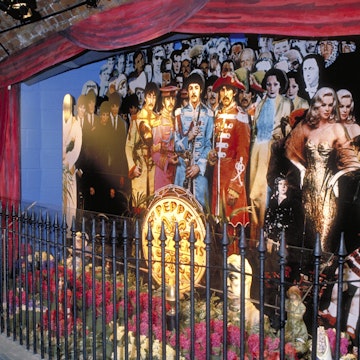
Packed with waxwork likenesses of celebrities, Madame Tussauds is kitschy and pricey, but makes for a fun-filled day. There are plenty of personalities to…
The West End
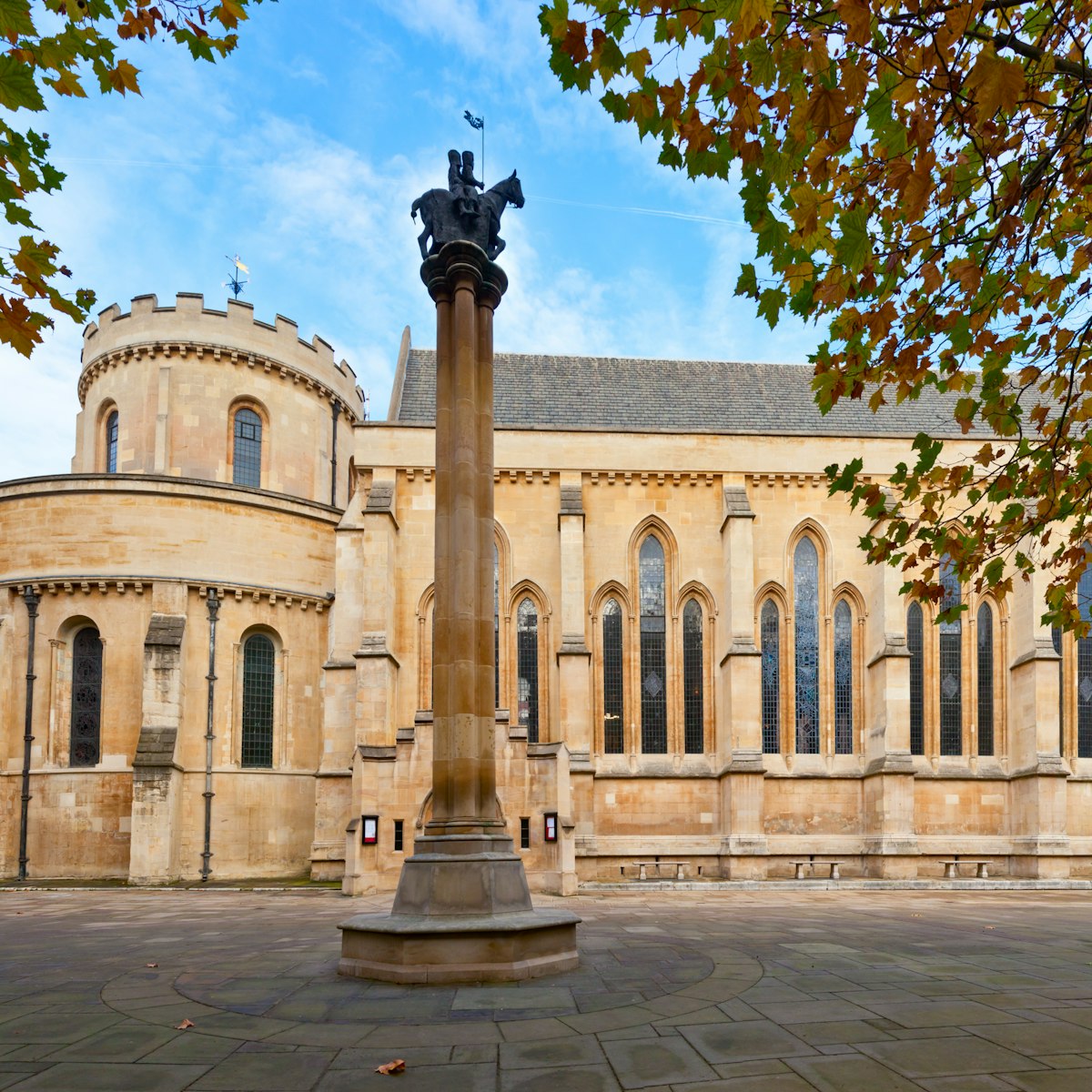
The magnificent Temple Church was built by the secretive Knights Templar, an order of crusading monks founded in the 12th century to protect pilgrims…
Greenwich
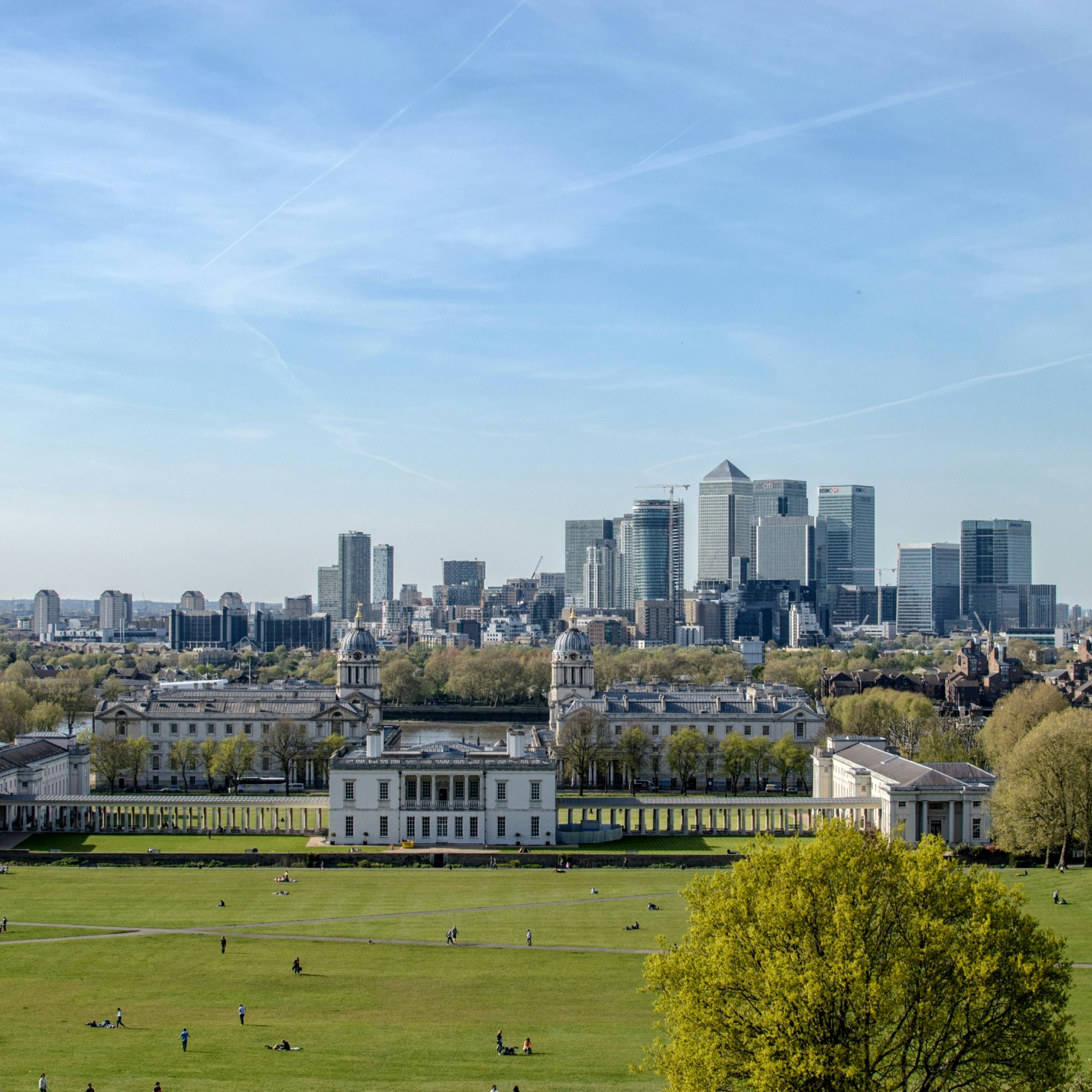
Greenwich Park is one of London’s loveliest expanses of green, with a rose garden, impressive playground, a 6th-century Anglo-Saxon burial ground and…
London
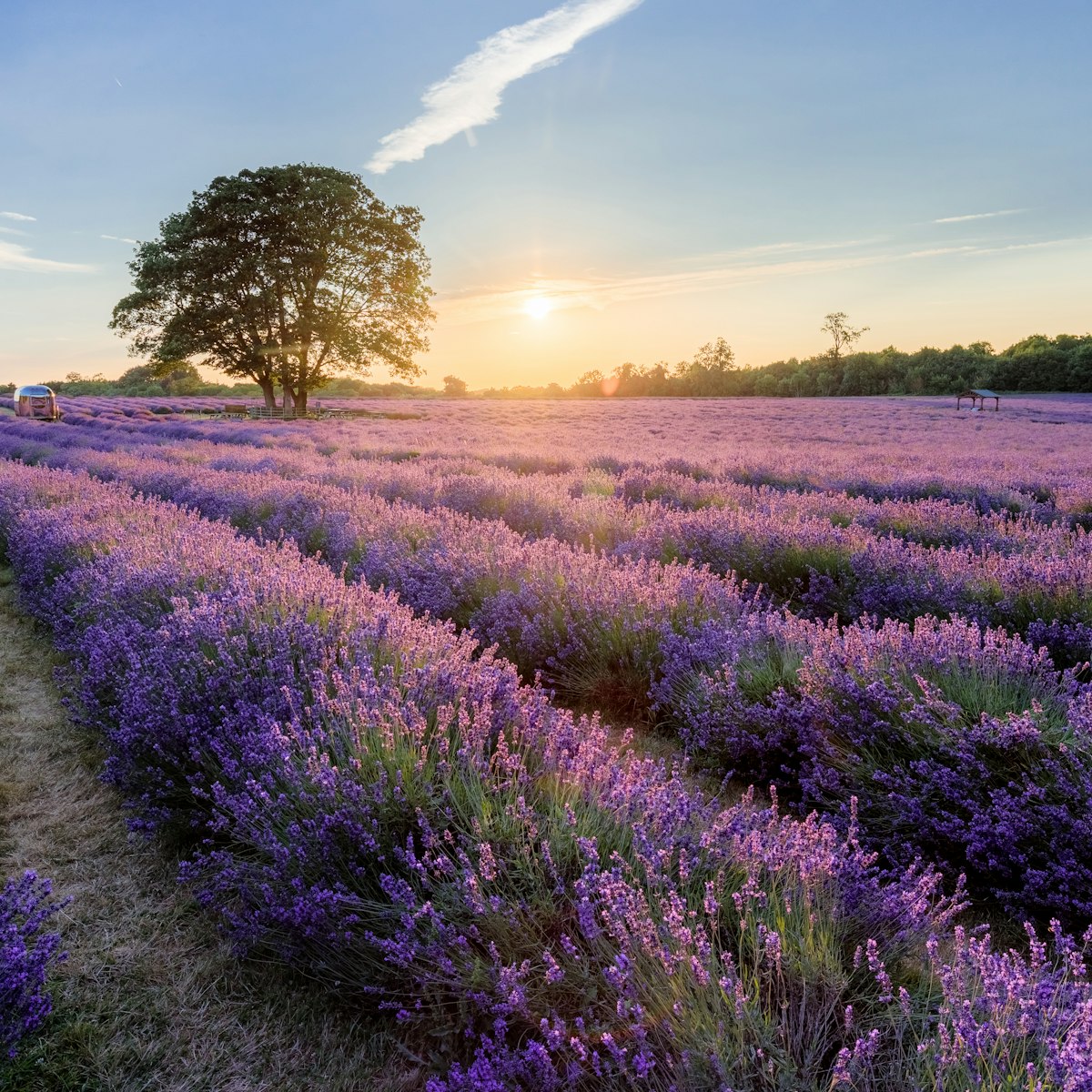
With a bright-red London phone box rising surreally up in a sea of purple flowers, Mayfield Lavender is one of the most alluring summer sights around…
South Bank
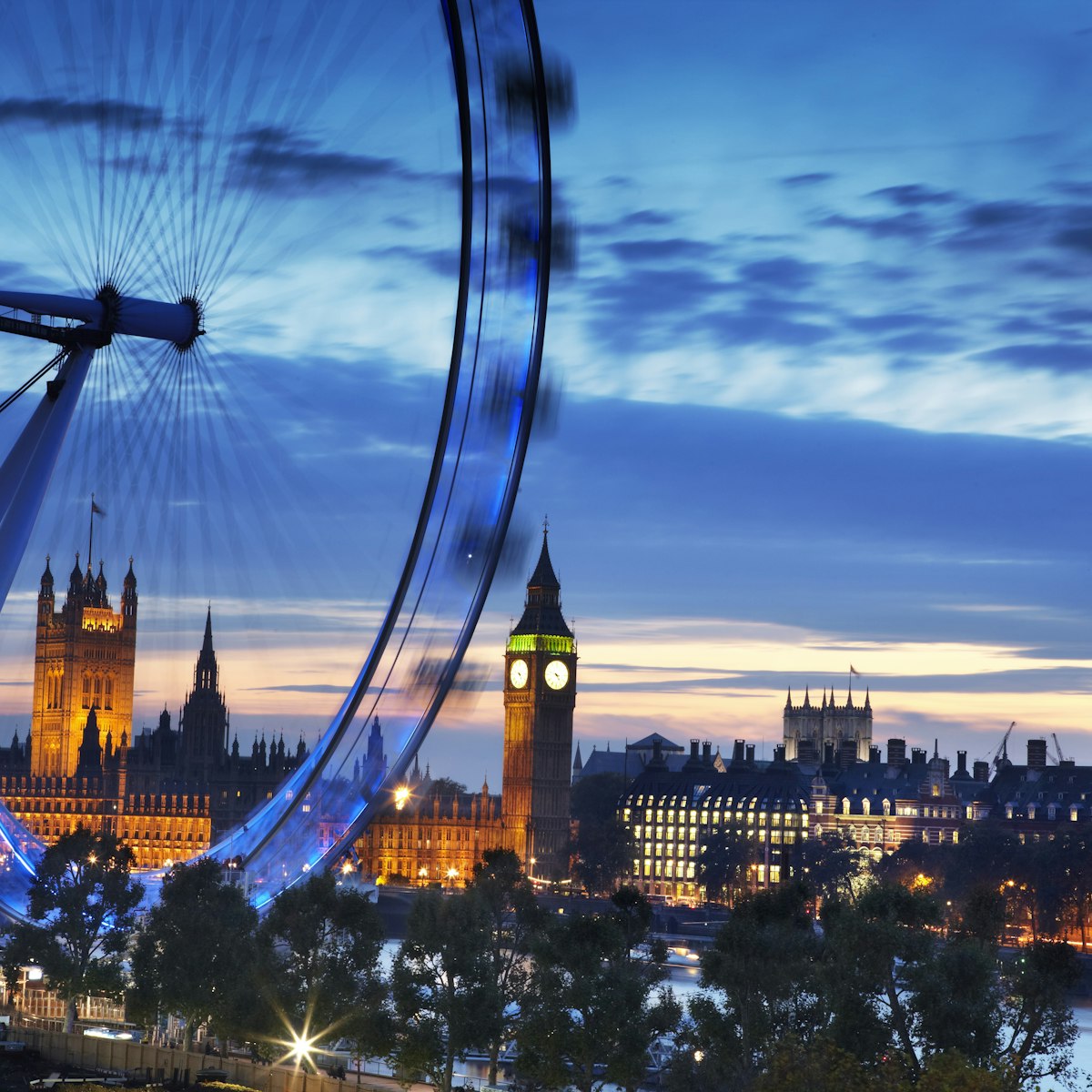
It’s hard to imagine South Bank without the London Eye (officially named the lastminute.com London Eye after its current sponsor), the world’s largest…
The West End
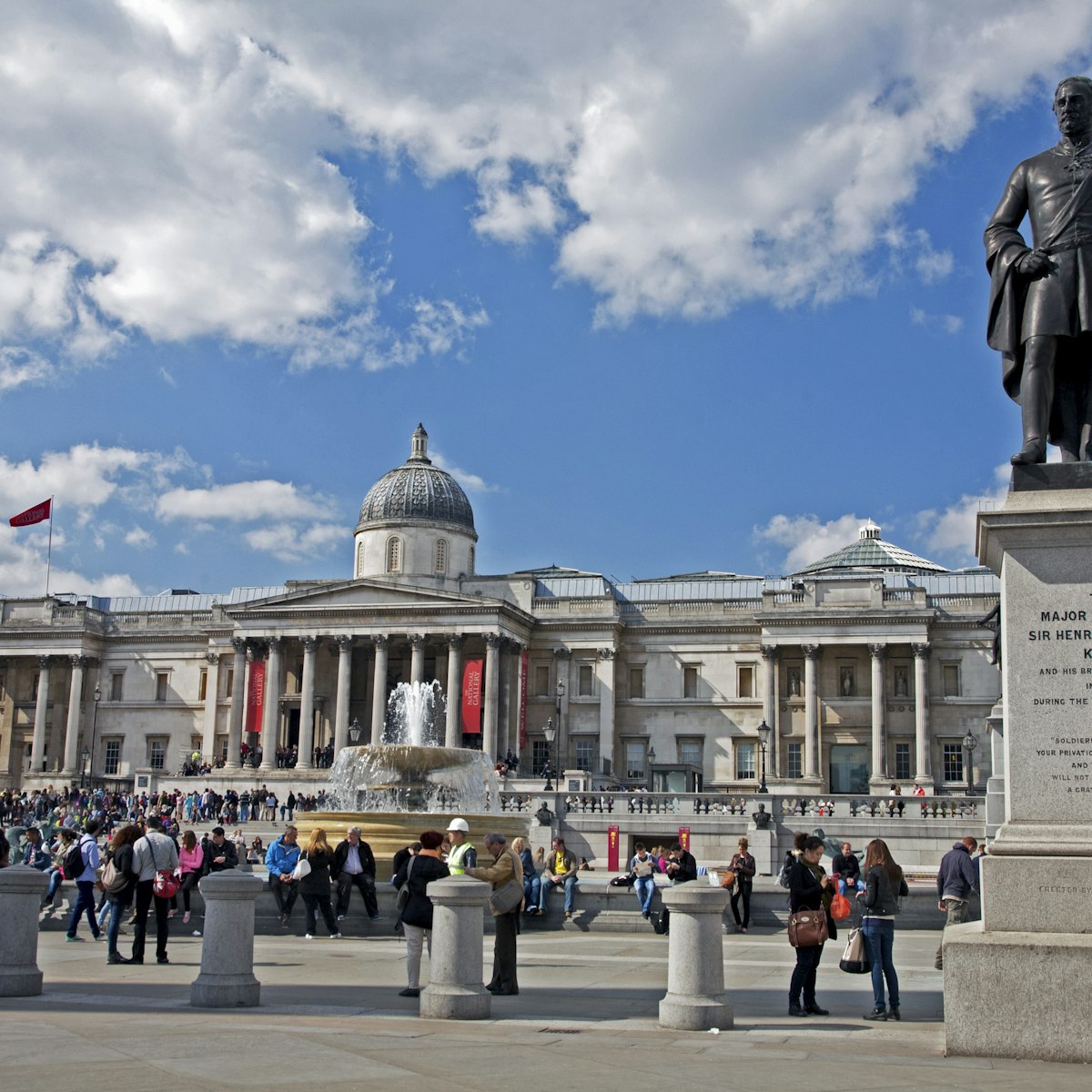
With more than 2300 European masterpieces in its collection, this is one of the world's great galleries, with seminal works from the 13th to the mid-20th…

North London
Consisting of low-slung red-brick terraces and fronted by a large piazza with an oversized statue of Sir Isaac Newton, Colin St John Wilson’s British…
The West End
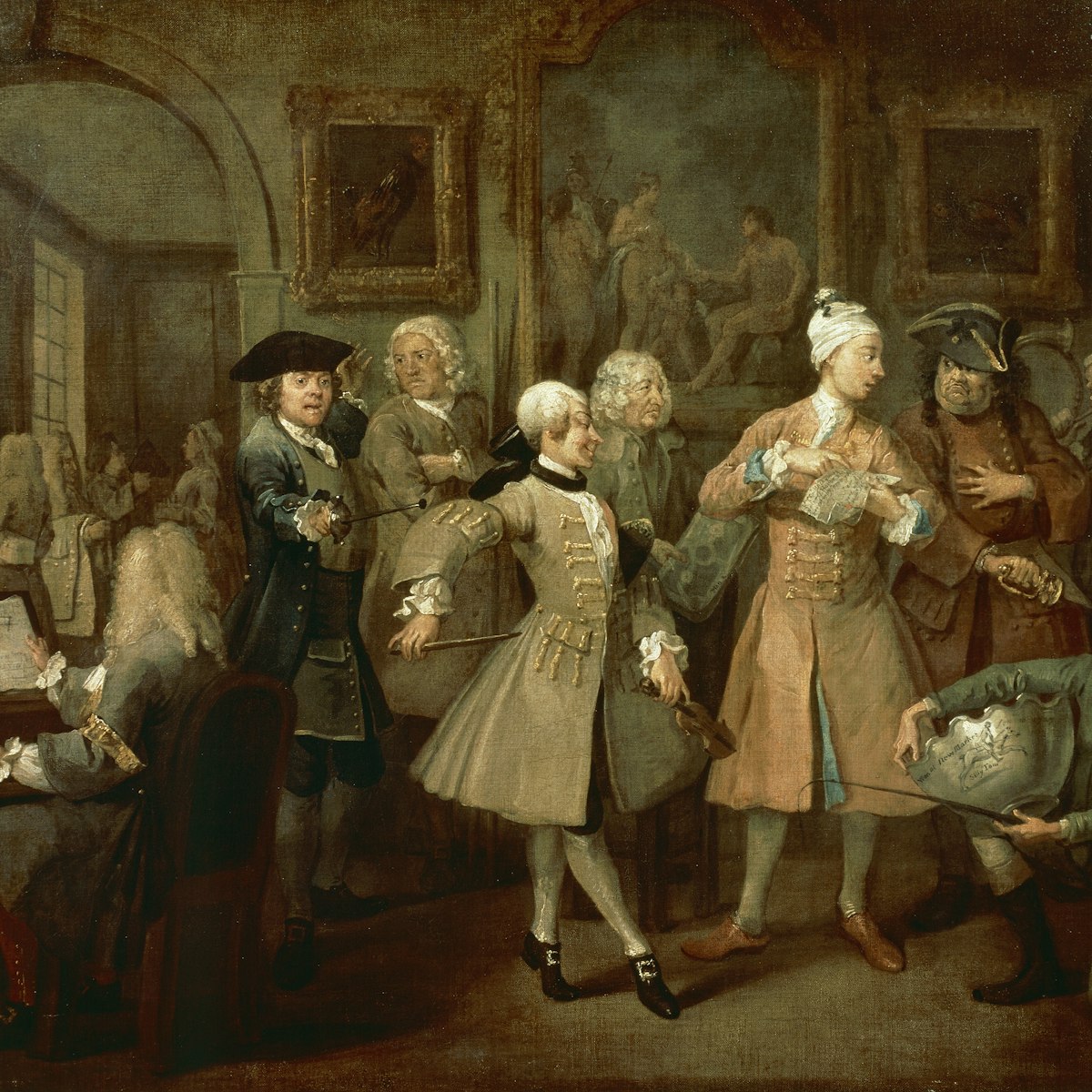
This museum is one of the most atmospheric and fascinating in London. The Georgian building was the beautiful, bewitching home of architect Sir John Soane…
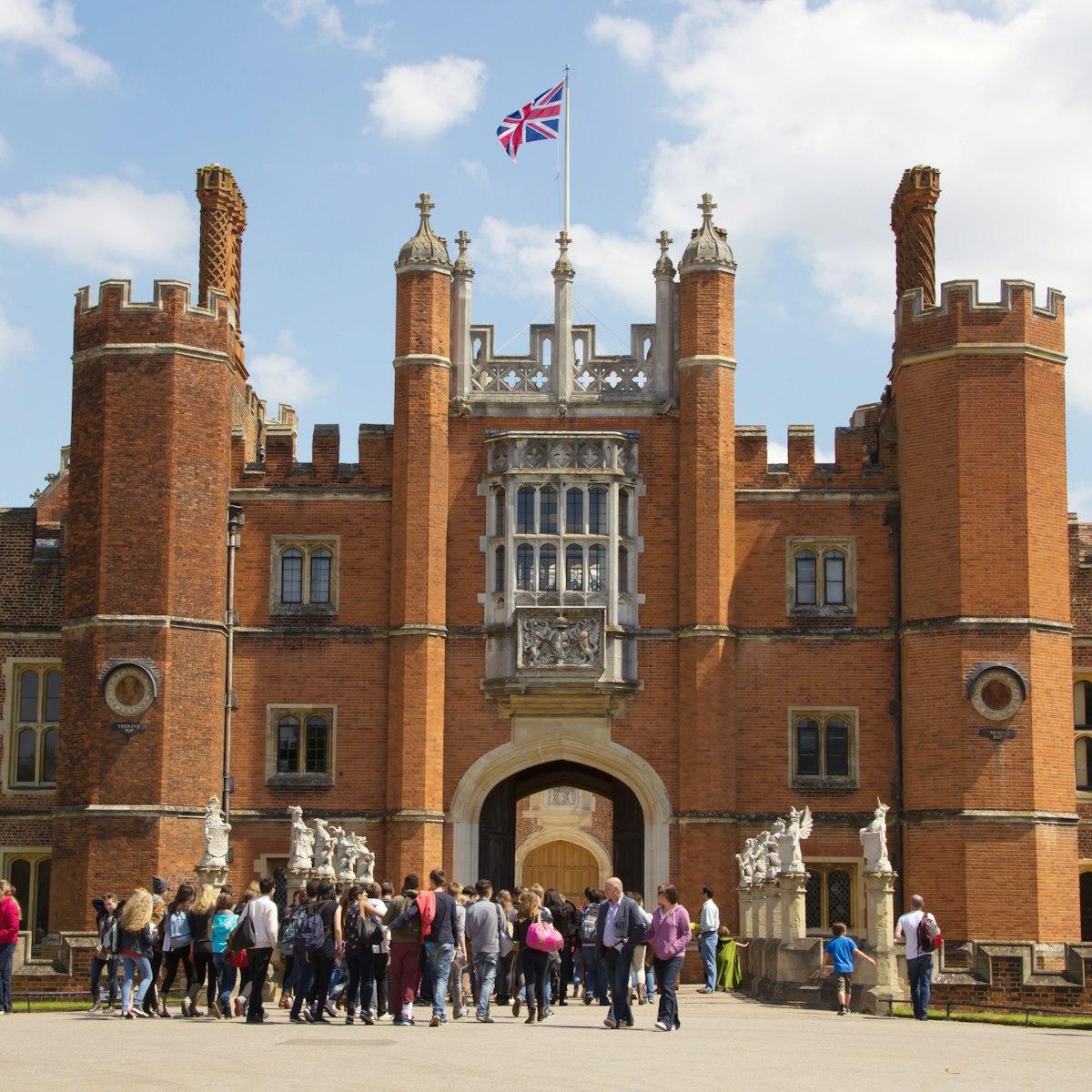
Richmond, Kew & Hampton Court
Built by Cardinal Thomas Wolsey in 1515 but coaxed from him by Henry VIII just before Wolsey (as chancellor) fell from favour, Hampton Court Palace is…
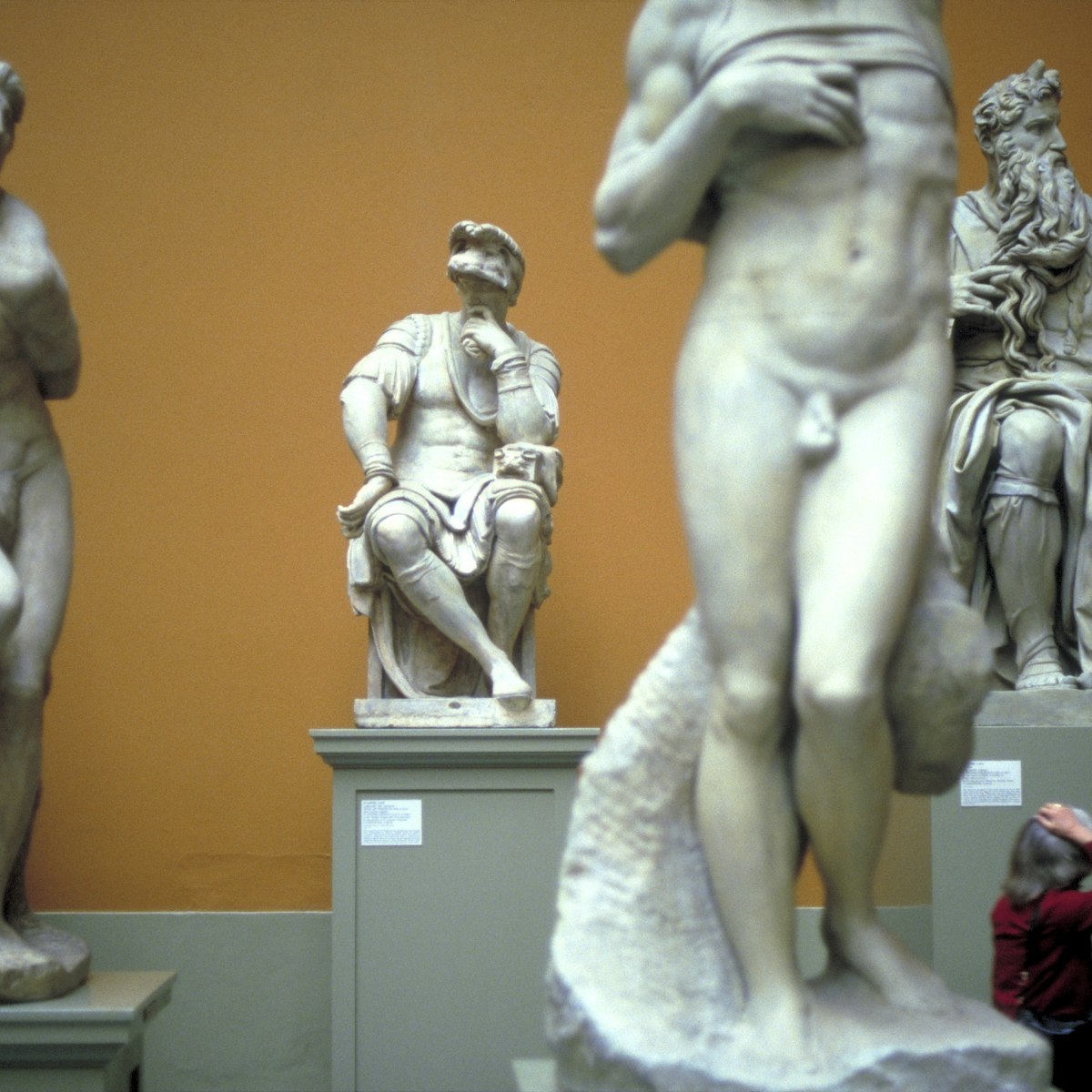
Kensington & Hyde Park
The Museum of Manufactures, as the V&A was known when it opened in 1852, was part of Prince Albert’s legacy to the nation in the aftermath of the…
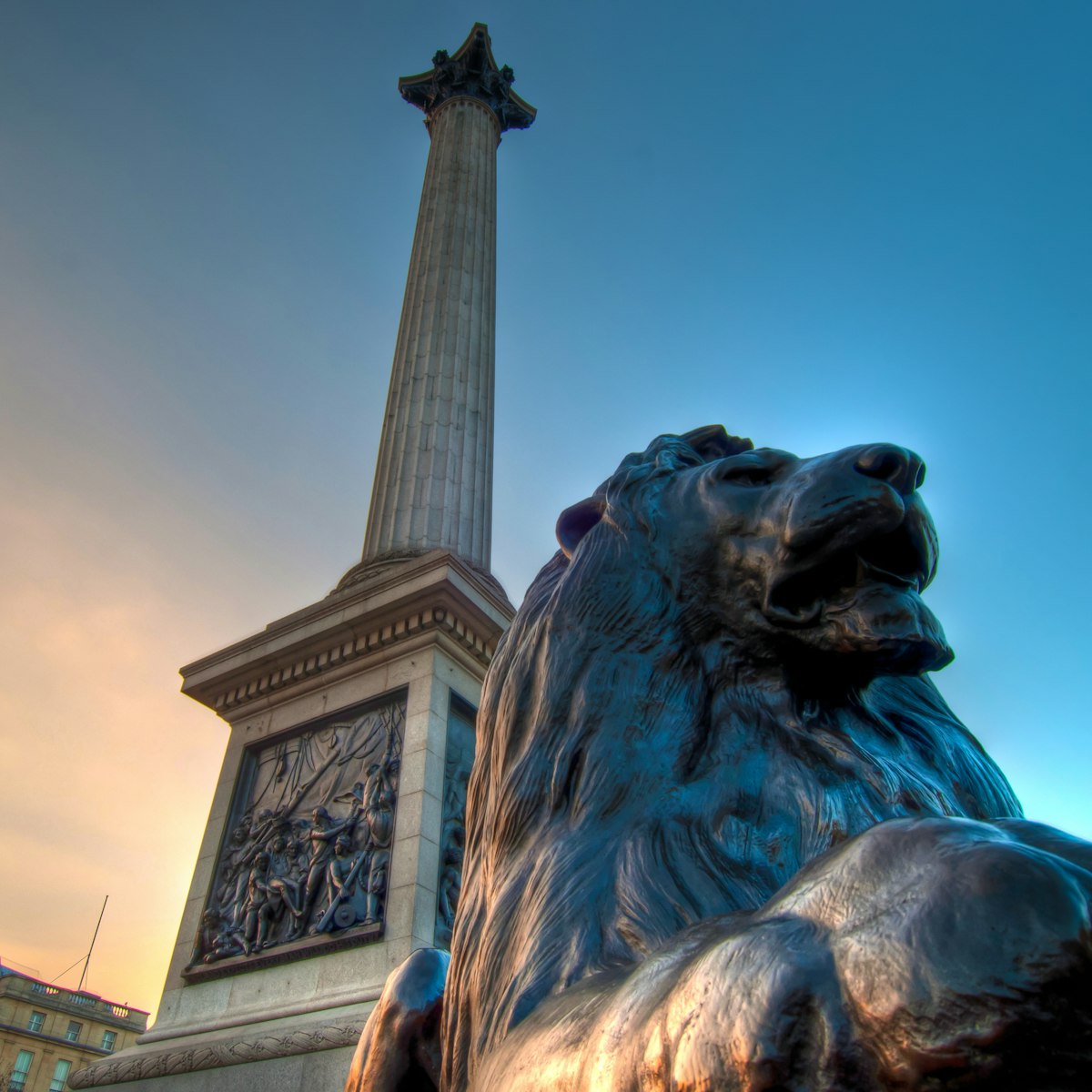
The West End
Opened to the public in 1844, Trafalgar Sq is the true centre of London, where rallies and marches take place, tens of thousands of revellers usher in the…
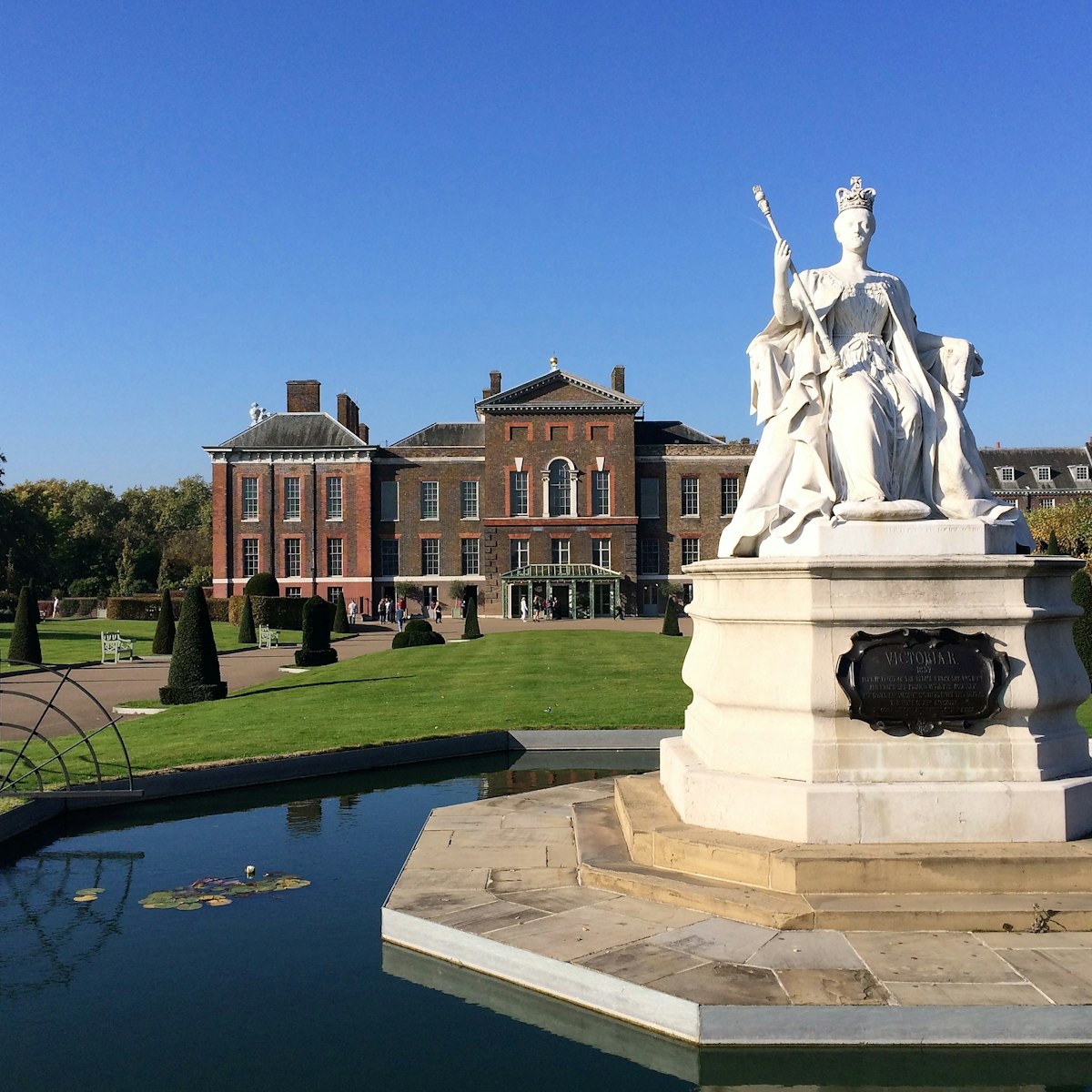
Kensington & Hyde Park
Built in 1605, Kensington Palace became the favourite royal residence under William and Mary of Orange in 1689, and remained so until George III became…
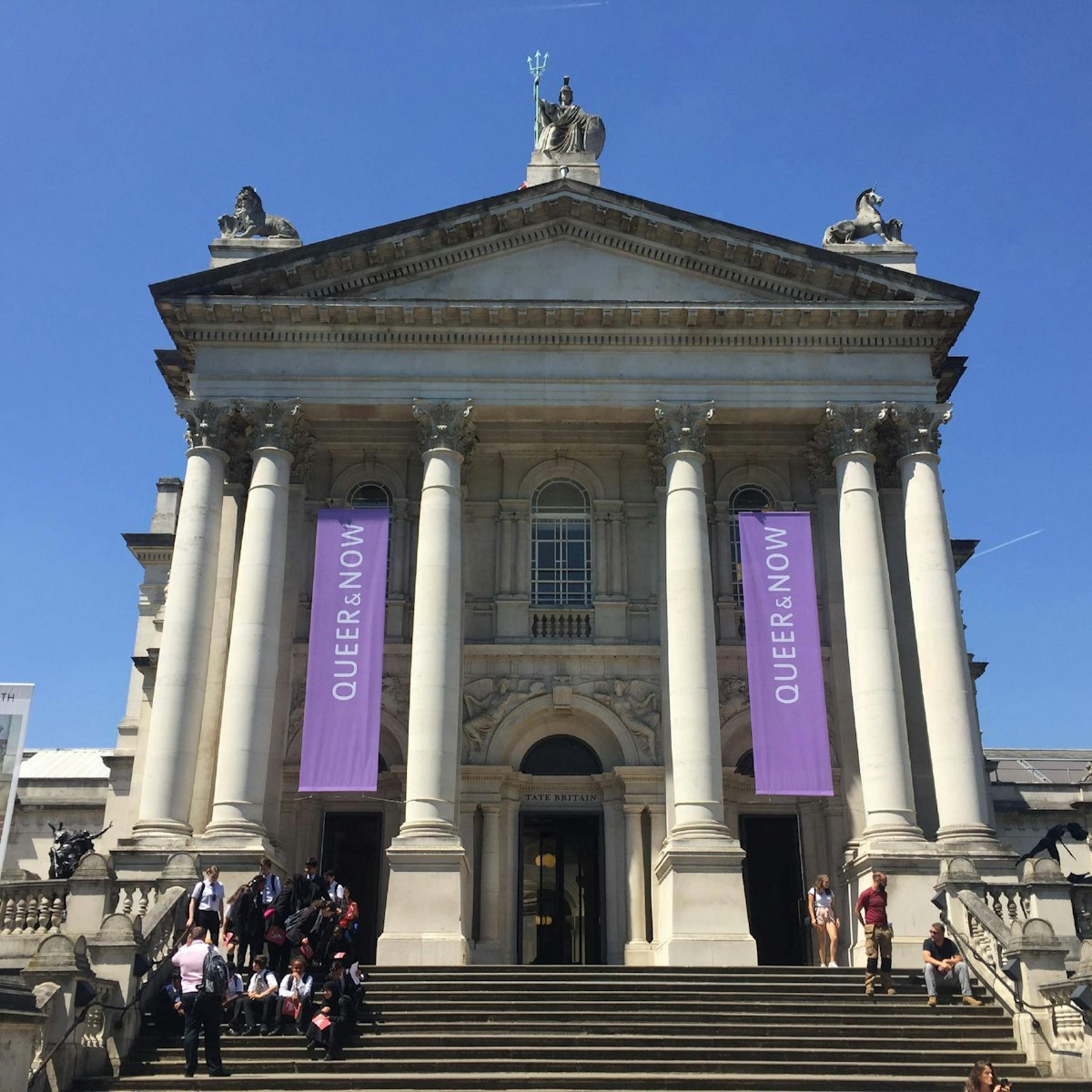
The West End
On the site of the former Millbank Penitentiary, the older and more venerable of the two Tate siblings opened in 1892 and celebrates British art from 1500…
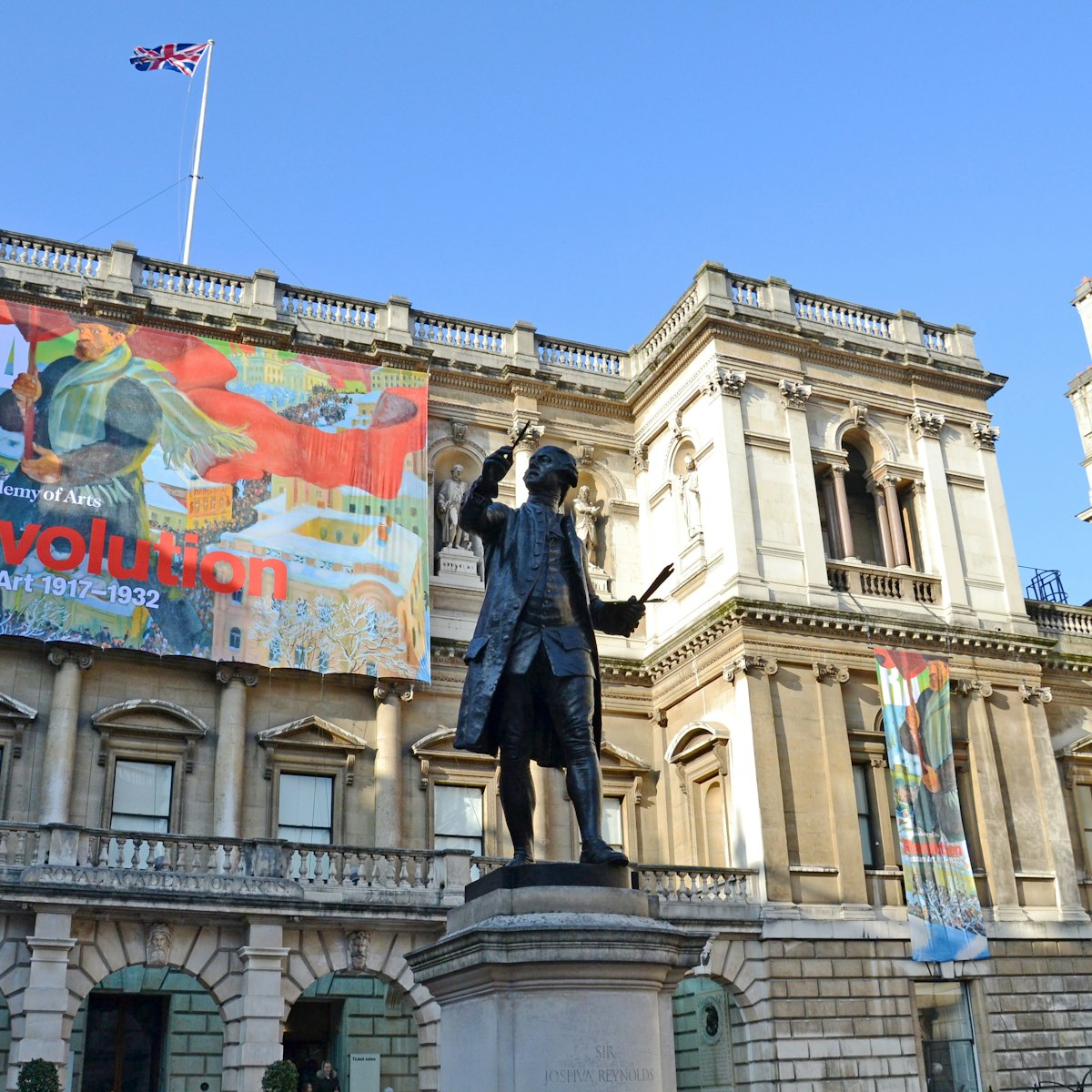
The West End
Britain’s oldest society devoted to fine arts was founded in 1768 and moved here to Burlington House a century later. For its 250th birthday in 2018, the…
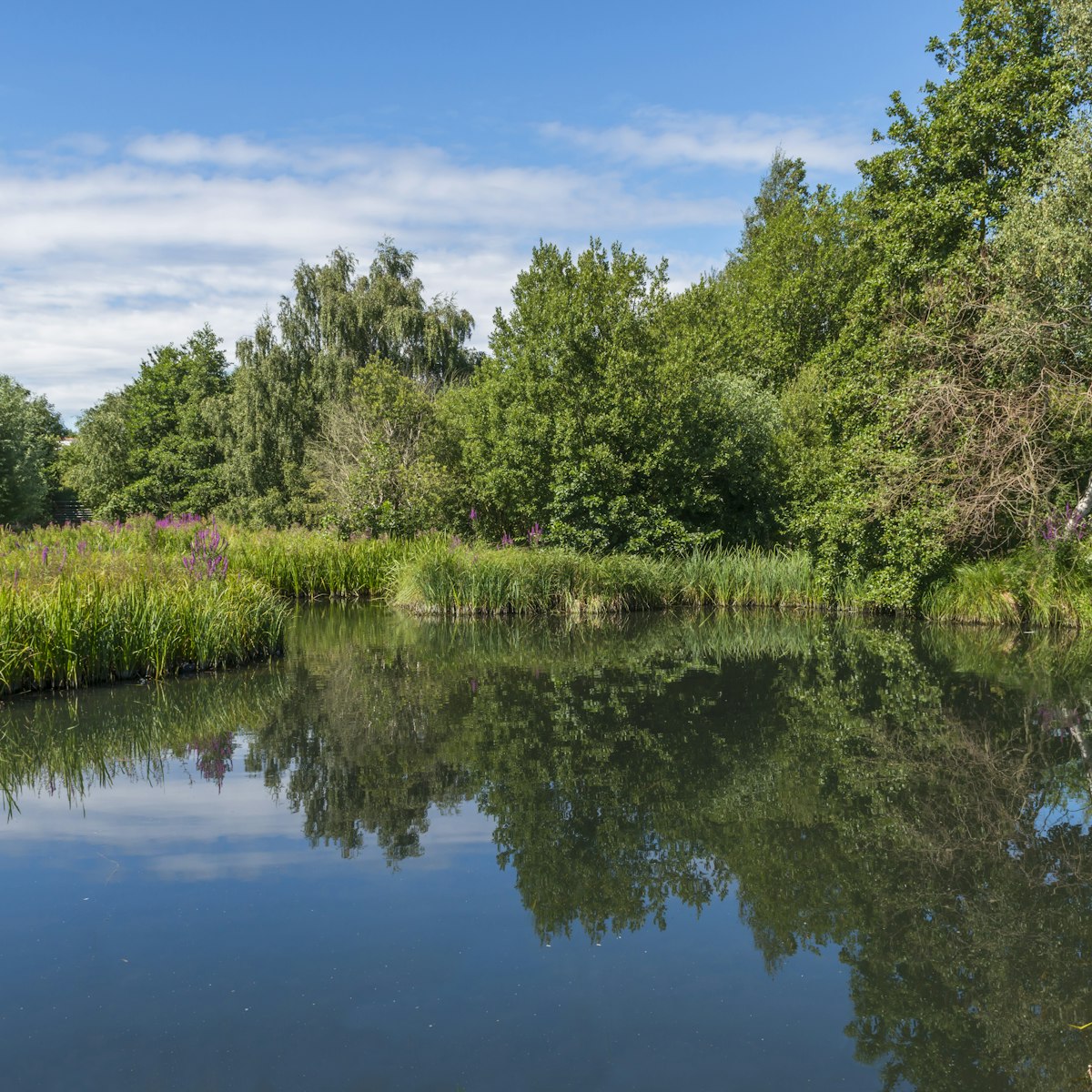
Richmond, Kew & Hampton Court
One of Europe’s largest inland wetland projects, this 42-hectare centre run by the Wildfowl & Wetlands Trust was transformed from four Victorian…
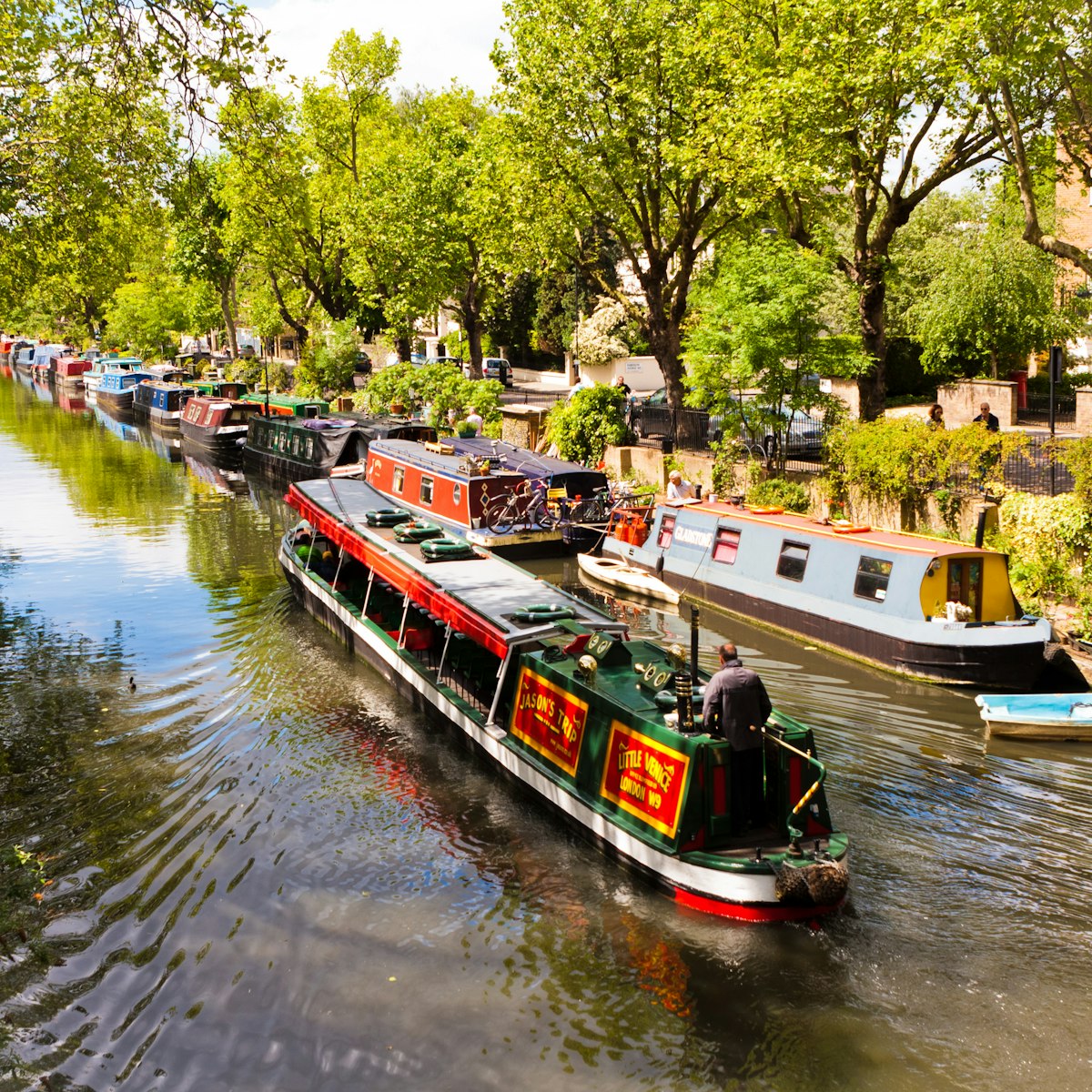
North London
To escape the crowded streets and enjoy a picturesque, waterside side stretch of North London, take to the canals that once played such a vital role in…
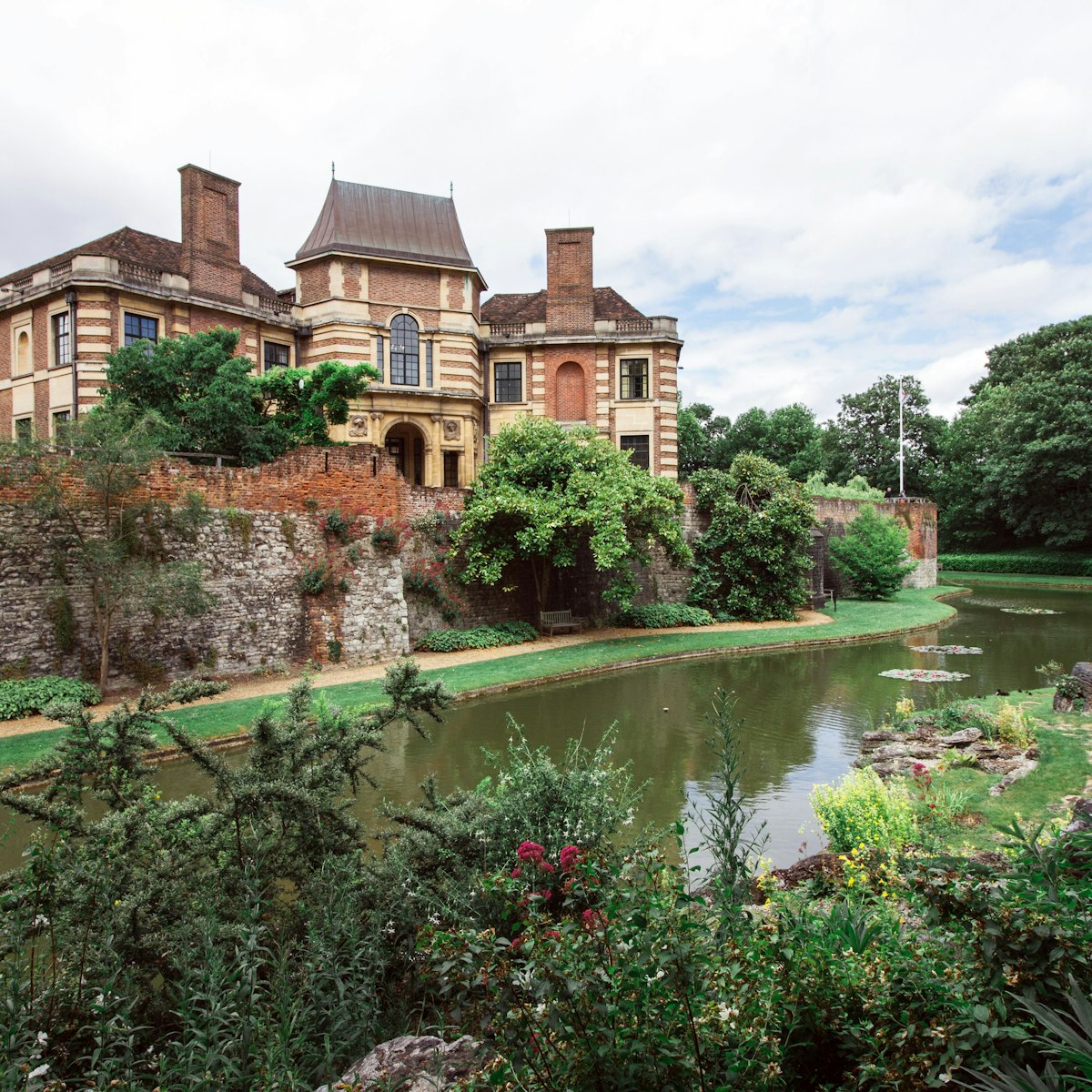
London
This gorgeous 1930s art-deco mansion was built by Stephen Courtauld, whose family made a fortune in the rayon (artificial silk) industry, and his wife…
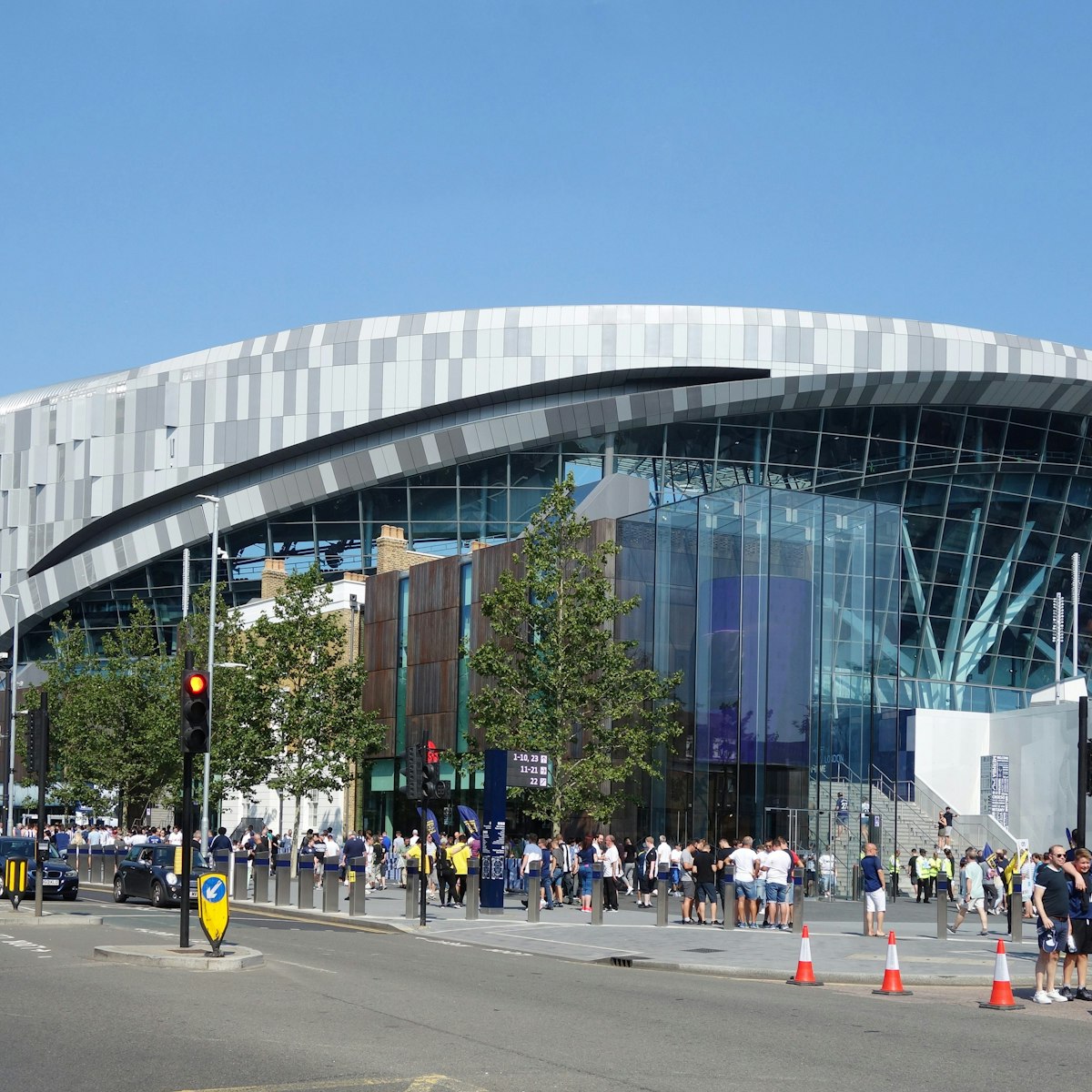
London
This state-of-the-art 62,300-seat stadium in Tottenham, with a retractable pitch that hosts both 'real’ and American football games, opened in April 2019…
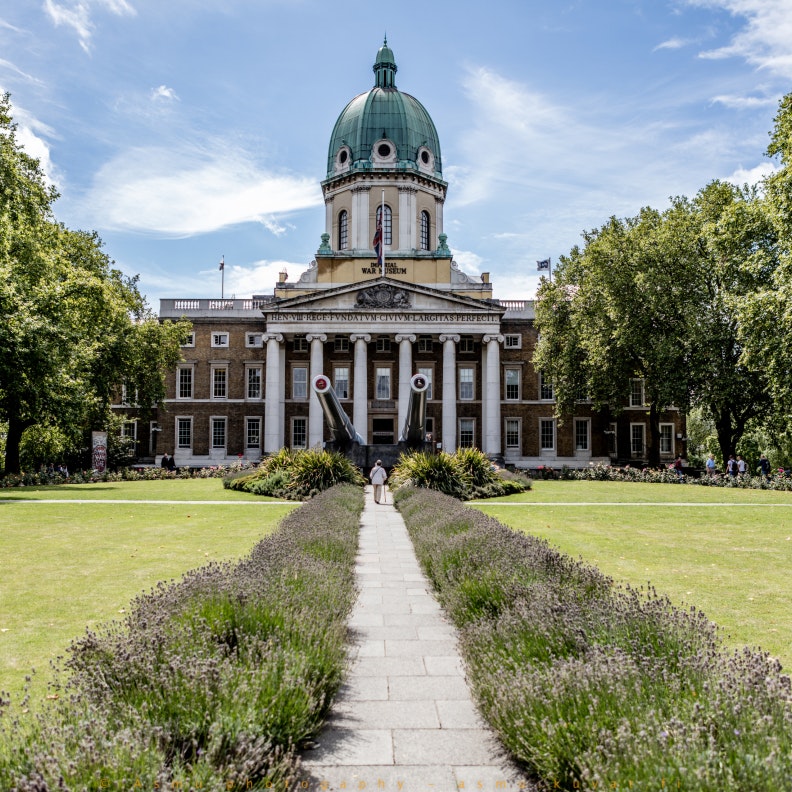
Brixton, Peckham & South London
Fronted by an intimidating pair of 15-inch naval guns and a piece of the Berlin Wall, this riveting museum is housed in what was the Bethlem Royal…
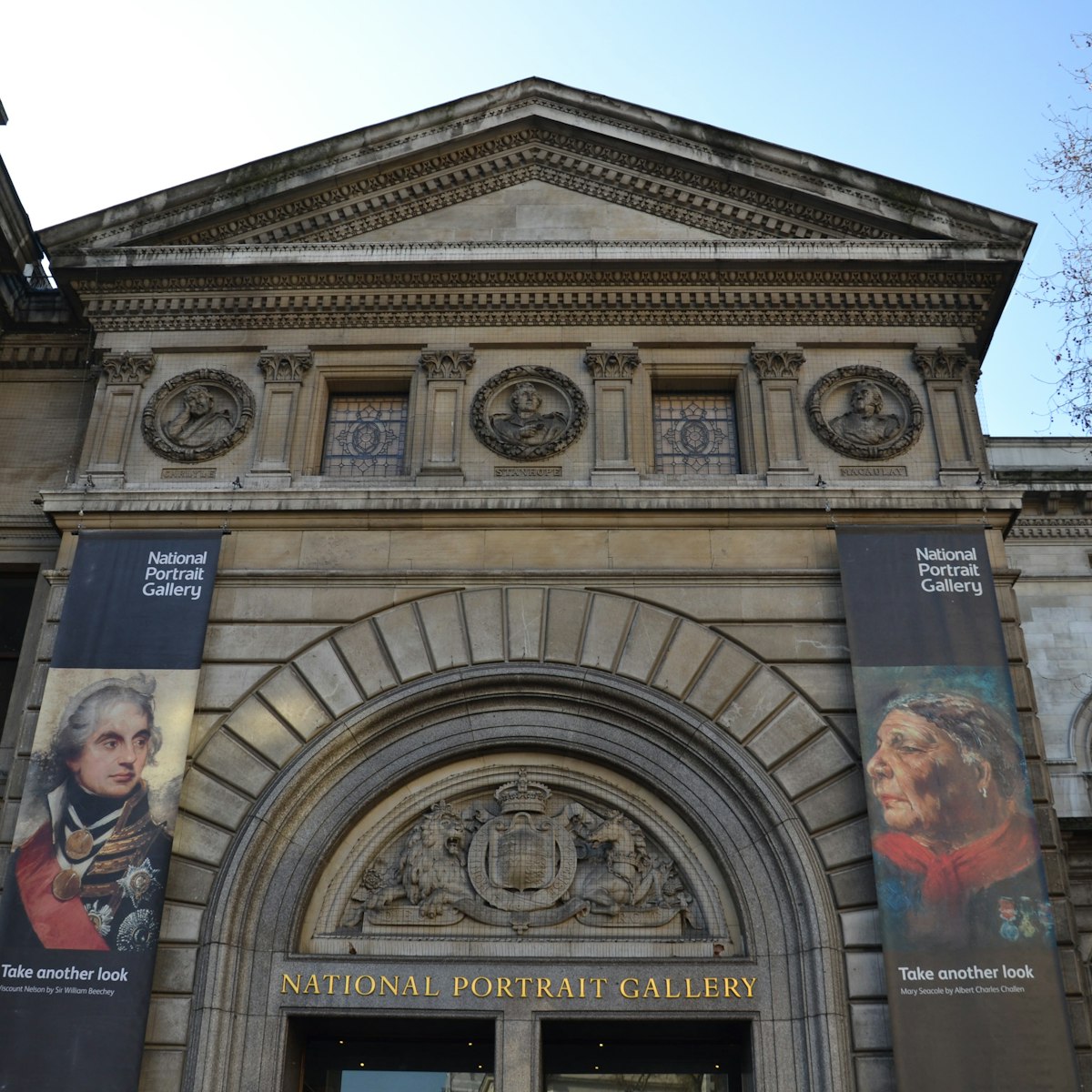
The West End
What makes the National Portrait Gallery so compelling is its familiarity; in many cases, you will have heard of the subject (royals, scientists,…
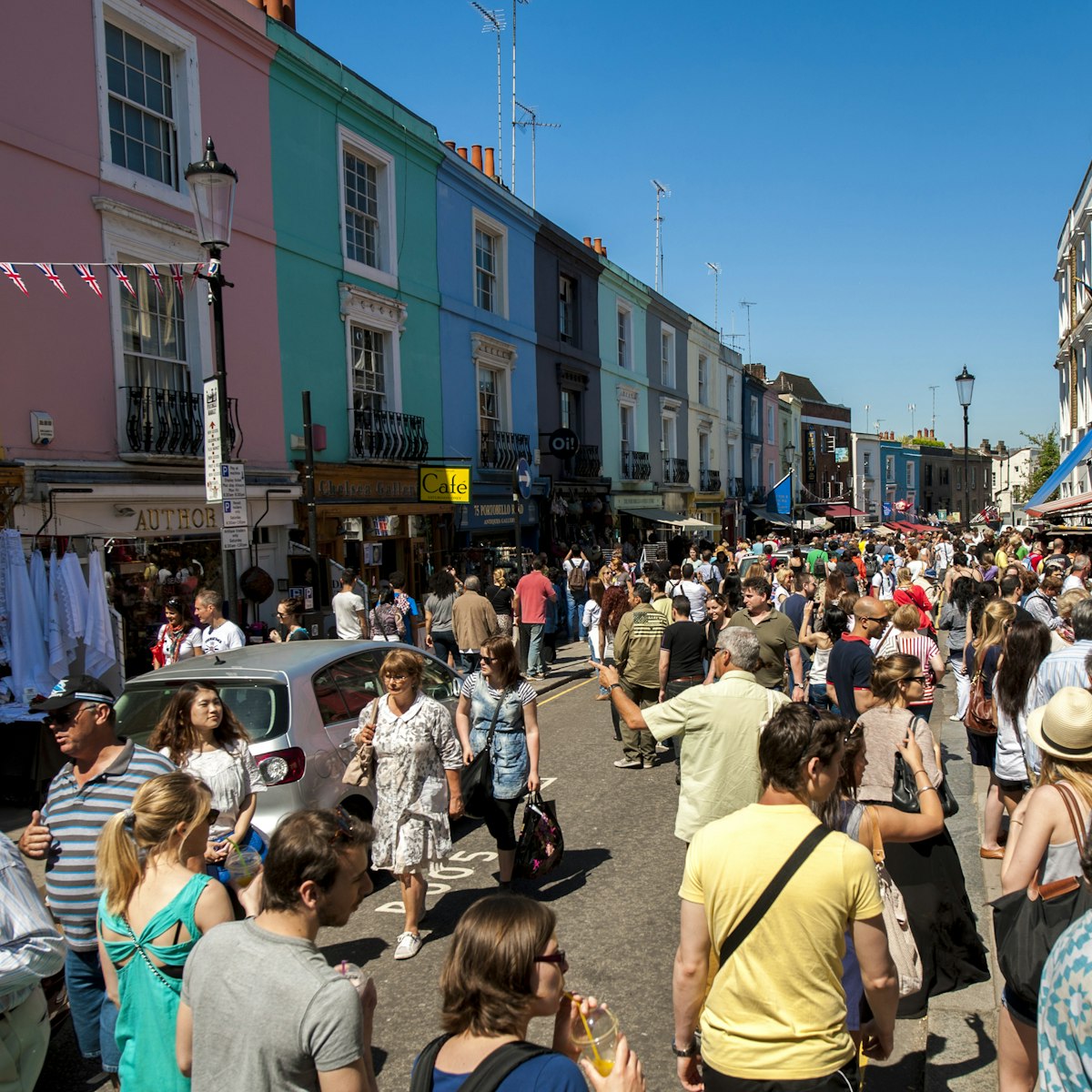
Notting Hill & West London
Lovely on a warm summer's day, Portobello Road Market is an iconic London attraction with an eclectic mix of street food, fruit and veg, antiques, curios,…
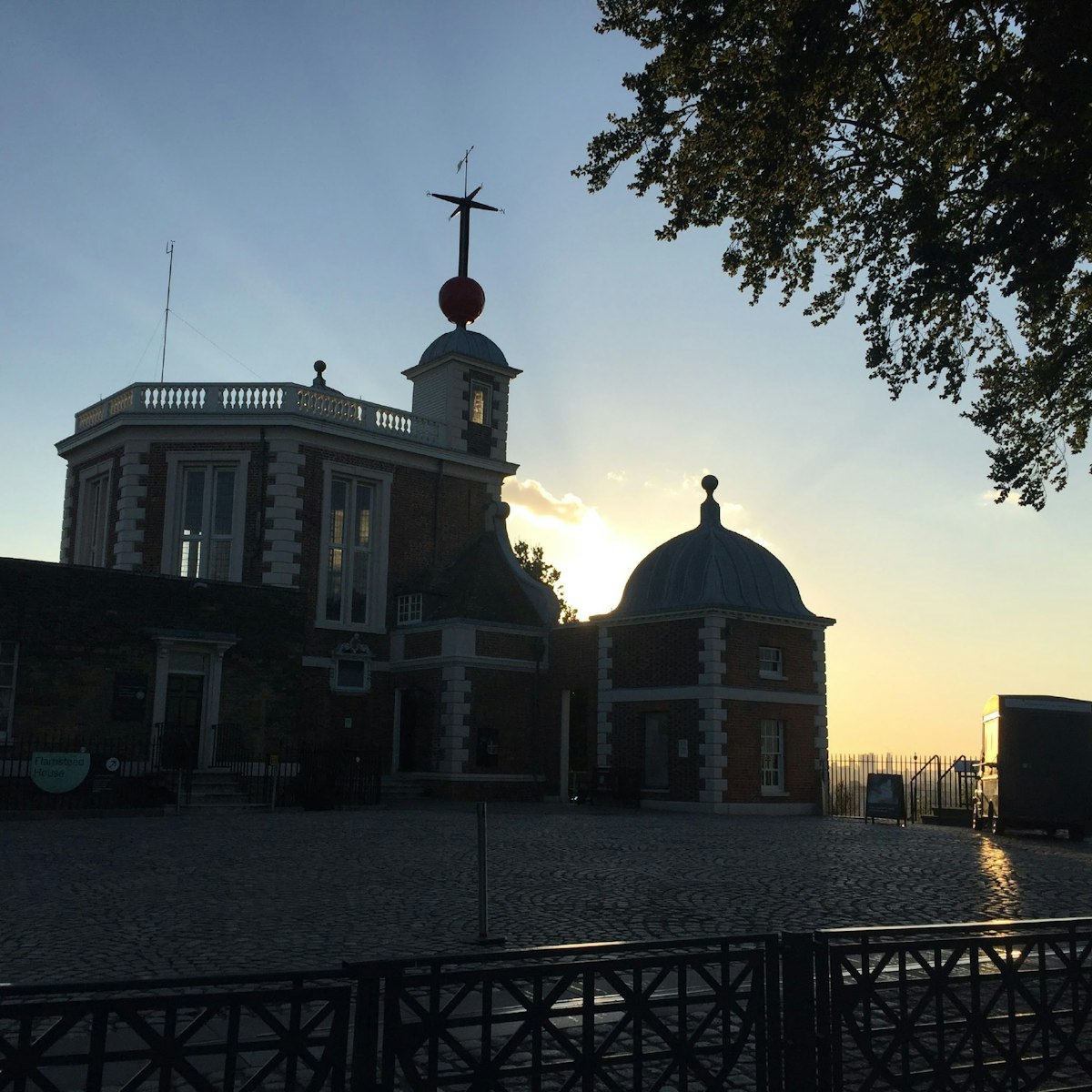
Greenwich
Rising like a beacon of time atop Greenwich Park, the Royal Observatory is home to the prime meridian (longitude 0° 0' 0''). Tickets include access to the…
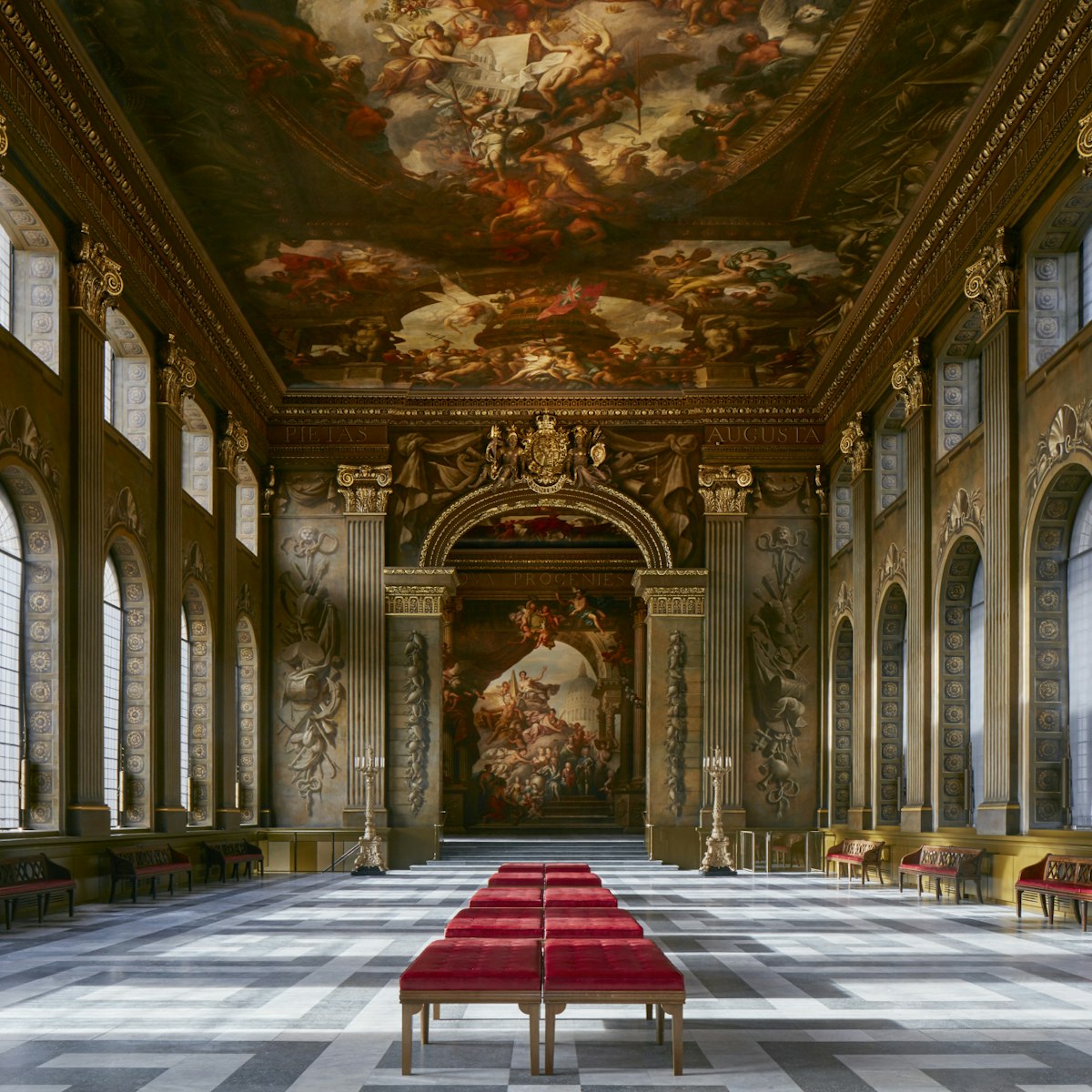
Greenwich
Designed as a dining room for retired and disabled sailors and completed in 1726, the Painted Hall is an over-the-top banqueting space that's covered…