Egypt
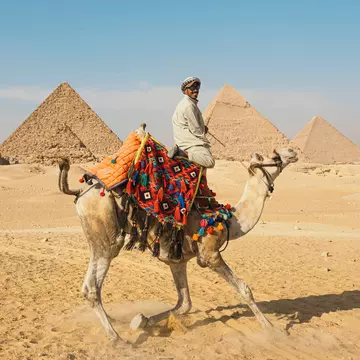
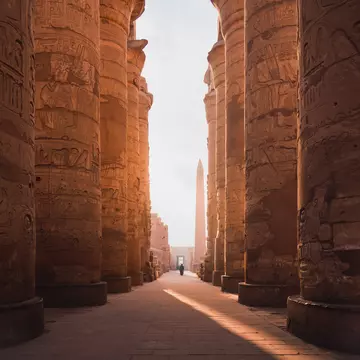
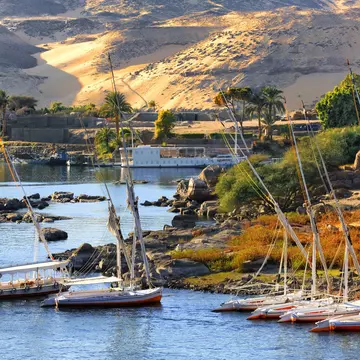
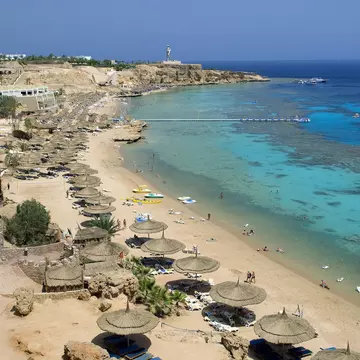
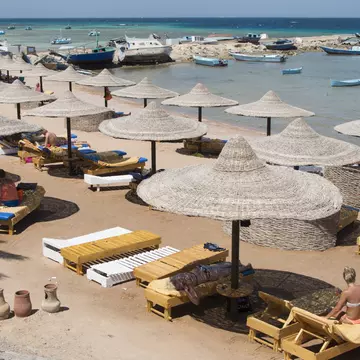
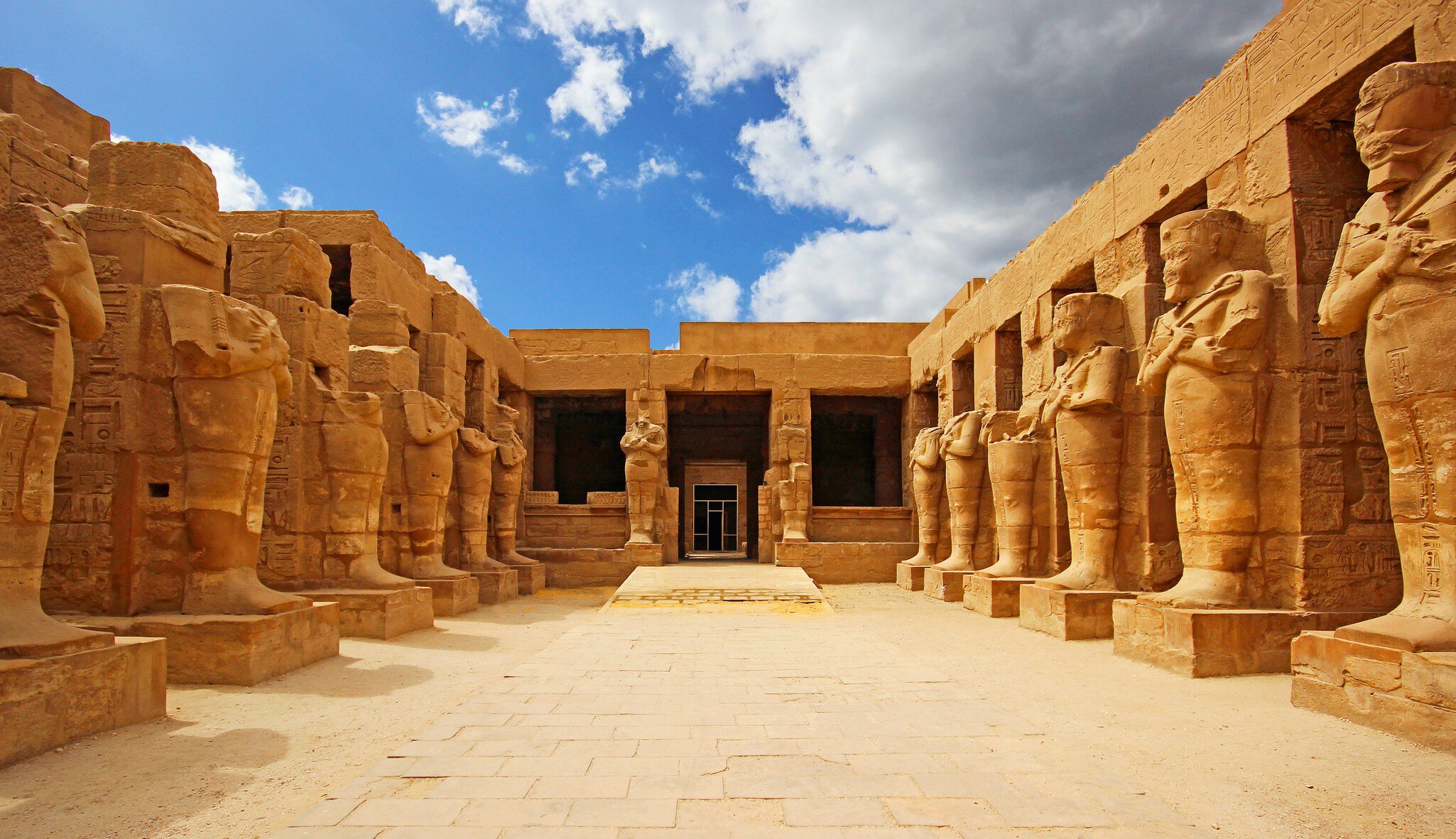
Egypt welcomes you with its mighty Nile and magnificent monuments, the beguiling desert and lush delta, and with its long past and welcoming, story-loving people.
Getty Images/iStockphoto
Latest Stories
- Lauren Keith | Oct 6, 20269 Tombs and Temples to Visit in Luxor and Aswan
- Lama Obeid | Oct 3, 2026The Best Things to Eat and Drink in Egypt
- Lonely Planet Editors | Oct 1, 2026Top Tips for Exploring Egypt on a Budget
- Jessica Lee | Jul 27, 2026The Best Times to Visit Egypt
Book
Trip 
App


Trusted Partner
Dreaming of Egypt? Protect your trip
Travel with confidence. Protect your trip and your wallet.
We don’t represent World Nomads, we receive a fee from quotes using this link. This is not a recommendation to buy travel insurance.
Book your Egypt trip with Lonely Planet Journeys
See Egypt how it's meant to be seen
Accommodations, activities and ground transportation all taken care of, so you can focus on the fun part. Tell us what your dream trip to Egypt looks like, and our local experts will build it from scratch. Or start with one of our itineraries and make it your own.

Top places to visit in Egypt
Discover the best attractions in Egypt from must-see sights to unexpected hidden gems.
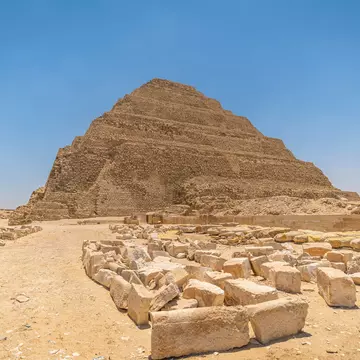
- Attraction in EgyptSaqqara
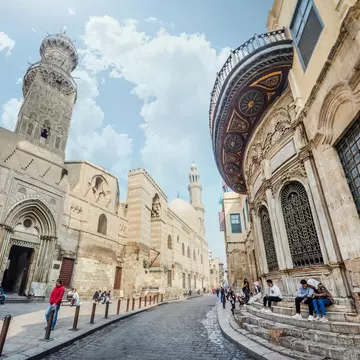
- Attraction in CairoAl Muizz Li-Din Allah Street
- Attraction in AlexandriaBibliotheca Alexandrina
- Attraction in CairoCitadel
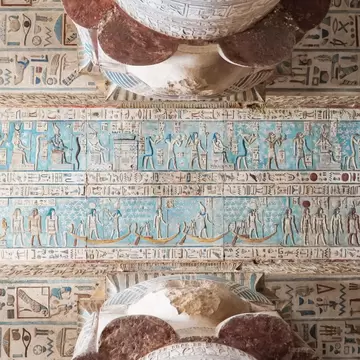
- Attraction in EgyptDendara
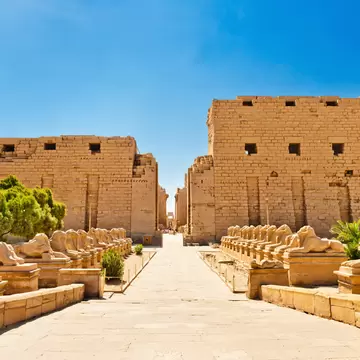
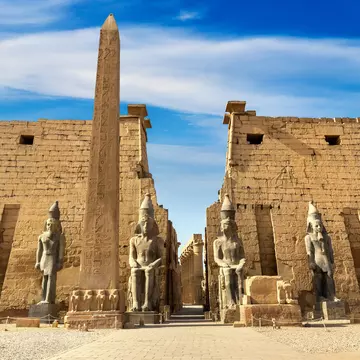
- Attraction in LuxorKarnak Temple Complex
- Attraction in LuxorLuxor Temple
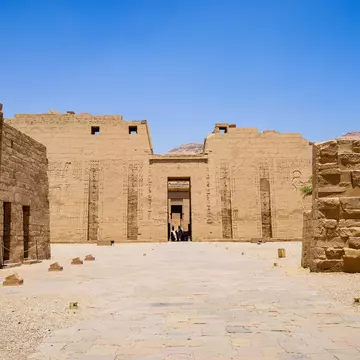
- Attraction in LuxorMedinat Habu


Travel Guides
Egypt travel tips from Lonely Planet experts
Find practical guidance from our team of contributors around the world who bring their decades of first-hand travel experience to your next trip.
Best Things to Do
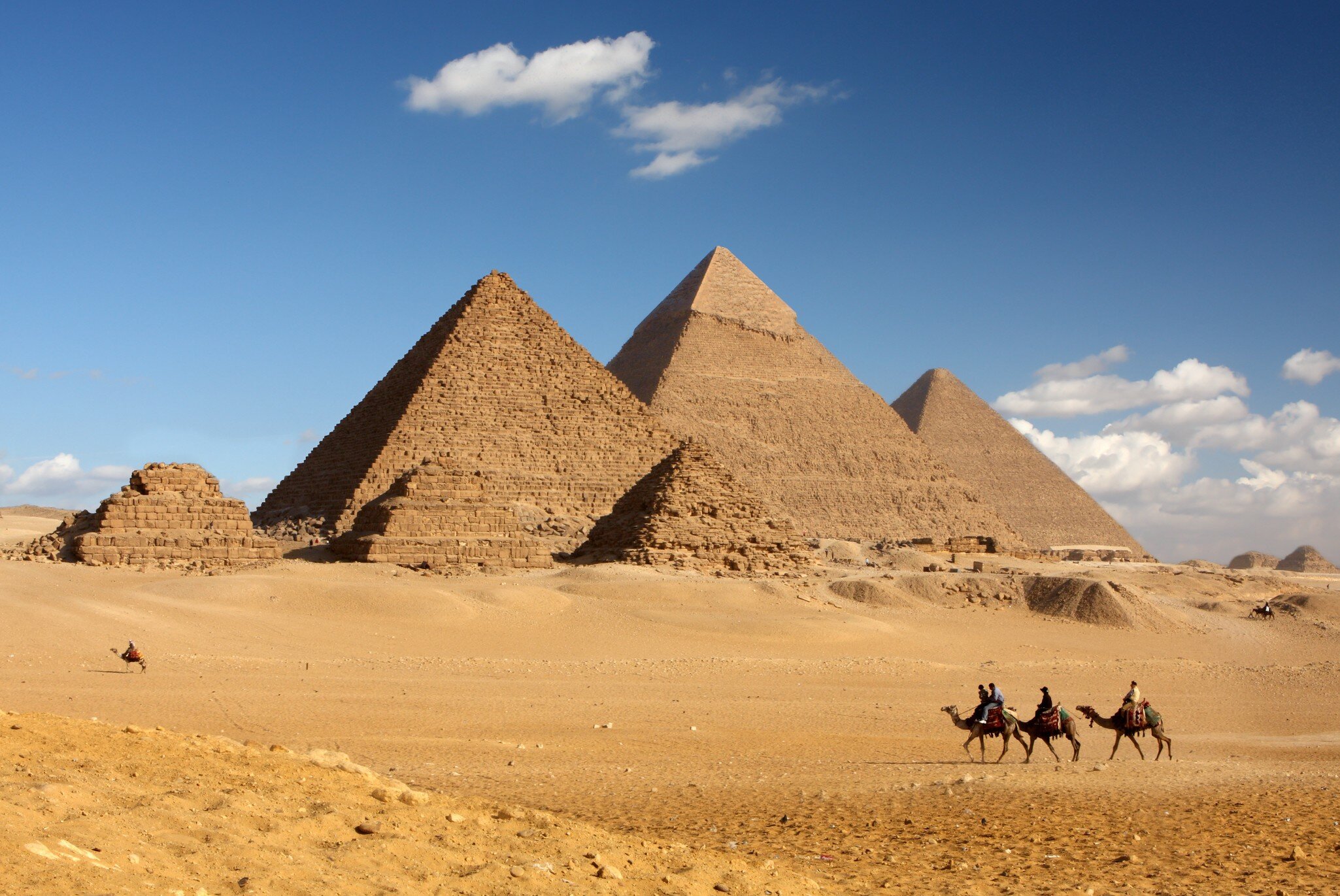
You might visit Egypt for the history, the adventure, the beaches or even just the pyramids - when it comes to things to do, you are spoiled for choice.
Read full article
Best Time to Visit
With tombs, pyramids and towering temples, Egypt brings out the explorer in all of us. This handy month-by-month guide shows the best time to visit Egypt.
Read full article
Things to Know
From getting around to staying safe to minding your etiquette, here are our top tips for visiting Egypt.
Read full article
Transportation
From overnight trains to cruise boats on the Nile, here are the best ways to travel around in Egypt.
Read full article
Best Road Trips
Experience the best of Egypt with these spectacular road trip routes.
Read full article
Money and Costs
Don't think a small budget will restrict your Egyptian adventure. With our top tips, you can explore the whole country without breaking the bank.
Read full article
Traveling with Kids
Egypt can be a challenging destination to visit, but the country is a treasure trove of activities for families. Here's how to visit Egypt with kids.
Read full article
Best Places to Visit
From climbing the pyramids and stargazing in the desert to diving in the Red Sea, Egypt has myriad travel experiences. Here are the best places to visit.
Read full article
Get Connected
Stay connected on your travels in Egypt with this guide to cell coverage, networks and wi-fi.
Read full article
Get a book. Get inspired. Get exploring.

in partnership with getyourguide
Book popular activities in Egypt
Lonely Planet may earn a commission from affiliate links on our site. All recommendations and reviews reflect our own independent opinions.
Egypt and beyond
- destinationCairo
- destinationLuxor
- destinationRed Sea Coast
- destinationAlexandria
- destinationAswan
- destinationSharm El Sheikh
- destinationHurghada
-
 destinationSiwa Oasis