Northern Nile Valley
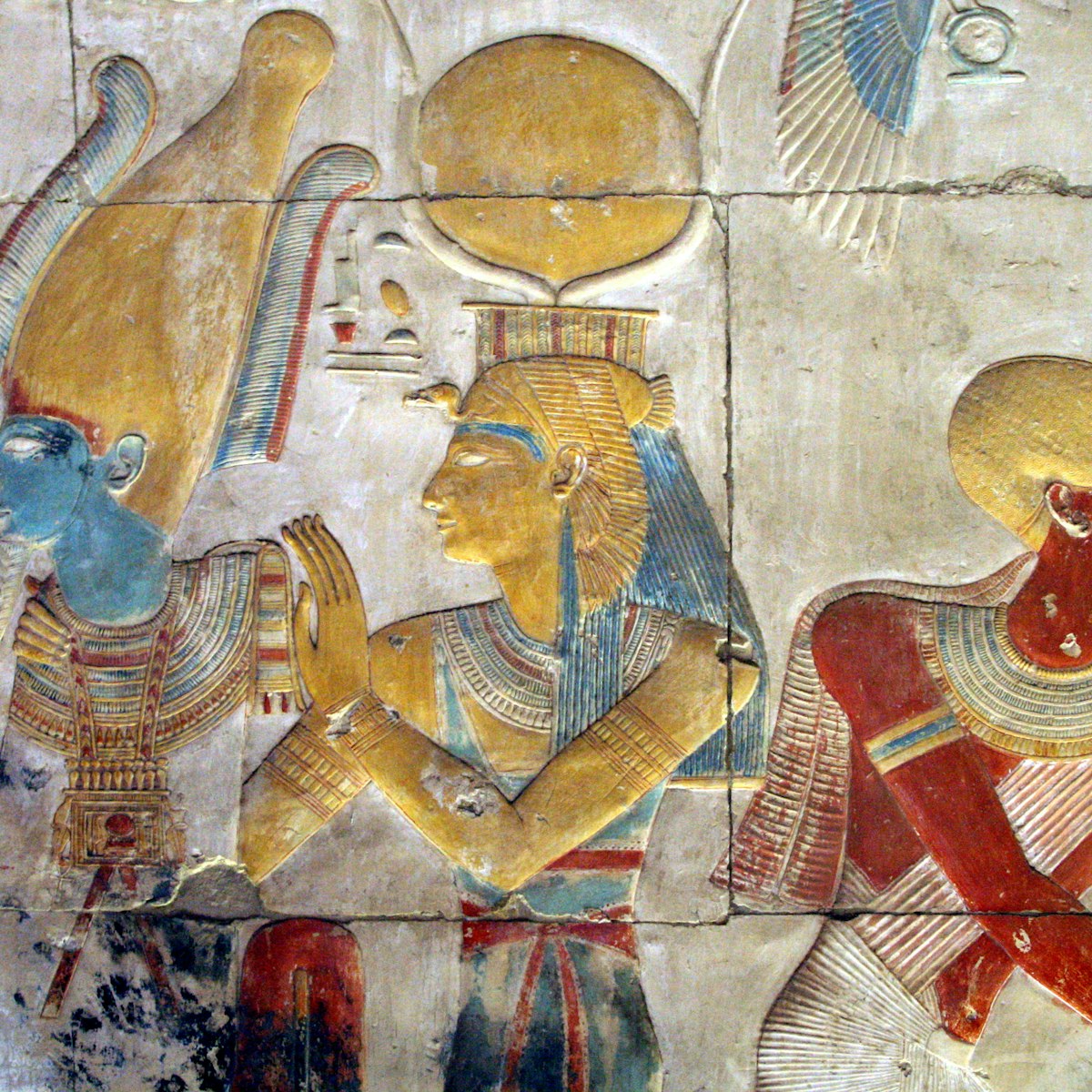
The first structure you’ll see at Abydos is the Great Temple of Seti I, which, after a certain amount of restoration work, is one of the most complete,…
If you’re in a hurry to reach the treasures and pleasures of the south, it is easy to dismiss the places between Cairo and Luxor. But these less touristed parts of the country almost always repay what can be the considerable effort of a visit.
Experience the real Northern Nile Valley. Let a local expert handle the planning for you.
Get startedNorthern Nile Valley
The first structure you’ll see at Abydos is the Great Temple of Seti I, which, after a certain amount of restoration work, is one of the most complete,…
Northern Nile Valley
As the main cult centre of Osiris, god of the dead, Abydos (known as Ibdju in ancient times) was the place to be buried in ancient Egypt. The tomb of Djer…
Northern Nile Valley
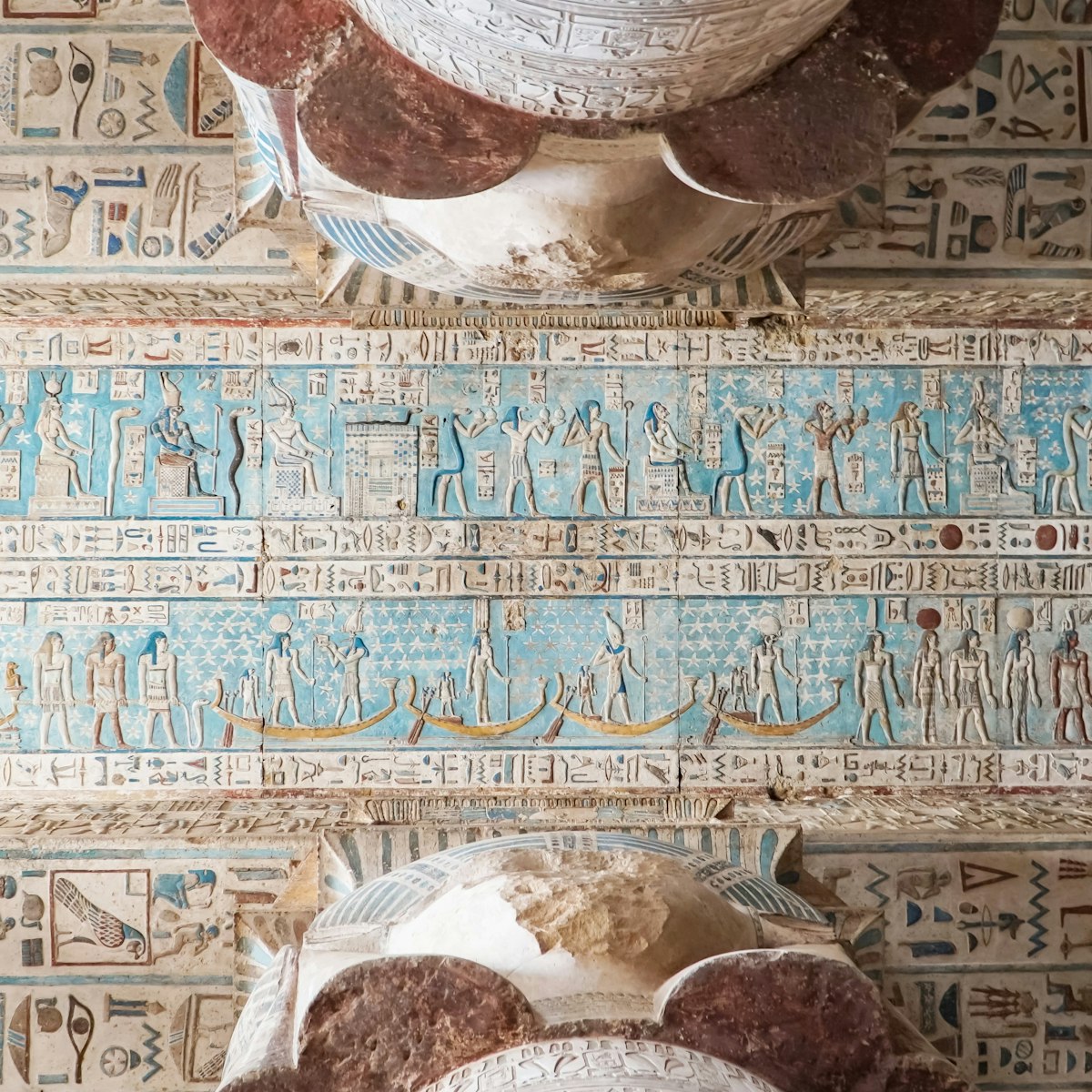
Dendara was an important administrative and religious centre as early as the 6th dynasty (c 2320 BC). Although built at the very end of the Pharaonic…
Northern Nile Valley
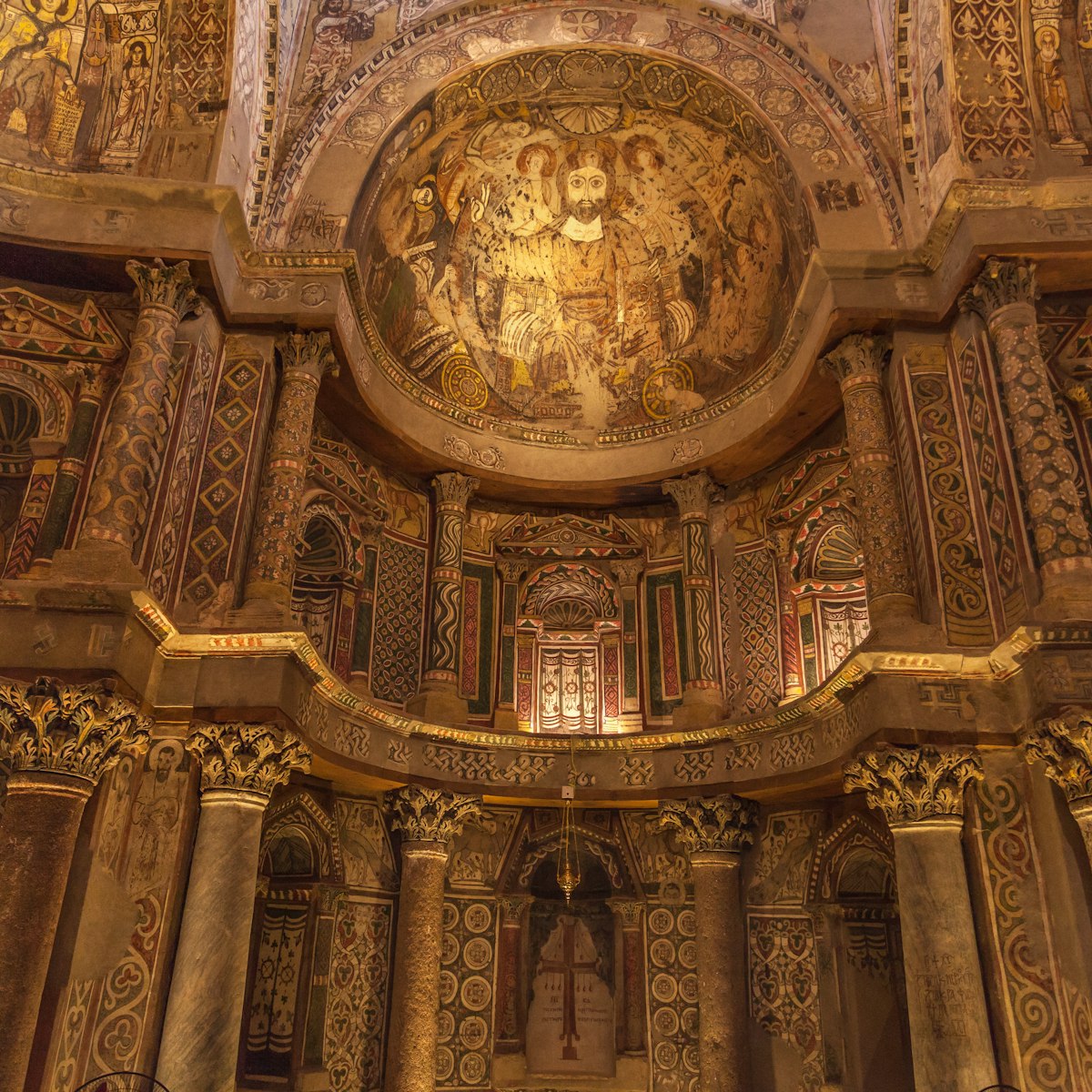
The Red Monastery, 4km southeast of the White Monastery and hidden at the rear of a village, is one of the most remarkable Christian buildings in Egypt…

Northern Nile Valley
The necropolis of Beni Hasan occupies a range of east-bank limestone cliffs some 20km south of Minya. Most of the superb tombs date from the 11th and 12th…
Northern Nile Valley
Tuna Al Gebel was the necropolis of Hermopolis; about 5km past the village of Tuna Al Gebel you'll find the catacombs and tombs of the residents and…
Northern Nile Valley
Amenemhat was a 12th-dynasty governor of Oryx. His tomb is the largest and possibly the best at Beni Hasan and, like that of Khnumhotep, its impressive…
Northern Nile Valley
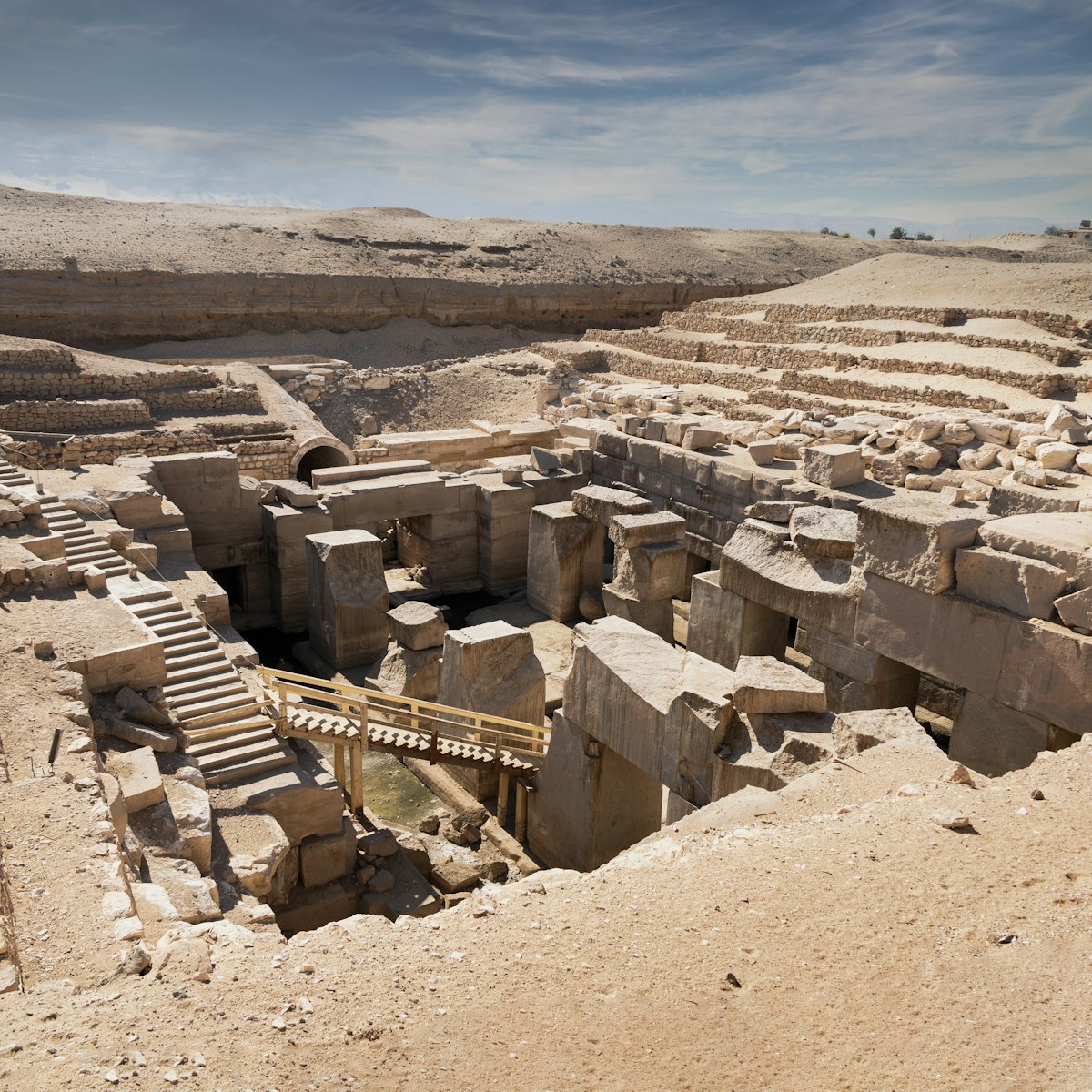
Directly behind the Temple of Seti I, the Osireion is a weird and wonderful structure, unique in Egypt and still baffling for Egyptologists. The entire…

Get to the heart of Northern Nile Valley with one of our in-depth, award-winning guidebooks, covering maps, itineraries, and expert guidance.