Getty Images
Cuba
From lush forests to a dynamic music scene, Cuba is a country of indefinable magic. Puff on Cuban cigars or cruise down the Havana streets in a classic car for a true taste of the good life.
Attractions
Must-see attractions
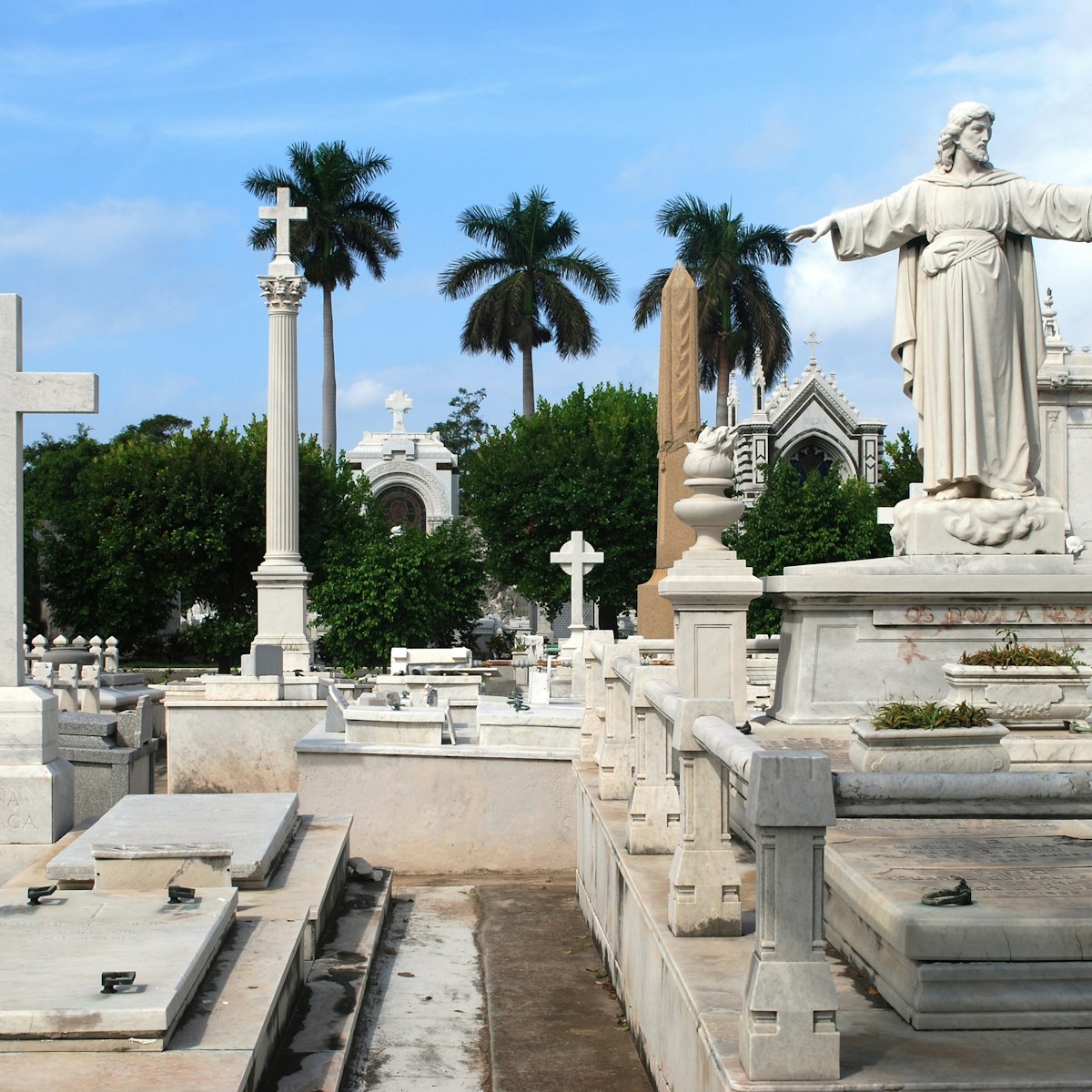
Vedado
Havana's main cemetery (a national monument), one of the largest in the Americas, is renowned for its striking religious iconography and elaborate marble…
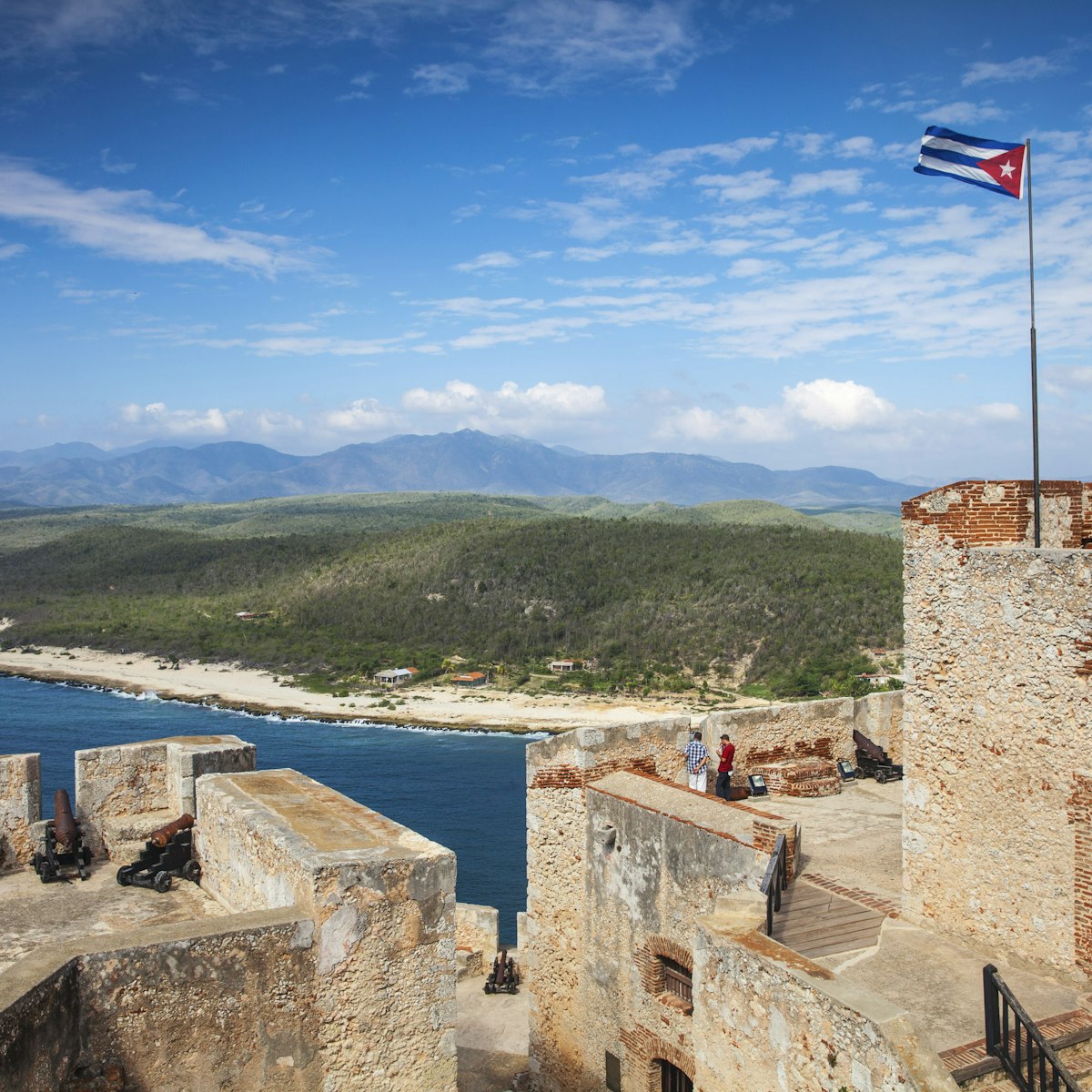
Castillo de San Pedro de la Roca del Morro
Santiago de Cuba
A Unesco World Heritage site since 1997, the San Pedro fort sits impregnably atop a 60m-high promontory at the entrance to Santiago harbor, 10km southwest…
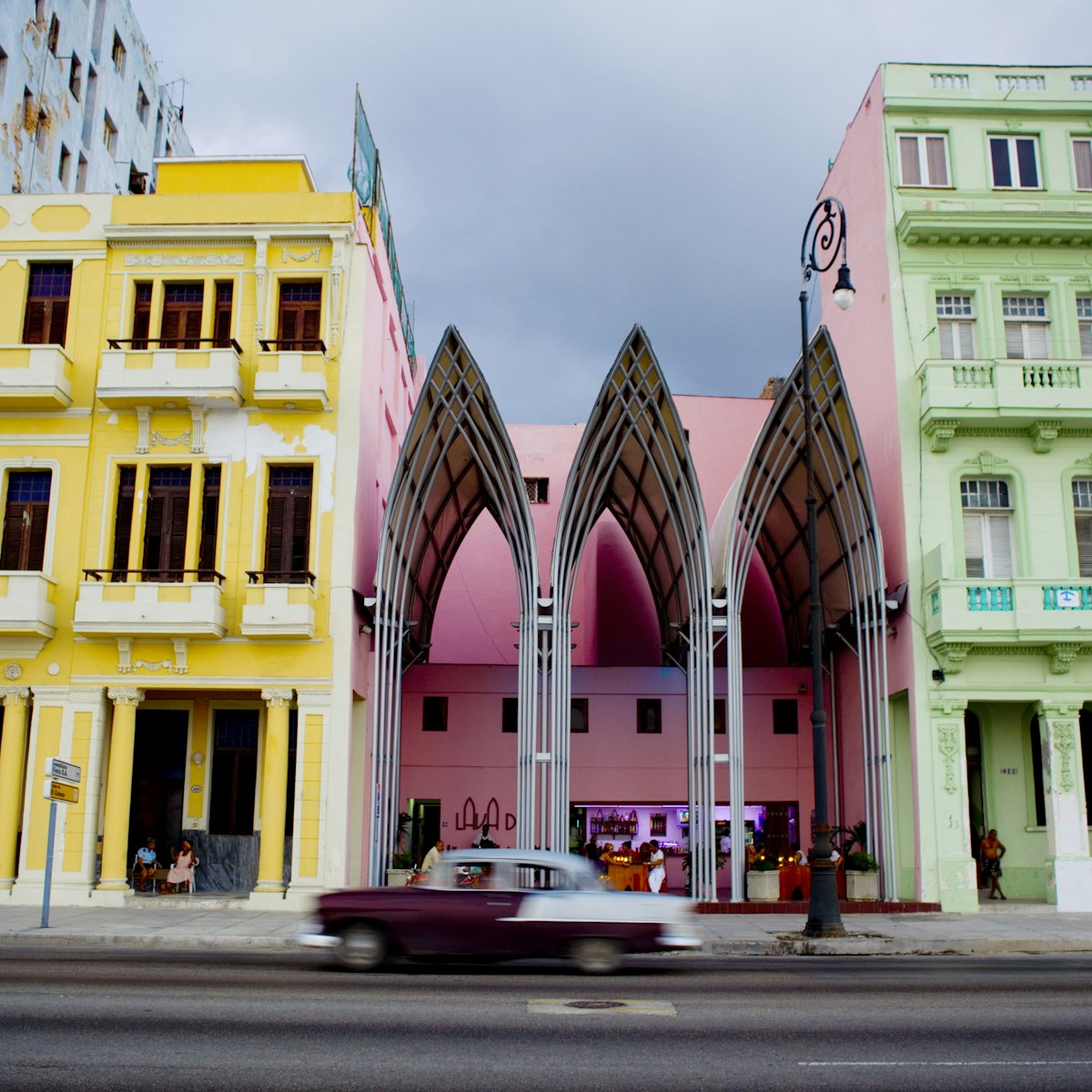
Havana
The Malecón, Havana's evocative 7km-long sea drive, is one of the city's most soulful and quintessentially Cuban thoroughfares, and long a favored meeting…
Havana
The incomparable Capitolio Nacional is Havana's most ambitious and grandiose building, constructed after the post-WWI boom ('Dance of the Millions')…
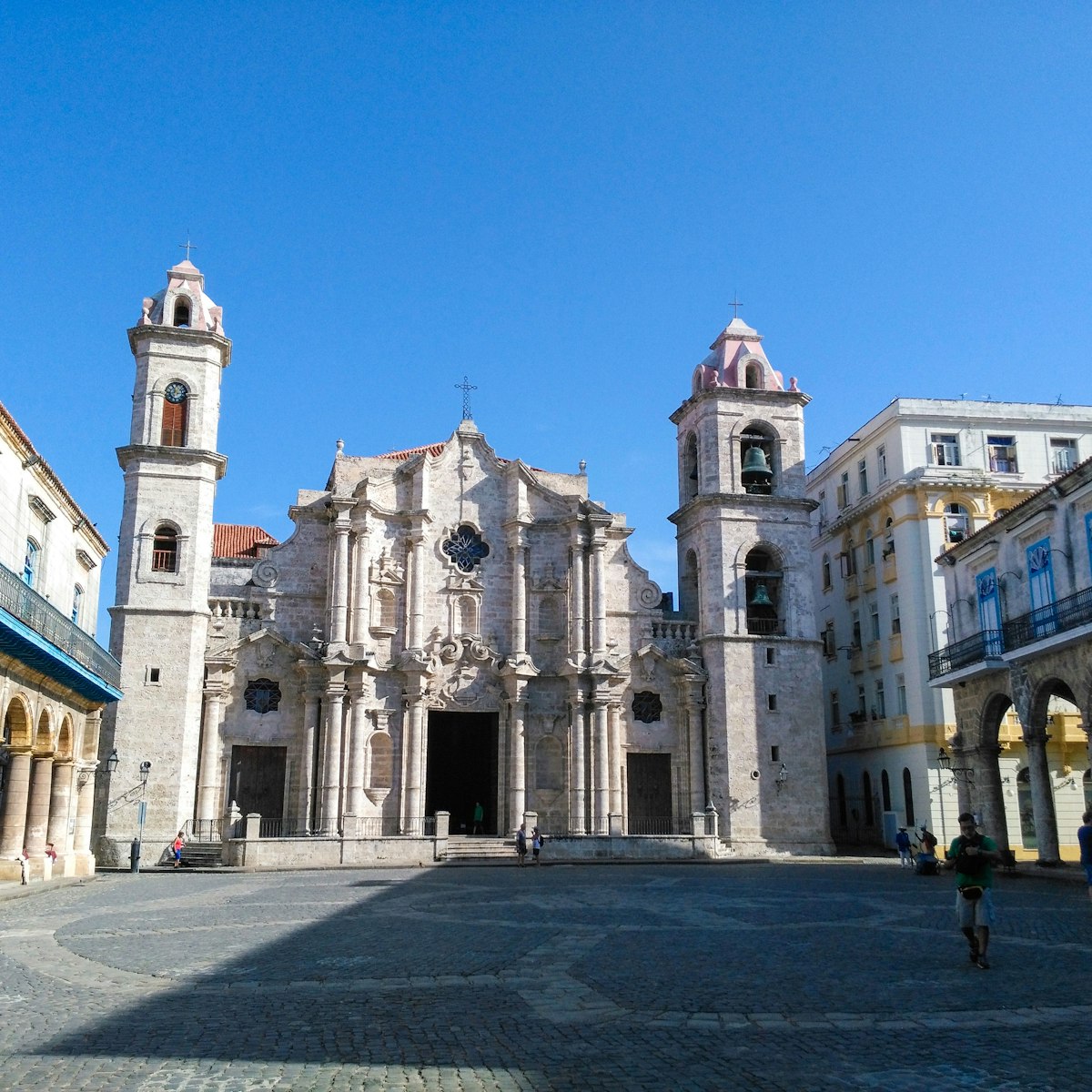
Habana Vieja
Habana Vieja's most uniform square is a museum to Cuban baroque, with all the surrounding buildings, including the city's beguiling asymmetrical cathedral…
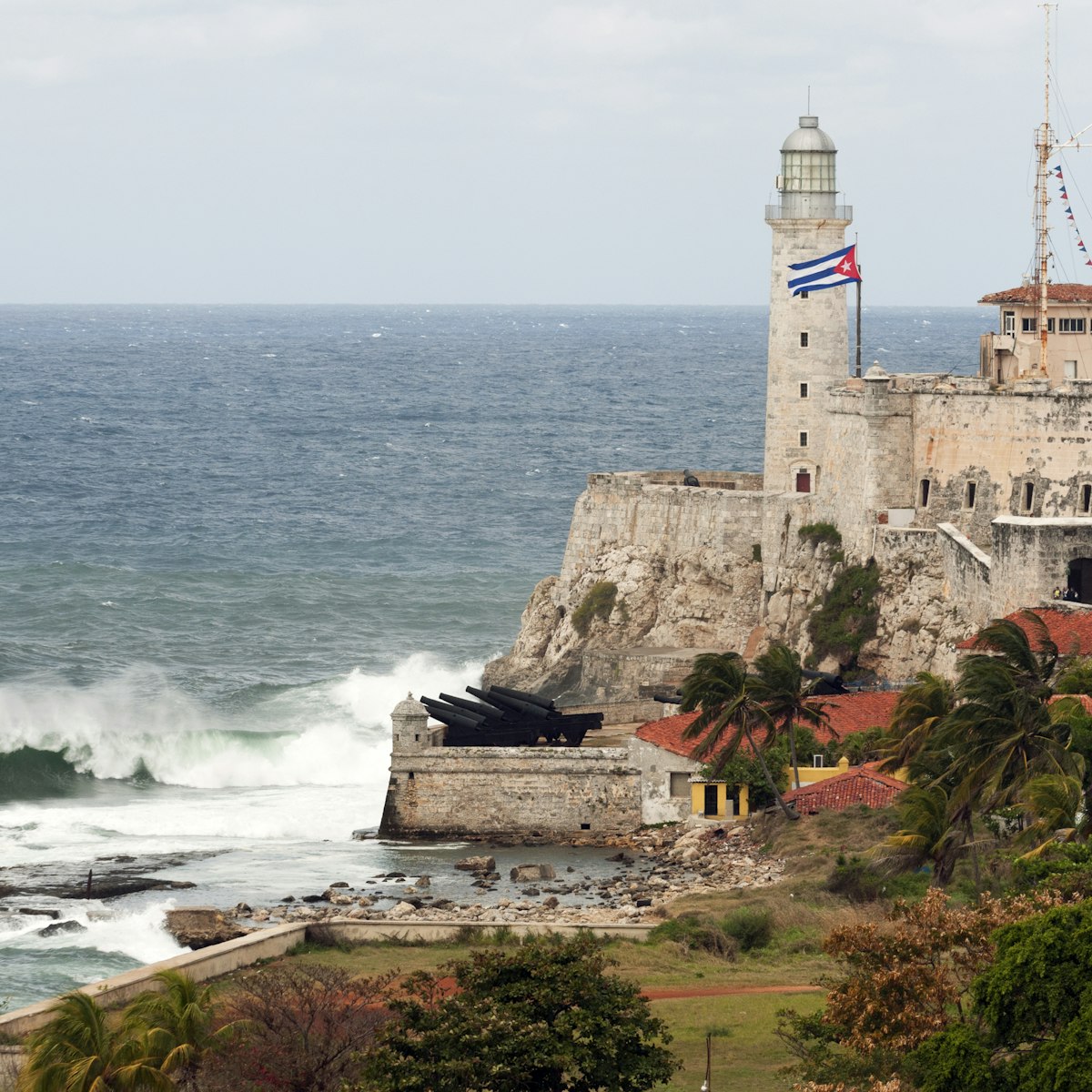
Castillo de los Tres Santos Reyes Magnos del Morro
Regla, Guanabacoa & the Forts
This wave-lashed fort with its emblematic lighthouse was erected between 1589 and 1630 to protect the entrance to Havana harbor from pirates and foreign…
Havana
Where does art go after Antoni Gaudí? For a hint, head west from central Havana to the seemingly low-key district of Jaimanitas, where artist José Fuster…
Museo Conjunto Histórico de Birán
Holguín Province
Fidel Castro Ruz was born on August 13, 1926, at the Finca Las Manacas near the village of Birán, south of Cueto. The sprawling ranch, bought by Fidel's…
Attractions
Top picks from our travel experts
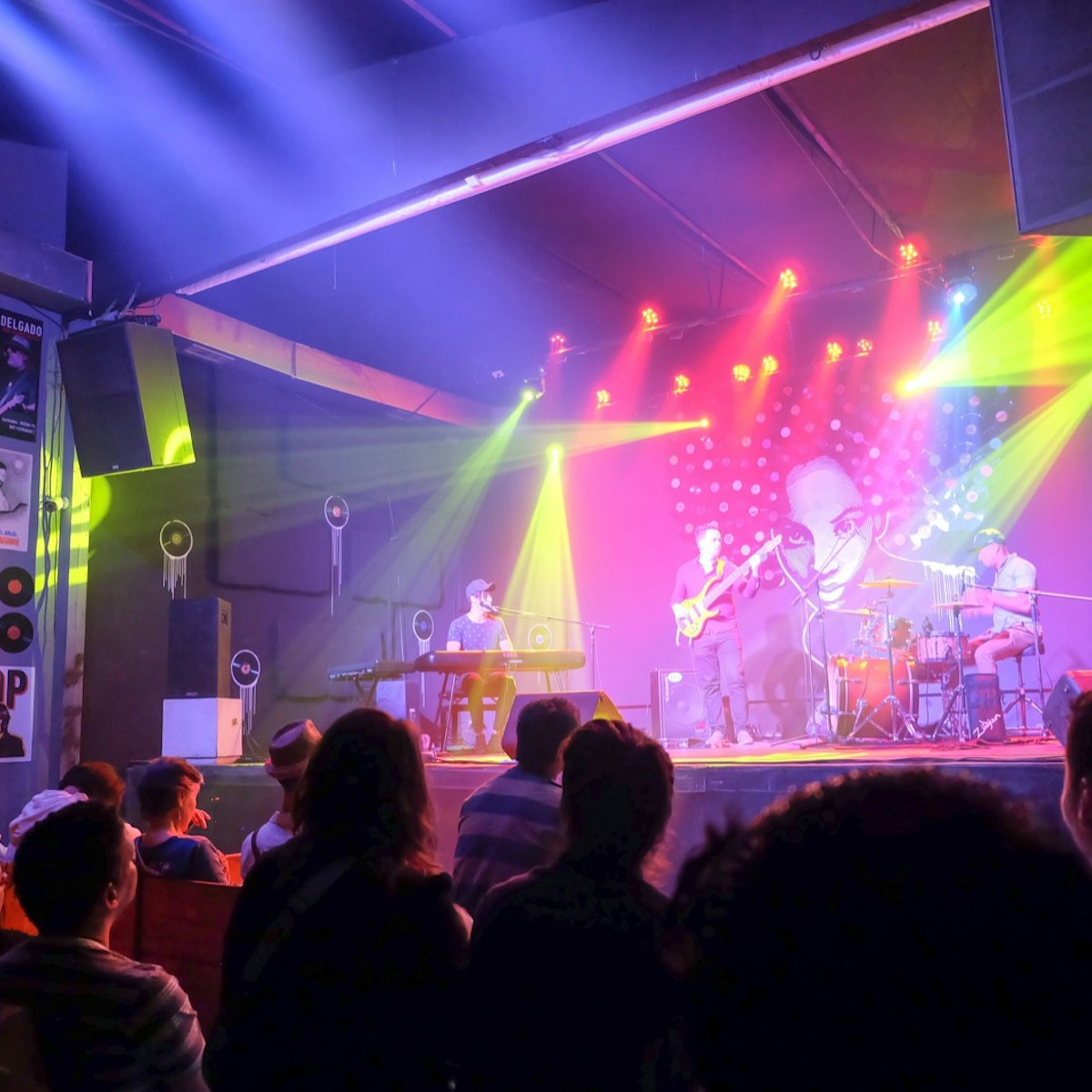
Vedado
If only every city had a cultural venue as wide-ranging, inclusive and downright revolutionary as Havana’s unique art factory. The brainchild of Cuban…
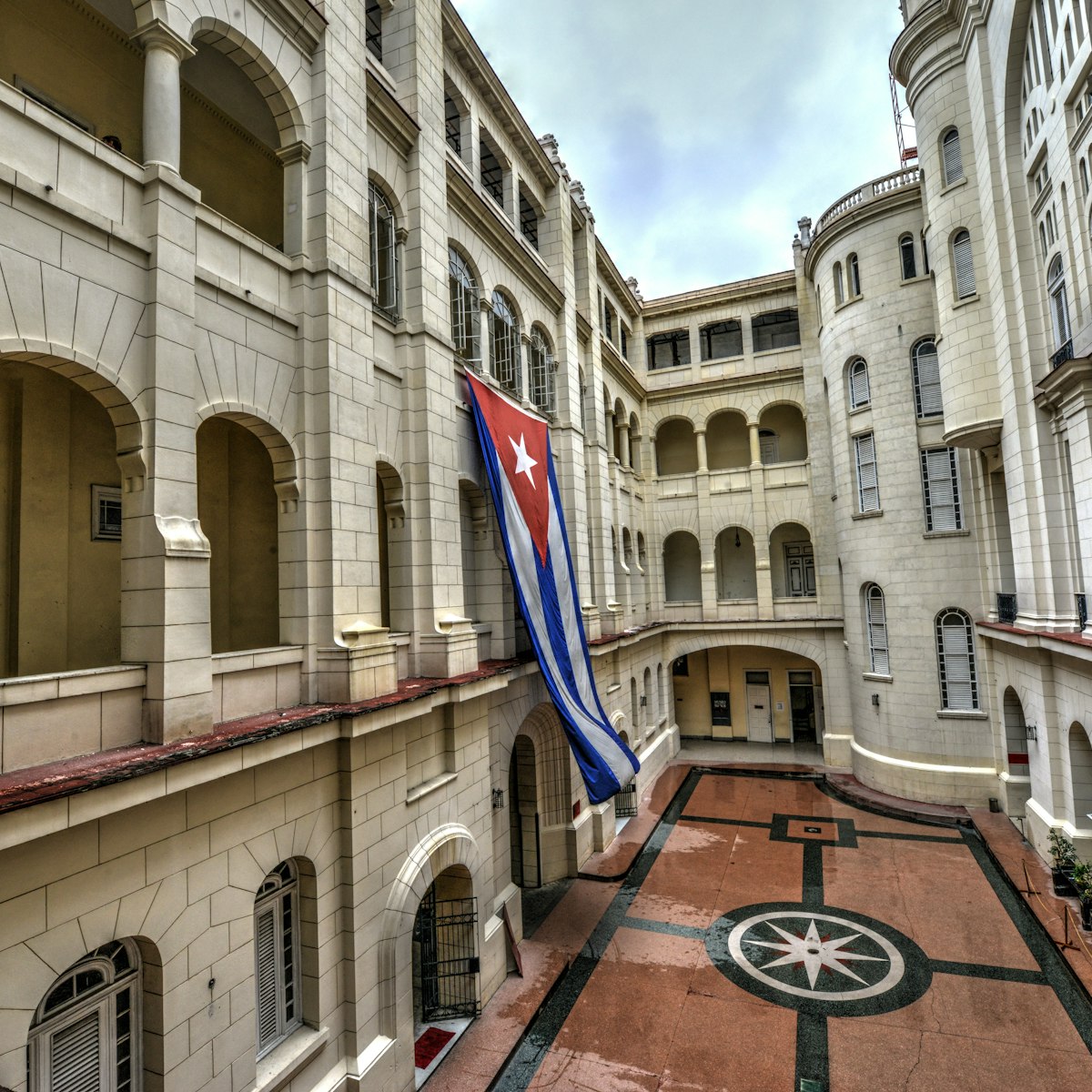
Havana
This emblematic museum is set in the former Presidential Palace, constructed between 1913 and 1920 and used by a string of Cuban presidents, culminating…
Granma Province
Topping a crenelated mountain ridge amid thick cloud forest, this pioneering camp was established by Fidel Castro in 1958 after a year on the run in the…
Santiago de Cuba
Santiago's famous Moncada Barracks, a crenelated art deco building completed in 1938, is now synonymous with one of history's greatest failed putsches…
Gran Parque Nacional Sierra Maestra
Granma Province
Comprising a sublime mountainscape of verdant peaks and humid cloud forest, and home to honest, hardworking campesinos (country folk), Gran Parque…
Planning Tools
Expert guidance to help you plan your trip
Best Things to Do
Get ready to uncover the buoyant and sophisticated magic of Cuba. Here are the top things to do on your visit.
Read articleThings to Know
Cuba can confuse even hardened travelers. Here's everything you need to know before you go.
Read articleTransportation
Want to travel around in Cuba? See the best of the island with our guide to transportation.
Read articleVisa Requirements
Travelers often have questions about the visa process for Cuba and whether US citizens can even visit. Here’s our guide to Cuba’s visa requirements.
Read articleMoney and Costs
You can still see the best of Cuba even without a huge budget. Here are our tips on getting the most out of your money.
Read articleTraveling with Kids
If you’re looking to travel to Cuba with kids, you’ll find music, carnivals, watersports, horse riding, classic American car rides and much more.
Read articleBest Road Trips
From beaches to mountains to historic cities and more, these road trips around Cuba offer access to the best of this enchanting island.
Read articleArticles
Latest stories from Cuba
Filter by interest:
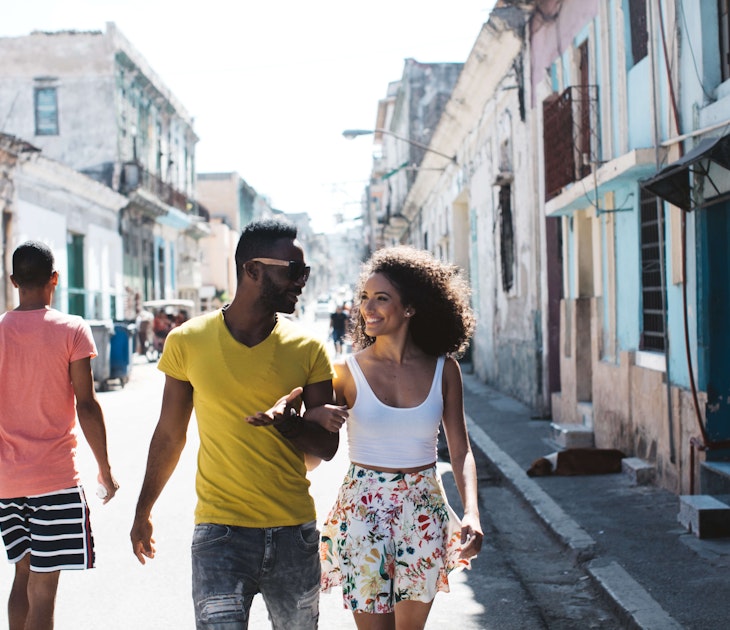
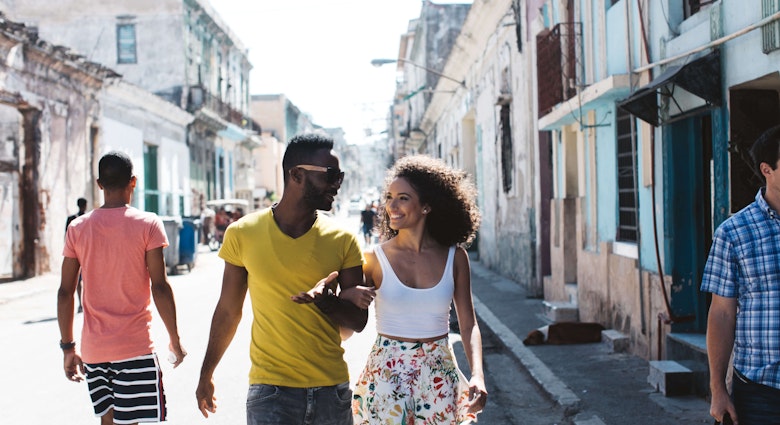
 Public TransportHow to get around in Cuba: classic cars, coaches and carriages
Jan 8, 2023 • 7 min read
in partnership with getyourguide
Book popular activities in Cuba
Guidebooks
Purchase our award-winning guidebooks
Get to the heart of Cuba with one of our in-depth, award-winning guidebooks, covering maps, itineraries, and expert guidance.