Monteverde & Around
The exquisitely misty 310-hectare Reserva Santa Elena offers a completely different cloud forest experience from Monteverde. Cutting through the veiled…

Jonathan Gregson
What did you come to Costa Rica for? To lounge on pristine beaches and ride glorious waves? To hike up volcanoes and soak in geothermal springs? To spy on birds and monkeys and get lost among ancient trees? The northwestern corner of Costa Rica packs in all this and more. Unlike any other part of the country, Guanacaste – in the far northwest – is a wide, flat expanse of grasslands and dry tropical forest, where savanna vistas are broken only by windblown trees. Further east, the Cordillera de Guanacaste rises majestically out of the plains in a line of sputtering, steaming volcanic peaks that beg exploration. Further south, higher altitudes create misty, mystical cloud forests, teeming with life. What did you come to Costa Rica for? Here it is...
Experience the real Northwestern Costa Rica. Let a local expert handle the planning for you.
Get startedMonteverde & Around
The exquisitely misty 310-hectare Reserva Santa Elena offers a completely different cloud forest experience from Monteverde. Cutting through the veiled…
Northwestern Costa Rica
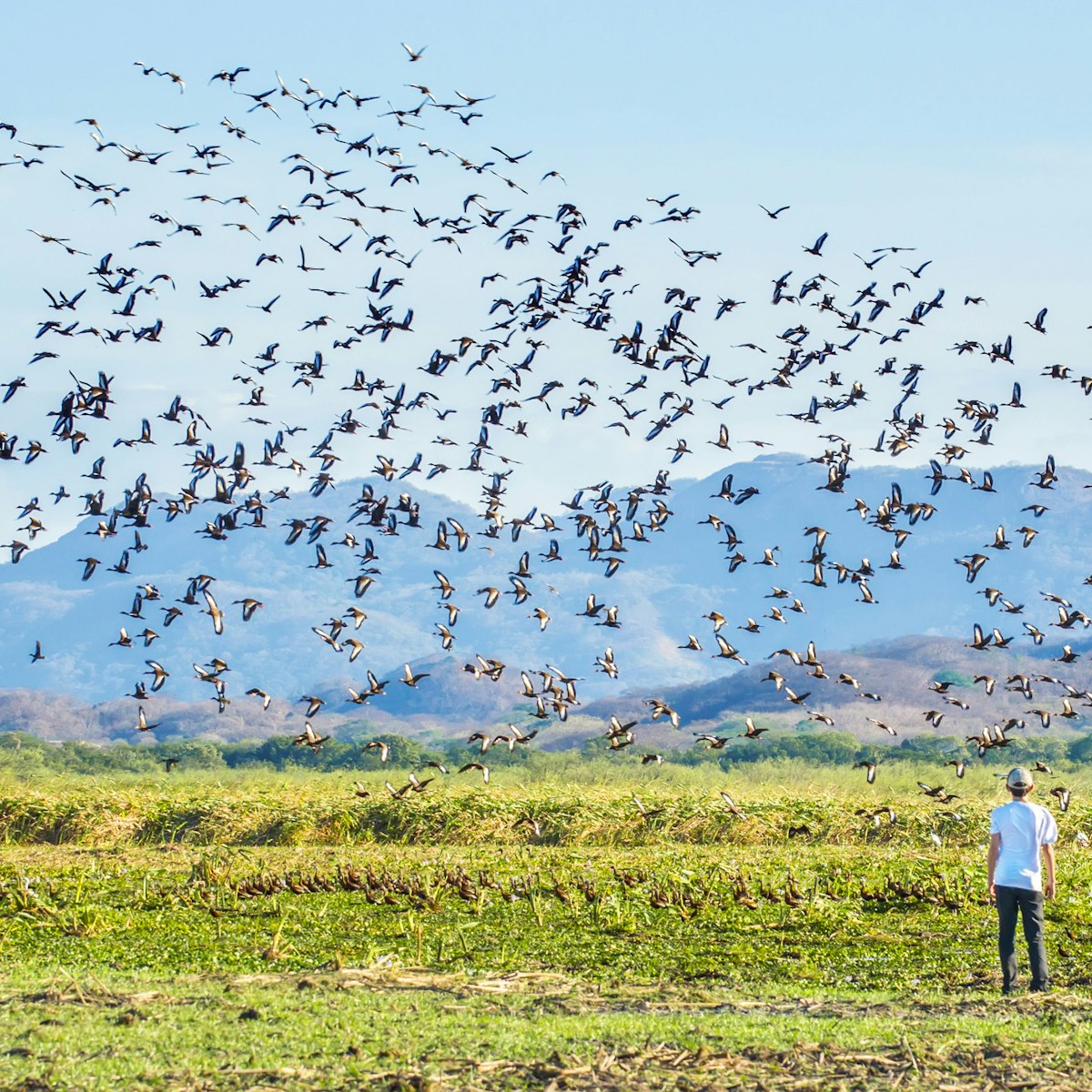
At the head of the Golfo de Nicoya, the 198 sq km Parque Nacional Palo Verde is a wetland sanctuary in Costa Rica’s driest province. The park’s shallow,…
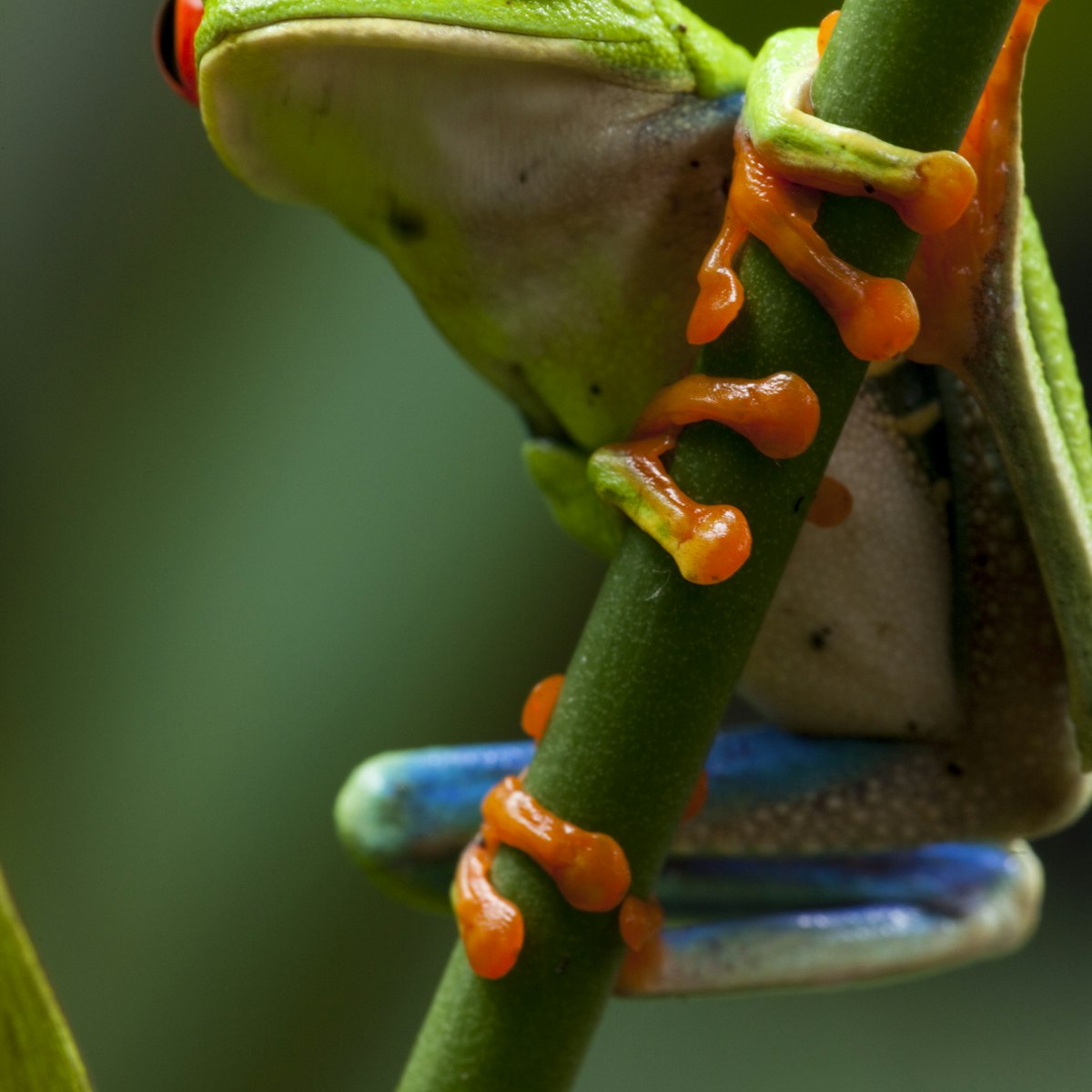
Reserva Biológica Bosque Nuboso Monteverde
Monteverde & Around
This beautiful cloud forest reserve came into being in 1972, when the Quaker community (which had already set aside a third of its property for…
Northwestern Costa Rica
This wild-animal shelter was started in the 1960s by the late Lilly Hagnauer, a Swiss environmentalist. It’s one of the largest shelters of its kind in…
Northwestern Costa Rica
A fabulous mountain for hiking if you've got your own wheels and a keen sense of adventure. It's best to scale this at sunrise or sunset, and to avoid it…
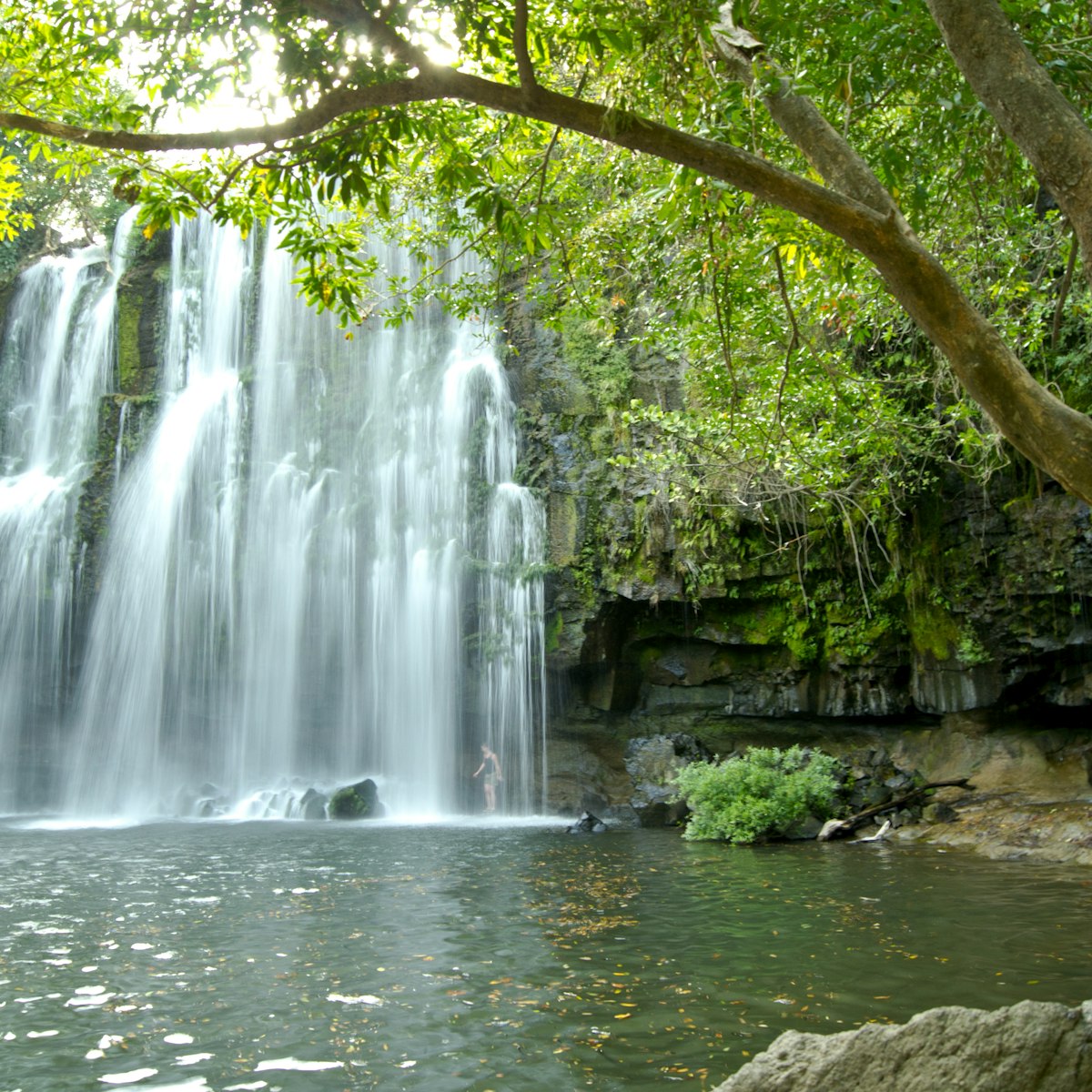
Northwestern Costa Rica
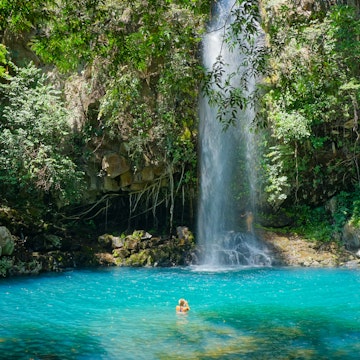
If you're pressed for time and in search of a quick, easy waterfall visit, Llanos de Cortés will do nicely. From the entrance, which is now guarded, you…
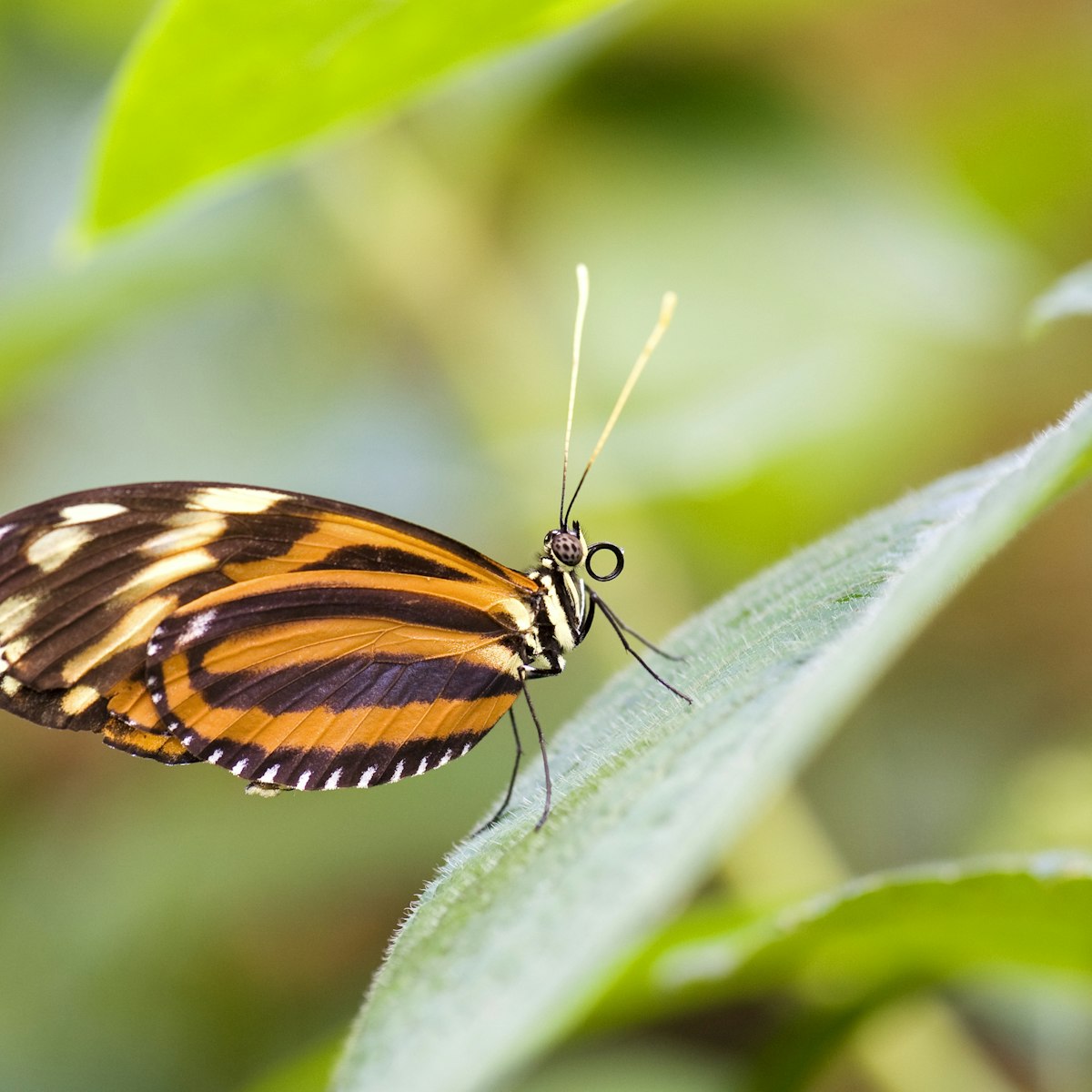
Monteverde & Santa Elena
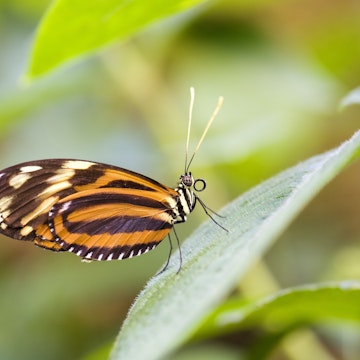
Head here for everything you ever wanted to know about butterflies. There are four gardens representing different habitats; they're home to more than 40…
Northwestern Costa Rica
Santa Rosa is the southern sector of the Área de Conservación Guanacaste. Some 30km of hiking trails weave through this tropical dry forest, offering…

Filter by interest:
Get to the heart of Northwestern Costa Rica with one of our in-depth, award-winning guidebooks, covering maps, itineraries, and expert guidance.