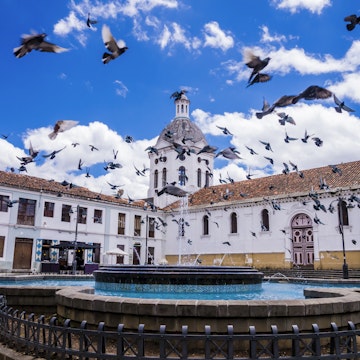
Bogotá
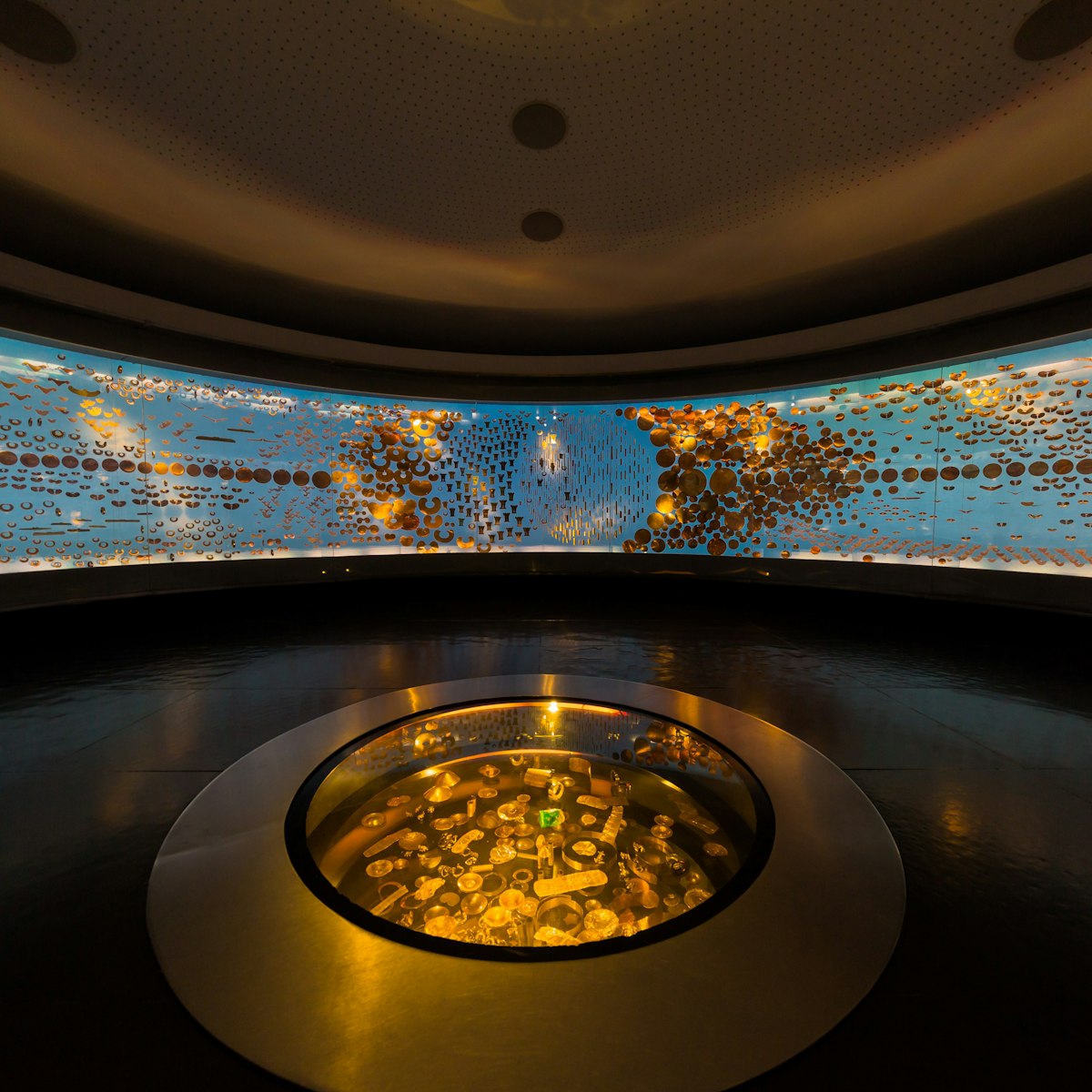
Bogotá's most famous museum and one of the most fascinating in South America, the Gold Museum contains more than 55,000 pieces of gold and other materials…
Bogotá
Bogotá's most famous museum and one of the most fascinating in South America, the Gold Museum contains more than 55,000 pieces of gold and other materials…
Guatapé
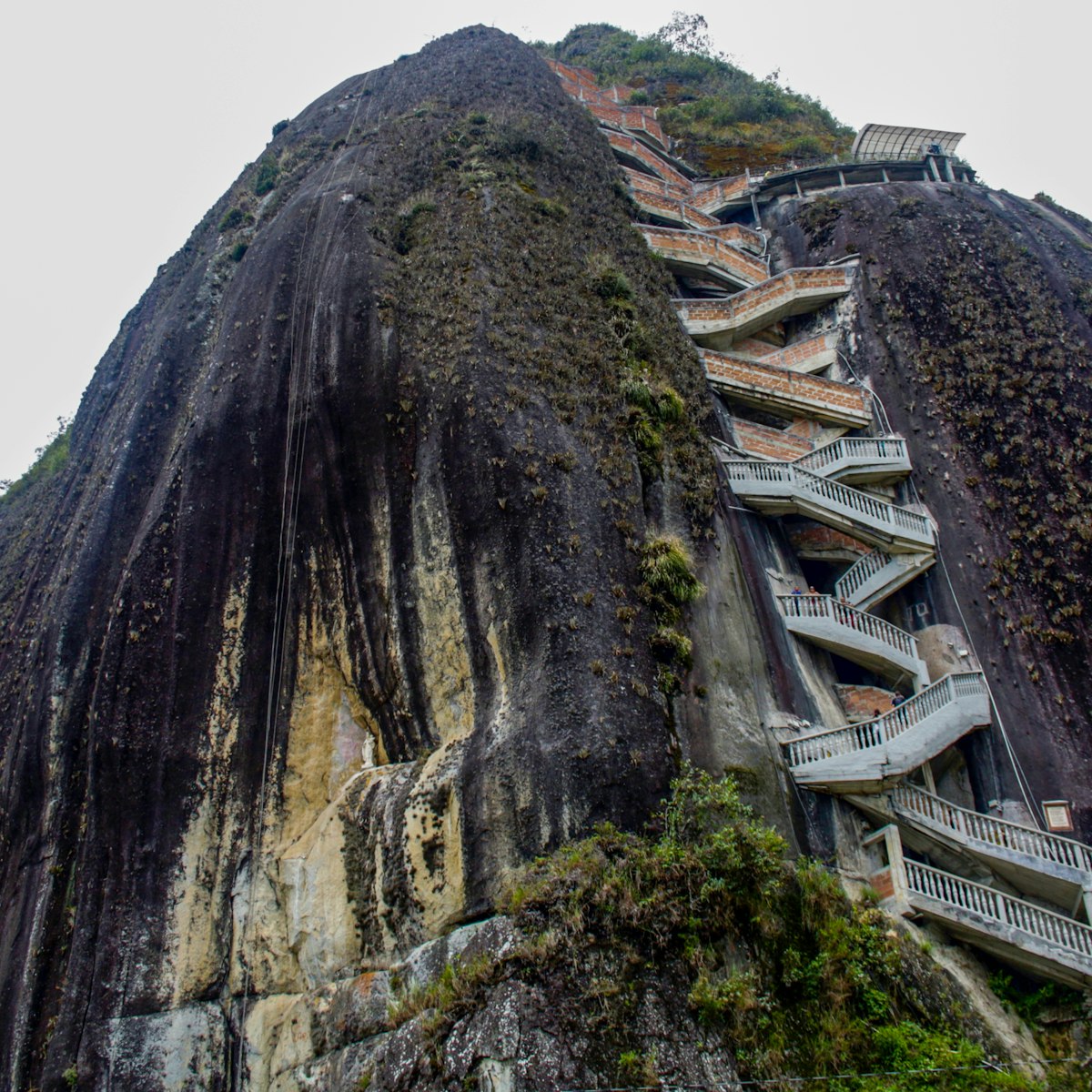
Also known as El Peñon de Guatapé, thanks to the fierce rivalry between the towns it straddles, this 200m-high granite monolith rises from near the edge…

Cauca & Huila
This 78-hectare archaeological park is 2.5km west of the town of San Agustín. There are over 130 statues in the park in total, either found in situ or…
Cartagena
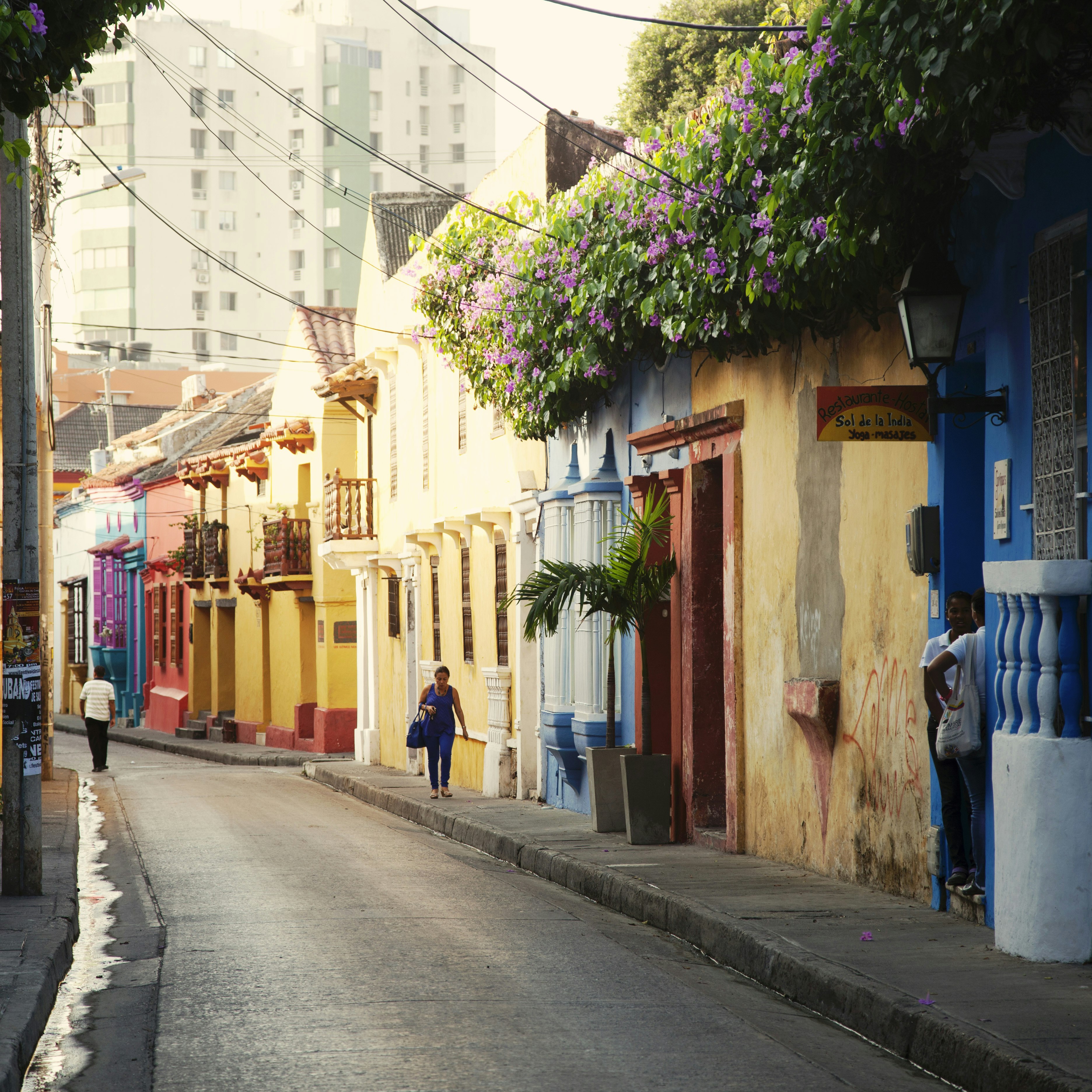
Cartagena's old city is its principal attraction, particularly the inner walled town, consisting of the historical districts of El Centro and San Diego…
Medellín
This harrowing museum dedicated to the urban conflict in Medellín is a must-visit for travelers wanting to fully understand the city (and Colombia). There…
Parque Nacional Natural El Cocuy
Boyacá
One of Colombia's most spectacular national parks, PNN El Cocuy is mostly made up of a diverse ecosystem known as the páramo. This glacially formed,…
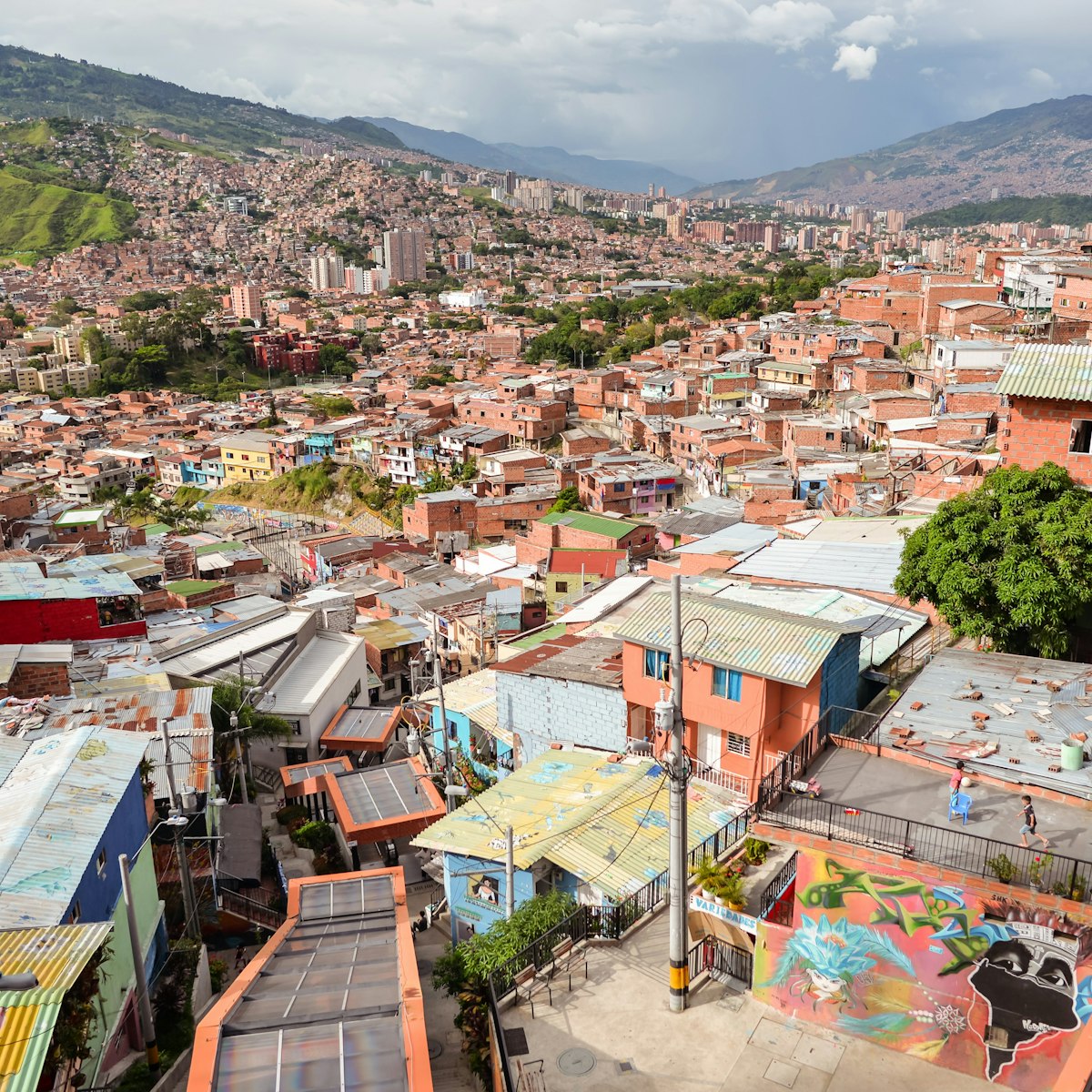
Medellín
Once one of the most dangerous neighborhoods in Medellín, the Comuna 13, which clings to the mountainside above the San Javier metro station, has…
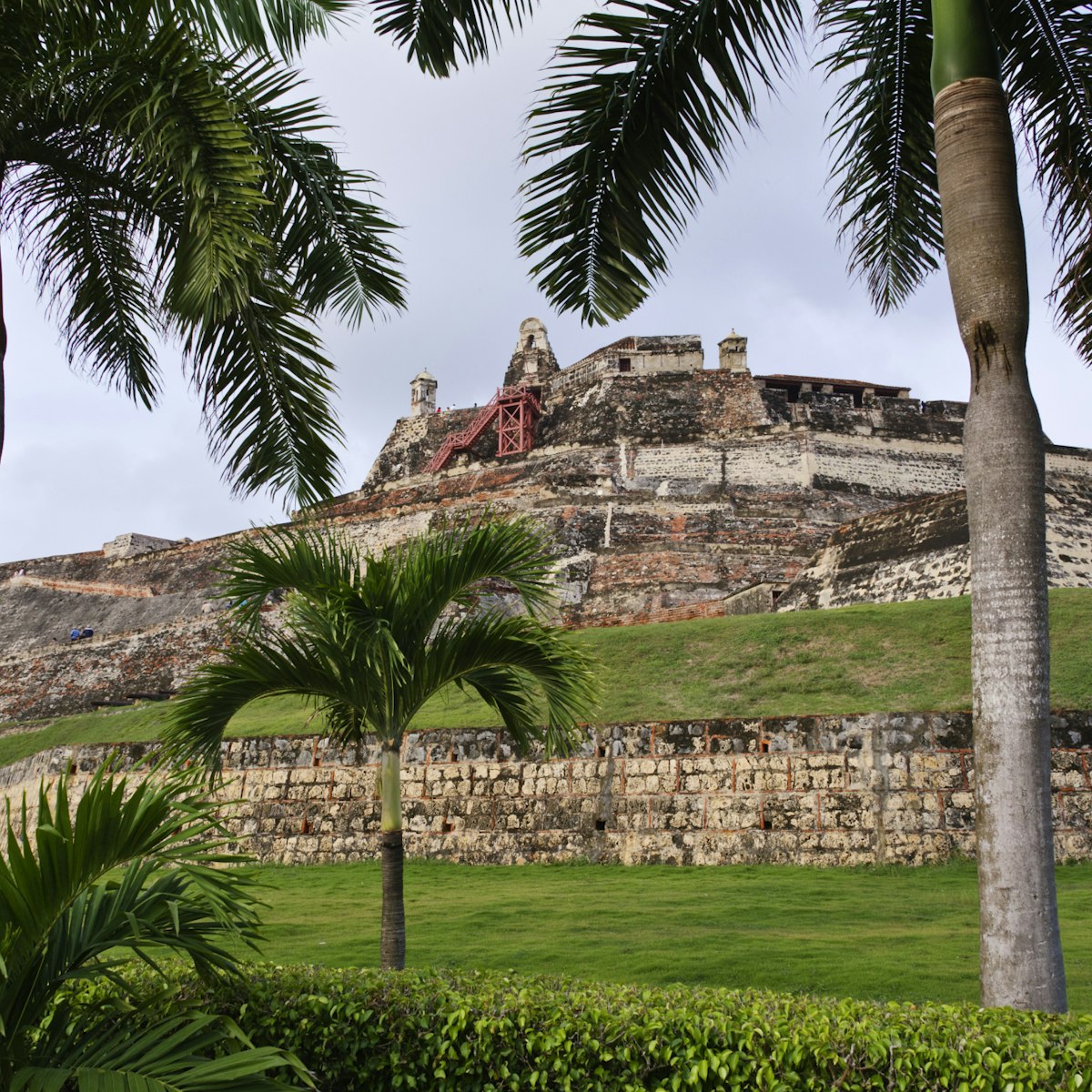
Castillo de San Felipe de Barajas
Cartagena
The greatest fortress ever built by the Spaniards in any of their colonies, the Castillo de San Felipe de Barajas still dominates an entire section of…
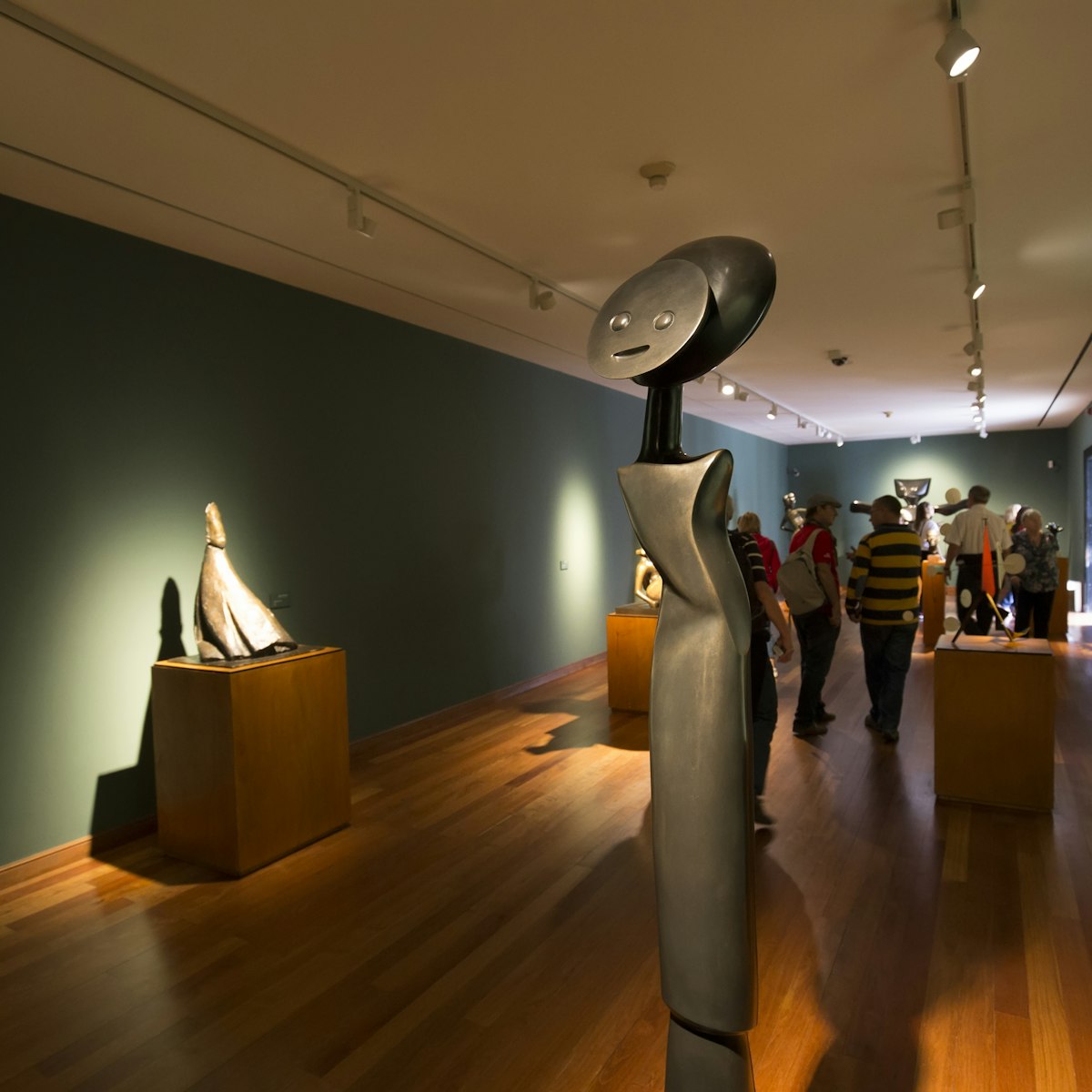
Bogotá
Even if you've never heard of Fernando Botero, you'll probably recognize some of his highly distinctive paintings of oversized (read: chubby) characters,…
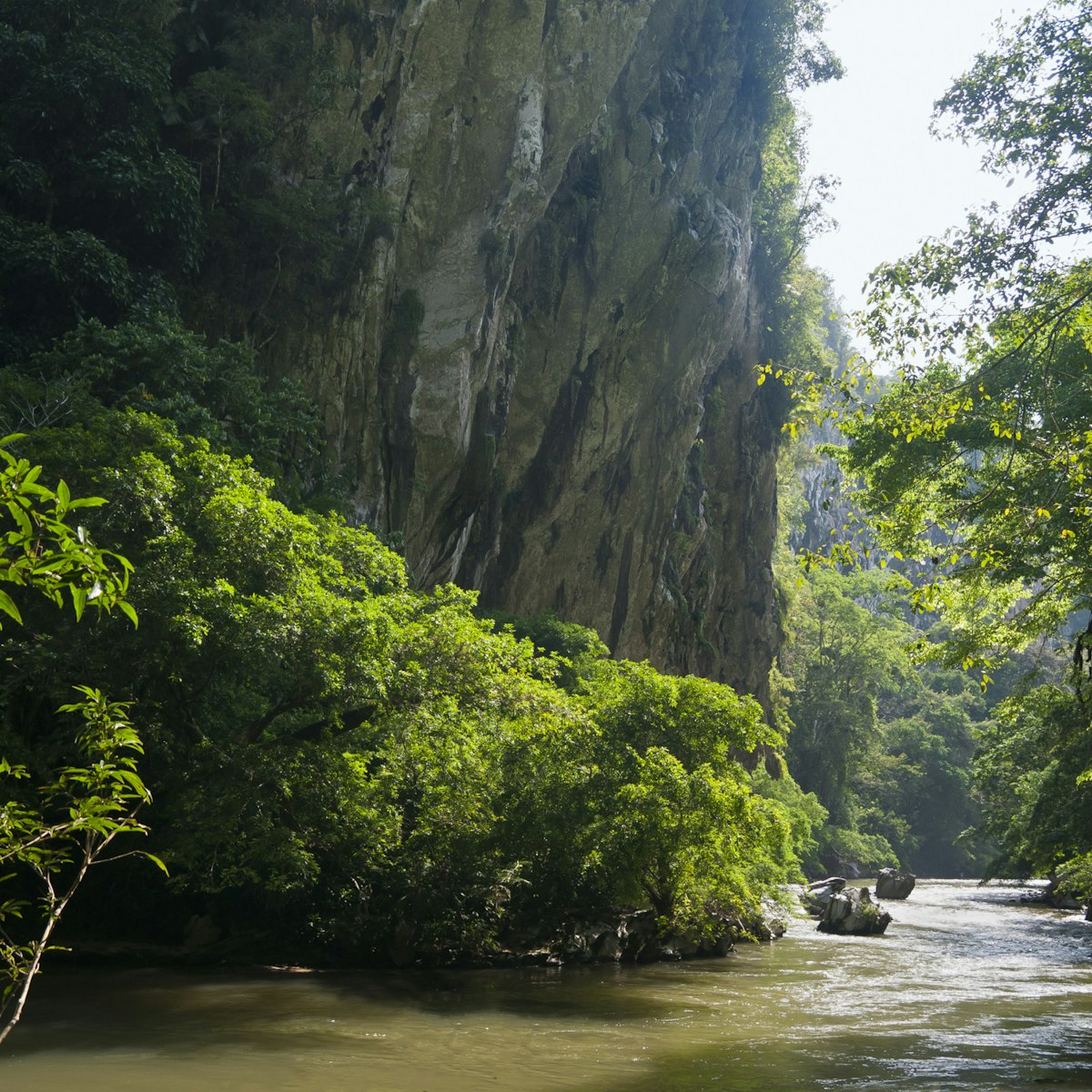
Reserva Natural Cañon de Río Claro
Around Medellín
Within the boundaries of this private nature reserve, the river has carved a stunning canyon from its marble bed. You can visit the spectacular Caverna de…
Cauca & Huila
Scattered across the hills around the little town of San Andrés de Pisimbalá, Tierradentro's Parque Arqueológico includes four tomb sites, an above-ground…
Quinta de San Pedro Alejandrino
Santa Marta
This hacienda is where Simón Bolívar spent his last days in 1830 before succumbing to either tuberculosis or arsenic poisoning, depending on whom you…
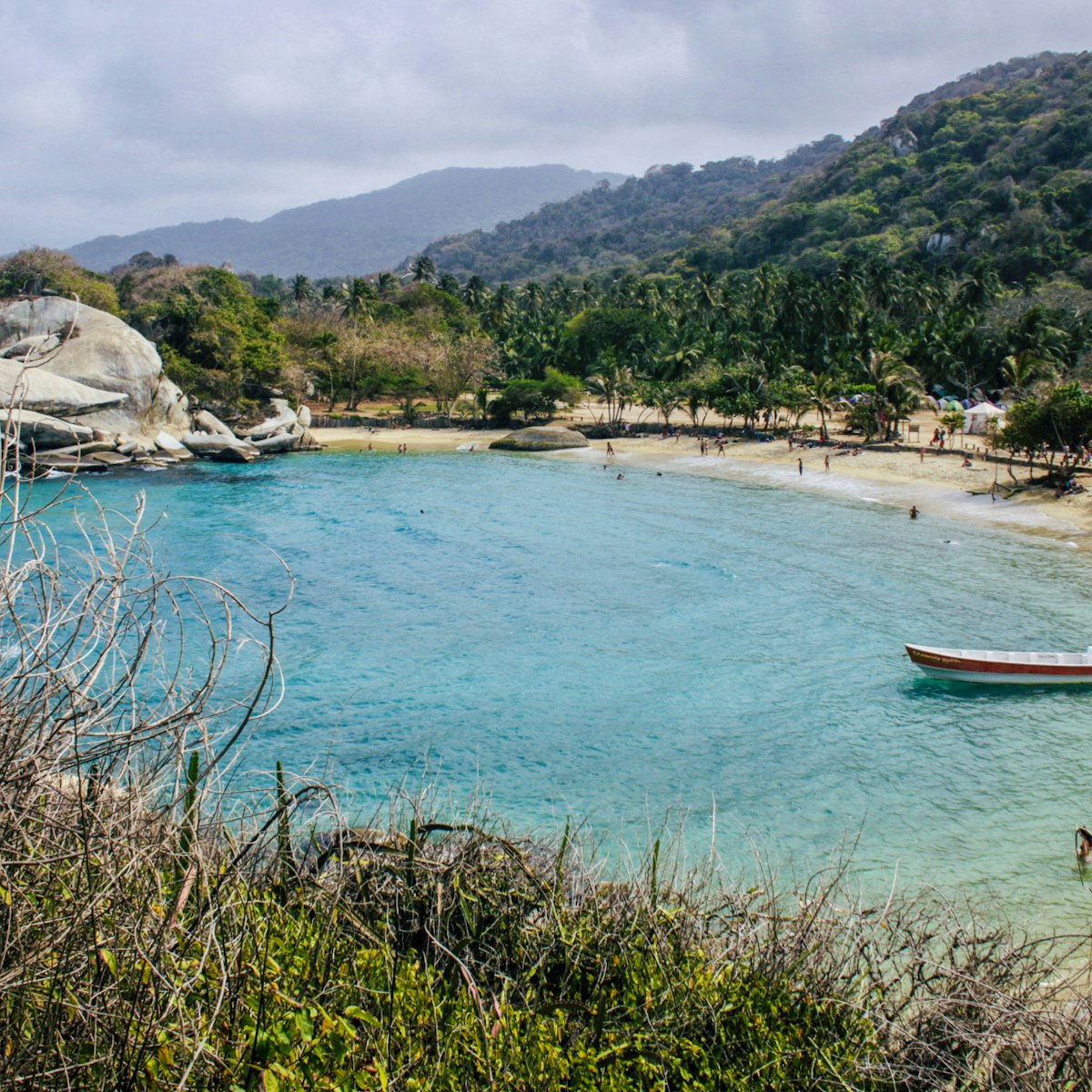
Parque Nacional Natural Tayrona
Cabo San Juan del Guía is a beautiful cape with a knockout beach. It's also by far the most crowded area of the park, although lack of road access deters…
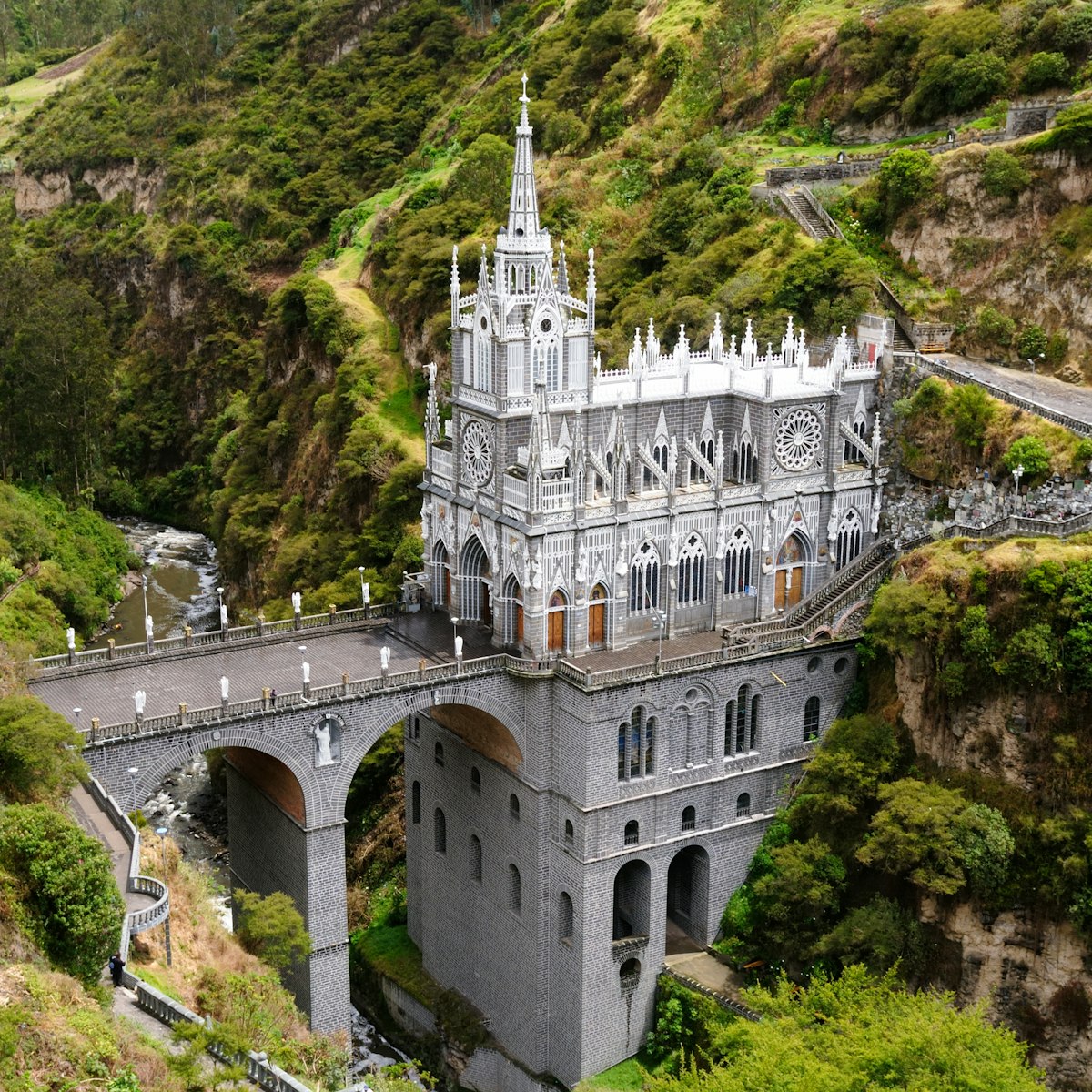
Cali & Southwest Colombia
This massive neo-gothic stone church is built directly against the rocky wall of the gorge where the miraculous image appeared. A gilded painting of the…
Zona Cafetera
This hacienda has won numerous awards for its coffee. It offers a tour in English that includes an informative presentation about Colombian coffee, an…
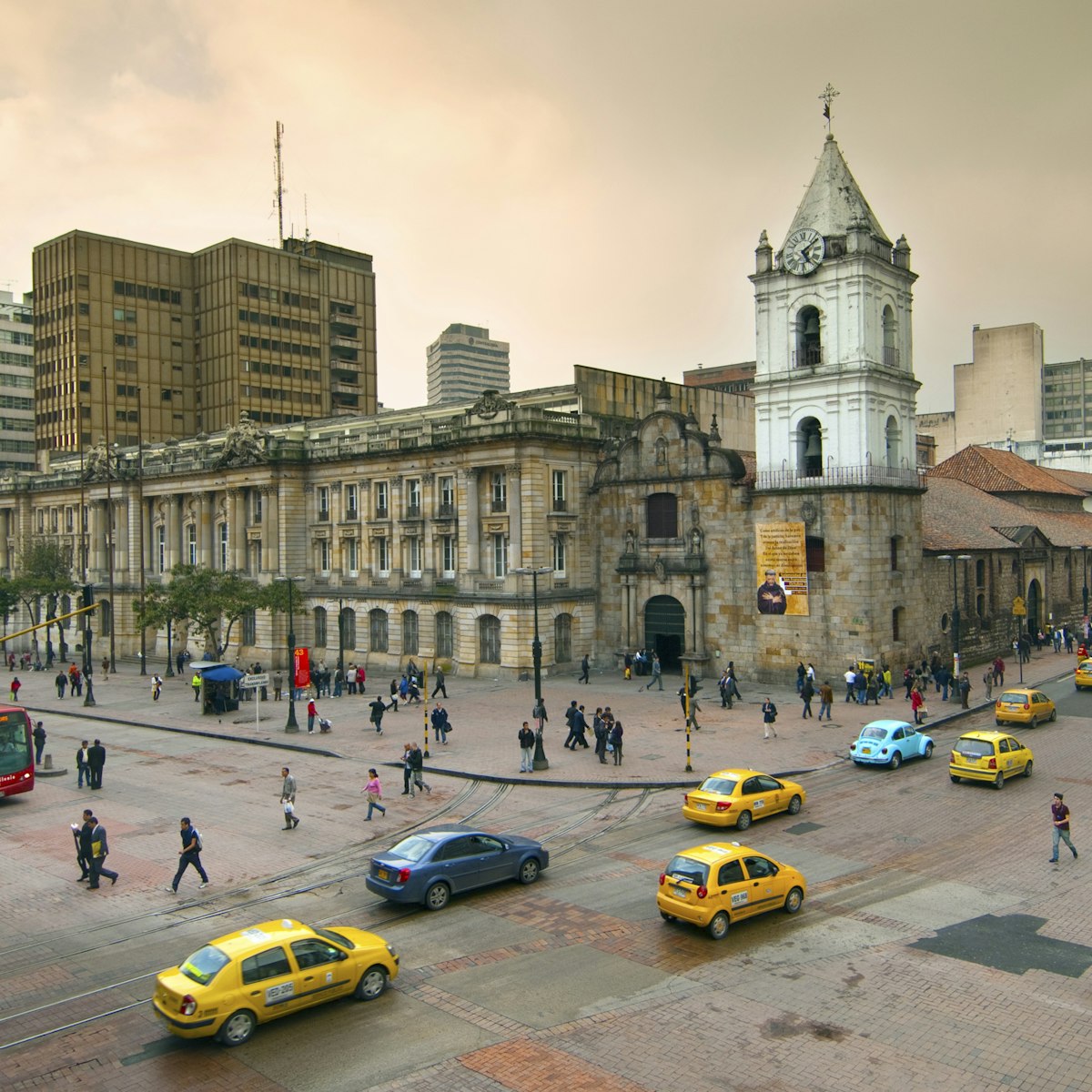
Bogotá
Built between 1557 and 1621, the Church of San Francisco is Bogotá's oldest surviving church. In the atmospherically dark interior, with its extravagant…
Boyacá
This vertigo-inducing mountain path running along a ridge on the way to the Guatoque waterfall is a popular attraction in its own right. At its narrowest…
Around Medellín
Located at 2200m amid beautiful landscapes, this spectacular cave has a 10m waterfall gushing through a large hole in the roof and is Jardín's most famous…
Leticia
This 29-hectare reserve works as a center for environmental education and makes for a great place to get to know something of the plants, trees and…
Cali & Southwest Colombia
Fin del Mundo (the End of the World) is a towering waterfall that plunges off a large rock ledge down into the Río Mocoa valley below. A path leads to the…
Medellín
In the grand art deco Palacio Municipal, Colombia's second-oldest museum (Museo Nacional in Bogotá is the oldest) houses one of the country's most…
Parque Nacional Natural Tayrona
Santa Marta & Around
This dazzling slice of mountainous jungle, vast boulders and golden-white sand makes up one of Colombia's most stunning national parks and is a popular…
Villa de Leyva
At 120m by 120m, Plaza Mayor is one of the largest town squares in the Americas. It's paved with massive cobblestones and surrounded by magnificent…
Around Medellín
You'll spot this lookout point with its white Christ statue from the center of Jardín. Take the modern cable car (round trip COP$5000) up for fantastic…
Puerto Nariño
Lago Tarapoto, 10km west of Puerto Nariño, is a beautiful jungle lake fed by the Río Amazonas, and is home to pink dolphins, a tiny population of manatees…
Manizales
Plaza de Bolívar’s south side is dominated by the odd but impressive Catedral de Manizales. Begun in 1929 and built of reinforced concrete, it is among…
Popayán
Dating back to the late 18th century, Popayán's largest colonial church is also its most beautiful. Inside are a fine high altar and a collection of seven…
Armenia
This excellent museum showcases the fine work of indigenous pre-Columbian Quimbaya goldsmiths, as well as fine ceramics and ceremonial items. There are…
Popayán
This 18th-century house is the home of world-renowned Colombian artist Edgar Negret, whose vast abstract iron sculptures dot plazas around the country…
Observatorio Astronómico Astrosur
Cauca & Huila
Former Tatacoa Observatory resident astronomer Javier Rua Restrepo now runs his own observatory around 1km further away from town. He is a dynamic teacher…
Casa Museo Gabriel García Márquez
Santa Marta & Around
This excellent museum is housed in a reconstruction of the house where García Márquez was born in 1927. The original house was sold by the family and…
Manizales
Located atop a hill in the neighborhood of Chipre, this massive monument to the city's founders was crafted from 50 tonnes of bronze (including keys and…
Cali
Founded in 1545, this is Cali's oldest church. It's a lovely whitewashed building in the Spanish-colonial style, with a long, narrow nave, and humble wood…
La Guajira Peninsula
This exceptional and extremely remote beach at the very northern tip of the South American continent is La Guajira's highlight. Massive sand dunes drop…
Santuario de Flora y Fauna Malpelo
Pacific Coast
The vast Santuario de Flora y Fauna Malpelo, the largest no-fishing zone in the Eastern Tropical Pacific, provides a critical habitat for threatened…
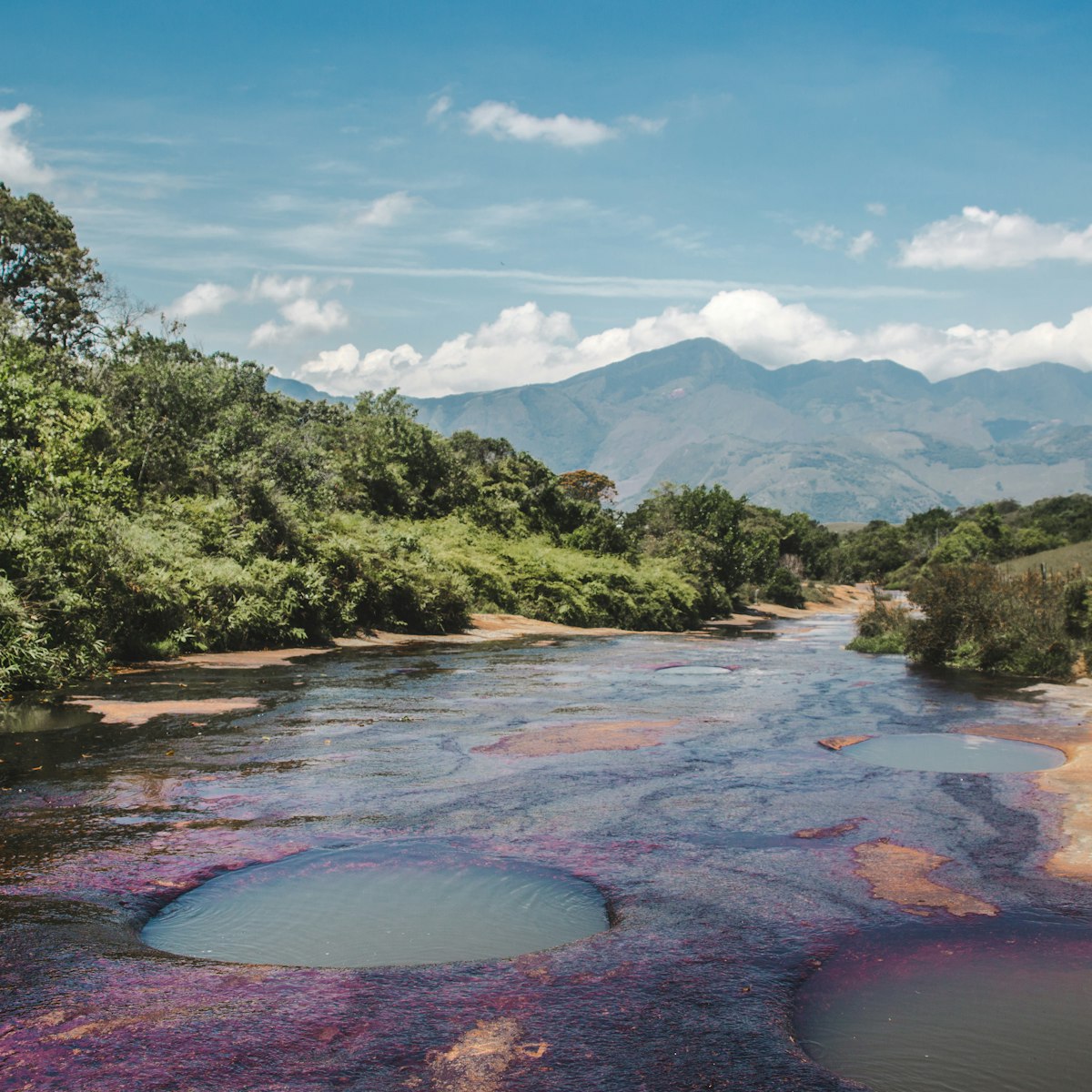
Santander
Santander's answer to Caño Cristales, Las Gachas is a clear, shallow stream that emerges from a spring in lush countryside and runs along a red stone…
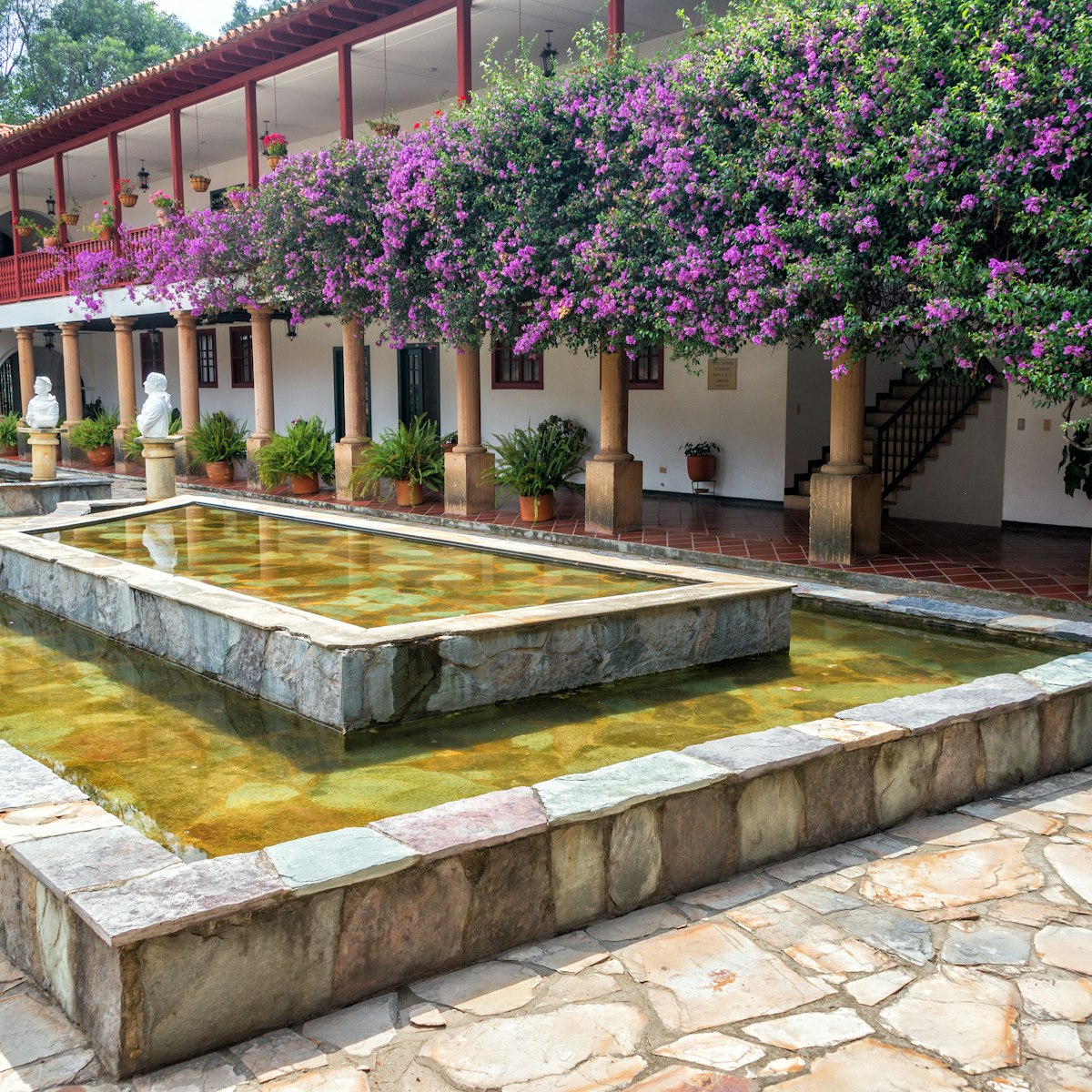
Boyacá
Set amid arid hills, 7km beyond Ráquira, the Monasterio de La Candelaria was founded in 1597 by Augustine monks and completed about 1660. A guide will…
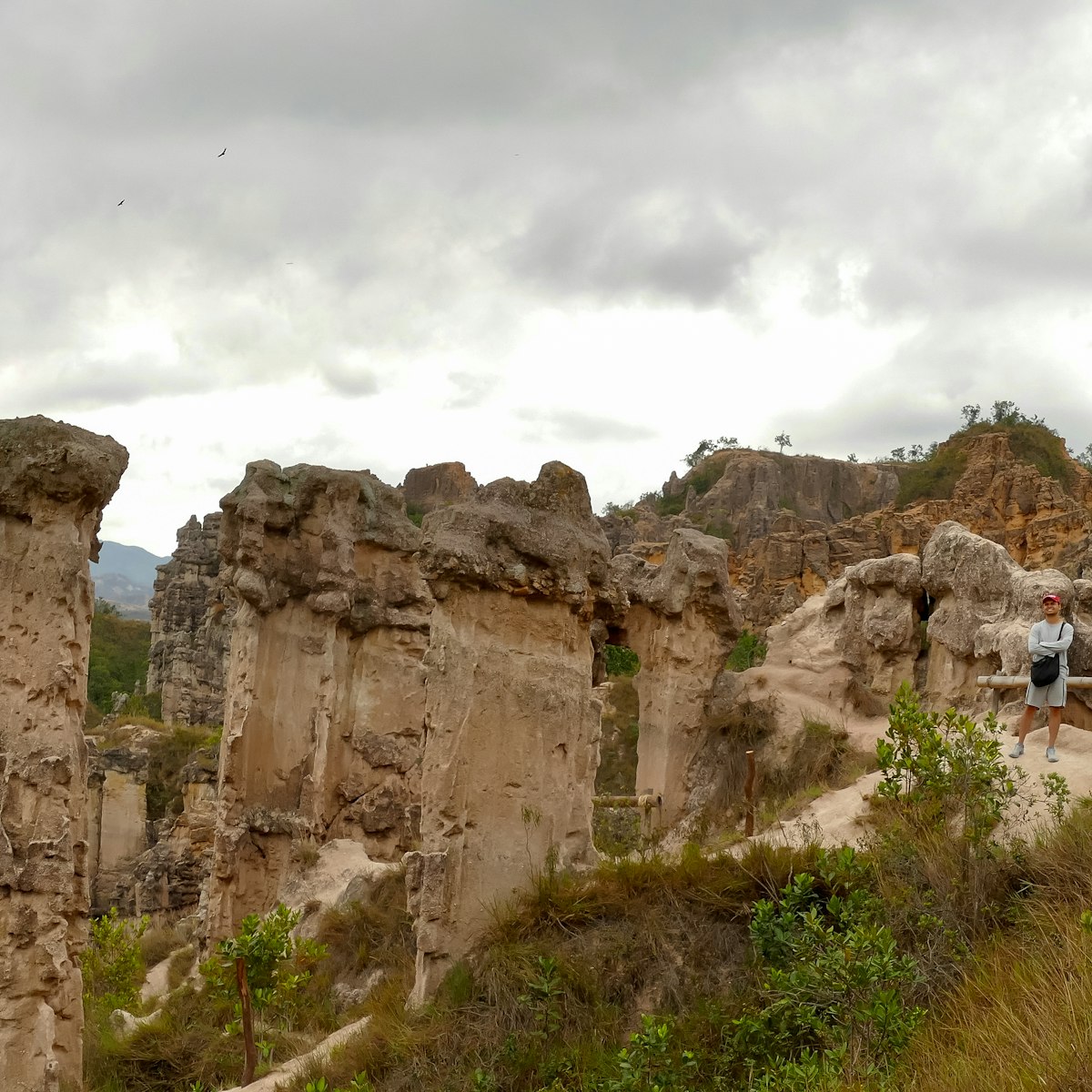
Área Natural Única Los Estoraques
Boyacá, Santander & Norte de Santander
This 6-sq-km protected area, one of Colombia's smallest, is an otherworldly delight of eroded and weathered brownstone rock formations sprouting skyward –…
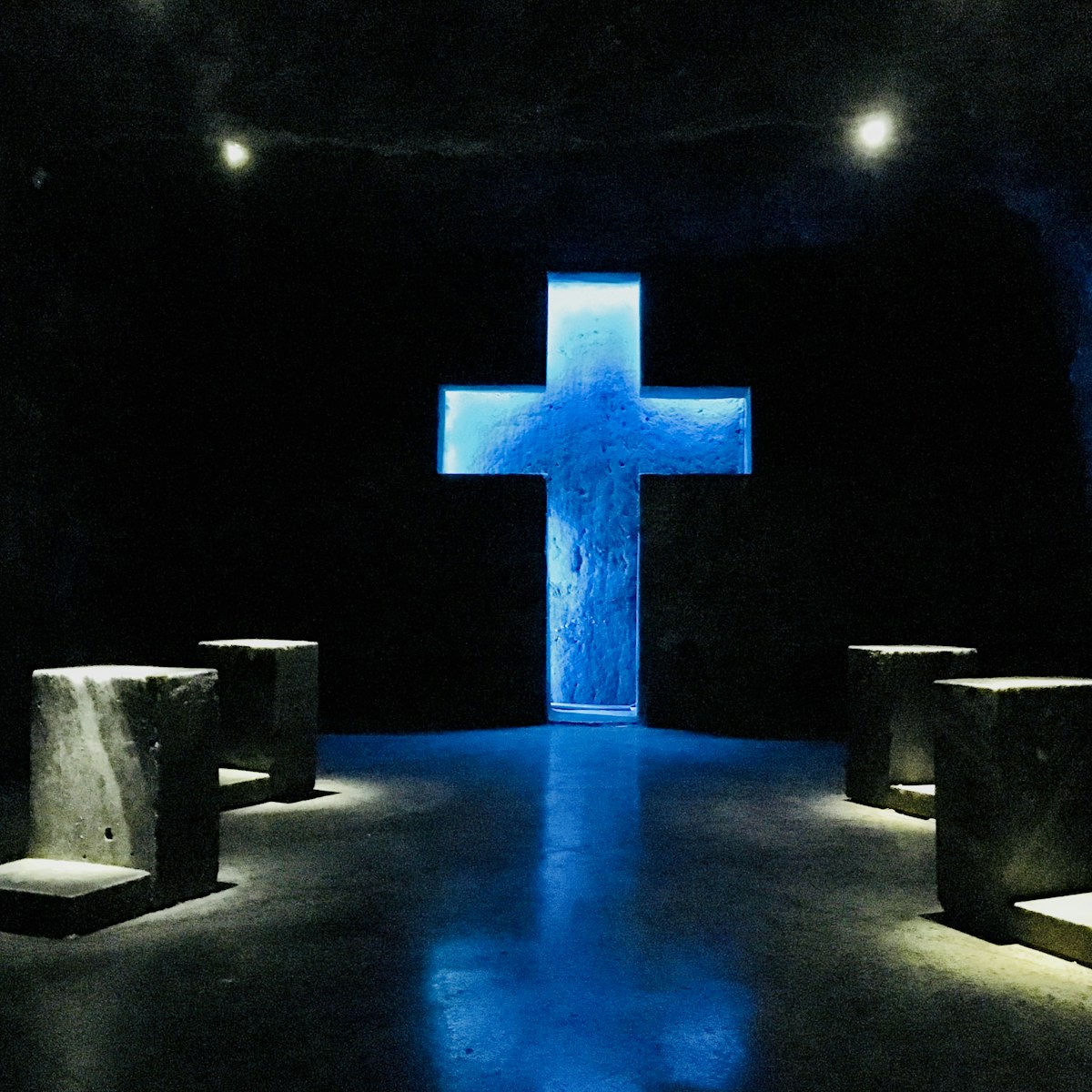
Bogotá Region
Zipaquirá's stunning Catedral de Sal, 190m underground, was carved by removing 250,000 tons of salt; the resulting space is cinematically lit and packs a…
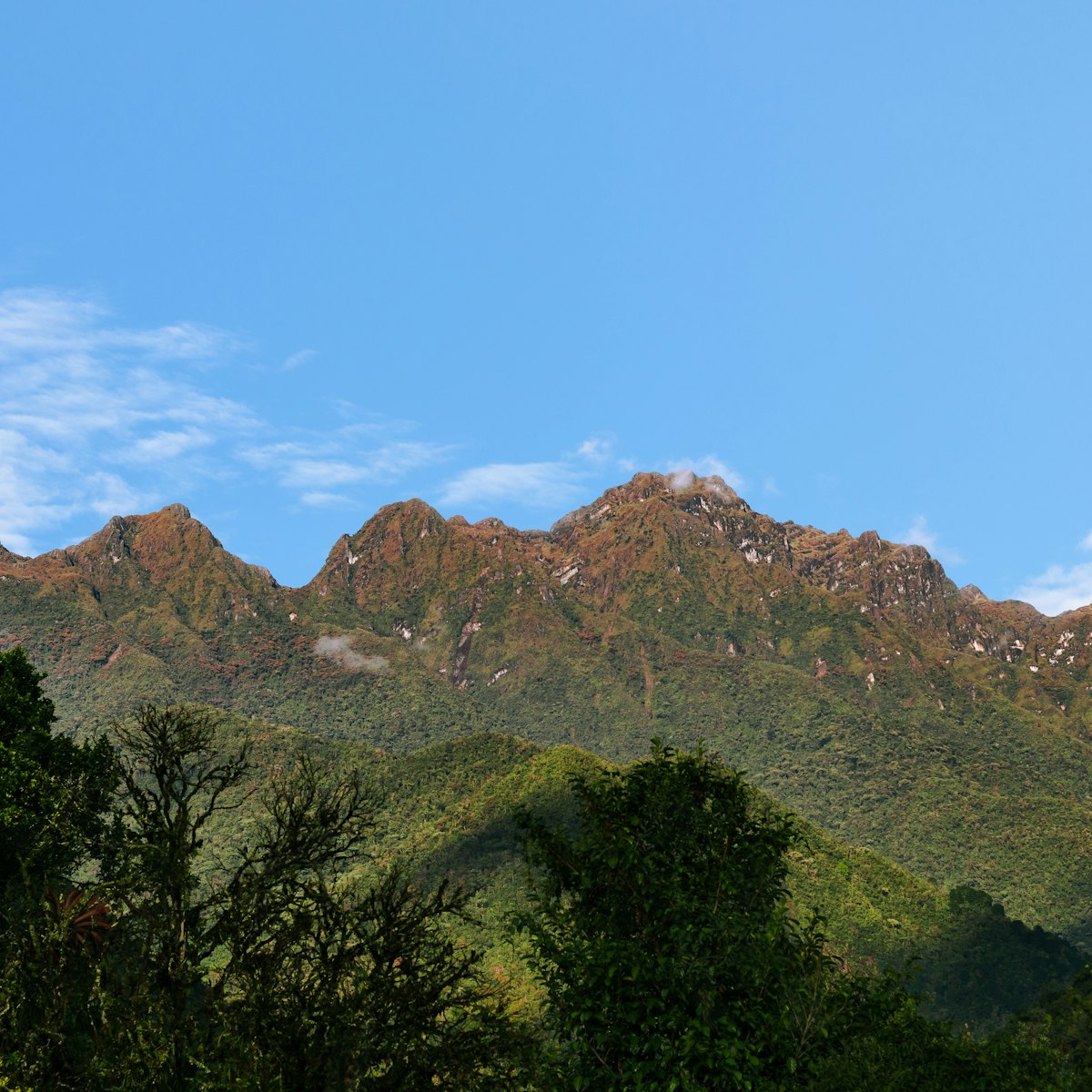
Parque Nacional Natural Farallones de Cali
Cali & Southwest Colombia
This 1500-sq-km national park protects the headlands around Cali. During the height of the armed conflict it was closed and it has yet to be officially…