Kashgar
This extraordinary natural rock arch (the rather prosaic Uyghur name means simply ‘mountain with a hole in it’) is one of the tallest on earth. The first…
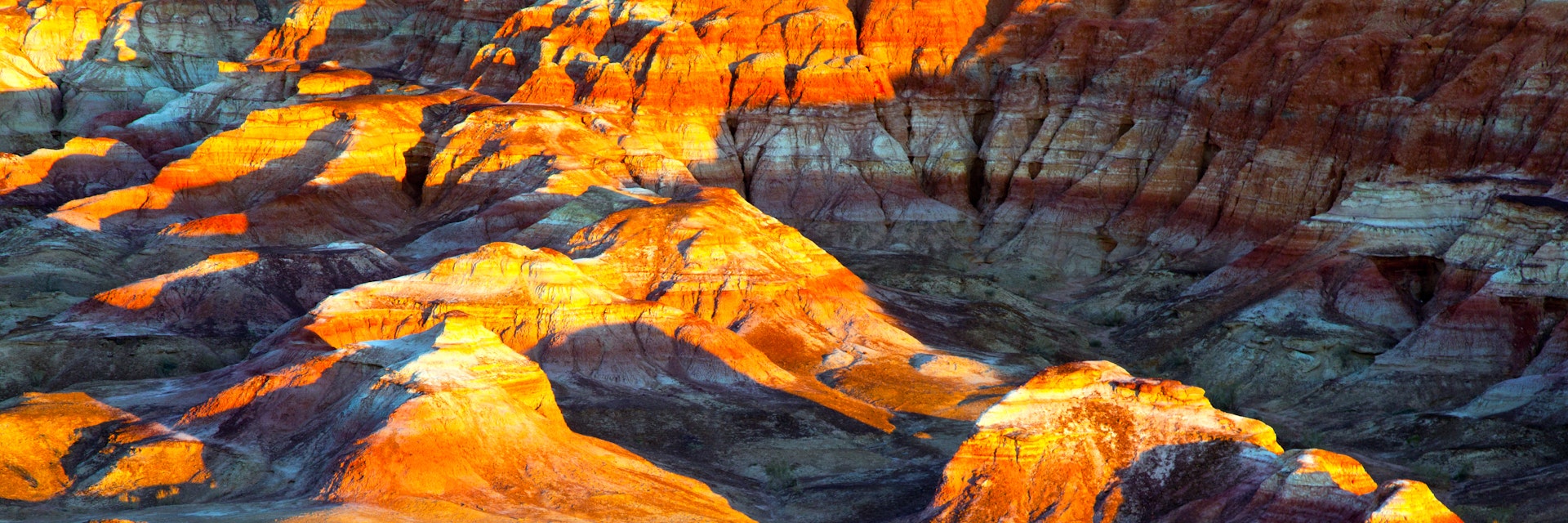
Getty Images/View Stock RM
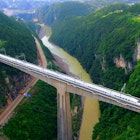
China's largest province, Xīnjiāng (新疆) is the homeland of the Muslim Uyghurs and a fast-changing region where ancient and modern clash against each other in surprising ways. High-speed railways cross the Martian landscapes linking cities in hours rather than days, and the regional capital Ürümqi is a forest of high-rise apartments and glass skyscrapers; while in parts of the Silk Road oases of Kashgar, Hotan and Turpan, life goes as it has for centuries, based around the mosque, the tea house and the bazaar.
Kashgar
This extraordinary natural rock arch (the rather prosaic Uyghur name means simply ‘mountain with a hole in it’) is one of the tallest on earth. The first…
Kashgar
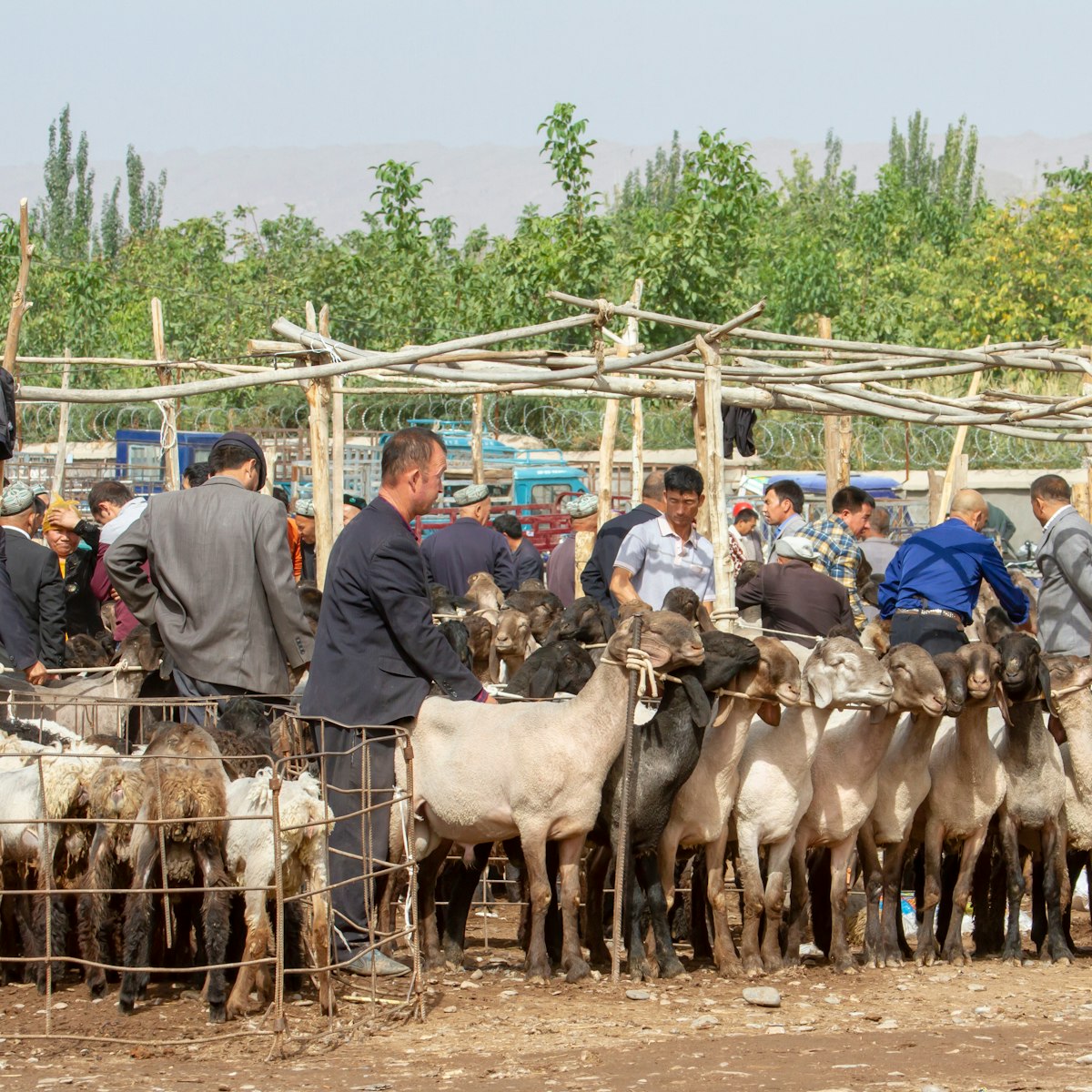
No visit to Kashgar is complete without a trip to the Livestock Market, which takes place once a week on Sunday. The day begins with Uyghur farmers and…

Xinjiang Autonomous Region Museum
Ürümqi
Xinjiang’s massive provincial museum is a must for Silk Road aficionados. The highlight is the locally famous ‘Loulan Beauty’, the first of half a dozen…
Turpan
Also called Yarkhoto, Jiaohe was established by the ancient Jushi kingdom as a garrison town in the 2nd century BC. It’s one of the world’s largest (6500…
Xinjiang
Hotan’s most popular attraction is its weekly Sunday market. The covered market bustles every day of the week, but on Sundays it swamps the northeast part…
Kashgar
Kashgar’s main bazaar is open every day but really kicks it up a gear on Sunday. Step through the jam-packed entrance and allow your five senses to guide…
Turpan
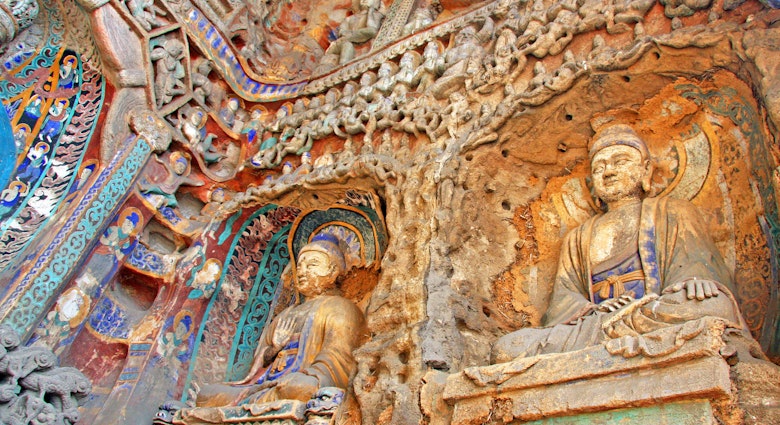
This cave complex, which dates from the 6th to 14th centuries, is located in a mesmerising desert landscape. Bezeklik means ‘Place of Paintings’ in Uyghur…
Xinjiang
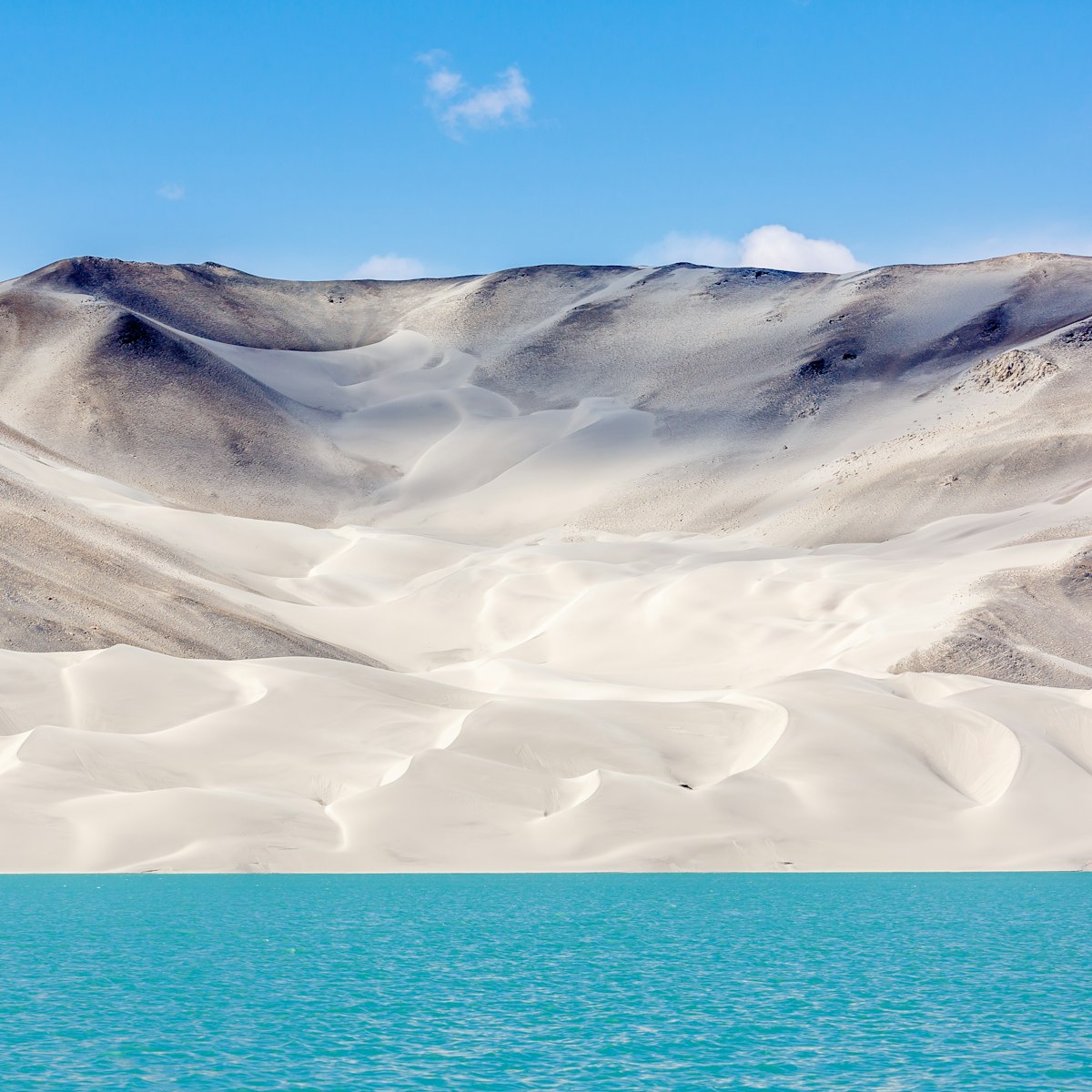
This absolute wonder of nature is the first of the big plate-glass lakes you meet as you head up to Tashkurgan on the Karakoram Hwy. Backed by sublime…
Filter by interest:

Get to the heart of Xinjiang with one of our in-depth, award-winning guidebooks, covering maps, itineraries, and expert guidance.