Tsang
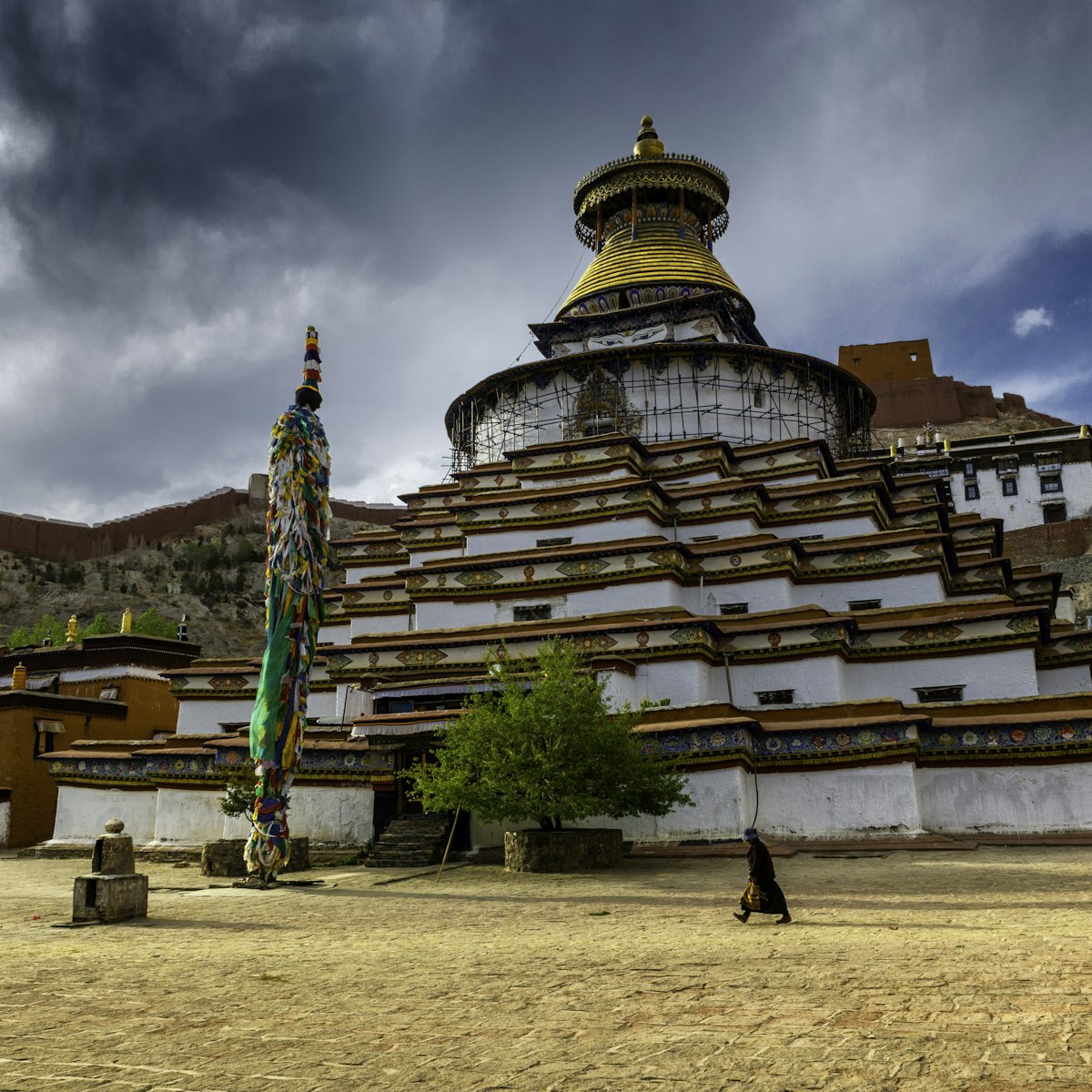
Commissioned by a local prince in 1427 and sitting beside Palcho Monastery, Gyantse Kumbum is the town’s foremost attraction. This 32m-high chörten, with…
Getty Images/AWL Images RM
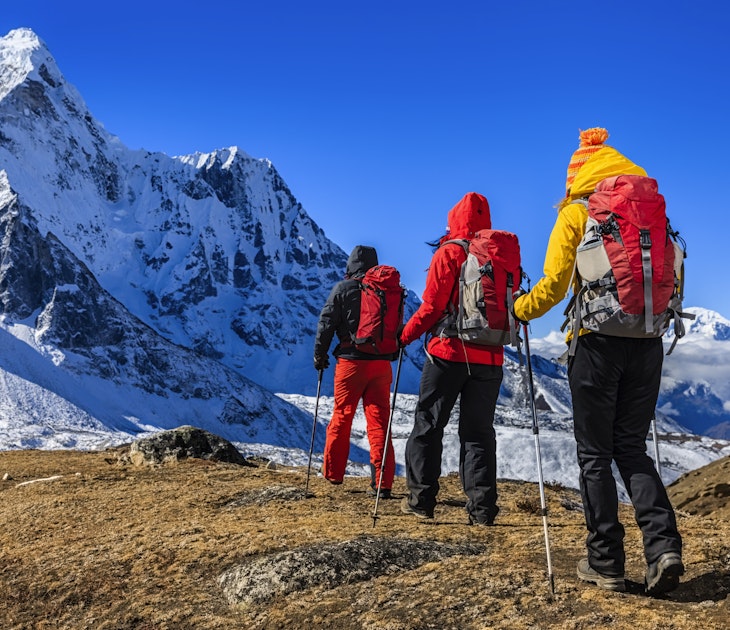
The historical province of Tsang (གཙང) is either the first or last place that most travelers experience in Tibet, and the setting for two of Asia's great mountain drives: to far western Tibet and across the Himalaya to Nepal. The great overland trip across Tibet – from Lhasa along the Friendship Hwy to the Nepali border via Gyantse, Shigatse and Mt Everest Base Camp – goes straight through Tsang, linking most of Tibet's highlights on one irresistible route. Along the way is a scattering of atmospheric Tibetan monasteries and historic towns, an adventurous detour to the base of Mt Everest and multitudes of snowy peaks and moonlike landscapes to behold. Dozens of smaller monasteries just off the highway offer plenty of scope to get off the beaten track and experience an older Tibet.
Tsang
Commissioned by a local prince in 1427 and sitting beside Palcho Monastery, Gyantse Kumbum is the town’s foremost attraction. This 32m-high chörten, with…

Tsang
Everest Base Camp (5150m) was first used by the 1924 British Everest expedition. Tourists are no longer allowed to visit the climbing expedition base camp…
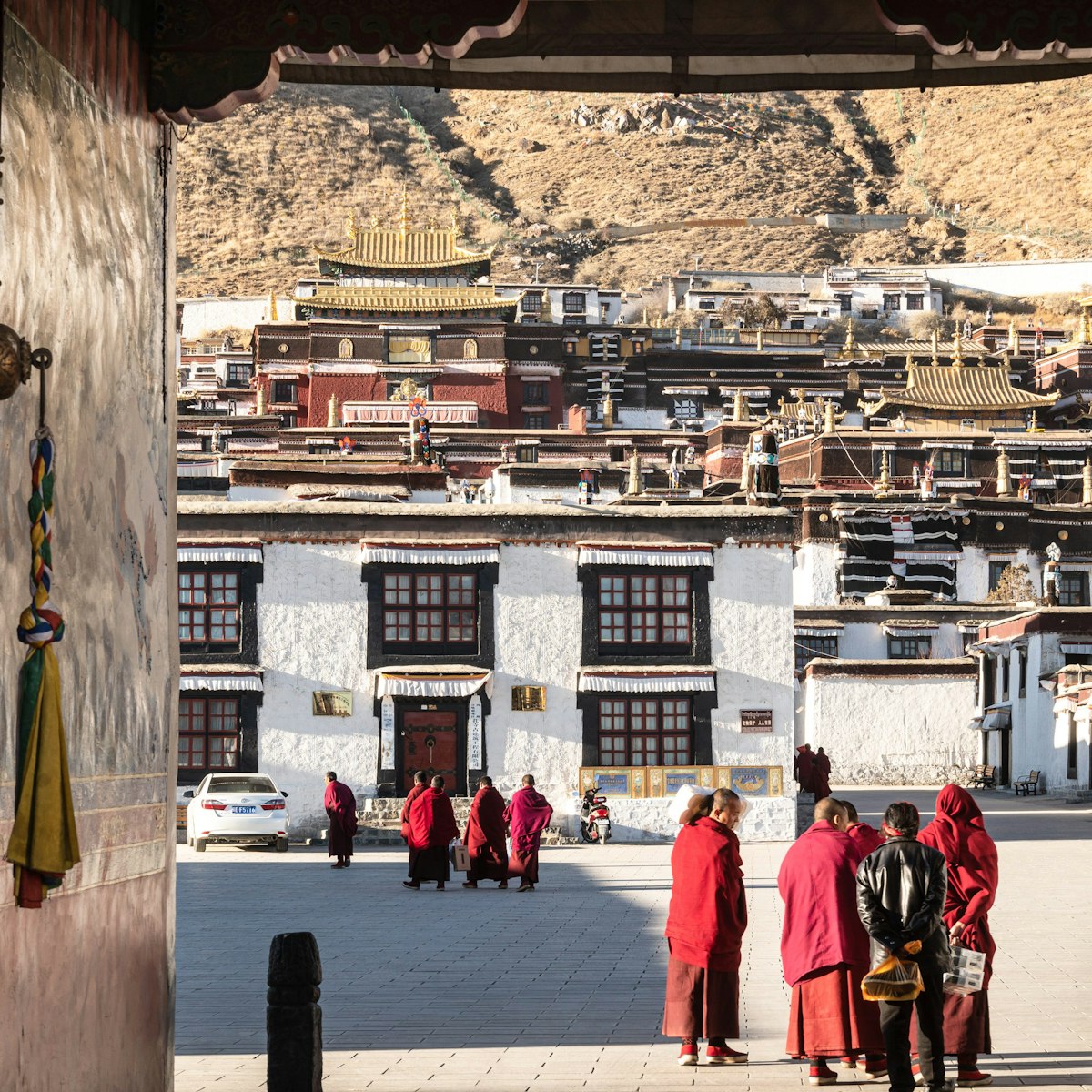
Shigatse
One of the few monasteries in Tibet to weather the stormy seas of the Cultural Revolution, Tashilhunpo remains relatively unscathed. It is a pleasure to…
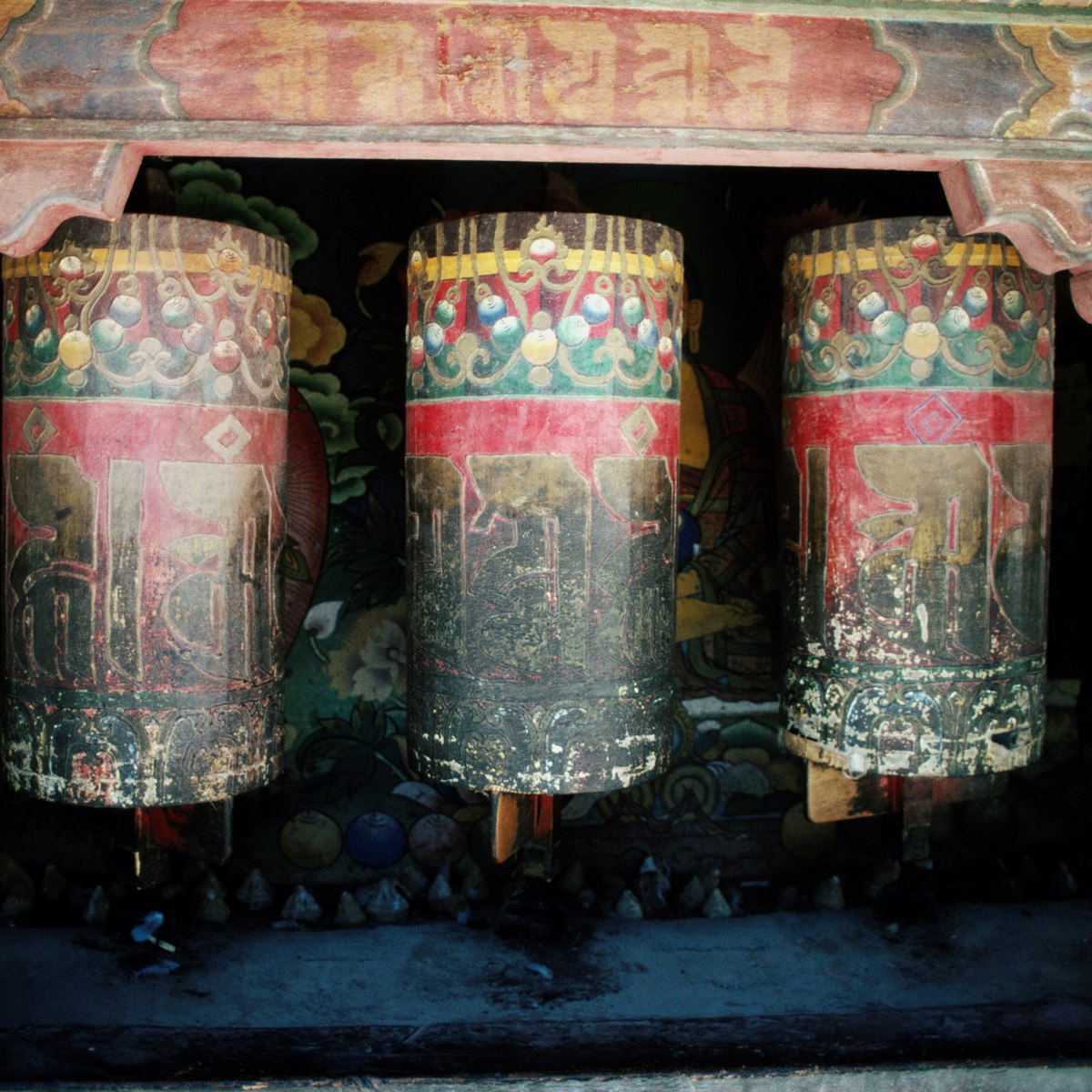
Tsang
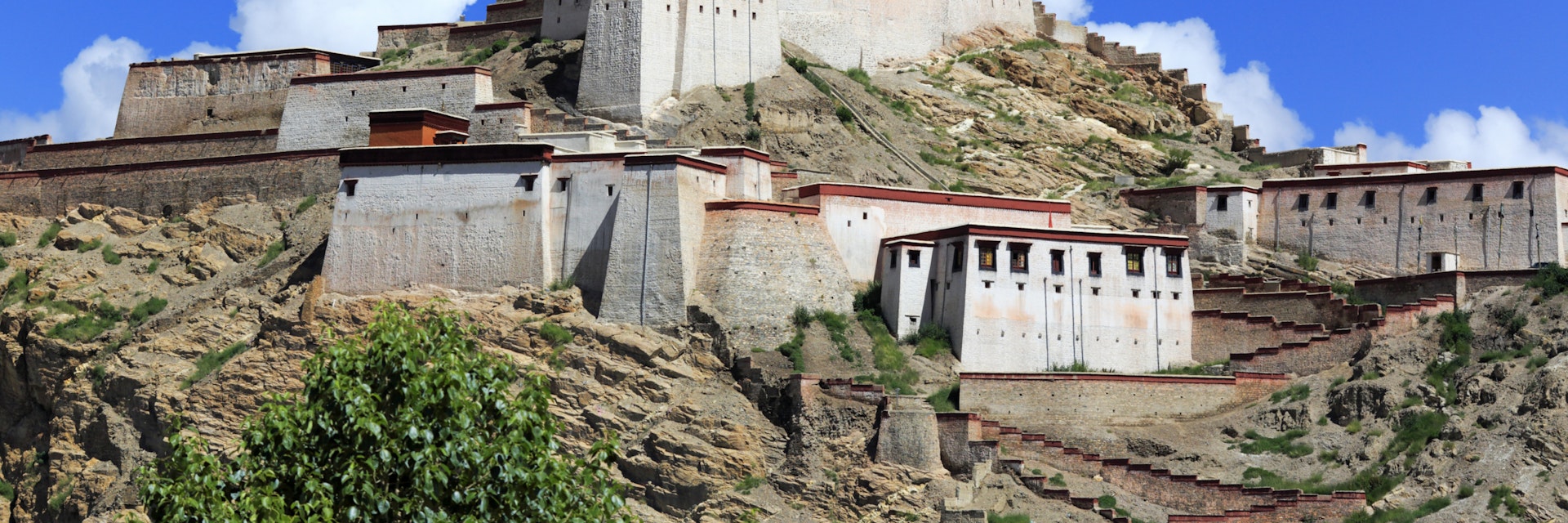
The immense, grey, thick-walled southern monastery is one of Tibet’s most impressive constructed sights, and one of the largest monasteries – home to…
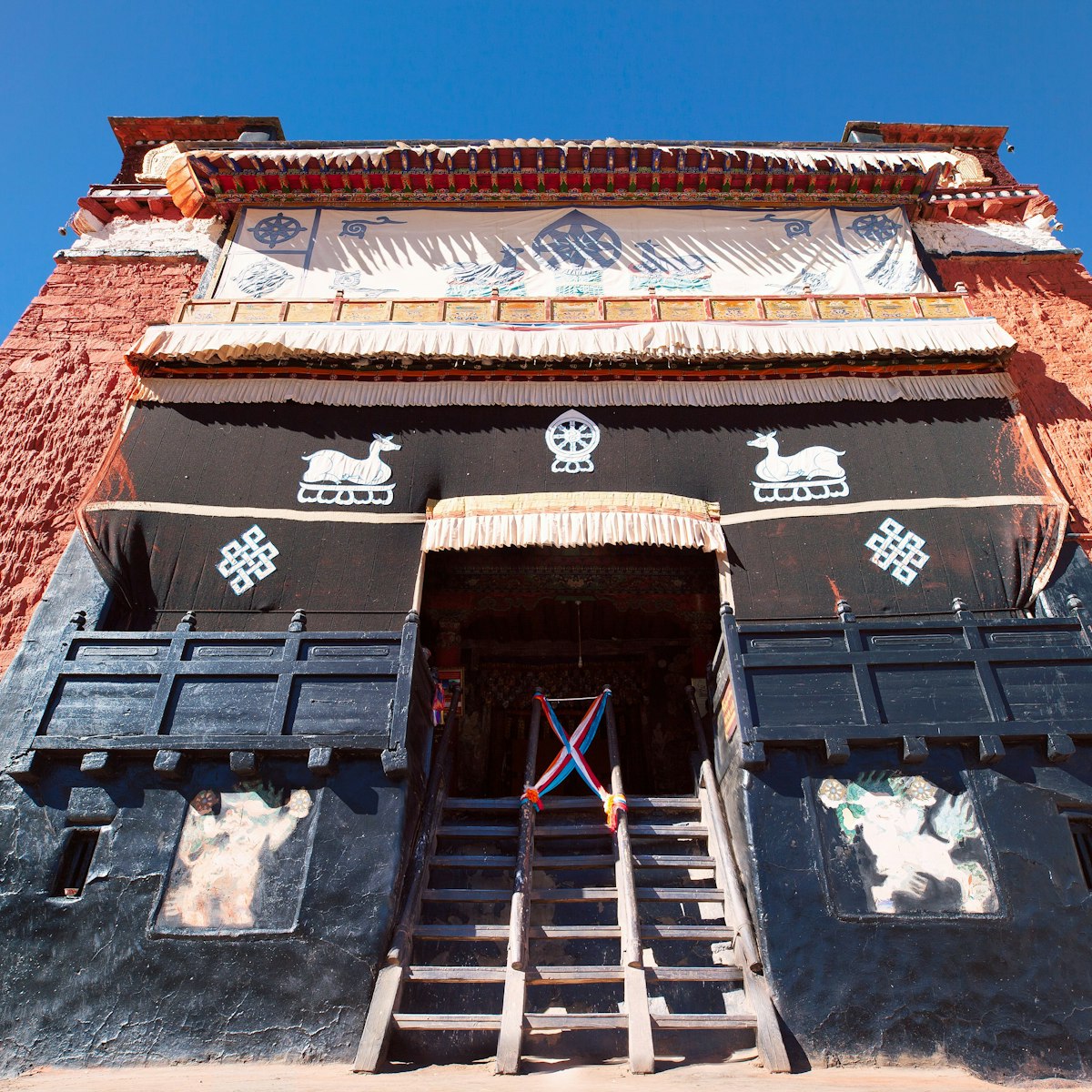
Tsang
If you’re travelling down the Friendship Hwy and want to get a taste of what off the beaten track looks like, consider a few hours’ scenic diversion along…
Tsang
Pride of place in Kyirong's central square is this 1000-year-old, four-tiered Nepali-style pagoda temple, allegedly built by Songtsen Gampo. The main…
Tsang
The high red-walled compound in the far north of Gyantse houses Palcho Monastery, founded in 1418. The main assembly hall is of greatest interest, but…
Tsang
The 12th-century Kagyud hermitage of Drakkar, or Chakar, is famous as the site where 11th-century Tibetan yogi and poet Milarepa spent nine years…
Filter by interest:

Apr 23, 2020 • 2 min read
Get to the heart of Tsang with one of our in-depth, award-winning guidebooks, covering maps, itineraries, and expert guidance.