China
China. The name alone makes you want to get packing. It's going places, so jump aboard, go along for the ride and see where it's headed.

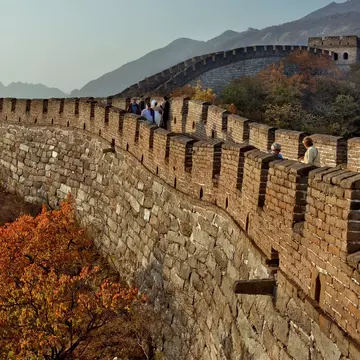
cowardlion/Shutterstock
Latest Stories
- Trent Holden | Aug 25, 202613 Best Places to Visit in China
- Piera Chen | Jul 9, 2026The 12 Most Impressive National Parks in China
- Bibek Bhandari | May 23, 20268 Top Things to Do in China
- Faye Bradley | May 22, 2026The Best Beaches in China
Book
App

Top places to visit in China
Discover the best attractions in China from must-see sights to unexpected hidden gems.
- Attraction in Xi'anArmy of Terracotta Warriors
-
- Attraction in BeijingForbidden City
- Attraction in LijiangJade Dragon Snow Mountain
- Attraction in GuangxiLongji Rice Terraces
- Attraction in ShanghaiM50 Art District
-
- Attraction in ShanghaiOriental Pearl TV Tower







Travel Guides
China travel tips from Lonely Planet experts
Find practical guidance from our team of contributors around the world who bring their decades of first-hand travel experience to your next trip.
Best Things to Do
Experience a fascinating mix of ancient heritage and modern life with these excellent things to do in China.
Read full article
Best Time to Visit
Pick the best time for your visit to China with this seasonal guide to the weather, crowds and most fascinating festivals.
Read full article
Transportation
China is astonishingly huge, amazingly diverse – and remarkably well connected. Here’s how to get around the country by train, bus, bicycle and more.
Read full article
Best Places to Visit
Where antiquity sits alongside innovation, highlights include ancient sites, frenetic cities and natural serenity for a restorative and exciting trip.
Read full article
Get Connected
Stay connected on your trip to China with these helpful tips.
Read full article
Get a book. Get inspired. Get exploring.