Guizhou
A strenuous 30-minute climb up this mountain above town takes you through quiet forest to the remains of the Miaojiang Great Wall and the Four Officials…

Getty Images
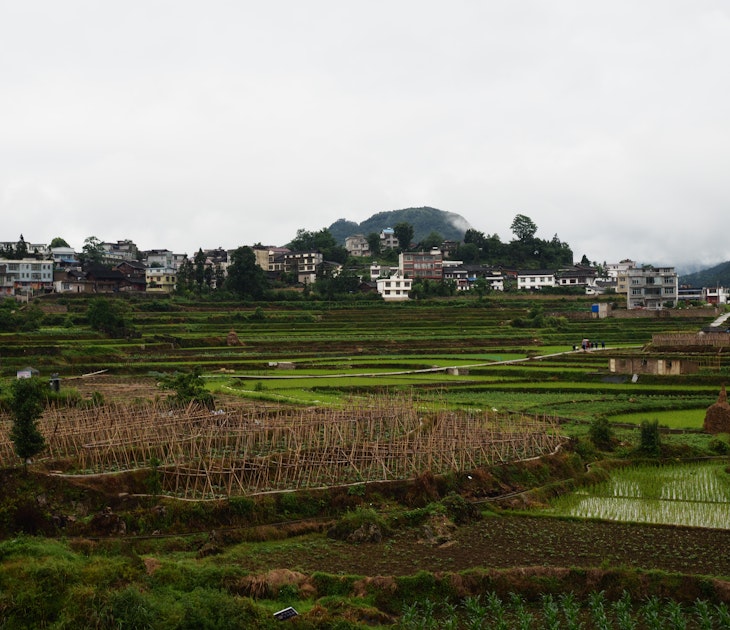
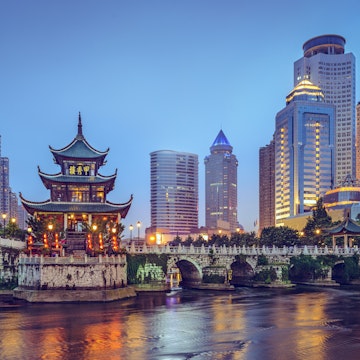
Despite being a popular destination with domestic travelers, Guizhou (贵州, Guìzhōu) remains largely unknown to travelers outside China – and what a travesty of justice. The province has two of the country's largest and most spectacular natural features – a waterfall and a cave – while outside the capital, Guiyang, it's pretty much green hills and valleys, flowing rivers and limestone formations to the horizon.
Guizhou
A strenuous 30-minute climb up this mountain above town takes you through quiet forest to the remains of the Miaojiang Great Wall and the Four Officials…
Guizhou
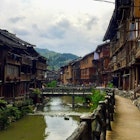
The most photographed sight in town, Zhenyuan’s old bridge is a gorgeous and robust span of arches topped with a three-storey pavilion, leading visitors…
Guizhou
Built right on the cliffs that surround the town, the city walls were a key part of ancient Qingyan's defences. Nowadays a walk on the, at times,…
Guizhou
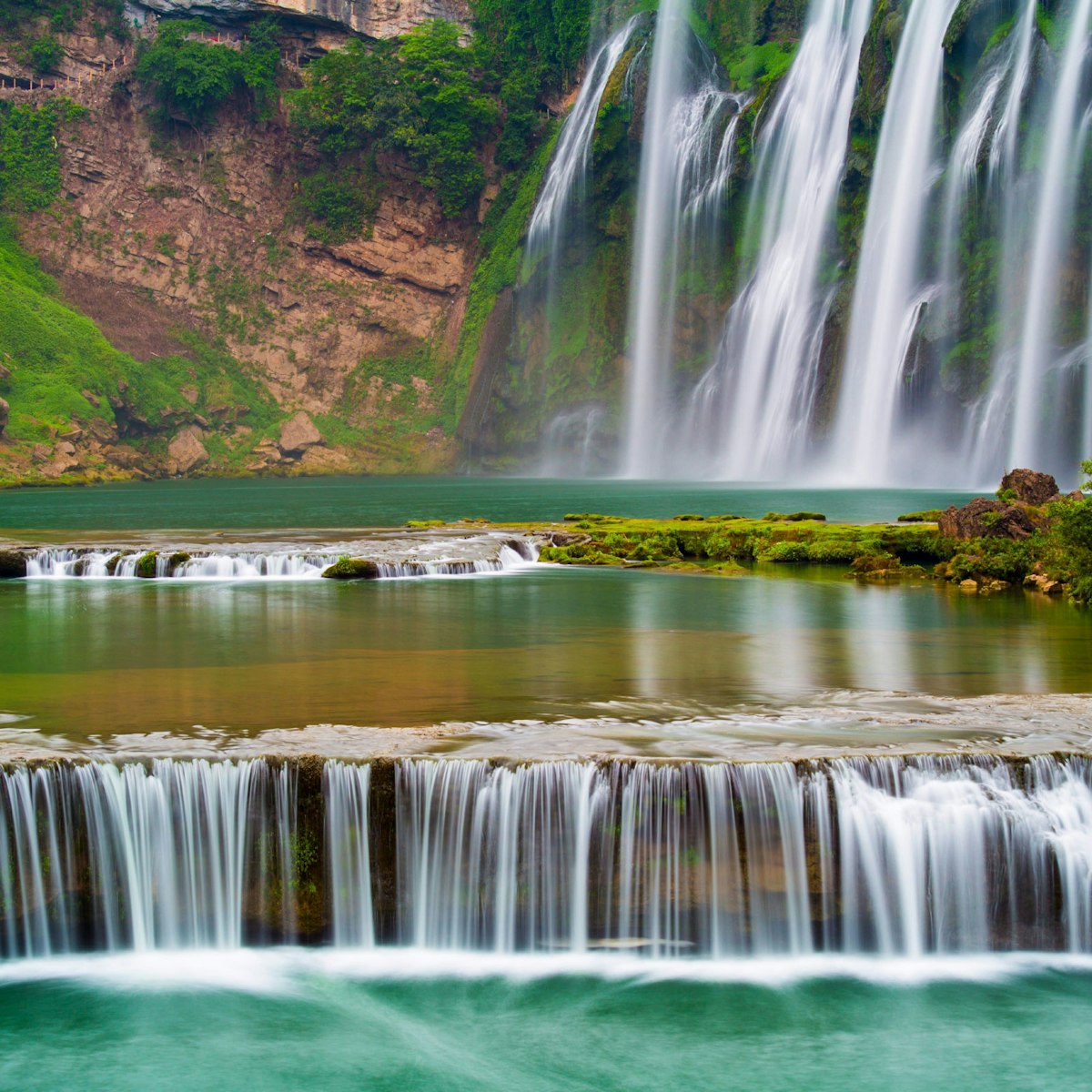
Hugely popular among domestic travellers for good reason, the 77.8m-tall, 81m-wide dàpùbù (大瀑布, great waterfall) is China's largest waterfall and…
Guizhou
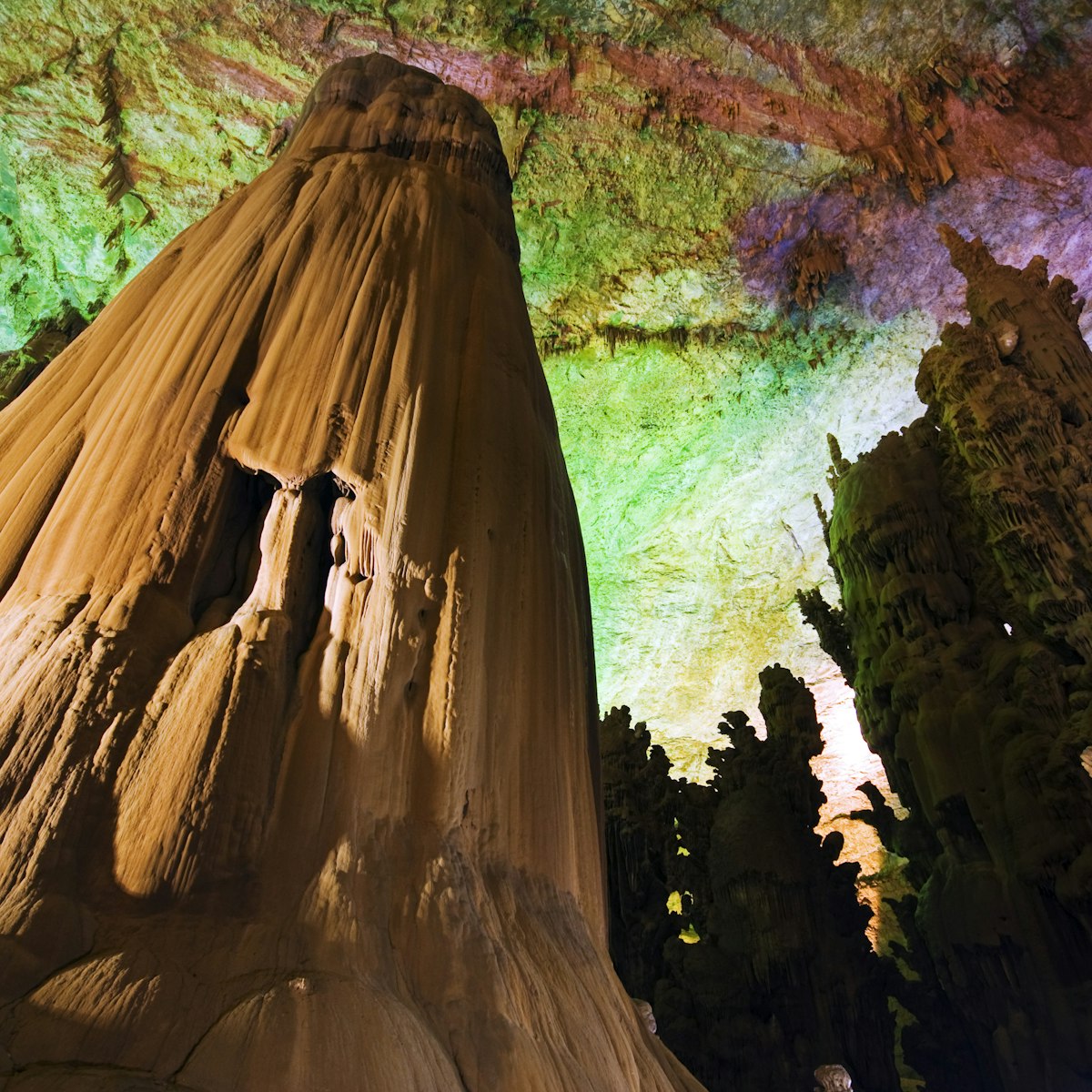
This monstrously long (10km) cave is the biggest in the country – a visit will satisfy everyone from hardcore spelunkers to wide-eyed tourists with a…
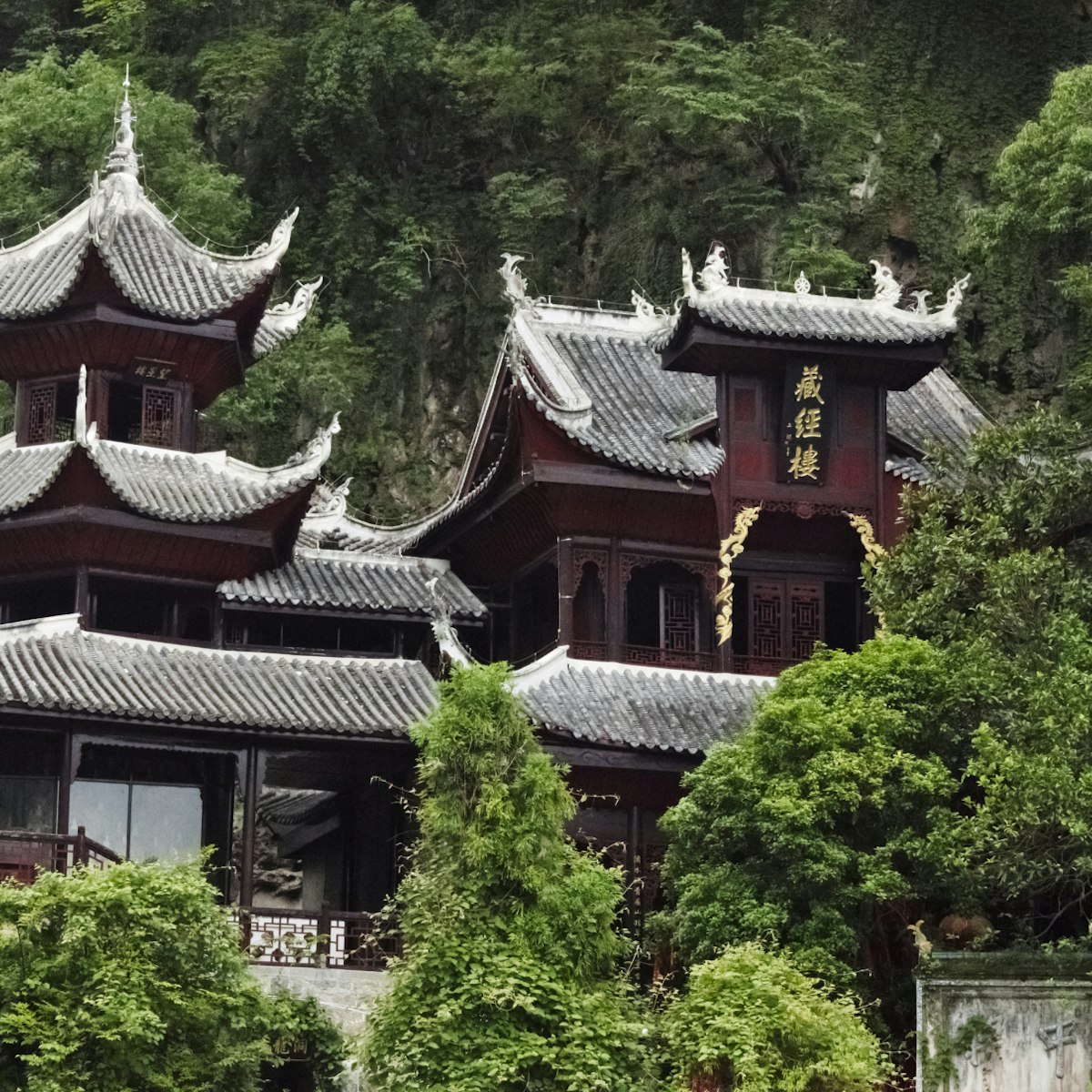
Guizhou
Across the river from the old town, the epic vertical warren of temples, grottoes, corridors and caves of Qīnglóng Dòng rises up against Zhonghe Mountain …
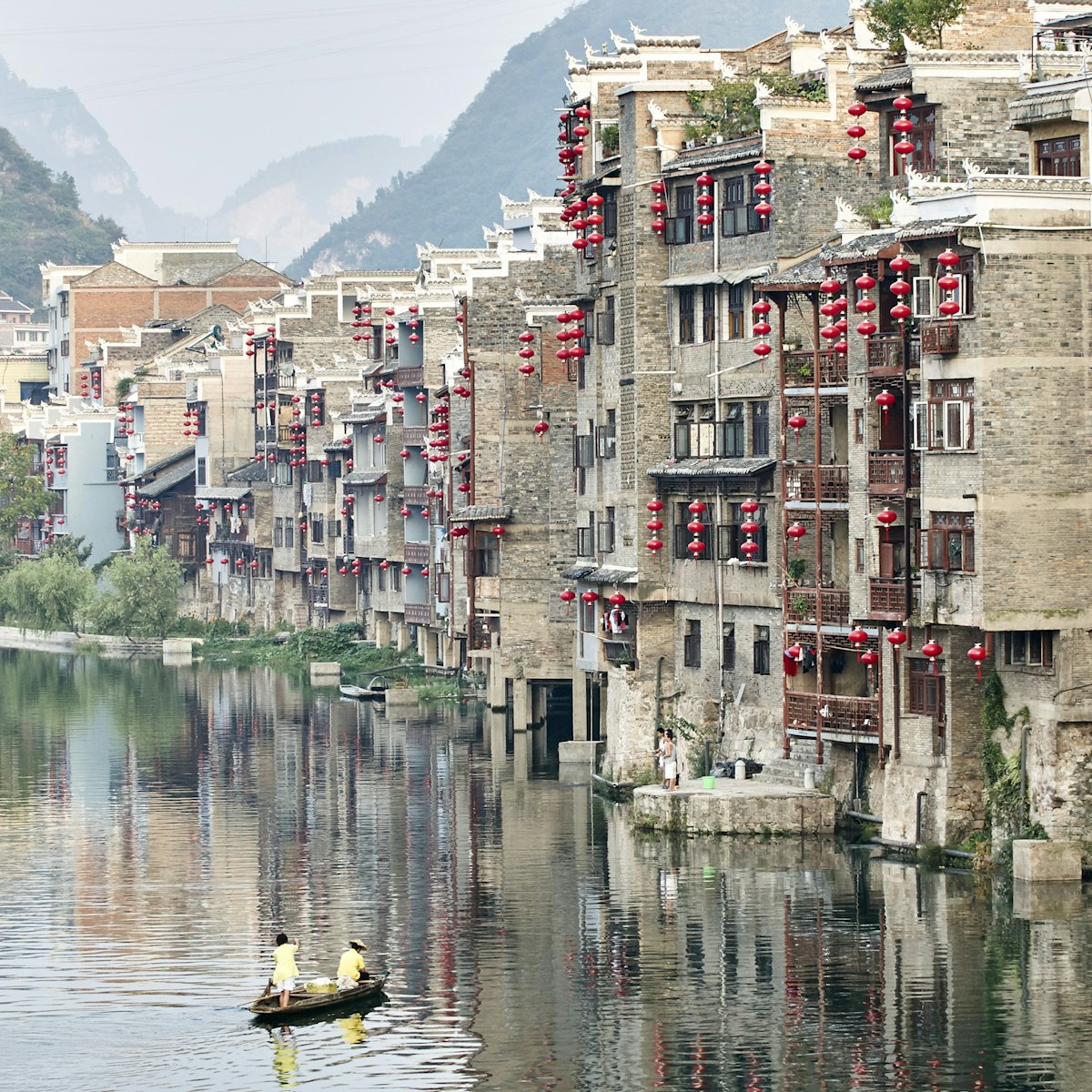
Guizhou
Four old and well-preserved alleys lead north away from the river: Sifangjing Xiang, Fuxing Xiang, Renshou Xiang and Chongzikou Xiang. Wander along…
Guizhou
One of eight Ming-era fortified villages in the area, Yunshan is a gem. Protected by a wall and a main gate, and overlooked by the Yunjiu Mountain (云鹫山,…
Filter by interest:
Apr 20, 2017 • 1 min read
Nov 7, 2016 • 1 min read

Get to the heart of Guizhou with one of our in-depth, award-winning guidebooks, covering maps, itineraries, and expert guidance.