Nov 12, 202610 min read
Everything You Need to Know About Visiting New York in DecemberOct 21, 2026
8 MIN READ

Writer
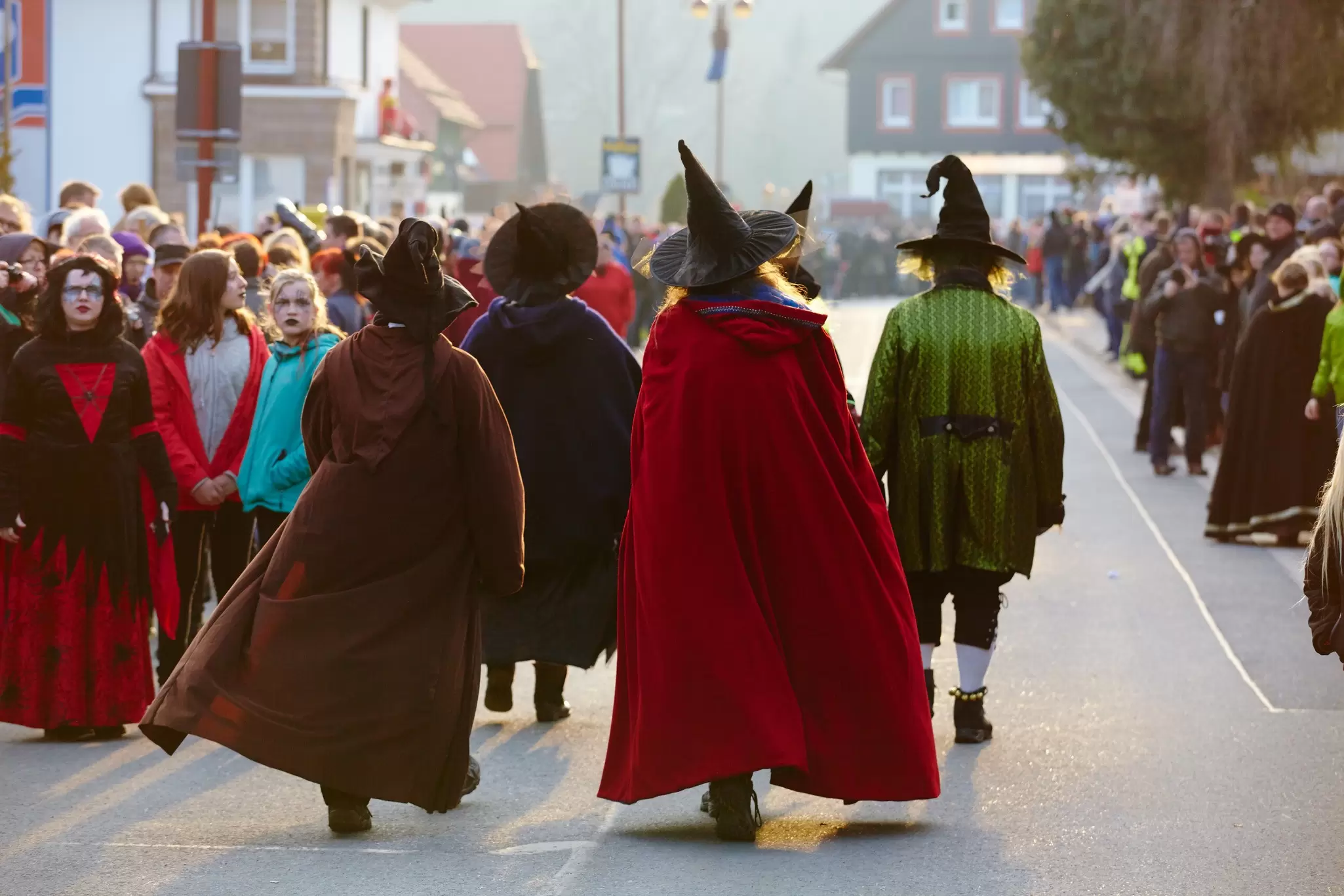
Parade of witches at Walpurgisnacht (Walpurgis Night), Germany. Matt Munro/Lonely Planet
Writer
Lonely Planet may earn a commission from affiliate links on our site. All recommendations and reviews reflect our own independent opinions.
While many consider Halloween to be the ultimate eerie holiday, there are plenty of spooky festivals around the world designed to celebrate – or ward off – energies that are often dismissed as supernatural. These festivities might seem hokey to some and creepy to others, but most have either a deep spiritual significance or a history rooted in tradition and the power of belief.
Here are the top places for spooky festivals around the world, not all of which take place in October.
Best for experiencing Halloween where it all began

While many of the best-known (read, commercialized) Halloween traditions, including trick-or-treating and carving pumpkins into jack-o’-lanterns, are associated with the US and Canada, the holiday traces its origins to Samhain, an autumn-to-winter transition festival that originated in modern-day Scotland and Ireland. In fact, many current-day neo-pagans recognize All Hallows’ Eve (the night before All Saints' Day) as a time when the veil between the worlds of the living and dead is at its thinnest. In Ireland, Halloween’s origins are celebrated with aplomb at the Púca Festival, held in Trim and Athboy in County Meath. Highlights include a ceremonial Samhain bonfire lighting and a procession featuring a cast of ghoulish characters.
Dates in 2026: October 29 to November 1
More info: Púca Festival
Best for honoring your ancestors
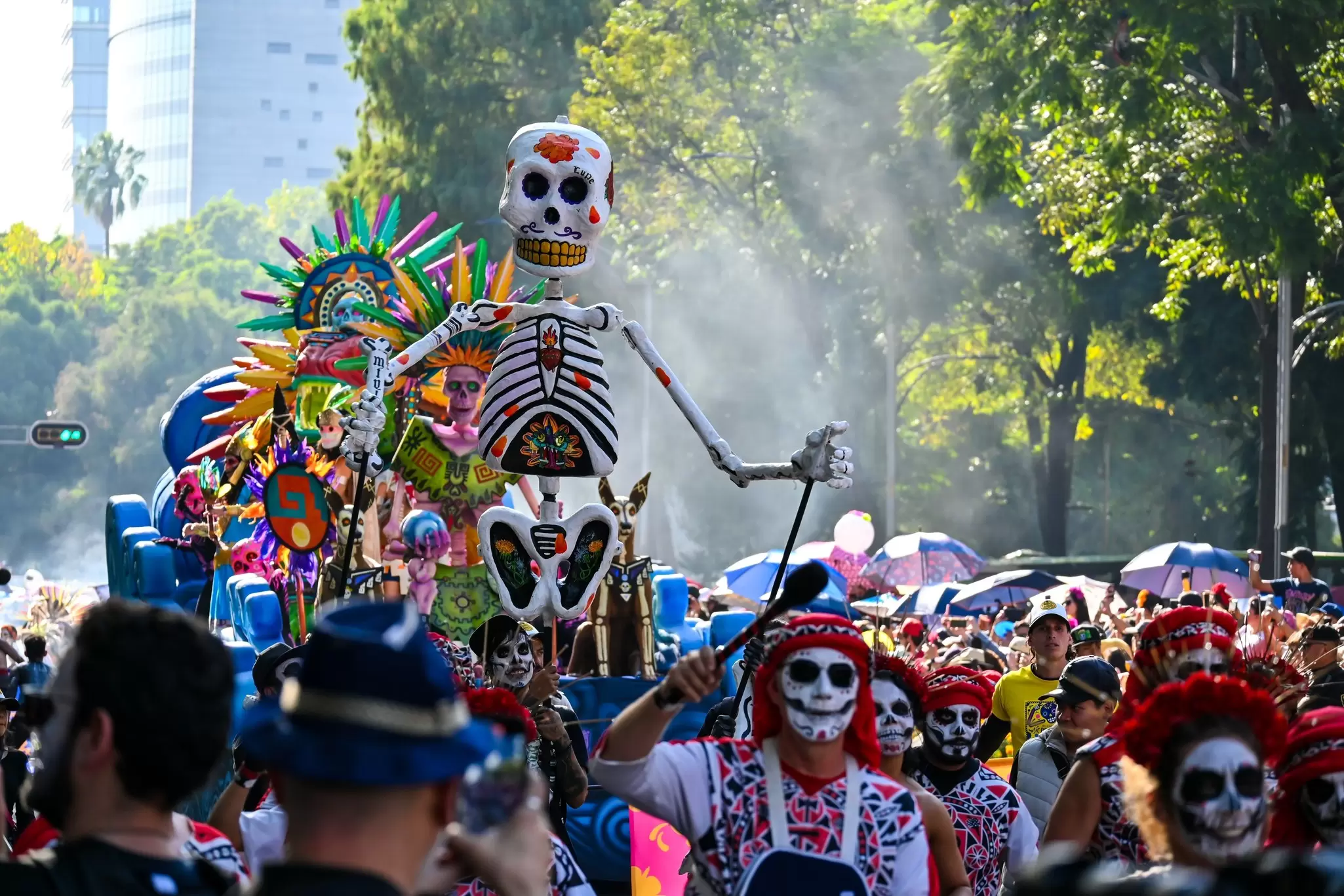
Perhaps Mexico’s best-known festival, Día de Muertos (Day of the Dead), pays homage to those who have passed on with a mix of celebrations and offerings. Like Halloween, it’s held around All Saints' and All Souls' Days (November 1 and 2, respectively), but traces its roots to pre-Christian/pre-Columbian traditions. During this festival, people prepare altars devoted to their ancestors and other loved ones and adorn them with offerings in the form of candles, trinkets and orange marigolds. Cemetery decorating and parades are also a big part of the fun. (The annual parade in Mexico City is particularly popular.) While Día de Muertos takes place across the country, the best place to celebrate is in Oaxaca, where the festival is a particularly big deal.
Planning tip: Don’t miss the chance to sample pan de muerto, a traditional Mexican sweetbread that’s used as an offering during the festivities. It’s typically only available this time of year.
Dates in 2026: The official dates are November 1 and 2, but celebrations begin in late October. The Day of the Dead Parade in Mexico City is on October 31
More info: Día de Muertos
Best for an off-the-beaten-path (and fruity) experience

While many spooky festivals take place during the darker months of the year, Belgium’s eeriest celebration is held smack in the middle of summer in the small Walloon town of Vielsalm. Legend has it that once upon a time, a group of youngsters headed into the woods to search for wild blueberries. Their search was unsuccessful; but on their way back into town, they ran into an old woman named Gustine Maka carrying a basket of the fruit. She offered the kids some gin mixed with blueberry nectar, which immediately transformed them all into witches.
Now, every July 20 as the sun begins to set, the Sabbath of the Macralles (a Walloon word for sorceress) sees actors portraying witches gather to honor the devil and cause mayhem, while others portraying the Emmacrallé (Rural Guard) attempt to disrupt the dark celebration. It's all in good fun, though. A light and music show ends the evening and gets the crowd ready for the next day's Blueberry Festival, a more joyful affair with craft markets, street entertainment and, of course, blueberry treats. But watch out – frightfully costumed macralles continue to parade around town during the day, as well.
Dates in 2027: July 20 for the Sabbath of the Macralles, July 21 for Fête des Myrtilles
More info: Sabbath of the Macralles and Fête des Myrtilles
Best for vegans with strong stomachs

While it’s hard to imagine that a vegetarian festival could be spooky, there’s more to this annual Phuket festival than plant-based treats. Sure, as the name of the Taoist festival – also known as the Nine Emperor Gods Festival or Tesagan Ginje – suggests, there’s plenty of vegetarian and vegan food to be had (devotees abstain from meat, intoxicants and sex during this holy time). However, what’s most noticeable is a purification ritual practiced by devotees known as masong. Masong ceremonially invites gods to temporarily possess their bodies and enter a trancelike state in the process. They then insert long needles, knives and other sharp implements through their cheeks, tongues and other parts of their body – it’s said that the possessed state stops them from feeling any pain – before parading through town.
Planning tip: If you’re seeking out veggie food in Thailand, whether during the festival (where it’s ubiquitous) or otherwise, look for yellow flags with red lettering that reads: เจ, transliterated as jay, which signals that food is both vegan and free of garlic and onions.
Dates in 2027: The 9-day festival is held in the ninth lunar month of the Chinese calendar, which is September 30 to October 8 in 2027
More info: Eve Phuket
Best for medieval magic

Walpurgisnacht (Walpurgis Night) is held on the eve of May Day, exactly 6 months before Halloween. According to medieval legend, witches gather on this night high in the Harz Mountains for a sabbath of evil. To scare them off, villagers once lit bonfires, burned effigies and made plenty of noise on this horrific eve. Today, the festival is celebrated in different ways in much of Europe. For a particularly witchy affair, visit Schierke am Brocken near Wernigerode in Germany, which features a witch’s parade, a Renaissance faire-style medieval market and live music.
Dates in 2027: April 30, May 1 and 2
More info: Walpurgis in Schierke
Best for going off-grid

If you happen to be visiting Bali during Nyepi, also known as the Day of Silence, you’ll see the island come to a standstill. This annual holiday honors the new year with silent reflection. While tourists in hotels are permitted to speak and use electricity, nobody is allowed to venture out for 24 hours, except in the event of a medical emergency. Things are very different the night before Nyepi, when gargantuan paper-mâché effigies of terrific demons known as ogoh-ogoh are paraded through towns and to village cemeteries where they are subsequently burned, symbolizing the burning of negative traits. While there’s certainly nothing scary about burning bad vibes, the effigies themselves can be pretty unnerving, with bulging eyes and sharp saber teeth.
Planning tip: You won’t be able to order from restaurants during Nyepi, but hotels typically offer meal plans. Inform the front desk of any dietary restrictions well in advance.
Dates in 2027: March 8 to 9
More info: Everything Travelers Need to Know About Bali’s “Day of Silence”
Best for demystifying Vodoun traditions

Few words conjure up preconceived notions like the word “voodoo.” While some see it only through the eyes of pop culture (think voodoo dolls), many people are familiar with Haitian, Louisianian and other African diaspora beliefs that are lumped together under the Vodoun umbrella. These traditions can trace some of their influences back to West African Vodoun, a traditional religion that’s often practiced in tandem with other belief systems, such as Christianity. The best place to learn about it is in Benin, West Africa, where Vodun Days – sometimes called Voodoo Day – is celebrated every January. The main festivities take place in the town of Ouidah, considered the global capital of Vodoun spirituality, with rituals, music and celebration. While the name sounds spooky to the unfamiliar, the festival is actually quite joyous.
Dates in 2027: January 2 to 9
More info: Vodun Days
Best for warding off evil spirits – with babies!

Plenty of us find glass-eyed dolls and red-nosed clowns beyond creepy (thanks a lot, Stephen King), but you might be surprised to hear that sumo wrestlers can inspire fear, and not just from their opponents. While these massive athletes are some of the most physically powerful people on the planet, their fluffy forms can give them a look that’s more jolly than scary. Unless, that is, you’re an infant participating in Japan’s Nakizumo (Crying Baby Sumo) Festival. Although it takes place at Shinto shrines across the country, the most popular event is held at Tokyo’s most famous temple, Sensō-ji.
The festival involves matches between two babies, each held by a sumo, who face off in a wrestling ring while a referee taunts them into tears. The first baby to cry is declared the winner. This act isn’t done in vain, however. According to some local beliefs, crying is not only a sign of a healthy future but can also help ward off evil spirits.
Planning tip: The Tokyo festival is incredibly popular, and you’ll need to enter a lottery if you want your baby to participate.
Dates in 2027: Late April
More info: Nakizumo Crying Baby Festival
Explore related stories