Apr 6, 20268 min read
How to get your cell phone connected in Vietnam: eSIMs, wi-fi and mobile networksMar 23, 2026
15 MIN READ
Writer
Writer
The siren song of Vietnam draws countless travelers seeking incredible landscapes, sandy beaches, rich history, vibrant cities, fabulous food and some of the best hospitality you’ll find anywhere. From market shopping in Hanoi to beach hopping on Cat Ba Island, the top things to do in Vietnam reveal Asia at its best.
The tough decision for travelers isn’t whether to visit Vietnam, but how to visit. Do you start in Hanoi or Ho Chi Minh City (HCMC)? Do you swap the big cities for the beaches of Danang, Nha Trang and Phu Quoc Island or the waterways of the Mekong Delta? Do you dive into history in Hue and Hoi An? Do you have time for an overnight cruise around Halong Bay, or a train trip right across the country on the Reunification Express?
With so many choices, you’ll struggle to cover everything, so plan your trip around this list of the best things to do in Vietnam.
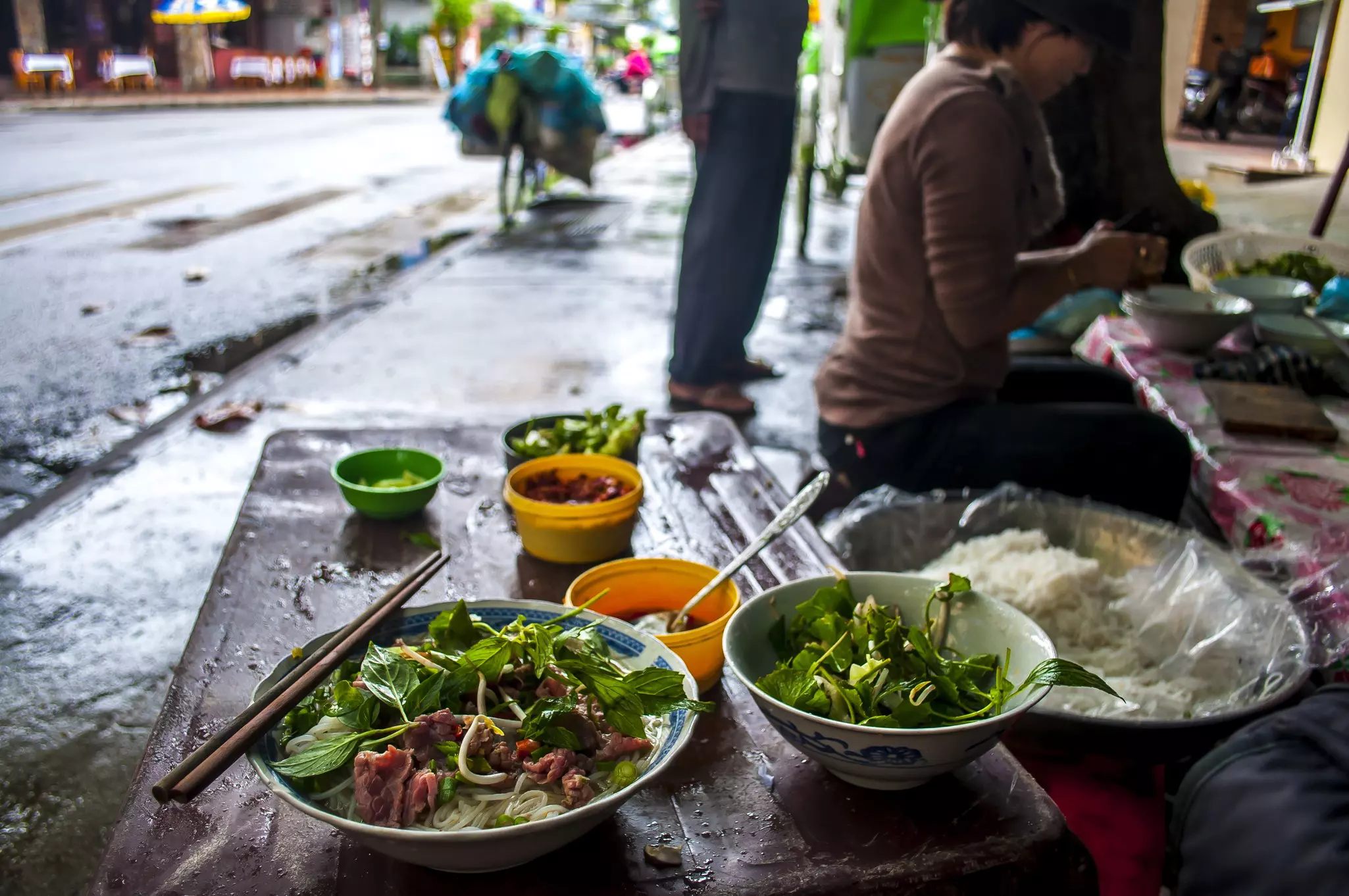
Vietnam’s Nguyen Dynasty held court in Hue until 1945, and the city’s damaged but still impressive historic monuments feel closer to imperial China than to the rest of Southeast Asia. For many travelers, though, Hue is all about the food; more than half of Vietnam’s estimated 3000 local dishes are believed to have originated here.
Treats to seek out include the vermicelli-noodle-based bun bo Hue, crispy banh khoai pancakes topped with shrimp and pork, and canapé-like, soft-and-crunchy banh it ram dumplings. The lavish imperial cuisine known as am thuc cung dinh – created by the emperors’ loyal chefs – can still be sampled in some of Hue’s top restaurants, such as Thin Gia Vien and Hoang Phu.
Planning tip: Don’t restrict yourself to posh imperial banquets. For less than 100,000 dong (d), you can gorge on tasty Hue staples at busy stalwart restaurants such as Madam Thu, or at food stalls on the streets.
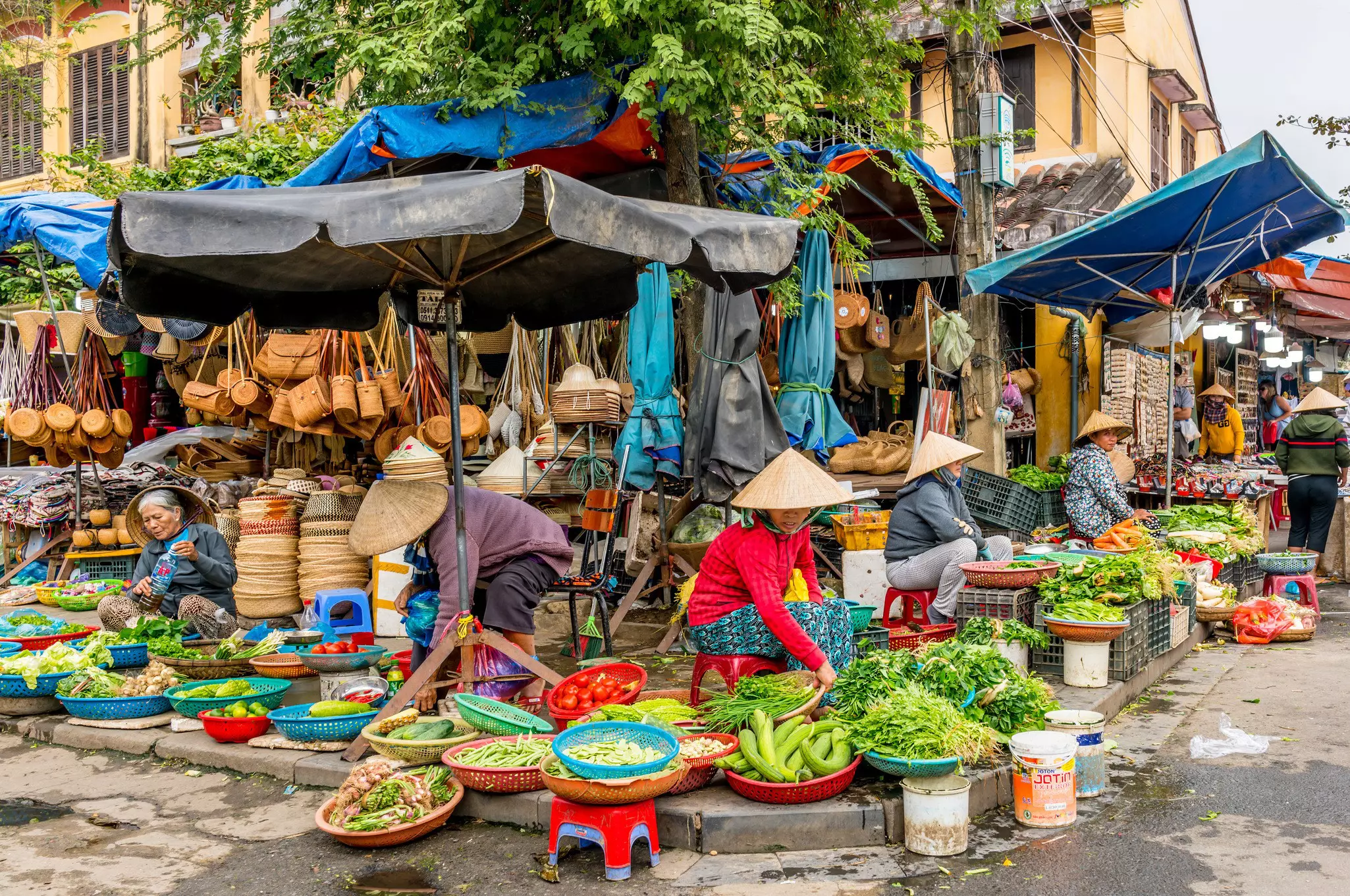
There’s no better souvenir to bring home from your travels than the ability to prepare your own feast of Vietnamese dishes back home. Indeed, Vietnamese food probably has more dinner-party cachet than the better-known cuisine of Thailand – serve up bo la lot (beef grilled in betel leaves) or pho (noodle soup) to guests and you're pretty much guaranteed an enthusiastic response.
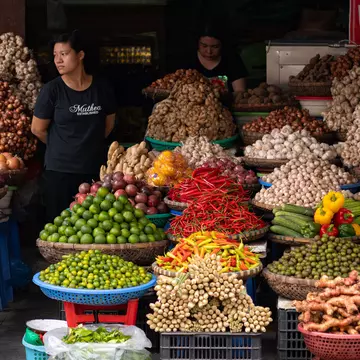
Pretty much anywhere travelers gather, you’ll find cooking courses that start with a trip to the market to buy fresh ingredients and local herbs, and end with a banquet of the dishes you’ve prepared, covering everything from delicate summer rolls to hearty bowls of pho.
Planning tip: As well as being home to some of Vietnam's most impressive historic architecture, Hoi An is the most popular destination for aspiring chefs; we recommend the small and personal Green Bamboo Cooking School. There are also good cooking schools in Hue, Hanoi and HCMC.
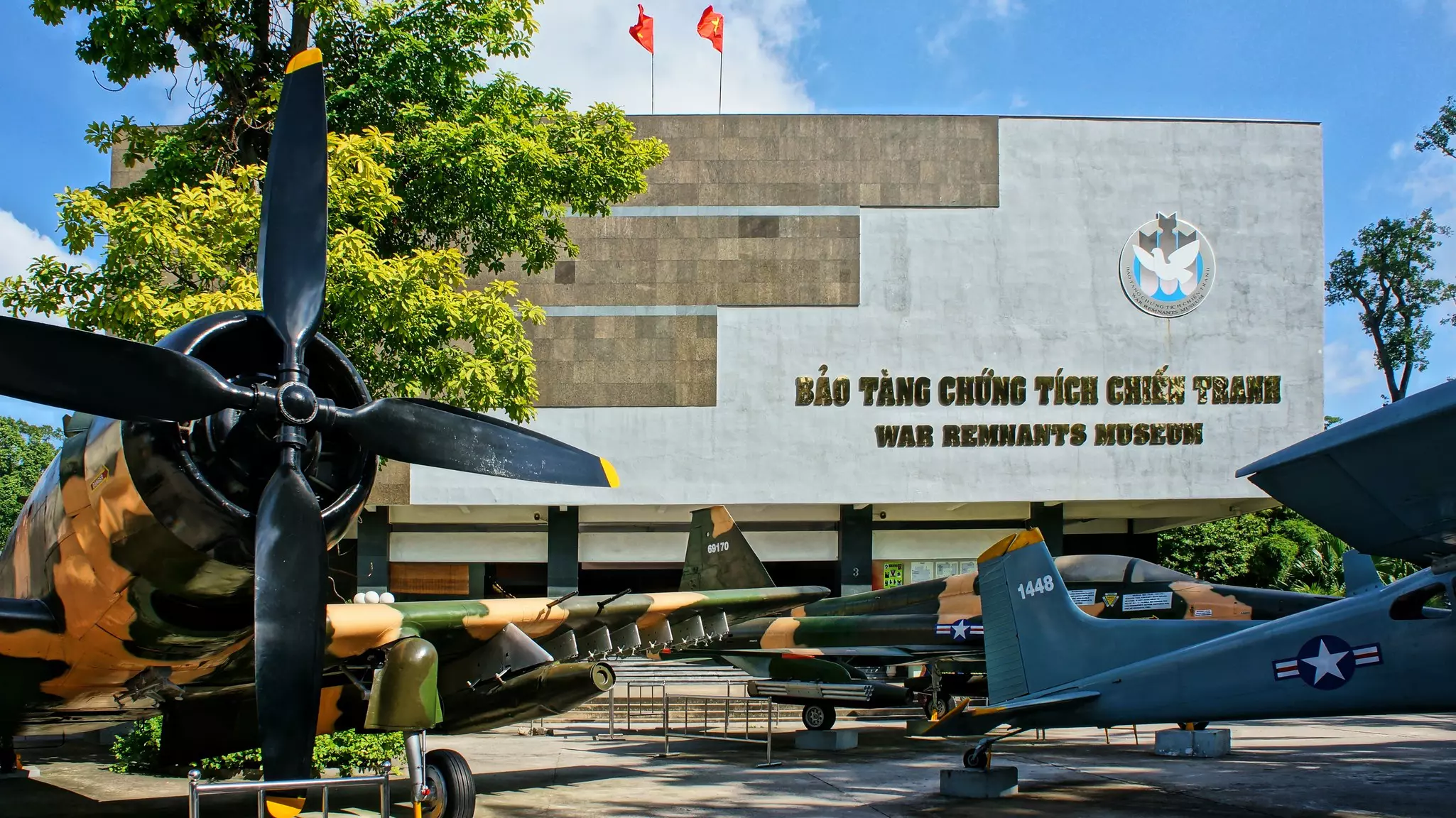
The former capital of South Vietnam may have changed its name from Saigon to Ho Chi Minh City (HCMC), but the past remains close to the surface here, from the American War relics in the HCMC Museum and War Remnants Museum to the city’s elegant French-built mansions and civic buildings, many now housing museums, restaurants and boutique hotels.
To get a feel for vintage HCMC, stop for a cup of ca phe sua (milk coffee) at the elegant Hotel Continental Saigon and sample cutting-edge French cuisine at La Villa. Then take a stroll past the Central Post Office, Notre Dame Cathedral and the People’s Committee Building – built as Saigon’s Hôtel de Ville, then repurposed after the Vietnamese sent the colonizers packing.
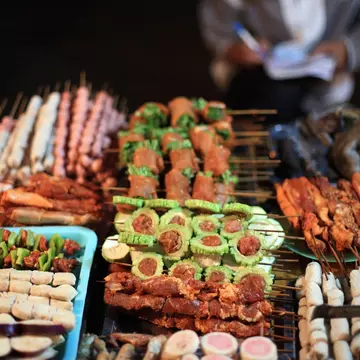
Planning tip: To fully appreciate the marvelous, lip-tingling variety of HCMC street food, join a foodie-focused scooter tour with Saigon Street Eats. Or you can explore the city's dining scene independently, reaching HCMC's foodie districts by bus, taxi or rideshare (book through Grab, Be or Xanh SM).
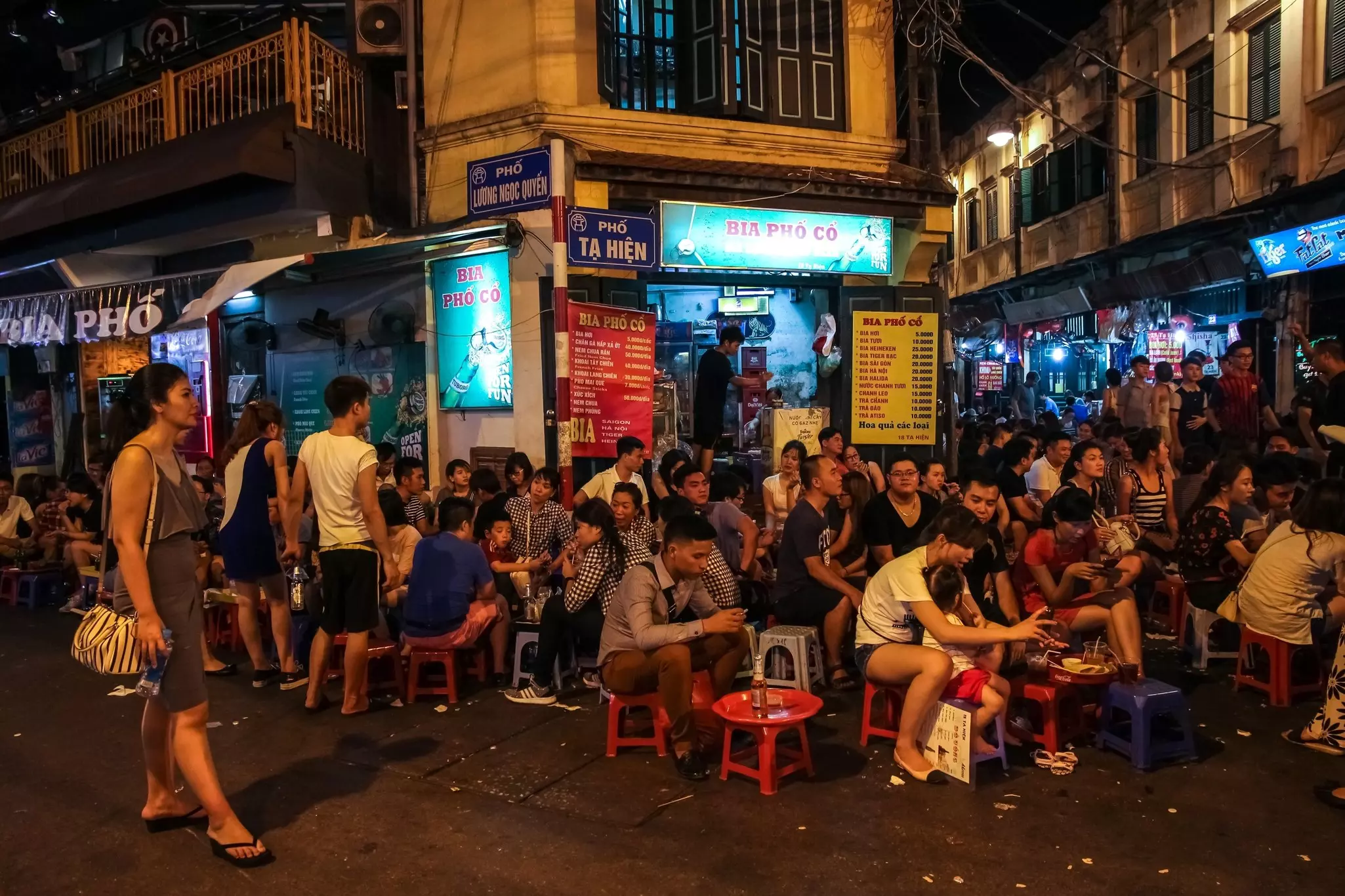
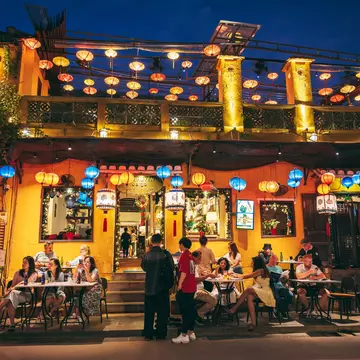
The capital of the former North Vietnam – and today the capital of the unified nation – Hanoi is where old and new Vietnam come together. Traces of the imperial past float like ghosts in a city surging skyward. Hawkers drift through the narrow lanes of the Old Quarter selling snacks from traditional yoke baskets, while the surrounding buildings are lit up with advertising displays and bright lights.
Exploring at street level is highly atmospheric and fantastic fun. Mix up days visiting wartime and imperial relics with evenings feasting on some of Asia’s finest food and late nights dousing the sticky summer heat with glasses of bia hoi (local draught beer). Don't miss an evening at one of Hanoi's live music venues, such as the moody Binh Minh Jazz Club and cultural hub Hanoi Rock City; they don't say "Hanoi rocks" for nothing!
Planning tip: For memorable photos of Hanoi, head to Hoan Kiem Lake at sunrise, when locals gather here to exercise, or at sunset, when the sky reflects on the lake's surface.
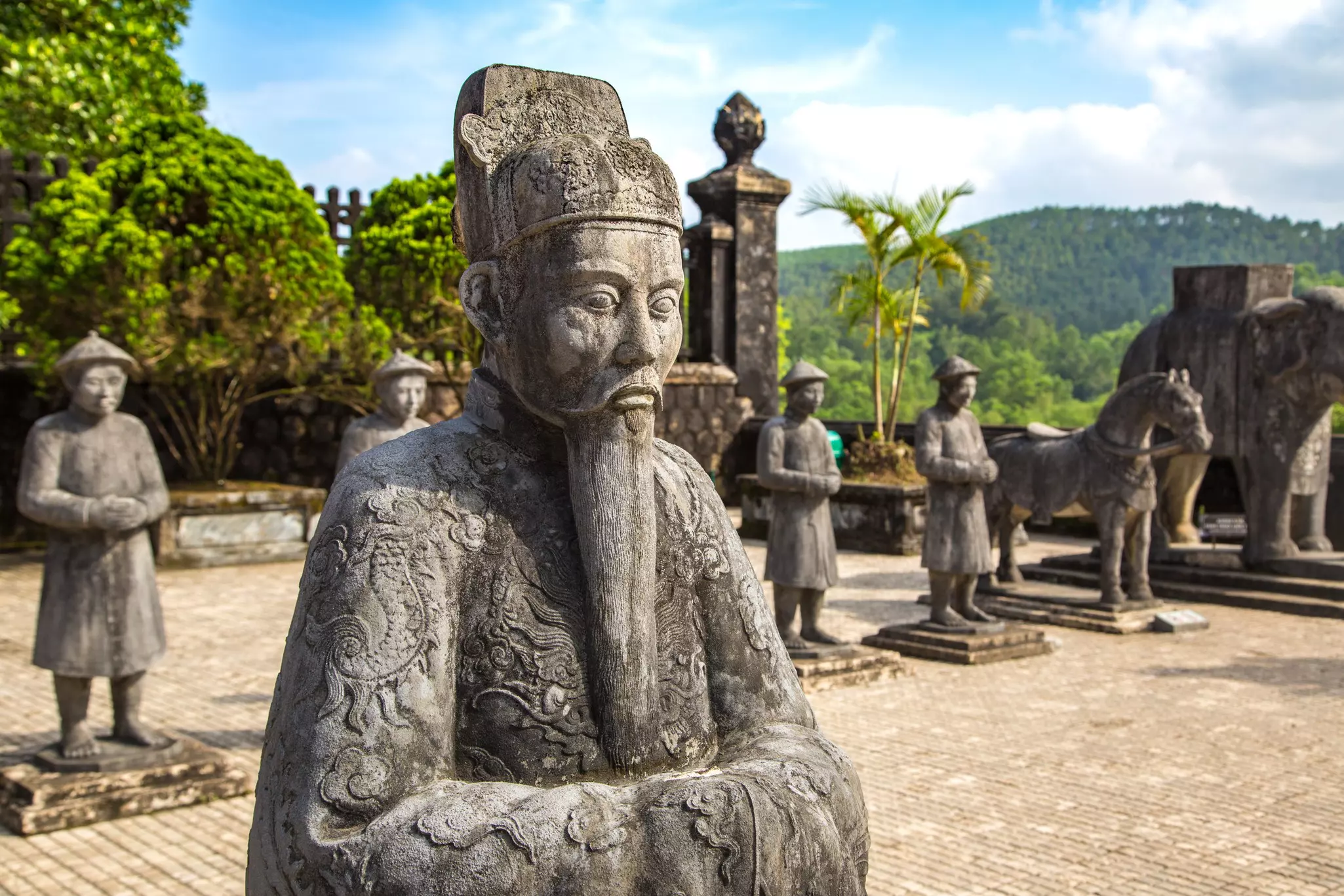
Hue gets a second spot on the list thanks to its astounding imperial tombs, which preserve the mortal remains of a string of Nguyen emperors and empresses. The city's mausoleums commemorate everyone from dynasty-founding Gia Long to Khai Dinh, the last Nguyen emperor to be buried on Vietnamese soil (his son, Bao Dai, Vietnam's last emperor, is interred in the Cimetière de Passy in Paris).
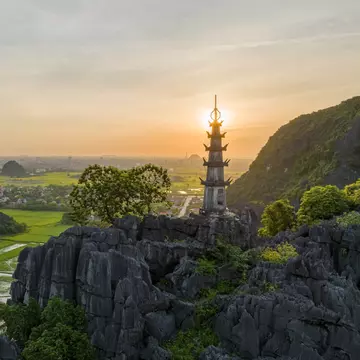
While crowds mob Hue's Citadel and Imperial Enclosure, you can still find peaceful moments for contemplation by skipping the boat tours and renting a motorbike to visit the extravagant mausoleums along the Perfume River. Don’t miss the towering Thien Mu pagoda, which looms over the north bank on the city fringes.
Lonely planet’s trusted travel insurance provider
Travel with confidence. Protect your trip and your wallet.
We don’t represent World Nomads, we receive a fee from quotes using this link. This is not a recommendation to buy travel insurance.
Detour: Equipped with a motorcycle or scooter, you can also buzz north from Hue to enjoy unspoiled dune beaches on the sandy barrier island stretching north and south from Thuan An.
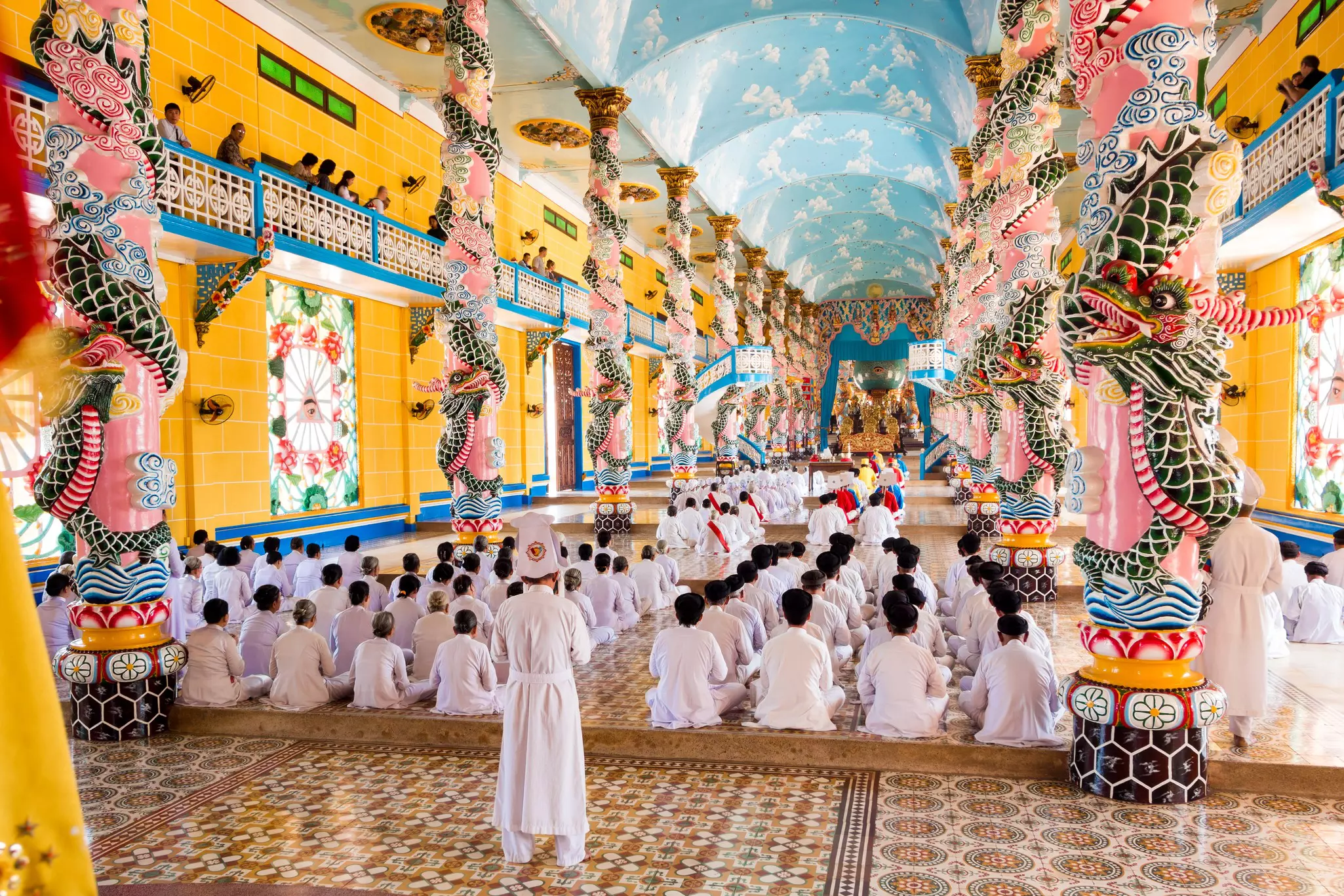
One of the world’s youngest faiths, the Cao Dai religion was founded in the southern town of Tay Ninh in 1926. The religion fuses elements of ancestor worship, folk religions, Confucianism, Taoism, Buddhism and Roman Catholicism, with the ultimate goal of freeing the soul from the endless cycle of reincarnation.
To explore its complex customs, head to the cathedral-like Cao Dai Holy See in Tay Ninh. Inside, you’ll see a range of iconography, including weapon-toting statues, an all-seeing eye and even a Communist-style red star. The sect reveres, among other figures, Jesus Christ, Buddha, Muhammad and even French novelist Victor Hugo.
Planning tip: Try to visit during a prayer ceremony – they take place four times a day. If you have time to kill before or after a visit, take a detour 15km northeast to Nui Ba Den mountain. Here, you can take a gondola followed by a hike to reach its summit cave temples, then whoosh back downhill on a luge-style slide.
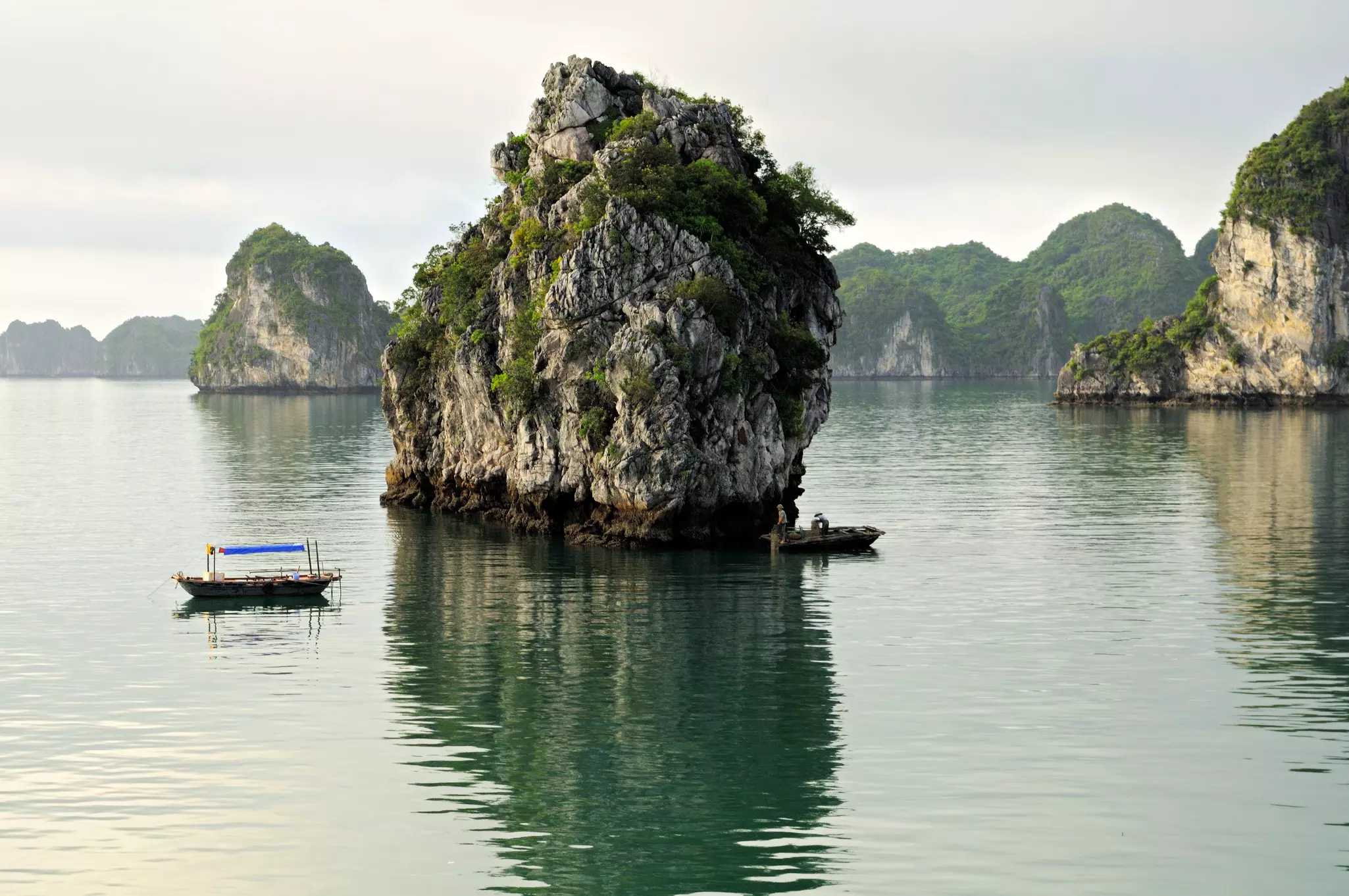
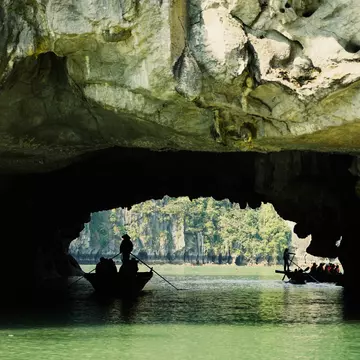
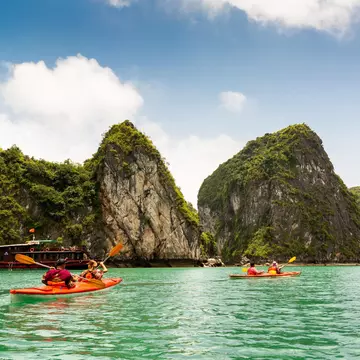
We’ll concede that Halong Bay – an atmospheric wonderland of rocky coves and eroded karst islands to the east of Hanoi – is getting pretty busy these days. But that doesn’t mean there isn’t plenty to discover away from the cruise-ship crowds, including Halong City – worth a visit for its delectable seafood and great views from its giant Ferris wheel.
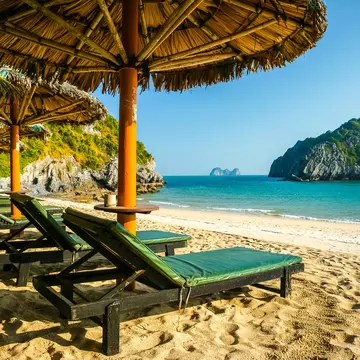
The most popular way to explore Halong Bay is on an overnight cruise on a motorized junk, but for something more intimate, consider hiring a kayak to potter around Lan Ha Bay near Cat Ba Island, where beaches nestle into sheltered coves and outcrops sculpted by wind and waves emerge from the water like the teeth of sea monsters.
Detour: It's best to book ahead for Halong Bay trips in the peak season from March to April and October to November. For a quieter karst island experience, leave the diesel fumes behind in calmer Bai Tu Long Bay to the north, where more jungle-capped islands shelter low-key resorts and hidden beaches.
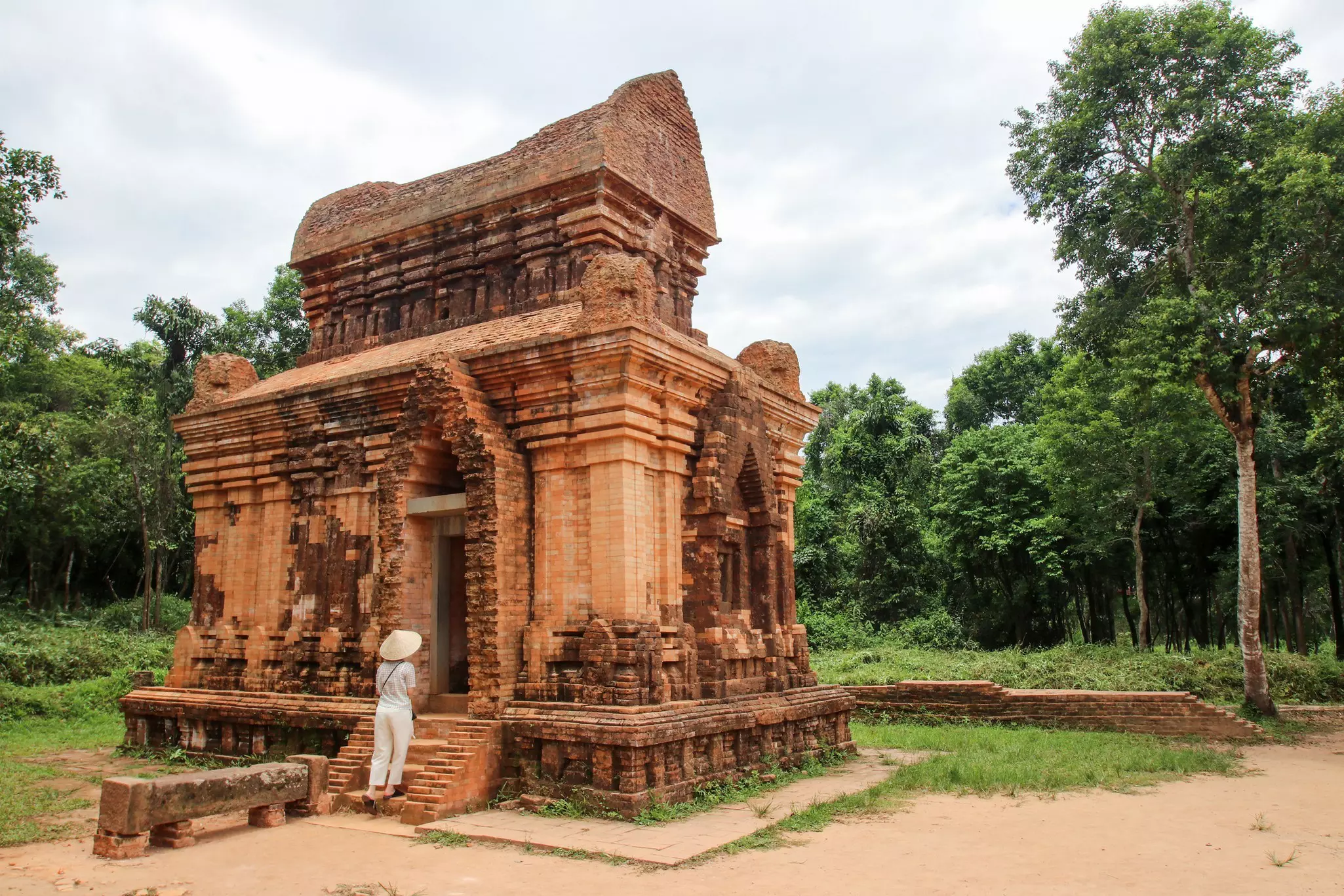
While travelers mob the regal assembly halls, pagodas and historic homes of Hoi An, nearby My Son offers a calmer experience of Vietnam’s rich and layered past – particularly if you come in the afternoon. The big lure here is the atmospheric collection of UNESCO-listed Hindu temple ruins surrounded by jungle in a loop of the Thu Bon River.
Sharing many architectural features with the Khmer temples of Cambodia and Thailand, these crumbling red-brick shrines were built between the 4th and 14th centuries CE by the Hindu kingdom of Champa, whose descendants – the Cham people – still populate pockets of central Vietnam. With only birdsong to disrupt the quiet, the site scores highly for atmosphere as well as history.
Detour: If you use Hoi An as a base for exploring My Son, set aside a day to visit the nearby Cham Islands, an impressive marine reserve whose granite islets are still inhabited by Cham people, now mostly followers of Islam.
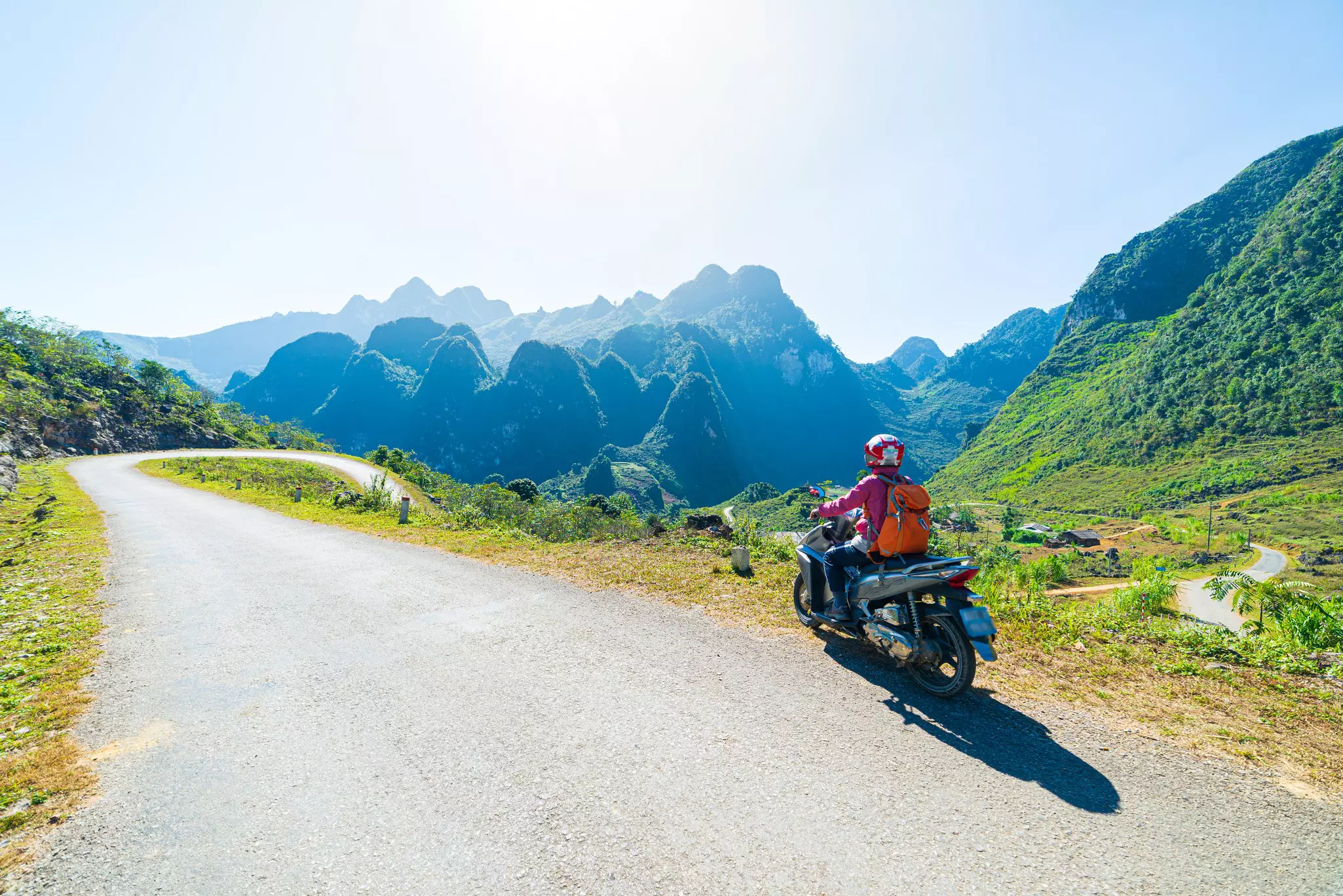
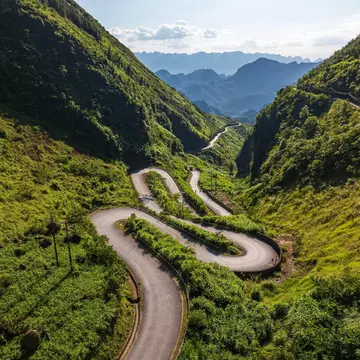
Vietnam largely moves on two wheels, and a motorbike is by far the most enjoyable way to explore the hill country of the northwest – even if it takes some courage to adjust to the bumpy roads, erratic traffic and wandering livestock. Rent a quality bike in Hanoi, then pop your wheels on the train to Lao Cai to avoid the nerve-jangling ride out of the capital.
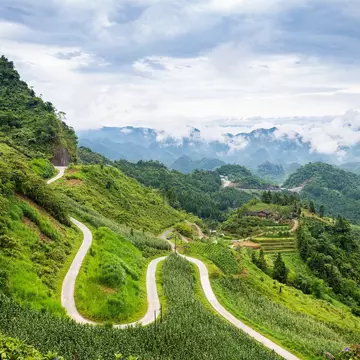
Once you reach the heart of the hill country, rumble out to outlying villages far from the tourist crowds for epic views and nights in charming homestays run by members of Vietnam’s tribal minorities. The classic Ha Giang Loop to the east of Lao Cai offers 3 or 4 days of thrilling riding, but with steep roads to navigate, it's a route for experienced riders.
Planning tip: You’ll need an International Driving Permit to ride a motorcycle or scooter legally in Vietnam, and this is not available for every nationality. Many travelers manage to rent a motorbike without a permit, but if things go wrong, you are unlikely to be covered by insurance.
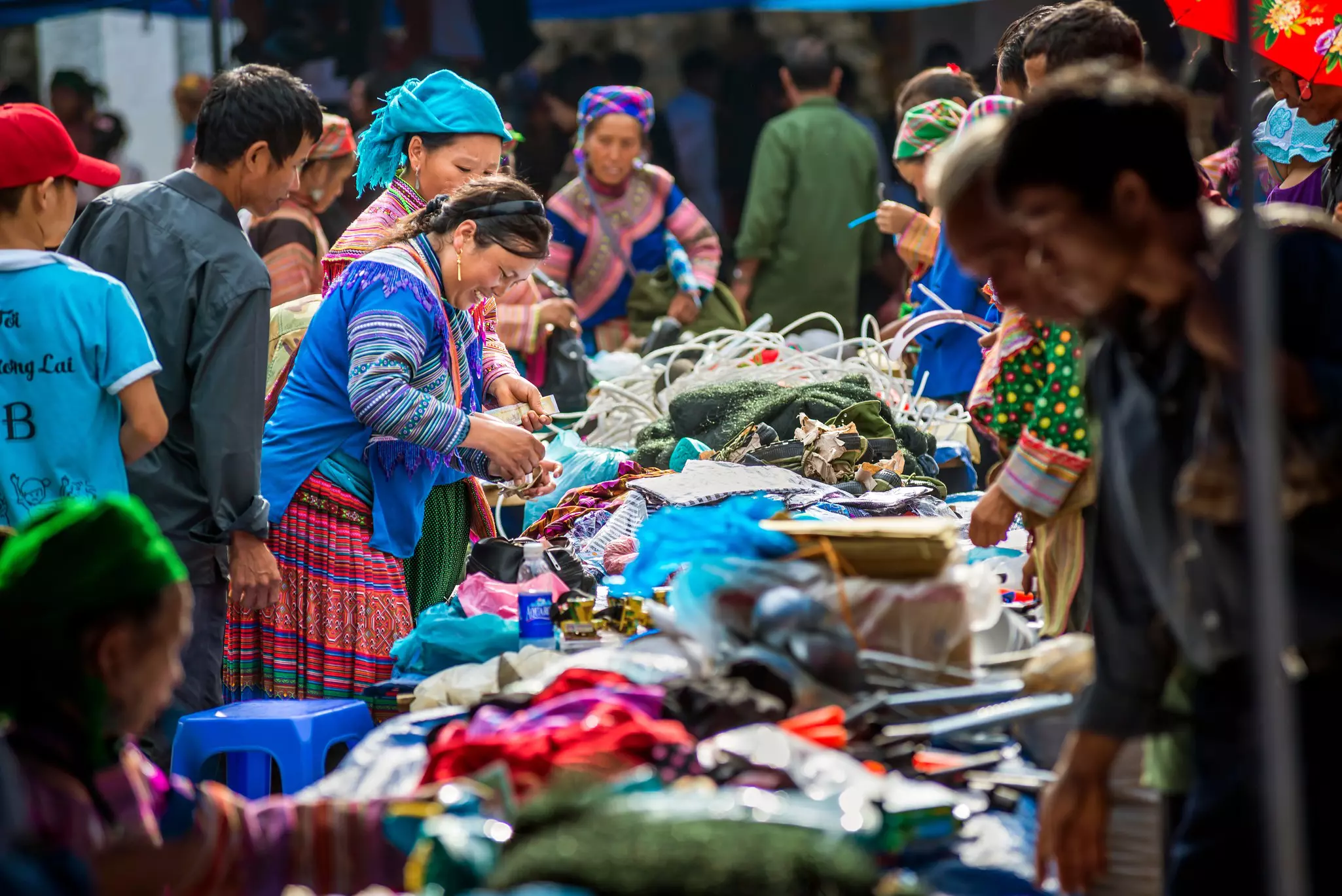
The former French Hill station of Sapa is surrounded by mountains so impressive that French colonizers called them the “Tonkinese Alps.” Scattered across the green hills, the villages of the Hmong and Dzao minorities have become popular destinations for hikers – and somewhat commercialized in the process.
For a taste of the unspoiled scenery and serenity that first drew travelers to these lush green hills, head instead to drier, calmer Bac Ha, or the trails and mountain roads around dramatic Ha Giang province, tucked against the border with China. Here, you can stay in hospitable homestays and explore markets, peaceful villages of stilt-houses, French-era relics and soaring limestone pinnacles, away from the crowds.
Planning tip: While there’s plenty of competition for the title of best vista in Vietnam, the lookouts gazing over the Dong Van Karst Plateau are strong contenders. The area is designated as a UNESCO Geopark, and the trip from Yen Minh to Dong Van and over the Mai Pi Leng Pass to Meo Vac is particularly spectacular.
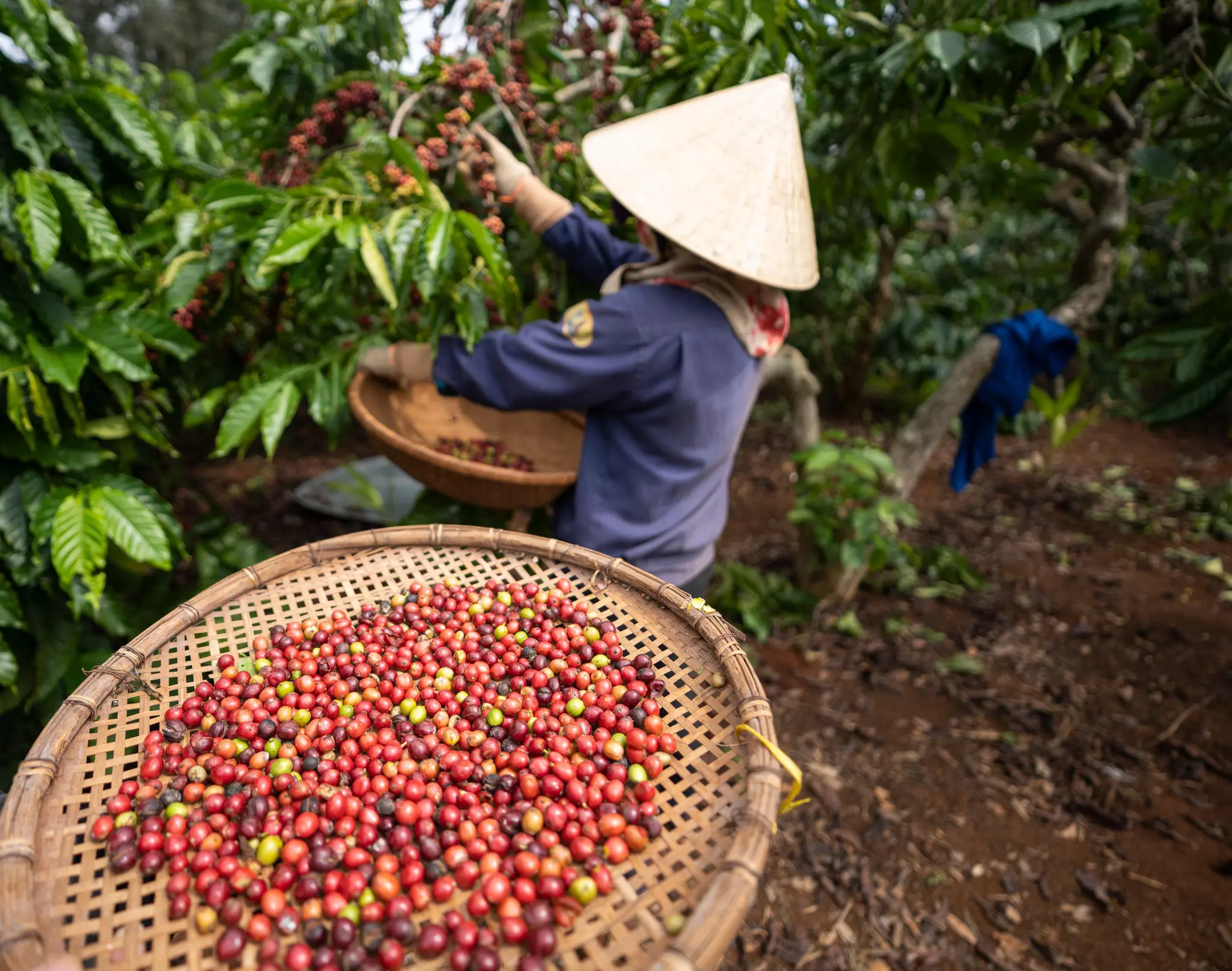
The French brought coffee from the Arabian Peninsula to Vietnam, but it was the farmers of the Central Highlands who mastered the art of coaxing quality beans from these undulating hills. Rising to 1600m, Dak Lak province provides the perfect terroir for growing robusta beans, attracting coffee aficionados from across the world.
The regional capital of Buon Ma Thuot is a great place to tour plantations and track down a quality cup of ca phe (coffee), particularly during the annual coffee festival in March. If you insist on arabica beans, head to Dalat and visit the community K’Ho Coffee cooperative to support local coffee growers from the K’Ho minority.
Planning tip: The best time to visit coffee country is from September to the end of December, when the harvest season is in full swing and plantations are filled with baskets of red coffee beans.
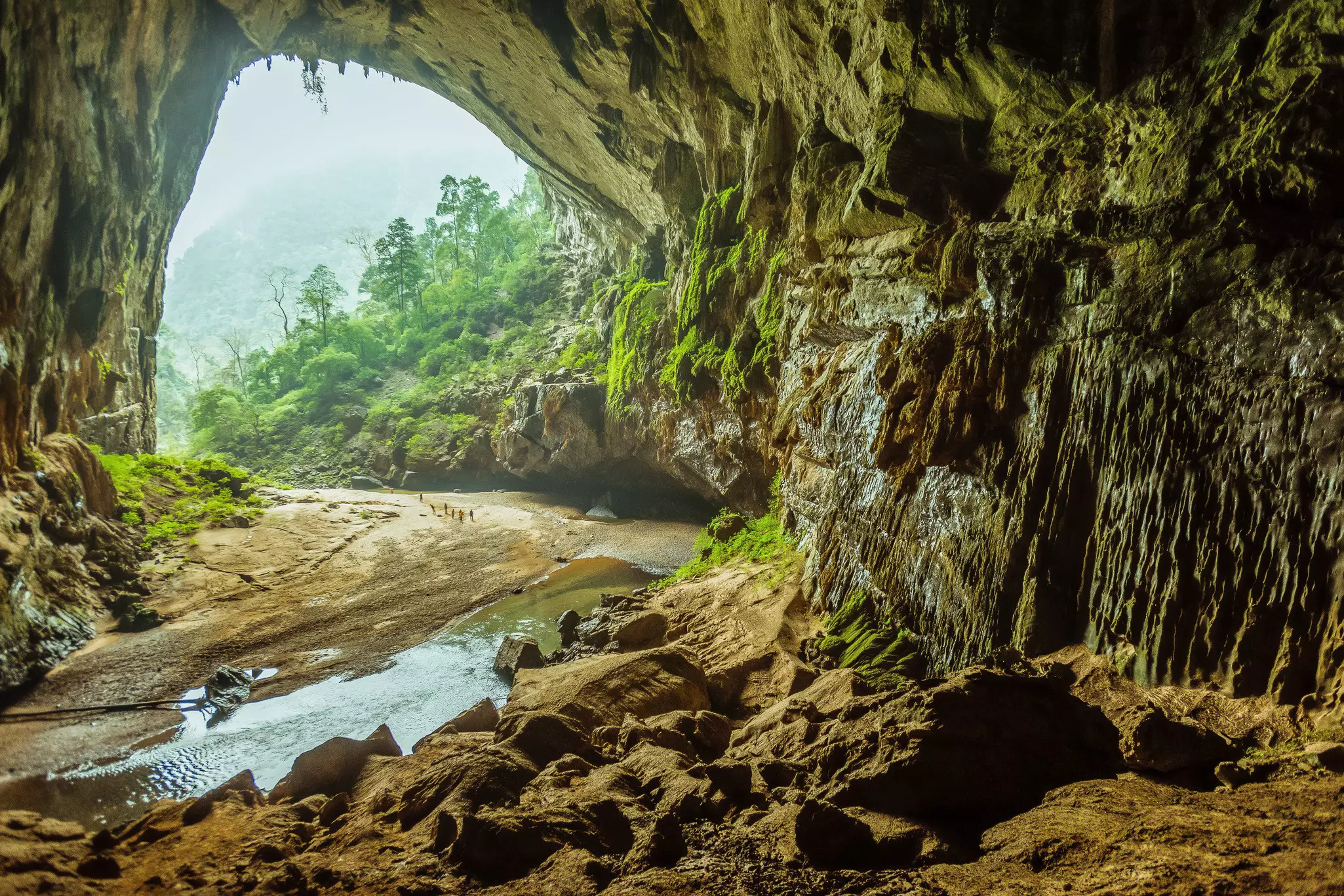
One of Asia's great bucket-list experiences, Phong Nha-Ke Bang National Park in north-central Vietnam is a fantastical sprawl of jungles and caverns, including the world’s largest cave, Hang Son Doong. The scale of this wonder of nature is simply mind-blowing: a 747 airplane could fly through the cave’s main tunnel.
Parts of the limestone ceiling have collapsed, bringing in natural sunlight – which means steamy Hang Son Doong contains an entire rainforest ecosystem, complete with flying foxes and rare langur monkeys. The best part of the experience, though, is camping on the cave floor, like an explorer embarking on a journey to the center of the Earth.
Since 2012, one tour company – Oxalis Adventure – has been allowed to take a strictly limited number of visitors into Hang Son Doong on challenging 6-day treks. The price is stratospheric, and slots need to be booked years in advance, but if you can't snag a coveted spot, there are many other nearby caves worth exploring.
Planning tip: For a less costly cave expedition, consider joining an Oxalis trip to Tu Lan Cave on the park boundaries; prices are a fraction of the rates for Hang Son Doong trips, and you'll get to explore the gigantic caverns used to film parts of the blockbuster Kong: Skull Island.
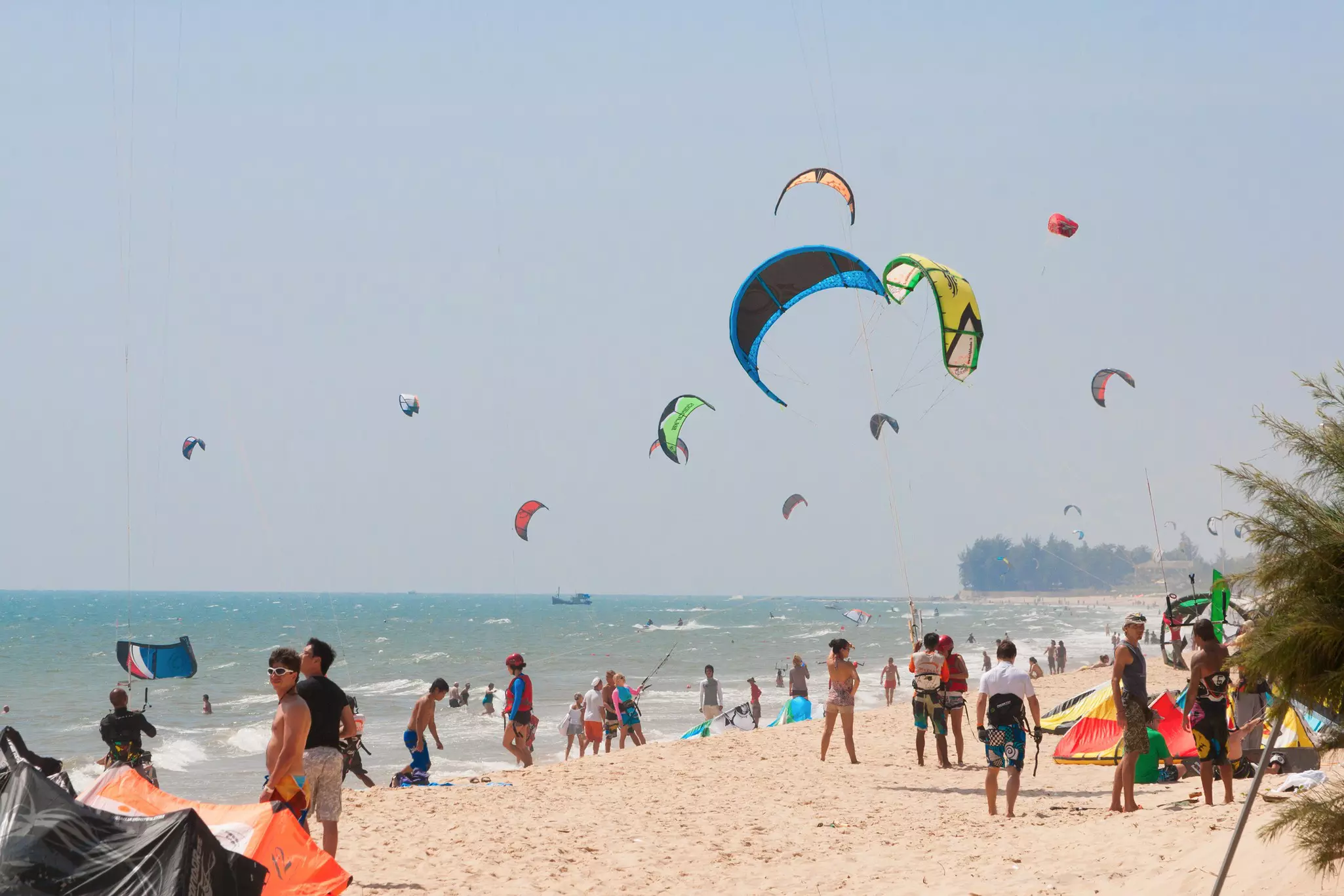
It was the beaches of Nha Trang and Danang – developed as playgrounds for US soldiers during the American War – that first put Vietnam on the map for seaside vacations. Since then, both have developed into lively resort towns with a firmly Vietnamese character.
Then there's Phu Quoc Island in the far south, nestling up against the Cambodian border, ringed by idyllic beaches and reefs, and dotted with resorts and popular tourist attractions, such as the Sun World and VinWonders amusement parks and the world's longest cable car.
To find unspoiled stretches of sand, modern-day castaways set their sights on the kitesurfing beaches around Mui Ne, the island sands of the Con Dao archipelago and long, languorous Hong Van Beach on Co To Island in Bai Tu Long Bay.
Planning tip: The best time for a beach trip varies as you move around the country. In central Vietnam, skies are brightest from March to August, while December to April is the prime beach window on the south coast.
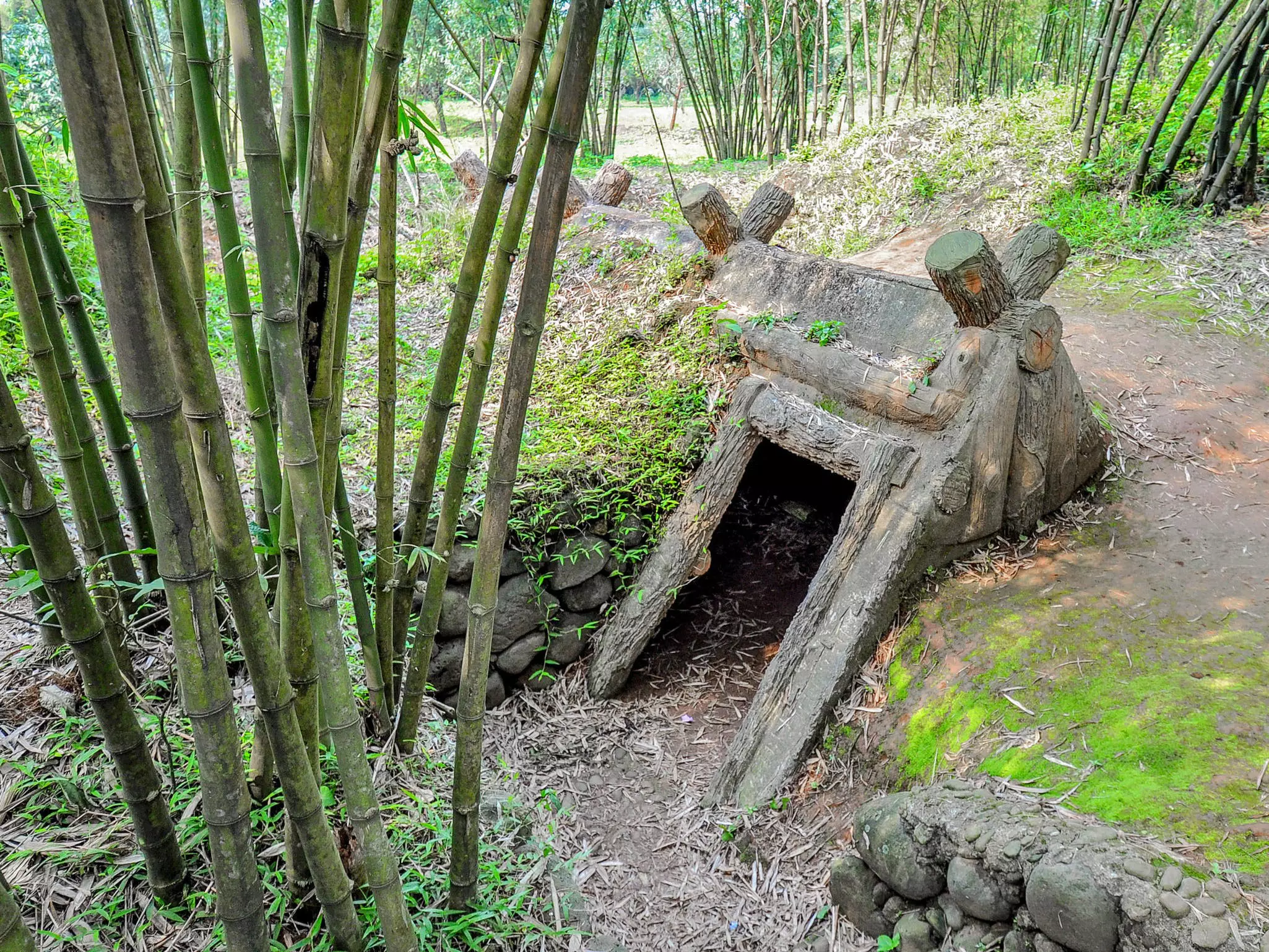
Modern-day Vietnam is looking forward, rather than dwelling on the past, but the battlefields from the American War still linger as a sobering reminder of what people had to go through to get to this point. Battle sites such as Hamburger Hill in the Demilitarized Zone (DMZ) are etched into the popular consciousness thanks to dozens of Hollywood movies showing the American perspective.
The Vietnamese see the conflict rather differently, of course. The wartime tunnels at Cu Chi and Long Phuoc near HCMC and Vinh Moc near Hue offer a glimpse of the Vietnamese experience of the conflict, showing how ordinary people went to extraordinary lengths to resist the world’s greatest superpower.
Planning tip: The best way to explore Vietnam's wartime tunnels is on a guided tour, so you can learn about the human stories of the people who constructed these claustrophobic warrens, and the earlier role of some of the tunnels in the struggle against French rule.
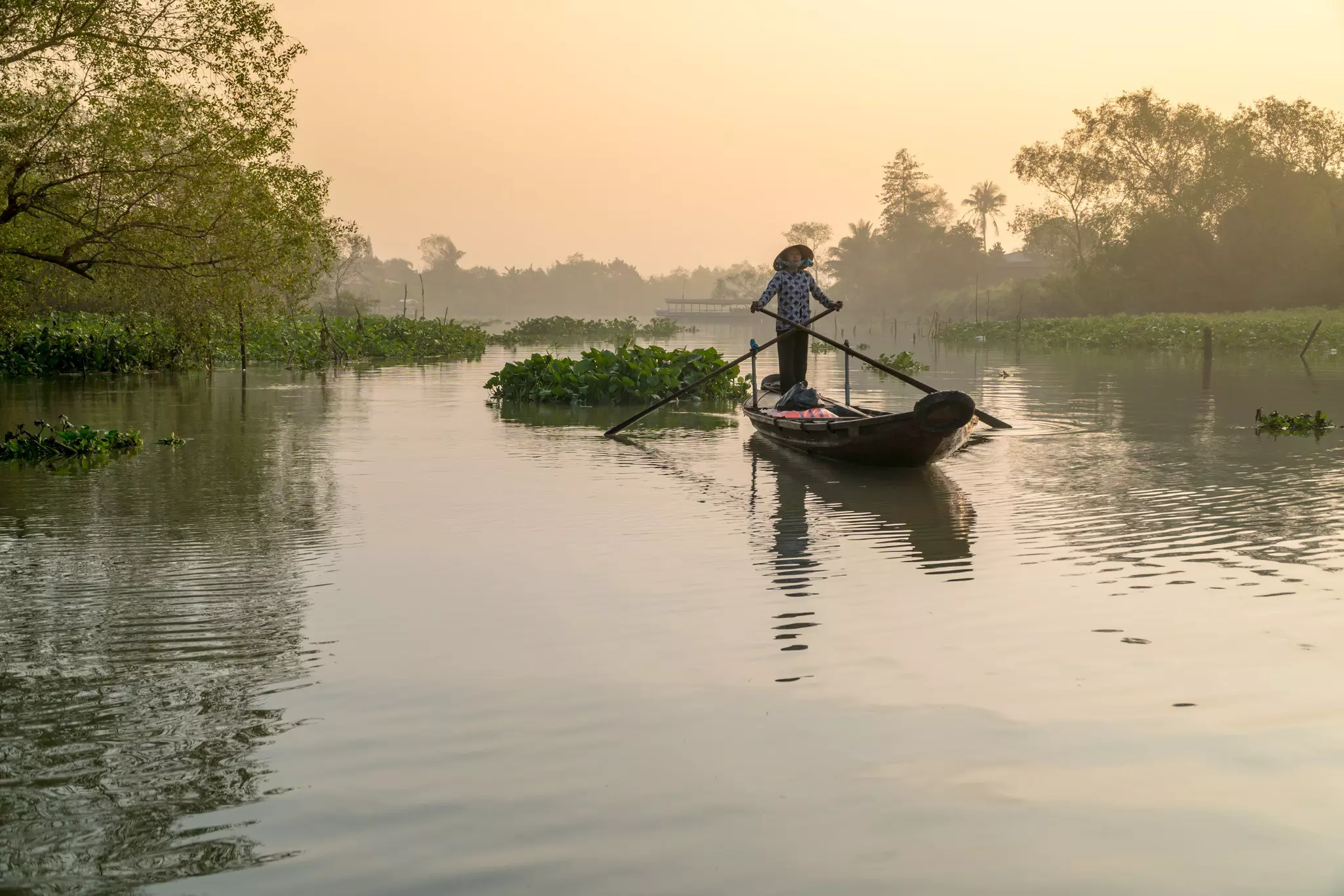
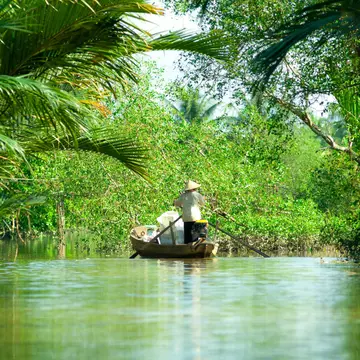
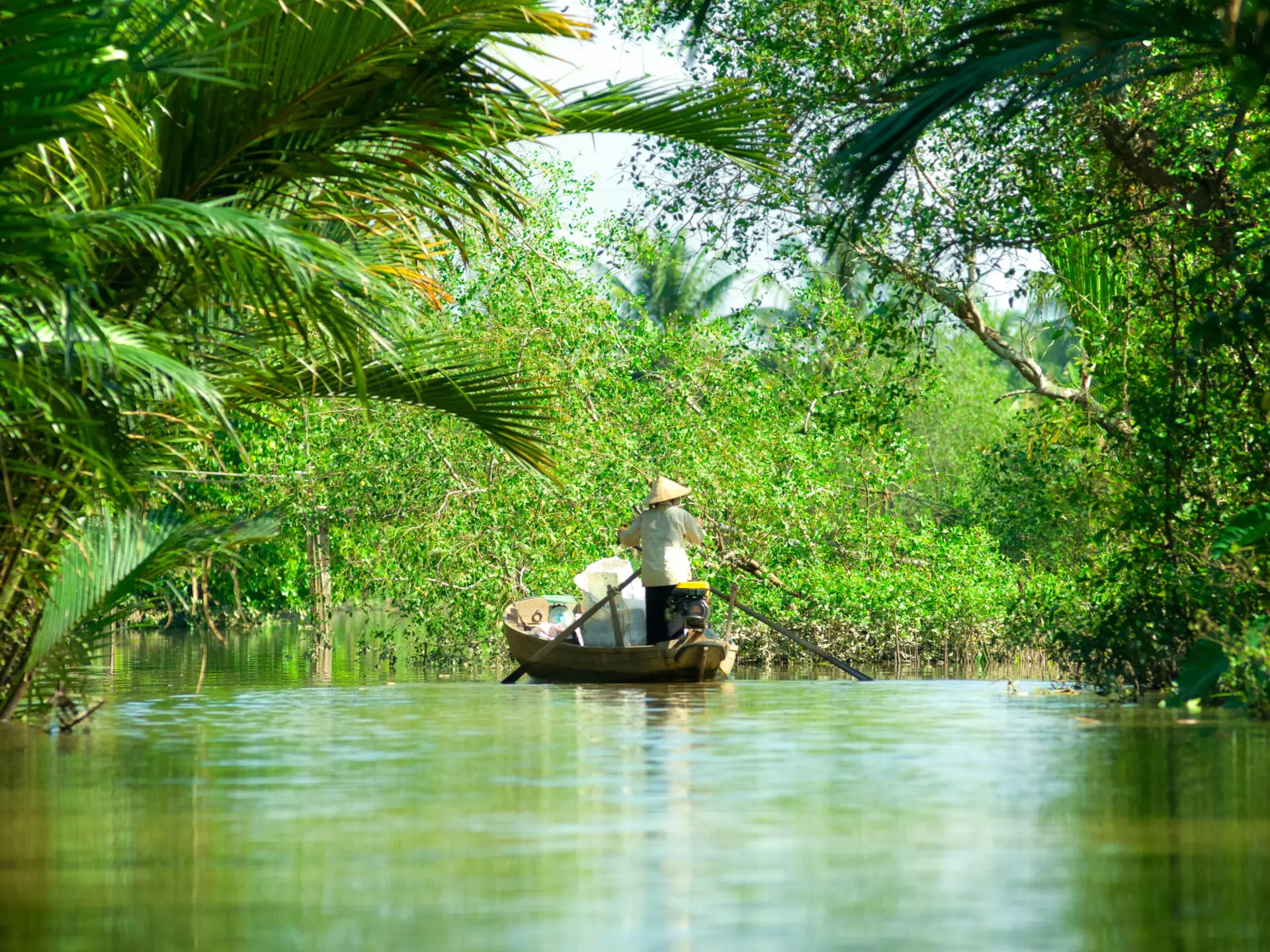
Reaching out into the East Sea like an enormous hand, the mighty Mekong Delta marks the end point of Southeast Asia’s longest river, a 4350km monster that rises on the Tibetan plateau and empties to the south of Ho Chi Minh City.
This waterlogged wonderland is Vietnam’s rice bowl, nurturing a network of sleepy towns and stilt villages whose residents use the river as their primary artery for life and trade. For comfortable exploring, book an overnight cruise along the main channel near Can Tho or a cross-border trip to Siem Reap in Cambodia.
Planning tip: For a less commercial experience, take a day trip to the backwaters near Ben Tre with Mango Cruises, or make your own arrangements with boat owners in Delta villages.
Take your Vietnam trip with Lonely Planet Journeys
Time to book that trip to Vietnam
Lonely Planet Journeys takes you there with fully customizable trips to top destinations – all crafted by our local experts.


Explore related stories