May 29, 202611 min read
The ultimate weekend on the San Francisco Peninsula Aug 3, 2025
10 MIN READ
Writer
Writer
One of the most filmed, photographed and TikTok’ed cities in the world, San Francisco is even more beautiful in real life. Pictures can never capture the taste of mouthwatering, farm-fresh dishes; the clang of the cable car and the barks of the sea lions; and the truly joyous celebrations of individuality you’ll find on any visit here.
Yet in such a cosmopolitan place, where do you start? From world-class museums to the best in LGBTIQ+ culture and incredible city vistas, here are the best things to do on your first – or your fifteenth – visit to San Francisco.
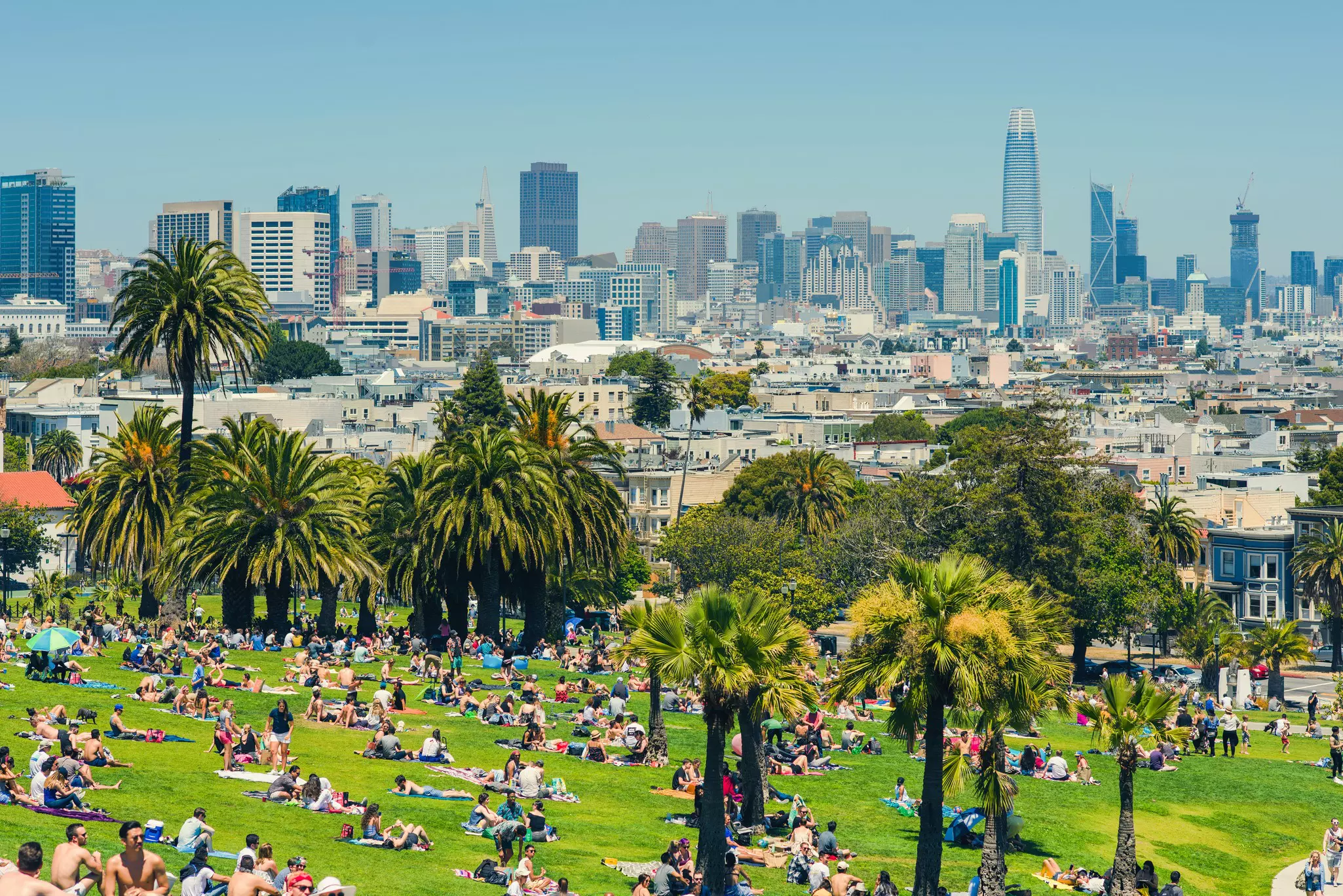
Welcome to San Francisco’s sunny side, the land of street ball and Mayan-pyramid playgrounds, semiprofessional tanning and taco picnics. Climb to the upper southwestern corner of Mission Dolores Park for superb views of downtown, framed by palm trees. Flat patches further down are generally reserved for soccer games, cultural festivals, candlelight vigils and ultimate Frisbee.
Grab a beer at Woods Cervecería at the northwest corner of the park or a bite at the Dolores Park Cafe at the northeast corner before you settle in to enjoy enjoy the people-watching.
From its 19th-century founding as a jail for Civil War deserters and Native American dissidents until its closure by Robert Kennedy in 1963, Alcatraz was America’s most notorious penitentiary. (Recent musings by the current commander in chief suggests it may be once again.) With easy access from the city, a thrilling and unexpected history, daring tales of thwarted escape attempts and stunning views of the San Francisco skyline, “the Rock” draws 1.4 million visitors each year. Freedom will never feel so good as it will on the return ferry to San Francisco, only 1.25 miles across the bay’s riptides.
Planning tip: For maximum chill factor, book the spooky night tour.
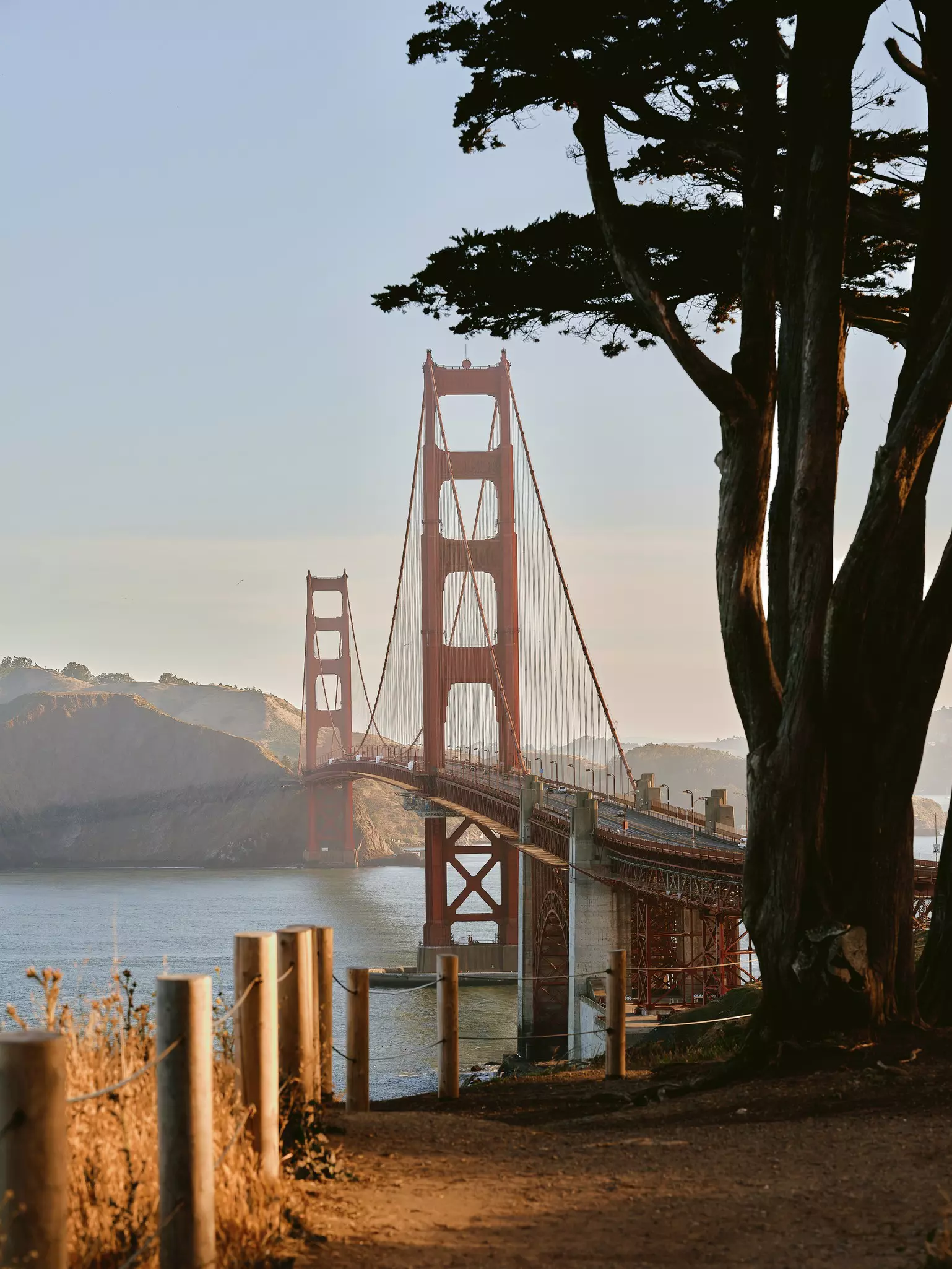
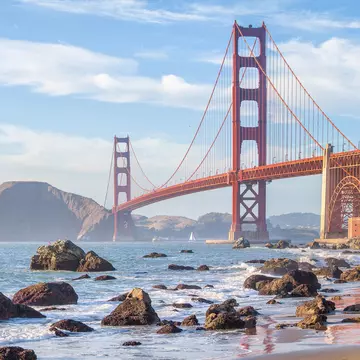
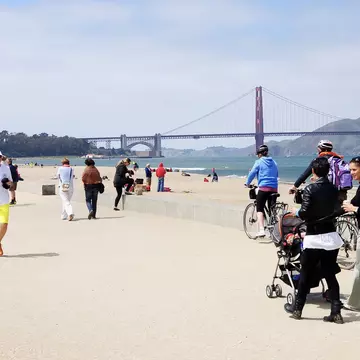
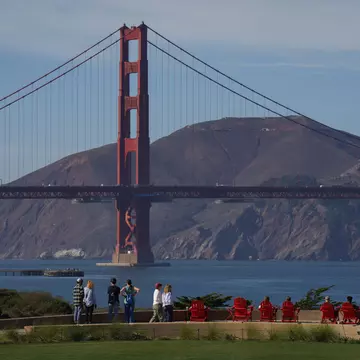
Sure, other suspension bridges are impressive feats of engineering. But the Golden Gate Bridge tops them all for its razzle-dazzle. Indeed, it’s the rare structure that actually deserves the adjective “iconic.” On sunny days, the bridge transfixes crowds (there are especially great views from Crissy Field), made possible by the work of 28 daredevil painters who reapply around 1000 gallons of International Orange paint each week.
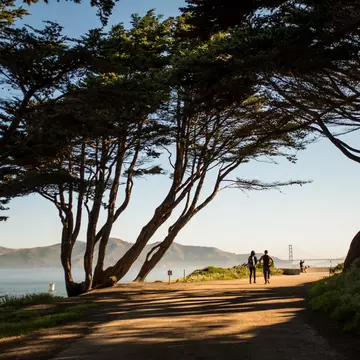
To inspect their work, duck under the bridge to Fort Point, make your way to the roof and look up: you’ll notice that even on the underbelly of the bridge, not a single rivet is allowed to get rusty. Alternatively, take a hike at the Presidio. From the Bay Trail/Golden Gate promenade you can follow the shoreline to showcase views of the Golden Gate Bridge, Angel Island and the San Francisco skyline.
Planning tip: Head to the Marin County end of the bridge as the late-afternoon fog rolls in, and you’ll witness the ultimate magic show: now you see the Golden Gate Bridge, now you don’t. Return the following morning for its dramatic unveiling, just in time for the AM commute.
Somewhere over the rainbow (crosswalk), you’ll realize you’ve officially arrived in the Castro district – the most out-and-proud neighborhood on the planet for 50 years going. Walk in the footsteps of LGBTIQ+ trailblazers along the Rainbow Honor Walk, get to know civil-rights champions at America’s first GLBT History Museum, and join history perpetually in progress at San Francisco’s month-long, million-strong Pride celebrations in June.

Free speech and free spirits have blossomed since 1957, when City Lights founder and poet Lawrence Ferlinghetti and manager Shigeyoshi Murao won a landmark ruling defending their right to publish Allen Ginsberg's magnificent epic poem Howl. Celebrate your freedom to read freely in the designated Poet’s Chair upstairs, overlooking Jack Kerouac Alley. Then load up on zines on the mezzanine, and entertain radical ideas downstairs in the “Pedagogies of Resistance” section – texts needed perhaps now more than ever.
Love changed the course of art history in the 1930s, when modern-art power couple Diego Rivera and Frida Kahlo honeymooned in San Francisco. Kahlo completed her first portrait commissions during her time in the city, while Rivera created public masterpieces that inspired generations of San Francisco muralists. Today San Francisco’s Mission District is an urban-art showstopper, featuring more than 400 murals throughout the neighborhood.
Planning tip: Head to Balmy Alley for some of the oldest murals; 24th St and the landmark Women’s Building are covered with glorious portrayals of community pride and political dissent.

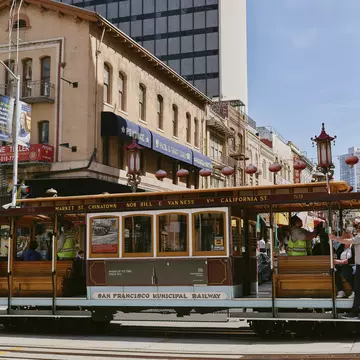
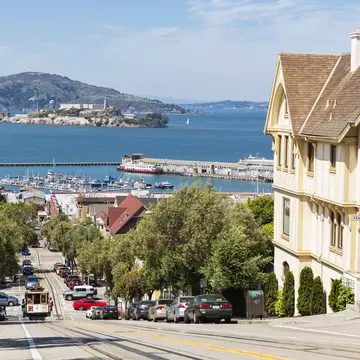
Carnival rides can’t compare to the time-traveling thrills of the cable car, San Francisco’s steampunk mode of public transport. As the rickety wagons ascend notoriously steep streets, first-timers slide into strangers’ laps – cable cars were invented in 1873, long before seat belts – as regulars just grip the leather hand straps, leaning back and riding the downhill plunges like pro surfers. Follow their lead, and you’ll soon master the San Francisco stance, as you find yourself conquering the city’s hills without even breaking a sweat.

Golden Gate Park seems to contain just about everything San Franciscans love about their city, from bonsai and buffalo to flowers, free music and free spirits. The de Young Museum offers superb exhibitions of fine art in a striking contemporary building designed by Herzog & de Meuron, while the nearby California Academy of Sciences is a research institute and fabulous natural-history museum complete with its own rainforest and aquarium.
Round out your cultural explorations with natural collections: the park is also home to the San Francisco Botanical Garden, Japanese Tea Garden, Conservatory of Flowers and Blue Heron Lake (formerly Stow Lake). Today, everything SF needs is here: nature, art and inspiration.

During the Summer of Love, the corner of Haight and Ashbury Sts became the turning point for an entire generation. The Haight’s counterculture kids called themselves freaks and flower children; San Francisco Chronicle columnist Herb Caen dubbed them “hippies.”
The Grateful Dead House became a major hub at 710 Ashbury. The legendary Hells Angels bikers were posted up practically next door at 715, while Janis Joplin briefly stowed her feather boas a block down the street at 635. Jefferson Airplane filled up the sprawling mansion at 2400 Fulton, while Jimi Hendrix wrote “Red Door” about his apartment at 1524A Haight St.
While Haight-Ashbury gentrified years ago, you’ll still find that the fog remains fragrant downwind of neighborhood cannabis dispensaries, and that tie-dye and ideals have never entirely gone out of fashion here – hence the prized vintage rock tees on the wall at Wasteland and organic-farming manuals in their umpteenth printing at Bound Together Anarchist Book Collective. Who knows what the Haight will get into next?
Since its founding in 1935, the San Francisco Museum of Modern Art has envisioned a world of radical new possibilities. SFMOMA was a forward-thinking early collector in such then-emerging media as photography, murals, film and installation. Today, the institution has tripled in size and ambition, dedicating entire wings to new media, room-size paintings, high-tech design and monumental Richard Serra sculptures. Prepare to be inspired.
Planning tip: If you want to visit all seven floors, it’s best to set aside a whole afternoon.

Global food trends begin in San Francisco. To sample tomorrow’s menu today, head to the Ferry Building, the city’s monument to trailblazing local, sustainable food. Don’t miss the Saturday farmers market, where top chefs jostle for the first pick of rare heirloom varietals, and foodie babies blissfully teethe on organic California peaches.
Planning tip: Walk out to the tip of Pier 14, where you can enjoy a picnic from food-truck finds as you overlook the sparkling bay.
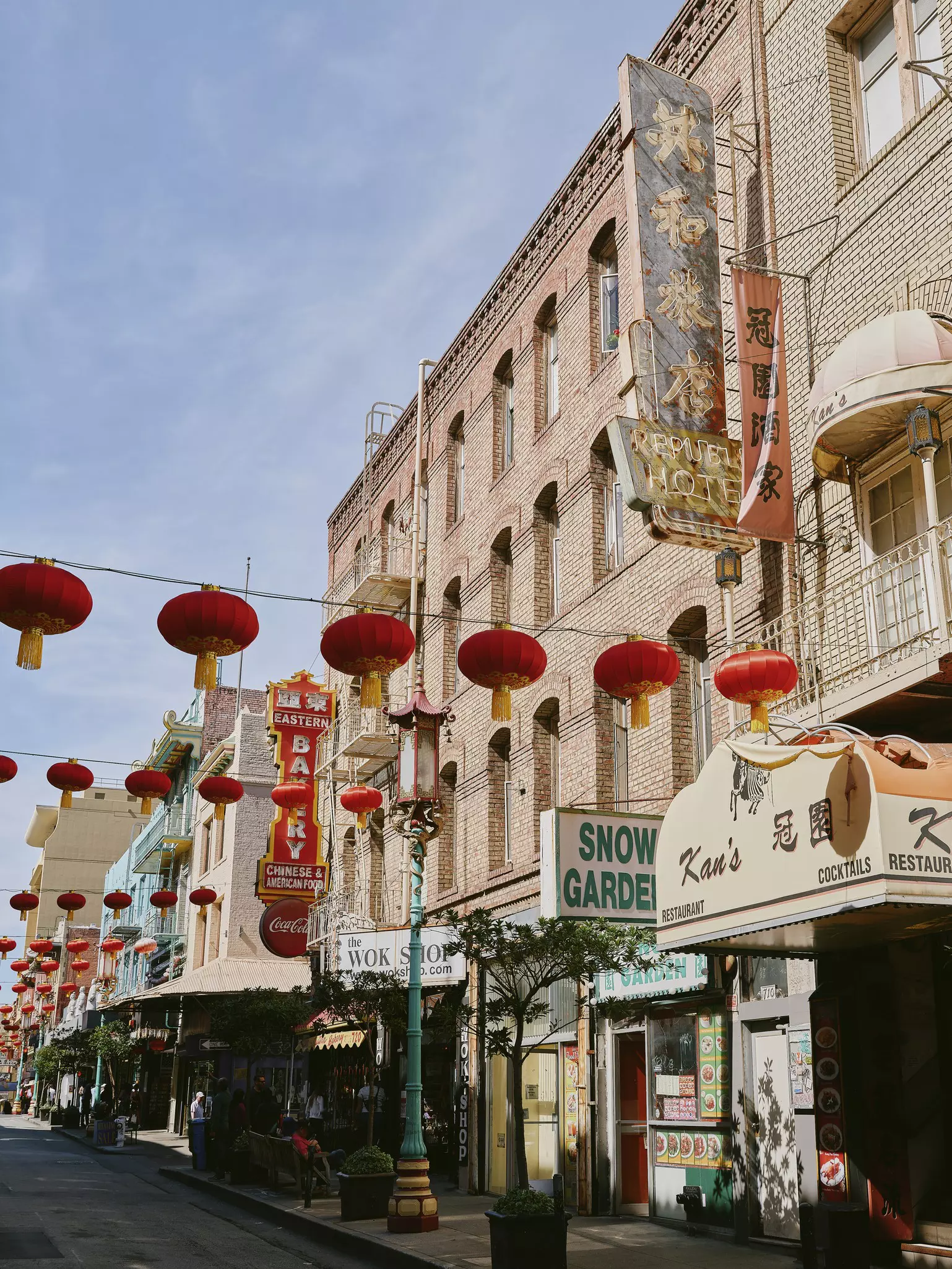
Enter Dragon’s Gate to saunter down Chinatown’s main tourist drag, Grant Ave. It’s hard to believe this pagoda-topped, souvenir-shop-packed strip was once the wildest spot in the West – at least until you see the fascinating displays at the Chinese Historical Society of America.
A walk down Waverly Place gives you a glimpse into Chinatown’s soul, as you pass flag-festooned, colorful temple balconies and family-run businesses with Mandarin-language signage. Then, duck into Chinatown’s historic alleyways to glimpse a neighborhood that’s survived against daunting odds, listening for mah-jongg tiles, temple gongs and Chinese orchestras as you wander these atmospheric backstreets.


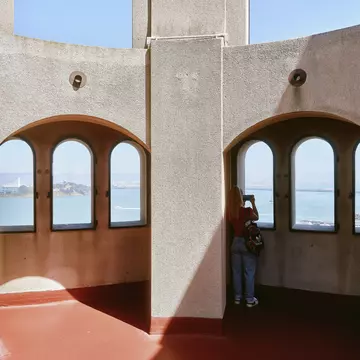
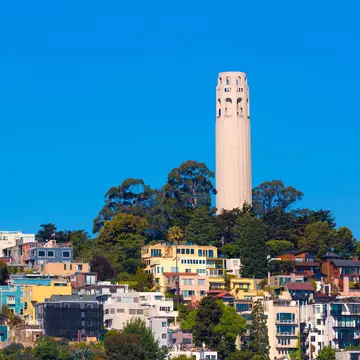
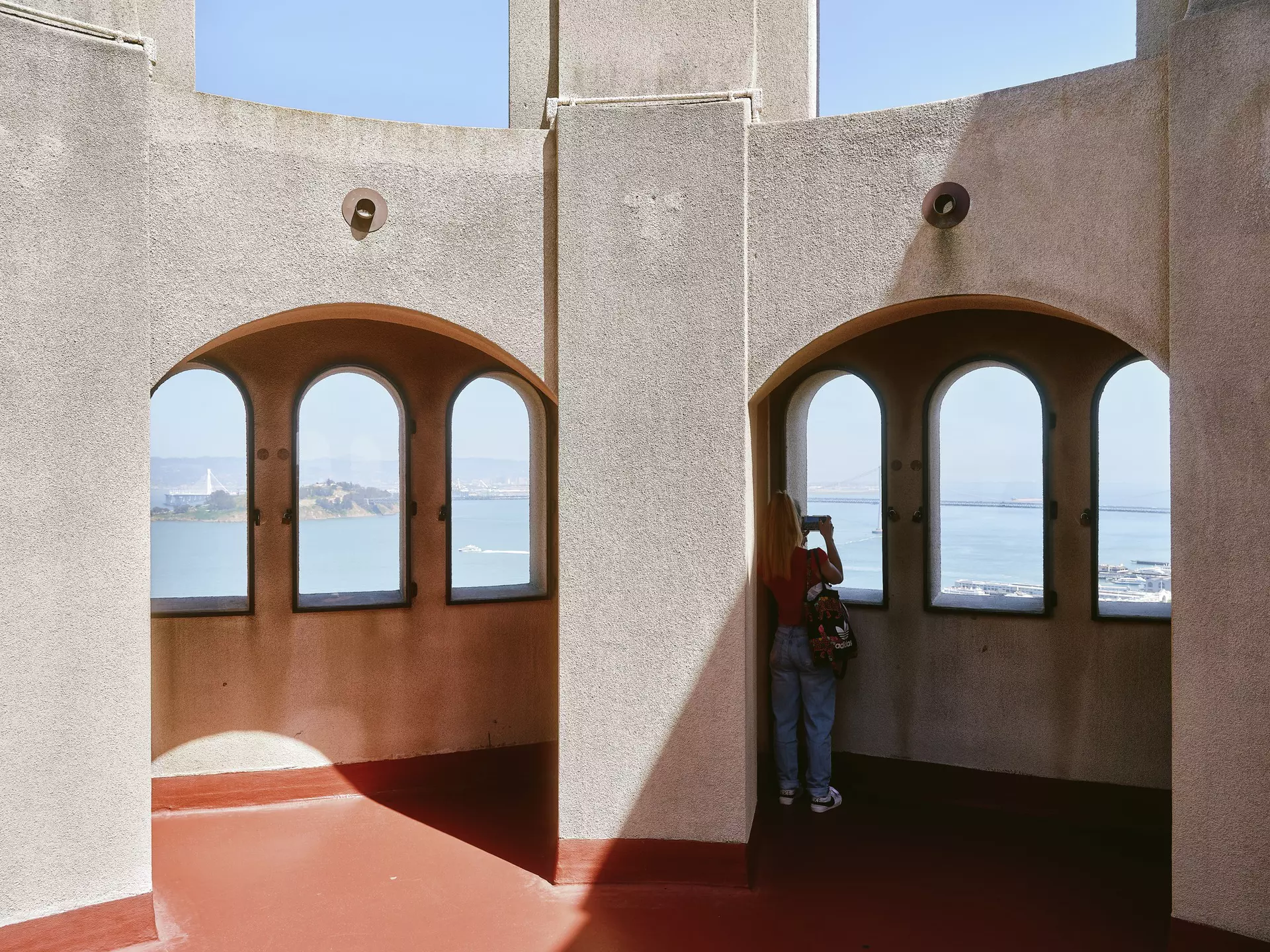
Wild parrots might mock your progress up Telegraph Hill – but then again, they shouldn’t expect to keep scenery like this to themselves. The Filbert St Steps pass cliffside cottage gardens to reach SF’s monument to independent thinking: Coit Tower. Millionaire and volunteer firefighter Lillie Hitchcock Coit commissioned this art deco monument to honor her fellow first responders, while in its lobby frescoes muralists captured 1930s San Francisco. Coit Tower’s paintings and panoramic viewing platform show off the city at its best: all broad perspectives, expansive and inspiring.
Detour: SF has an amazing 41 peaks. And as you explore the city on foot (and you should) and scale those steep hills, your calf muscles will strain, and gravity will seem unkind. But persevere: all grumbling will end once you reach the top and feel like you have the world at your feet. For different angles, head to hilltop green spaces like George Sterling Park and Ina Coolbrith Park, San Francisco’s crowning glories. Alternatively, go to Corona Heights and Buena Vista Park for wind-sculpted trees and Victorian turrets.
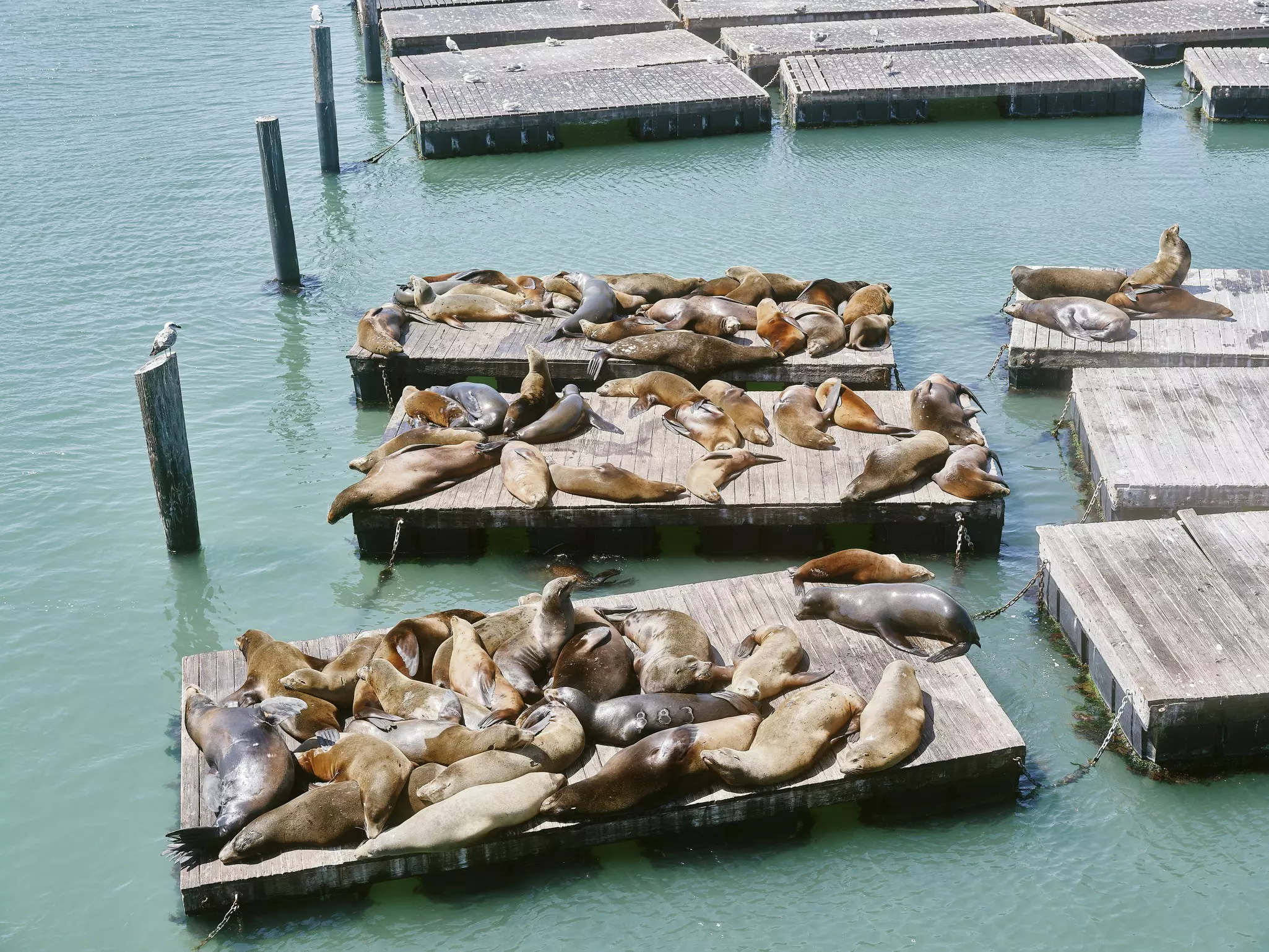
In in 1989, sea lions took over Pier 39, San Francisco’s most coveted waterfront real estate – and the giant marine mammals have been making a public display of themselves ever since. Naturally, these unkempt squatters have become San Francisco’s favorite mascots, and since California law requires boats to make way for marine mammals, yacht owners have had to relinquish valuable slips to accommodate as many as 1000 of the creatures. Night and day between January and July, they canoodle, belch, scratch and gleefully shove one another off the docks. It’s a joy to watch.
Detour: A couple of miles down the waterfront, the beaux-arts Palace of Fine Arts is SF’s memento from the 1915 Panama-Pacific International Exposition, and a photogenic backdrop for selfies.
Friendly bartenders were once highly suspect in Barbary Coast, San Francisco’s Gold Rush–era red-light district. Circa 1849, a night that began with smiles and a 10-cent whiskey could end two days later, waking from a drugged sleep on a vessel bound for Patagonia. Now that double-crossing barkeep Shanghai Kelly is no longer a danger to drinkers, San Franciscans can relax over historically correct cocktails at North Beach’s revived Barbary Coast bars, including Comstock Saloon and Devil’s Acre. These updated saloons provide a fitting homage to drunken sailors of yore, with iron stools, absinthe fountains, dim lighting and reassuring barkeep banter.
Explore related stories