Jun 1, 20267 min read
The ultimate weekend in BostonJul 4, 2025
8 MIN READ

Writer
Writer
One of the USA’s oldest cities and indelibly linked to the American Revolution, Boston is a gift to history buffs.
Yet there’s much more to this city than American history. Renowned sports teams contend for national titles. Museums and galleries lie around every corner. Diverse and welcoming communities help the city continually renew itself. Then there’s ample natural beauty, lush parks, a thriving dining scene, countless college campuses... Boston has a lot to offer, and it can be difficult to know where to begin.
The key is not trying to pack everything into one trip (that’s the fun of returning!). Savor Boston slowly – and let these 11 experiences create lifelong memories.
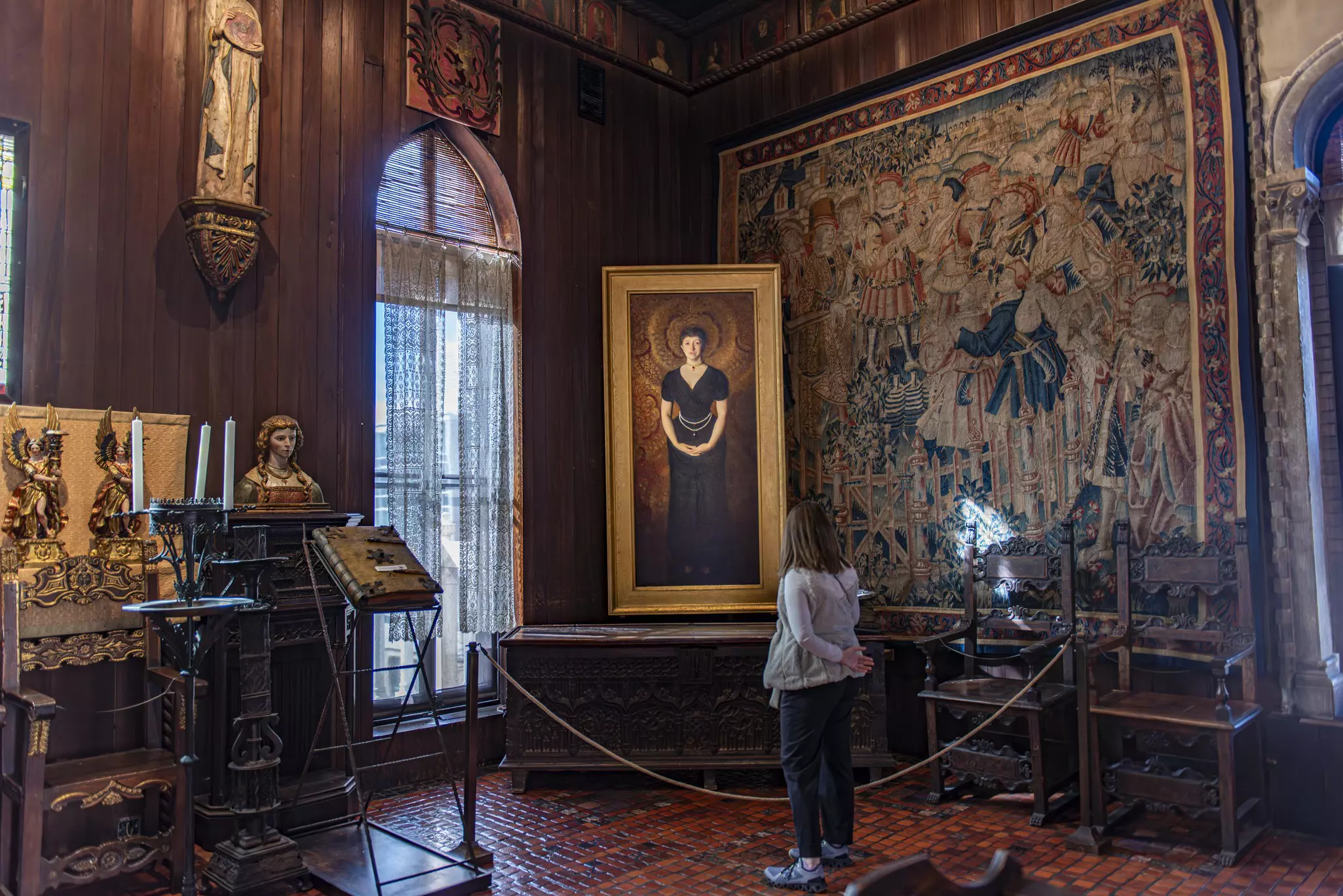
There’s a museum for just about every taste in Boston. If the fine arts are your jam, you’ll swoon for the paintings, sculptures and tapestries at the Isabella Stewart Gardner Museum, and the more than 450,000 works of art at the nearby, sprawling Museum of Fine Arts. More targeted (though no less impressive) institutions include the Institute of Contemporary Art, the Museum of Science, the Boston Children’s Museum and the ever-popular, fish-filled New England Aquarium.
In 1984, Samuel Adams revived the craft beer scene when it released its Boston Lager – offering ”the full-flavored beer they deserved.” Today, the local brewery still pours its iconic beer at two taprooms in the city, while also offering rotating seasonal brews and tasting flights. Use Samuel Adams as a starting point for a craft beer tour, then try some of the other local craft brands that have followed, like Night Shift, Trillium, Harpoon, Jack’s Abby and Cisco.
Local tip: If you’re visiting in the late spring, summer or early fall, look for these breweries at pop-up beer gardens, which take advantage of Boston’s riverside, public gardens and harbor front. The scenery complements the signature and seasonal beers: it’s a great pleasure to sip a fruity roast under the summer sun, or enjoy an Oktoberfest among crunchy autumn leaves.
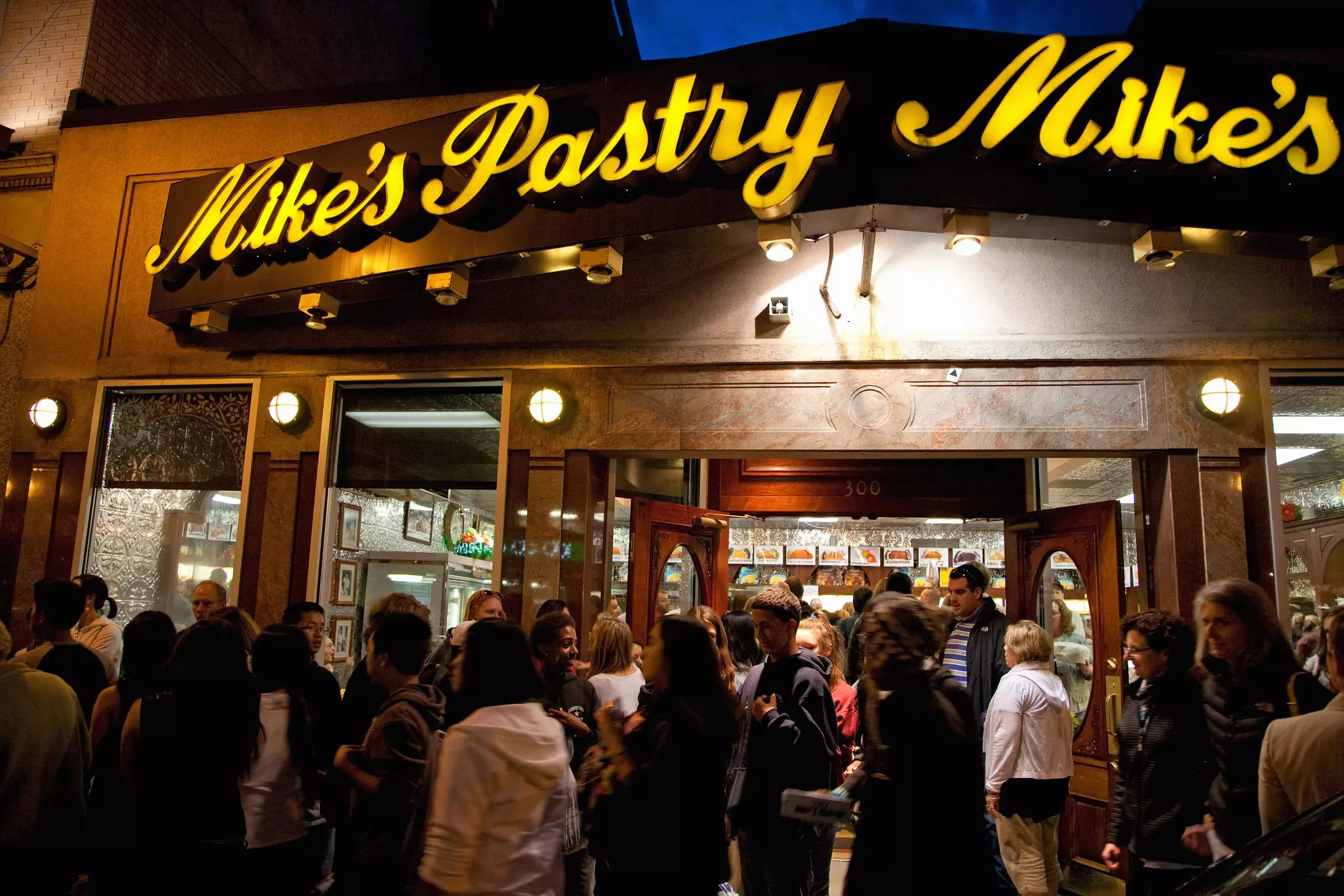
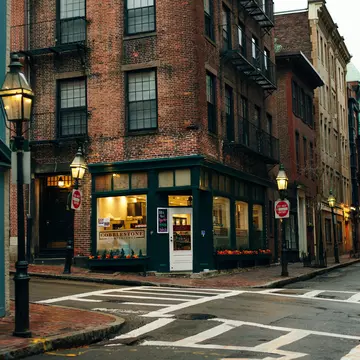
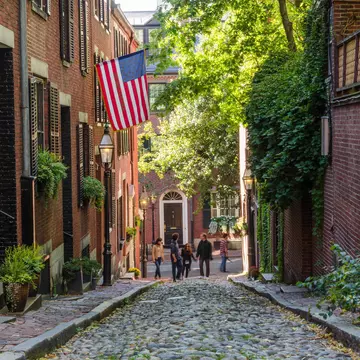
Each of Boston’s neighborhoods has its own personality and allure. A few of the most noteworthy include the South End, known for its brownstones and multitude of restaurants; Back Bay, where the long Commonwealth Avenue Mall is a year-round highlight of trees, park benches and statues; the newly developed Seaport, where high rises are juxtaposed against a harbor-front walk; and the North End, Boston’s beloved Little Italy.
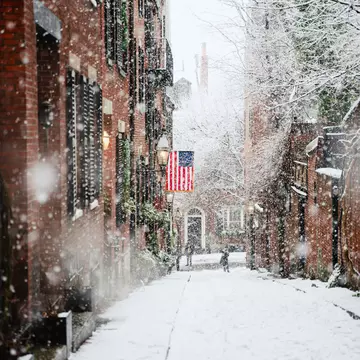
South Boston used to be known for its Irish-American culture but is now a young professional’s playground with lots of bars and restaurants. You can also enjoy the parks (not to mention the famous ballpark) in Fenway-Kenmore, Chinatown’s restaurants, shopping and the arts in Downtown’s financial and theater districts, and the charming cobbled lanes of Beacon Hill.
Planning tip: Dedicate a few mealtimes to the North End – there’s simply too much to eat and drink here for one visit. Hanover St can be touristy, though joining the crowd is part of fun as you hit up authentic pizzerias, salumerias, coffeehouses and pastry shops. Be sure to try the cannoli at both Mike’s Pastry and Modern’s to decide for yourself which is better – local opinions run strong.
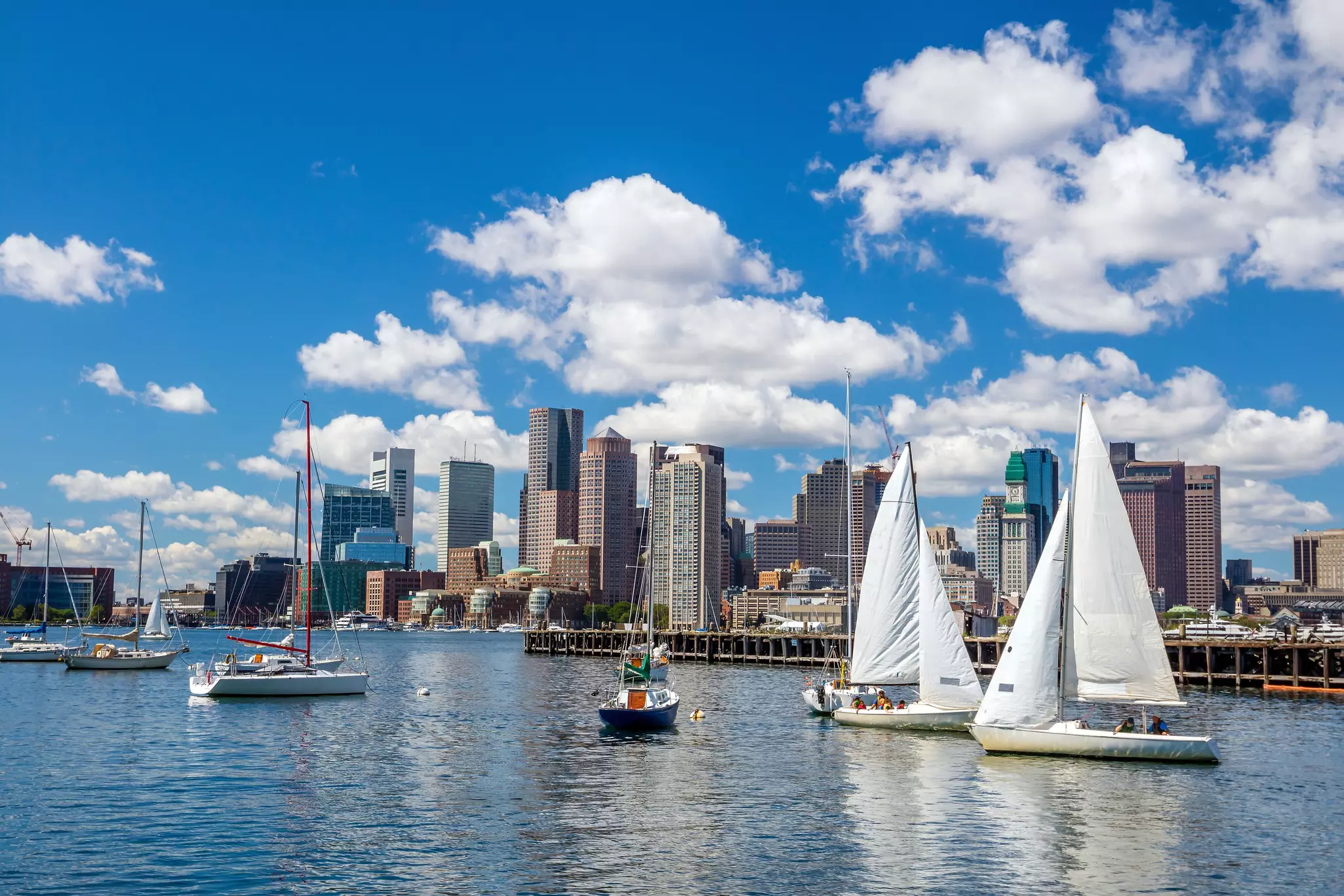
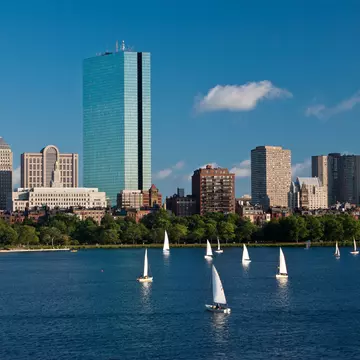
Whether you’re interested in a sailing lesson on the Charles River or entrusting a local captain to do the work on a boat trip in the harbor, there are plenty of opportunities to experience this famous maritime city by water. In addition to sailing lessons, outfitters along the Charles offer kayaking, canoeing, rowing and stand-up paddleboard rentals. On the harbor, operators offer hour-long tours, boats for day charter and leisurely sunset cruises. Boston’s famous Duck Tours traverse both land and water.
Planning tip: If you’re booking a harbor cruise at sunset, reserve a table at one of the Seaport’s popular restaurants to beat the crowds coming off your boat. Favorites include Woods Hill Pier 4, Nautilus, LoLa 42 and Strega.
Multi-level brownstones line Newbury St, Boston’s charming 1-mile stretch of boutique shops, art galleries, established restaurants and cozy cafes. Of Newbury’s eight blocks, the first (between Arlington and Berkeley) is unofficially dedicated to high-end fashion, hosting such luxury brands as Tiffany, Chanel, Loro Piana and Cartier.
The sidewalks get crowded on the weekends, especially in summer – and on summer Sundays, pedestrians rule the street, which is closed to vehicular traffic. In winter, storefronts sparkle with holiday displays; in spring, restaurants open their patios, which overflow with patrons sipping spritzes through summer and well into autumn (when the season gets extended by standing heaters and warm drinks).
Local tip: Some of the best shops and bars are not at street level. Follow the steps down to restaurants such as Puro Ceviche Bar.

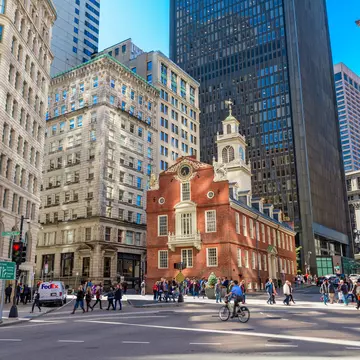
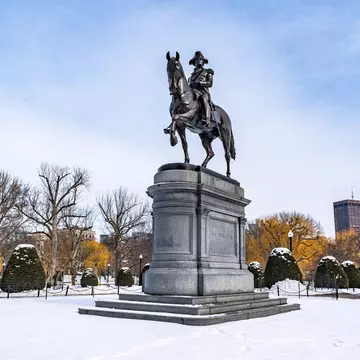
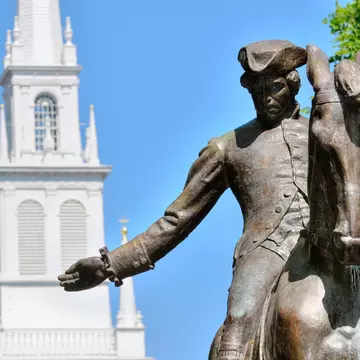
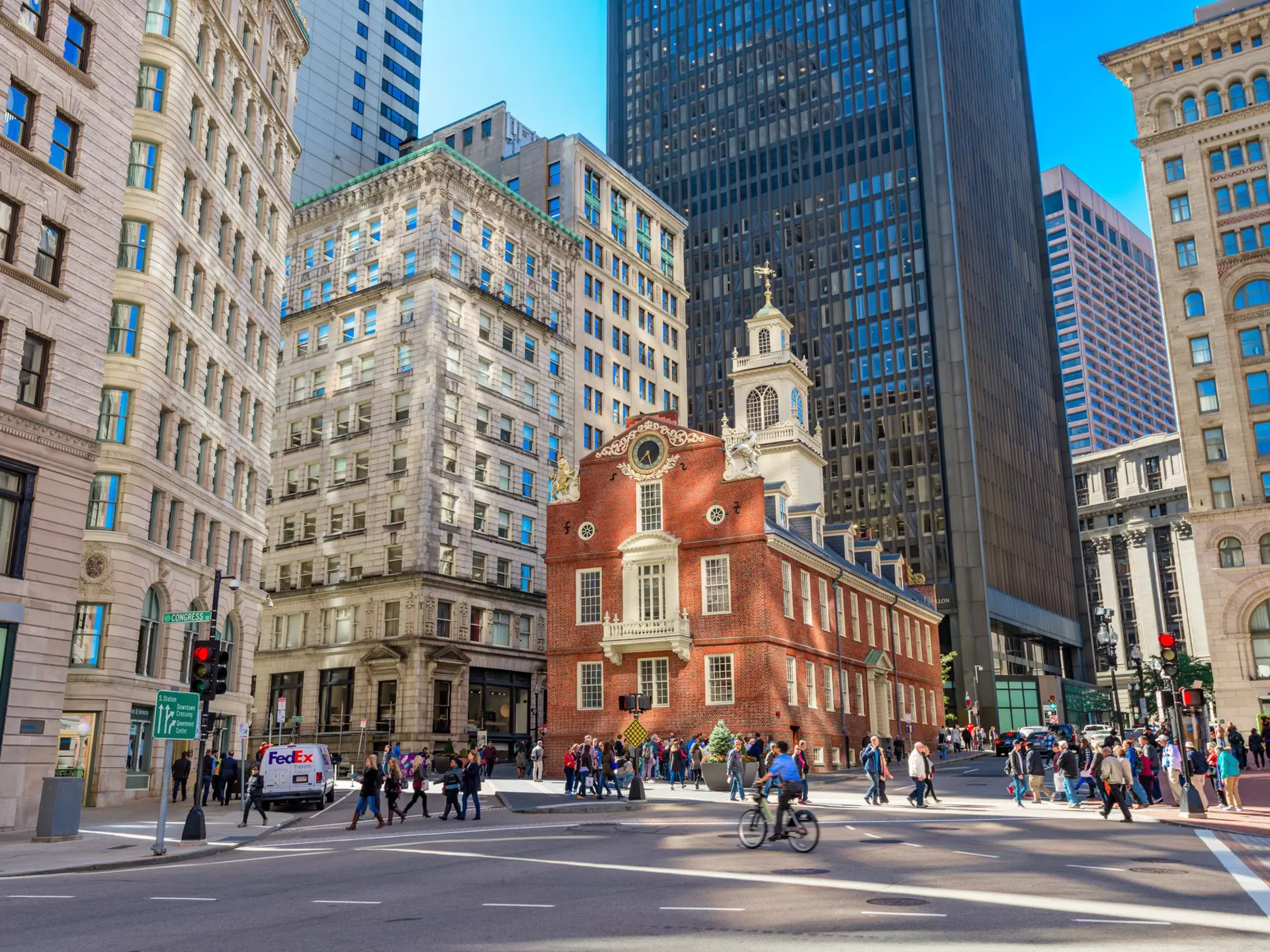
A 2.5-mile walk through the city that leads past 16 colonial and revolutionary historical sites, the Freedom Trail is one of the city's most popular attractions for visitors. Stops include the Boston Common (the city’s main green space), the golden-domed Massachusetts State House, Faneuil Hall, Paul Revere House, the warship USS Constitution and the Bunker Hill Monument.
There are group tours that lead you along the trail, with guides in 18th-century costumes. You can also do it yourself – just download a map from the Freedom Trail website and follow the bricks on the sidewalk.
A self-guided tour allows you to go at your own pace, giving you the flexibility to stop at Faneuil Hall to munch through a few of the local food stalls, or to book a supplementary tour aboard the USS Constitution.
Planning tip: Spread the trail out over several days to make the most out of each of the Boston neighborhoods it winds through.
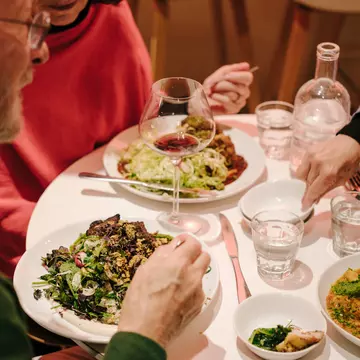
The unofficial capital of New England, Boston has premier access to some of the best seafood in the nation. Whether you’re at a casual waterside venue like James Hook & Co. or The Barking Crab, or settling into a settee at a more formal restaurant like Row 34, pescatarians will be in heaven. The most popular orders include oysters on the half shell, New England clam chowder, lobster rolls (both buttered and with mayonnaise) and steamed clams.
Though seafood is a storied Boston tradition, we’d be remiss not to mention some exciting spots for global eats. Xenia Greek Hospitality has Krasi and Bar Vlaha, Yunnan Kitchen serves delicious Dian cuisine from southwest China, and Borrachito Taqueria brings savory Mexican tacos to Boston.
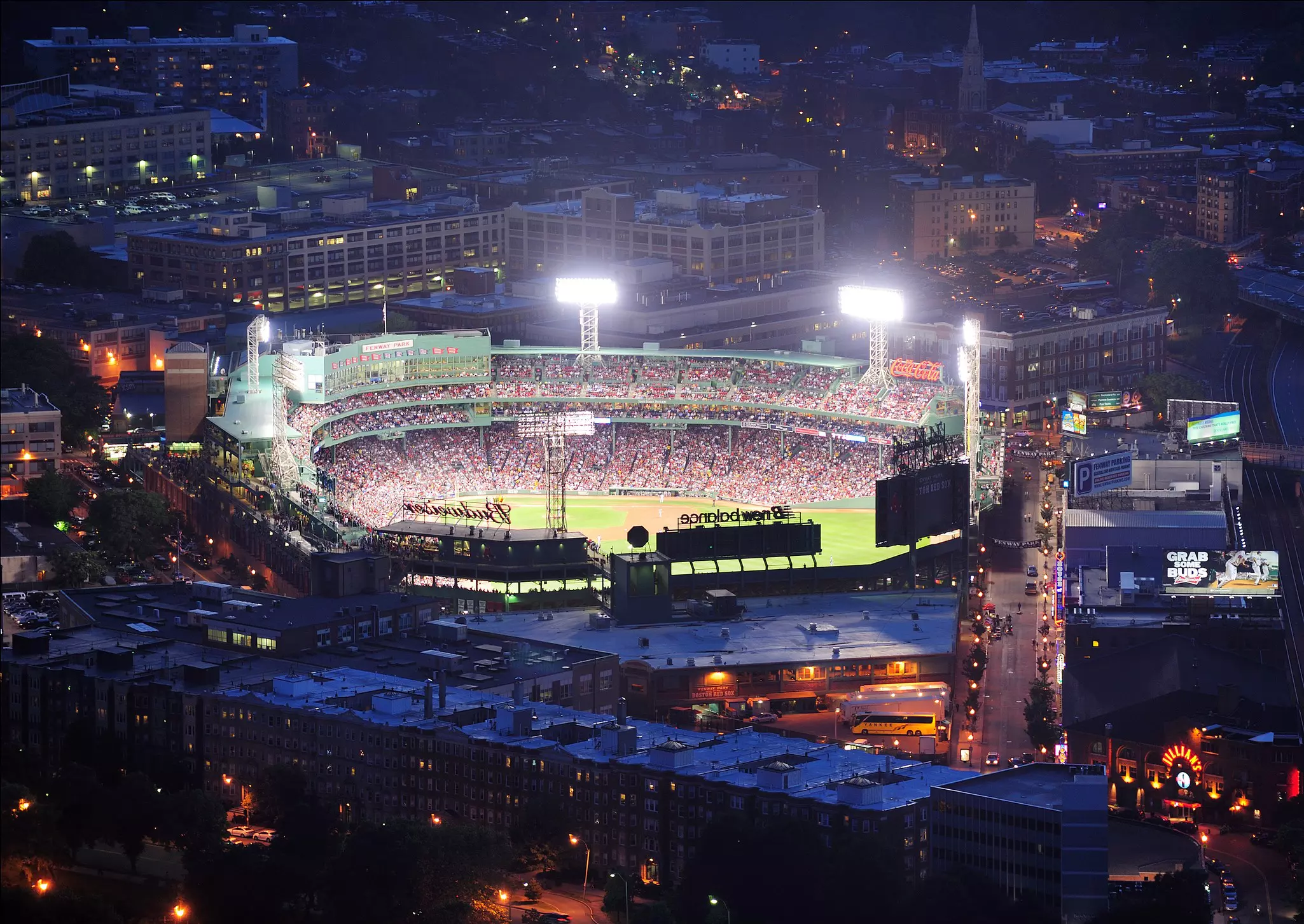
Boston is a sports-mad town, and even if you’re not a huge fan yourself, the city’s commitment to its home teams is contagious. Fenway is a great place to start: opened in 1912, it’s the oldest ballpark in Major League Baseball. There’s also TD Garden, home to the Celtics (basketball), Bruins (hockey) and mainstream concerts. Gillette Stadium is about 27 miles away – and worth the trip for a Sunday tailgate before watching the Patriots play.
Local tip: If you missed out on tickets, fear not: just pull up a bar seat at one of the many sports bars throughout the city. Bleacher Bar, Cask ‘n Flagon, Stats Bar & Grille, The Greatest Bar, Banners Kitchen and Tap or The Sporting Club will all provide a taste of the dedication to local sports on game day.
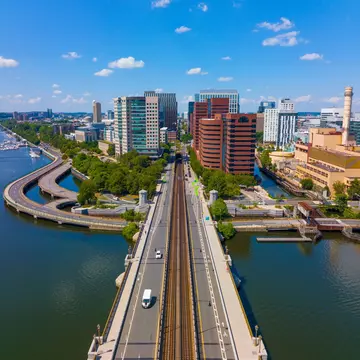
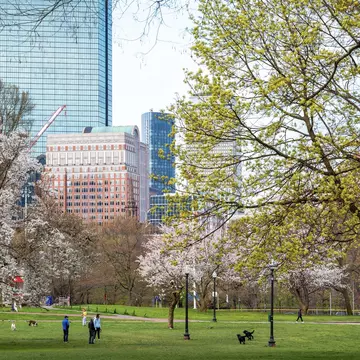
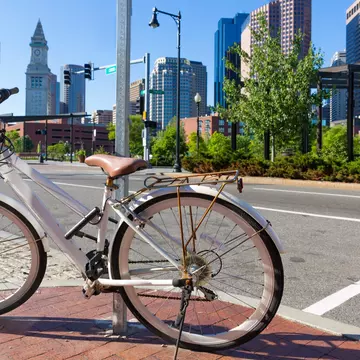
This 3-mile path of green along the Charles River stretches from the Museum of Science to the Boston University Bridge. It’s a popular exercise route for locals, and also a leisurely way for visitors to enjoy Boston’s natural beauty. Rent a bike and cycle your way along, or opt for a stroll.
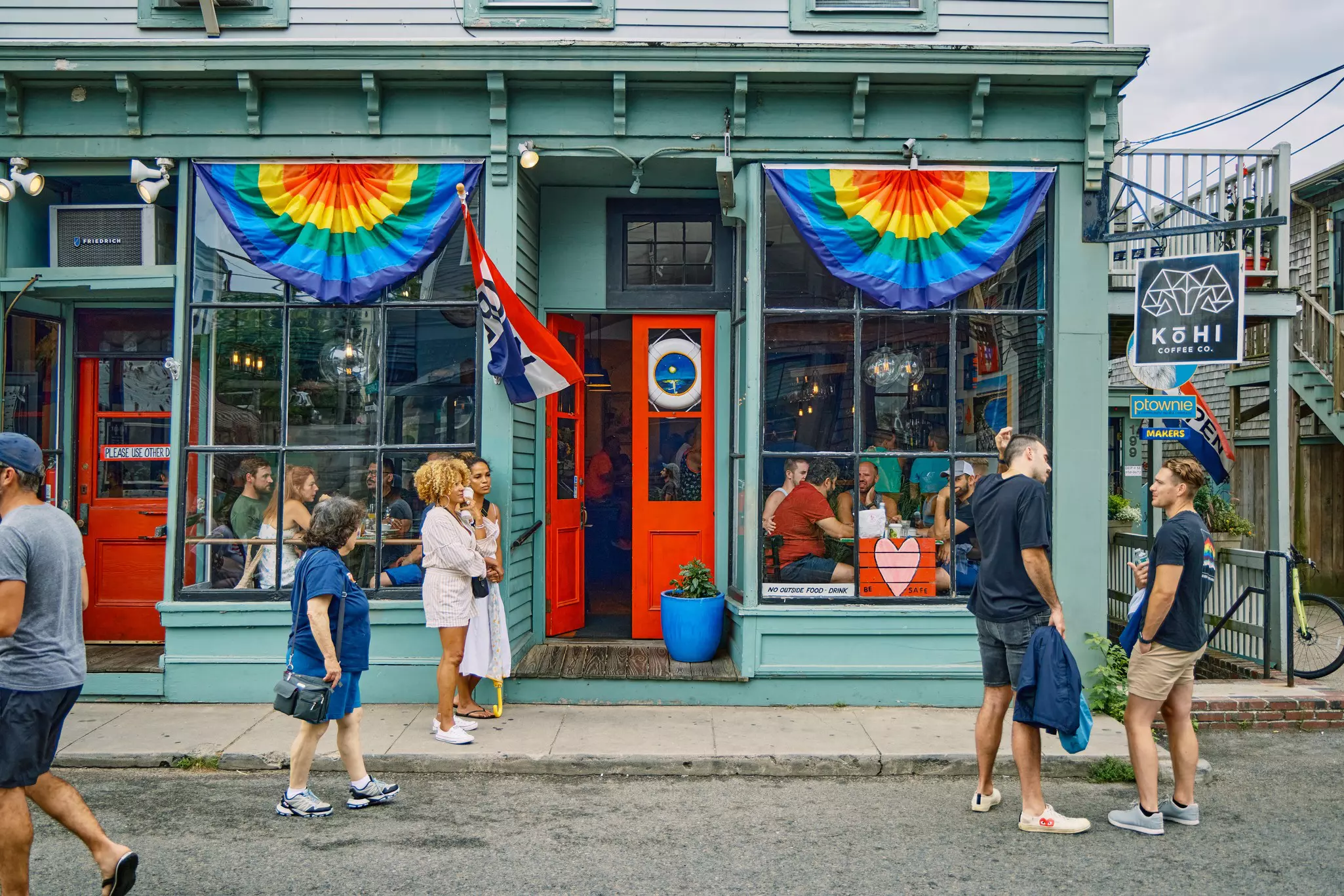
If you’re visiting during the summer and can add on some extra time to your trip, consider a day trip to one of Boston’s coastal towns. Take a half-day trip to the North Shore to explore the quaint port towns of Gloucester and Newburyport, or venture down to the South Shore to beach towns like Duxbury and Cohasset.
For a longer excursion, head to Cape Cod (or just “the Cape”). Chatham, Dennis and Orleans are all within a 2-hour drive and have one-street towns with bakeries and boutiques to spend the morning at, before an afternoon of lying out on the sands of the many nearby beaches.
Further afield is Provincetown. The drive can take awhile, especially in summer traffic – but the fast ferry, which runs throughout the summer, takes you from the Seaport to the P-town pier in 90 minutes. It’s ambitious for a day trip – but the village’s galleries, restaurants and wandering drag queens are well worth it.
Planning tip: If you opt for the mid-Cape on a summer weekend, leave extra time for traffic, as backups are notoriously brutal. Opt for a weekday if possible.
Explore related stories