Jun 3, 202610 min read
10 of the best beaches in ThailandOct 7, 2025
10 MIN READ

Writer
Writer
Thailand has ruled supreme as a tourist destination for many years, and that shining status shows no hint of losing its glimmer.
It's no wonder – this Southeast Asian titan boasts world-class cuisine, raucous nightlife, stunning landscapes and incredible culture. With such a bounty of options, the only problem is knowing where to begin.
You could be snorkeling in bright blue waters near a glorious beach, hiking to Thailand’s highest temples, slurping down a roadside bowlful of spicy noodles, plying the city’s waterways in a long-tail boat or simply dozing off next to a pool with a book on your chest.
Start your shortlist now with our round-up of the best experiences in Thailand.
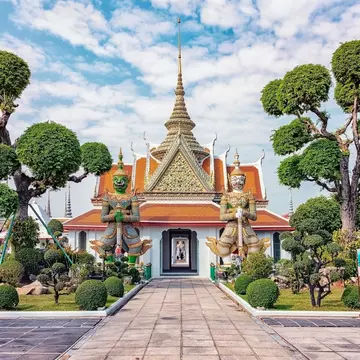
Thailand is home to more than 40,000 temples – choosing which one to visit can be rather difficult. Although most people will say that visits to Bangkok’s Grand Palace and Wat Pho are musts, some other temples scattered throughout the kingdom could be the ones to reside permanently in your memories.
In the far northern town of Chiang Rai, Wat Rong Khun – otherwise known as the White Temple – features a “bridge of rebirth” that takes visitors over a “lake” of outstretched hands representing human suffering. Further south near Pattaya, the Sanctuary of Truth stands as Thailand’s largest wooden building, painstakingly carved using traditional techniques.
And on the border between the North and Northeast regions in Phetchabun, Wat Phra Thad Son Kaew displays a series of giant Buddha images sitting in each other’s laps inspired by Russian nesting dolls, surrounded by Gaudi-like mosaics and a vast tapestry of stunning mountains.
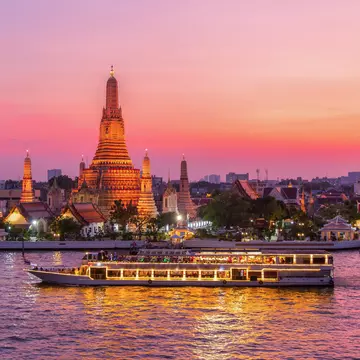
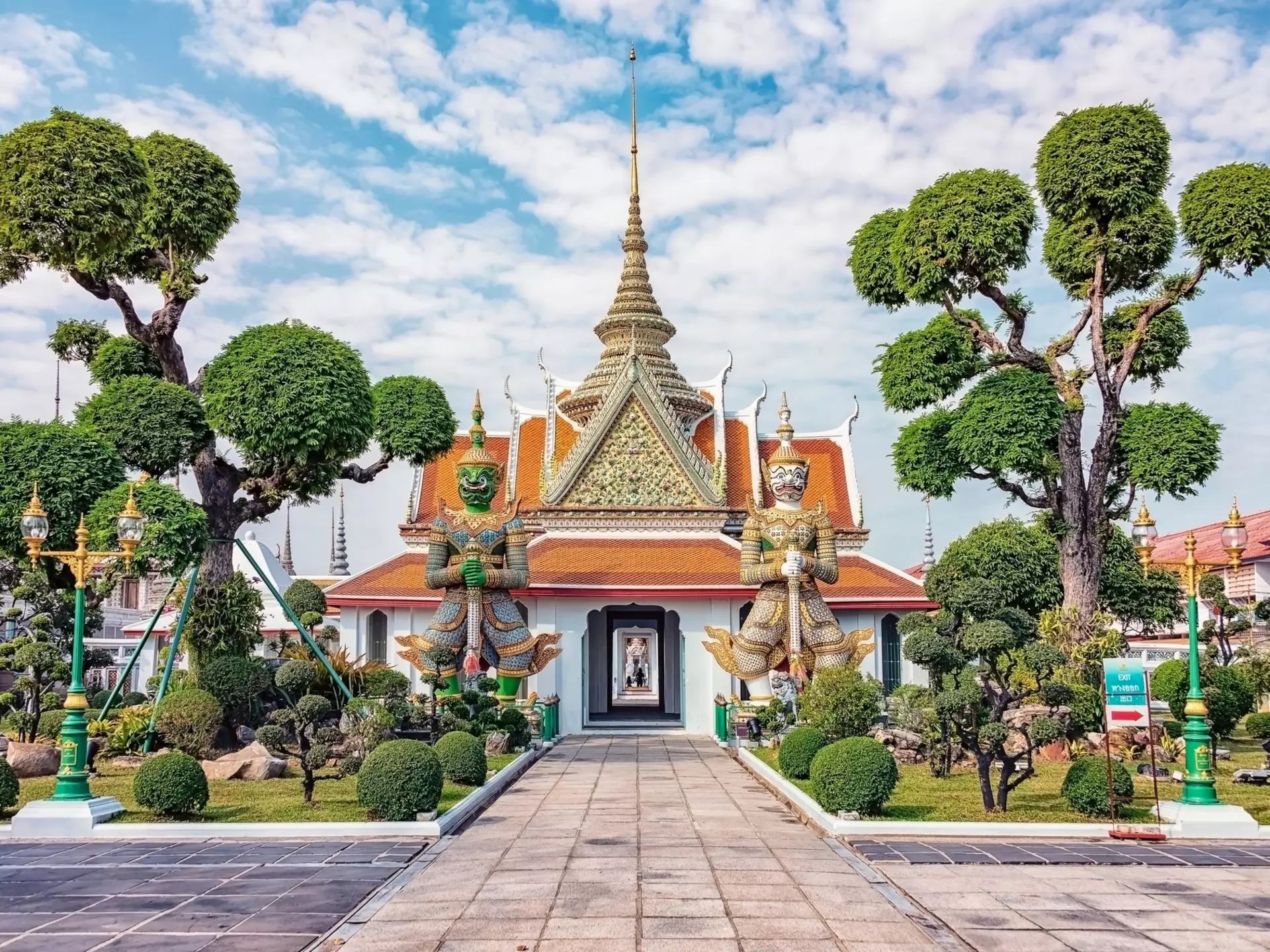
If you do decide to stay in Bangkok, Wat Arun (aka “Temple of the Dawn”) is a beautiful and less-touristy temple on the banks of the Chao Phraya, while Wat Po also houses a massage school said to have been the birthplace of Thai massage.
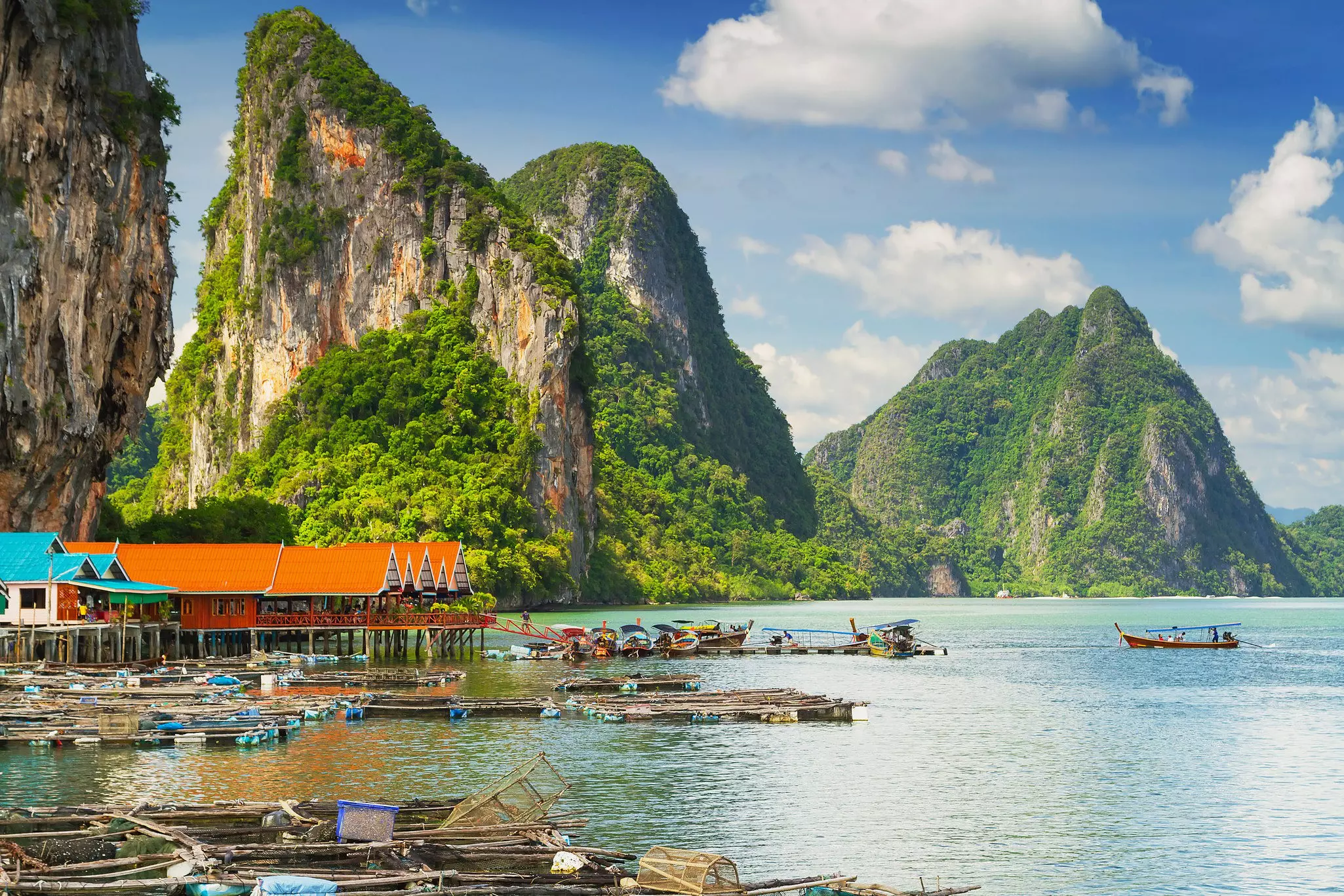
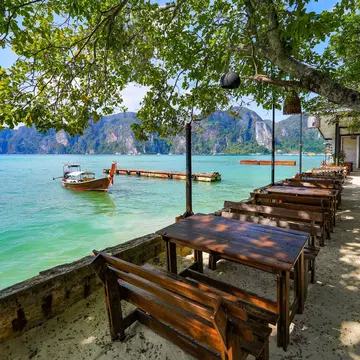
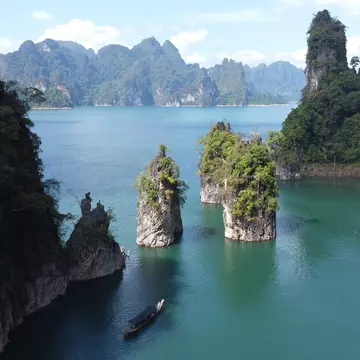
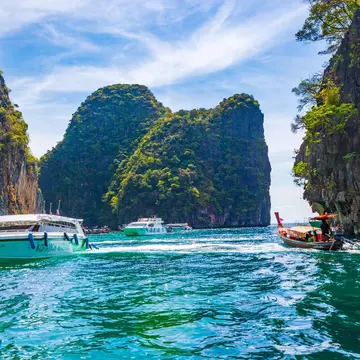
This is what the kingdom is likely most known for: its dramatic, green-speckled islands and celadon waters. The best place from which to experience this is Phuket, Thailand’s largest and most-visited island. From its two marinas, you can hire a boat to survey the Andaman Sea and its many blessings, including the iconic Ko Khao Phing Kan (also known as James Bond Island) featured in the movie The Man With a Golden Gun (1974), which resembles a tree-furred exclamation point (one of many striking limestone karsts) in Phang Nga Bay.
Planning tip: Boat rentals can range from 1944 Thai baht a day on a fishing boat to 4535 Thai baht a day on a “luxury” cruiser with lunch and dinner included. You can also head to Rassada Pier to take a ferry to tour Phang Nga Bay as a day trip. Book a ticket online in advance in case they sell out.
Thais love to shop, so it’s little surprise that Thailand is liberally peppered with markets of all types, from morning fruit displays and weekend craft offerings to raucous night markets and open-all-hours markets. The most famous of these is probably Bangkok’s 24/7 Flower Market, where a panoply of gorgeous blooms makes for ideal photo opps against the background of the Chao Phraya River. Also in Bangkok, Or Tor Kor is widely considered – even among persnickety Thai aunties – to be the best food market in the country, especially revered for its traditional sweets and pristine produce.
Lonely planet’s trusted travel insurance provider
Travel with confidence. Protect your trip and your wallet.
We don’t represent World Nomads, we receive a fee from quotes using this link. This is not a recommendation to buy travel insurance.
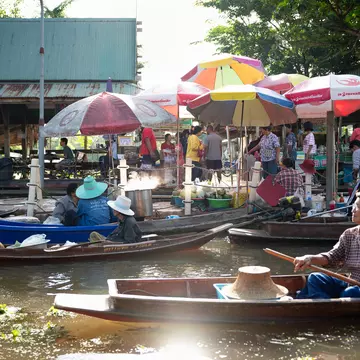
Up North, Chiang Mai’s Saturday Walking Street and Sunday Walking Street are predictably famous, but the Walking Street in Chiang Khan on the banks of the Mekong is just as extensive and far more picturesque. If it’s crafts you’re looking for, Chiang Mai's oldest public market, Talat Warorot (also spelled Waroros) is worth a wander, and the Cicada Market in the beach resort town of Hua Hin offers art, clothing and knick-knacks and is only a short walk from the beach. And if it’s a floating market that floats your boat, tree-lined Khlong Lat Mayom is only 1.5 hours from Bangkok and is far less touristy than Bangkok’s Chatuchak Market and the floating markets of Damnoen Saduak and Amphawa. All are worth visiting but expect big crowds.
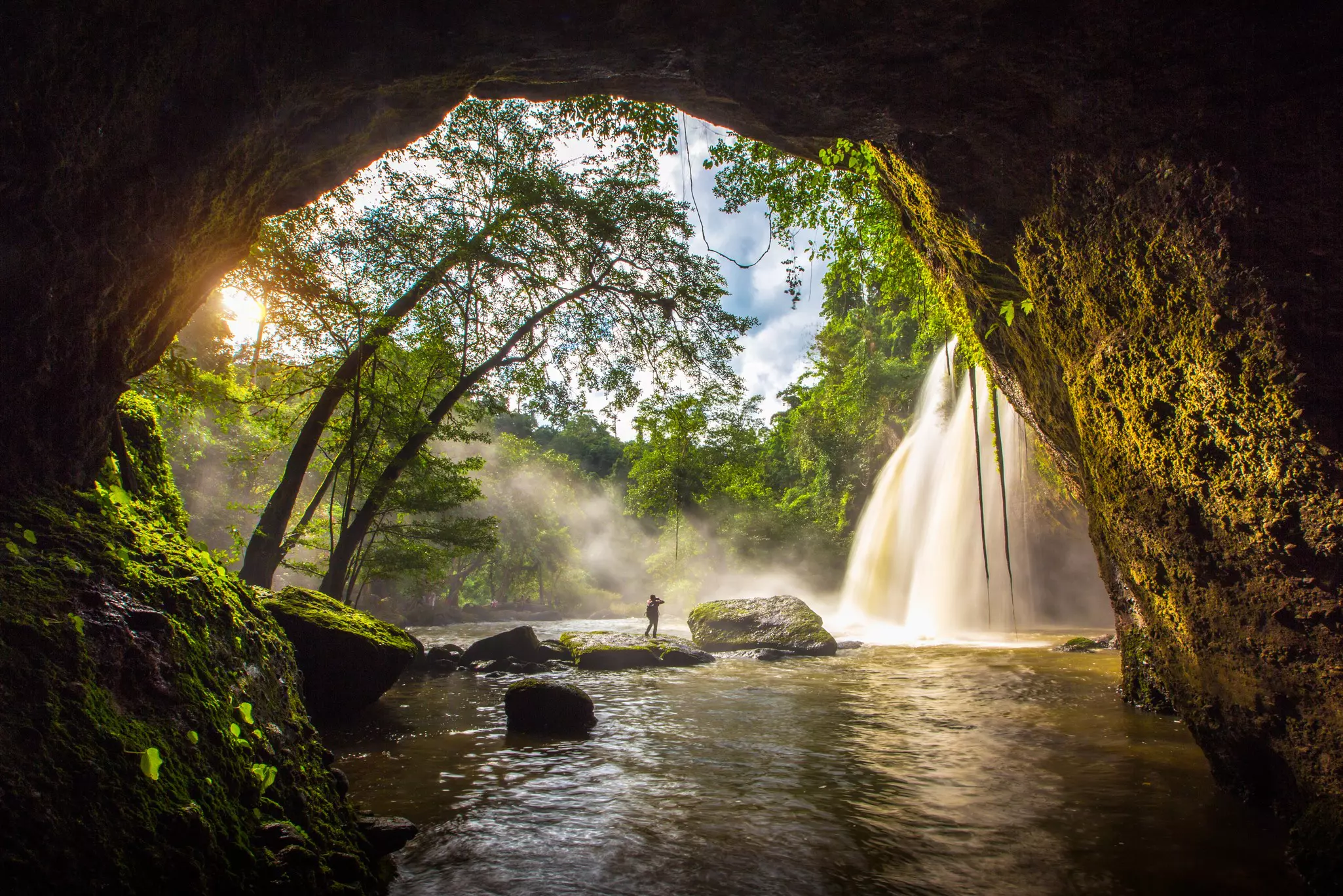
If you loved to splash around in fountains as a kid, then Thailand’s many, many waterfalls will surely delight your inner child – or even your actual child. From close to Bangkok (in Khao Yai National Park, a 2.5-hour drive from Bangkok) to its farthest reaches (in Ubon Ratchathani, next to the northeastern border with Laos), Thailand has a waterfall to suit any swimmer or nature lover, from little paddlers to experienced hikers.
Made famous by the movie The Beach (2000), Khao Yai’s Haew Suwat is not necessarily Thailand’s most towering waterfall (it’s 20m/66ft high), but it does host an emerald-green pool perfect for midday dips. Located in Erawan National Park in western Kanchanaburi, Erawan Falls is one of the most famous waterfalls in the country, thanks to its seven mighty tiers and the tiny fish that nibble at your toes at the bottom.
Meanwhile in the far northeast lies the isolated Soi Sawan waterfall in Ubon Ratchathani, near where wildflowers bloom in the cool season and numerous hiking trails lead to amazing viewpoints.
Planning tip: If you do plan to beat the heat with a quick plunge, bring a towel and a swimsuit, but remember that changing rooms are few and far between.
Thailand is chock-a-block with museums, but some are more enchanting and enlightening than others. Belying the image of a fusty old building harboring ancient relics from a far-off land, Museum Siam in Bangkok tells the story of how the “Land of Smiles” came to be through a series of creative, interactive exhibits geared mainly towards children.
Also in Bangkok, the Jim Thompson House Museum keeps the spirit of the Thai silk tycoon (and rumored CIA agent who disappeared in 1967) alive by making his former home and collection of art and antiques accessible to the public. And only 40km (25 miles) southeast of Bangkok, Muang Boran (the Ancient City) is a faithful reconstruction of Ayutthaya-era Siam, set over 200 acres and labeled the world’s biggest open-air museum.
Detour: If you can make it out of the Bangkok area, the lengthily titled Hellfire Pass Interpretive Centre and Memorial Walking Trail, situated 100km (62 miles) from Kanchanaburi, was created in memory of the WWII POWs who helped build the Burma-Thailand railway, also known as the “Death Railway” immortalized in the 1957-film Bridge Over the River Kwai.
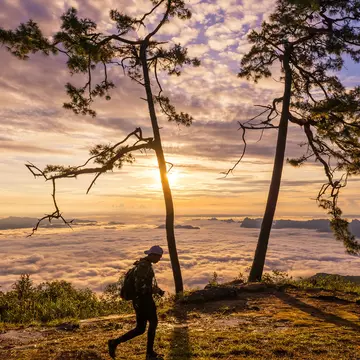
Despite its reputation as a classic fly-and-flop destination, Thailand also manages to be generously laden with hiking trails tailored to all levels of experience. Only 25km (15.5 miles) south of the resort town of Hua Hin, Pran Buri Forest Park features a 1km-long (0.6 mile) boardwalk along mangrove forests and pine trees, allowing even toddlers the chance to stretch their legs while surrounded by greenery.
Up north, close to Chiang Mai, the 13km (8-mile) Buddha’s Footprint Trail is a simple out-and-back walk popular among birdwatchers for the diversity of both wildlife and foliage on display (a guide is required and can be hired among the Hmong villagers).
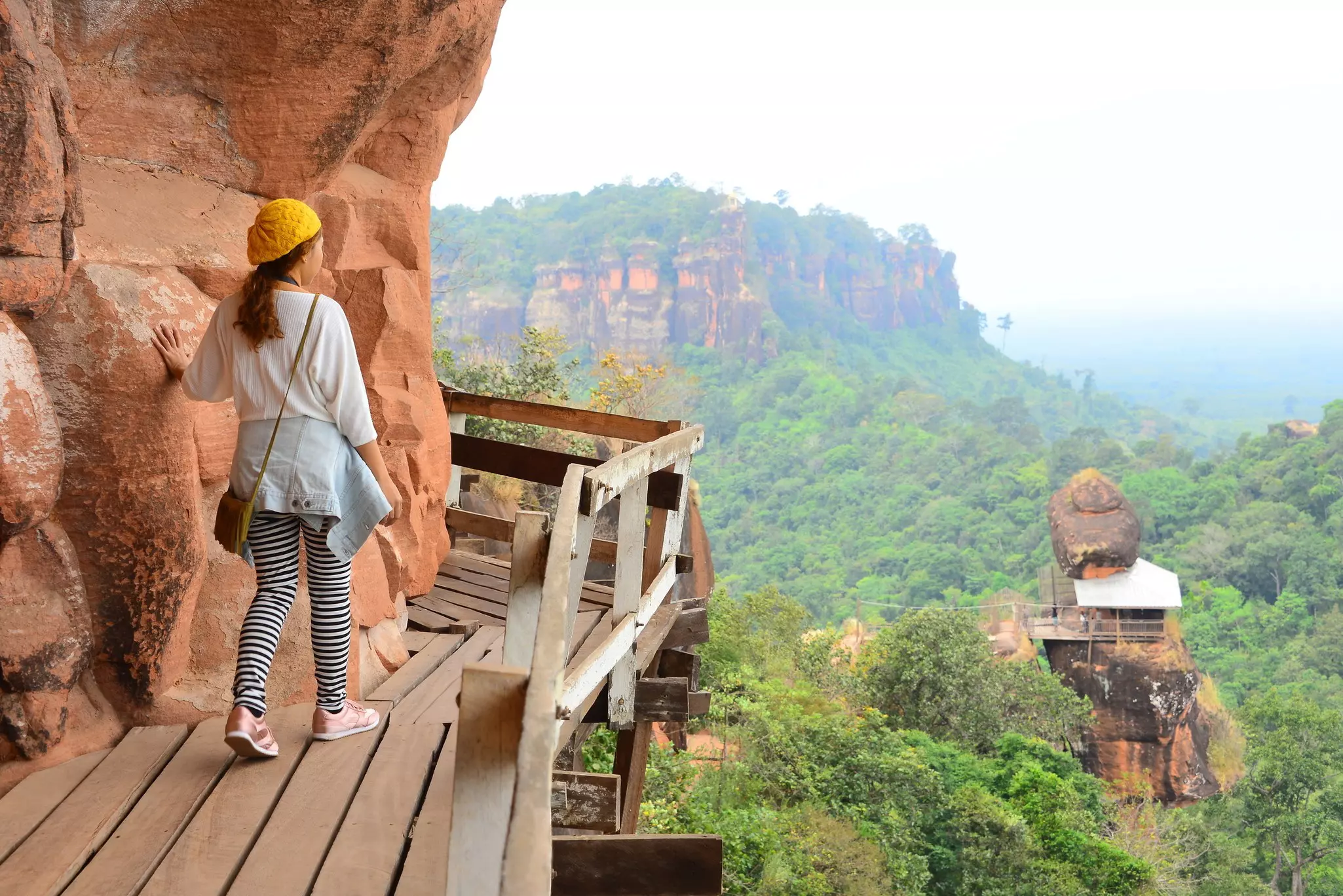
Meanwhile, thrill seekers – and devout Buddhists or meditation enthusiasts – will love Wat Phu Thok, also known as the “Lonely Mountain” and located in Northeastern Bueng Kan. Visitors are encouraged to ascend a 359m-high (1,200ft) peak by way of steps, carved paths and eventually rickety-looking wooden slats. The experience, meant to mirror the seven levels to nirvana, is supposed to encourage meditation and focus on the “now” as walkers negotiate every strenuous (and occasionally daunting) step.
Local tip: Walkers who are afraid of heights should steer clear of the Lonely Mountain or ascend only the first few levels. The seventh level is said to be riddled with snakes, so no need to go further than the sixth.
Before it became known for its traffic jams, Bangkok was once described as the “Venice of the East,” crisscrossed with canals branching from the Chao Phraya River, which once served as the kingdom's main artery of commerce and diplomacy. Although far fewer Thais use the Chao Phraya as part of their daily lives today, it remains a potent reminder of the city’s waterborne past.
Many boats – from small long-tailed boats to water buses to larger dinner cruise-type ships – ply the waters for visitors searching for a glimpse of Bangkok’s past, or who simply want to avoid the traffic. The most famous of these boats is likely the Chao Phraya Express Boat. From downtown Sathorn, the boat goes as far as the northern suburb of Nonthaburi, and prices range from 16 to 33 baht.
Local tip: You can also rent your own long-tail boat for a cruise of the city’s many canals for 1800 to 5000 baht, depending on the size of the boat. Reserve online to secure a spot.
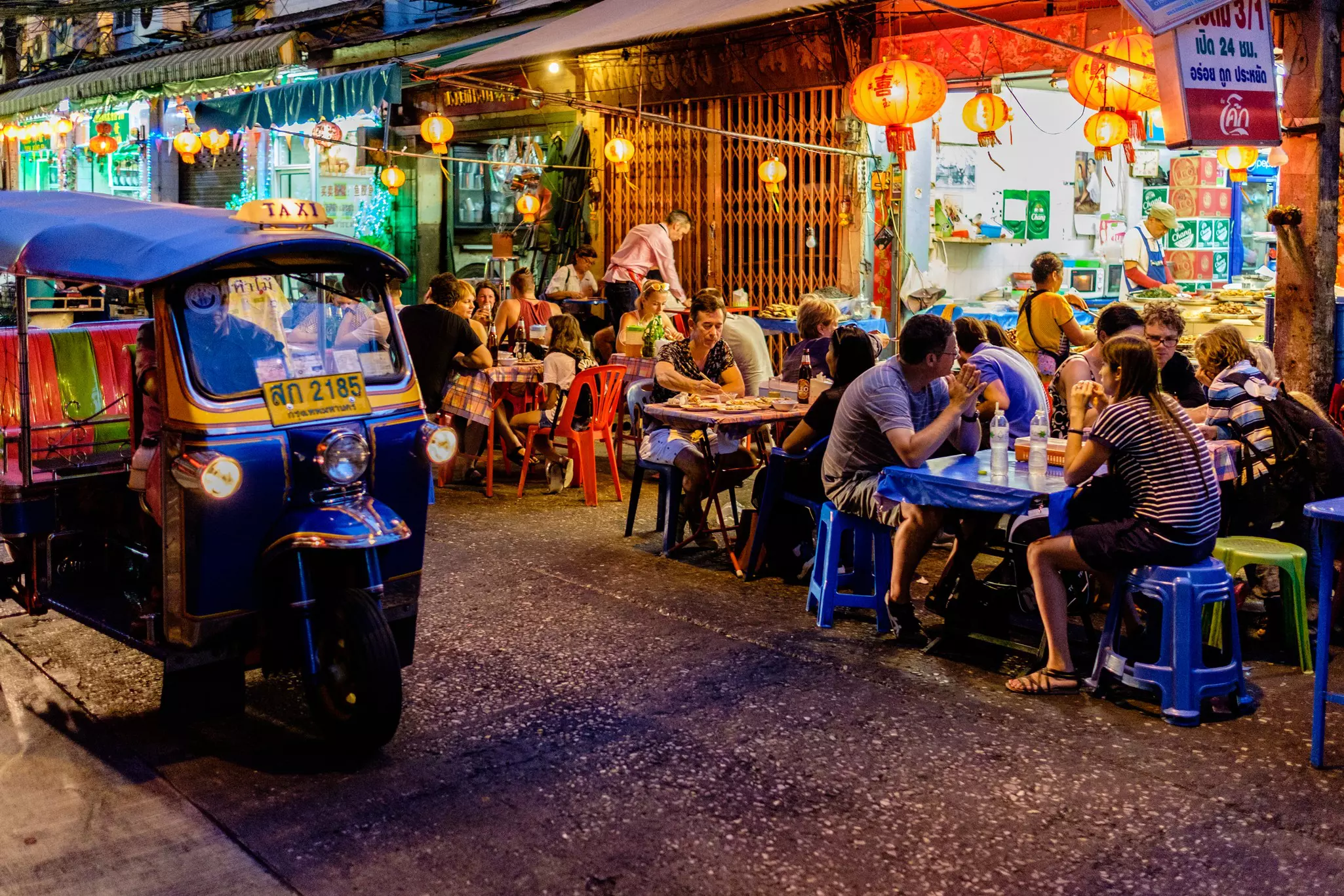
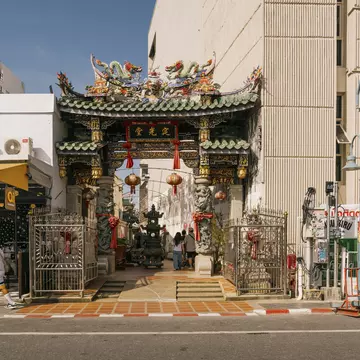
Rejuvenated from its post-pandemic slump, Bangkok’s street food scene is newly vibrant, especially in areas like the Old Town, along Charoen Krung Road, on Bantadthong Road, and by the Victory Monument. The birthplace of Thai street food (and restaurants) is Chinatown – also known as Yaowarat. Chinese-Thai dishes like oyster omelets, soup noodles, rice porridge and black sesame-stuffed dumplings tempt passersby along Yaowarat Rd, which becomes a neon-lit roadside buffet at night. Just remember: many street food stalls are closed on Monday, so check your chosen vendors beforehand.
Planning tip: While in Chinatown, visit one of Bangkok’s hippest nightlife spots, Nana Road (in Chinatown, not on Sukhumvit). Here, famous watering holes like Tep Bar, Teens of Thailand and the taxes-themed TAX rub shoulders with picturesque shophouses and noodle joints.
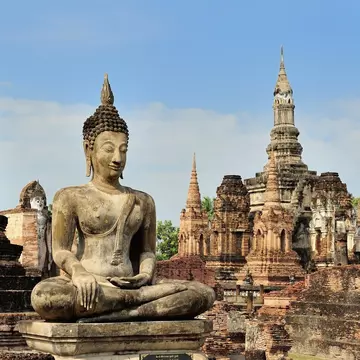
Before Bangkok was even a gleam in the eye of King Rama I, the country’s capitals lived further up from the Chao Phraya River, first in Sukhothai and then in Ayutthaya (also known as Ayuthaya). Now both UNESCO World Heritage sites, their ruins testify to the power and beauty of what was formerly known as Siam. Ranging over 70 sq km (27 sq miles), Sukhothai Historical Park showcases Wat Mahathat at its center, arranged like a lotus among 193 ruins. Visitors can explore the grounds by rented bicycle before heading to Ramkhamhaeng National Museum.
At the larger Ayutthaya Historical Park, active from the 14th to 18th centuries, 425 unearthed archaeological sites include Vihara Phra Mongkhon Bophit, home to one of Thailand’s largest bronze Buddha statues. You can also hire a bicycle to survey the park or head on out with a guide, and even rent traditional Thai costumes for a photo shoot.
Underwater explorers of all abilities will find their dreams come true in the Andaman Sea or Gulf of Thailand. With its warm water, striking coral reefs and many manta rays and whale sharks, Thailand is thick with top-tier diving sites in Phuket, Ko Phi-Phi, Ko Tao and Ko Pha-Ngan. If it’s snorkeling you’re after, the waters of Ko Chang and Ko Tarutao Marine National Park host bountiful marine life in clear blue water.
Local tip: For the most part, October to April is considered prime diving season, while May to September is deemed best for snorkeling.
Take your Thailand trip with Lonely Planet Journeys
Time to book that trip to Thailand
Lonely Planet Journeys takes you there with fully customizable trips to top destinations – all crafted by our local experts.


Explore related stories