Apr 3, 20267 min read
A Thai food expert shares their favorite places to eat and drink in BangkokNov 7, 2025
15 MIN READ
Contributors
Contributors
Joe Bindloss, Anirban Mahapatra
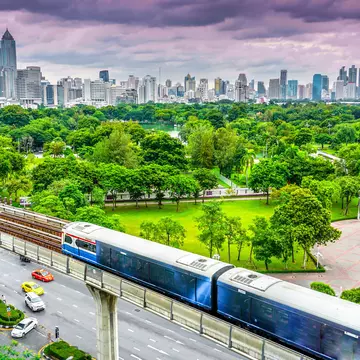
Bangkok is the Asian megacity incarnate. Home to 22% of the Thai population, its vast urban sprawl is studded with gleaming golden wat (Buddhist monasteries), towering skyscrapers, teeming markets, multi-lane highways and clusters of village-style houses that show just how far Bangkok has come over the last 50 years.
Needless to say, there’s a lot to see and do here.
Travelers can expect to have all their senses stimulated. Tastebuds get activated to almost euphoric levels by the lavish spices and complex flavors of Bangkok street food. Gleaming spires and rainbow mosaics of Bangkok’s temples and monasteries are a fest for the eyes, while the ears resonate with the roar of traffic, music and Buddhist chanting. Even the sense of smell gets a workout from the all traffic fumes and incense, jasmine blossoms and sizzling noodles.
With so much to experience, we recommend doing some advance planning to pack as much as you can in. So whether you’re here for the culture, the history, the food or the nightlife (or all of it!), here are our favorite things to do in Bangkok.
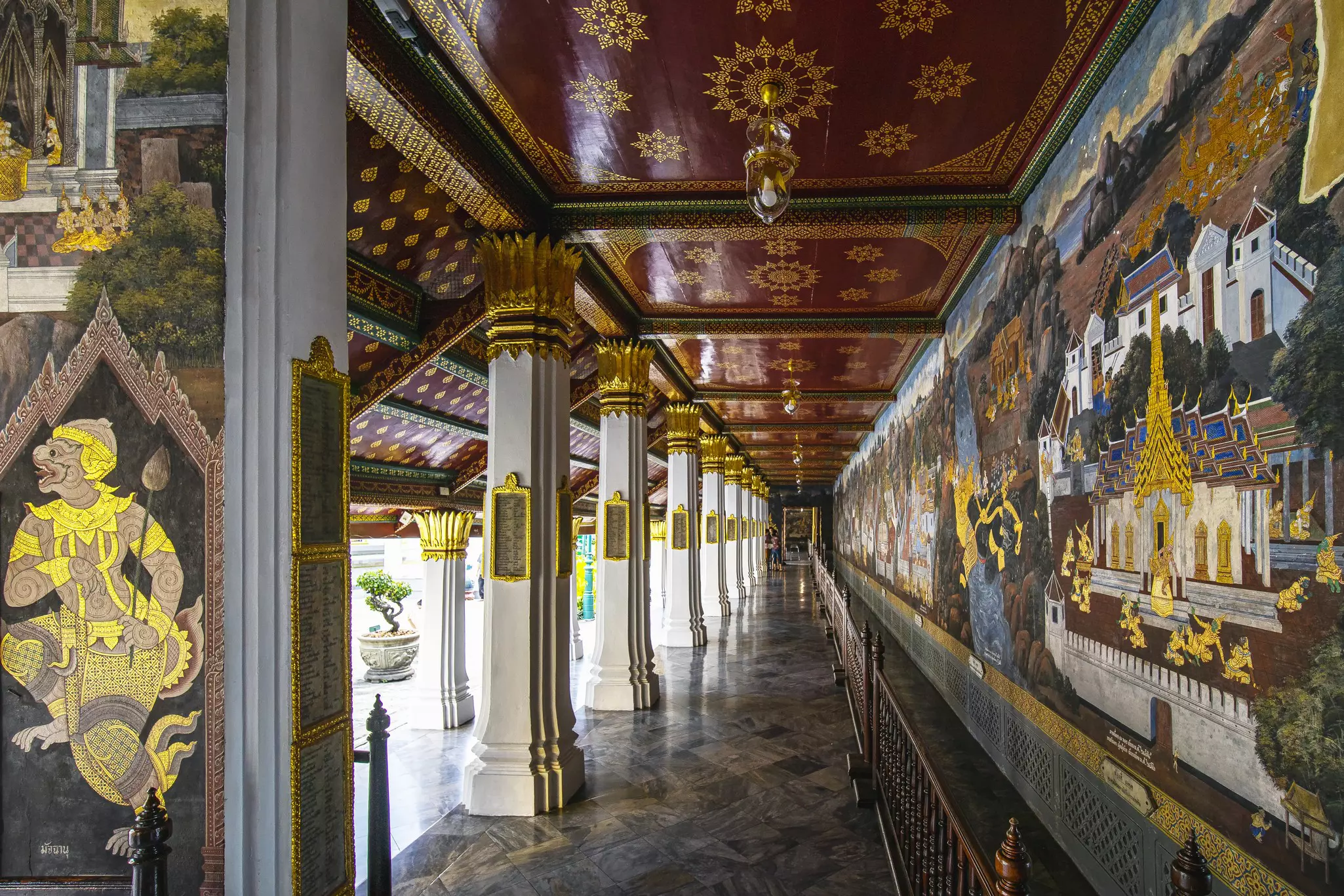
Spectacular and majestic, the royal complex composed of Wat Phra Kaew and the Grand Palace was established by former Thai kings as the nerve center of a capital city that rapidly expanded far beyond its original boundaries on the island of Ko Ratanakosin to become the modern-day metropolis of today.
Its oldest parts dating to 1782, the sprawling complex – which formerly served as the official residence of the Thai monarchy – is home to imposing palaces, reception halls, temples and courtyards, and is easily the city’s biggest tourist attraction. But the best reason to come here? To visit the adjacent Wat Phra Kaew temple, home to Thailand’s most sacred religious artifact, the Emerald Buddha – which was made from jade in the 12th or 13th century.
The walls of the corridors lining Wat Phra Kaew’s courtyard feature the famed Ramakian Murals, originally painted in the 18th century and featuring lavish scenes from the Ramakian (the Thai version of the Indian epic Ramayana). Recently restored, these murals represent some of the finest religious art in the country.
A photographer’s muse, a foodie’s dream, a shopper’s paradise and a cultural anthropologist’s fantasy: welcome to Bangkok’s Chinatown. Packed into one of the city’s oldest boroughs, the district is a riotous swirl of smoke-spewing food carts, gold-laden jewelry stores, atmospheric temples, vibrant food markets and quaint family homes.
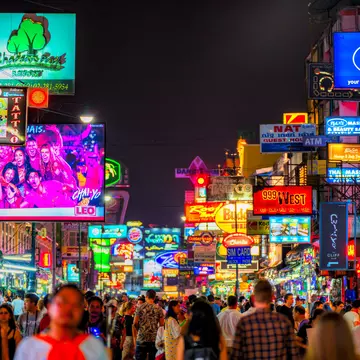
Walking down the area’s main thoroughfare, Th Yaowarat, is a sensory overload, with smells of burning incense, jasmine tea and burned garlic oil, and colorful visions of flashy neon signage and rows of ornamental lanterns and streamers dangling above the streets. At any time of day or night, Chinatown bustles with a multitude of residents and visitors.
During the Chinese New Year celebrations in late January or early February, a carnival spirit sweeps through the entire district, with lively dragon and lion dances and sumptuous food spreads adding a festive touch to the proceedings. While Chinatown is a fabulous budget-dining destination, it’s worth noting that most street food vendors here only operate in the evening (and remain shut on Mondays). At other times, you’ll have to find a sit-down restaurant.
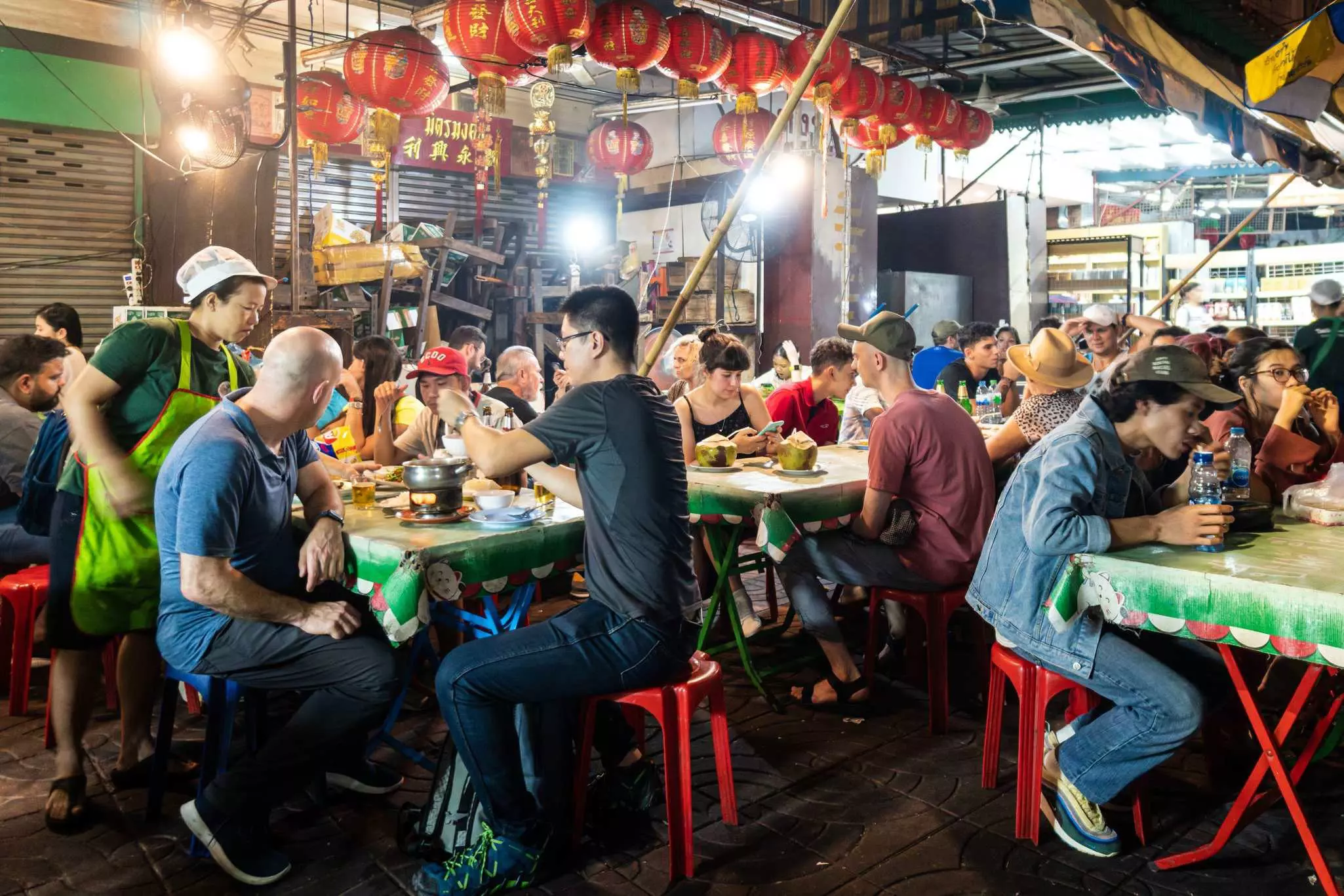
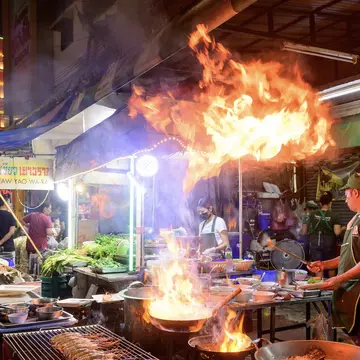
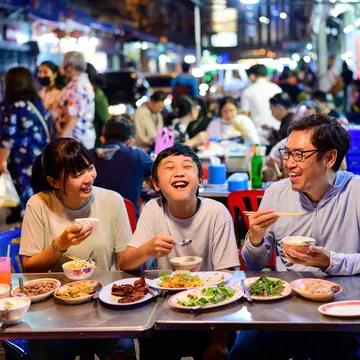
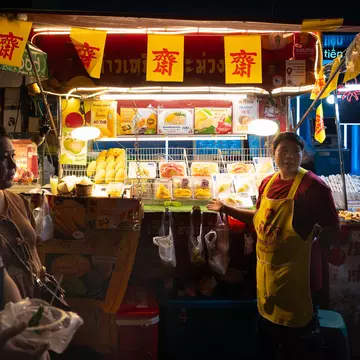
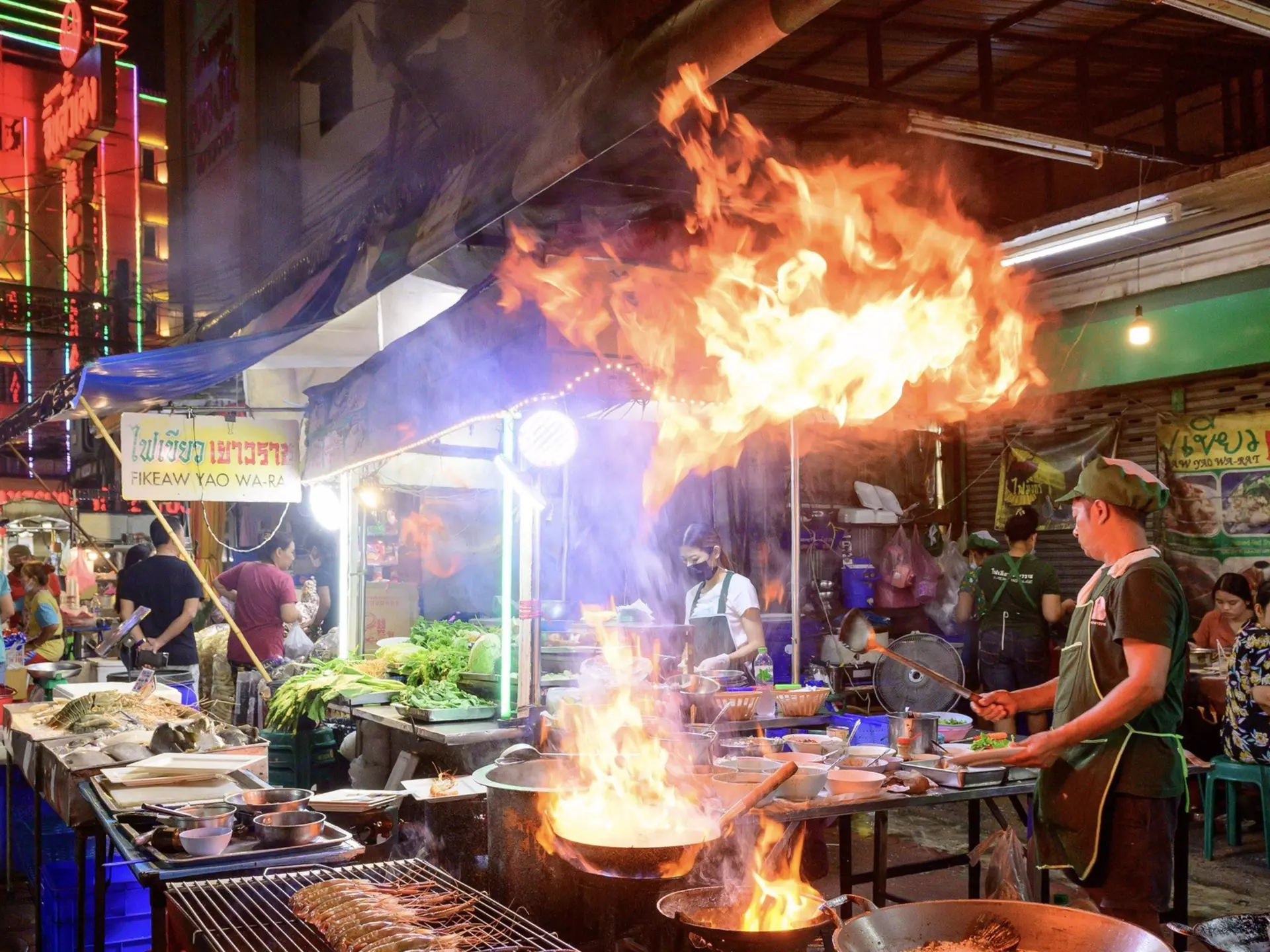
Home to what might be world’s most vibrant street-food culture, Bangkok offers travelers a mind-boggling variety of light bites and cheap meals, which get dished out on almost every street corner. From Thai-style fried noodles, dumplings in countless flavors, platters of fiery curries and jasmine rice, meaty skewers sizzling on barbecues, fresh-cut tropical fruit or a vast array of deep-fried desserts, the choice of street food in Bangkok is endless.
Locals and visitors throng daily to the countless stalls and carts lining Bangkok’s roadsides, as sizzling woks perfume the city air with the scent of lemongrass, chili, kaffir lime leaves and galangal. In recent years, some of Bangkok’s boroughs have cracked down on informal food markets, resulting in the closure of many stalls. Yet the local street-food culture still thrives and night markets start up across the city from around 5pm daily. Things are generally quieter on Mondays, though, when many stalls are closed for the day.
The vast Chatuchak Weekend Market – also known as JJ Market – is the ultimate shopping experience for those in the mood to burn some baht. Rows of pavilions, each housing hundreds of shops and stalls, are organized in neat sections beneath shady canopies, with each section dedicated to selling specific categories of merchandise.
Garments, shoes, kitchen essentials, glassware, handicrafts, antiques, health care products, home decor, foodstuffs, gardening supplies, even live pets: you can find pretty much everything here. Needless to say, you’ll want to schedule the better part of a day to immerse yourself in this hugely popular place. ATMs and money changers are on hand to help you with impulsive purchases.
As its name suggests, Chatuchak opens for business only on Saturdays and Sundays. On other days, the market is fairly deserted, except for the nearby JJ Mall, which operates through the week. The BTS Skytrain serves nearby Mo Chit station, from where it’s a 500m (just over a quarter mile) walk.
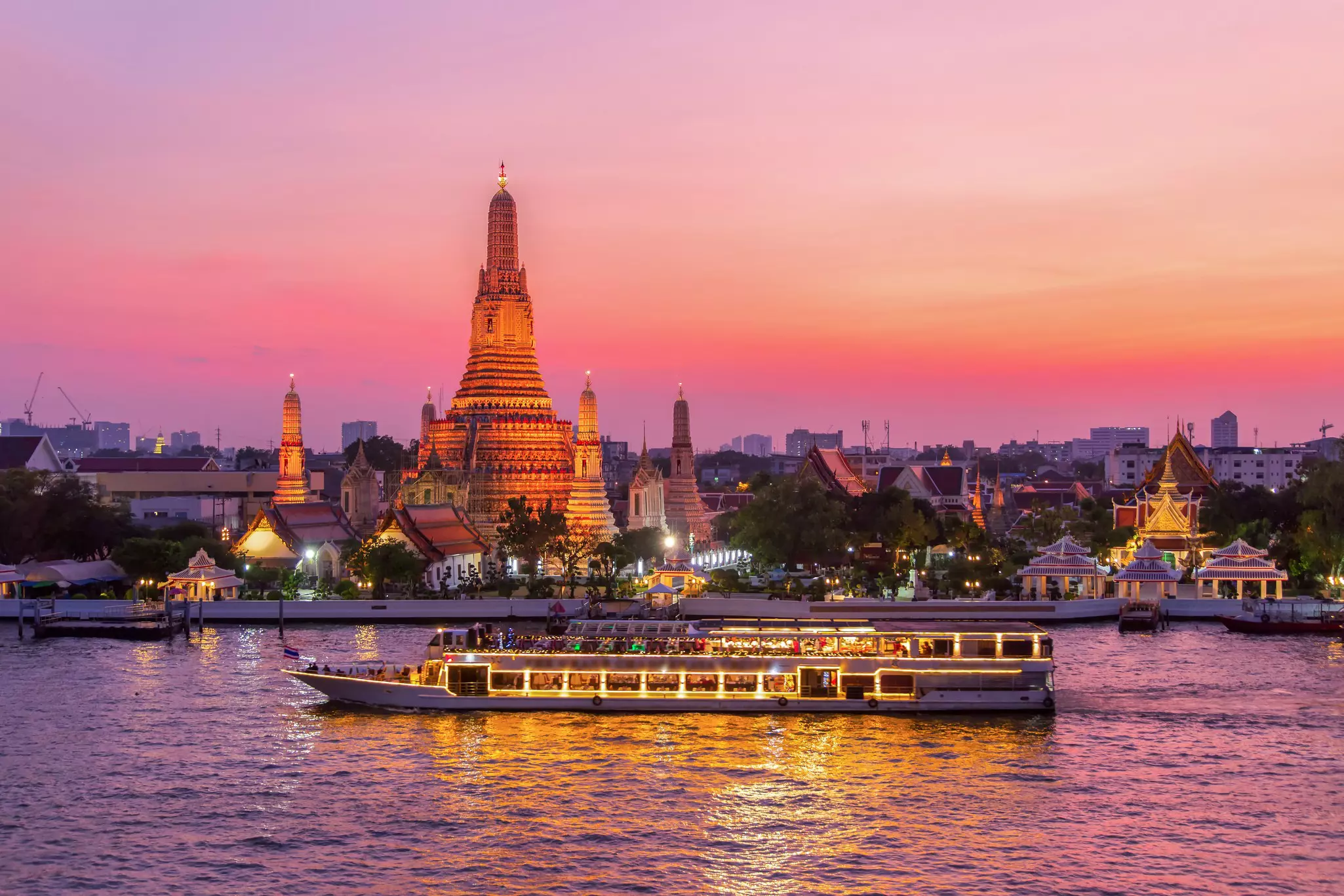
Ranging in mood from subtly romantic to humorously tacky, a dinner cruise on the swirling waters of the Chao Phraya River can be one of the most enduring memories you’ll take home from Bangkok.
Depending on your choice of vessel – options stretch from sophisticated teakwood boats with fine dining to hulking catamarans outfitted with flashy lights and loud onboard entertainment – you’ll be treated to either an atmospheric candlelit dinner served up by a private chef or a raucous floating party with thumping music and a buffet to feed a few hundred guests. Either way, it’s worth an evening of your time, not least for the cool evening river breeze that blows away the discomfort of a hot Bangkok day.

Stay connected abroad with an eSIM
Holafly eSIM provides unlimited mobile data with no hidden fees, giving you peace of mind wherever you travel. Stay connected even after your plan ends with Always On. Use code LONELYPLANET for an exclusive discount.
These cruises are wildly popular with tourists, and boats – especially the top-end ones – tend to get booked out weeks in advance. It helps to reserve a table before you get to Bangkok to avoid disappointment. Most dinner cruises operate from the piers at the showy, antique-stuffed River City Mall, picking up passengers starting at around 7pm.
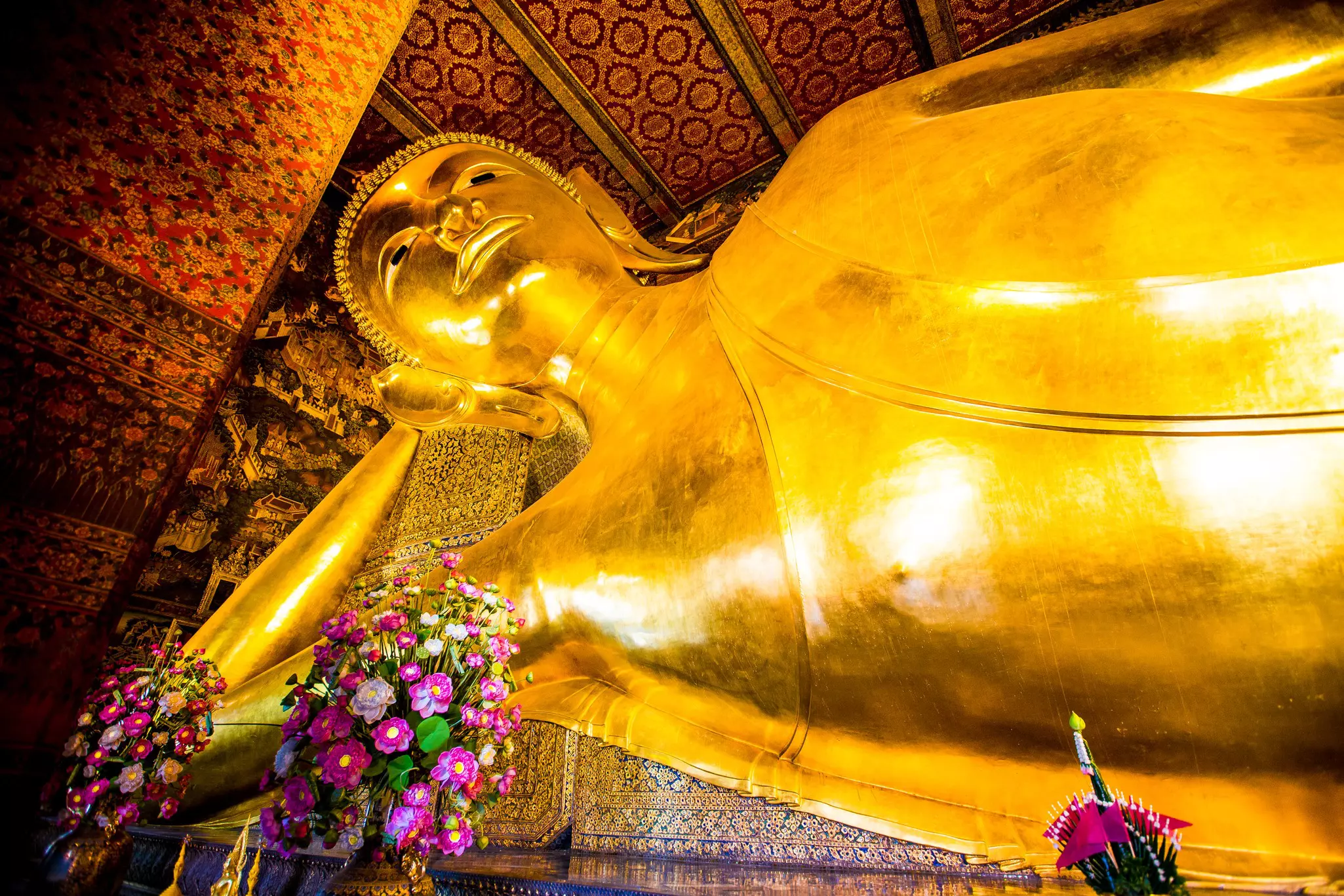
In a complex of mosaic-covered stupas and prayer halls, the 16th-century shrine of Wat Pho is home to a magnificent 46m (151ft) sculpture of the Reclining Buddha. Gracefully adorned with gold leaf and mother-of-pearl inlays, it commands pride of place as one of Bangkok’s most iconic draws. The monastery is also the spiritual home of Thai massage; treatments are offered daily, and Wat Pho even has its own massage school.
Unsurprisingly, Wat Pho is visited by thousands of people every day who come to marvel at its astonishing main Buddha image, or pay their respects at the many shrines that dot the peaceful grounds. It’s worth lingering to spend some meditative moments in the silent corridors and prayer halls before returning to the ceaseless din of the city.
Given Wat Pho’s religious significance, visitors should dress modestly to enter the temple complex. A 200 baht (B) entry fee for adults applies, and includes a bottle of water – a welcome bonus on a hot day.
Blending ancient healing techniques and natural products aimed at reviving the mind and body, Thai massage is one of Bangkok’s top experiences. The city has an unshakable reputation as the massage capital of the world, and a vigorous kneading – particularly after a long day of sightseeing – can be just heavenly.
Ranging from inexpensive foot massages at street-side parlors to full-pampering wellness packages at chic spas, Thai massage comes in many therapeutic flavors. Some massages incorporate aromatherapy oils or herb presses, while others simply focus on a mix of pressure and stretching moves to relax muscles and increase blood flow.
Several well-known spa chains across Bangkok – Health Land, Divana Massage & Spa and Asia Herb Association, to name just a few – offer high-quality massages at reasonable prices. However, they can get crowded, especially on weekends, making advance reservations a wise move.
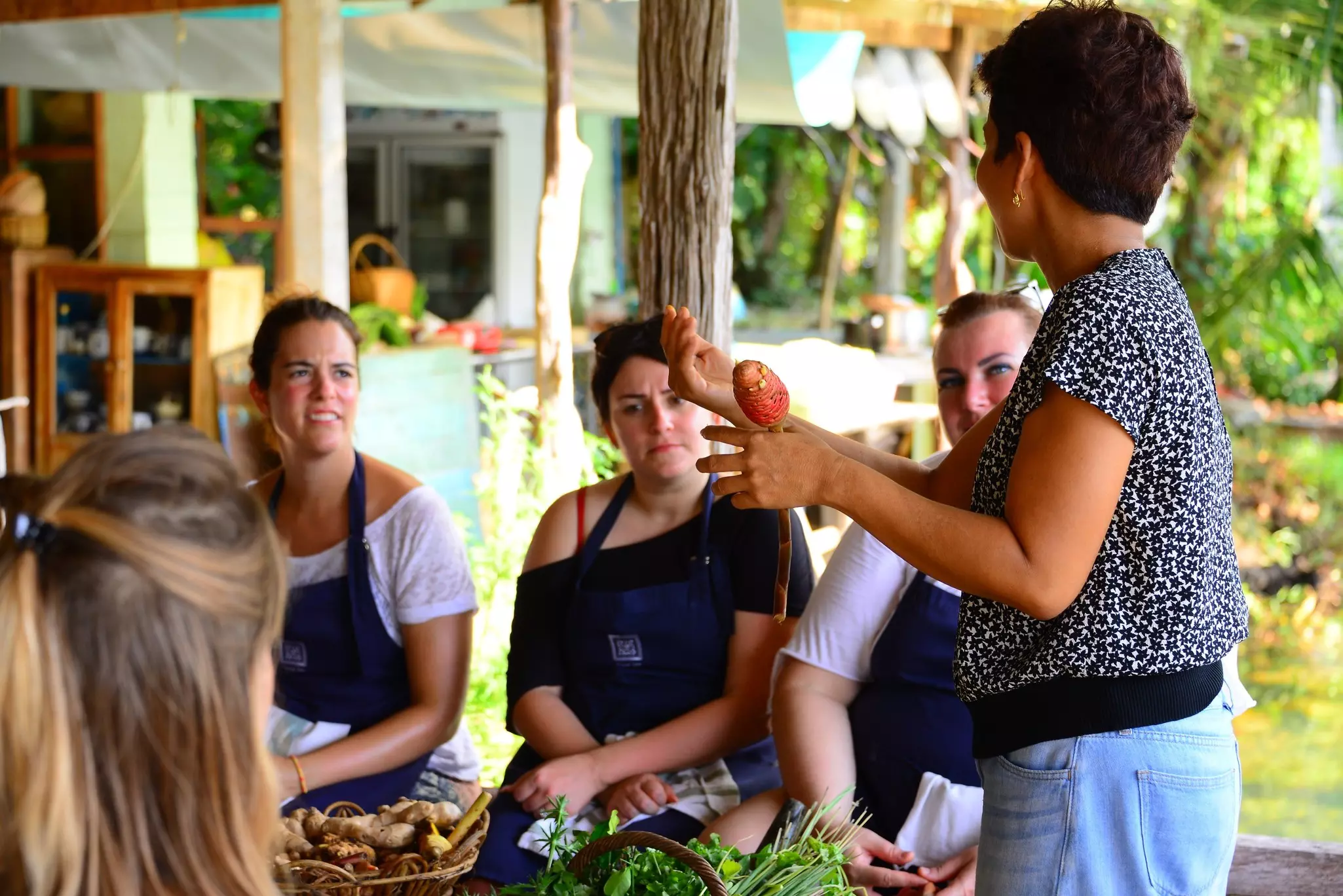
Don’t let a happy tummy be the only souvenir of a culinary visit to Thailand. Instead, spice up your life – and your future dinner-party menus – by learning to create the kingdom’s zesty dishes at a Thai cooking school.
Cooking schools in Bangkok range from formal affairs for amateur chefs to home cooking for the recipe-phobic. Everyone always has a grand time, as they visit a wet market, fumble with ingredients, taste the fruits of their labor – then head home with new cooking techniques.
Even those who disavow consumerism may feel a moment of weakness in Bangkok. One minute they’ll be touting the virtues of a life without material possessions. The next minute they’ll be admiring the treasure troves of street merchandise and mapping out the route to the nearest night market to pack their bags with Thai silks, handicrafts and famous fashions.
And who can blame them? In this shopping-obsessed city, malls daisy-chain into an almost continuous retail precinct, the pavements in between the malls serving as spillover shops for vendors without a postal address. In addition to attracting top international brands, Bangkok is a long-established destination for bespoke tailoring and has its own emerging fashion scene.
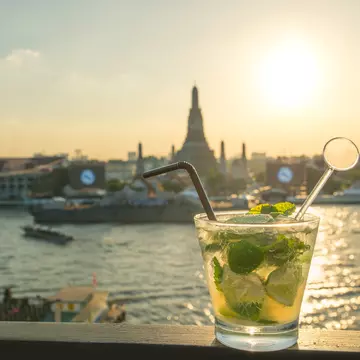
Start the retail adventure in megamalls such as Siam Paragon, centralwOrld, MBK Center and Emquartier. Post-shopping, pause for a cocktail at a rooftop bar with a city view: Red Sky, atop the Centara Grand at centralwOrld, Moon Bar atop the Banyan Tree in Sathorn, and Brewski at the Radisson Blu Plaza near Th Sukhumvit are all top choices.
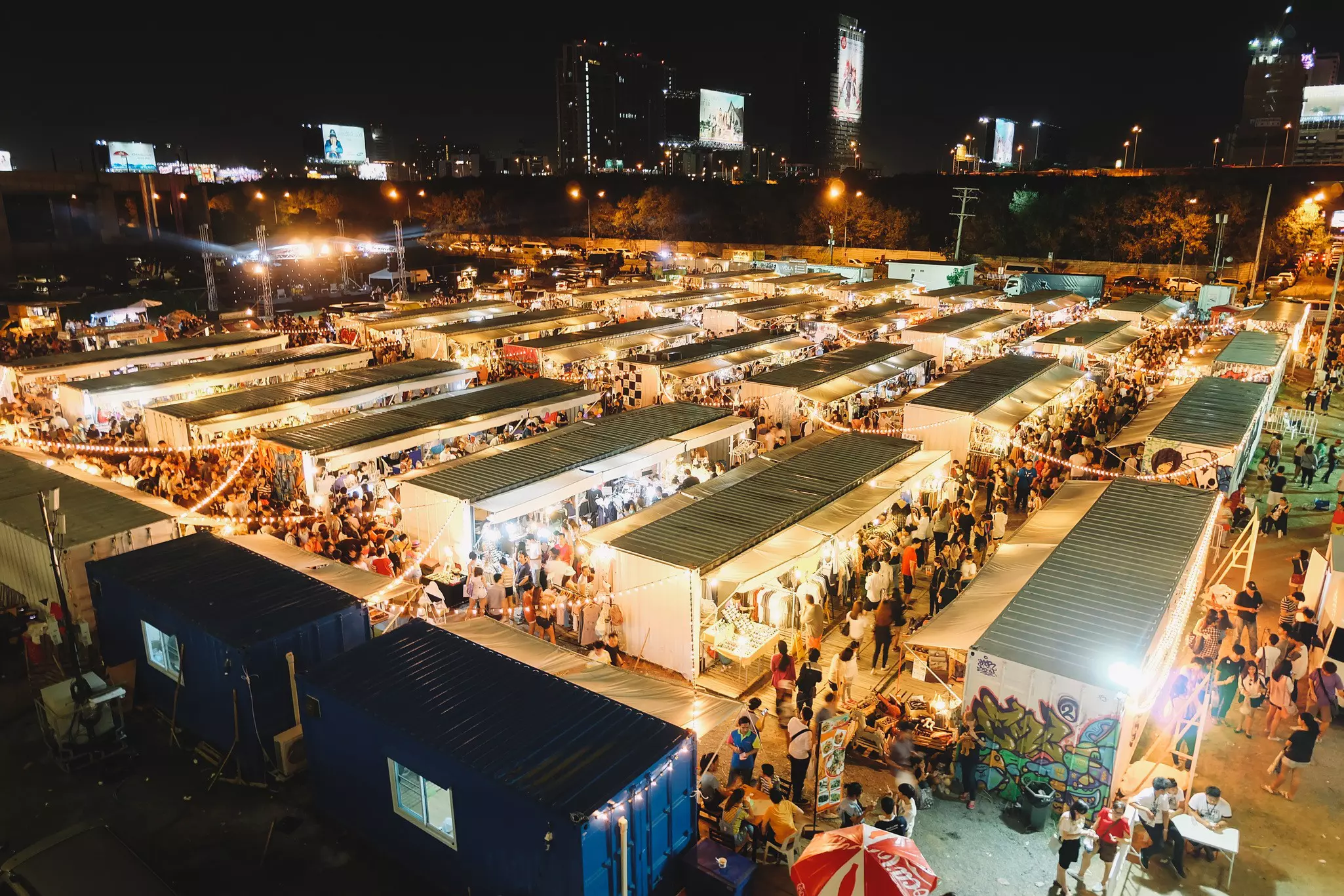
Bangkok’s legendary night markets offer a delightful combination of guilt-free holiday shopping, socializing with friends, boozy drinks served in buckets and feasts of waistline-expanding Thai food served at outdoor food stalls.
The legendary Talat Rot Fai Srinakharin night market in Northern Bangkok promises one of the city’s most satisfying after-dark experiences. On centrally located Th Sukhumvit, the fashionable Artbox draws young hipster crowds with arty creations, smooth jazz performances and an irreverently laid-back atmosphere.
In contrast, the more disreputable Patpong night market combines souvenir stalls, food carts, massage spas and pubs with live music with go-go bars peddling various forms of “adult” entertainment. It‘s popular, yes – but won’t appeal to everyone.
You’ll find night-market food stalls springing up all over the city starting around 5pm most nights, including along the backpacker hub of Th Khao San (Khao San Road; see below). The underground MRT is a convenient way to get to Talat Rot Fai Srinakharin, while the BTS Skytrain can drop you near both Artbox and Patpong.
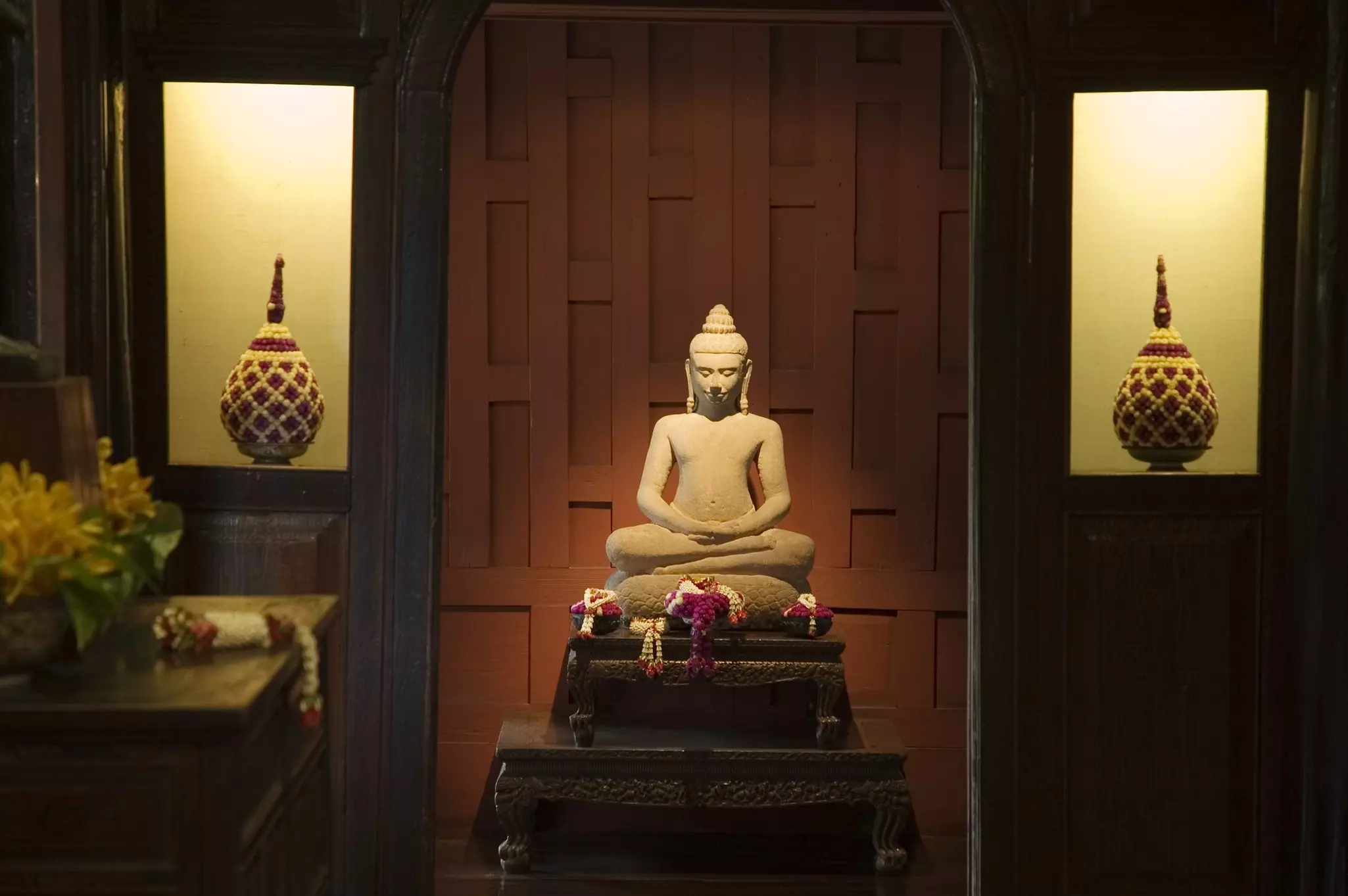
American entrepreneur and silk mogul Jim Thompson used his traditional Thai-style home on the canal running between Banglamphu and Th Phetchaburi as a repository for age-old Thai treasures and art. When he vanished mysteriously in 1967, his teak-framed house was transformed into a captivating museum.
The rooms are adorned with Thompson's exquisite art collection and personal possessions, including rare Chinese porcelain and priceless Burmese, Cambodian and Thai artifacts, all arranged around a garden that’s a miniature jungle of tropical plants and lotus ponds. You can also buy lush Jim Thompson silks on site.
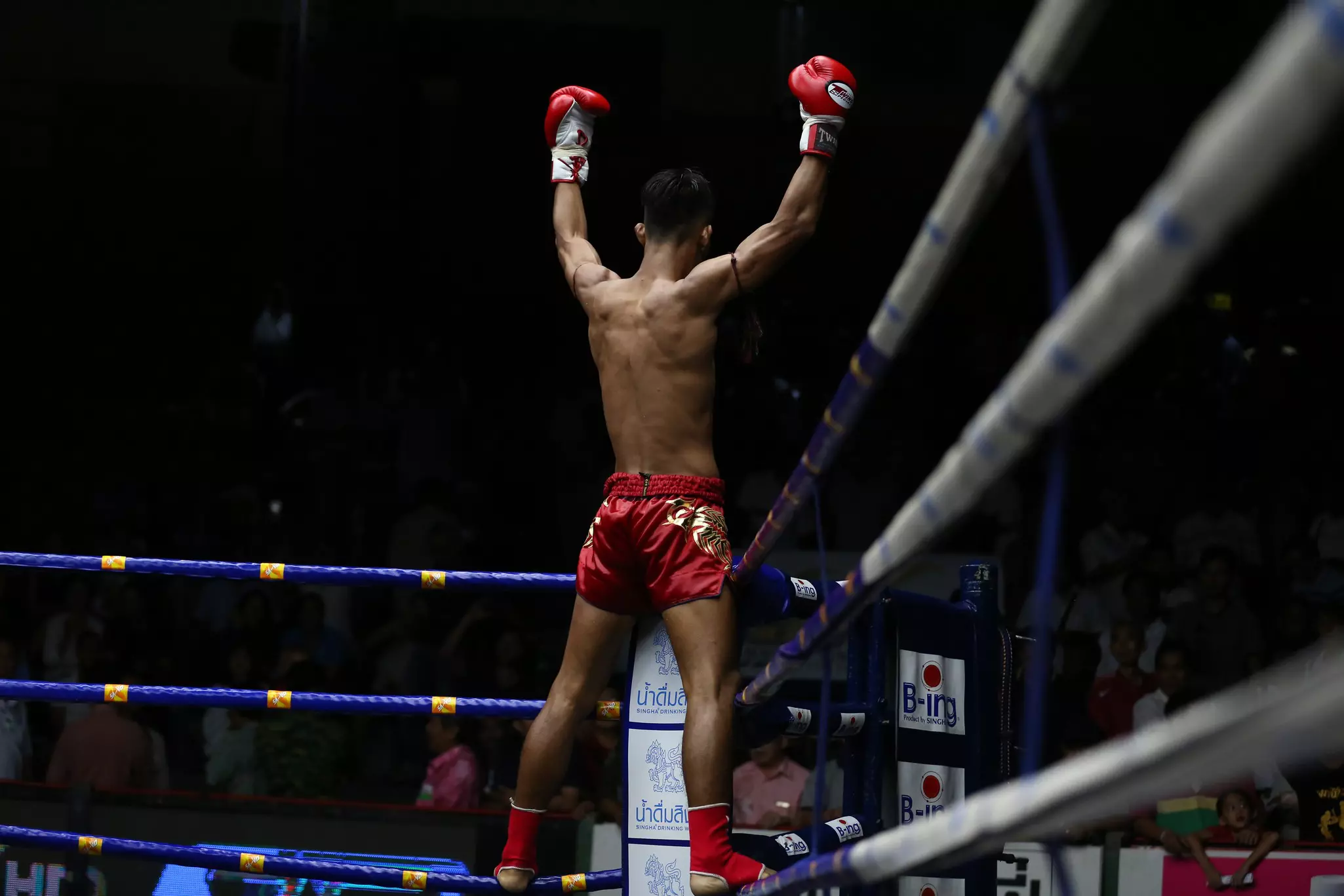
Almost anything goes in the quintessentially Thai martial art of moo·ay tai (also spelled muay Thai) – more commonly known outside the country as Thai boxing or kickboxing. If you don’t mind the full-contact physicality, a Thai-boxing match is well worth attending for the pure spectacle, the wild musical accompaniment, the ceremonial beginning of each match and the frenzied betting.
The best of the best compete at Bangkok’s two boxing stadiums. Built on royal land at the end of WWII, the art-deco-style Rajadamnern Stadium is the city’s original stadium, and it has a relatively formal atmosphere. The other main fighting stage, Lumpinee Boxing Stadium, has moved from its eponymous neighborhood to a modern home north of Bangkok. Admission fees vary according to seating; we recommend sitting in the 2nd- or 3rd-class seats for maximum fan atmosphere.
Easily Bangkok’s most charming neighborhood, Banglamphu is the city’s former aristocratic enclave. Once filled with the riverside mansions of diplomats, dignitaries and minor royalty, the old quarter is today dominated by backpackers seeking R&R on famous Th Khao San, civil servants shuffling between offices and lunch spots, and bohemian artists and students bringing new life to antique shophouses.
Busy street-food carts and classic Thai restaurants offer ample options for hungry travelers, and the area also hosts some of the city’s best live music. By day and by night, the lanes of Banglamphu host eclectic street markets selling Thai souvenirs and trinkets, with bars that spill out into the street and pop-up cocktail stands that buzz until midnight, when the sale of alcohol is officially banned until the following day.
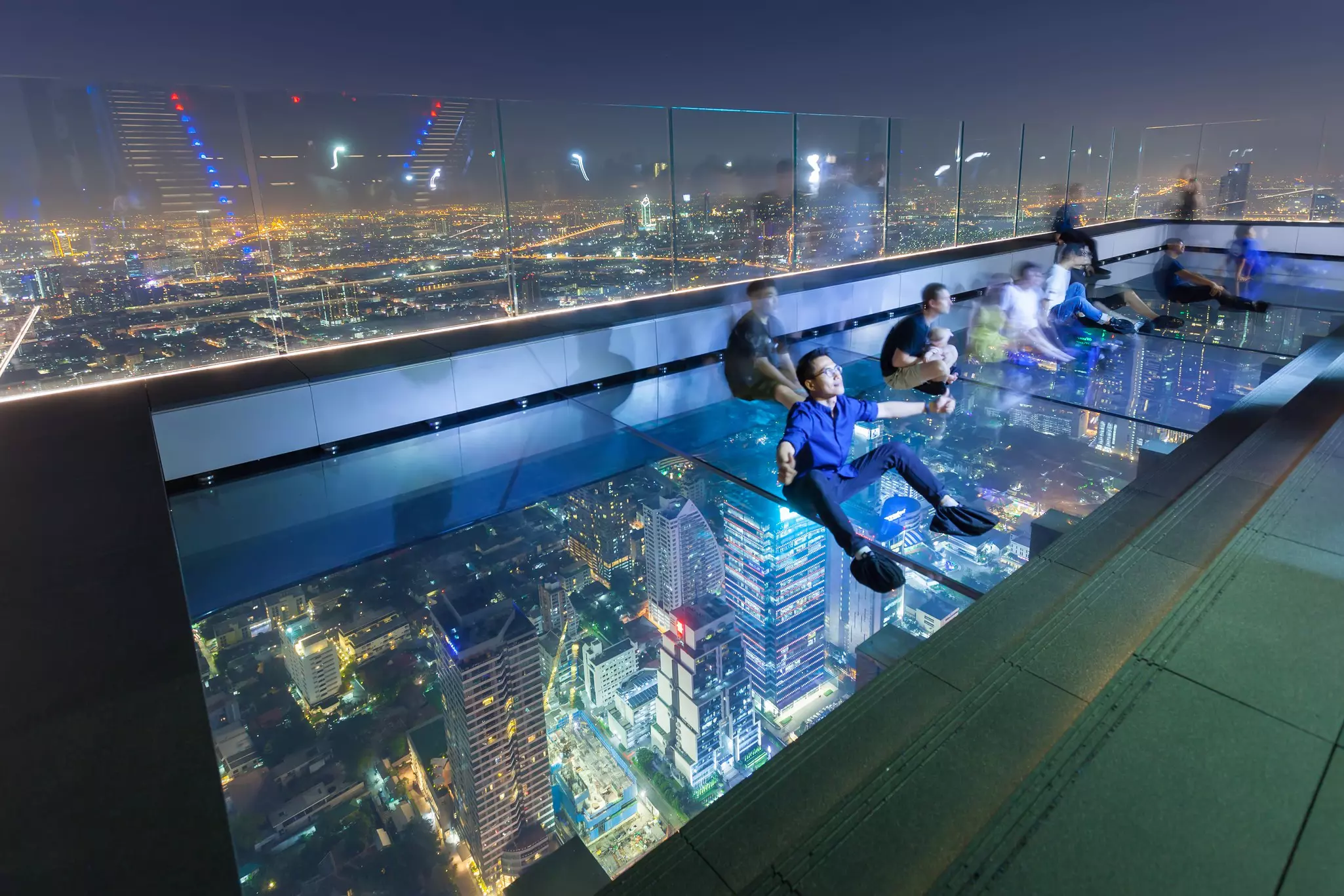
Offering an unparalleled 360° view of the Bangkok cityscape, this two-tiered observation deck is perched atop King Power Mahanakhon, currently Thailand’s tallest building. Stepping onto the dizzying SkyWalk – a glass-floored balcony rising 78 floors and 310m (1017ft) above the earth – is a hair-raising experience. You can soothe your nerves afterward with a stiff sundowner at the open-air bar one flight up, at the skyscraper's pinnacle. An indoor 74th-floor observatory offers a less vertiginous experience for a cheaper entry fee.
Bangkok’s most important waterway, Mae Nam Chao Phraya (the Chao Phraya River) always teems with activity. Hulking freighter boats trail behind dedicated tugs; river-crossing ferries skip across the wake. Children practice cannonballs into the muddy water that laps against the side of boat jetties and stilt houses.
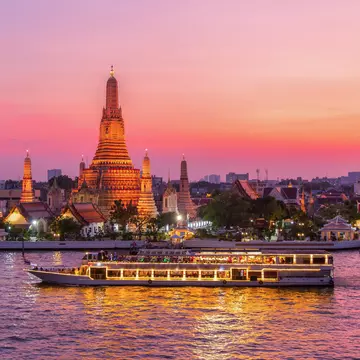
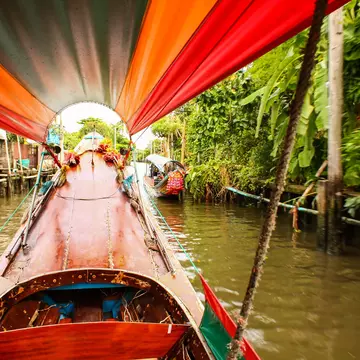
You can witness soothing river vistas from the shore (ideally from Ko Ratanakosin or Thonburi), but it’s more fun to get out on the water on a chartered long-tail boat or cruise along the river on the Chao Phraya Express Boat. Irrespective of your vantage point, as the blinding sun slips below the horizon, briefly silhouetting the gleaming spires of temples and palaces against streaks of red and gold, Bangkok suddenly looks beautiful and serene.
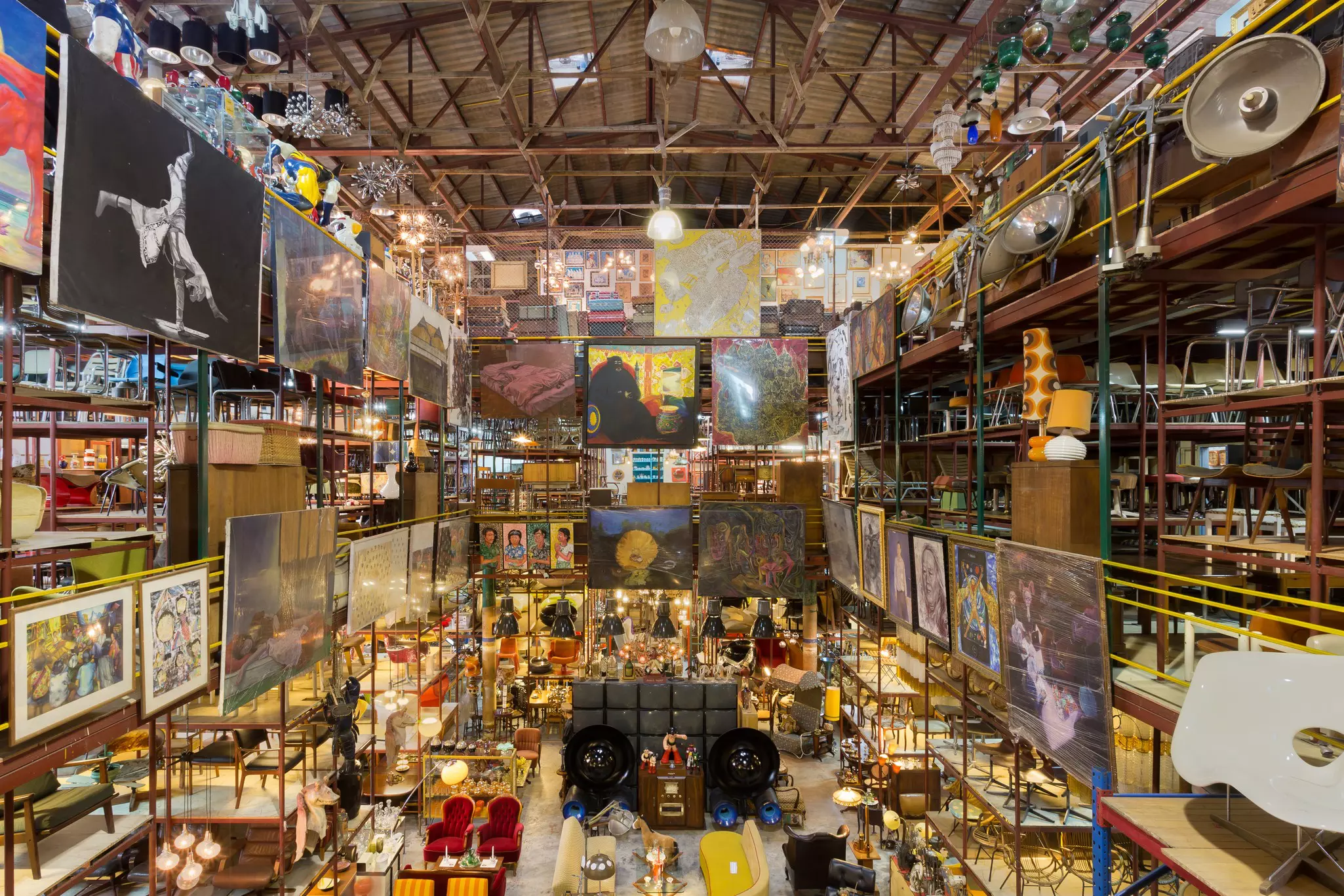
What began as a personal antique-collecting hobby for the reticent owner of Papaya has snowballed over the years into a mind-boggling collection of vintage 19th- and 20th-century objects that occupy every inch of a warehouse-size exhibition space off Th Lat Phrao in northern Bangkok.
Art-deco furniture, 1960s beer signage, superhero statues, Piaggio scooters, typewriters, movie projectors, love seats, TV sets, VHS players, wall clocks, storefront mannequins, lampshades... the list goes on. Many objects are technically for sale – though the owner prices them astronomically just to keep his collection from being dismantled. Treat this space more as a museum of recent history.
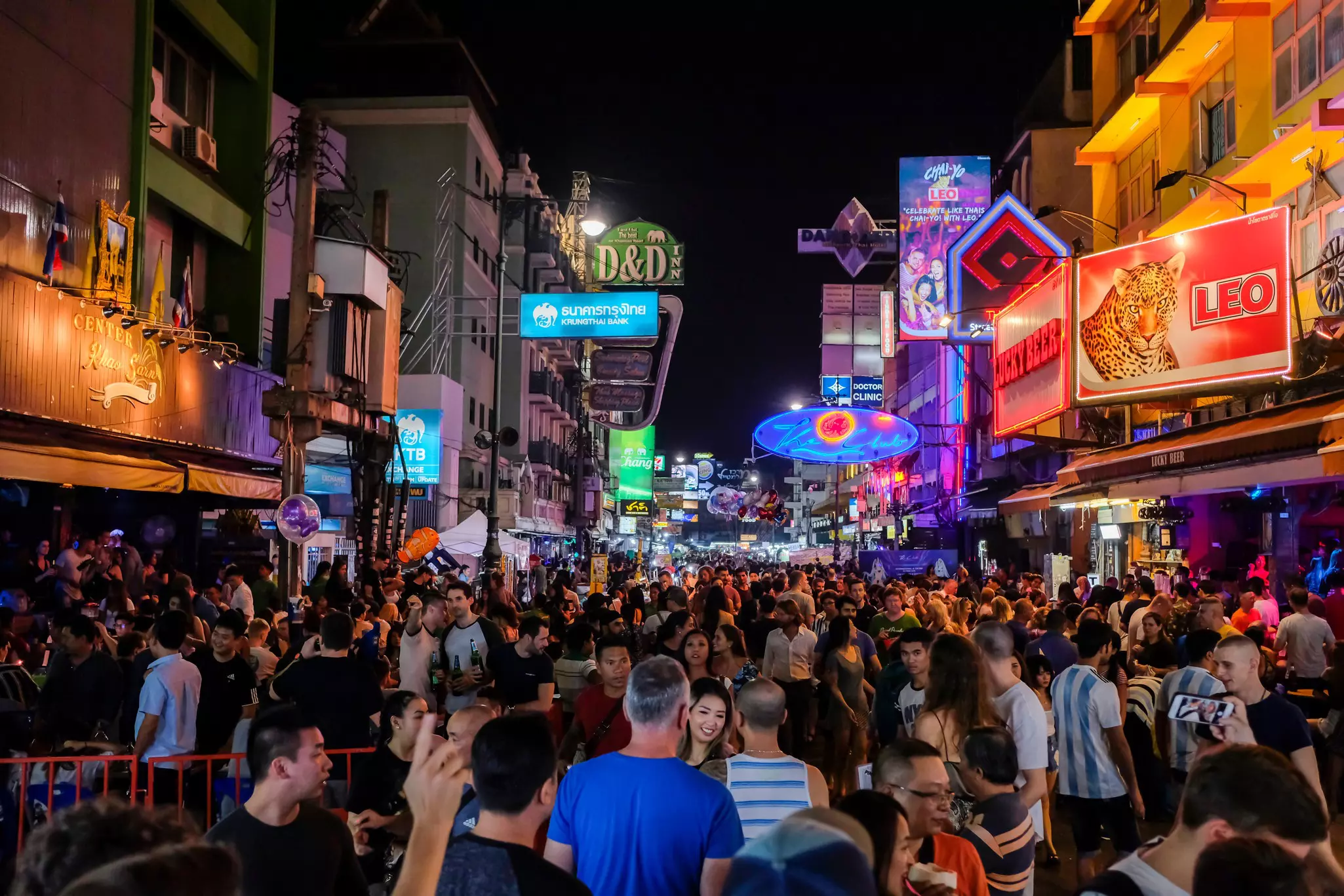
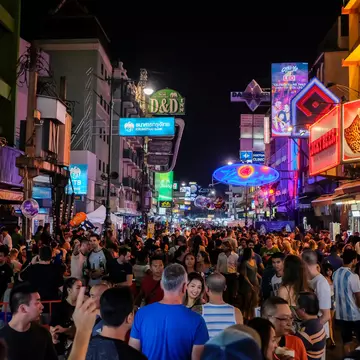
Th Khao San, better known as Khao San Road, is genuinely unlike anywhere else on Earth. It’s an international clearinghouse of independent travelers either settling into the liberated state of extended jaunt through Southeast Asia, or cramming in one last party before returning to “real life” back home. Its uniqueness is probably best illustrated by a question: apart from airports, where else could you share every inch of space with the citizens of dozens of countries at the same time?
Strolling down this market-stall-crowded thoroughfare, you’ll see first-time backpackers eating banana pancakes, 75-year-old grandparents sipping gin and tonics and everyone in between – hippies, hipsters, nerds, glamazons, package tourists, global nomads, weekend trippers, gap-year explorers and other travelers of every color and creed.
While Th Khao San is perhaps the most high-profile result of the age of widespread independent travel, its bedbug-infested guesthouses of old have been replaced by boutique hotels. And downmarket TV bars showing pirated movies have been transformed into hip design bars thronged by flashpackers in designer threads. No visit to Bangkok would be complete without a wander along this famed street.
Explore related stories