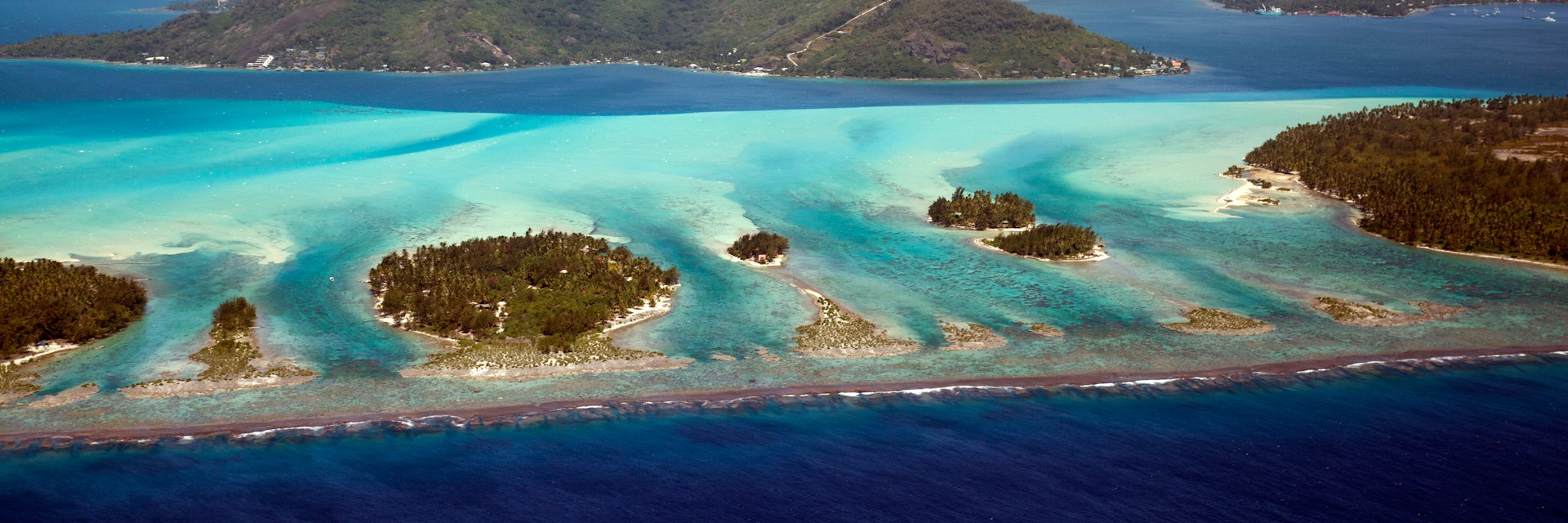
Attractions
Must-see attractions
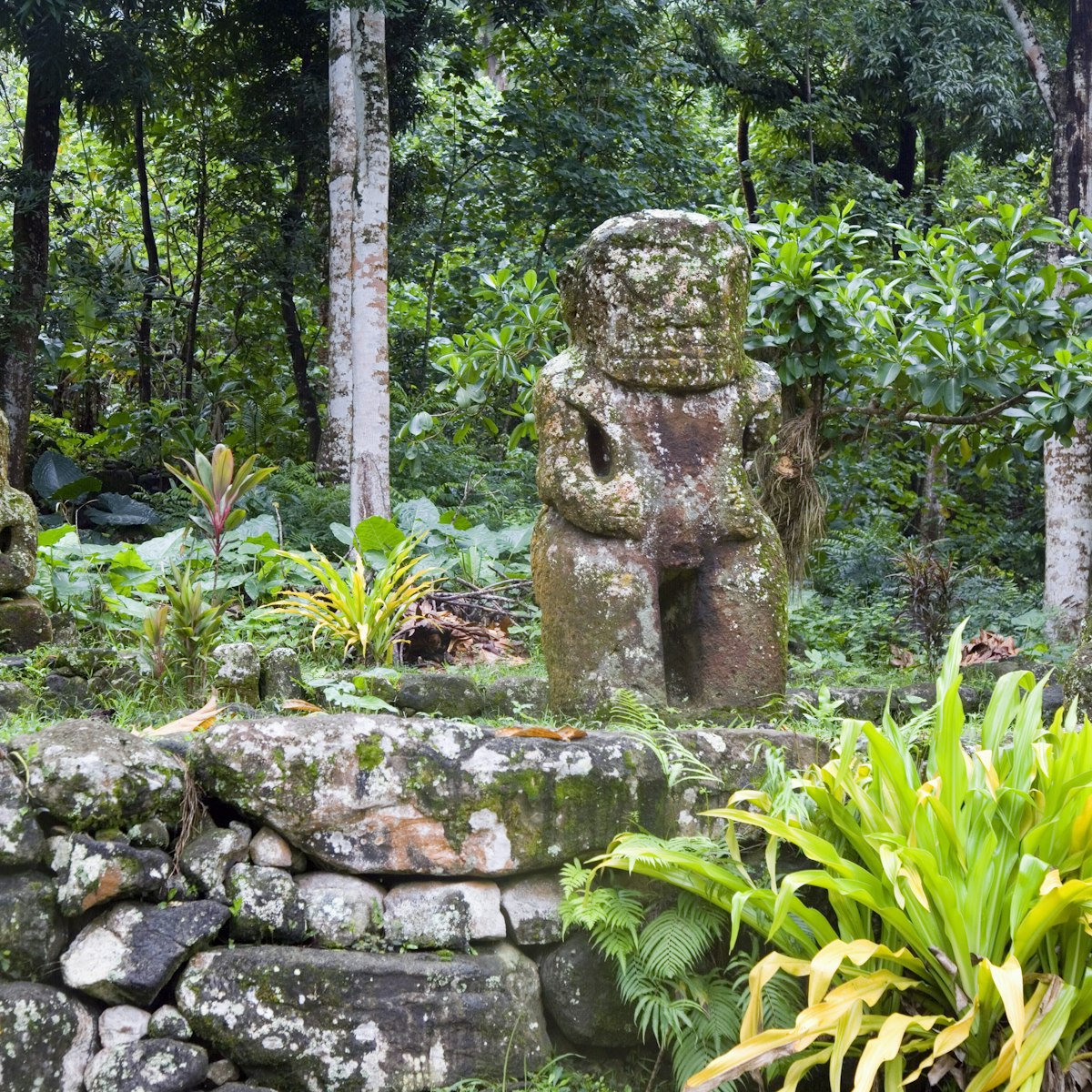
Hiva Oa
Iipona is one of the best-preserved archaeological sites in French Polynesia. You’ll be moved by its eeriness and impressed by the five monumental tiki –…
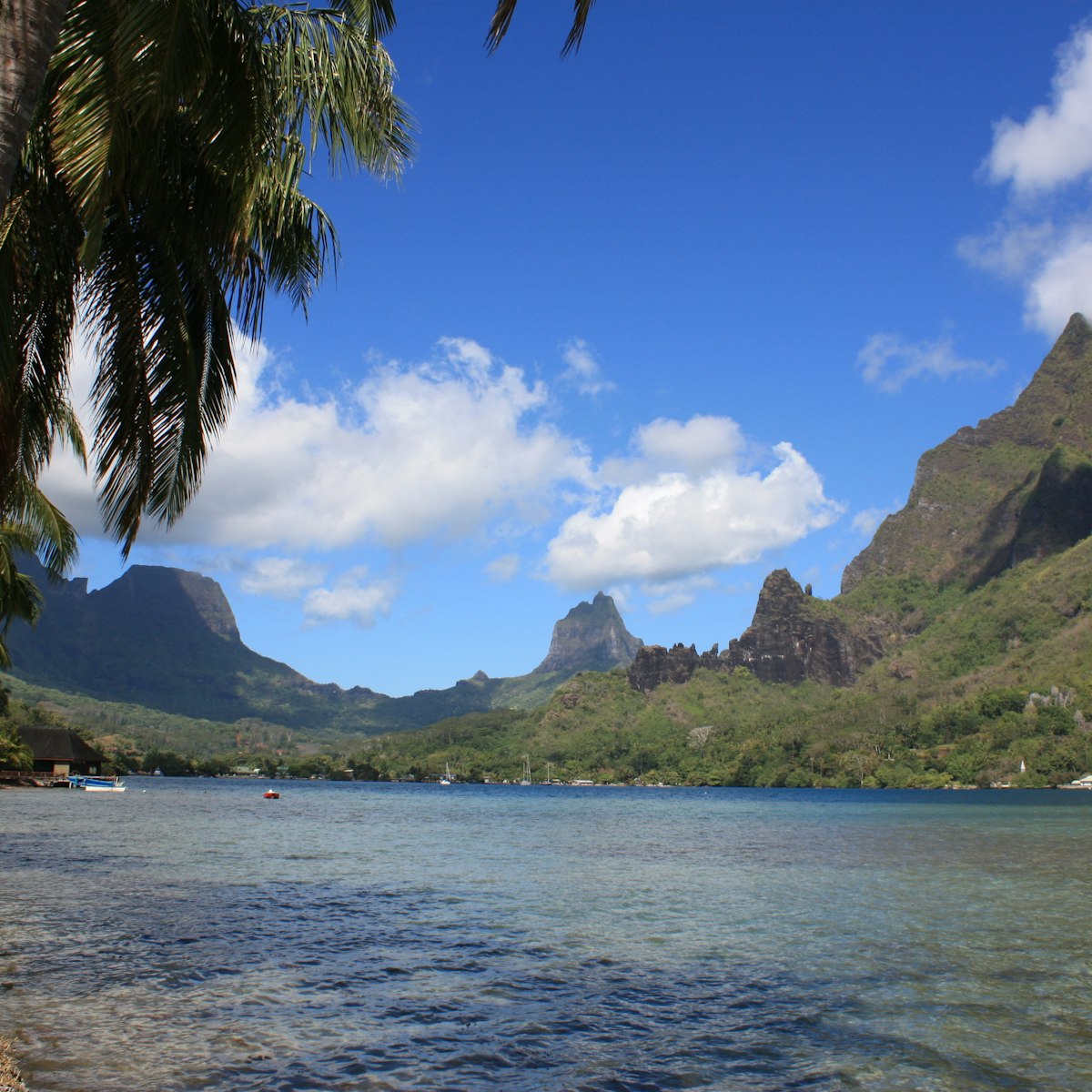
Mo'orea
The spectacular Cook’s Bay is something of a misnomer because Cook actually anchored in Opunohu Bay. With Mt Rotui as a backdrop, Cook’s Bay is a lovely…
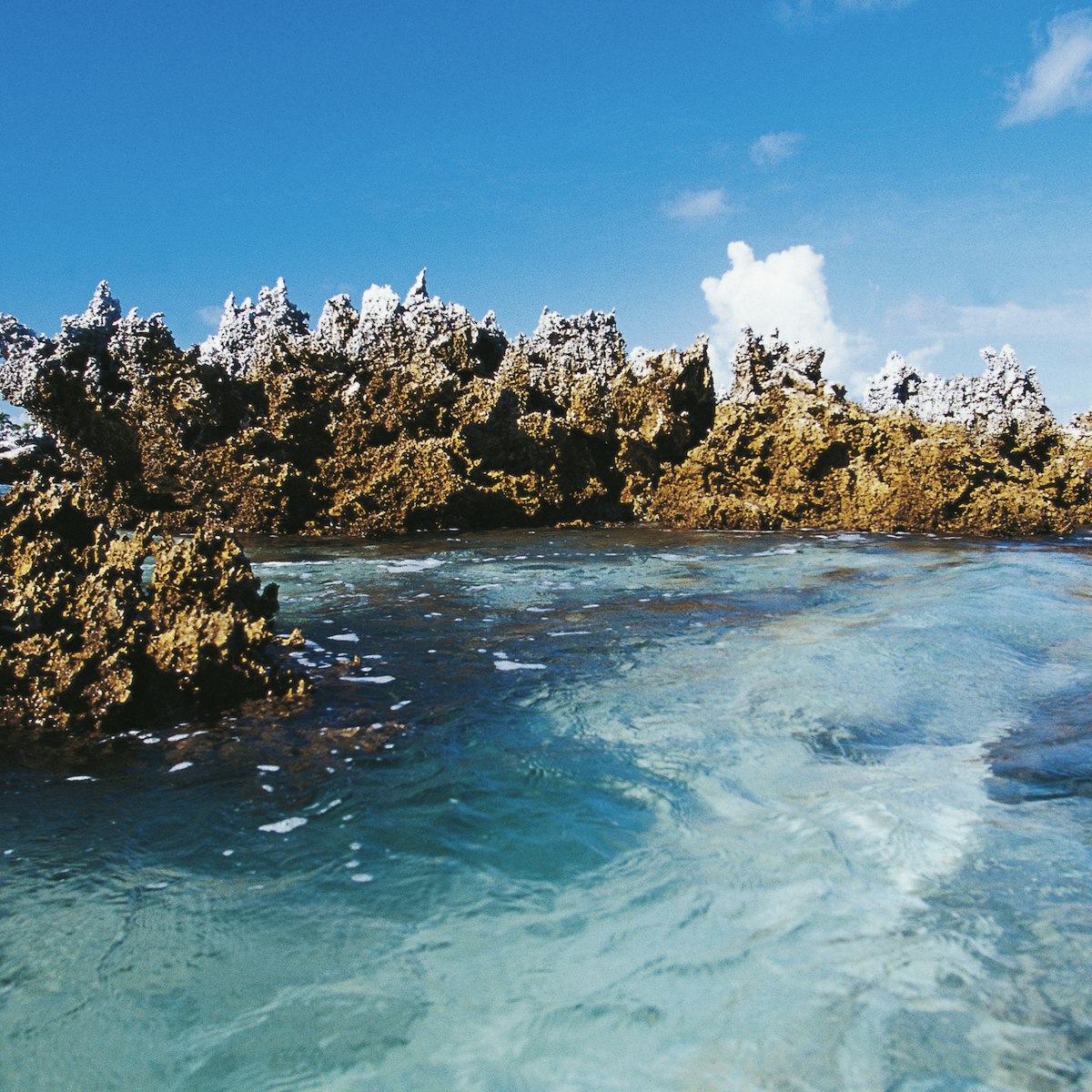
Rangiroa
South of the atoll, an hour by boat from Avatoru, Île aux Récifs is an area dotted with raised feo (coral outcrops), weathered shapes chiselled by erosion…
Rangiroa
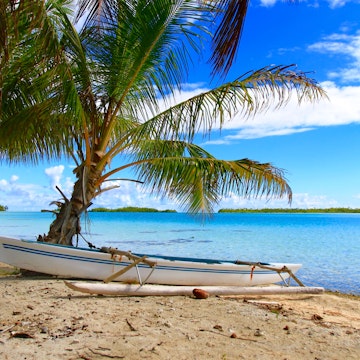
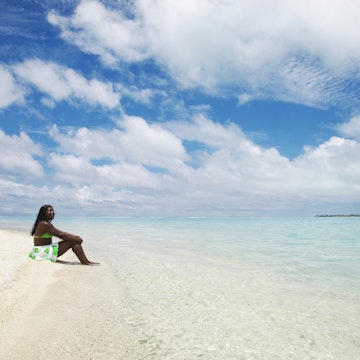
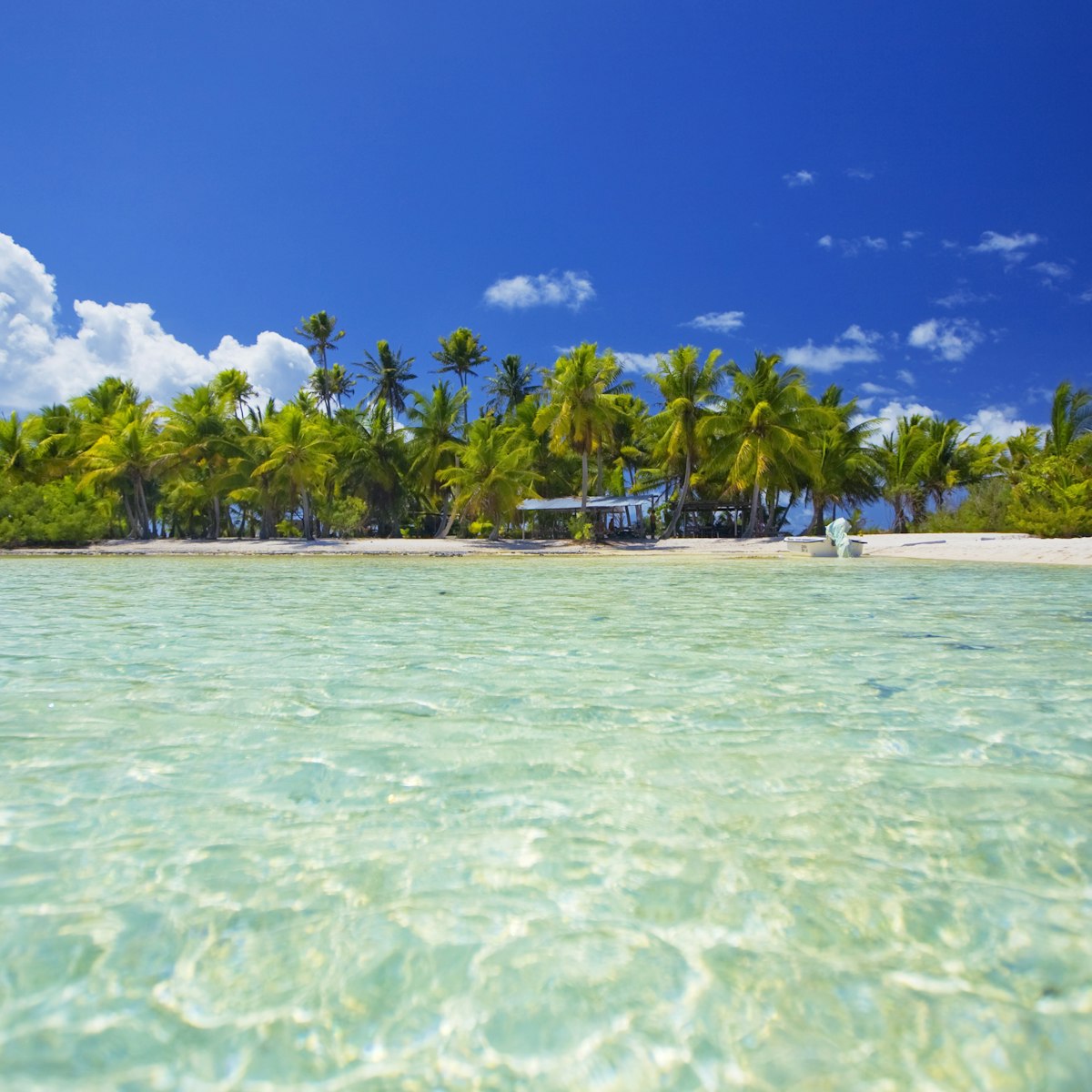
This is what many people visualise when imagining a Polynesian paradise: a string of motu and coral reefs has formed a natural pool on the edge of the…
Fakarava
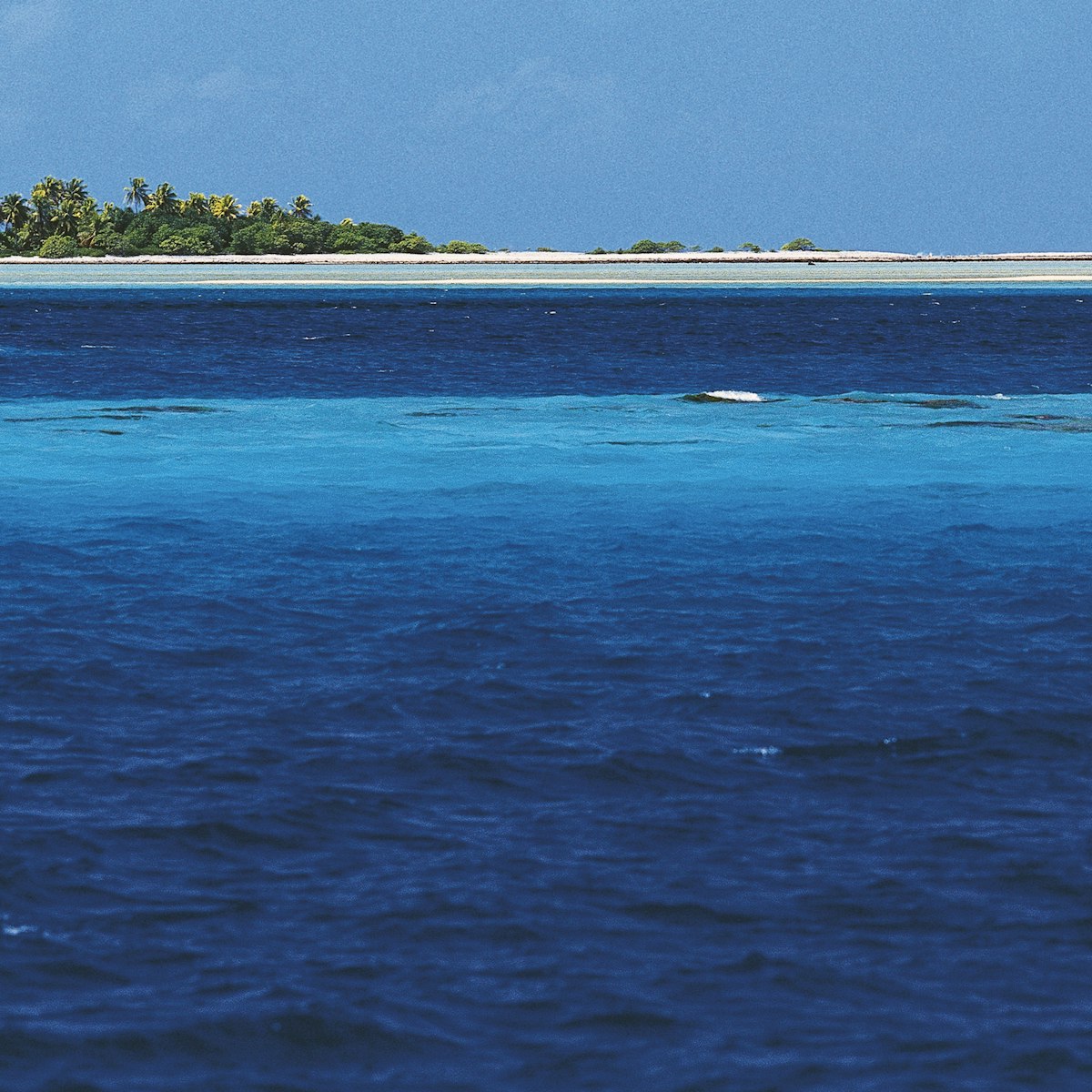
A double crescent of dreamy beaches split by a narrow spit of white-and-pink coral sands, Les Sables Roses seems to come right out of central casting for…
Mo'orea
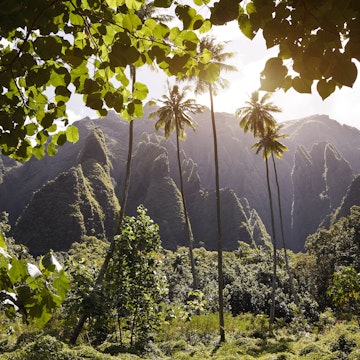
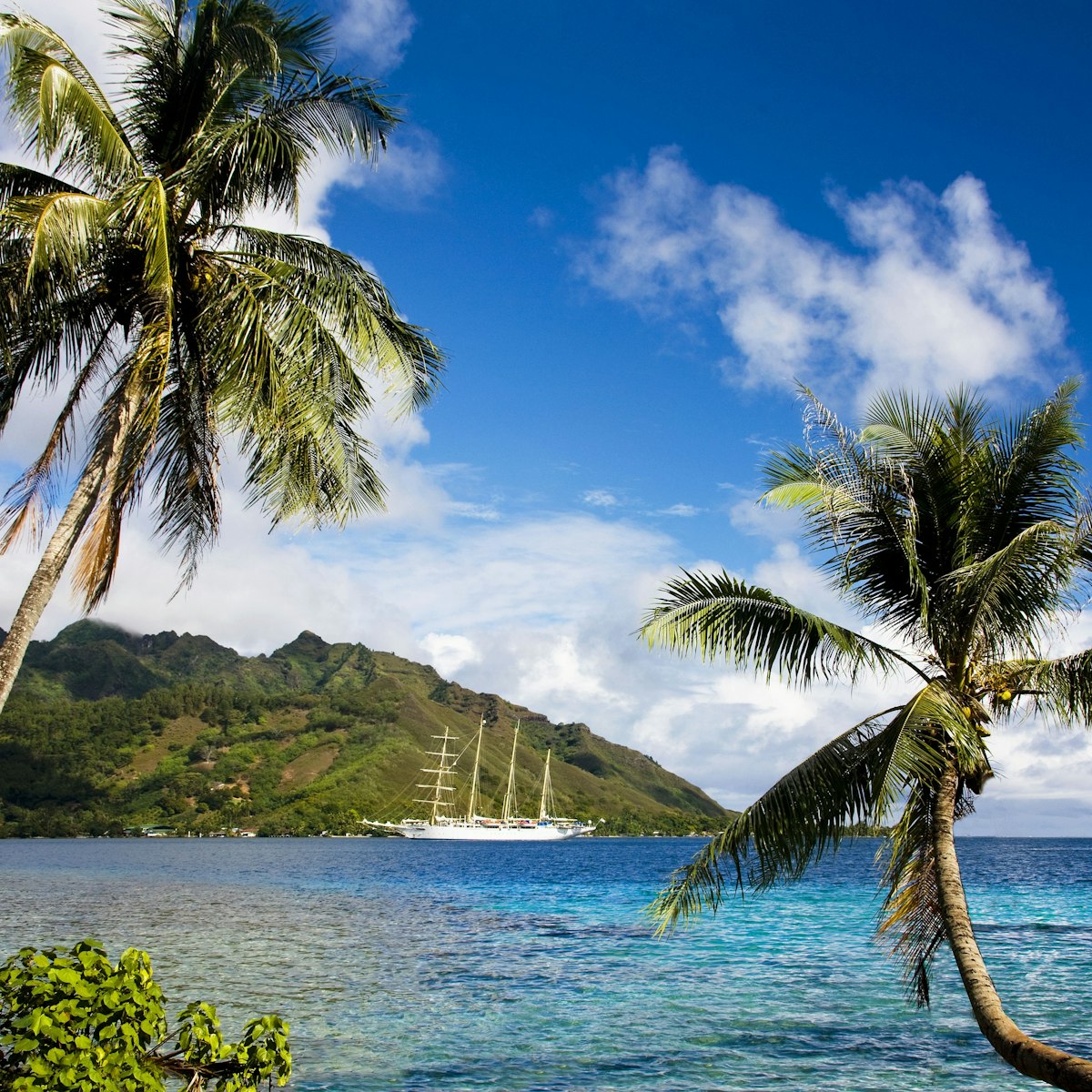
Magnificent Opunohu Bay feels wonderfully fresh and isolated. The coastal road rounds Mt Rotui, and at about PK14 turns inland along the eastern side of…

Nuku Hiva
About 300m towards Taipivai from the Hikokua site, these three connecting sites make up the largest excavated archaeological area of Nuku Hiva. A team led…
Pape'ete
A Pape'ete institution. If you see one site in town, make it this market, which fills an entire city block. Shop for colourful pareu (sarongs), shell…
Articles
Latest stories from French Polynesia
Filter by interest:
Luxury
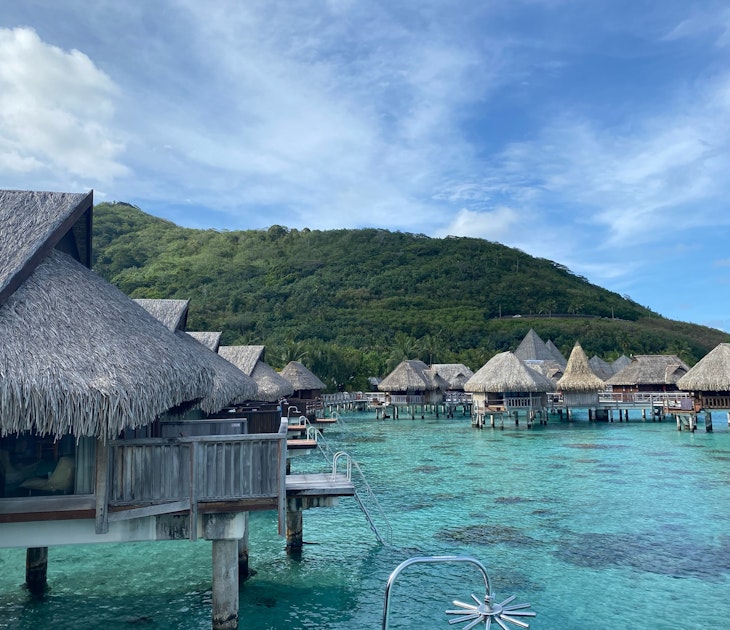
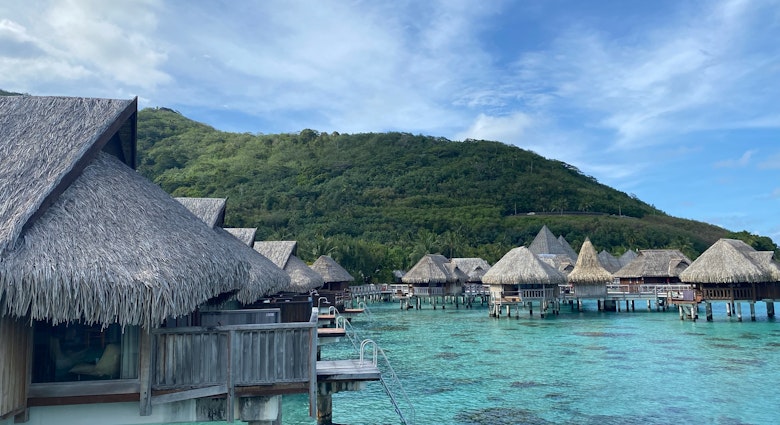
Checking In: Sofitel Kia Ora Mo’orea, kick back and relax in the luxe overwater bungalowsAug 3, 2022 • 10 min read
 COVID-19Going to French Polynesia? Why a visit to Tahiti, Mo'orea or Bora Bora is getting easier
Mar 28, 2022 • 3 min read
 Tips & AdviceThe best places to visit in French Polynesia: pick your perfect paradise
Jan 18, 2022 • 6 min read
 Sustainable Travel"Everyone belongs to the island" – exploring Nuku Hiva, the 'Land of Men'
Nov 30, 2019 • 7 min read

Guidebooks
Purchase our award-winning guidebooks
Get to the heart of French Polynesia with one of our in-depth, award-winning guidebooks, covering maps, itineraries, and expert guidance.