
Advertisement
Barcelona
Founded over 2000 years ago as Roman Barcino, Catalonia’s capital is one of Europe’s most desirable cities – a sunny, Mediterranean-hugging hub that breezily combines its rich cultural traditions with a forward-thinking, environmentally aware attitude. During Barcelona’s medieval Golden Age, great churches and mansions were built across the Ciutat Vella (Old City), shaping today’s Barri Gòtic, La Ribera and El Raval neighbourhoods, where creative tapas and vermouth bars and boundary-pushing galleries now sit between centuries-old walls. Then came the industrial boom, with areas like El Poblenou, Gràcia and Sants taking centre stage, and the creation of an entirely new district, L’Eixample, where Barcelona’s otherworldly Modernista buildings still command attention on almost every street. T oday’s Barcelona remains above all else a fabulous showcase of Catalan culture. All along the seafront, gold-tinged beaches and the shimmering Mediterranean beckon. As darkness falls, the whole city is reimagined, with plazas springing to life and the famous Barcelona night beginning. With tourism now a key part of the local economy, the city is pushing forward ambitious plans to balance the needs of local residents and the tourism industry, from the creation of leafy pedestrian boulevards to sensitive accommodation regulations.

© Johnny Greig/Getty Images
Latest Stories
- Pia Peterson Haggarty|May 19, 2026A long weekend in Barcelona
- Isabella Noble|May 1, 2026Guide to navigating overtourism in Barcelona
- Jamie Ditaranto|Mar 7, 2026The 5 best beaches in Barcelona
- Isabella Noble|Feb 27, 202615 of the best free things to do in Barcelona
Book
Trip 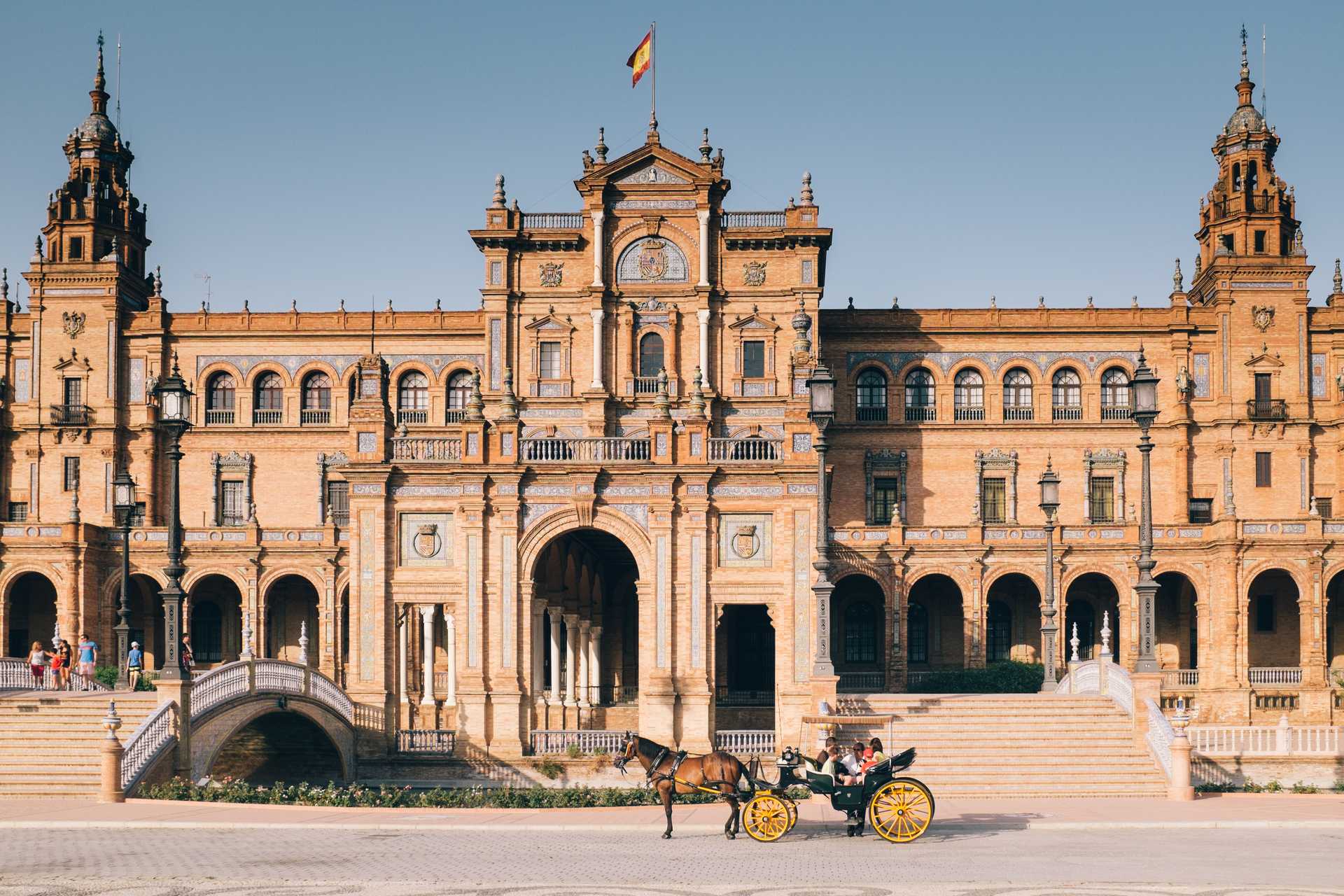
12 days / 11 nights
The Spanish Classics: Barcelona, Madrid, Seville, Granada in 12 days

Trusted Partner
Stay connected in Barcelona
Holafly eSIM provides unlimited mobile data with no hidden fees, giving you peace of mind wherever you travel. Stay connected even after your plan ends with Always On. Use code LONELYPLANET for an exclusive discount.
Take your Spain trip with Lonely Planet Journeys
Pick one of our ready-to-book trips or fully customize your own with help from our local experts.
bookable trip
The Spanish Classics: Barcelona, Madrid, Seville, Granada in 12 days
12 days / 11 nights
highlights
- 1 Visiting Madrid’s famous food markets on a guided, fun, and delicious street food crawl
- 2 Pairing a passionate flamenco performance with a tapas tour for a perfect night out in Seville
- 3 Witnessing the jaw-dropping views of Ronda, Malaga’s crown jewel, on a dazzling day trip
from $4,700
per person


Explore more trips
Explore more trips
-
 Spain
Spain11 days / 10 nights
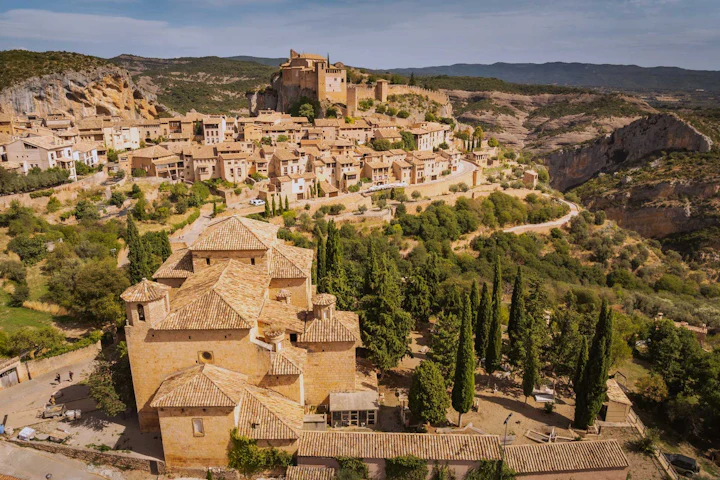
Spain: Spotlights of Northern Spain: Catalonia to Basque Country in 11 Days
See Trip DetailsFROM $5,900
per person
Spain
11 days / 10 nights
Spain: Spotlights of Northern Spain: Catalonia to Basque Country in 11 Days
FROM $5,900
per person
Top places to visit in Barcelona
Discover the best attractions in Barcelona from must-see sights to unexpected hidden gems.
-
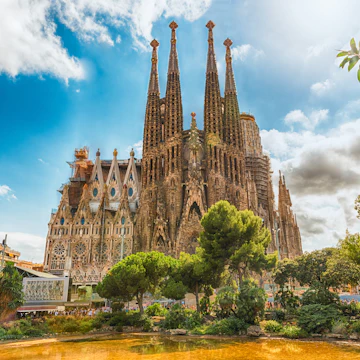 Attraction in L'EixampleLa Sagrada Família
 -
 Attraction in BarcelonaPark Güell
 -
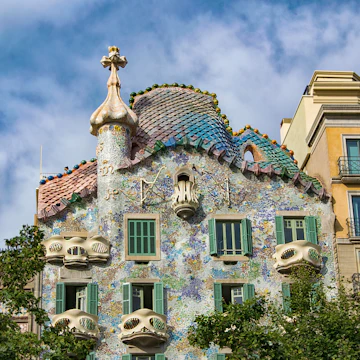 Attraction in L'EixampleCasa Batlló
 -
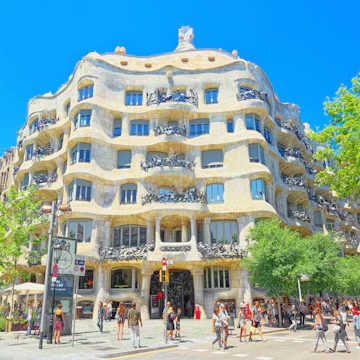 Attraction in L'EixampleLa Pedrera
 -
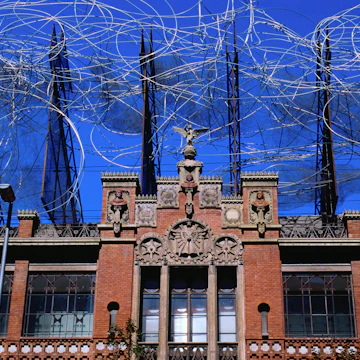 Attraction in L'EixampleFundació Antoni Tàpies
 -
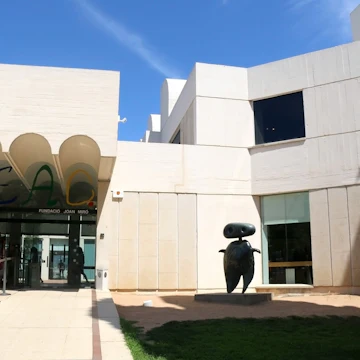 Attraction in BarcelonaFundació Joan Miró
 -
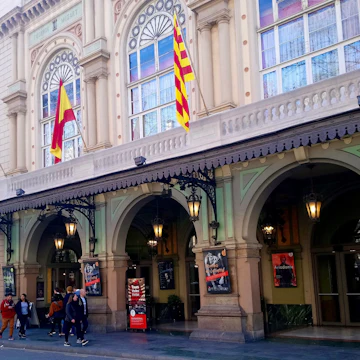 Attraction in La Rambla & Barri GòticGran Teatre del Liceu
 -
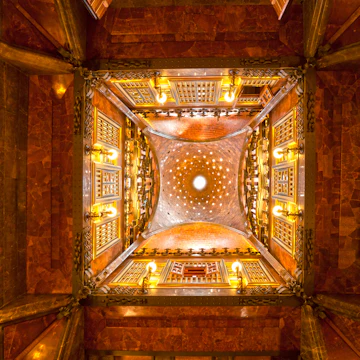 Attraction in El RavalPalau Güell
Advertisement
Travel Guides
Barcelona travel tips from Lonely Planet experts
Find practical guidance from our team of contributors around the world who bring their decades of first-hand travel experience to your next trip.
Best Things to Do
Barcelona is known for its architecture, nightlife and beaches. Here's what not to miss.
Read full article
Best Time to Visit
Plan your visit to Barcelona in Spain with this seasonal guide to events, weather and crowds.
Read full article
Things to Know
From the best ways to avoid the crowds to keeping yourself safe, this is what you need to know before visiting Barcelona.
Read full article
Transportation
With its compact size and developed public transport, Barcelona is a pretty easy city to get around. Here's everything you need to know.
Read full article
Free Things to Do
Barcelona has a wealth of temptations, but much of what makes the city magical is free: walkable neighborhoods, glowing beaches and lively parks.
Read full article
Best Neighborhoods
Shop delicious market fare, vintage finds, best-selling books and much more at these five independent retailers, which you’ll find only in Barcelona.
Read full article
Day Trips
Barcelona isn't the only gem in Catalonia. Take a break from the bustling city on one of our five favorite day trips.
Read full article
Money and Costs
Packed with attractions, a visit to Barcelona can quickly smash even the most generous of budgets. Here's how to stretch your cents and have a great time.
Read full article
Traveling with Kids
From teen-oriented exhibitions to playgrounds next to tapas bars in star-lit plazas, Barcelona is a place where culture and children happily collide.
Read full article
5 Shops
Shop delicious market fare, vintage finds, best-selling books and much more at these five independent retailers, which you’ll find only in Barcelona.
Read full article
Spending Diaries
A jam-packed weekend in Barcelona for about €350 per person.
Read full article
Advertisement
Get a book. Get inspired. Get exploring.


in partnership with getyourguide
Book popular activities in Barcelona
Barcelona and beyond
-
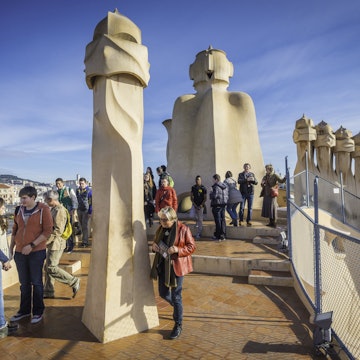 destinationL'Eixample
 -
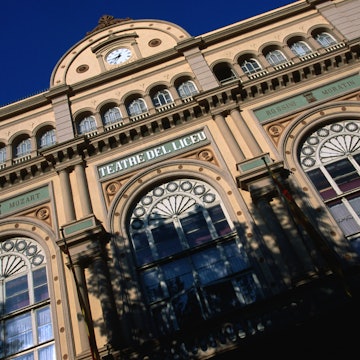 destinationLa Rambla & Barri Gòtic
 -
 destinationEl Raval
Advertisement