Feb 7, 20268 min read
Ultimate weekend in Cape TownJun 18, 2025
10 MIN READ

Writer
Writer
Cape Town has a long-standing reputation for outdoor activities, thanks to its chain of mountains overlooking an equally beautiful string of beaches. Over the past decade or two, this city at the tip of Africa has added gastronomy and culture to the list of its best things to do.
Having weathered many changes, the Rainbow Nation's richly historical city has only gotten more dynamic of late, with new attractions joining staples such as the Table Mountain cable car. It’s now a place where you can begin the morning on a mountainside hiking trail, enjoy a seafront breakfast, spend the day touring vineyards or museums and dress up for an evening of cocktails and gourmet cuisine.
In a city where mountaintop wilderness lies within easy reach of contemporary urban Africa, every day brings a new adventure. These are the top things to do in Cape Town.
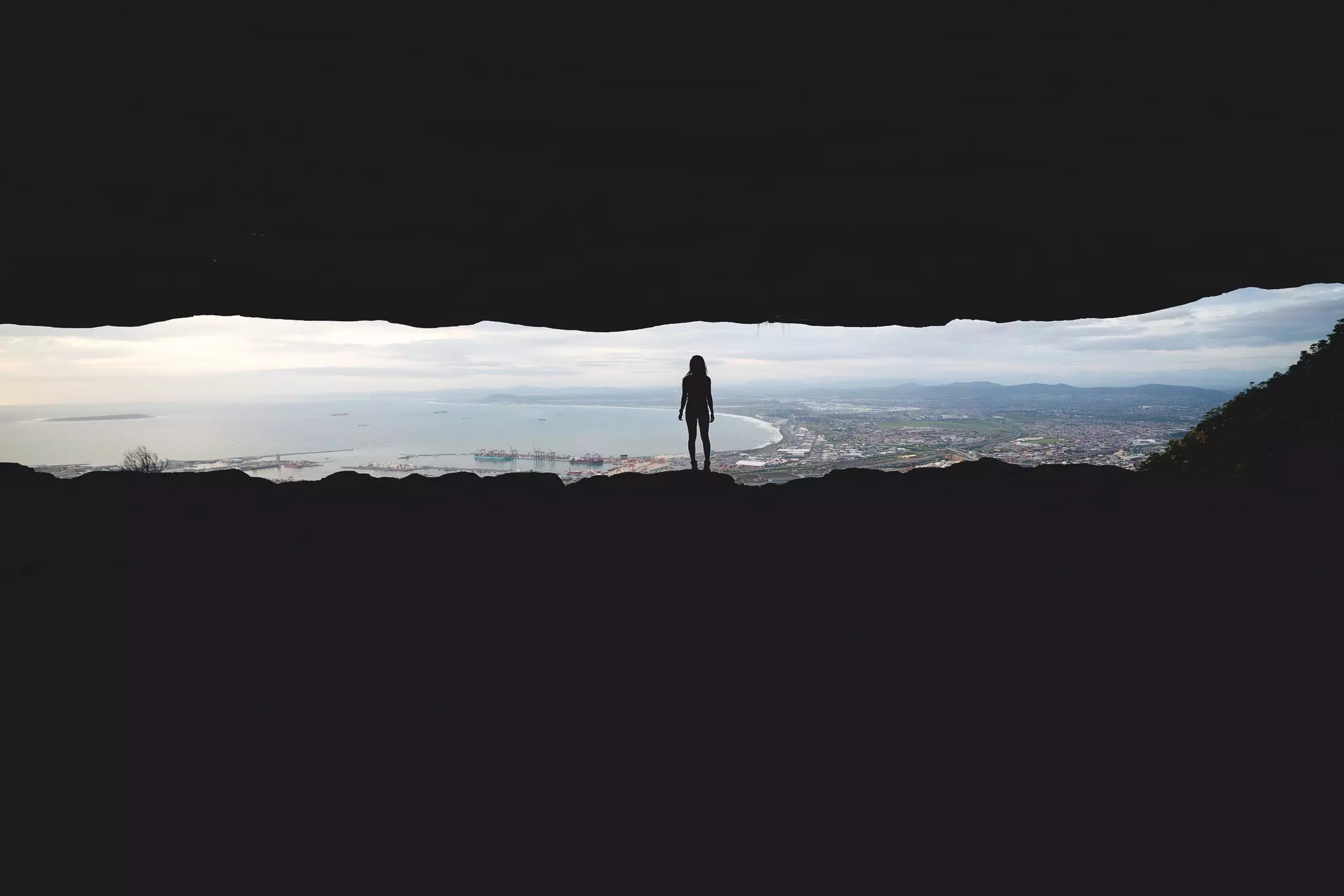
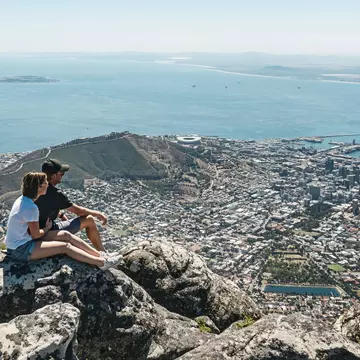
The nomadic Khoe-San people who once lived on the slopes of Cape Town’s landmark 1085m-high (3560ft) flattop called it Hoerikwaggo: "mountain in the sea." And it’s hard to argue with the bygone hunter-gatherers’ description of this rocky massif in the middle of Cape Town, its peaks running down the Cape Peninsula from the mountain’s iconic front face to Cape Point, bounded by the Atlantic coast and Table Bay.
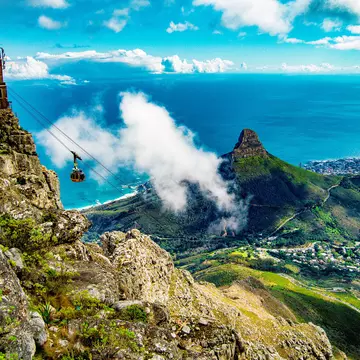
Reaching the top, whether by the revolving cable car, a hiking trail or a mix of both, is a rite of passage for locals and travelers alike. The Kasteelpoort and Skeleton Gorge hiking trails climb from Camps Bay and Kirstenbosch National Botanical Garden respectively, but the most popular route is Platteklip Gorge, which plows up the front face. Once on the plateau, follow well-marked trails between viewpoints to the mountain’s highest point, Maclear’s Beacon.
Planning tip: If you’re catching the Table Mountain Aerial Cableway to the summit, shorten the queue by buying your ticket online, at least one day before you ride. The cable car closes in windy conditions, but tickets are valid for seven days.
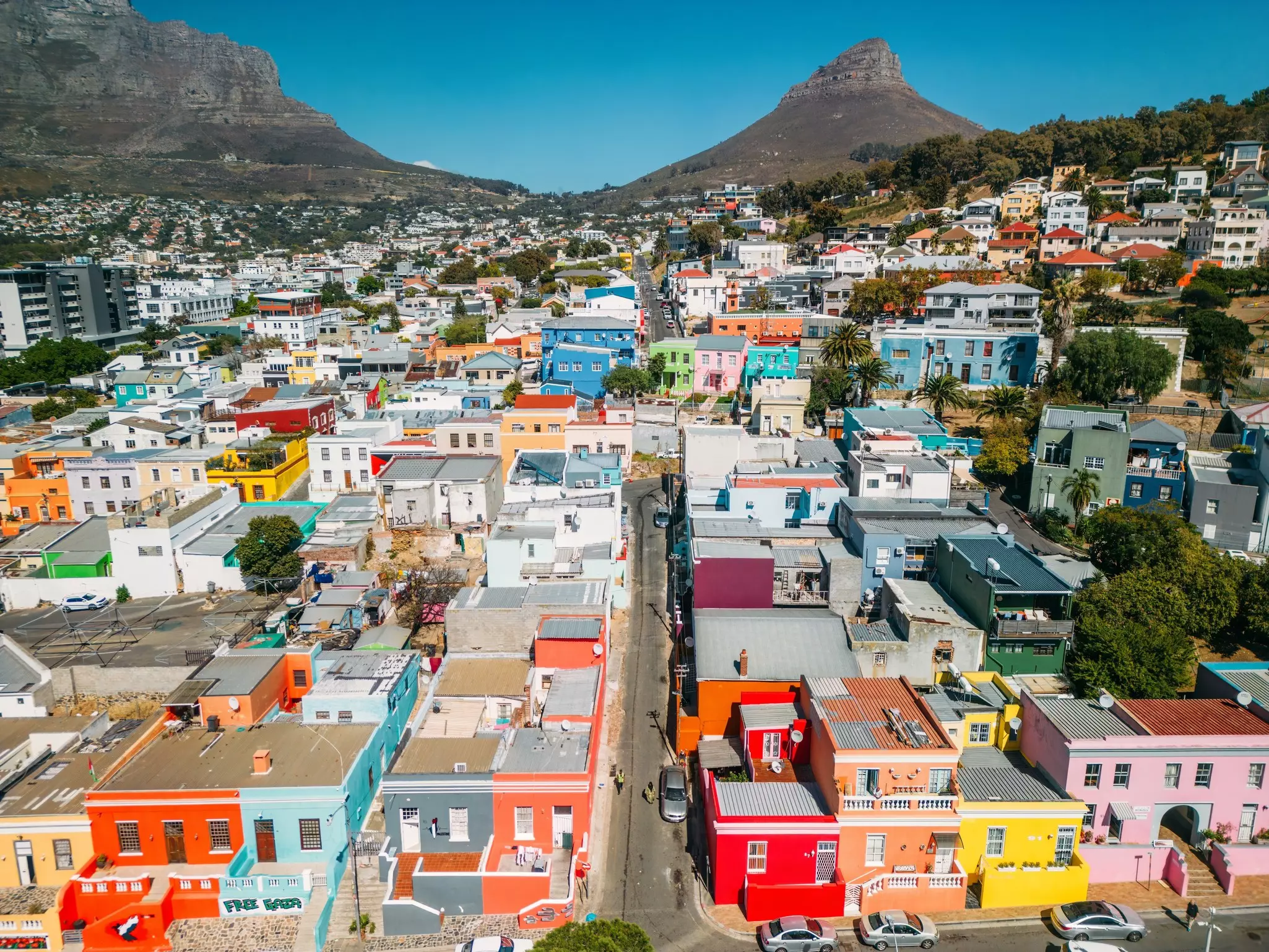
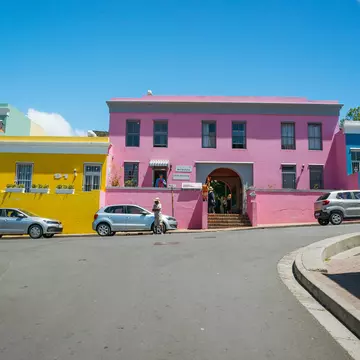
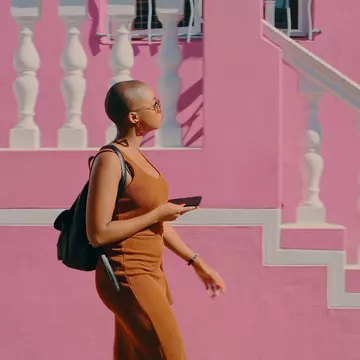
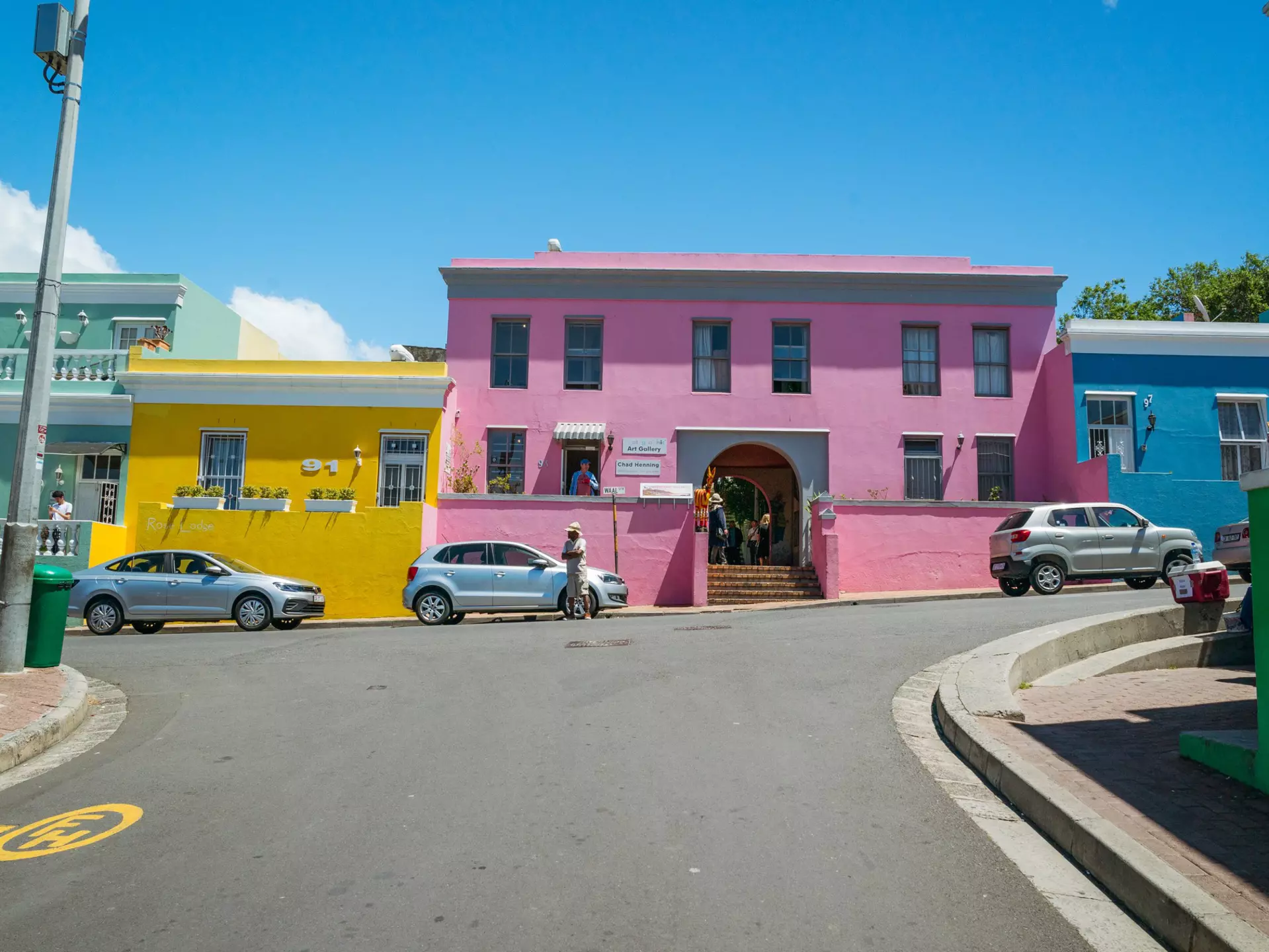
Cape Town’s long history goes back to the Khoe-San, via the city’s foundation in 1652 by the Dutch East India Company (VOC) as a refreshment station for its vessels. In the historical center of South Africa’s Mother City, the Bo-Kaap neighborhood on the slopes of Signal Hill gives a strong sense of this heritage, with its minarets peeking above vividly colored terraced houses.
The area is the traditional home of Cape Malay culture and cuisine, which were developed by the descendants of enslaved people and Islamic dissidents who arrived from Dutch colonies in southeast Asia. Learn to make mild curries and tomato-and-onion sambal, and to roll rotis and wrap samoosas, in a Bo-Kaap kitchen on a Cape Malay cooking "safari."
Alternatively, just wander the hillside lanes of this photogenic district, and don’t miss trying a coconut-sprinkled koe’sister doughnut or bobotie (curried mince with raisins, beneath a dairy crust).
Planning tip: Cultural tour companies such as Coffeebeans Routes and Cooking with Love offer Cape Malay cooking experiences.

One of the first things the Dutch East India Company did after landing at Table Bay was to start making wine, recognising that the Cape’s Mediterranean climate was perfect for growing vines – and creating the oldest wine industry outside Europe. Today, touring the grand Cape Dutch estates and mountainside vineyards of Stellenbosch and Franschhoek is a popular day trip, offered by innumerable guides-come-designated drivers.
We recommend pairing quaffing with a taste of the Cape Winelands’ glorious culture, history and cuisine. Enjoy a gourmet picnic on an estate, such as Warwick or Spier; follow a trail through the fynbos and succulents of the Dylan Lewis Sculpture Garden, check out the Franschhoek Motor Museum and art-filled Rupert Museum or board the Franschhoek Wine Tram.
Separated by the beautiful Hellshoogte pass, Stellenbosch and Franschhoek themselves are appealing spots for a browse – a vibrant student town of oak-lined avenues and a chic center of gastronomy, respectively.
Local tip: If you can’t make it to the Cape Winelands proper, Cape Town’s leafy southern suburb of Constantia offers a similar experience in miniature. Stately Groot Constantia is the cradle of local winemaking history and produced the sweet wine Napoleon sipped on his deathbed, while Constantia Glen and Eagles' Nest are relaxing lunch options.
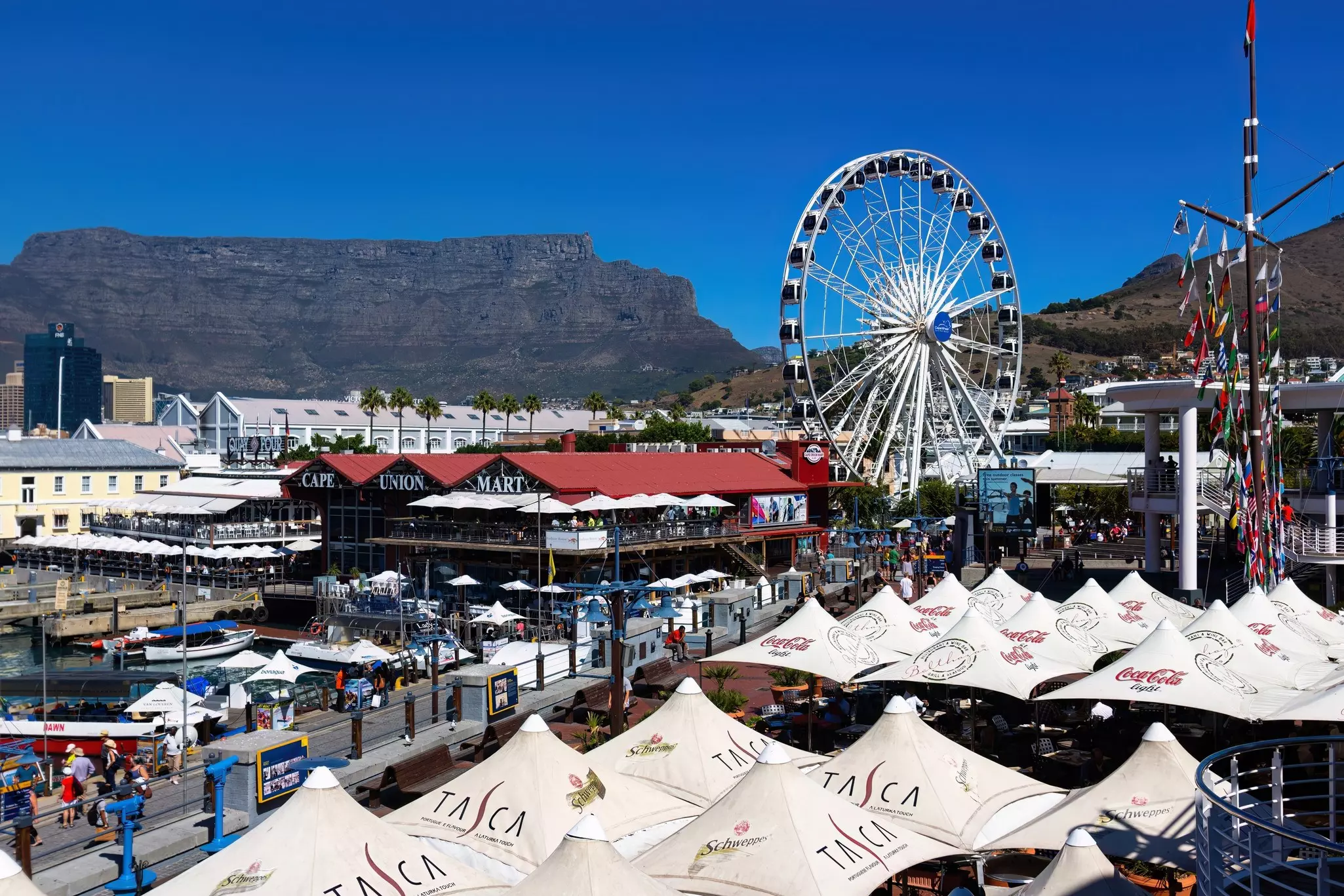
Buskers play steel drums as tourists drift between shops, restaurants, bars, cinemas and museums – this harborside area is like the beginning of a chase sequence in a Bond film. Whether you come for the Two Oceans Aquarium, a harbor cruise, the Watershed craft market or a sunny afternoon of sushi, chardonnay and people watching, this nautical pleasure garden is unmissable.
Look out for the pedestrian swing bridge, which opens for vessels to pass between the 19th-century Victoria and Alfred Basins, and Nobel Square’s statues of Nelson Mandela and other South African Nobel Prize winners.
Detour: The area’s eastern extension has developed since the opening of the Zeitz MOCAA (Museum of Contemporary Art Africa) in a reimagined grain silo in 2017. At the cruise terminal, graze on local products from koe’sisters to craft beer at the Makers Landing South African food market.

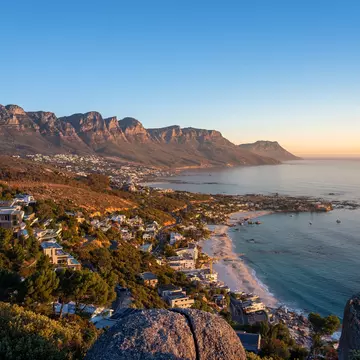
The drive down the western side of the Cape Peninsula is one of the world’s most beautiful coastal road trips, squeezing between Table Mountain and Lion’s Head on the Kloof Nek pass to the peaks of the Twelve Apostles and the chichi beach suburb of Camps Bay. After the Republic of Hout Bay – as the rebellious harborside community proclaimed itself during the dark days of apartheid – Chapman’s Peak Drive takes cars on a cliff-side roller-coaster ride above the crashing waves.
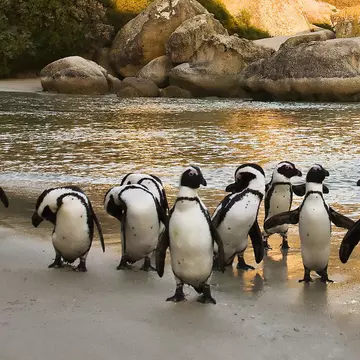
You emerge to views across a bucolic plain, dotted with stables, lagoons and a chalk-white beach leading the eye to a lighthouse; welcome to the Lentil Curtain, as the alternatively minded suburbs of Noordhoek and Kommetjie are nicknamed. On the peninsula’s False Bay coast are the historical seaside suburbs of Simon’s Town, home to the South African Navy and lovable African penguins at Boulders Beach, and Muizenberg, a former holiday resort where Agatha Christie learned to surf.
Local tip: There are lots of cafes and restaurants en route, but we recommend a burger and a craft beer at Aegir Project Taproom in Noordhoek or a flat white at Olympia Cafe in arty Kalk Bay. Alternatively, forage your lunch from the rocks with Veld & Sea.

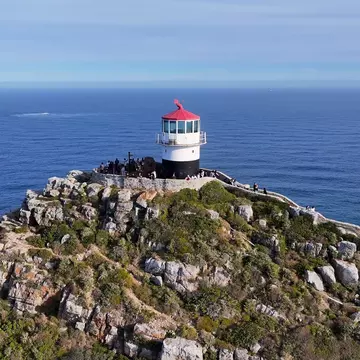
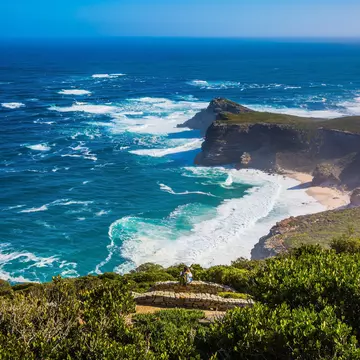
At the end of the peninsula, Cape Point Nature Reserve isn’t Africa’s southernmost point – that’s Cape Agulhas, some 200km (125 miles) southeast – but it does roughly mark the meeting of the balmy Agulhas Current from Mozambique and the frigid Agulhas Current from the South Atlantic.
Known as Cape of Storms or the Cape of Good Hope by mariners en route to India, the windblown promontory makes for a blustery day out, with beaches, shipwrecks, hiking trails and a lighthouse above the ragged rocks.
Planning tip: At more than an hour’s drive from central Cape Town, visiting the reserve can turn a peninsula jaunt into a long day out.

Kirstenbosch is one of the world’s greatest botanical displays, a showcase of the Unesco-protected Cape Floral Region on the landward slopes of Table Mountain.
Even if the closest you normally get to gardening is an outside table at the Dog & Duck, you’ll love this biodiverse kingdom of forests, glades and lawns, riven with peaty streams and flowerbeds of proteas. Highlights include the valley of cycads, the wild almond tree and the "Boomslang" canopy walkway, which snakes through the treetops of the arboretum.
Planning tip: Try to coincide your visit with one of the sunset concerts that entertain picnicking Capetonians on summer Sundays. Local musician Jeremy Loops always puts on a good show.

With all those mountains and beaches, hiking in Cape Town is about much more than scaling Table Mountain. Join local dog walkers and trailrunners on the Pipe Track, which follows the contour between the Twelve Apostles and the splendid curve of Camps Bay Beach.
Also starting from Kloof Nek, Kloof Corner is a relatively gentle climb of Table Mountain that connects to a trail along the front face to the lower cable car station and Platteklip Gorge. And no Capetonian millennial’s year would be complete without once joining the chain of head torches that snakes up Lion’s Head at full moon.
Detour: Head south to Silvermine Nature Reserve on the mountaintop between Tokai and Noordhoek. A wonderful circuit follows the ridge above the fynbos-stained dam, which offers picnic spots and a cool balm to sore feet after a long hike.
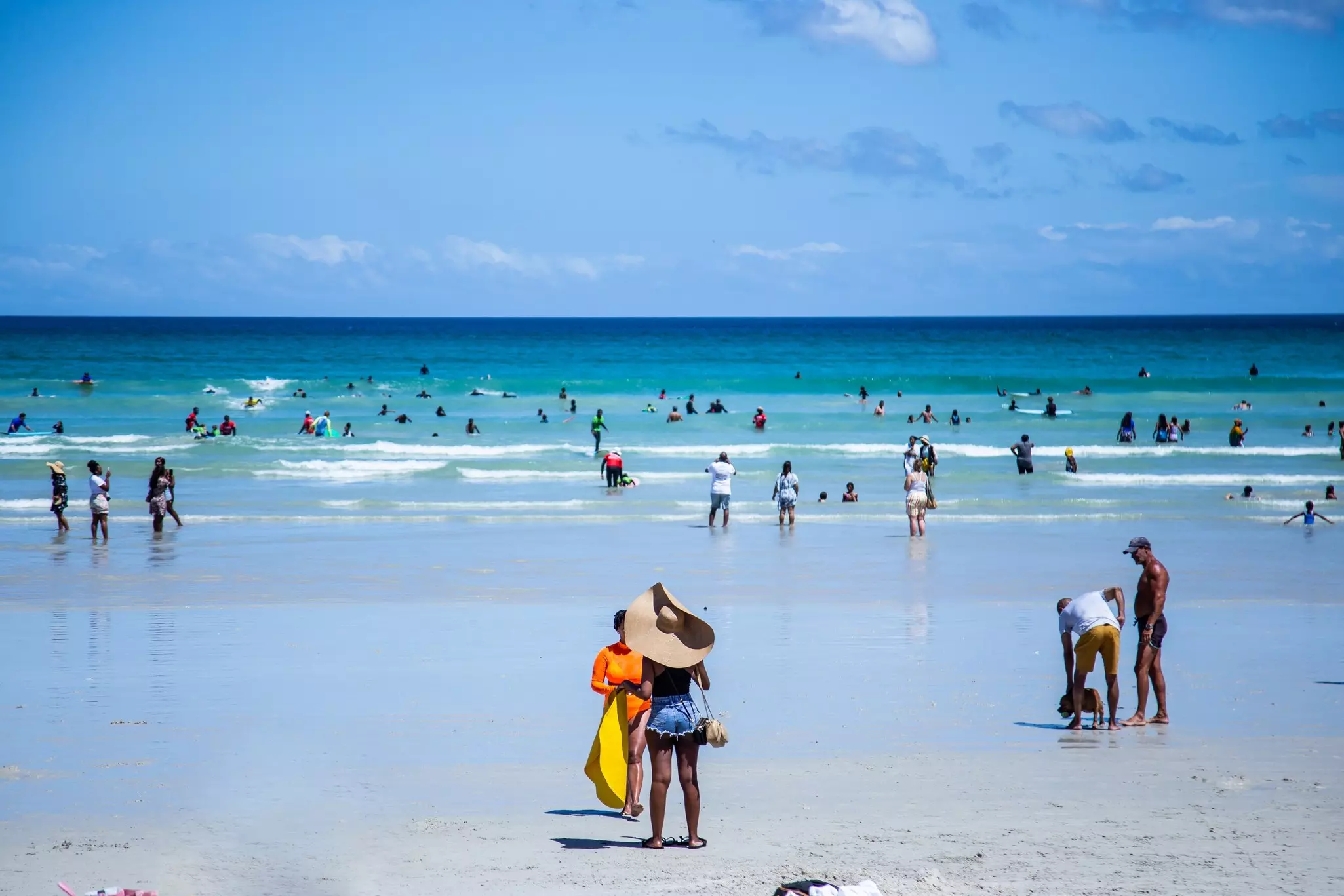
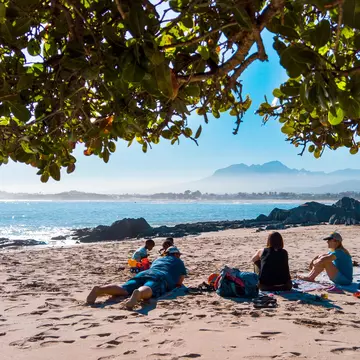
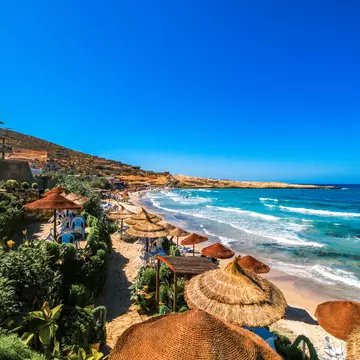
The Atlantic and False Bay coastlines offer a beach for every taste, whether it’s for kitesurfing with an unbeatable Table Mountain view at northern Bloubergstrand, surfing at Muizenberg or sunbathing with the beautiful people at Clifton. There’s even a nudist beach, Sandy Bay, and stretches of sand at Boulders Beach where you can swim with African penguins.
Due to their relatively sheltered location near the populous Cape Flats, False Bay beaches can be busy, especially around public holidays. There’s often more space at an Atlantic alternative, such as Long Beach, which has a showstopping view of Chapman’s Peak and Hout Bay.
Local tip: If you just want a seafront constitutional, head to Sea Point Promenade to stroll alongside Capetonians from all walks of life.

True to its port-town past, Cape Town is a fun place for a night out, with a myriad of historical pubs, backpacker hangouts, cocktail bars, ginhouses, microbreweries and hookah lounges. Kloof and Bree Streets have taken over from Long Street as strips for a safe and enjoyable evening of exchanging Afrikaans toasts with the locals; just beware of their penchant for shots.
Begin with a sundowner with a view at one of Cape Town’s many rooftop bars, then experience Cape gastronomy in acclaimed chef Liam Tomlin's newly revamped Chefs Warehouse and Canteen on Bree Street. In the heart of Kloof, chef Jesper Nilsson’s ëlgr serves exquisitely presented Scandinavian small plates and experimental cocktails, right next to prime watering hole Yours Truly.
Detour: Head east to bohemian Woodstock, where British celeb chef Luke Dale Roberts’ the Test Kitchen Fledgelings restaurant is an upliftment project that gives opportunities to African protégés. It’s at the Old Biscuit Mill complex, a renovated cookie factory, along with sister restaurant the Pot Luck Club.
Explore related stories