Moscow
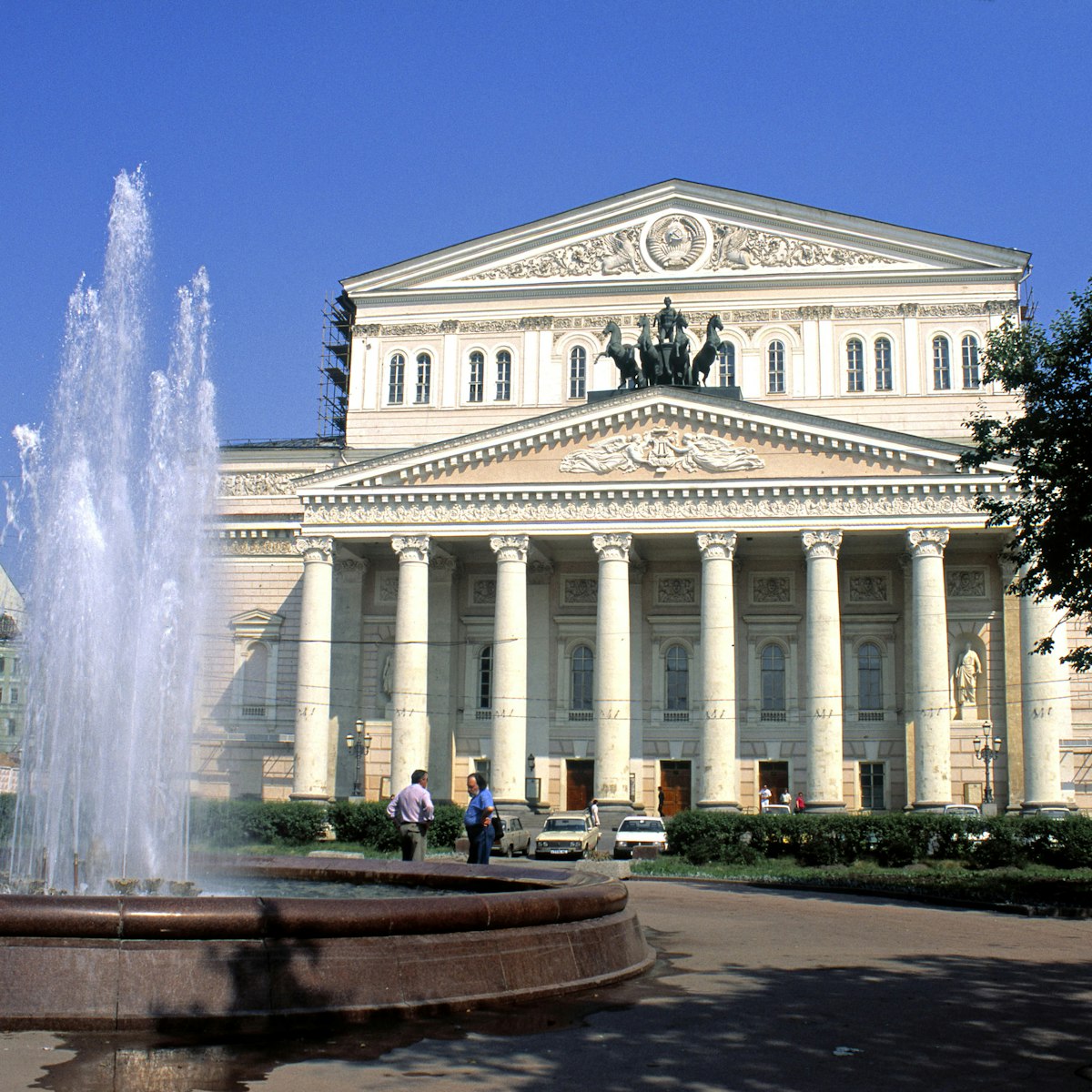
An evening at the Bolshoi is still one of Moscow’s most romantic and entertaining options for a night on the town. The glittering six-tier auditorium has…
Moscow
An evening at the Bolshoi is still one of Moscow’s most romantic and entertaining options for a night on the town. The glittering six-tier auditorium has…
Moscow
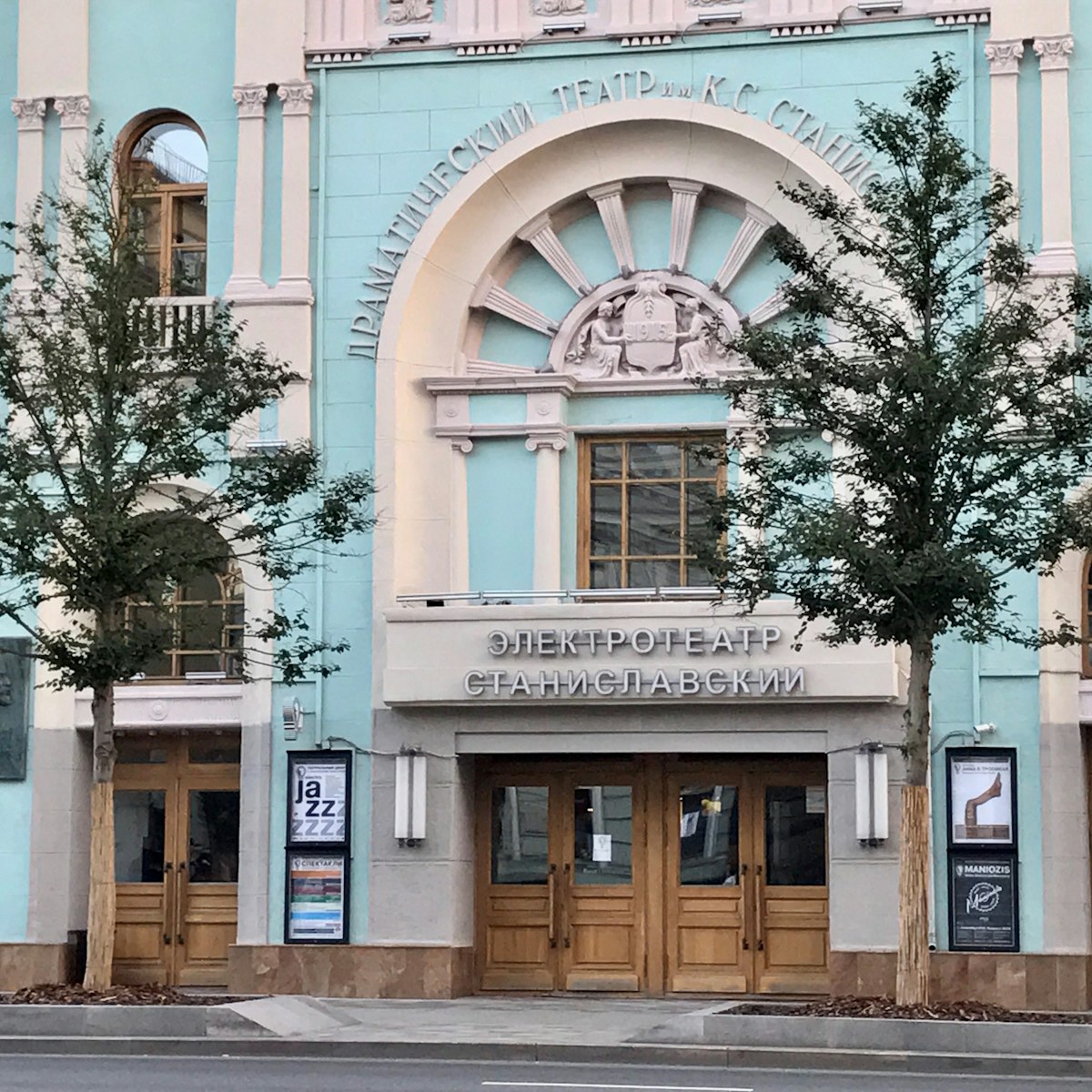
Renowned performance artist Boris Yukhananov has revived this old theatre as Moscow's hottest venue for experimental performance and visual art. Dance,…

Meshchansky & Basmanny
One of the most talked-about theatres in Moscow is under constant political pressure due to the nonconformist position of its director Kirill…
Arbat & Khamovniki
This giant stadium (home to football club FC Torpedo) is the capital's largest, seating nearly 81,000 people. The stadium is part of the Luzhniki Olympic…
Moscow Tchaikovsky Conservatory
Presnya
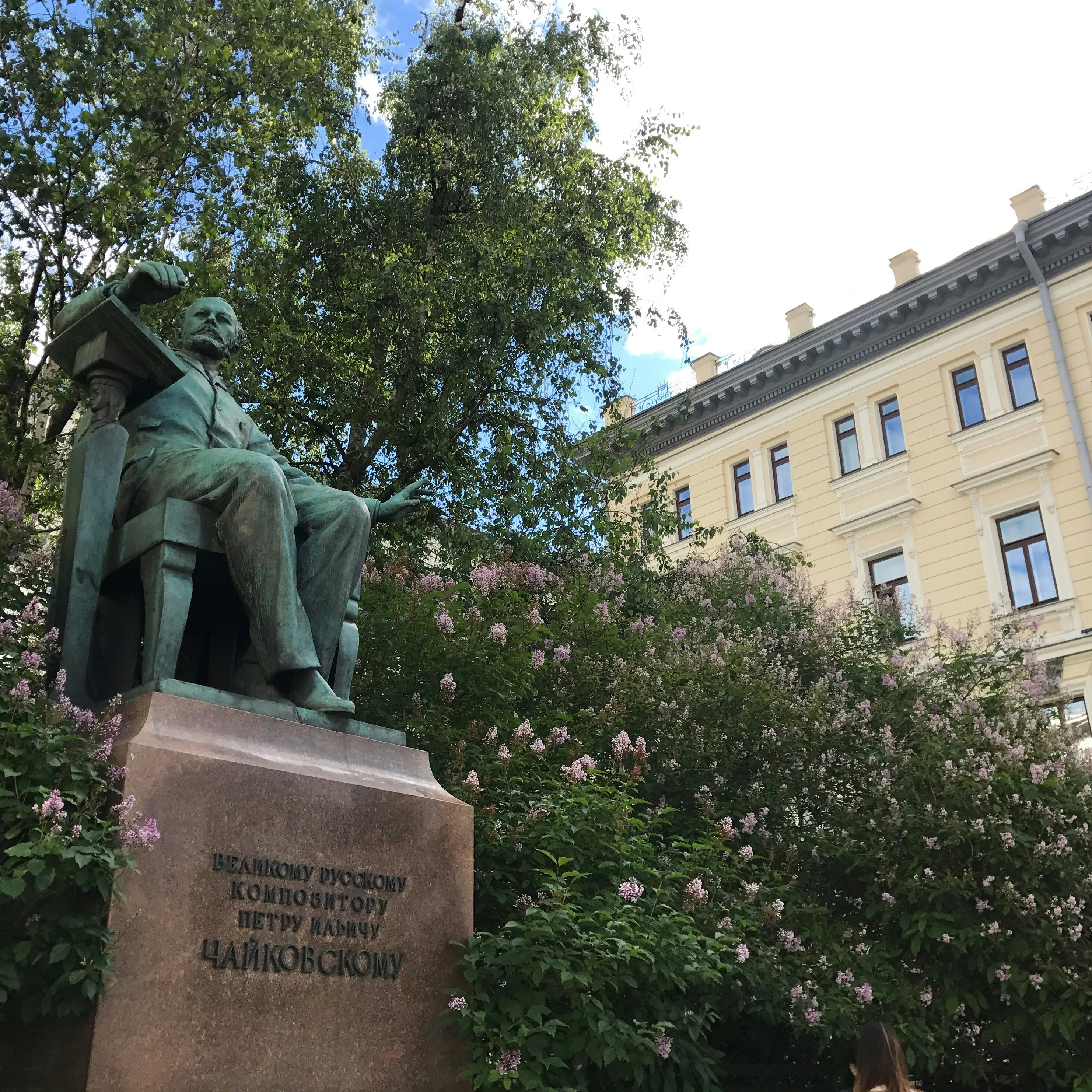
The country’s largest music school, named for Tchaikovsky of course, has two venues, both of which host concerts, recitals and competitions. The Great…
Presnya
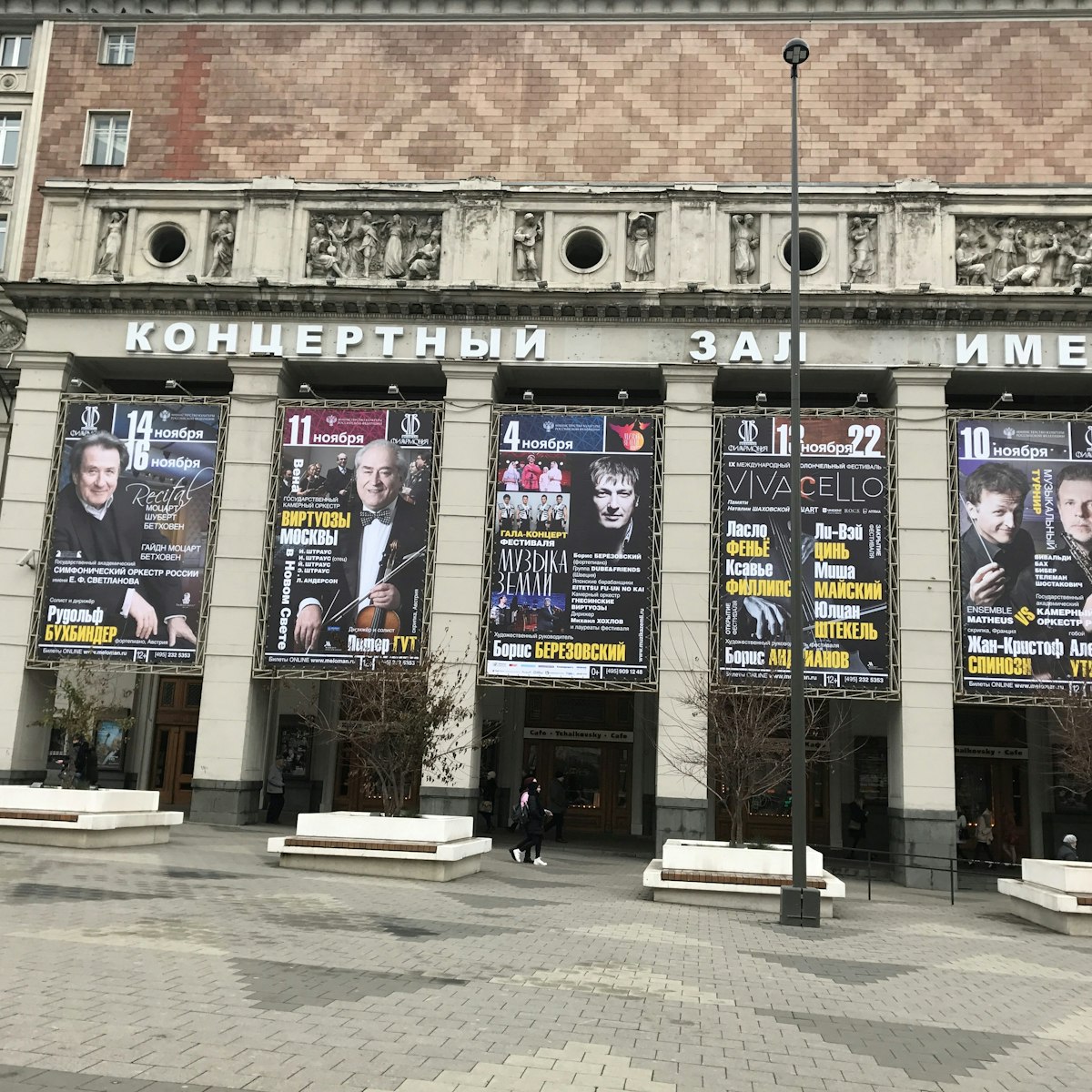
Established in 1921, the Tchaikovsky Concert Hall is the main venue for the country's best orchestras and stellar international acts. It’s a huge…
Moscow
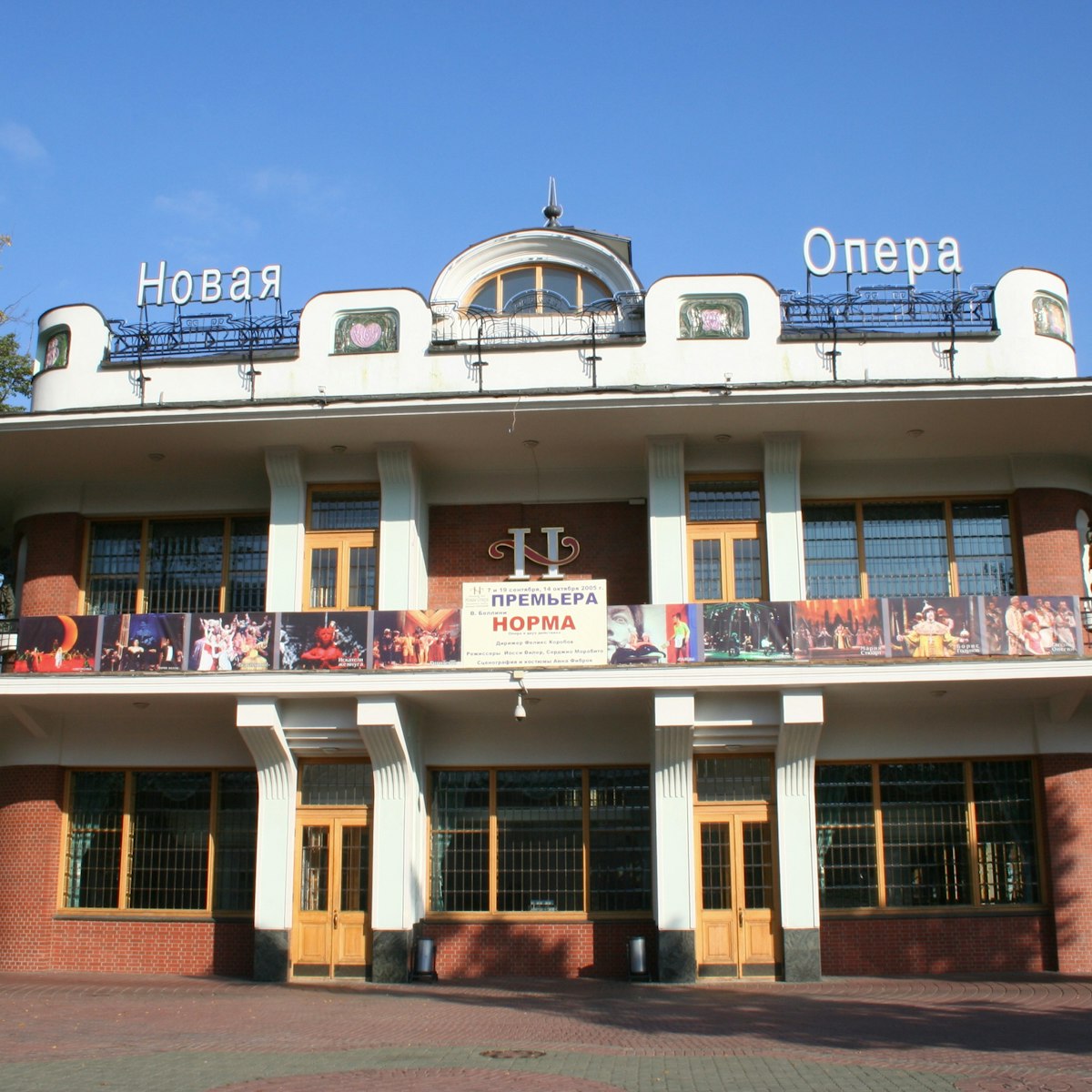
This theatre company was founded in 1991 by then-mayor Luzhkov and artistic director Evgeny Kolobov. Maestro Kolobov stated, ‘We do not pretend to be…
Presnya
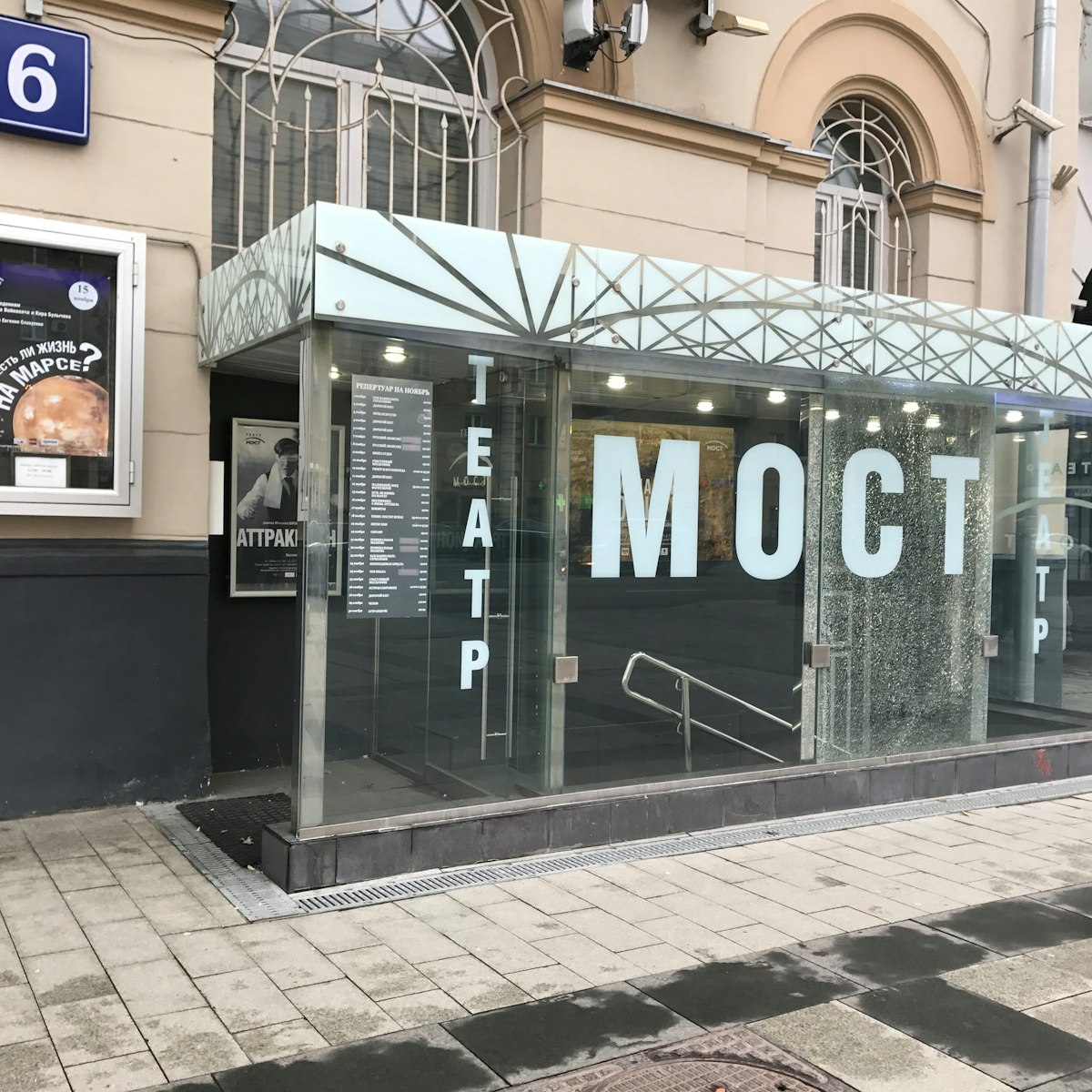
MOST may seem like one of the younger theatres in Moscow, founded in 2000. However, it evolved from the student theatre (more than 200 years old) of the…
Nikulin Circus on Tsvetnoy Bulvar
Moscow
Founded in 1880, this circus is now named after beloved actor and clown Yury Nikulin (1921–97), who performed at the studio here for many years. Nikulin’s…
Moscow
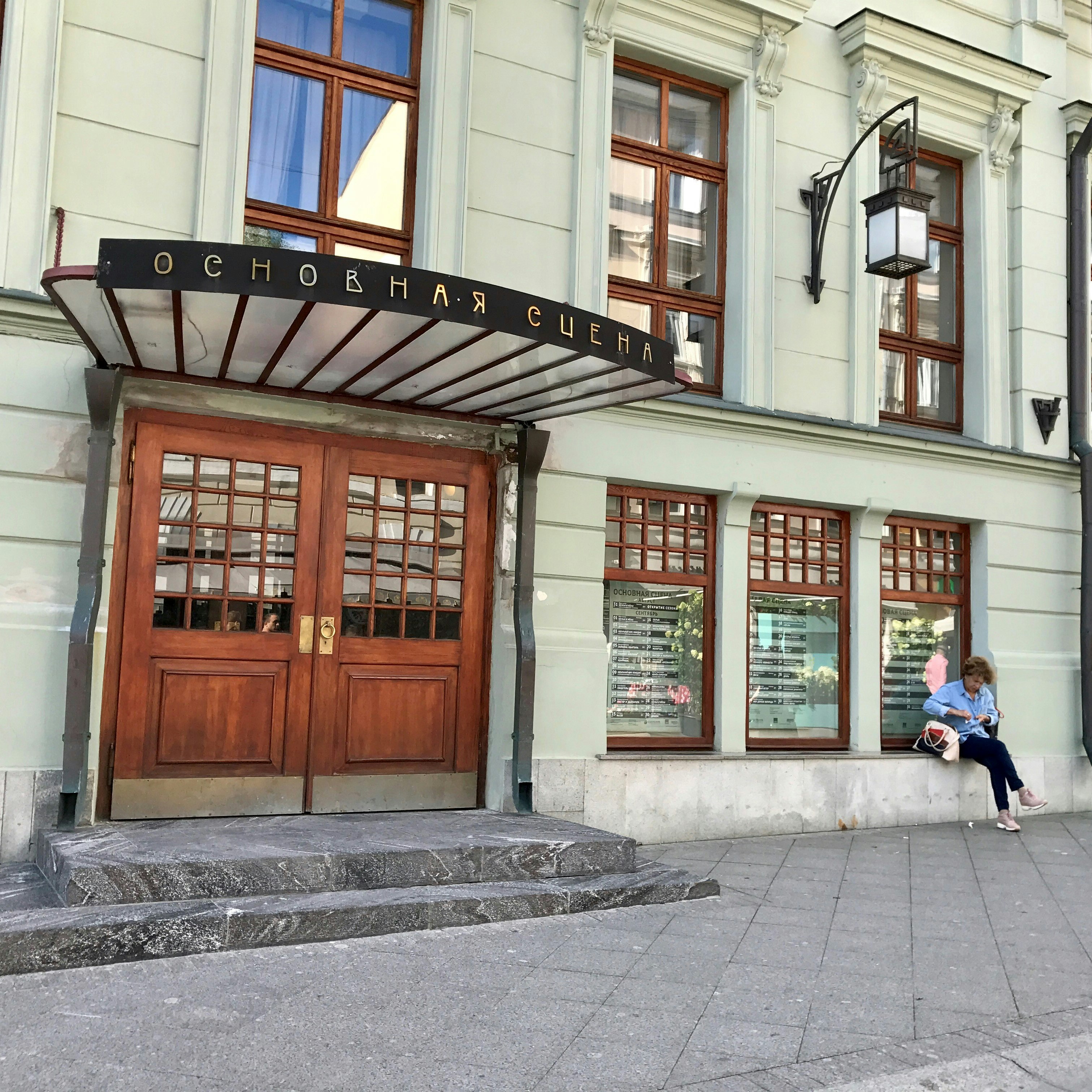
Often called the most influential theatre in Europe, this is where method acting was founded over 100 years ago, by Stanislavsky and Nemirovich-Danchenko…
Moscow International House of Music
Zamoskvorechie
This graceful, modern glass building has three halls, including Svetlanov Hall, which holds the largest organ in Russia. Needless to say, organ concerts…
Meshchansky & Basmanny
If you can’t stand to see another Swan Lake, you will be pleased to know that the New Ballet performs innovative contemporary dance. This performance art,…
Spartak Stadium (Otkrytie Arena)
Presnya
Home to professional football club FC Spartak, this bizarre-looking arena – easy to recognise by the Spartak red-and-white on the exterior – was built for…
Arbat & Khamovniki
This huge circus holds 3400 spectators, but the steep pitch means that everyone has a view of the action. The company includes hundreds of performers –…
Arbat & Khamovniki
At this unusual theatre, acrobatic cats do all kinds of stunts for the audience’s delight. Director Yury Kuklachev bristles at the use of the word 'train'…
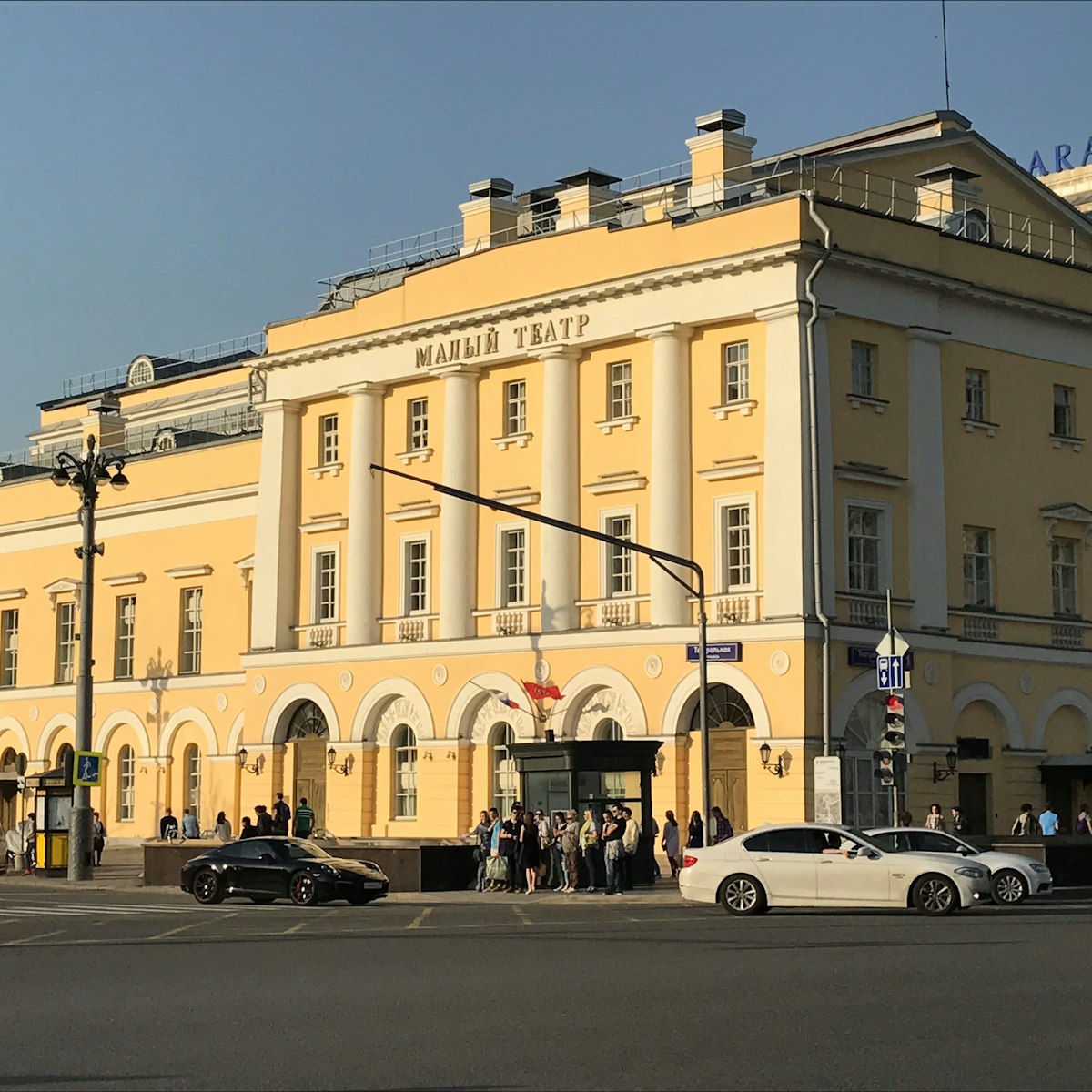
Moscow
‘Maly’ means small, meaning smaller than the Bolshoi across the street. Actually, the name dates back to the time when there were only two theatres in…
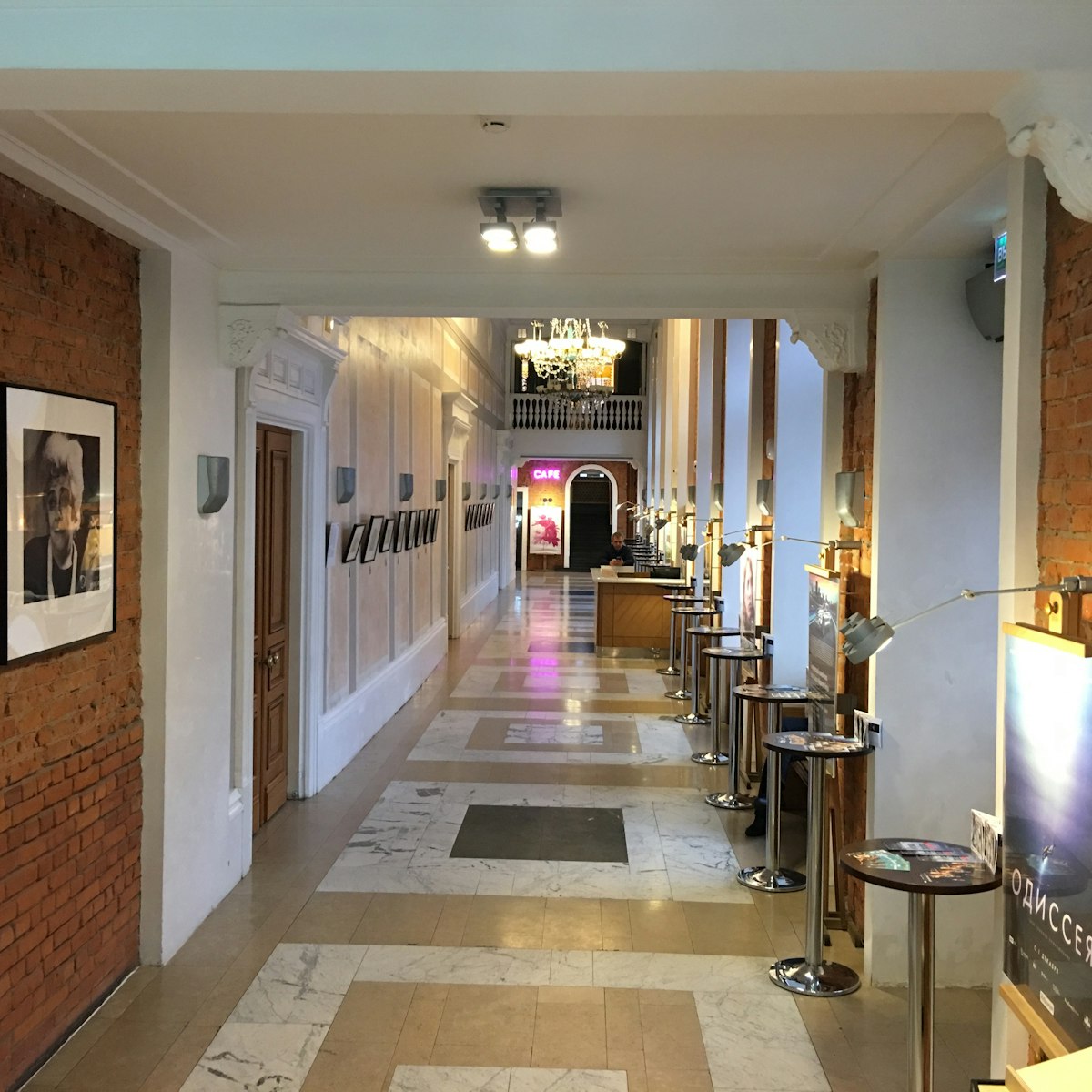
Arbat & Khamovniki
Almost all of the films shown in Russia are dubbed into the Russian language, but this cinema theatre is a pleasant exception. Apart from sticking with…
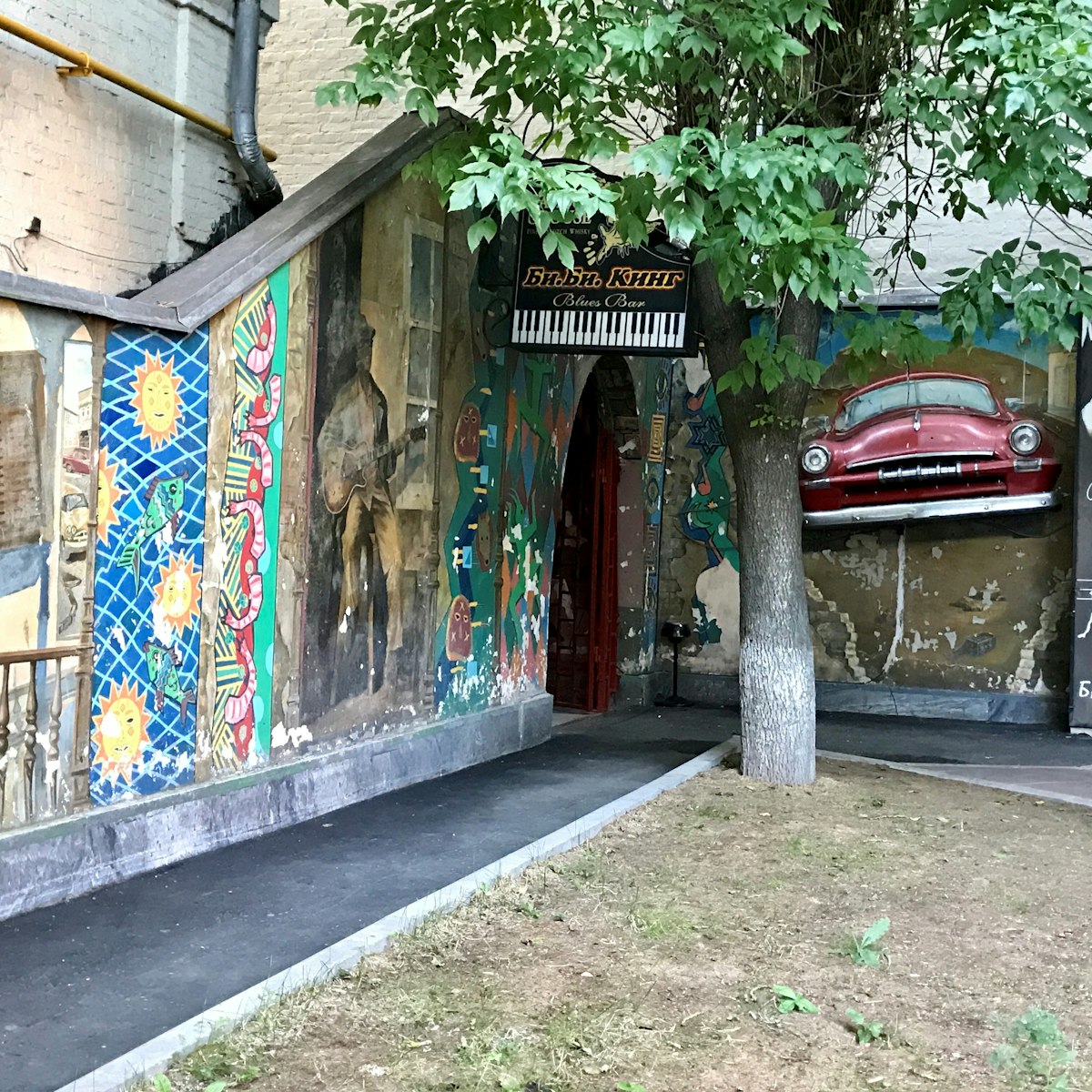
Moscow
This old-style blues club hosts an open jam session on Wednesday night, acoustic blues on Sunday and live performances other nights. The restaurant is…
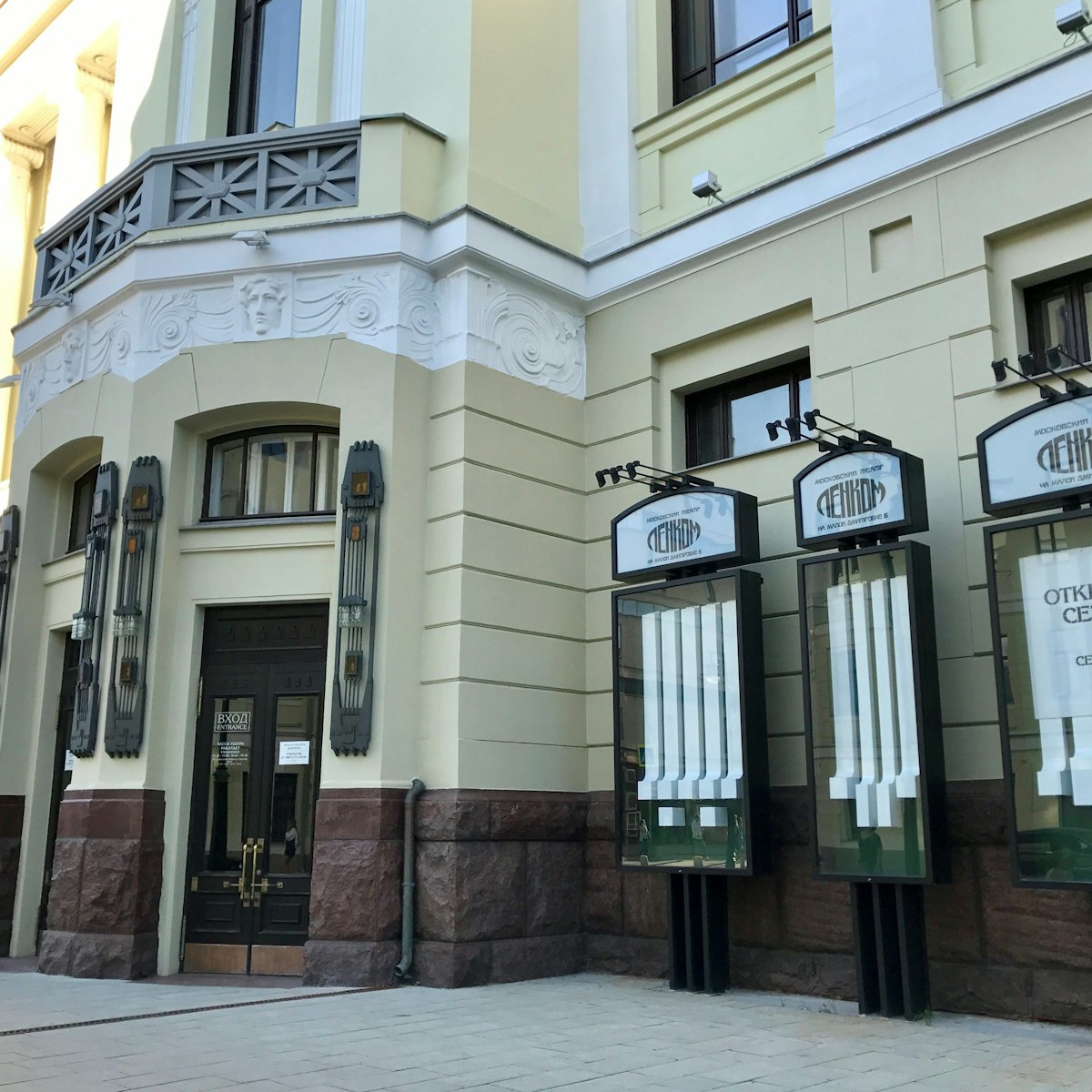
Moscow
The Lenkom isn’t the most glamorous theatre, but it’s widely considered to have the strongest acting troupe in the country. The flashy productions and…
Moscow
The Bolshoi Theatre doesn’t have a monopoly on ballet in Moscow. Leading dancers also appear with the Kremlin Ballet, which performs in the State Kremlin…
Moscow
Boasting one of Moscow’s most talented theatre producers, Konstantin Raikin, as well as a host of big-name directors, the Satirikon earned a reputation in…
Moscow Children’s Musical Theatre
Arbat & Khamovniki
Founded by theatre legend Natalya Sats in 1965, this was the country’s first children’s theatre. Sats, apparently, was the inspiration for Prokofiev’s…
Presnya
Founded by English actor Jonathan Bex, the MET performs contemporary American and British plays for English-speaking audiences. The company's original…
Zamoskvorechie
This institute is the focal point of the development at the Red October chocolate factory. Aside from the course offerings and the popular bar, Strelka…
Stanislavsky & Nemirovich-Danchenko Musical Theatre
Moscow
This historic company was founded when two legends of the Moscow theatre scene – Konstantin Stanislavsky and Vladimir Nemirovich-Danchenko – joined forces…
Arbat & Khamovniki
If your dog got run over by a pick-up truck, you might find some comfort at the Rhythm Blues Cafe, with down-and-out live music every night, plus cold…
Presnya
Named after famous Mt Helicon, home to the muses and inspiration for musicians, this opera company is unique in Moscow for its innovative, even…
Presnya
Downstairs, the brassy English pub-restaurant has an excellent house-brewed bitter. Upstairs, the club gets some of the best Russian bands that play in…
Arbat & Khamovniki
The retro decor and friendly service create a great vibe at this cool underground music club. There are live jazz performances on Thursday and Sunday, and…
National Philharmonic of Russia
Zamoskvorechie
The National Philharmonic is a new orchestra for the 21st century, founded in 2003. The NPR performs at the Moscow International House of Music.
Meshchansky & Basmanny
A popular concert venue, associated with a namesake label that's responsible for one of Russia's best-known rap acts, Basta.
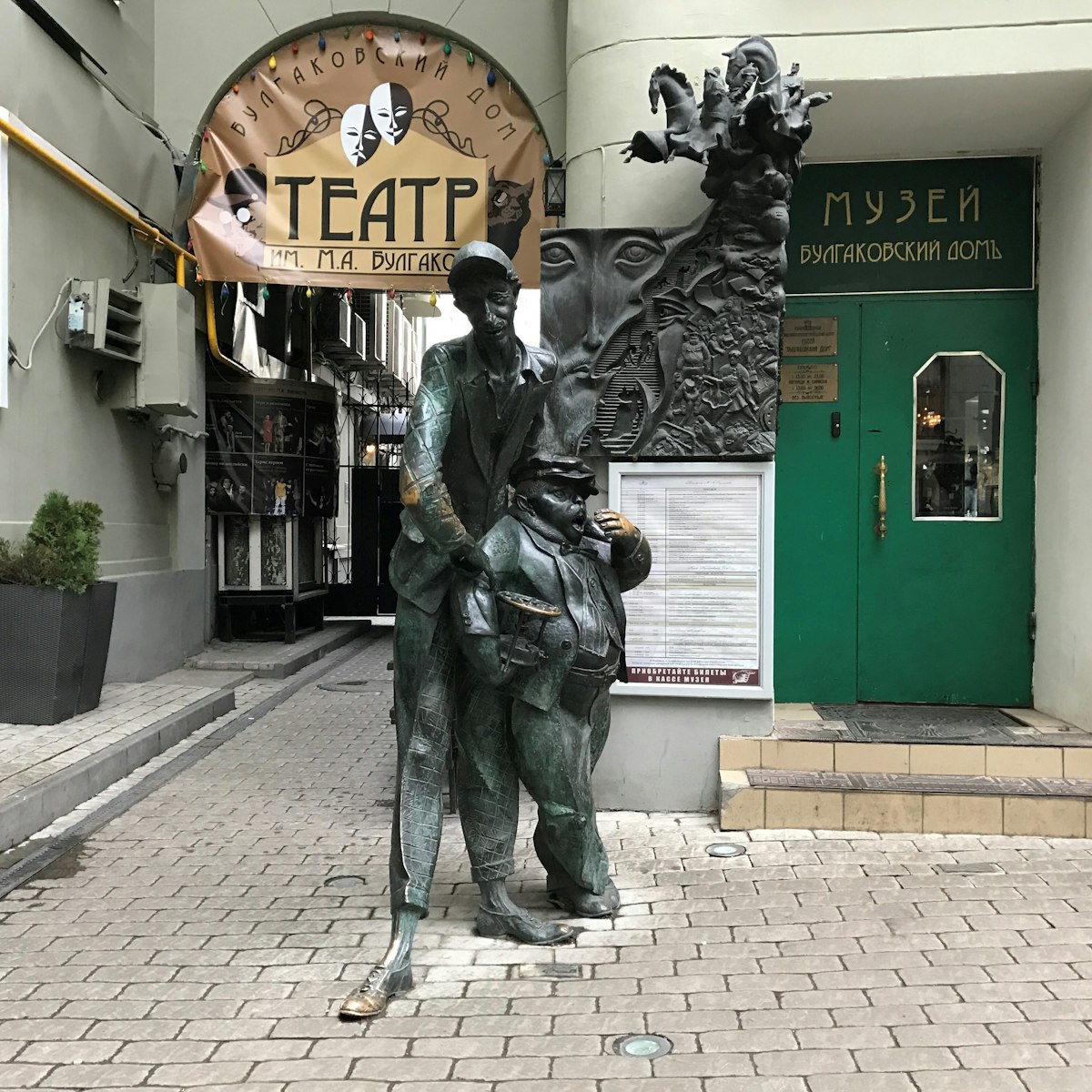
Presnya
This little cultural centre occupies the ground floor of the building where novelist Mikhail Bulgakov resided. The author lived in a communal flat, no 50,…
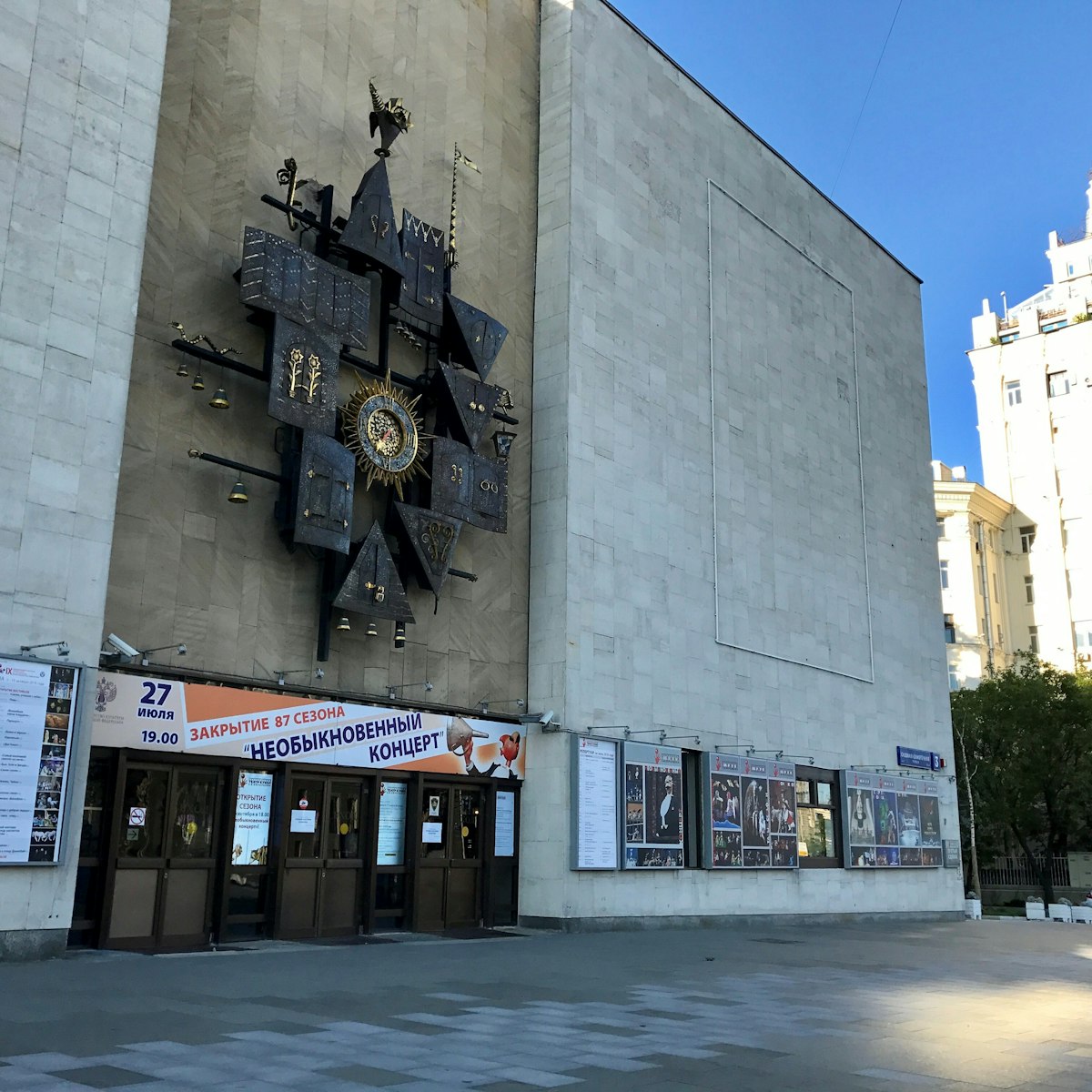
Obraztsov Puppet Theatre & Museum
Moscow
The country’s largest puppet theatre performs colourful Russian folk tales and adapted classical plays. Kids can get up close and personal with the…
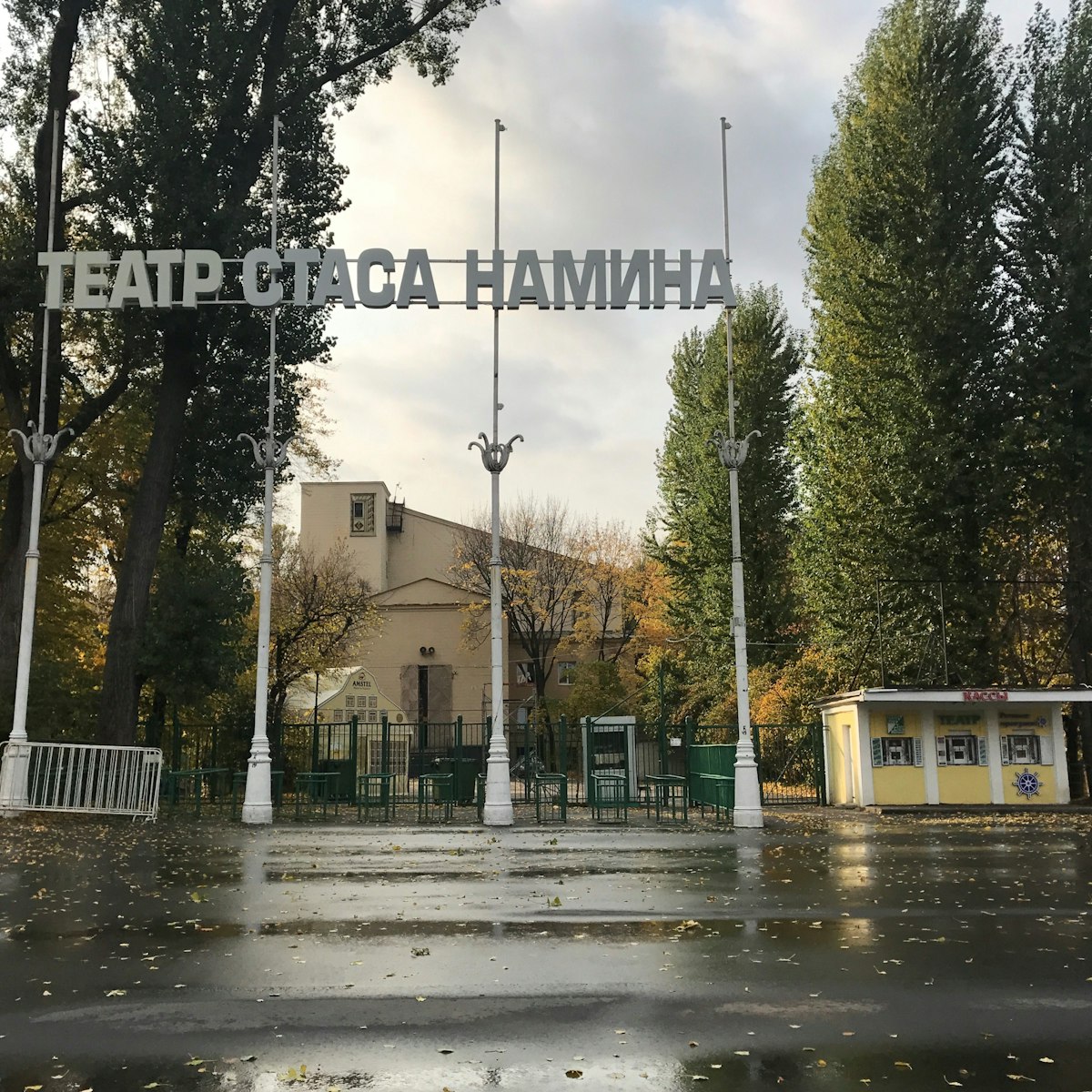
Zamoskvorechie
In Neskuchny Sad gardens, the open-air Stas Namin Theatre hosts concerts as well as its own performances, mostly from the rock opera genre.
Moscow
Dedushka Durov (Grandpa Durov) founded this zany theatre for kids as a humane alternative to the horrible treatment of animals he saw at the circus. His…
Moscow
Everything about Yar is over the top, including the vast, gilded interior, the traditional Russian menu and the Moulin Rouge–style dancing girls. The…