

Advertisement
Latest Stories
- Regis St Louis|Jun 4, 2026The 11 best beaches in Portugal
- Regis St Louis|Mar 24, 2026How to get around in Portugal
- Marlene Marques|Feb 24, 2026How to hike the Fishermen’s Trail in Portugal
- Regis St Louis|Feb 13, 20267 epic road trips to take in Portugal
Book
Trip 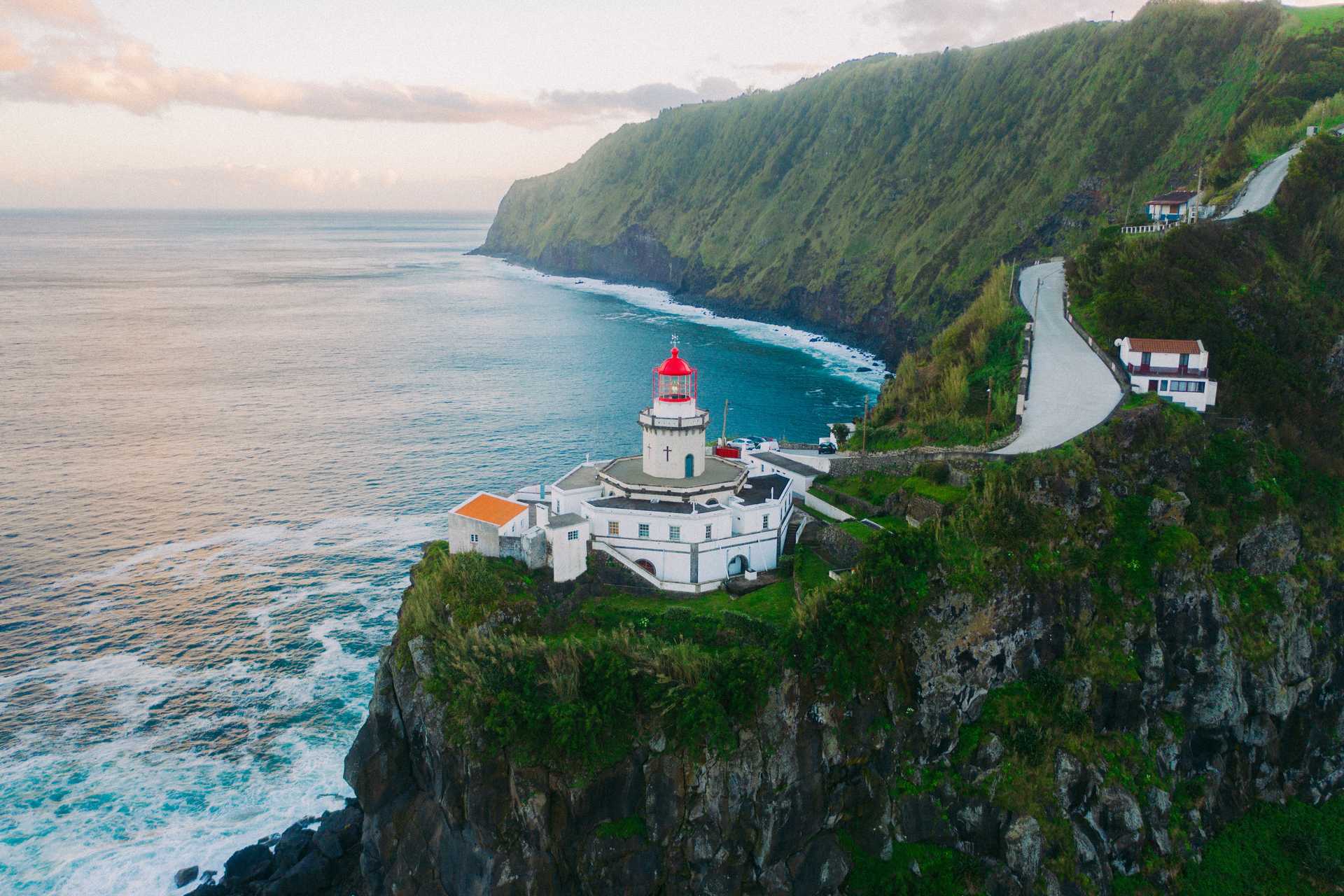

Trusted Partner
Stay connected in Portugal
Holafly eSIM provides unlimited mobile data with no hidden fees, giving you peace of mind wherever you travel. Stay connected even after your plan ends with Always On. Use code LONELYPLANET for an exclusive discount.
Take your Portugal trip with Lonely Planet Journeys
Pick one of our ready-to-book trips or fully customize your own with help from our local experts.
bookable trip
8 Days in Portugal's Azores: Terceira to São Miguel
8 days / 7 nights
highlights
- 1 Whale watching in the stunning seas of São Miguel, a world-renowned whale sanctuary
- 2 Hiking amid geologic and geothermal wonders, from the eastern to western sides of São Miguel
- 3 Road-tripping throughout Terceira, with stops at a volcanic chamber, natural pool, and hiking trail
from $2,260
per person


Explore more trips
Explore more trips
-
 Portugal
10 days / 9 nights
Portal Through Portugal: Lisbon, Porto, the Douro Valley, and the Algarve
See Trip DetailsFROM $3,492
per person
-
 Portugal
9 days / 8 nights
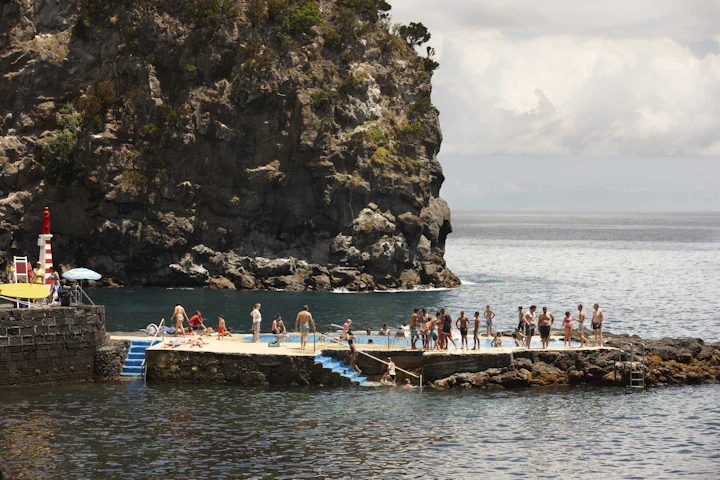
Portugal’s Azores: 9 Days of Whale Watching, Nature, and Culture
See Trip DetailsFROM $2,880
per person
Portugal
10 days / 9 nights
Portal Through Portugal: Lisbon, Porto, the Douro Valley, and the Algarve
FROM $3,492
per person
Portugal
9 days / 8 nights
Portugal’s Azores: 9 Days of Whale Watching, Nature, and Culture
FROM $2,880
per person
Top places to visit in Portugal
Discover the best attractions in Portugal from must-see sights to unexpected hidden gems.
-
 Attraction in The AzoresCapelinhos Volcano
 -
-
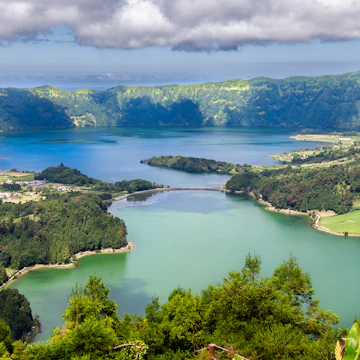 Attraction in The AzoresSete Cidades
 -
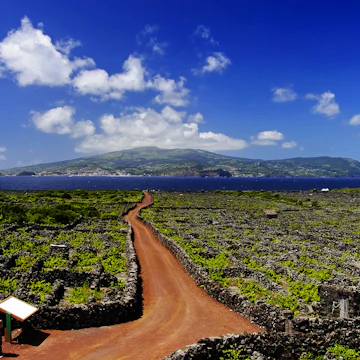 Attraction in The AzoresVineyards of Pico
 -
 Attraction in The AzoresLagoa do Congro
 -
 Attraction in The AzoresAngra do Heroismo
 -
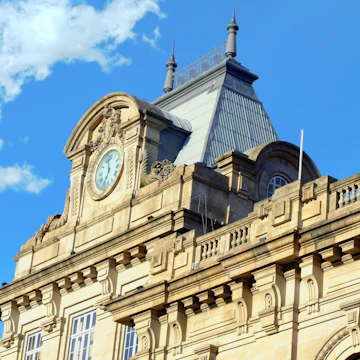 Attraction in Aliados & BolhãoSão Bento Train Station
 -
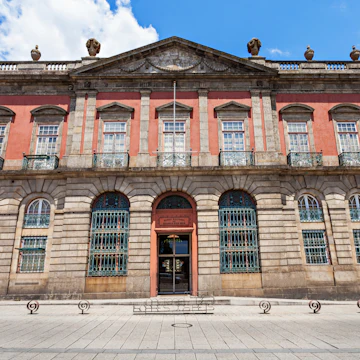 Attraction in MiragaiaMuseu Nacional Soares dos Reis

Advertisement
Travel Guides
Portugal travel tips from Lonely Planet experts
Find practical guidance from our team of contributors around the world who bring their decades of first-hand travel experience to your next trip.
Best Time to Visit
Form the Douro Valley to the Algarve, plan your visit to Portugal with our seasonal guide.
Read full article
Things to Know
Our Porto insider has got all the top tricks and tips you need before you book that magical trip to Portugal.
Read full article
Transportation
From fast long-distance trains to local buses and car hire, plan your travels around Portugal with these top tips on transportation and tickets.
Read full article
Visa Requirements
Here's everything you need to know about getting a visa for Portugal, from how long you can stay to the new visa waiver scheme being rolled out in 2025.
Read full article
Best Road Trips
Throw together an Iberian soundtrack, and you're ready to hit the open road in Portugal. Here are our top Portuguese road trips, from the hills to the coast.
Read full article
Money and Costs
From free museums to wonderful medieval architecture, it's possible to get by on as little as €50 a day in Portugal. Here's how.
Read full article
Traveling with Kids
Portugal is incredibly family-friendly. Check out our top tips and the coolest experiences for your next adventure with children in tow.
Read full article
Best Places to Visit
Beyond the obvious towns of Lisbon and Porto, Portugal promises vibrant historic cities, incredible beaches and wonderful wine regions.
Read full article
Accessibility
Portugal wins the first “Accessible Tourist Destination” award by the World Tourism Organisation.
Read full article
Advertisement
Get a book. Get inspired. Get exploring.


in partnership with getyourguide
Book popular activities in Portugal
Portugal and beyond
-
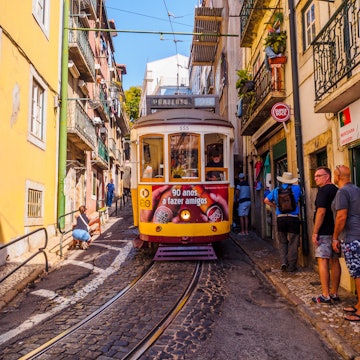 destinationLisbon
 -
 destinationPorto
 -
 destinationBairro Alto, Chiado & Cais do Sodré
 - destinationAliados & Bolhão
- destinationAlfama, Castelo & Graça
- destinationPríncipe Real, Santos & Estrela
- destinationRibeira
- destinationMiragaia
Advertisement