Port Moresby
At the northern end of Waigani Dr, by the University of Papua New Guinea, this is an island of calm. More than 2km of walkways thread under and through…
Port Moresby
At the northern end of Waigani Dr, by the University of Papua New Guinea, this is an island of calm. More than 2km of walkways thread under and through…
Port Moresby
This superb museum, beautifully remodelled for the country's 40th anniversary of independence, is the best introduction you can get to Papua New Guinea's…
Port Moresby
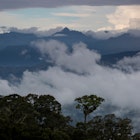
Right after the small store at Laloki River Gorge is the turn-off to Varirata National Park which, at 1000 hectares and over 800m high, is the highlight…
The Highlands
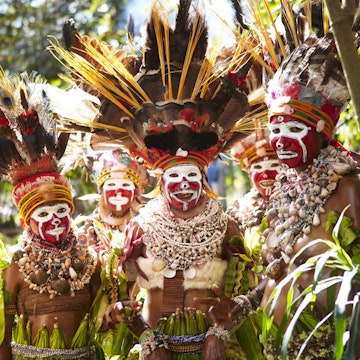
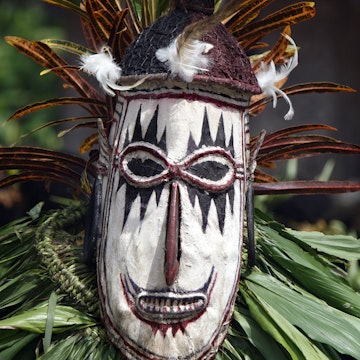
Asaro village, northwest of Goroka, is famous for its mudmen – warriors who traditionally covered themselves in grey mud and wore huge mud masks before…
The Sepik
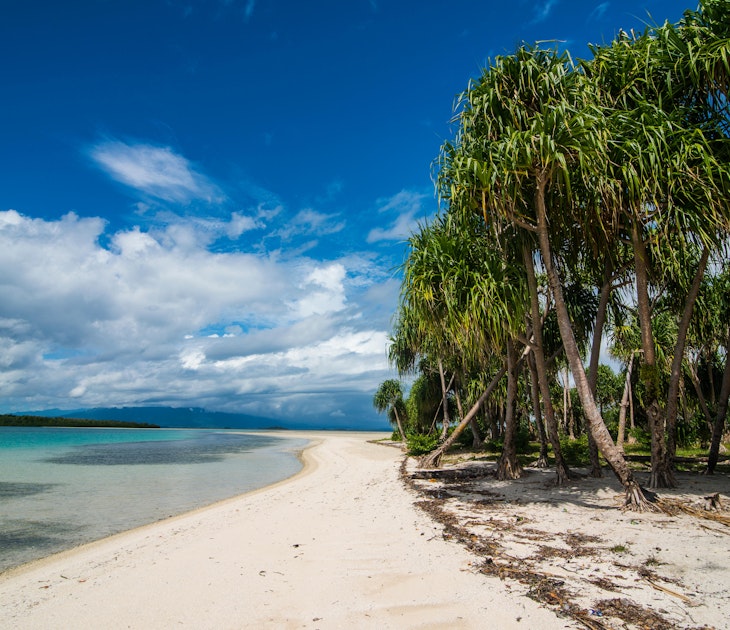
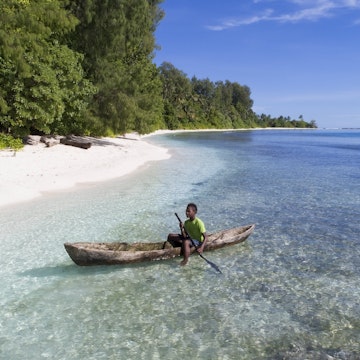
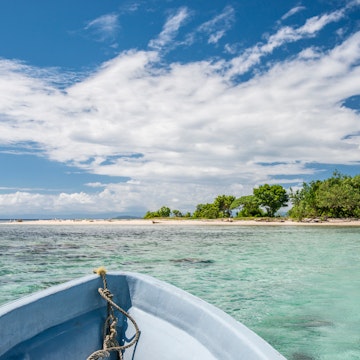
This small island has delightful picture-perfect beaches under coconut trees, a couple of decent waves if you bring your own surfboard and paddle out to…
The Sepik
There are numerous villages around Maprik, many with a striking, forward-leaning haus tambaran, an architectural style echoed in such modern buildings as…
Port Moresby
The main Parliament Haus building is in the style of a Maprik- or Sepik-style haus tambaran, while the attached, circular cafeteria follows Highland…
memorial to Christopher Robinson
Papua New Guinea
The main thing to do on Samarai is just wander around soaking up the faded-glory. From the wharf, head toward the hill and, at the northeast corner of the…
Filter by interest:
in partnership with getyourguide
Get to the heart of Papua New Guinea with one of our in-depth, award-winning guidebooks, covering maps, itineraries, and expert guidance.