Feb 9, 20268 min read
The 12 best places in NorwayMar 12, 2024
7 MIN READ
Writer
Writer
Norway is renowned for its natural beauty, with its legion of fjords, glaciers and mountains demanding the attention of visitors.
But, if you can pull your gaze away from the awe-inspiring landscape for just a few brief moments, you’ll also discover cutting-edge cultural venues, historic architecture and a quietly confident restaurant scene – characteristics that often fly under the radar when it comes to discussing Norway’s charms.
From cruising the fjords and camping in the wild to tasting the freshest seasonal produce, these are my favorite 13 things to experience on a visit to Norway.
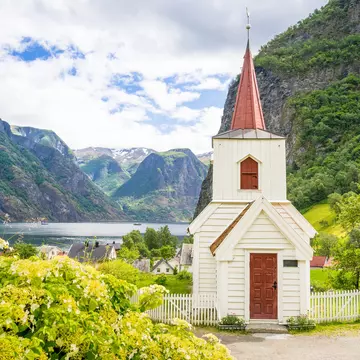
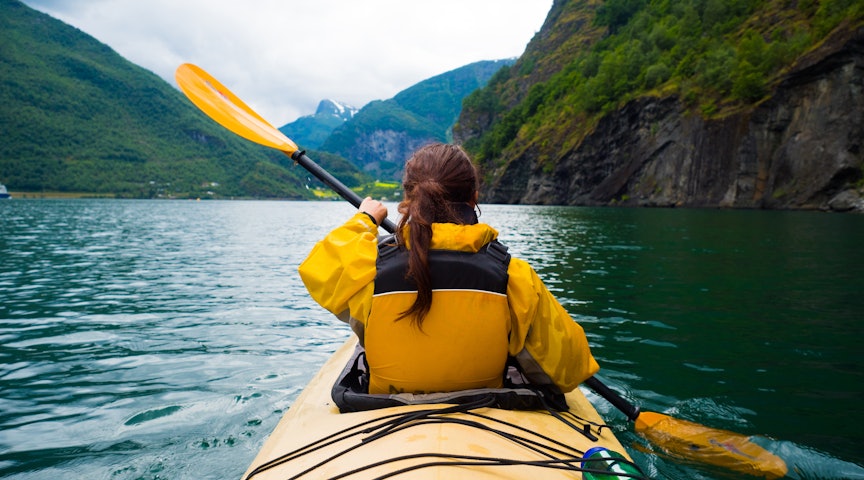
The result of epic glacial action over the course of millennia, the scale of Norway’s fjords has to be seen to be believed. Cliffs soar on each side of these ice-carved channels – some are sheer rock faces, some are gently inclined, covered in lush vegetation and dotted with farmhouses.
Hundreds of meandering fjords snake inland from the sea up much of Norway’s coastline, and they're a key part of traversing this stunning part of Scandinavia. But the most impressive are concentrated in the west and southwest, accessible from Bergen and Stavanger. The 203-km-long (126 miles) Sognefjord, other-worldly Lysefjorden and the UNESCO-crowned Geirangerfjord will all leave you speechless.
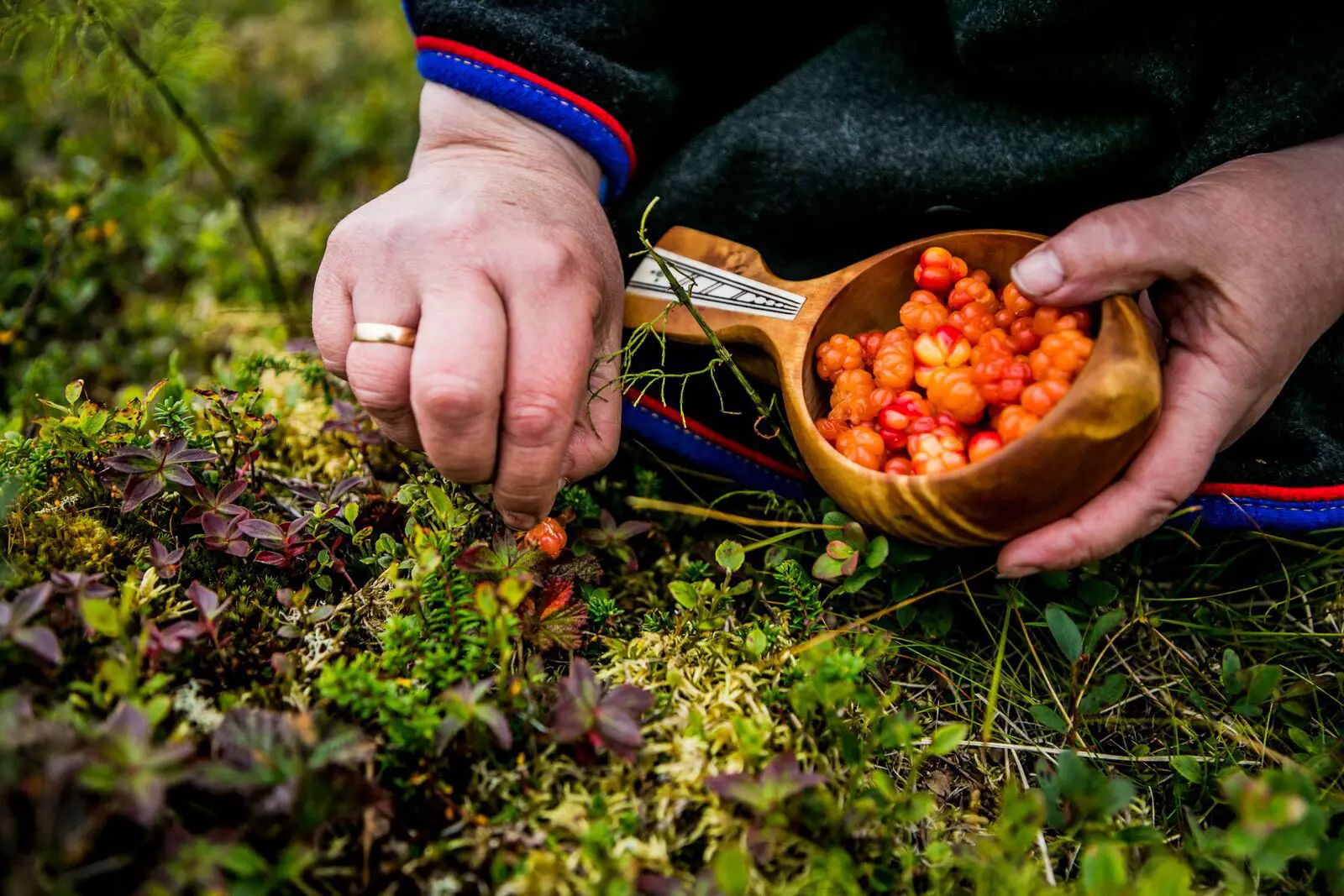
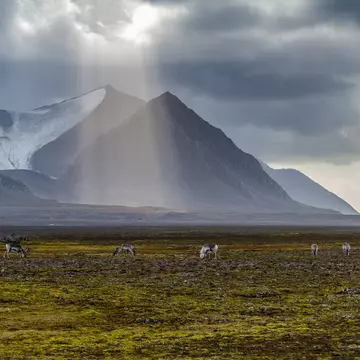
The indigenous people of northern Norway, Sweden, Finland and Russia, the Sami traditionally lived nomadically, moving their herds of reindeer across the Arctic landscape in tune with the seasons. Only a minority of the Sami in Norway still herd reindeer today, but Sami culture is thriving.
Visit Karasjok to explore the Sami Parliament and Sami National Museum, and make a date to visit Kautokeino for the Sami Easter festival to see reindeer racing and hear the lilting sounds of the joik (sung poems) at the Sami Grand Prix.
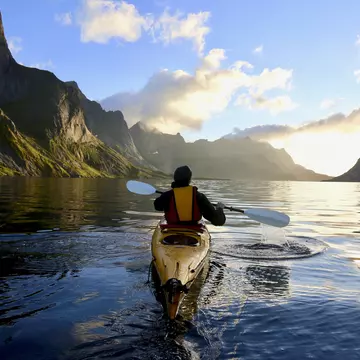
Cutting a jagged profile against the Atlantic horizon, the Lofoten archipelago promises wild outdoor adventures and draws artists, surfers, kayakers, hikers, fishers and weekend trippers alike. Drive or hop on a bus to weave your way down the island chain from top to bottom, passing pretty fishing villages with their red-painted rorbuer (fishers’ cabins).
Planning tip: Small but fascinating galleries and museums such as the Norsk Fiskeværsmuseum (Norwegian Fishing Village Museum) tell the story of the islands’ main industry and their enduring connection to the sea.
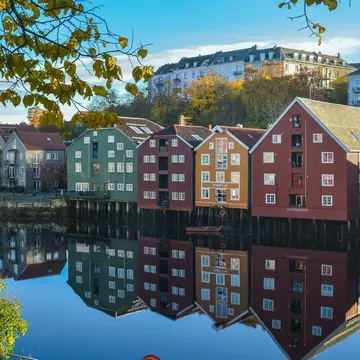
The colorful wooden wharves of Bryggen in Bergen have existed since the 12th century and became the headquarters for the Hanseatic League (a medieval guild of traders) in Norway. Despite several devastating fires, the importance of the harborside quarter has persisted for centuries.
Galleries, bars and shops now occupy the tumbledown timber buildings, and simply getting lost in the narrow wooden passageways between them is the main appeal.
Planning tip: Do your best to time your visit for when the cruise trippers have set sail again – exploring without the crowds is a much more pleasant experience.
Summer brings the midnight sun to Norway’s north, bathing the landscape in a warm glow all night long. Lasting anywhere from a couple of weeks in Bodø to a couple of months in Longyearbyen, the phenomenon occurs due to the tilt of the earth as it orbits the sun.
Planning tip: Turn time upside down and go hiking, kayaking, mountain biking, or wildlife-watching when you’d normally be reaching for your pajamas.
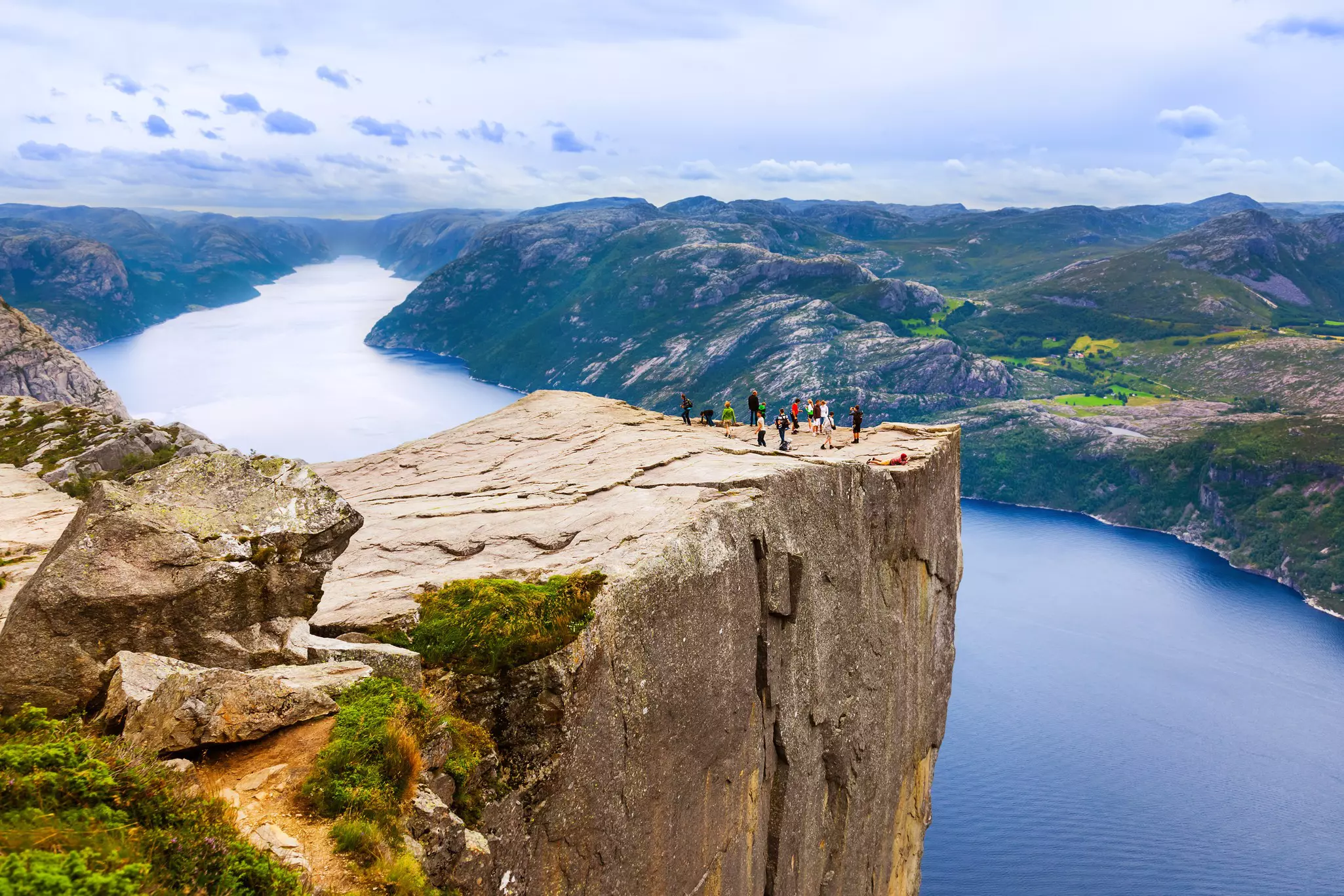
Seemingly defying the laws of physics, Preikestolen (also known as Pulpit Rock) is an angular plateau that juts out from a cliff face over 600m (1968ft) above the Lysefjord, near Stavanger. This geological oddity has graced the ‘gram of many a social media influencer, but its popularity needn’t put you off.
Visit in the low season and get there early to ascend through sun-dappled forests, climb rocky steps laid by sherpas and walk alongside refreshing plunge pools. You’ll need to be reasonably fit for the four-hour round-trip, but the heart-stopping views from Preikestolen to the fjord beneath are worth every step.
Detour: If this incredible experience just leaves you wanting more, Norway has many more hikes for you to enjoy on your next vacation.
Witnessing the aurora borealis is a soul-stirring experience, and the will-they-won’t-they game of chase is all part of the fun. With a bit of patience, you’ll be rewarded with an ethereal display. Gaze in wonder as shimmering streaks of white, green, red, or purple light undulate across the endless black sky, perhaps for seconds, perhaps for hours.
Planning tip: You’re most likely to see the lights on dark, clear nights in the far north between late November and early March. Tromsø and Lofoten make good bases to start your search.
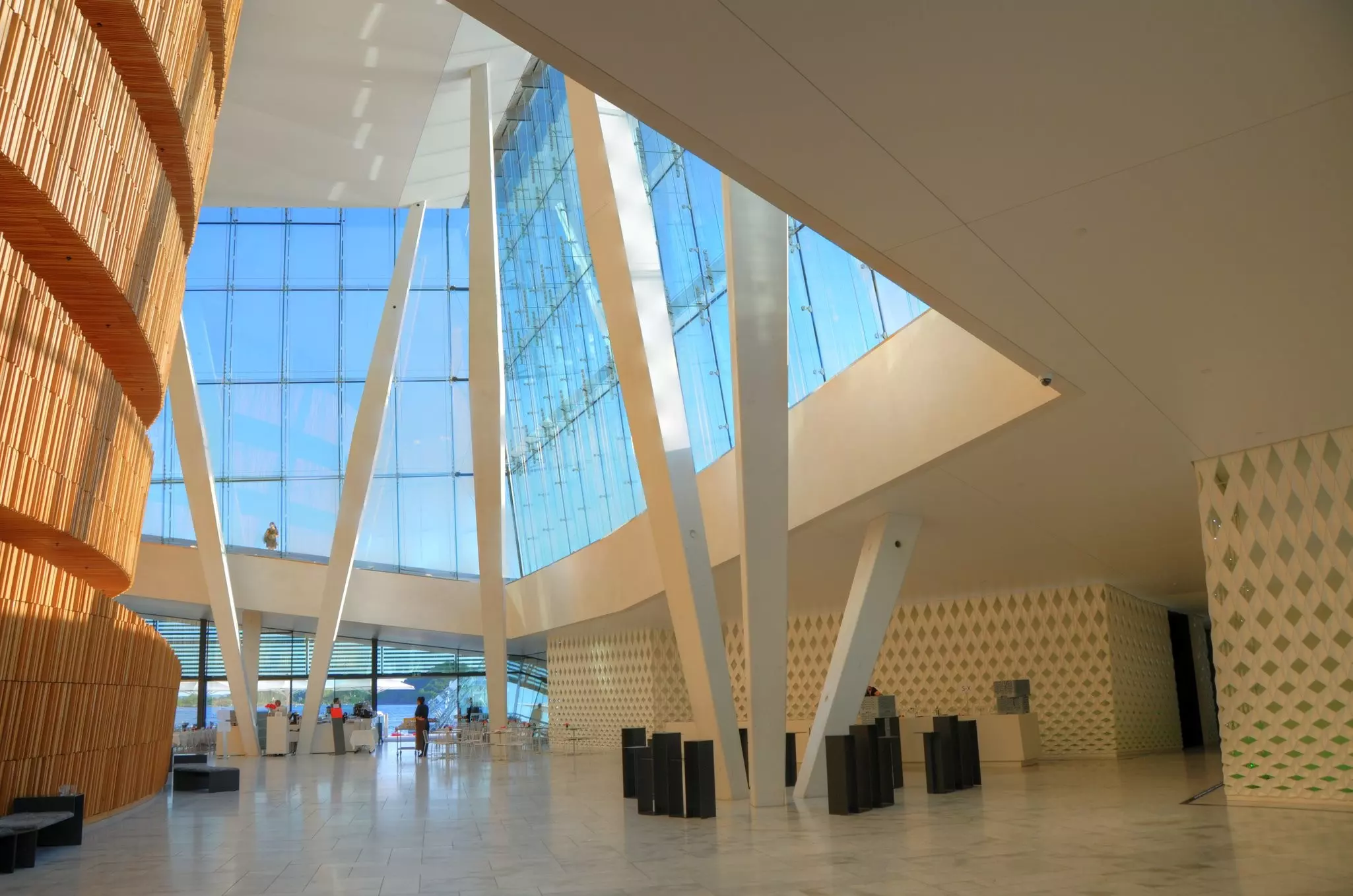
The striking wedge of snow-white marble and glass on Oslo’s waterfront is Norway’s home of opera, but the atmosphere here is far from elitist. Architecture aces Snøhetta designed the Oslo Opera House to be an extension of the harborfront, inviting you to meander all over it.
Enter for free to feel the contrasting warmth of the blonde-wood interior or, even better, join a guided tour to peek backstage and see set designers, musicians and dancers preparing for performances.
Nidaros Cathedral in Trondheim is an ostentatious medieval masterpiece. It’s a far cry from its humble beginnings in 1070 as a wooden chapel on the gravesite of Viking King Olav.
The ornate exterior of the world’s most northerly Gothic cathedral is studded with 76 sculptures of saints and figures from the bible. Inside, the atmosphere is almost eerily peaceful, and the dimly lit interior pulls your attention to the 12m-high (39ft), 10, 000-piece stained-glass rose window. In summer, climb the tower’s 172 narrow steps for sweeping views over Norway’s historical capital.
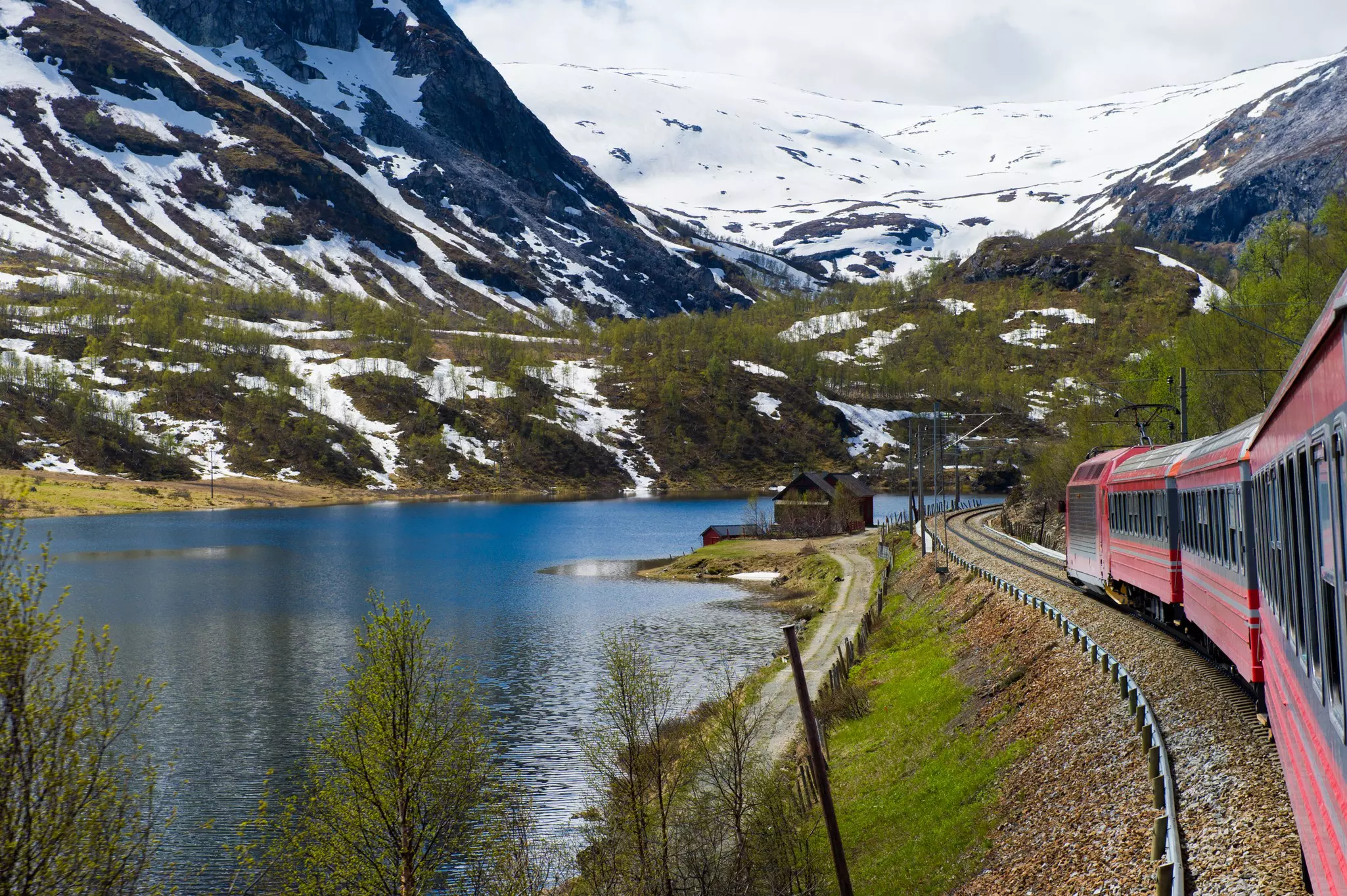
There are few better ways to feast on Norway’s picturesque scenery than traveling by train. The country’s most well-known train ride is the stunning journey from Oslo to Bergen, which glides across the Hardangervidda plateau.
But the 10-hour trip on the Nordlandsbanen rivals that southern route. Crossing the Arctic Circle and connecting Trondheim to Bodø, the journey hugs the coast and rolls through the rugged mountainous landscape of the Saltfjellet-Svartisen National Park.
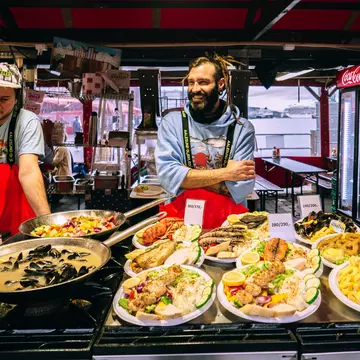
No longer lagging behind its Nordic neighbors on the cuisine scene, Norway stands out with a raft of modern Nordic restaurants. The freshest produce is elevated – think baked beetroot with yogurt or halibut with leeks and chard.
Can’t quite spring for chef Christopher Haatuft’s "neo-fjordic" creations at Bergen’s Lysverket? Hit Restaurant Rest for a gourmet New Nordic experience in Oslo. It takes a sustainable approach by using perfectly good produce that would normally by discarded by top restaurants. Ekebergrestauranten offers views from the terrace of a functionalist building atop an escarpment in Ekebergparken. Also Mathallen Oslo is a less expensive option with quality food vendors offering different cuisines and outstanding dishes made for sharing.
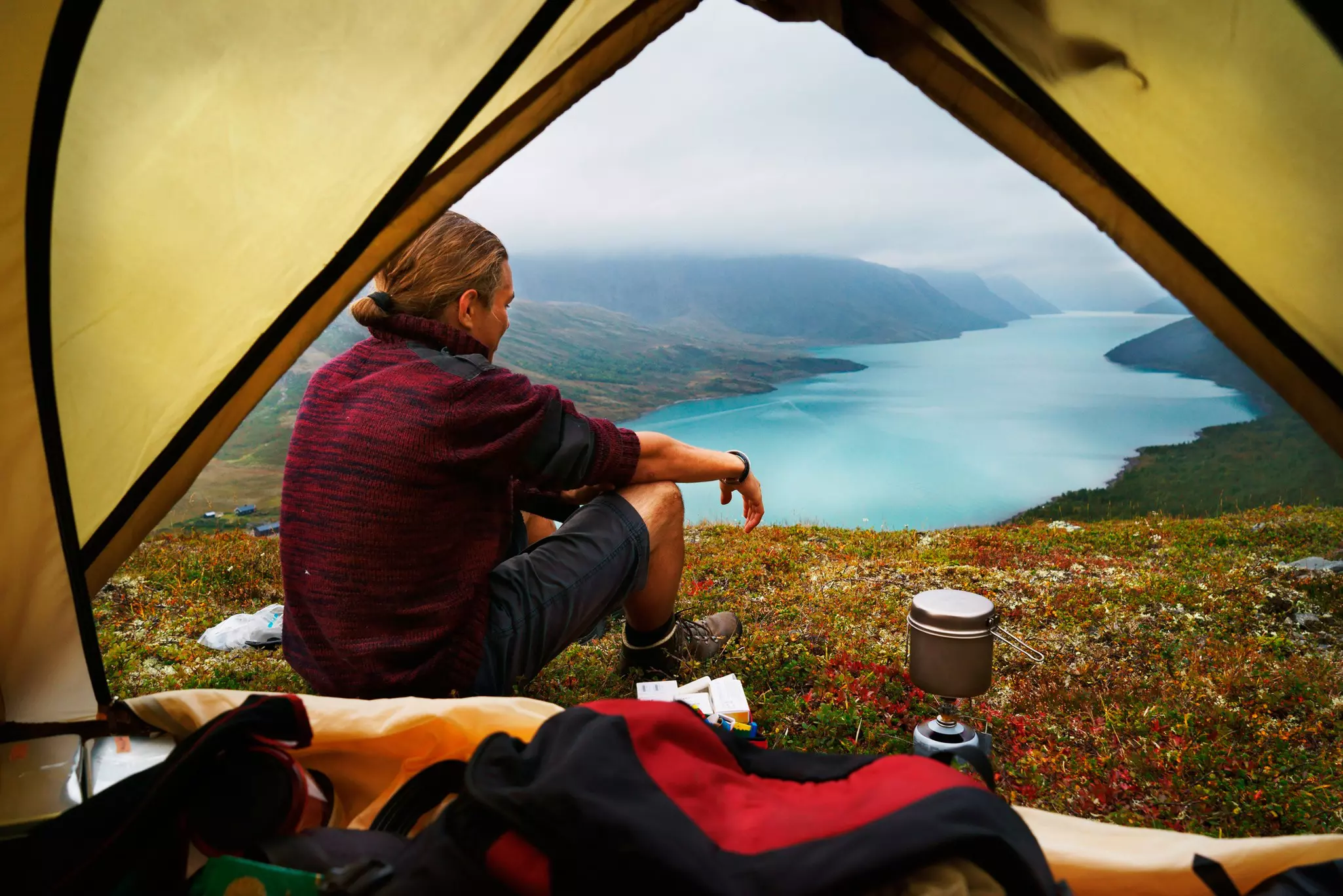
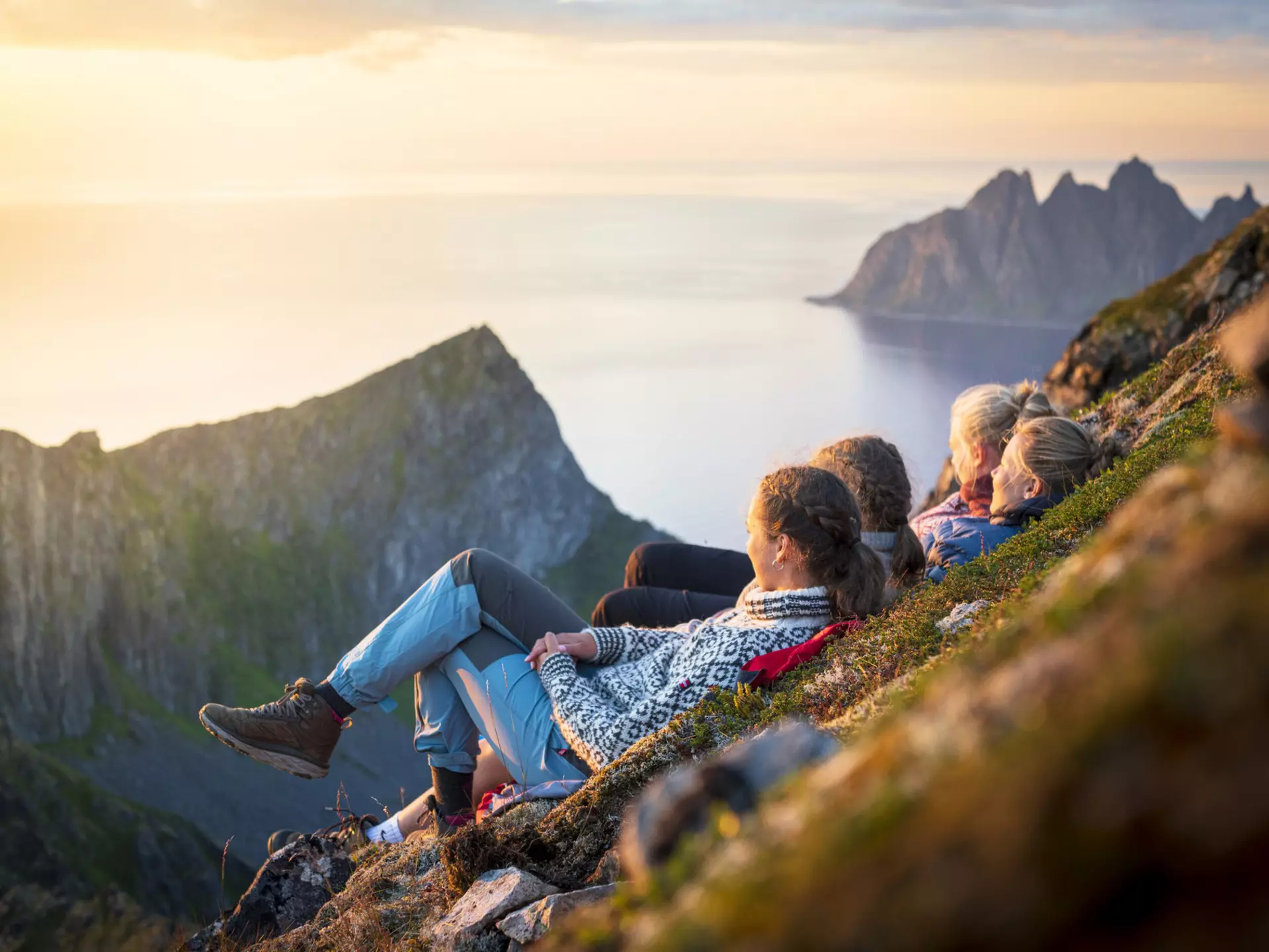
Norway’s "right to roam" (allemannsretten or "every man’s right") opens up its beaches, mountain ranges and national parks to wild campers. Pitch up under the stars surrounded by some of the most beautiful scenery in the world. Will you sleep under the midnight sun on Kvalvika beach in the Lofoten Islands, or amongst the peaks of Jotunheimen National Park?
Planning tip: The privilege of wilderness camping comes with responsibility: don’t camp too close to houses, observe all fire bans and leave your campsite as though you’d never even been there.
A journey to Svalbard is truly a once-in-a-lifetime experience. Halfway between Norway’s mainland and the North Pole, the archipelago is a vast wilderness of snow-capped mountain ranges, glaciers... and polar bears.
For safety’s sake, a pricey organized tour is the only practical way for a visitor to go bear-spotting here. But responsibly witnessing the knife-edge existence of these majestic Arctic mammals may yet help to ensure their survival.
Take your Norway trip with Lonely Planet Journeys
Time to book that trip to Norway
Lonely Planet Journeys takes you there with fully customizable trips to top destinations – all crafted by our local experts.

Explore related stories