Altai Tavan Bogd National Park
Western Mongolia
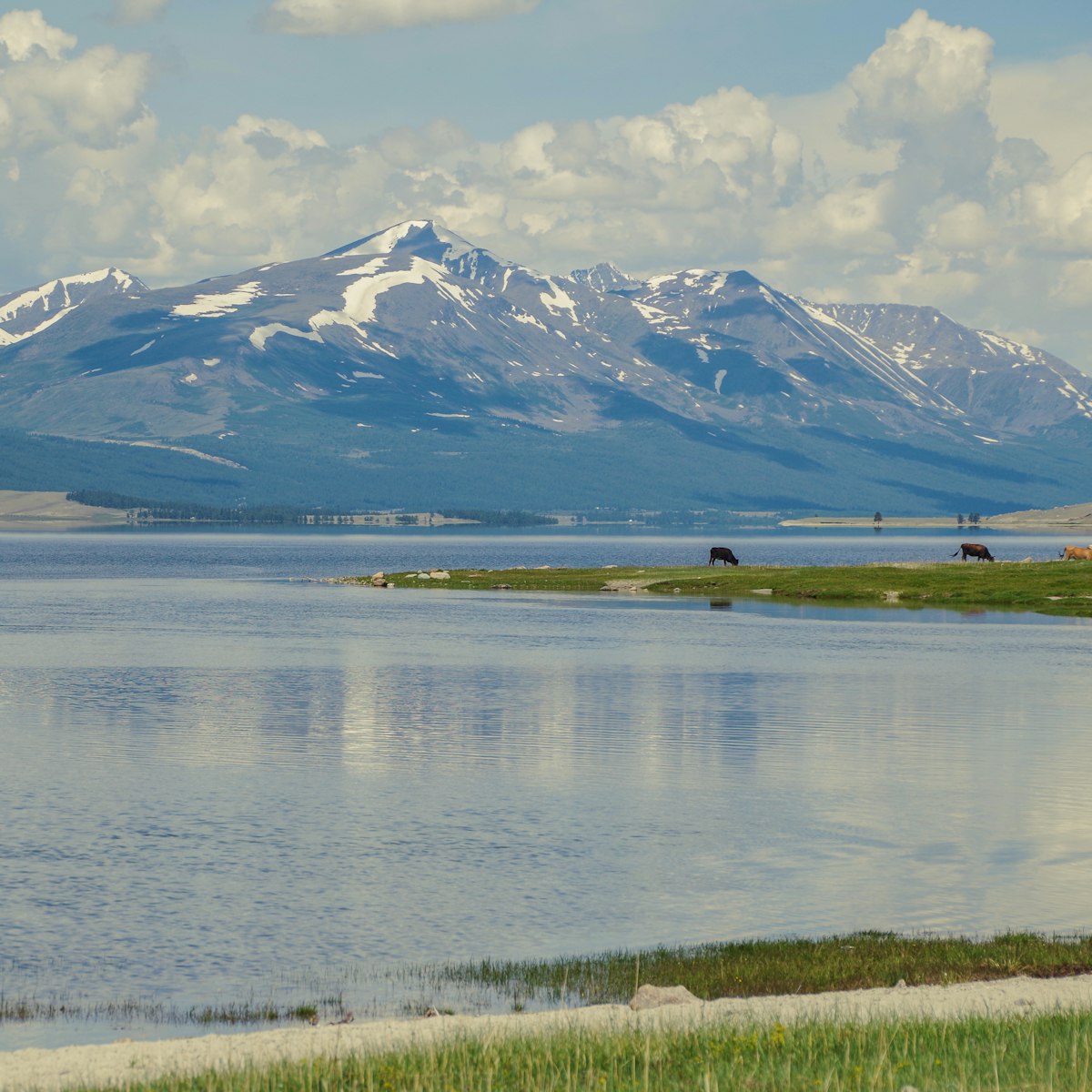
Covering 6362 sq km, Altai Tavan Bogd National Park takes in the Tavan Bogd massif – which includes Khuiten Uul (4374m), Mongolia's highest mountain…
©Kriangkrai Thitimakorn/Getty Images
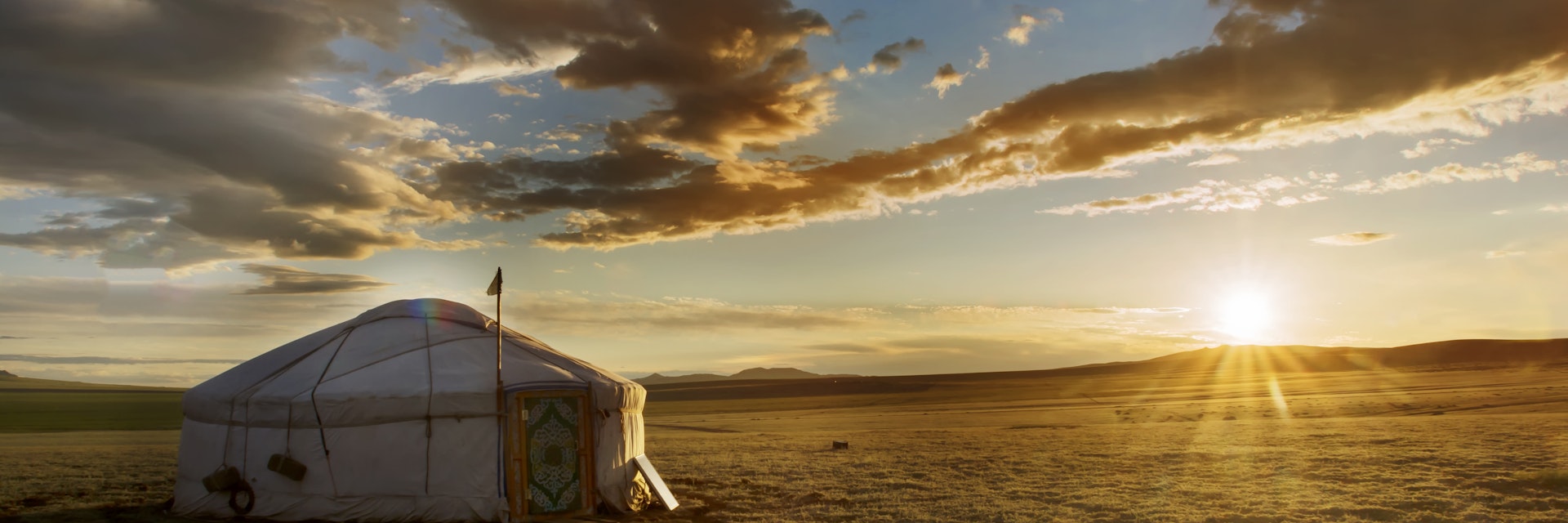
Raw, rugged and remote, this region has for centuries been isolated – both geographically and culturally – from the Mongolian heartland. With its glacier-wrapped mountains, shimmering salt lakes and hardy culture of nomads, falconry and horsemanship, western Mongolia is a timeless slice of Central Asia.
Experience the real Western Mongolia. Let a local expert handle the planning for you.
Get startedAltai Tavan Bogd National Park
Western Mongolia
Covering 6362 sq km, Altai Tavan Bogd National Park takes in the Tavan Bogd massif – which includes Khuiten Uul (4374m), Mongolia's highest mountain…
Western Mongolia
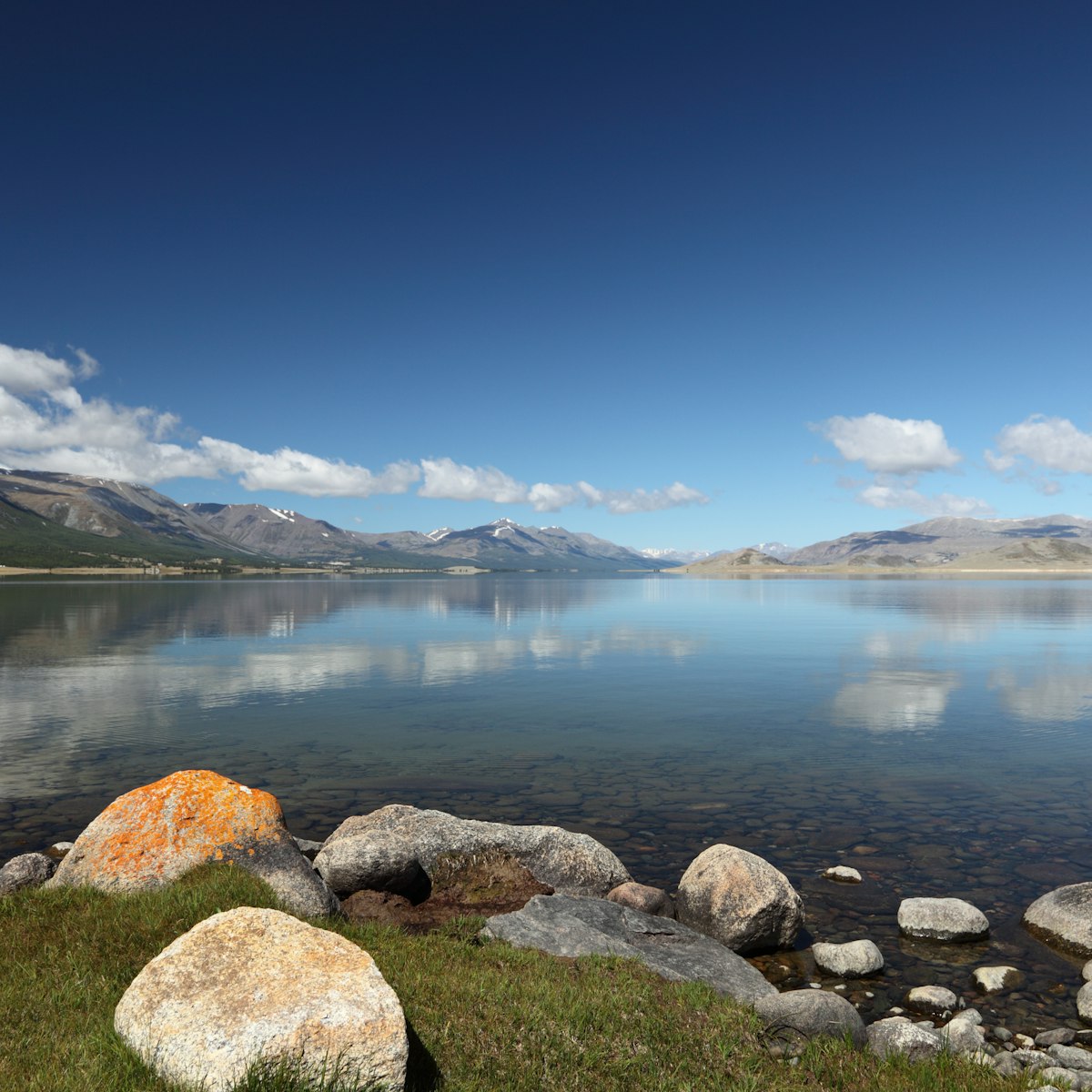
The southern shore along Khoton Nuur has excellent camping spots, especially around Ulaan Tolgoi, a spit of land that juts majestically into the lake. The…
Western Mongolia
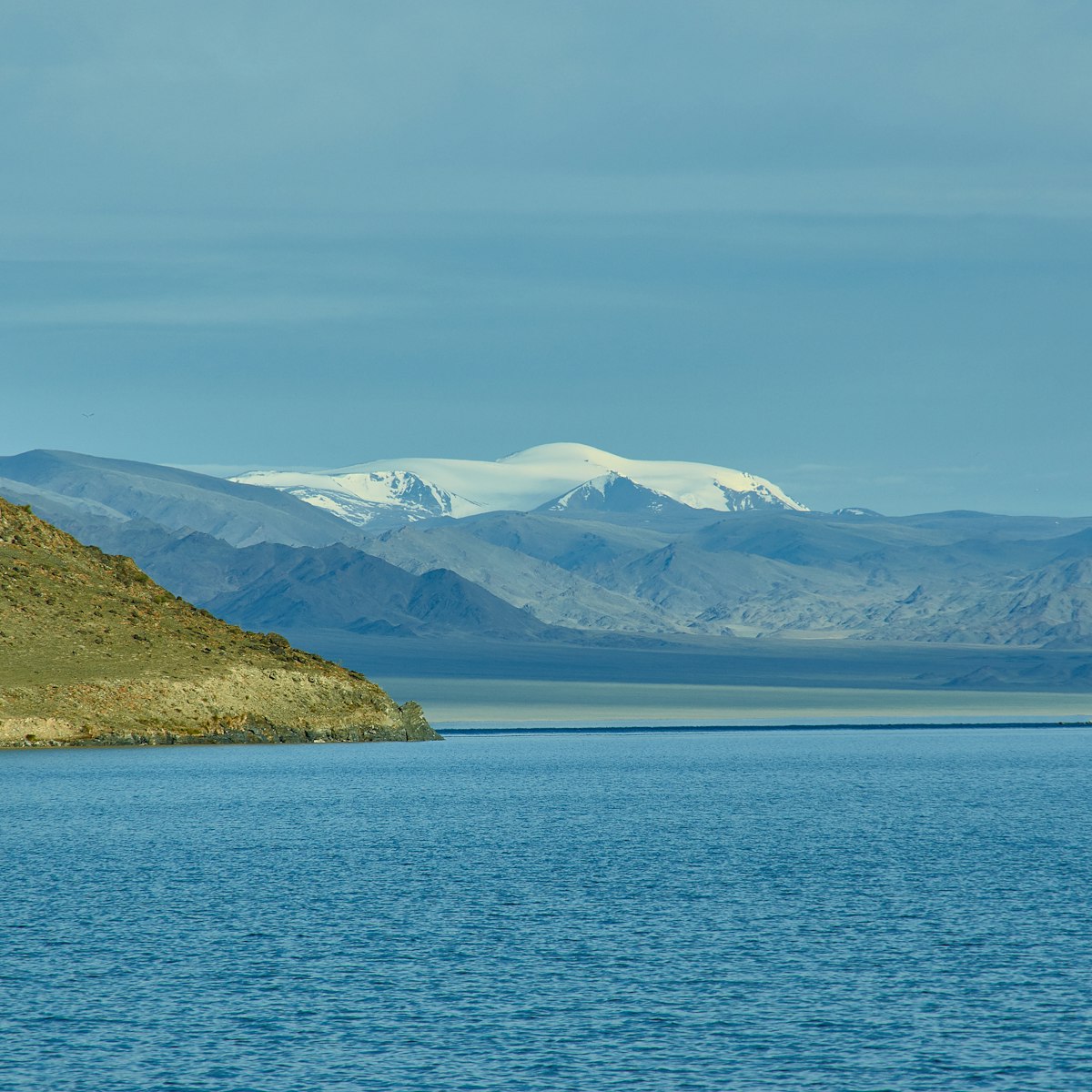
Üüreg Nuur (elevation 1425m) is 20km long and 18km wide, with an average depth of 27m. Surrounded by mountains of 3000m-plus, and almost entirely devoid…
Western Mongolia
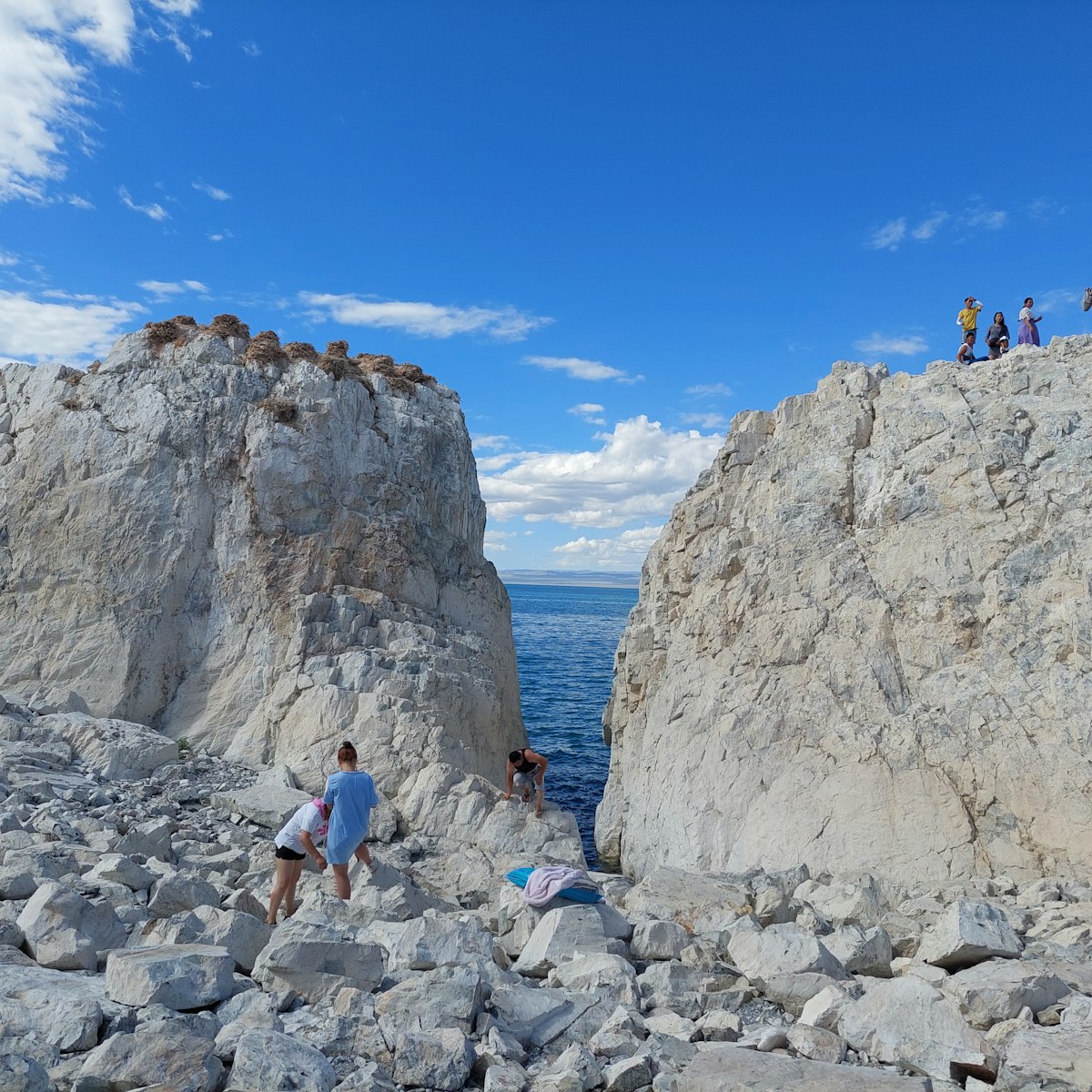
The lake's main attraction Khetsuu Khad, an enormous rock sticking out of the water that attracts migratory cormorants. The birds arrive in April and…
Western Mongolia
This huge cave looks deceptively small from the parking area. But once you scramble up the loose rock path, you realise its true size and how it must have…
Western Mongolia
High up in the protected area of mountains north of Üüreg Nuur, a 14m waterfall cascades over black rocks. It's a 10km slog (most people drive this bit)…
Western Mongolia
Crowning a level platform of boulders atop Dayan Uul is this 30m-high sedimentary rock tower, draped with blue cloth and encircled by prayer wheels. The…
Western Mongolia
Western Mongolia's second highest mountain – the permanently snow-capped Tsambagarav Uul (4208m) – straddles the border between Khovd and Bayan-Ölgii…

Filter by interest:
Get to the heart of Western Mongolia with one of our in-depth, award-winning guidebooks, covering maps, itineraries, and expert guidance.