Tulum
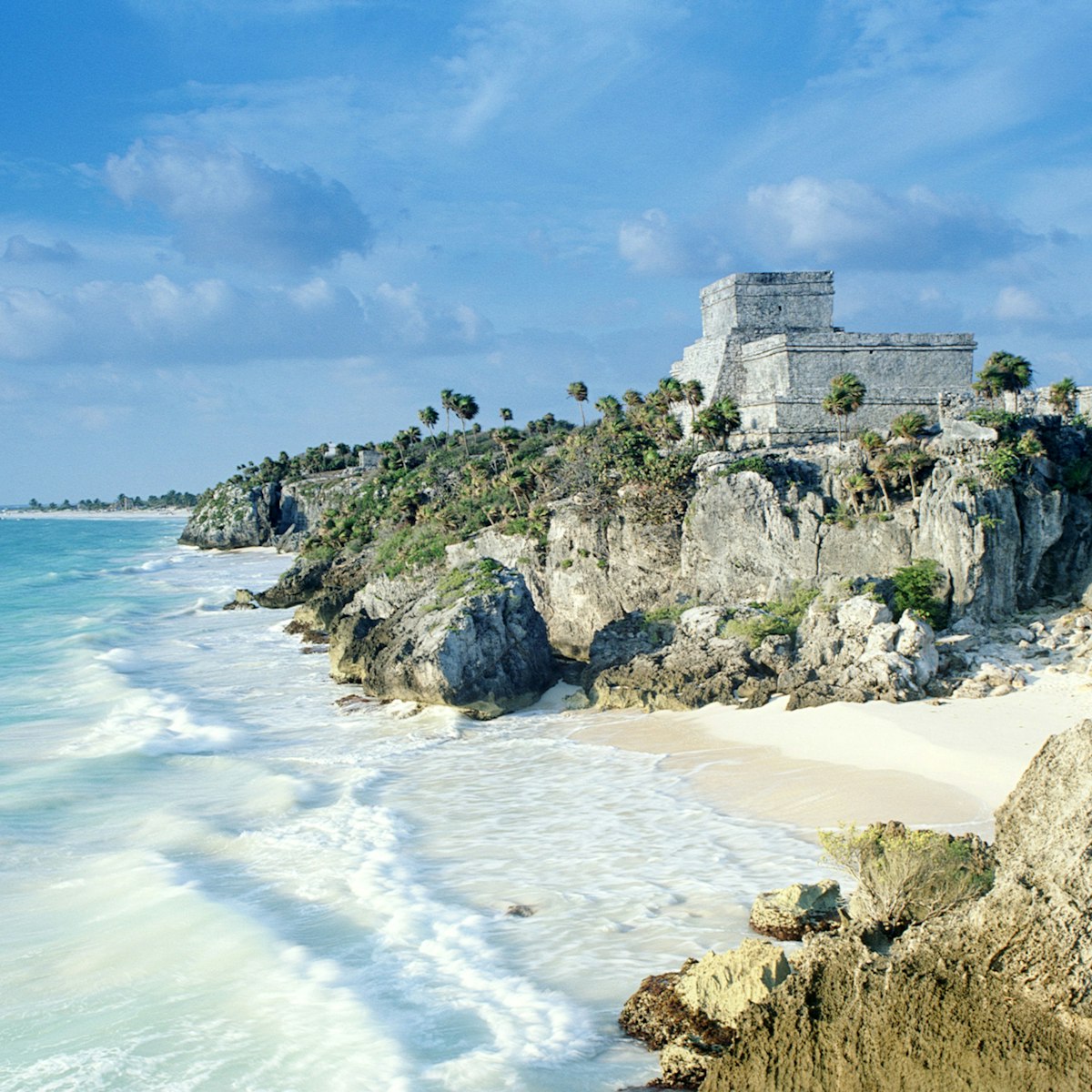
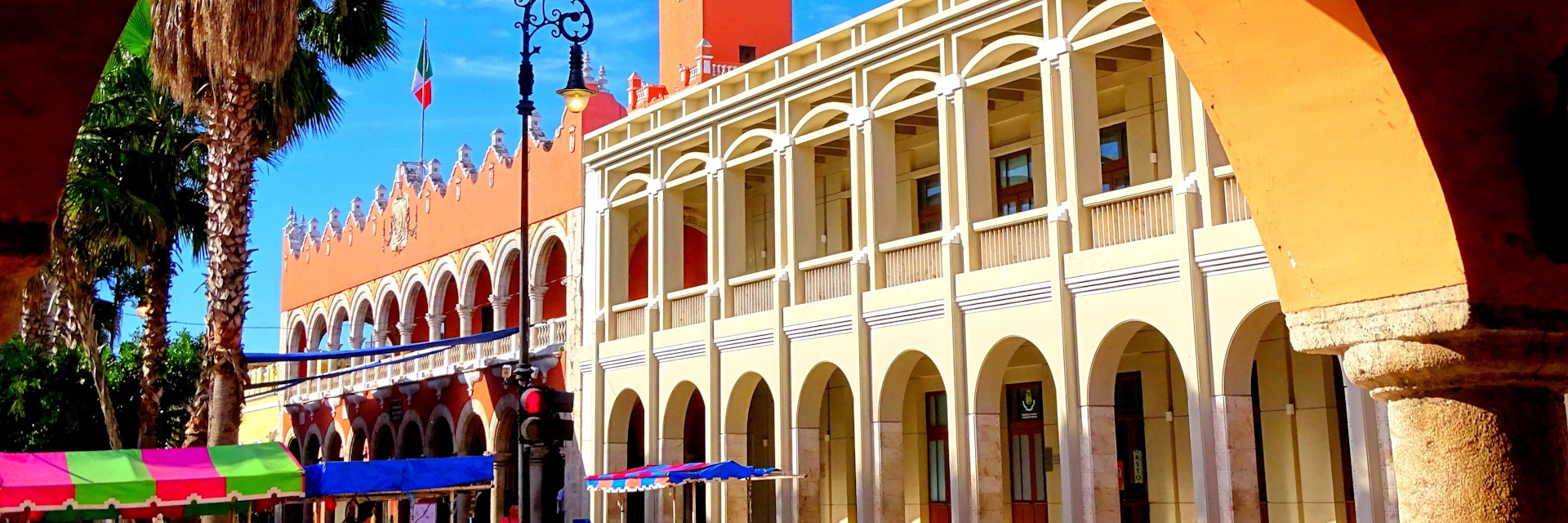
Tulum is one of the most visited archaeological zones in Mexico and for good reason: it’s sublime. The ruins sit on seaside cliffs, high above turquoise…
©GIBAN/Shutterstock
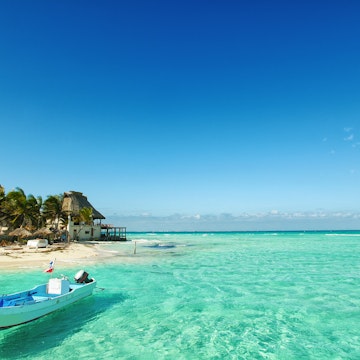
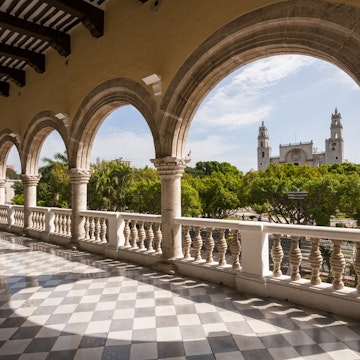
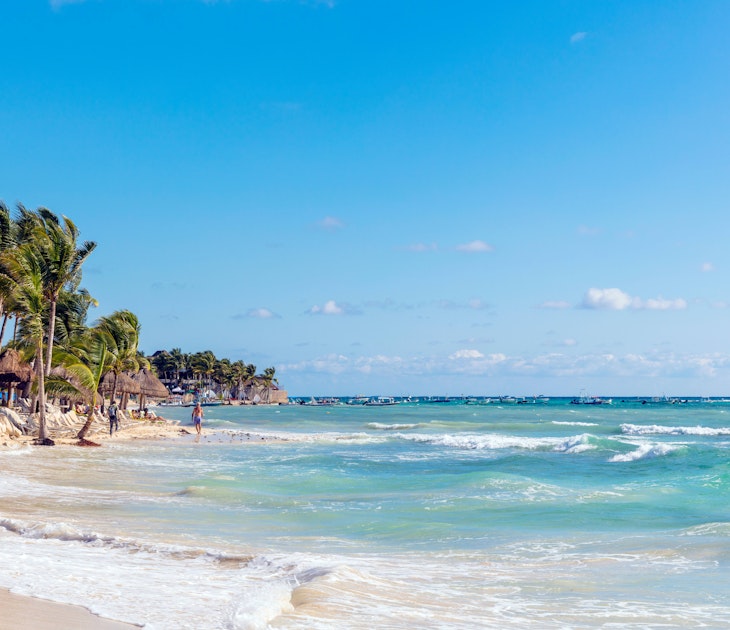
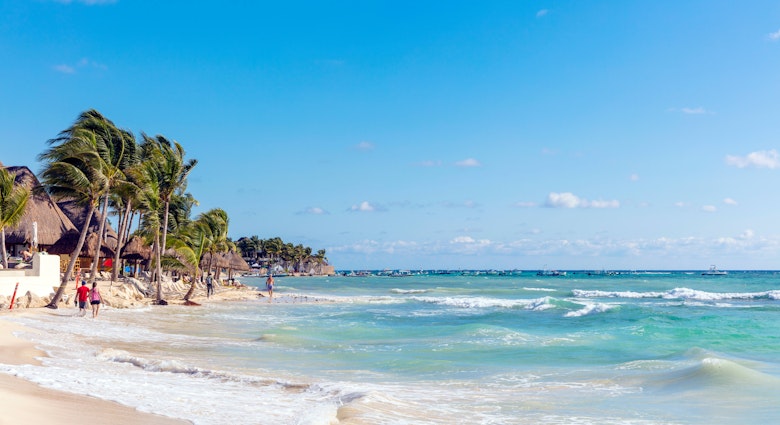
Few Mexican destinations can dazzle you with ancient Maya ruins, azure Caribbean and Gulf of Mexico waters and colonial cities all in one fell swoop. Actually, there's only one – the Yucatán Peninsula. The peninsula comprises parts of Belize and Guatemala, as well as three separate Mexican states: Yucatán, Quintana Roo and Campeche. Quintana Roo is probably the best known thanks to the tourism mega-destinations of Cancún, Tulum and Playa del Carmen, where millions flock annually to get their share of vitamin D on brochure-perfect beaches or resort infinity pools. But head just a couple of hours west and you hit Mérida, the capital of Yucatán state, whose colonial architecture and contemporary restaurants are a satisfying change of pace, not to mention the many cenotes (freshwater springs) nearby. Neighboring Campeche state is home to mind-blowing Maya ruins galore. This entire compact peninsula holds wonderful, varied and accessible travel surprises.
Experience the real Yucatán Peninsula. Let a local expert handle the planning for you.
Get startedTulum
Tulum is one of the most visited archaeological zones in Mexico and for good reason: it’s sublime. The ruins sit on seaside cliffs, high above turquoise…
Cancún
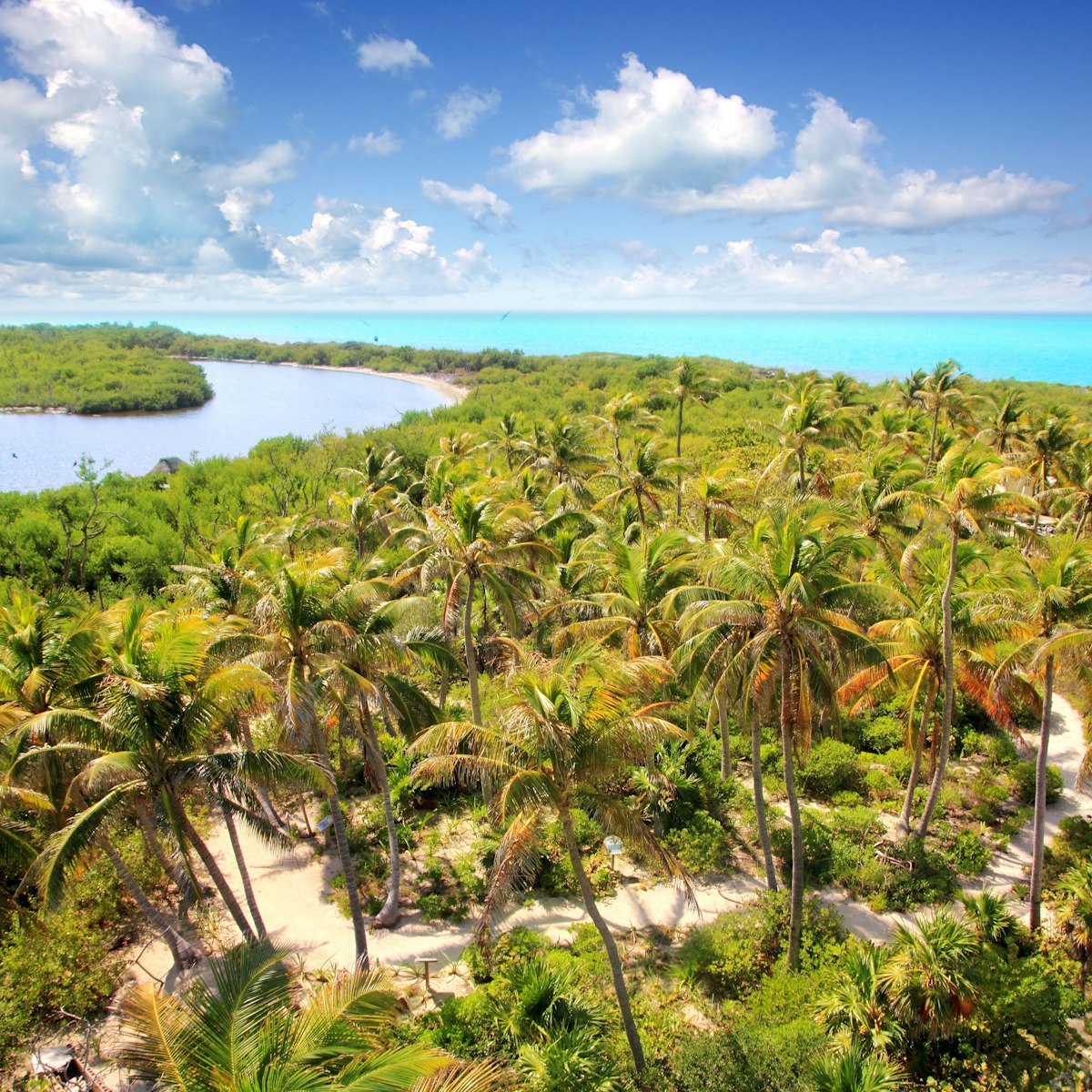
A white sand beach with manta rays gliding through the shimmering turquoise waters. No hotels. No nightclubs. No roads or cars of any kind. It’s hard to…
Tulum
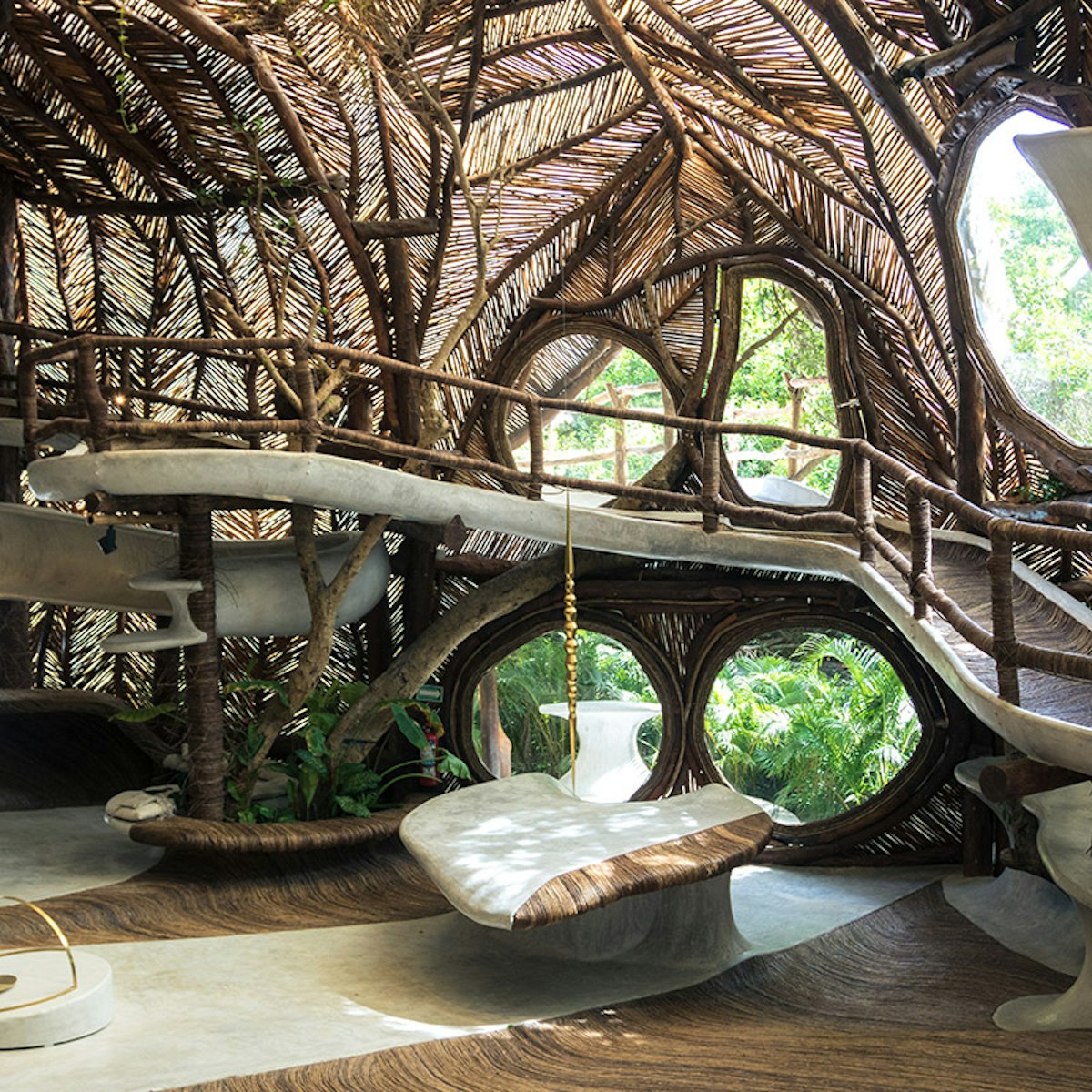
Wandering barefoot through the contemporary art museum at Azulik hotel, you feel like you’re in a giant cocoon. Nature surrounds you, inside and out:…
Cancún
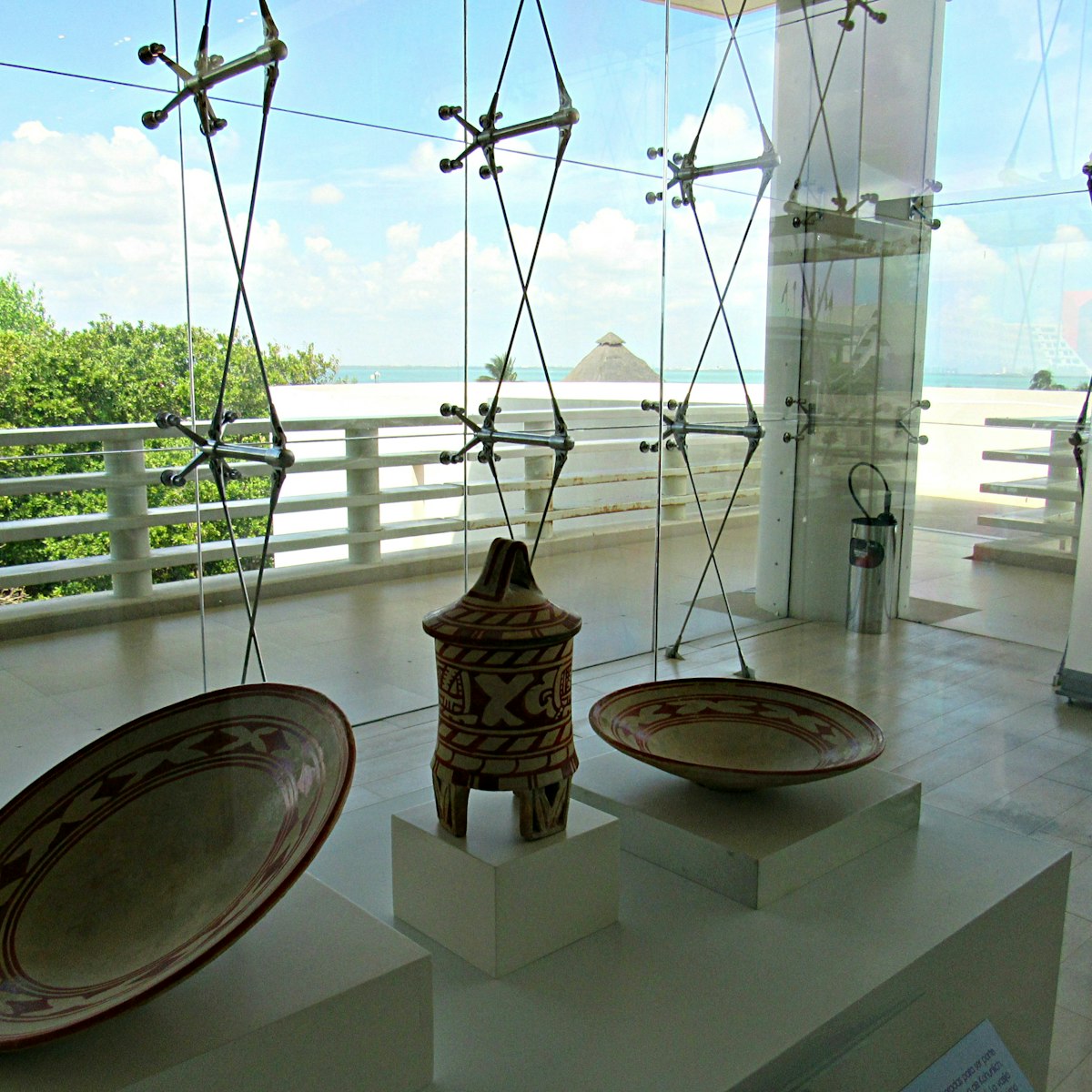
Surrounded by dense tropical forest, the contemporary Museo Maya de Cancún is a welcome respite from the beach and buffet lines of the neighboring high…
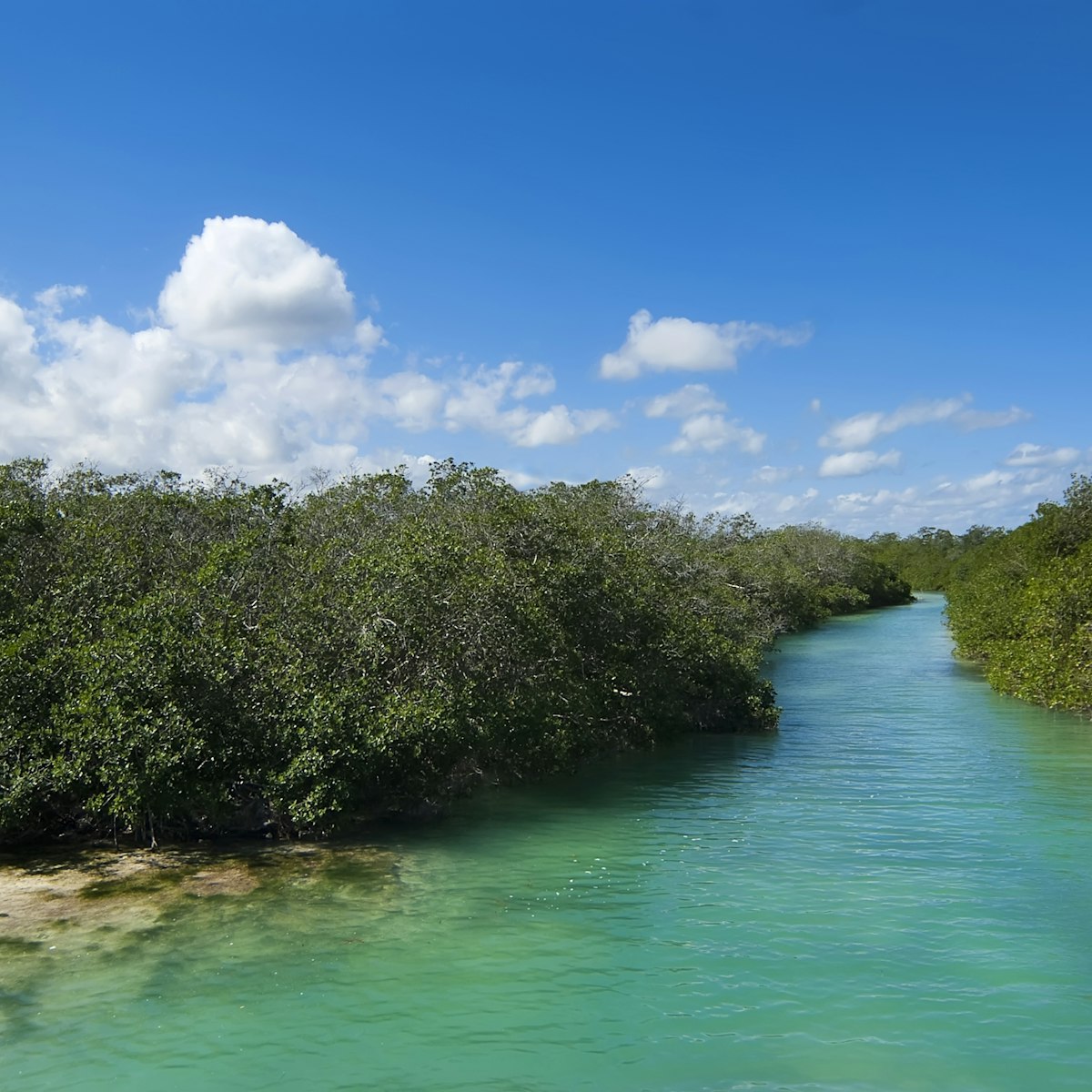
Reserva de la Biosfera Sian Ka'an
Tulum
While floating down a canal that Mayans dug by hand centuries ago, you see tall grasses on either side and colorful birds flying overhead. You hear the…
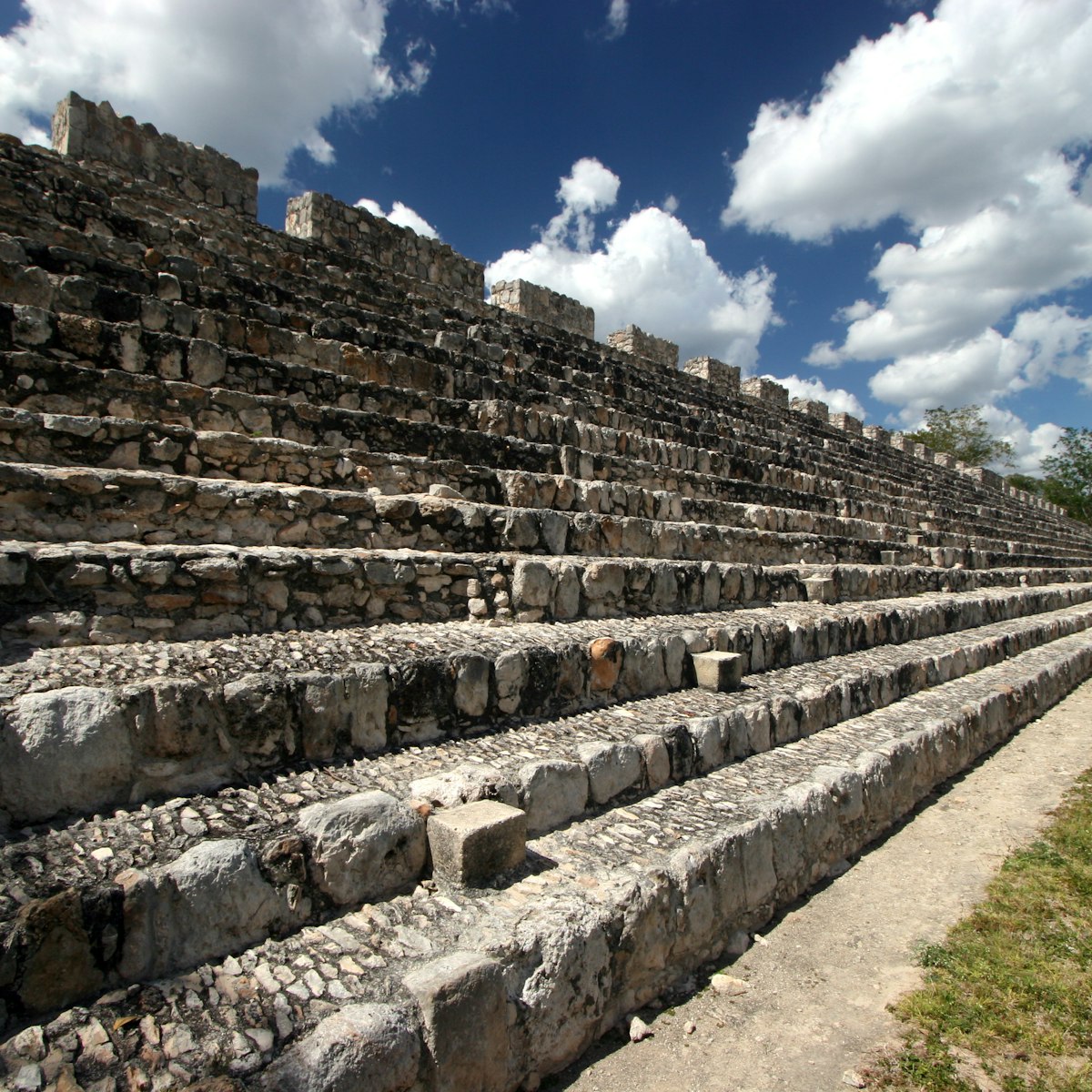
Campeche State
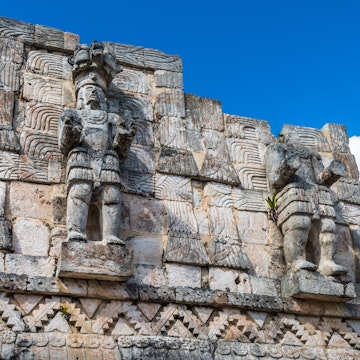
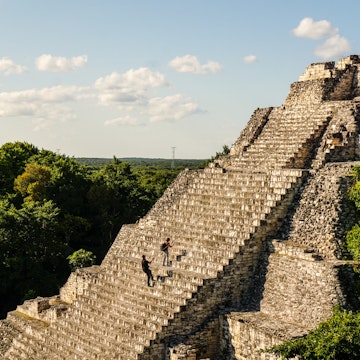
Edzná’s massive complexes, that once covered more than 17 sq km, were built by a highly stratified society that flourished from about 600 BC to the 15th…
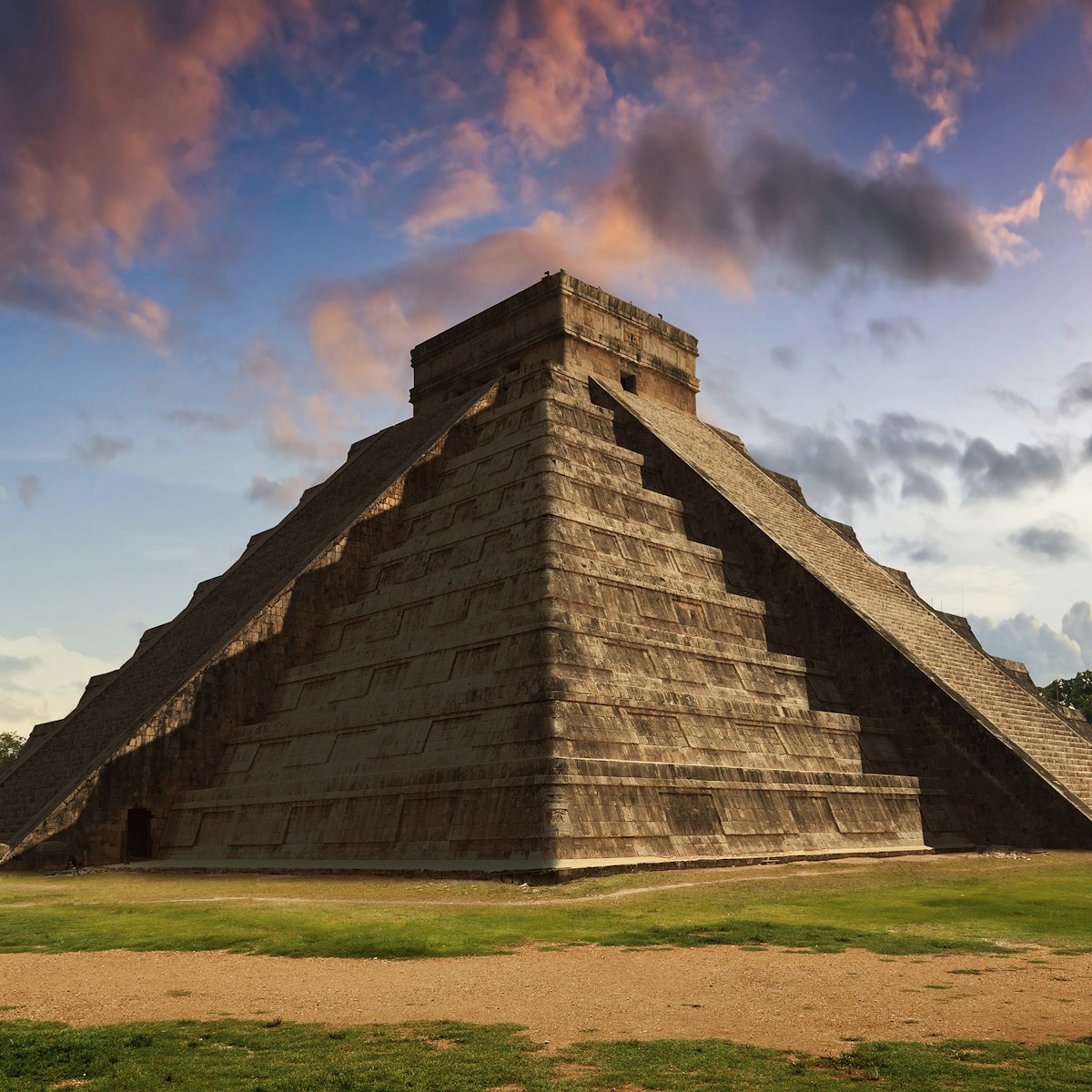
Yucatán State & the Maya Heartland
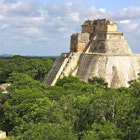
Chichén Itzá, meaning 'mouth of the well of the Itzáes' in Mayan, is a stunning ruin well worth visiting for its spectacular, iconic structures and…

Calakmul
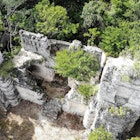
Quite unlike any other Maya city you'll visit in Yucatán, Calakmul was ‘discovered’ in 1931 by American botanist Cyrus Lundell, and is located deep in the…
Filter by interest:
Aug 11, 2020 • 6 min read
Jan 3, 2020 • 1 min read


in partnership with getyourguide
Get to the heart of Yucatán Peninsula with one of our in-depth, award-winning guidebooks, covering maps, itineraries, and expert guidance.