Dec 3, 20257 min read
9 things you should do in Kuala LumpurDec 3, 2025
7 MIN READ
Writer
Writer
Malaysia’s futuristic capital Kuala Lumpur has evolved from a ramshackle tin mining settlement into a gleaming modern metropolis.
Visitors can have countless adventures in KL, by getting a glimpse of the city’s rich history, sampling some of the best-tasting dishes in the world, and savoring the glitz and glamor of a night out. Our number-one tip? Try everything.
Here are a few ideas to get you started – the best things to do in Kuala Lumpur.
Islam is the primary religion practiced in Malaysia, but the country’s makeup of multiple ethnic groups means that you’ll also find stately temples and churches dotted all over the city.
Jamek Mosque is a longstanding KL landmark, while Thean Hou Temple astounds with its elaborate architecture. Head up to Batu Caves via a flight of colorful steps and you’ll find Hindu shrines nestled amid the towering caves of limestone.
Planning tip: Local Muslims come out to worship every Friday afternoon, and city traffic can get congested. Which is why visits to mosques are better done on other days of the week. Revealing or tight clothing is not allowed at most religious sites; some will offer sarongs for visitors to properly cover up.
No trip to Kuala Lumpur is complete without stopping to see the Petronas Towers, once the tallest buildings in the world. Views of the sprawling city from the observation deck are unparalleled – yet gazing at (and usually up at) the twin towers from may be even more impressive.
The best places to snap photos of the structure are KLCC Park, or from the pavilion just in front of the towers. For dynamic snaps of the city with the Twin Towers in the background, head up to Sky Deck at Menara KL.
Planning tip: Timed-entry tickets for the Petronas Towers are best bought online in advance to guarantee your slot. Plan on arriving 15 minutes ahead of your allotted time.
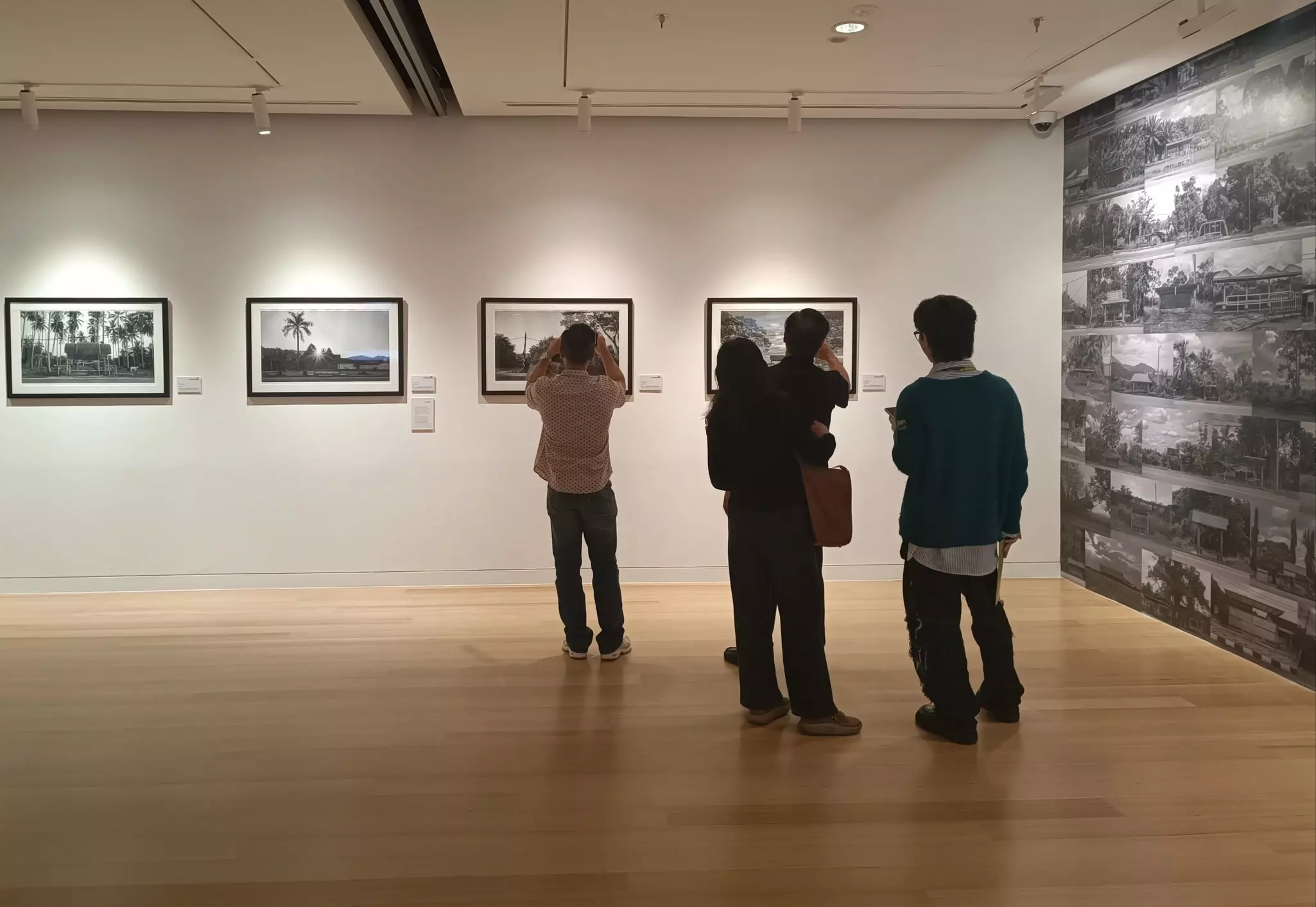
See how traditional folk art meets modern design. Find that one-of-a-kind memento to take home with you. Chat with local artists, watch a performance or get hands-on at a workshop: you can savor KL’s art scene in many ways.

Stay connected abroad with an eSIM
Holafly eSIM provides unlimited mobile data with no hidden fees, giving you peace of mind wherever you travel. Stay connected even after your plan ends with Always On. Use code LONELYPLANET for an exclusive discount.
GMBB KL is a space for independent creative exhibits in the heart of the city, while Gerimis offers a glimpse into Indigenous art and culture. To rub elbows with locals and join a workshop, The Godown is the place to go. Temu House provides a space for artists to get creative, whether that’s showcasing their art, writing, cooking or music.
Planning tip: These spaces tend to advertise their events on Instagram. Some locations may be less accessible via public transport; in that case, call a Grab, the local rideshare app.
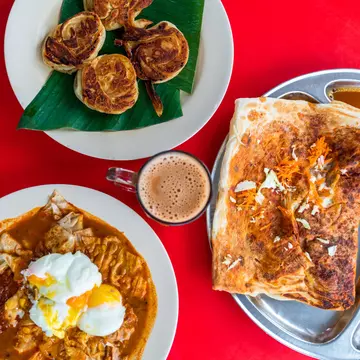
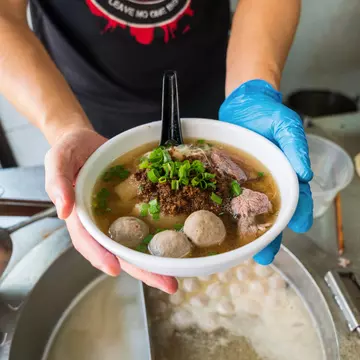
It’s no exaggeration to say that KLites live to eat. And why wouldn’t they? Malaysian cuisine is a beautiful amalgamation of Malay, Chinese and Indian influences that offers endless variety, with every bite delicious.
Head to the hawker stalls in Lot 10 Hutong food village for a selection of the best local Chinese cuisine. We recommend the Hokkien mee (yellow noodles fried with sliced meat, boiled squid, prawns and strips of fried egg) served at Lim Liam Kee, and the stir-fried rice noodles at Penang Famous Fried Koay Teow.
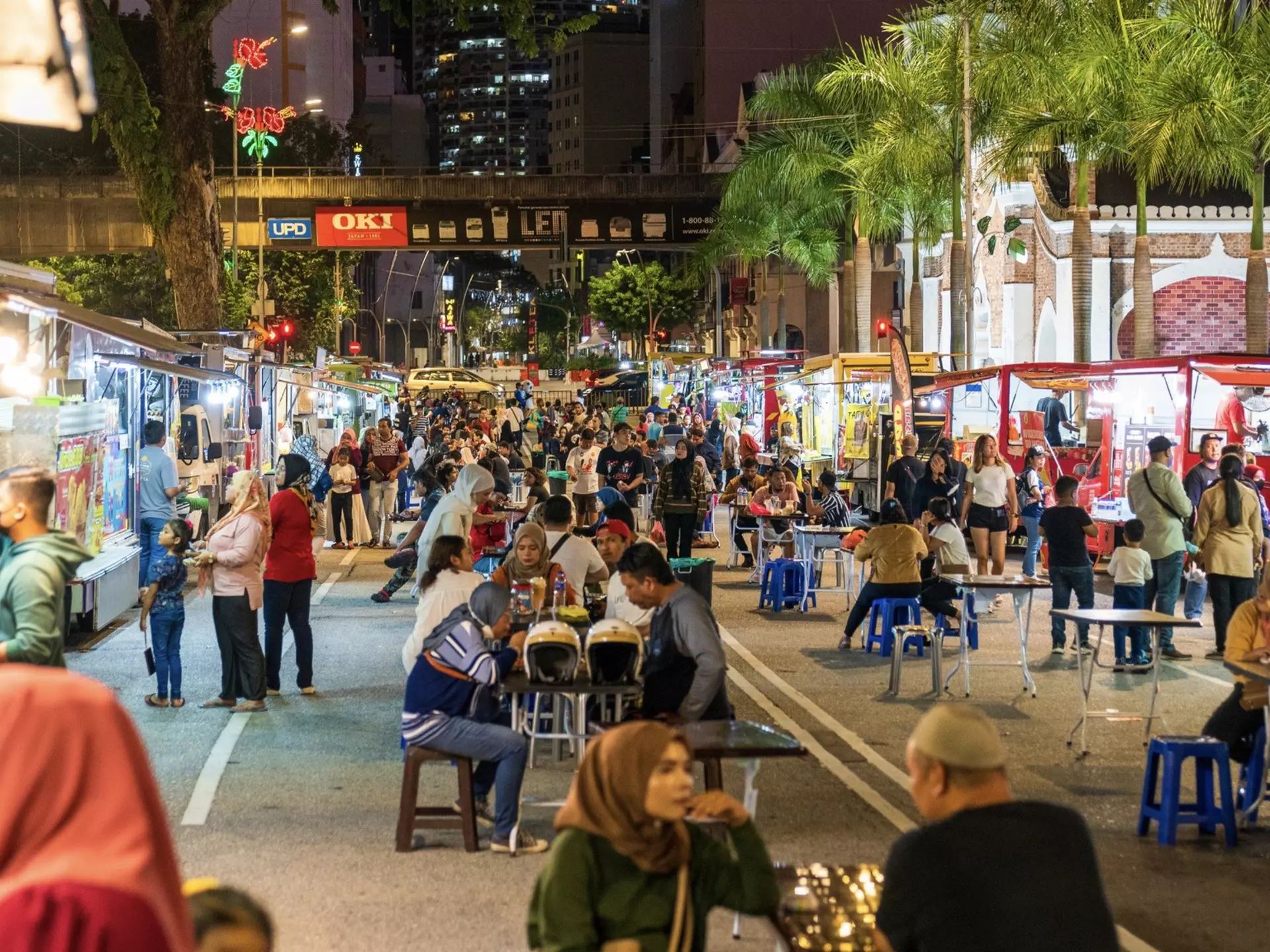
For excellent Indian cuisine, stop by Sri Nirwana Maju for banana-leaf rice; some locals eat it with their hands. Madam Kwan’s serves signature local dishes, like nasi lemak (rice boiled in coconut milk with peanuts) and laksa noodles. For street eats, head to Jalan Alor, where chicken wings at Wong Ah Wah are a must-try.
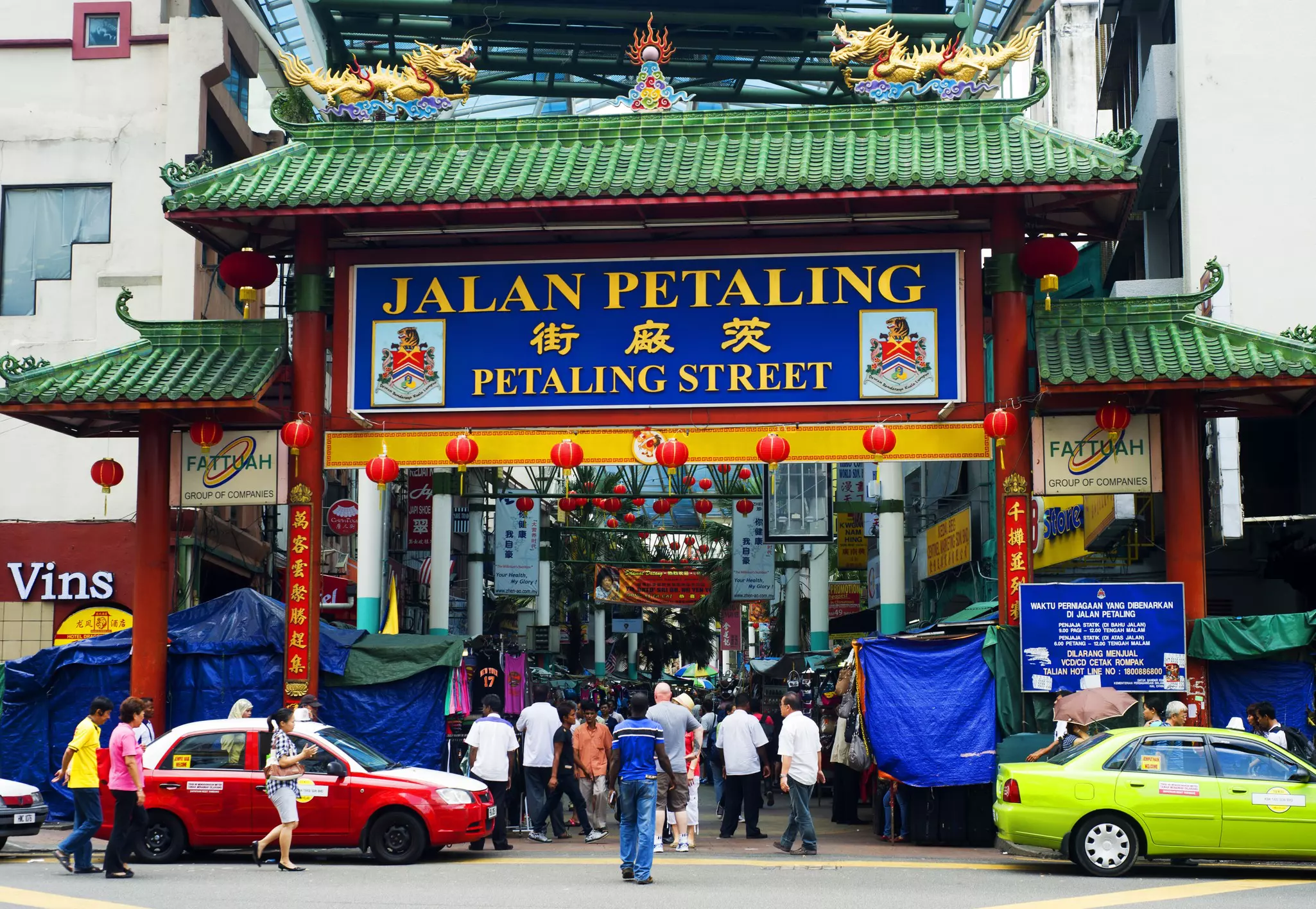
Petaling St was where Chinese merchants set up shop during Kuala Lumpur’s colonial era. While it’s still known as the city’s Chinatown, and its entrance is still marked by a giant Chinese-style gate, the area has grown more diverse over the years.
Even for locals, Petaling St activates every sense, with merchandise-packed shops and food stalls laid out on every corner. Many of the city’s most famous places to eat are here, too. Try some bak kwa (sweet barbecued jerky), and stop by Lai Foong Lala Noodles for a bowl of vermicelli with clams.
Planning tip: Petaling St can be a good place to find souvenirs – just hold off on buying until you’ve seen what’s on offer at the shops, for while a lot of the merchandise is similar, prices can vary greatly. For local crafts and none of the haggling, Central Market is your spot.

If you can’t decide whether to get a bird’s-eye view of the Kuala Lumpur skyline or go bird-spotting, opt for both at Bukit Nanas. In the middle of the city, this hill is home to KL Forest Eco Park, one of Malaysia’s oldest forest reserves, and Menara KL, a spindle-like, skyscraping radio tower.
A rewarding way to experience both is to hike up from the KL Forest Eco Park entrance at the foot of the hill (E3 Entrance), traversing above the treetops via the canopy walkway (called titian silara on maps and signposts) until you reach the base of Menara KL. The roughly 30-minute, paved hike is easy enough for beginners and older children – and you’ll spot birds and swinging macaques along the way.
Planning tip: To get the most bang for your buck, keep going when you reach the exit near the tower base and explore the woods a little more before doubling back, as you won’t be issued a ticket or receipt for re-entry.

Thanks to KL’s year-round summers, it’s nearly always a good time to head up to a rooftop bar or restaurant, where you can tuck into scrumptious dishes and sip on cocktails while gazing out at the city’s skyline.
With four separate restaurants to choose from, Troika Sky Dining is a great place to start. The massive balcony at Fuego offers a stunning, completely unobstrcuted view of the Petronas Towers. Beautiful Bar Trigona at the Four Seasons Hotel creates cocktails out of sustainably sourced ingredients. For a change in perspective and atmosphere, Wet Deck at W Kuala Lumpur brings a fresh young vibe and promises of an exciting evening.

Want to escape Kuala Lumpur’s sizzling heat and frequent showers? Head to the mall.
Pavilion KL is a sprawling complex that’s packed with shops carrying everything from luxury fashion to local brands, as well as plenty of food options. A short walk away, The Starhill features retailers on the higher end. For yet more shops and entertainment, a 15-minute walk via a connecting bridge takes you to Suria KLCC, at the foot of the Petronas Towers. Travelers with children will find a few hours of fun at Petrosains, a science museum inside Suria KLCC.
Planning tip: Malaysia’s many holiday seasons bring frequent sales. The biggest sales periods come around Lunar New Year (January to February) and Hari Raya (falling at the end of March in 2026). The end of the year is also a great time to snag a bargain.
As the sun sets over the city, Kuala Lumpur’s premier party district comes to life with bright lights and thumping music at popular nightspots. Rabbit Hole is a cafe by day and a bar by night, with a sleek, minimalist interior and refreshing cocktails on tap. Some of KL’s best live acts regularly take the stage at Jao Ti.
Those looking for a more relaxed night out can slip into the city’s many speakeasies. Pahit serves up an impressive list of gin cocktails, while the decor at PS150 harkens back to colonial-era Chinatown.
Detour: Merdekarya, south of the city, keeps it low-key and casual with young local acts and grunge decor. We recommend the tuak (rice wine from East Malaysia).
Explore related stories