Byblos
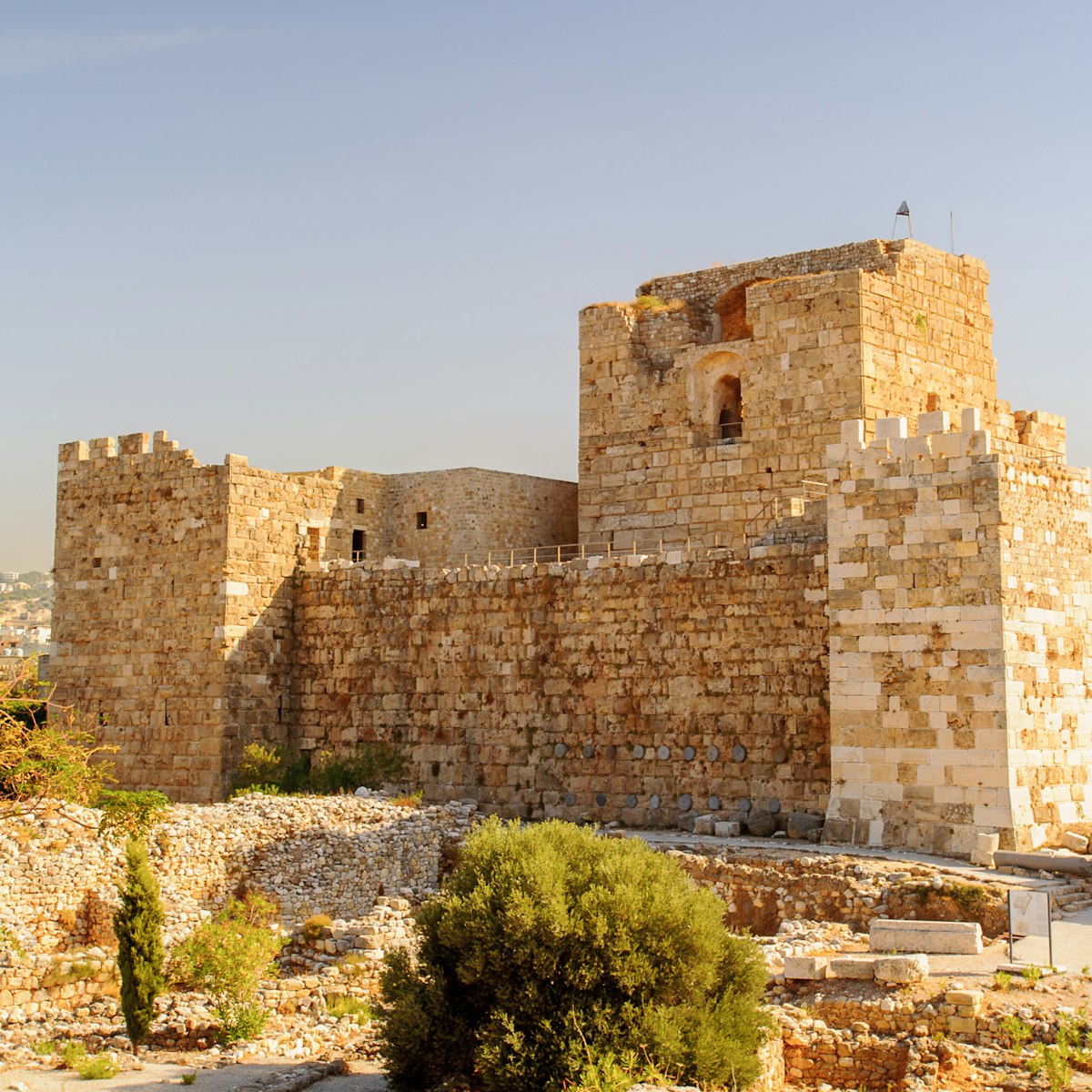
A restored 12th-century Crusader castle surrounded by a 10m-wide dry moat is located just inside the entrance to Byblos' atmospheric archaeological site…
Wendy Connett/Robert Harding
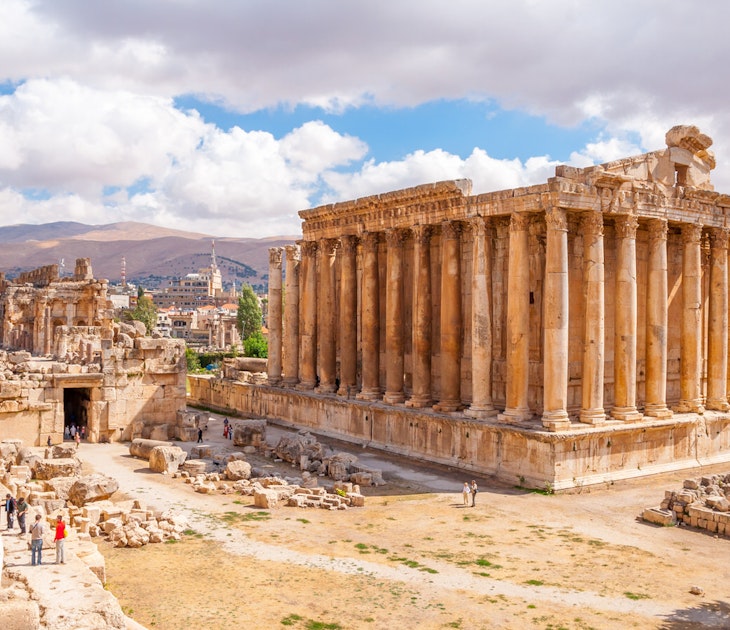
A pretty fishing port with an ancient harbour, medieval town centre, Crusader-era castle and atmospheric archaeological site, Byblos (Jbail in Arabic) is a wonderful choice for those wanting a night or two out of Beirut, but it's also an easy and enjoyable day trip. The seaside, good accommodation and eating options, and a lively party scene in the old souq make it a likeably hedonistic place that packs out in summer.
Byblos
A restored 12th-century Crusader castle surrounded by a 10m-wide dry moat is located just inside the entrance to Byblos' atmospheric archaeological site…
Byblos
A well-restored Crusader castle dominates Byblos' atmospheric archaeological site, which incorporates Neolithic, Chalcolithic, Greek and Roman ruins –…
Byblos
Head to the archaeological complex's most modern building – a rather lovely 19th-century house – to inspect its oldest. Just south of the house, you can…
Byblos
These nine tombs were cut in impressive vertical shafts deep into the rock in the 2nd millennium BC and discovered after a landslip. Some of the…
Byblos
Construction of this heartwarmingly beautiful Romanesque church in the medieval streets above the harbour commenced in 1115 and the structure was extended…
Byblos
The site's oldest temple dates back to the early 3rd millennium BC and was dedicated to the goddess of the city. Destroyed by the Amorites, it was…
Byblos
Remains of the early 2nd millennium BC Obelisk Temple have 1500 gold-covered votive offerings in the shape of human figures, which were discovered here in…
Byblos
To get access to earlier temples beneath it, this 3rd-century AD Roman theatre was moved and reconstructed by the sea cliff in the 1930s. It's one-third…
Get to the heart of Byblos with one of our in-depth, award-winning guidebooks, covering maps, itineraries, and expert guidance.