Porto Venere
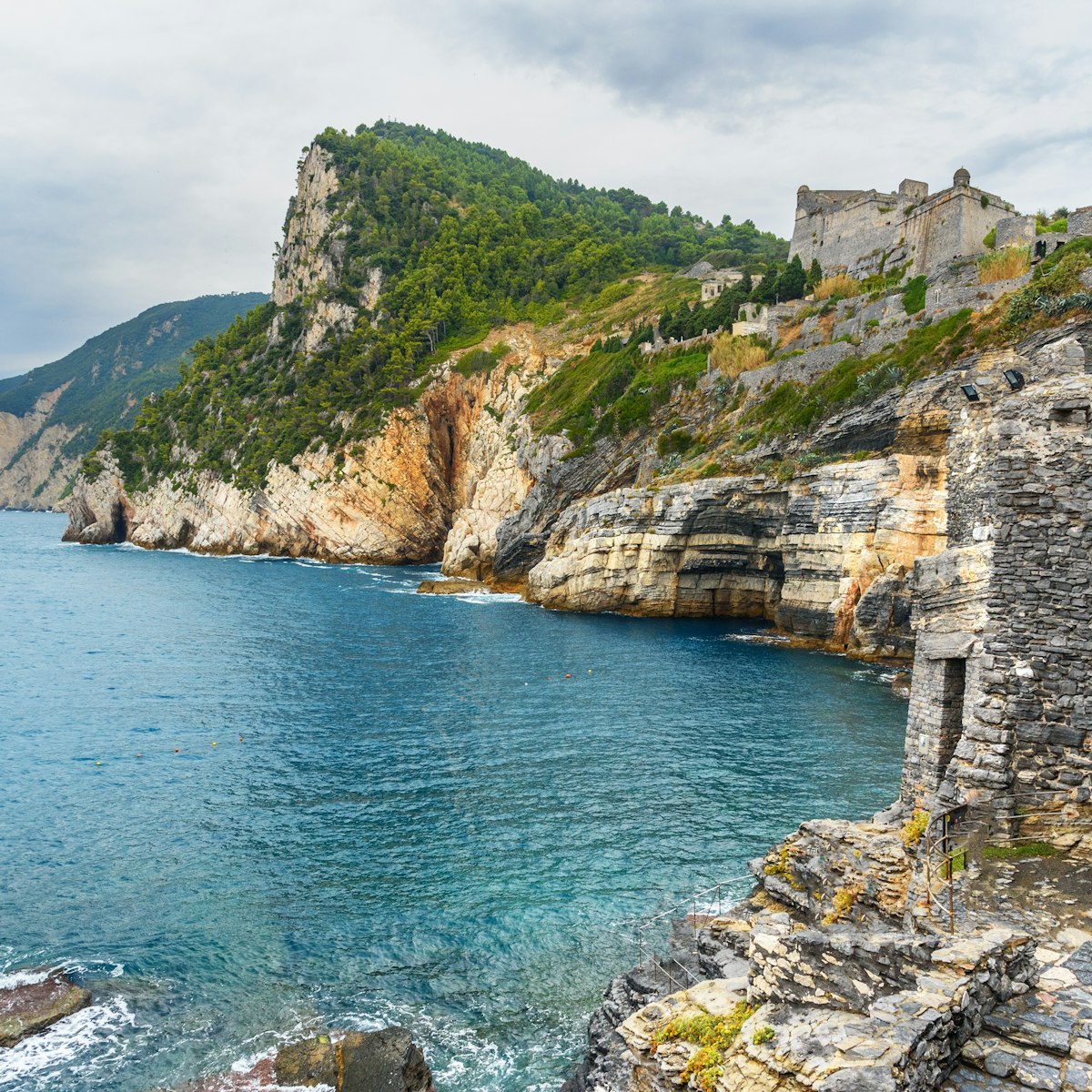
At the end of the quay, a Cinque Terre panorama unfolds from the rocky terraces of a cave formerly known as Grotta Arpaia. Lord Byron once swam across the…
Getty Images
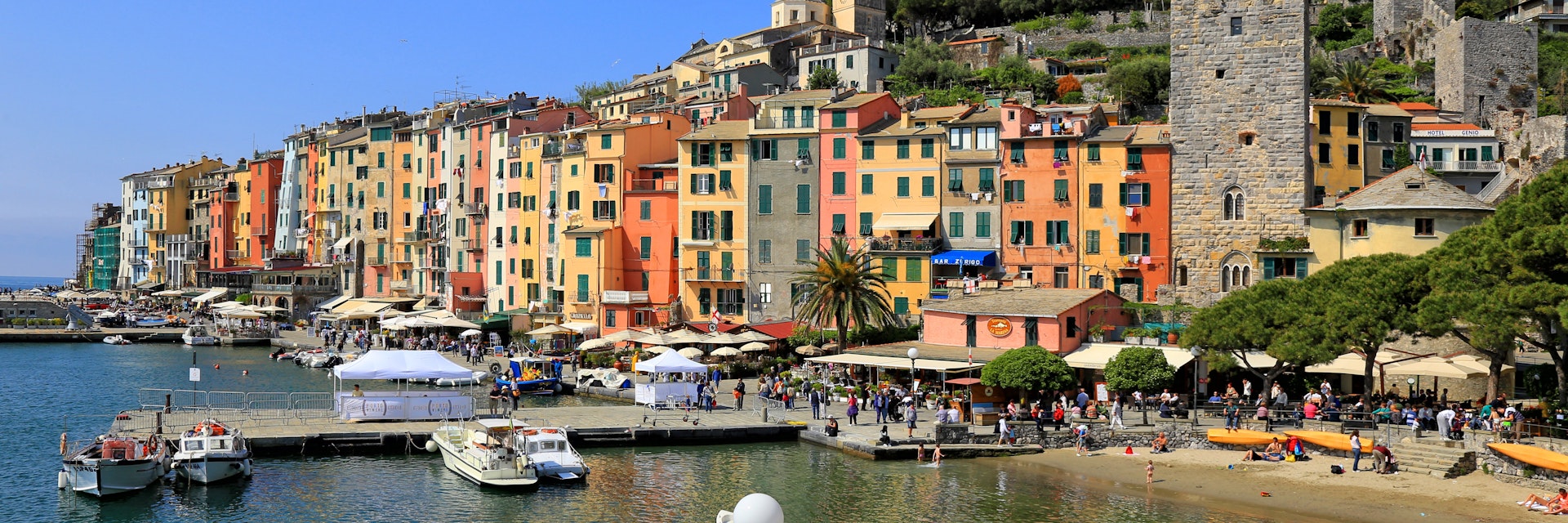
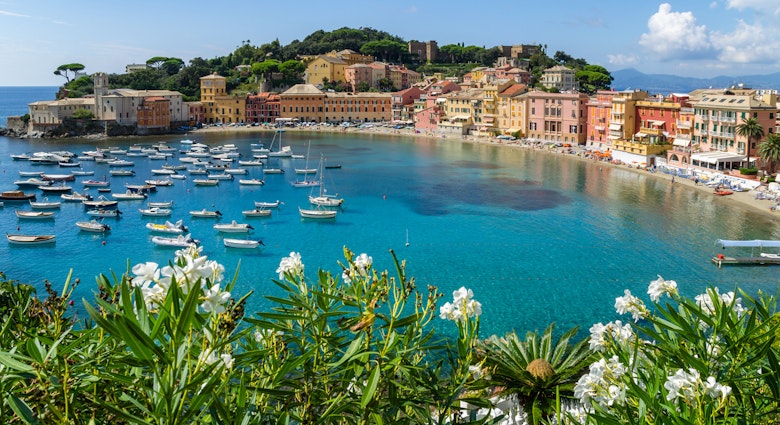
Perched on the dreamy Golfo dei Poeti's western promontory, the historic fishing port's sinuous seven- and eight-storey harbourfront houses form an almost impregnable citadel around the muscular Castello Doria.
Experience the real Porto Venere. Let a local expert handle the planning for you.
Get startedPorto Venere
At the end of the quay, a Cinque Terre panorama unfolds from the rocky terraces of a cave formerly known as Grotta Arpaia. Lord Byron once swam across the…
Porto Venere
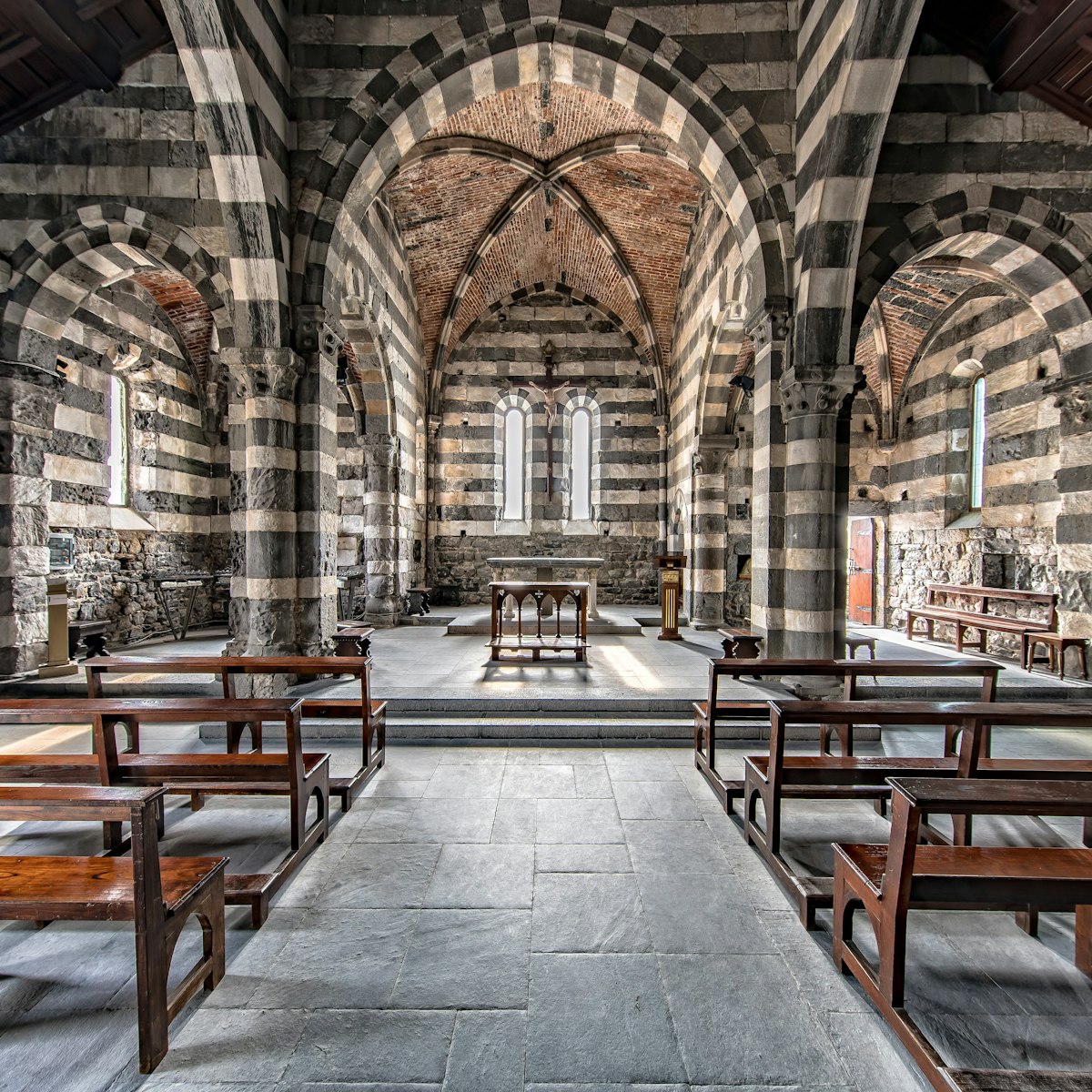
This stunning wind- and wave-lashed church, built in 1198 in Gothic style, stands on the ruins of a 5th-century palaeo-Christian church, with its extant…

Porto Venere
The largest island of the Italian Riviera is largely undeveloped (it's home to around 50 residents) and lies just a short ferry ride from Porto Venere…
Porto Venere
No one knows when the original castle was built, though the current structure – a formidable example of Genoese military architecture – dates from the…

Beaches
Alternative Cinque Terre: five beautiful and unspoiled Italian Riviera villagesAug 16, 2019 • 6 min read
in partnership with getyourguide
Get to the heart of Porto Venere with one of our in-depth, award-winning guidebooks, covering maps, itineraries, and expert guidance.