Vatican City, Borgo & Prati
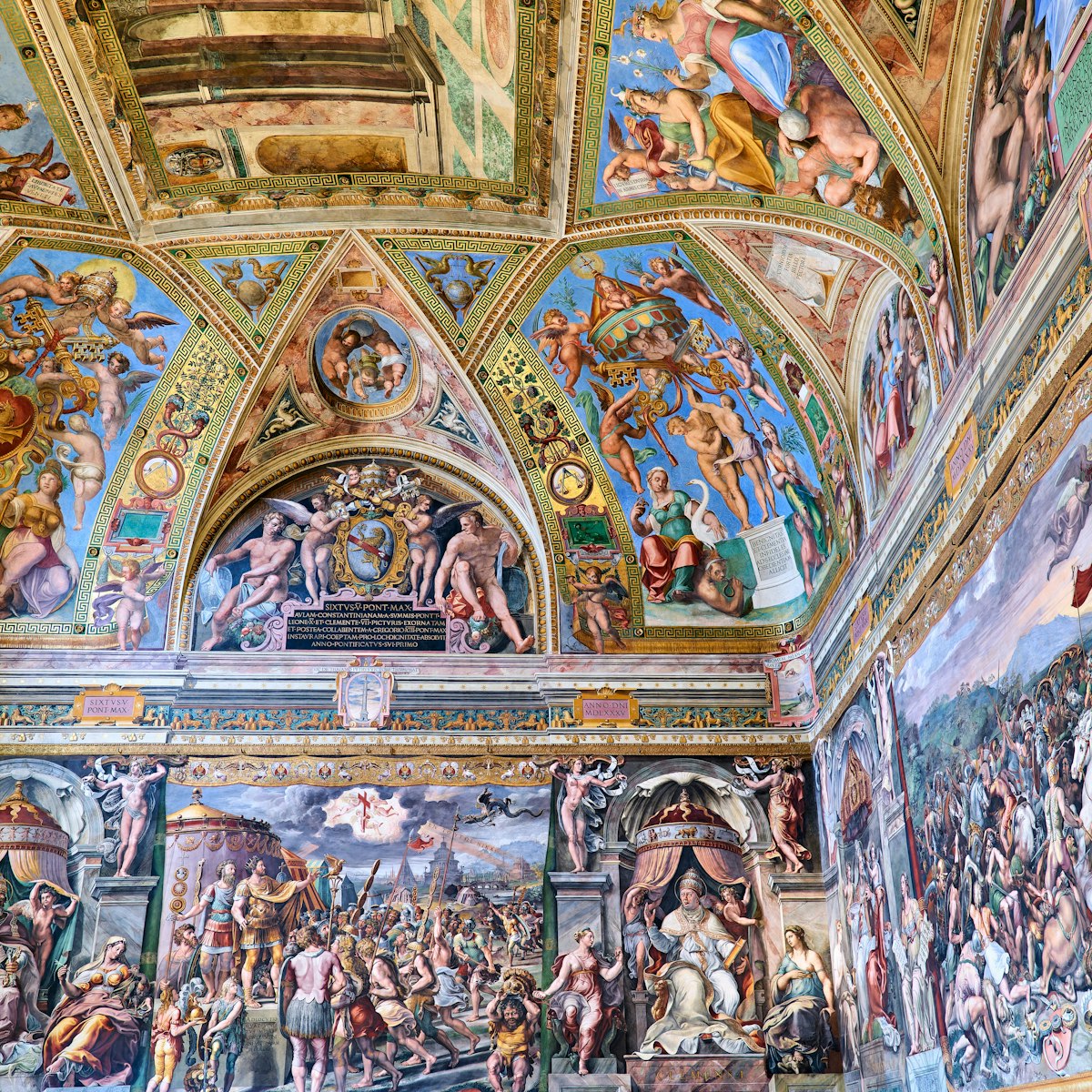
Founded by Pope Julius II in the early 16th century and enlarged by successive pontiffs, the Vatican Museums boast one of the world's greatest art…
With ancient treasures, medieval towns, remote hilltop monasteries and volcanic lakes, Lazio is one of Italy's great surprise packages.
Experience the real Lazio. Let a local expert handle the planning for you.
Get startedVatican City, Borgo & Prati
Founded by Pope Julius II in the early 16th century and enlarged by successive pontiffs, the Vatican Museums boast one of the world's greatest art…
Ancient Rome
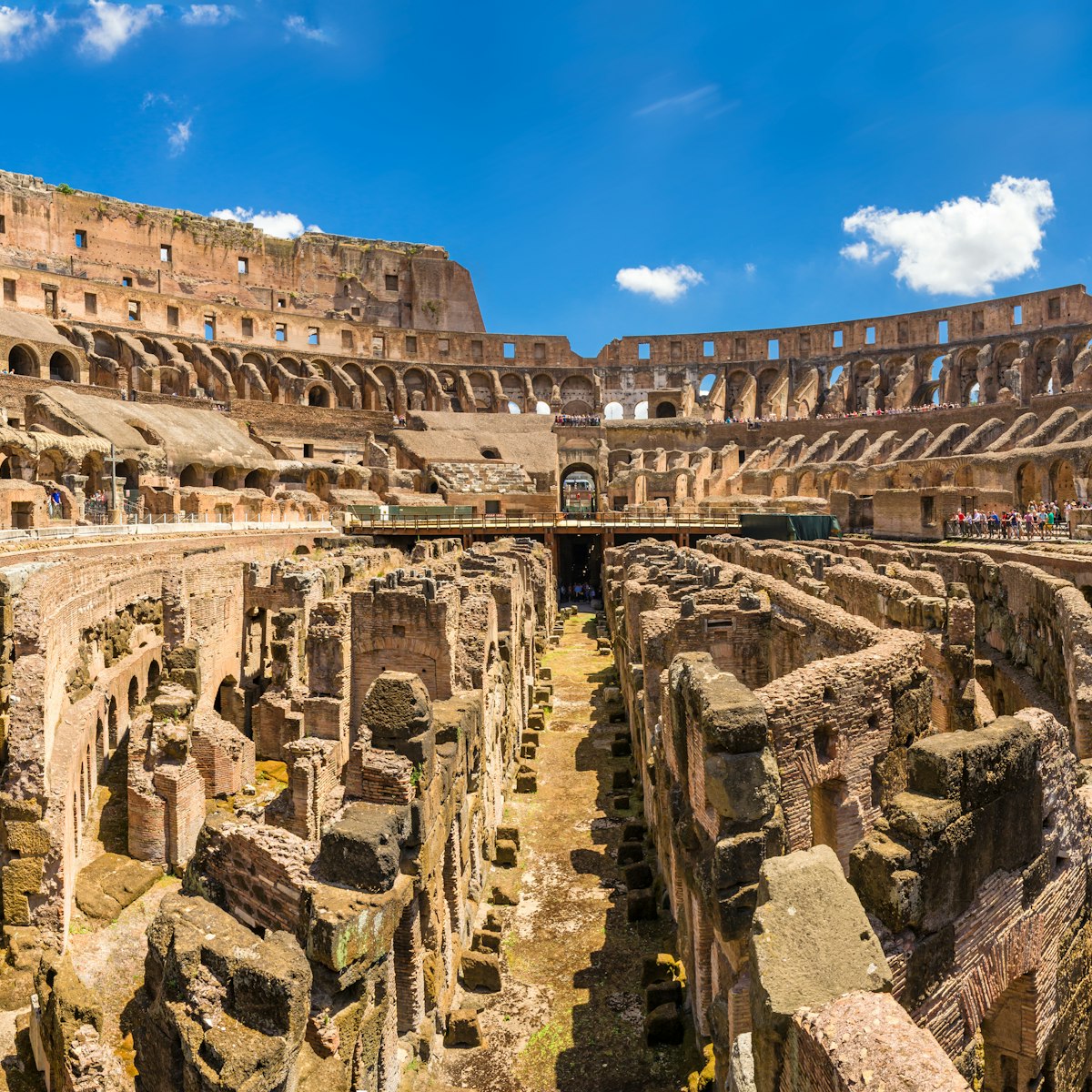
Everyone wants to see the Colosseum, and it doesn’t disappoint, especially if accompanied by tales of armored gladiators and hungry lions. More than any…
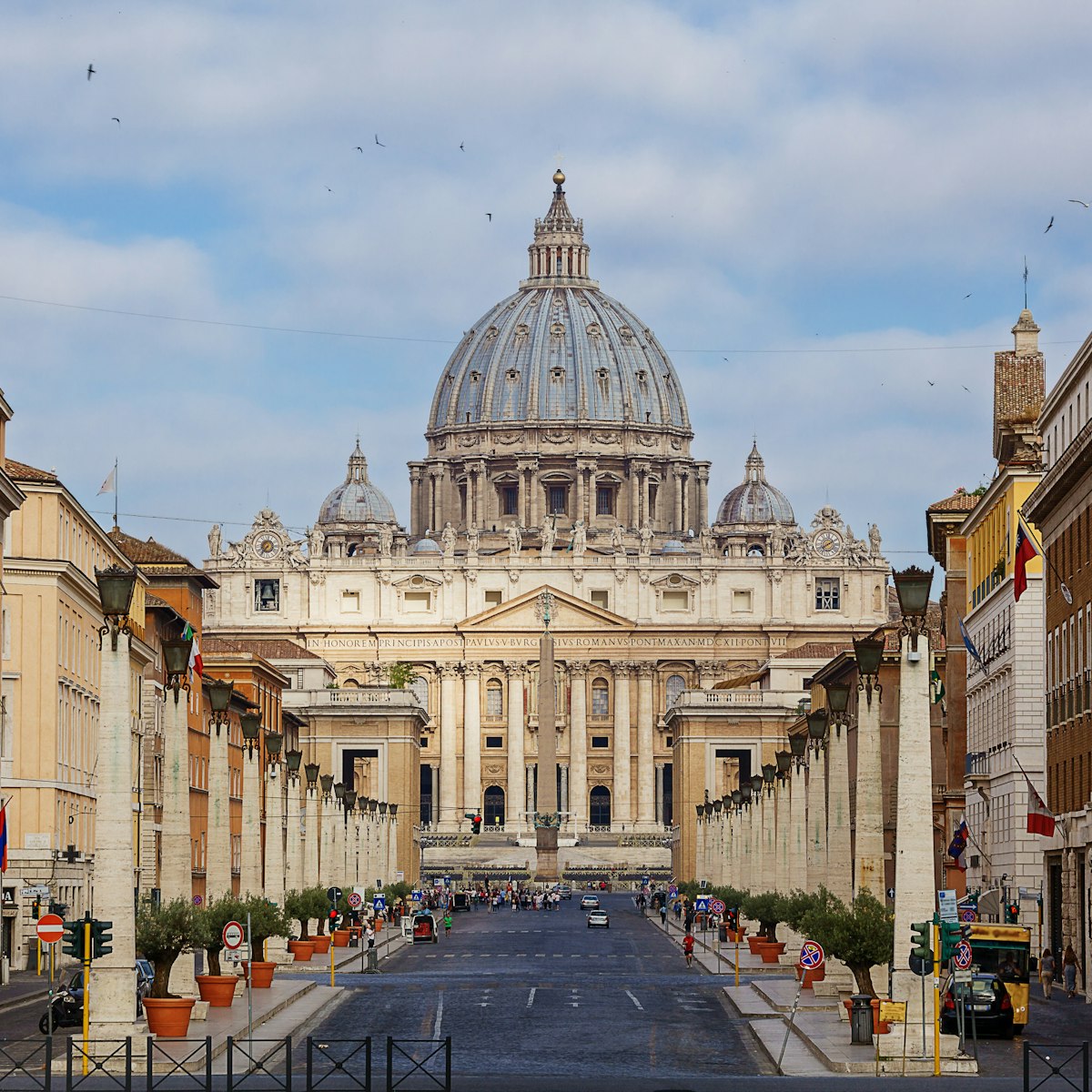
Vatican City, Borgo & Prati
In the city of outstanding churches, none can hold a candle to St Peter's, Italy’s largest, richest and most spectacular basilica. Built atop a 4th…
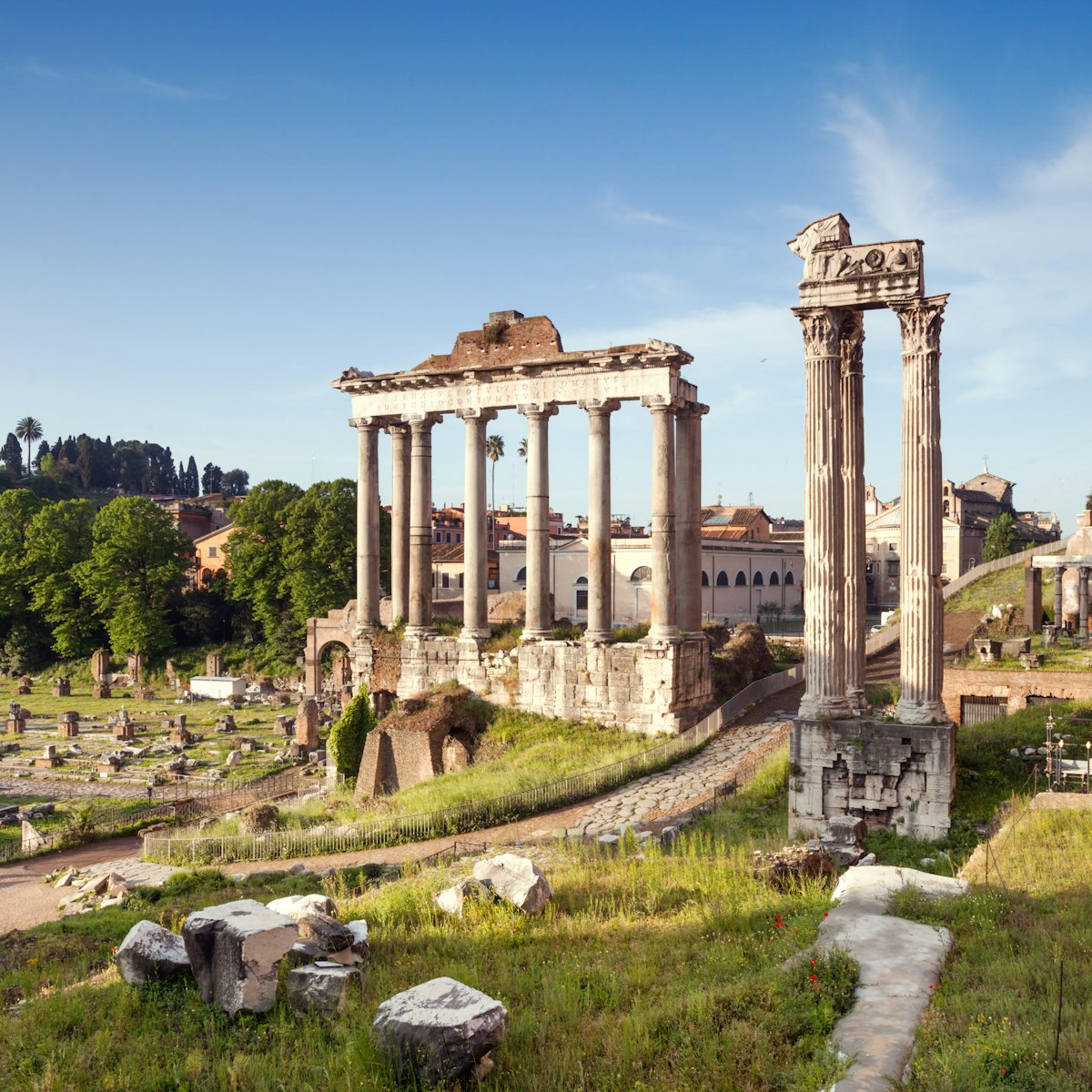
Ancient Rome
An impressive – if rather confusing – sprawl of ruins, the Roman Forum was ancient Rome's showpiece center, a grandiose district of temples...
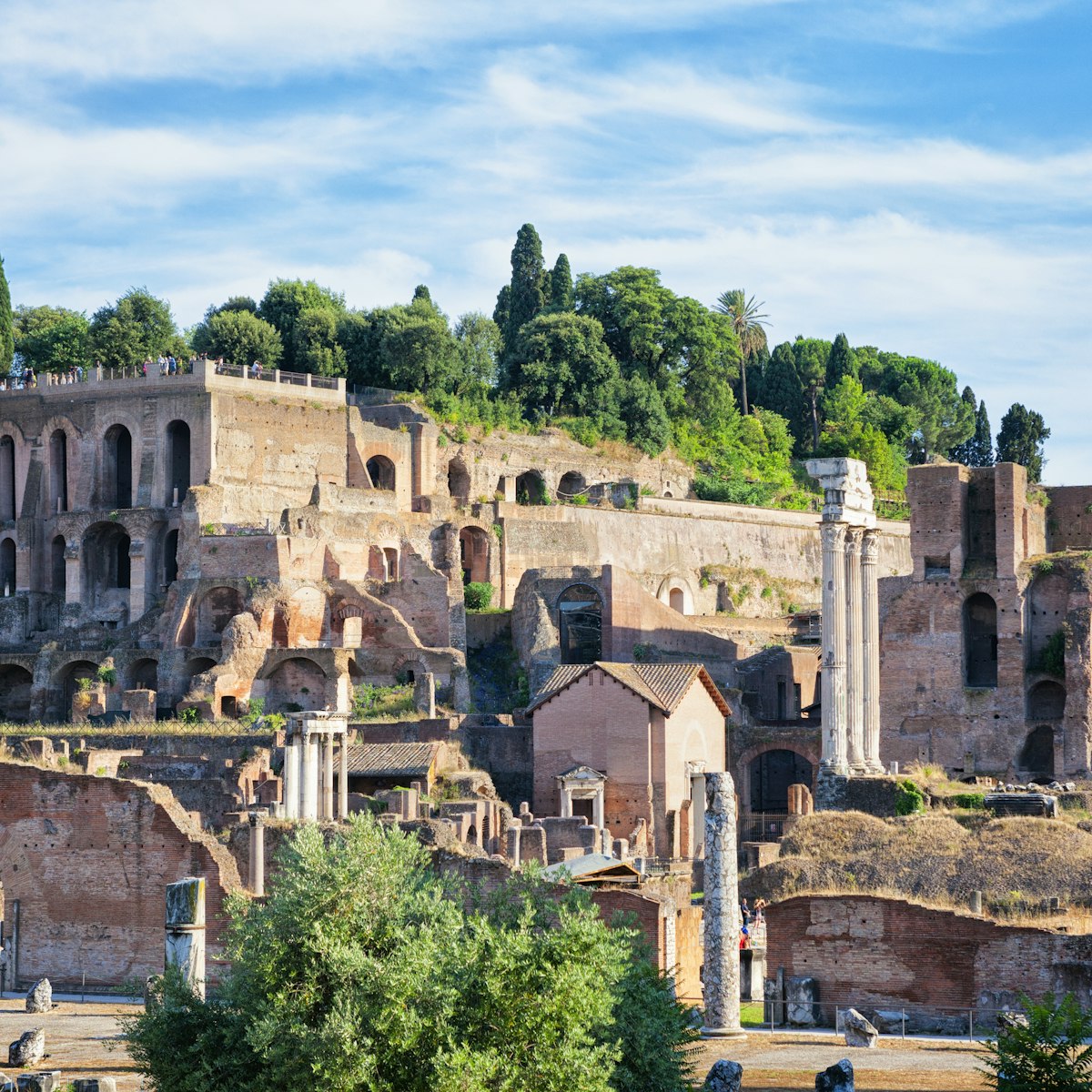
Ancient Rome
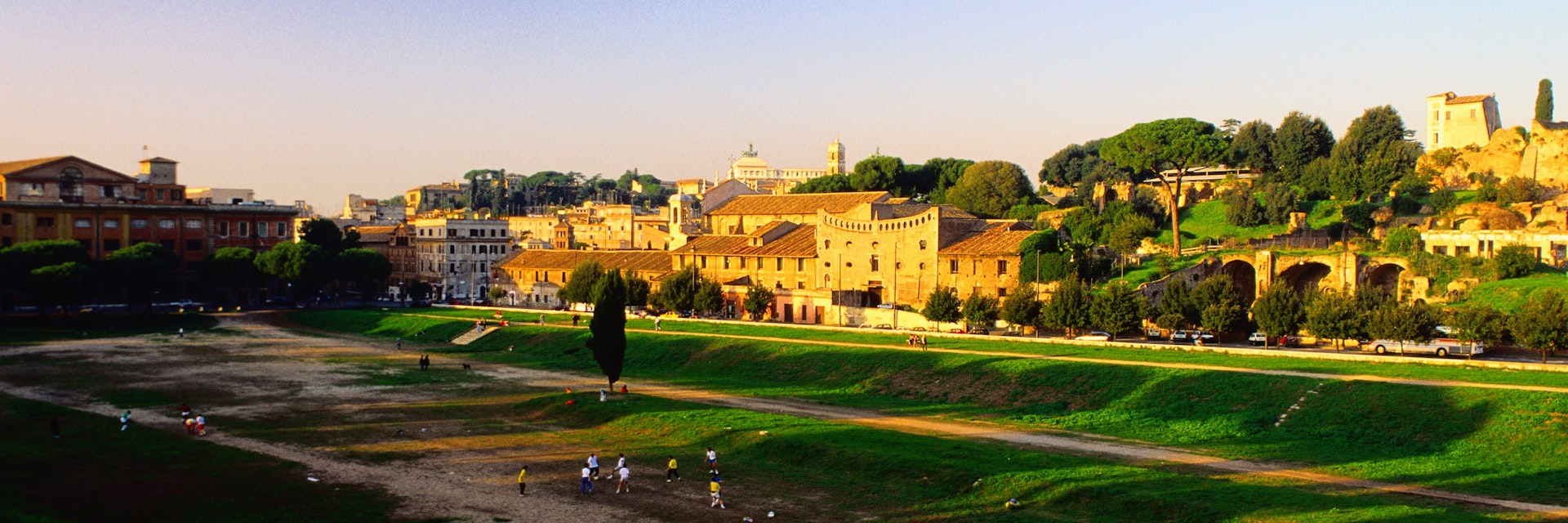
Sandwiched between the Roman Forum and the Circo Massimo, the Palatino (Palatine Hill) is one of Rome's most spectacular sights. It's a beautiful,…
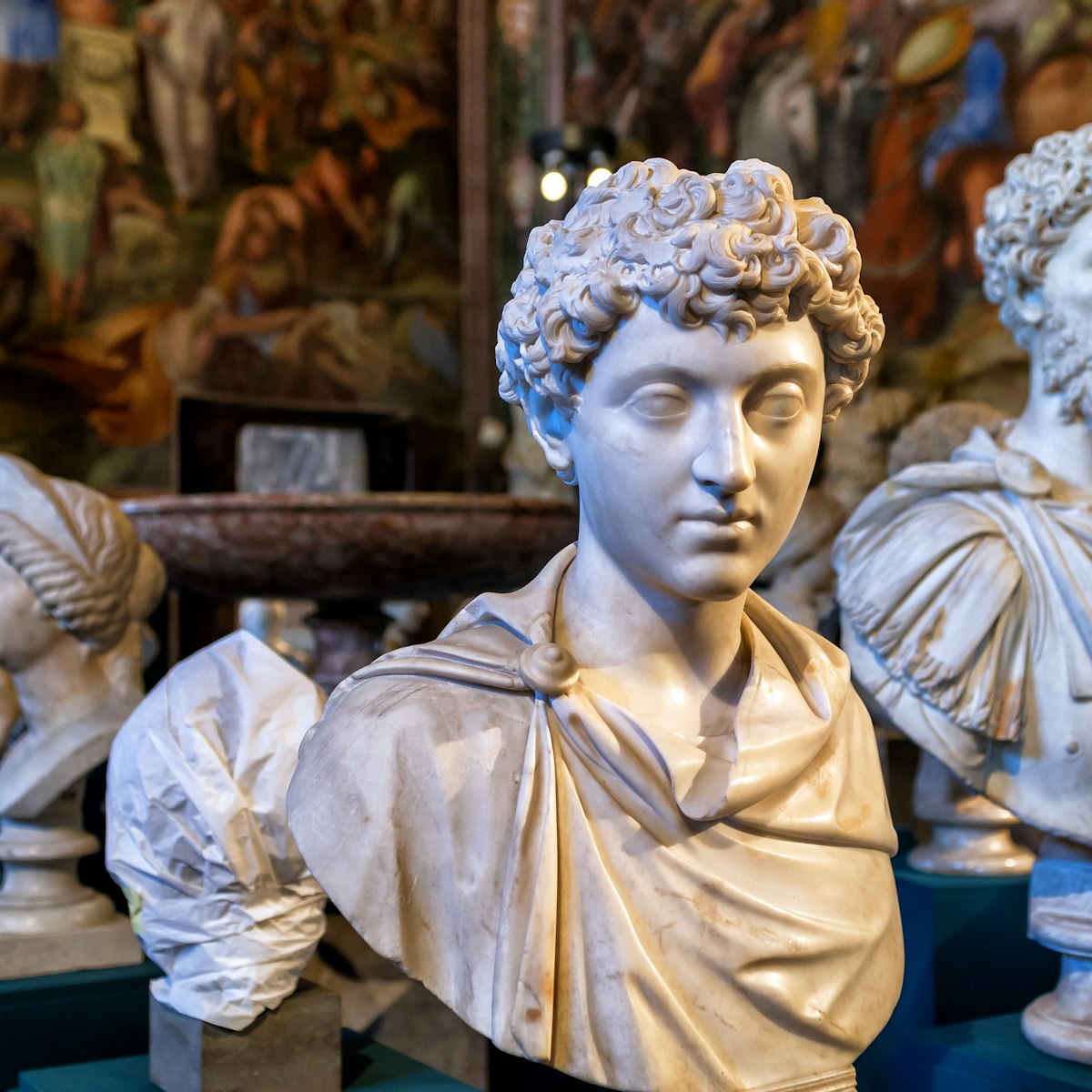
Ancient Rome
Dating from 1471, the Capitoline Museums are the world's oldest public museums, with a fine collection of classical sculpture.
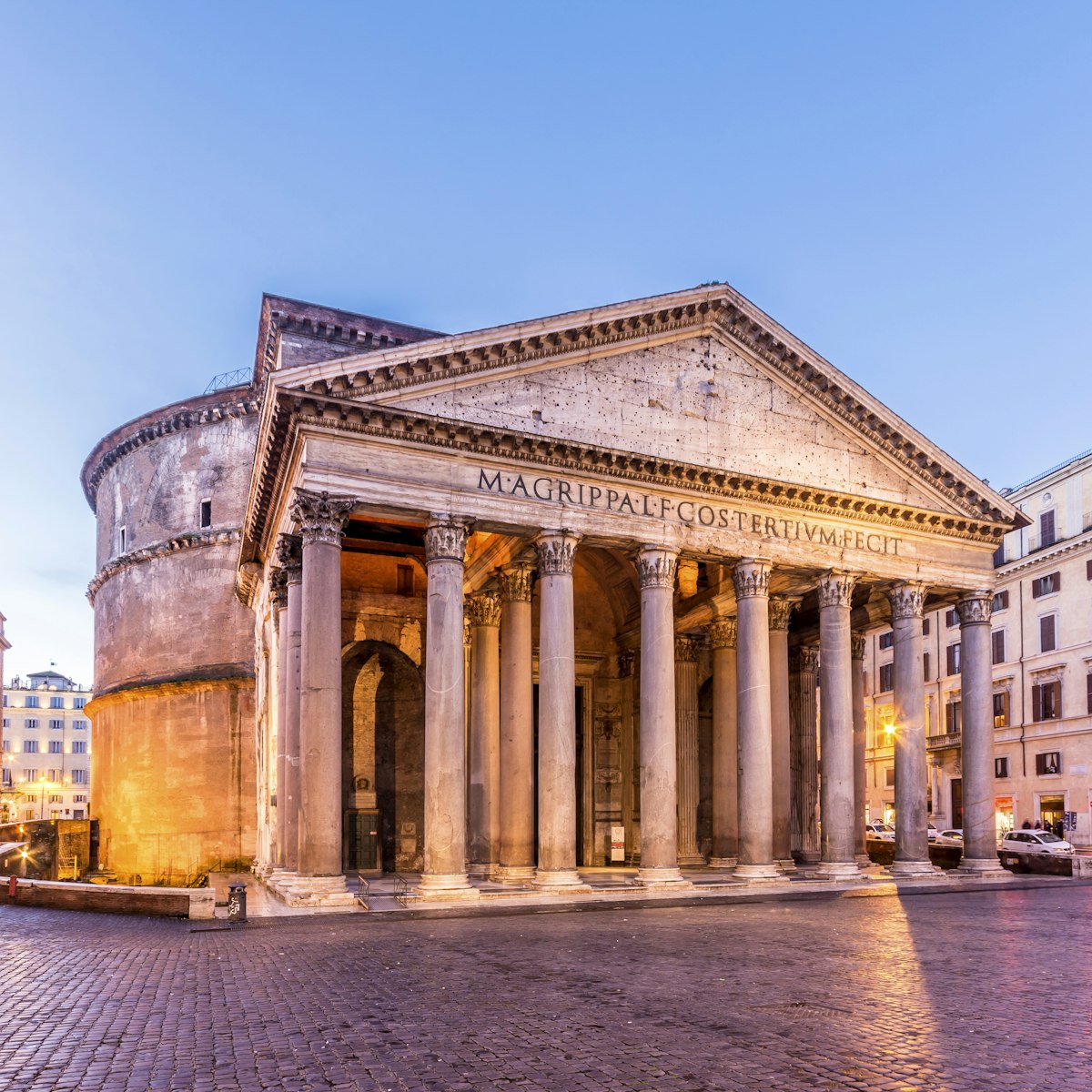
Centro Storico
With its revolutionary design, this awe-inspiring temple has served as an architectural blueprint for millennia.
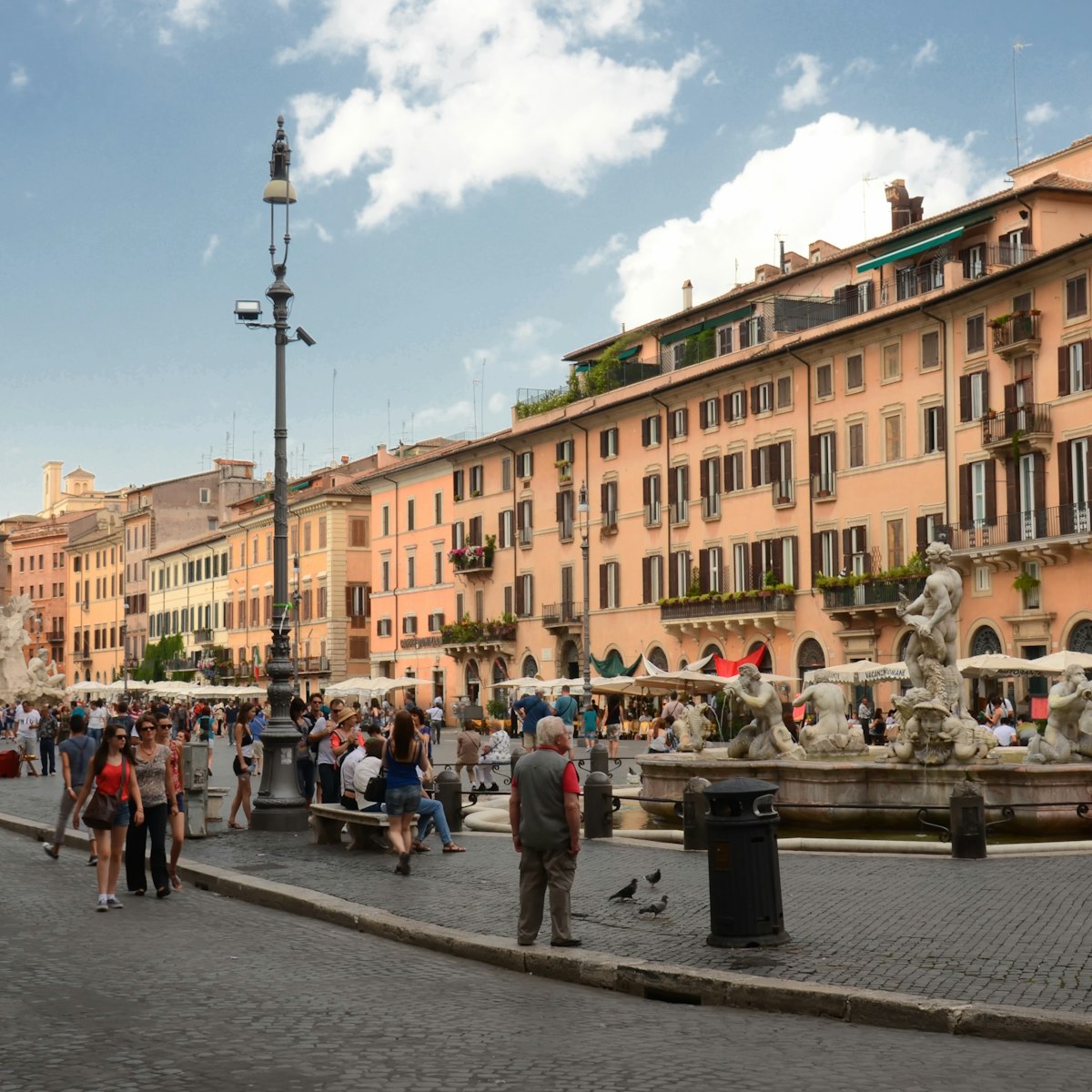
Centro Storico
With its showy fountains, baroque palazzi and colorful cast of street artists, hawkers and tourists, Piazza Navona is central Rome’s elegant showcase…

Filter by interest:
Get to the heart of Lazio with one of our in-depth, award-winning guidebooks, covering maps, itineraries, and expert guidance.